
Tent Footprints & Groundsheets
(102)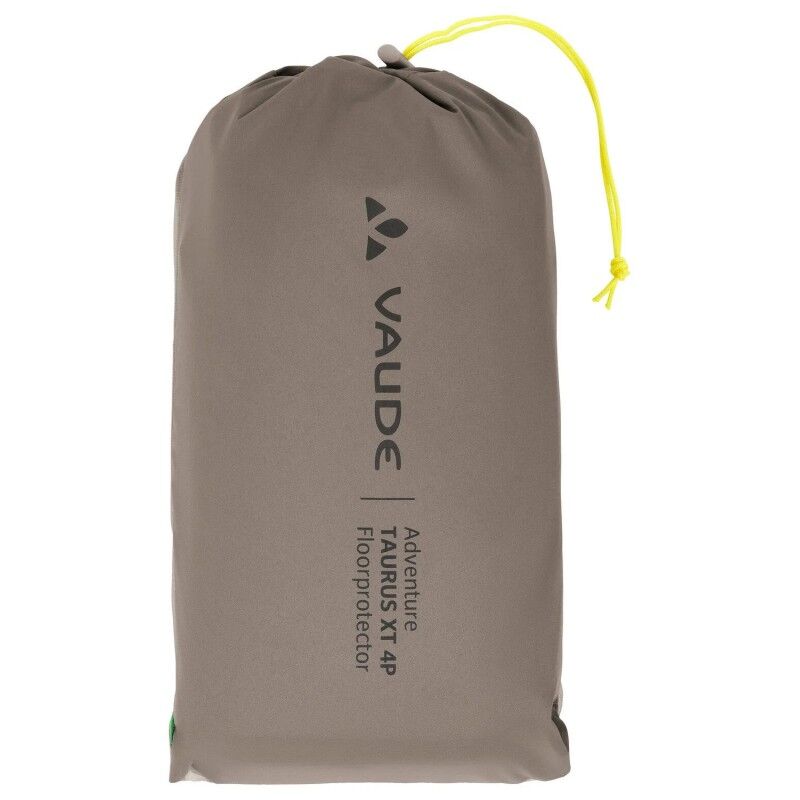
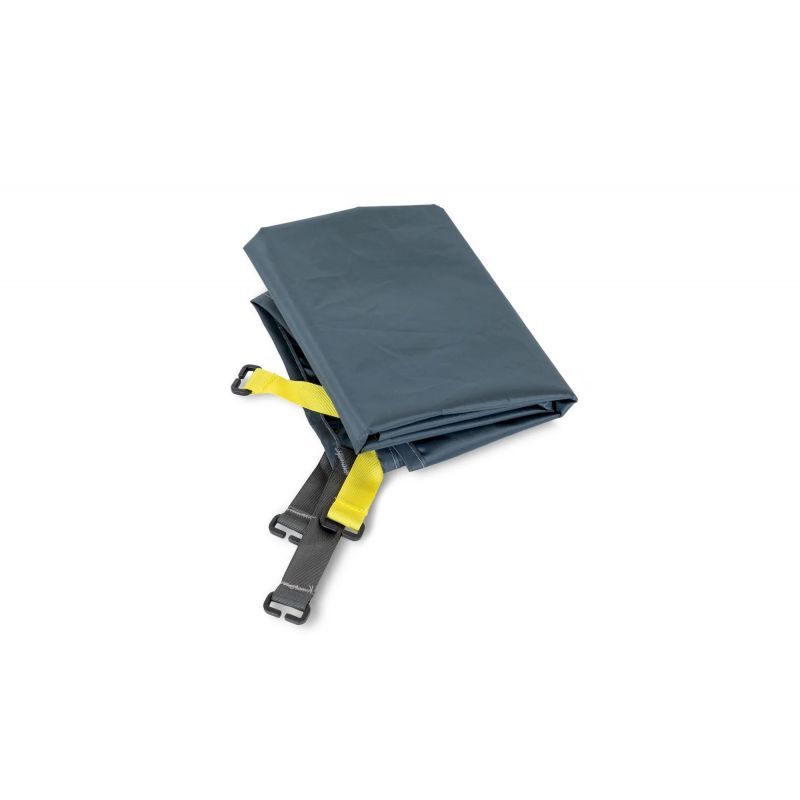
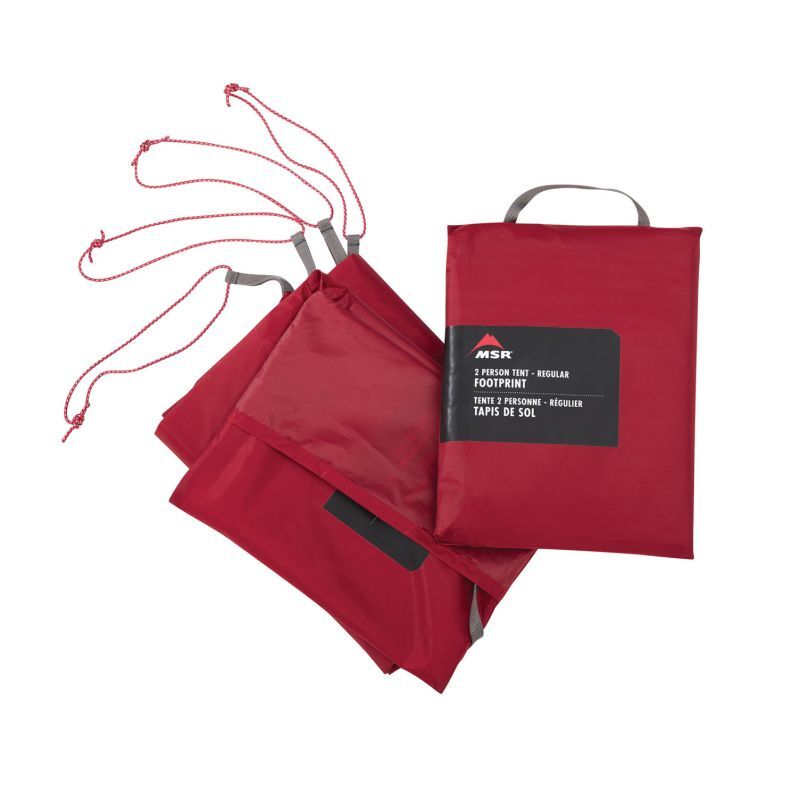

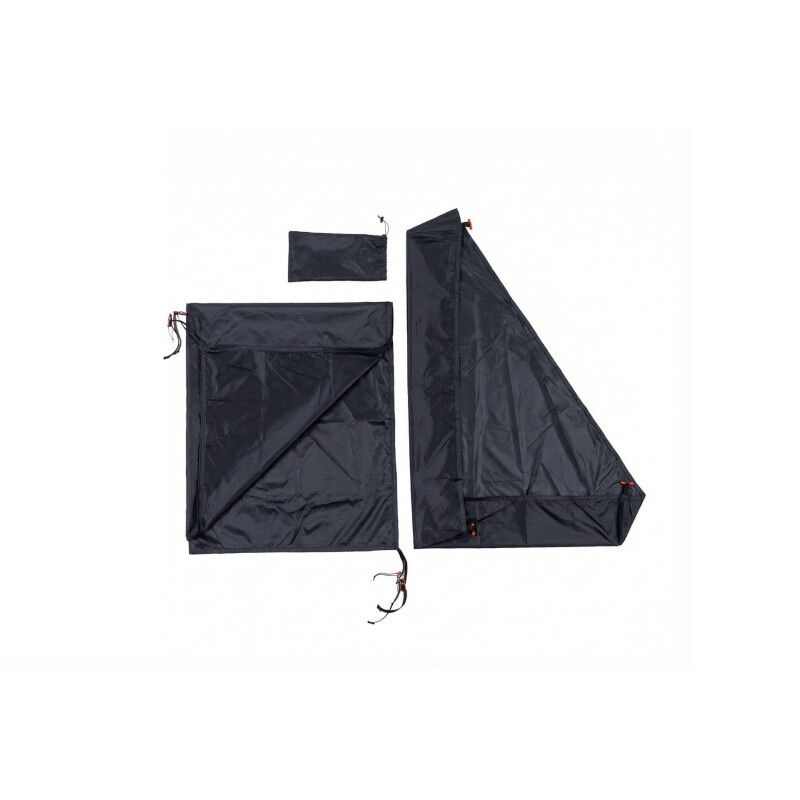
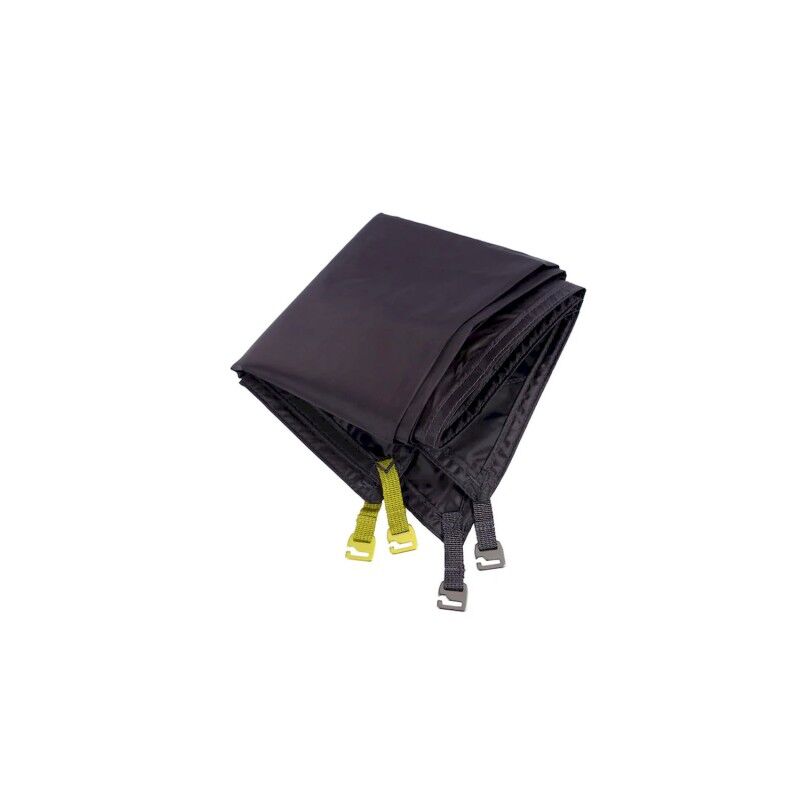
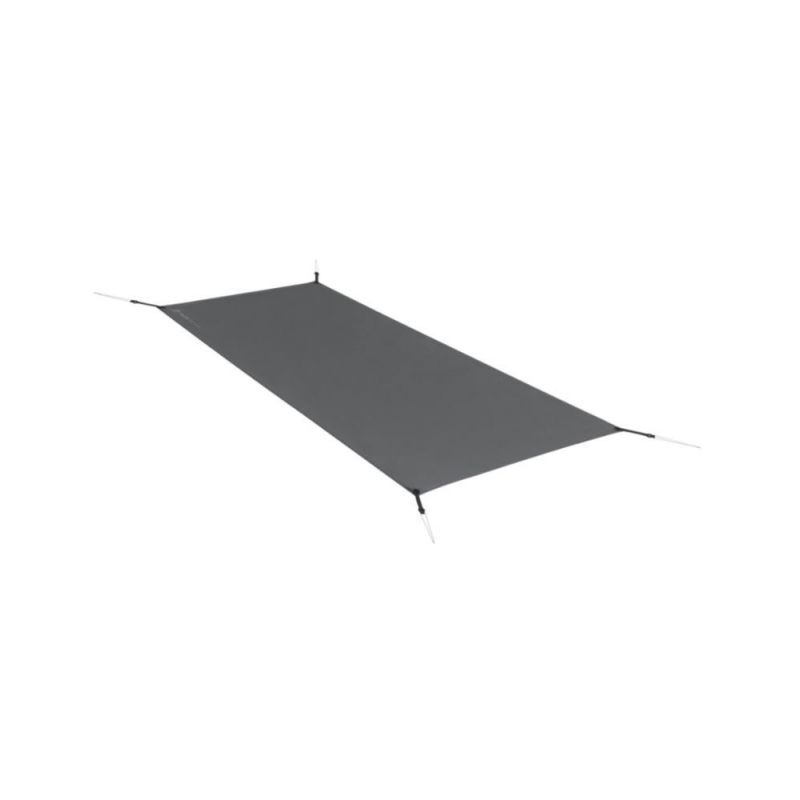
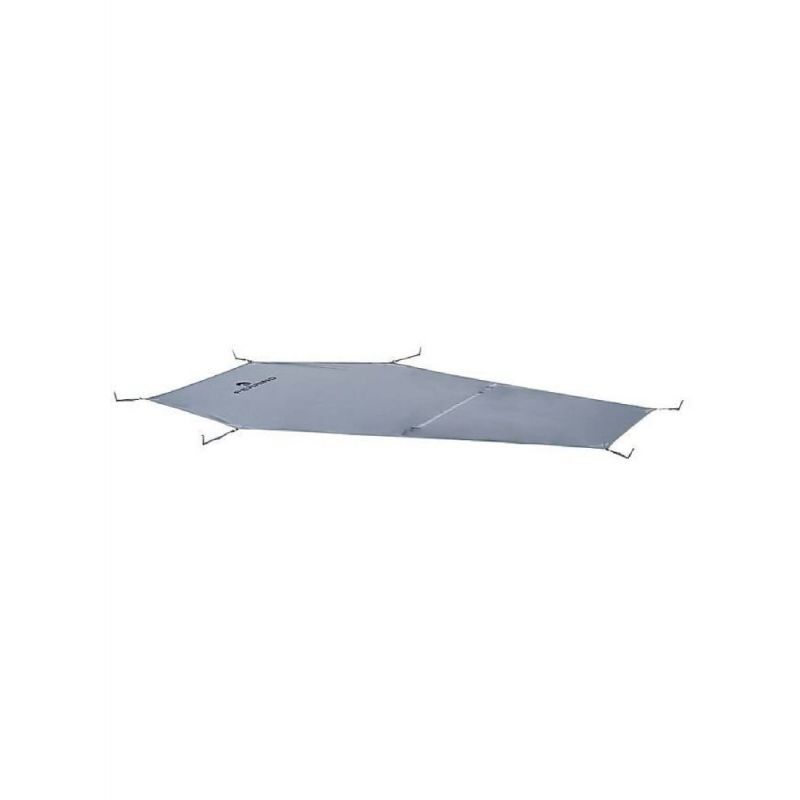
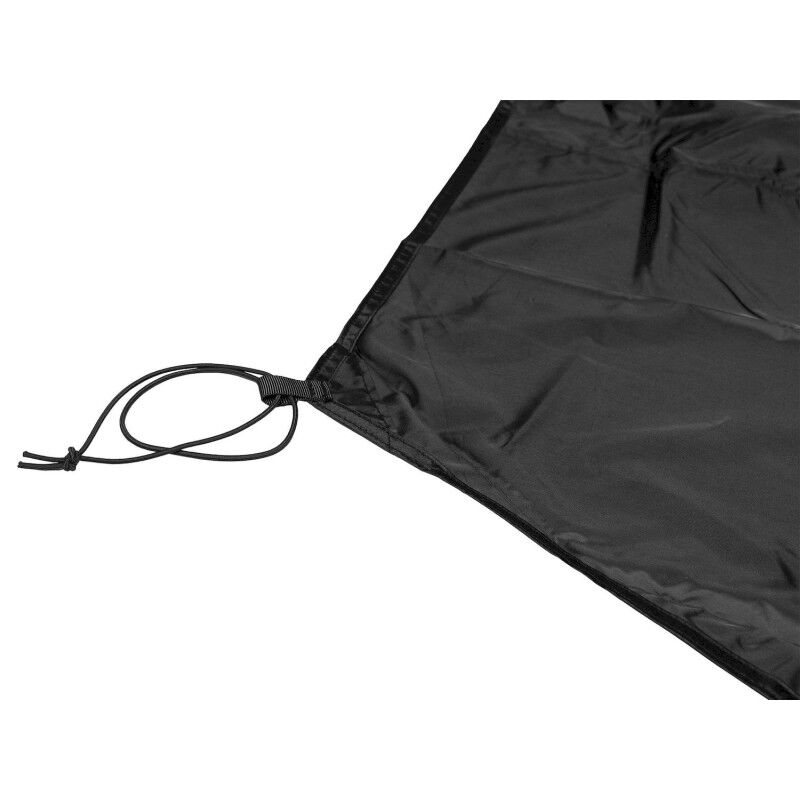

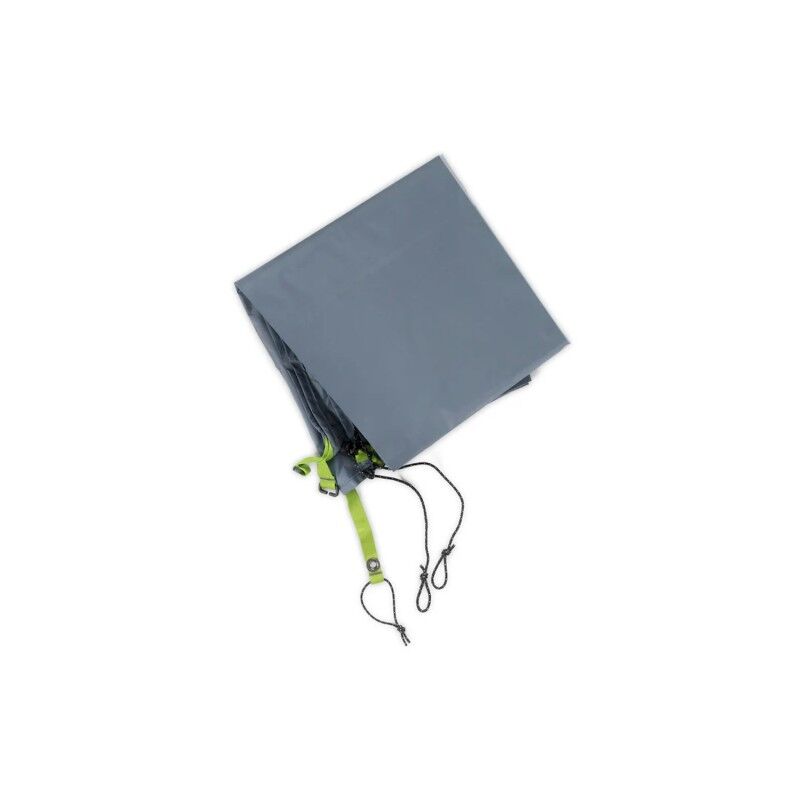
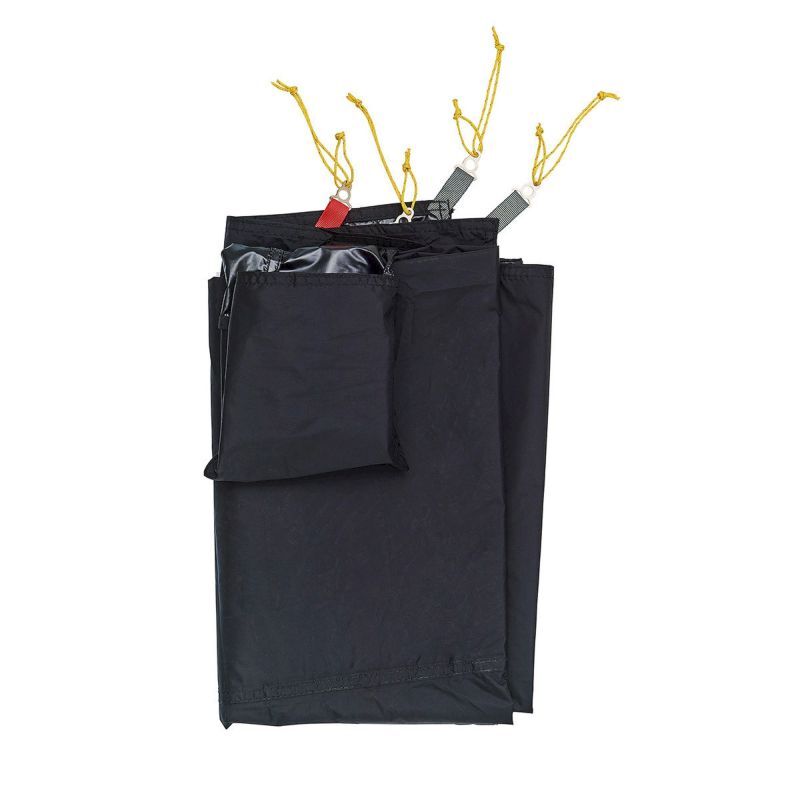
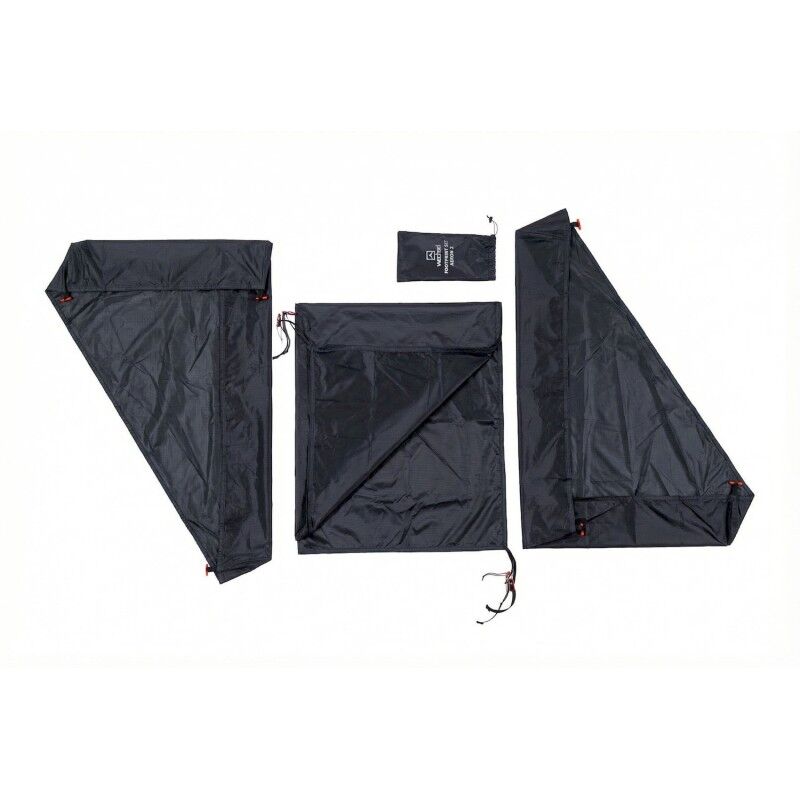
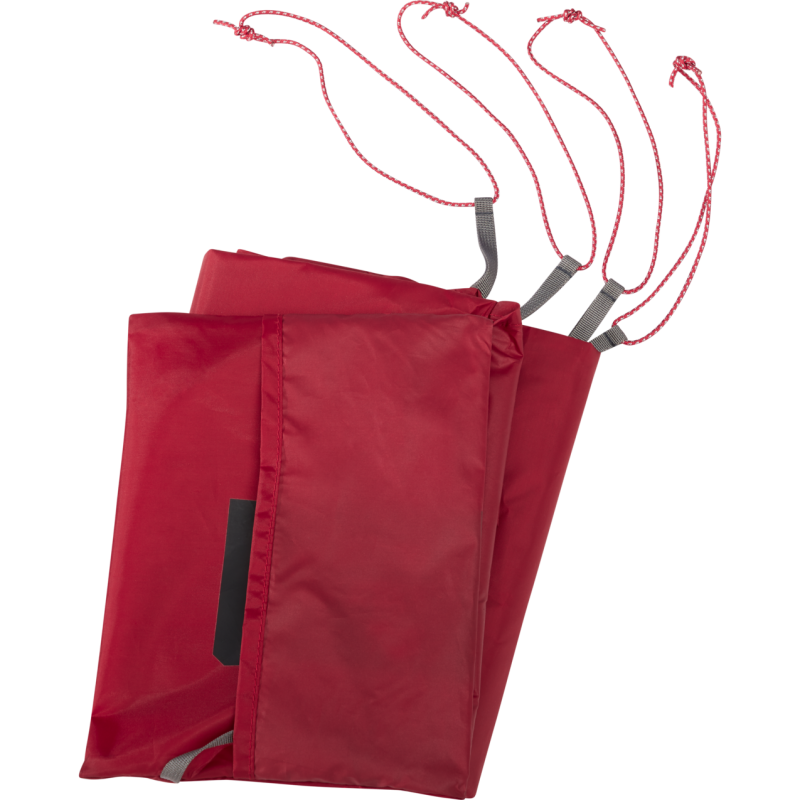
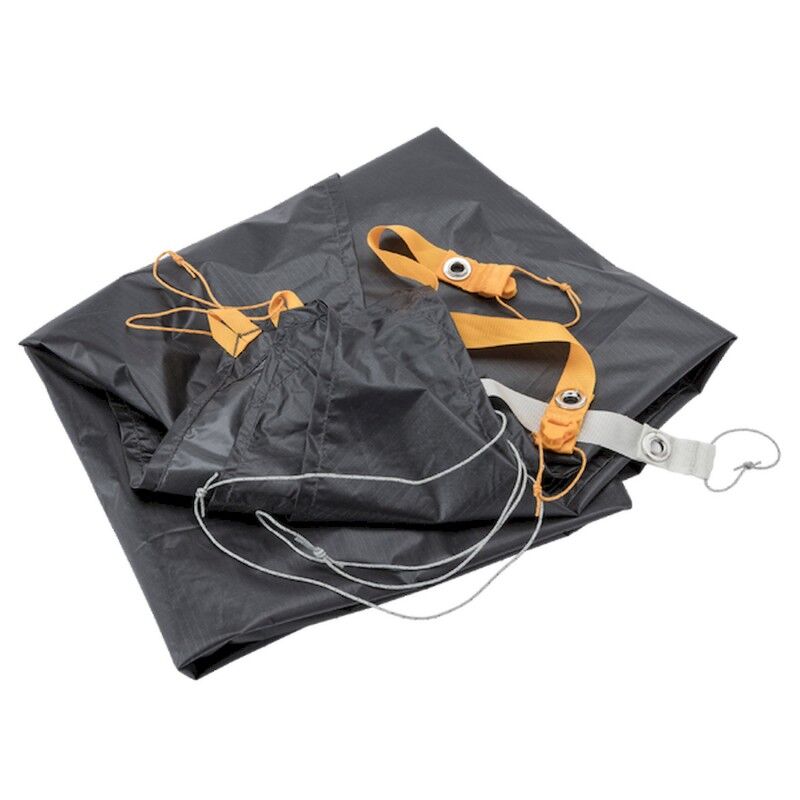
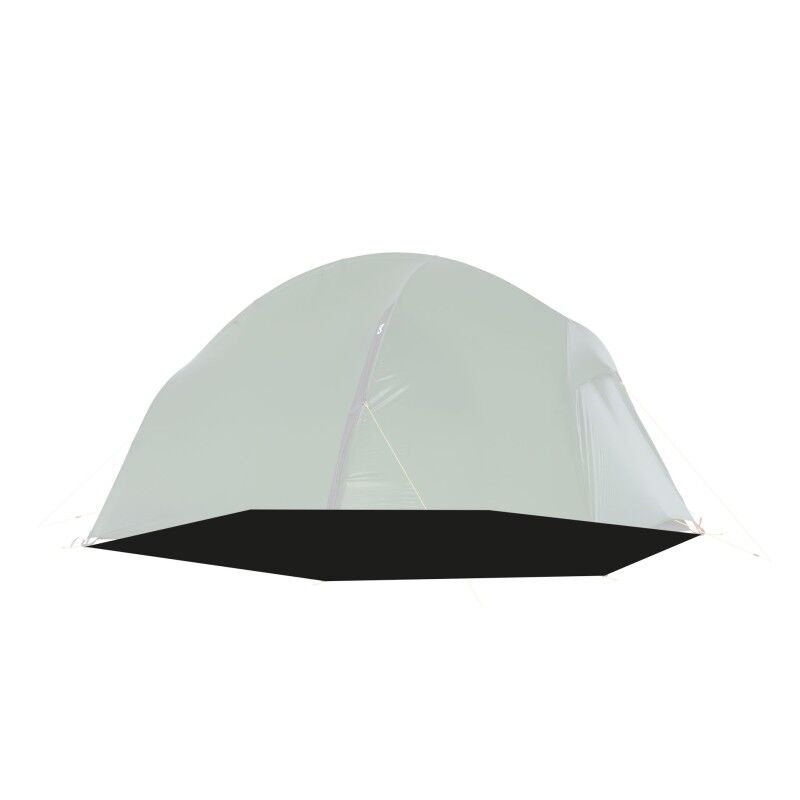

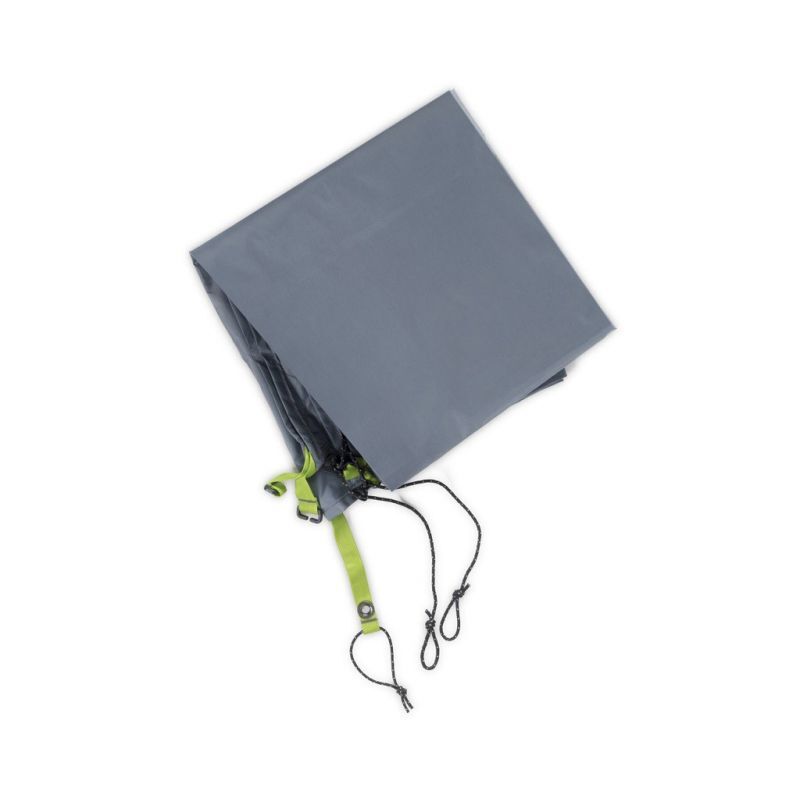


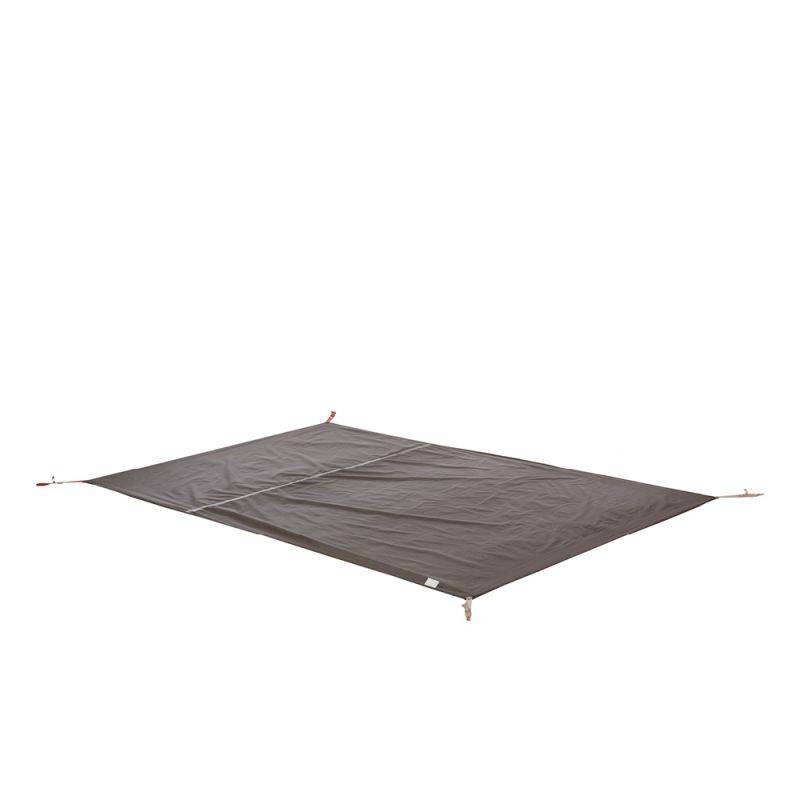
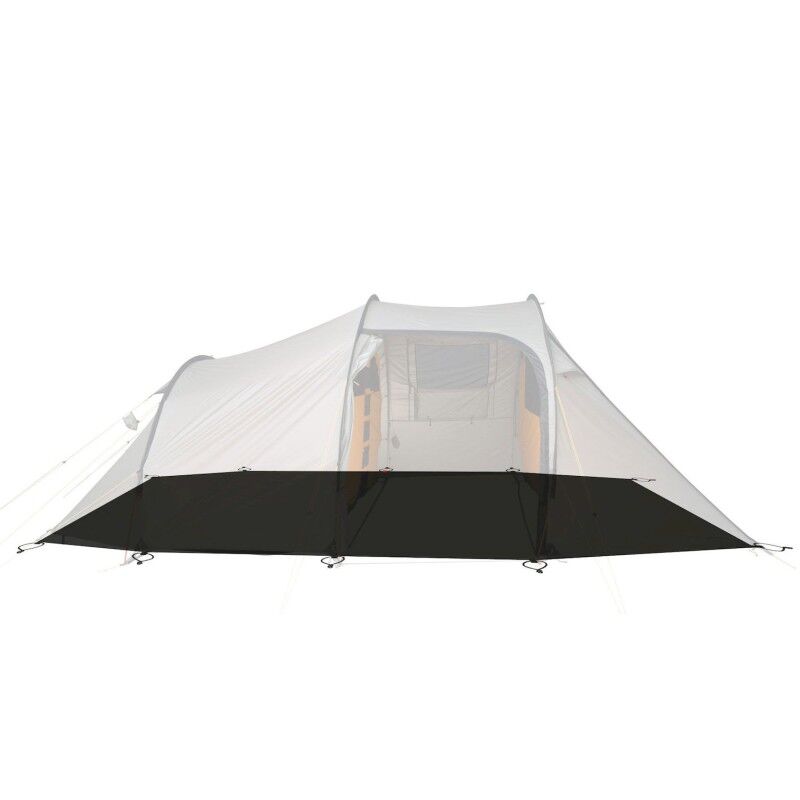


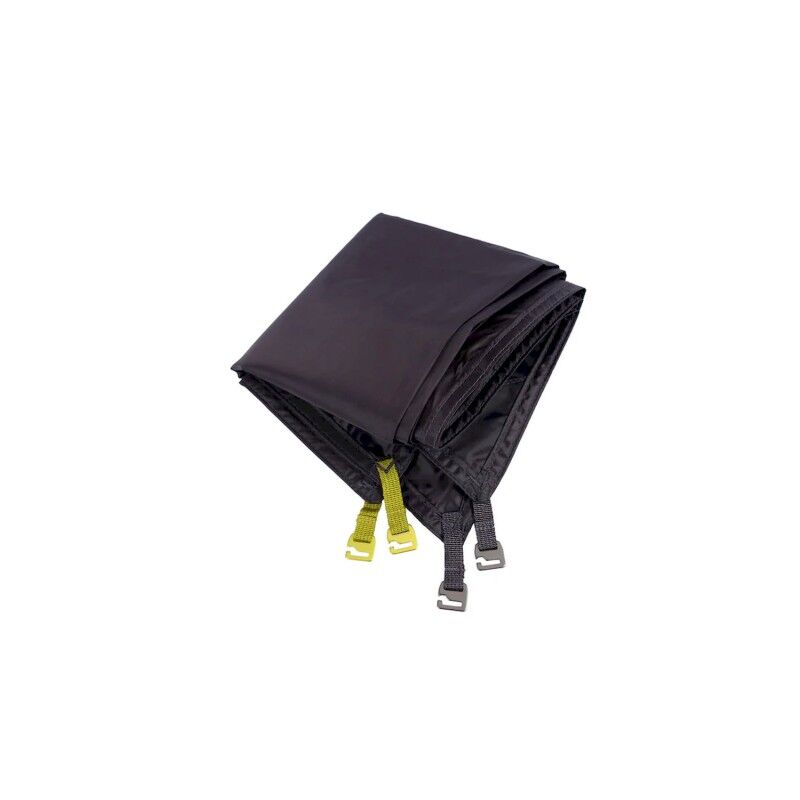
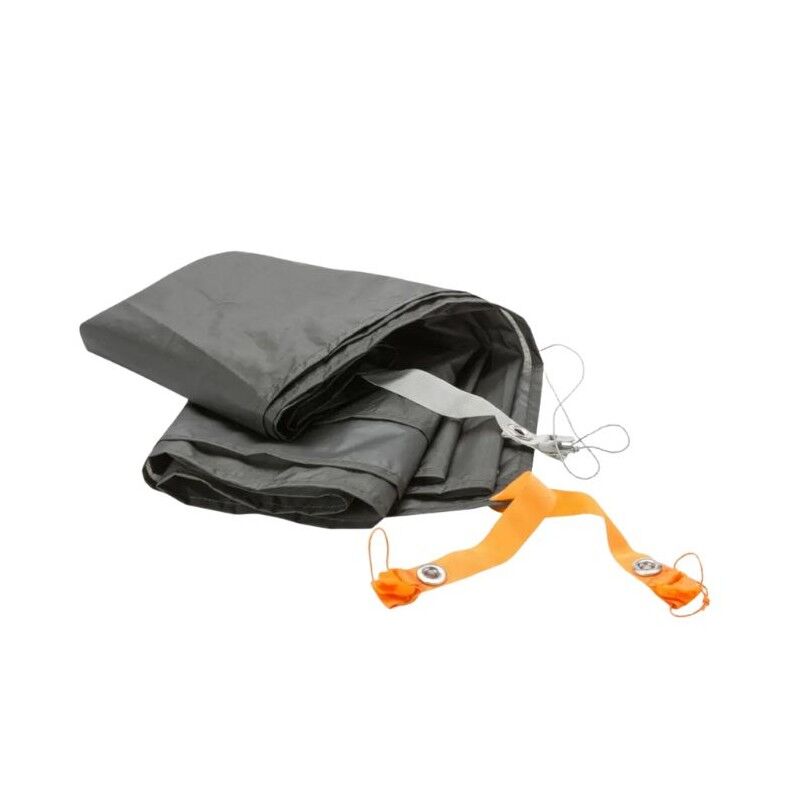

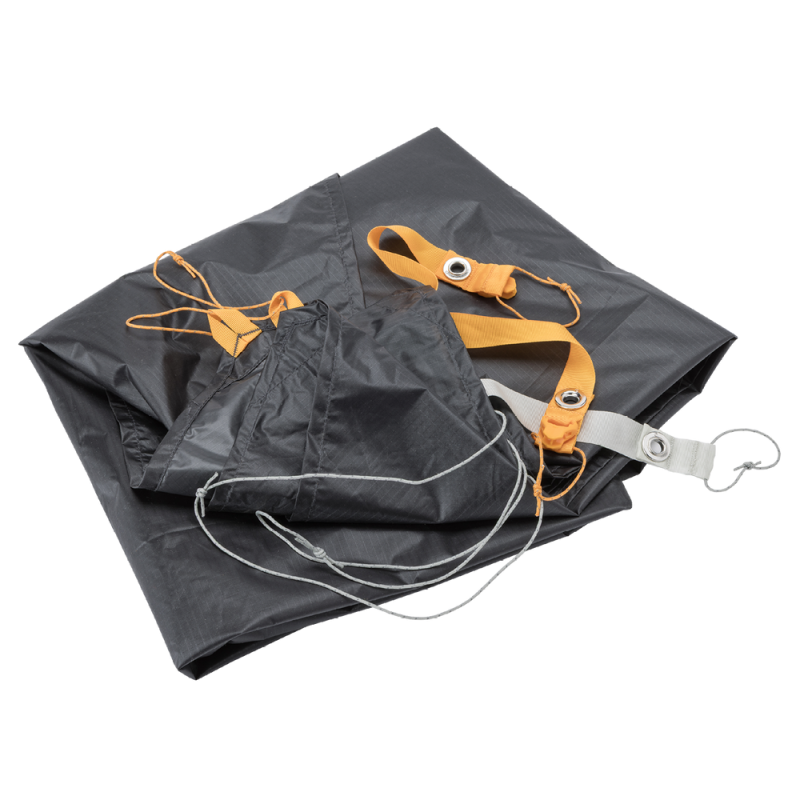
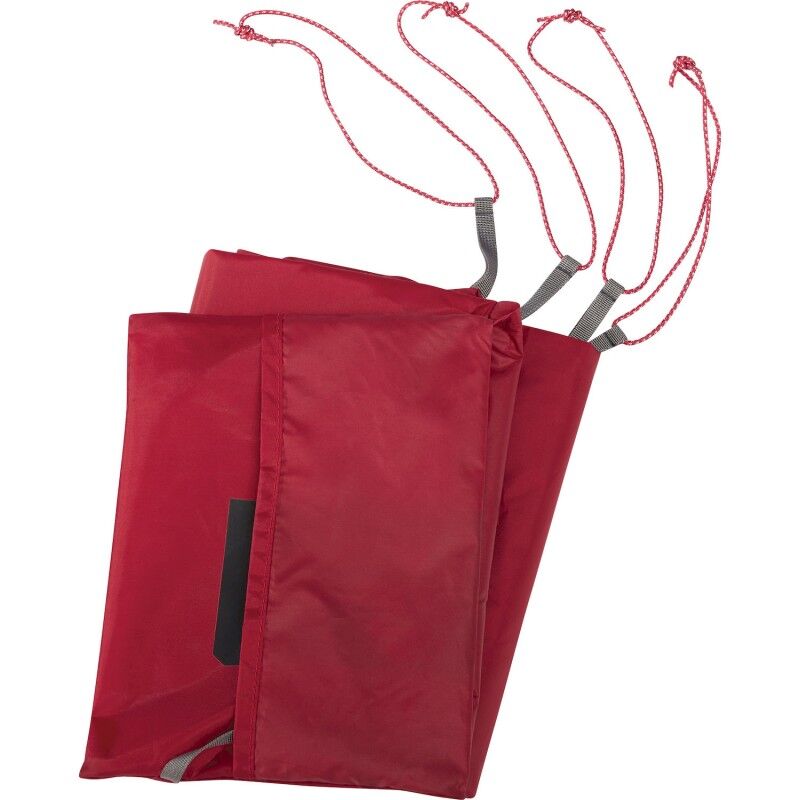
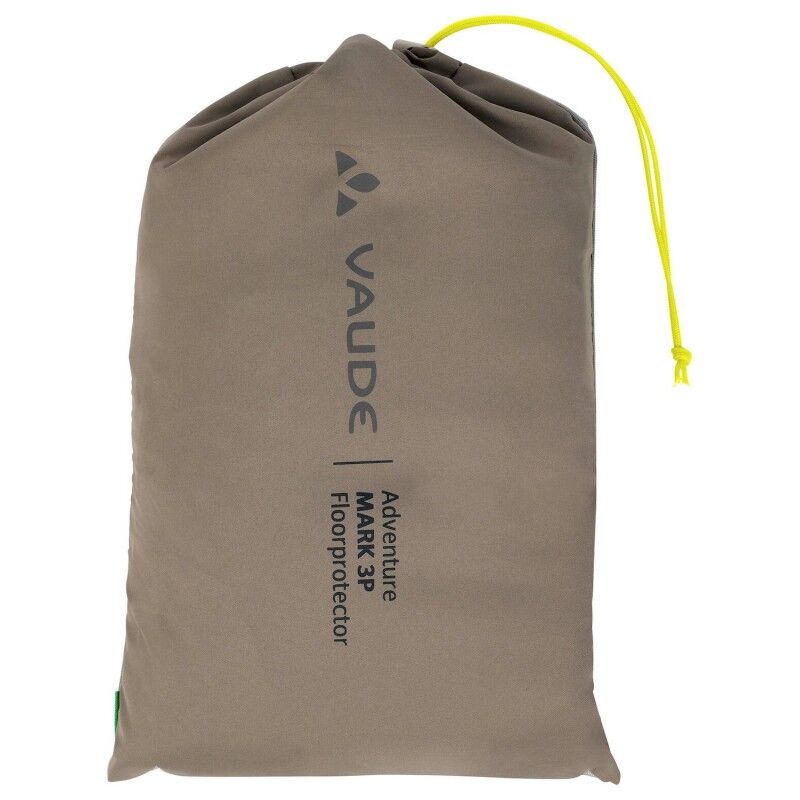
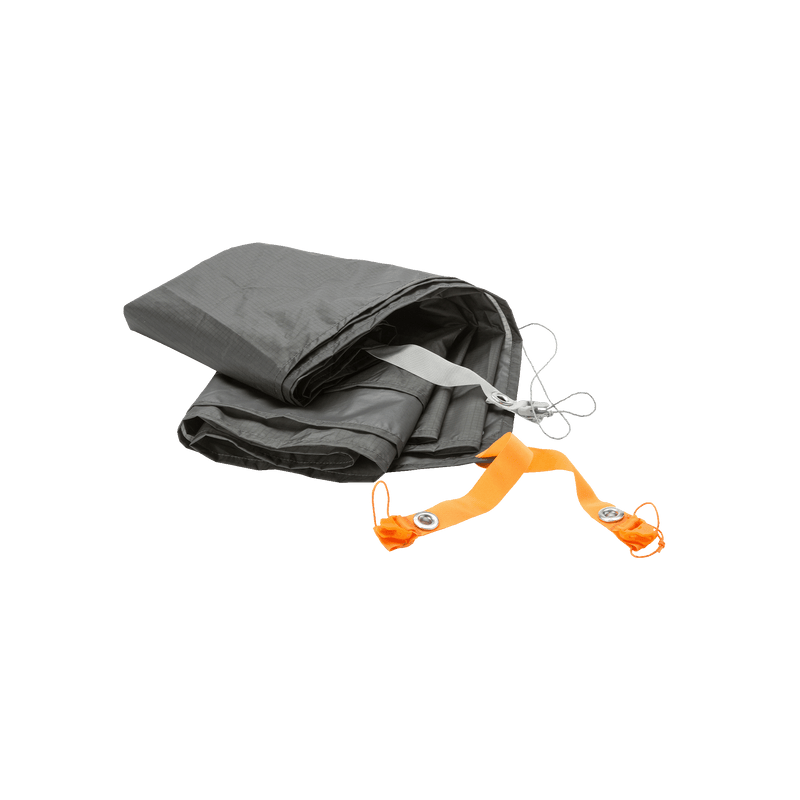
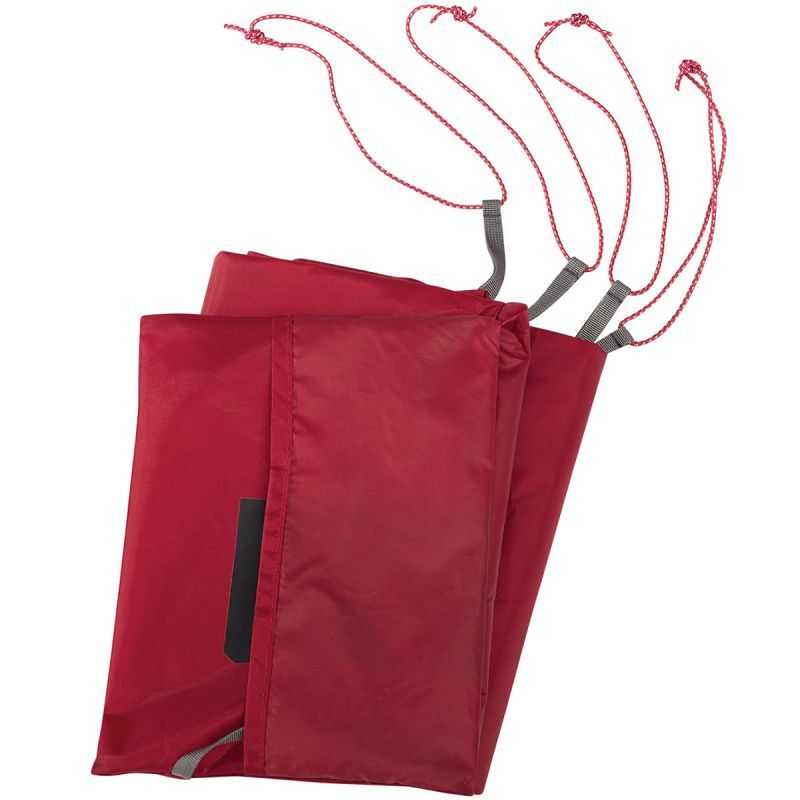
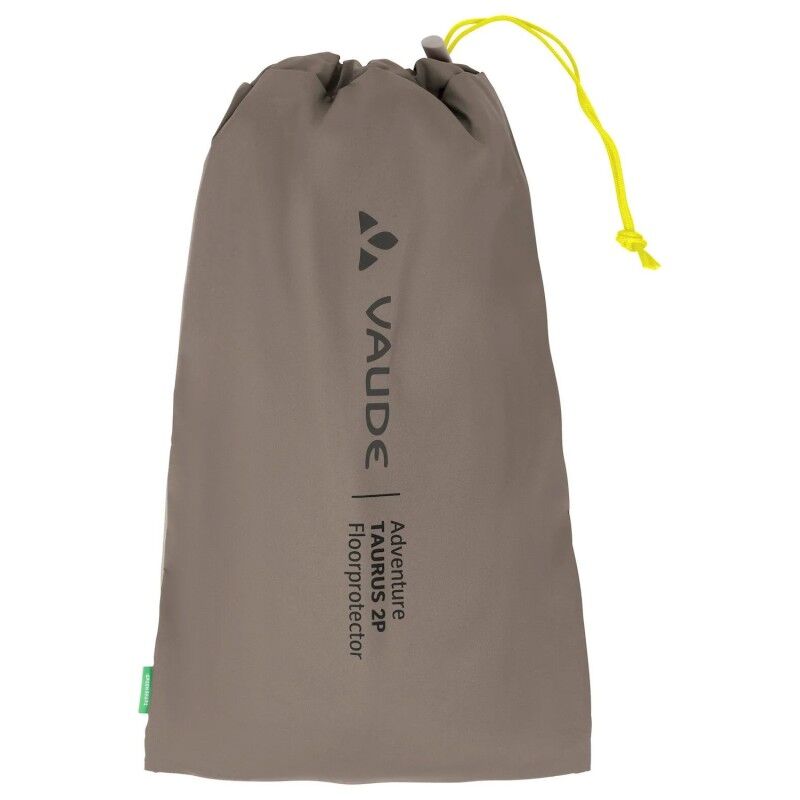
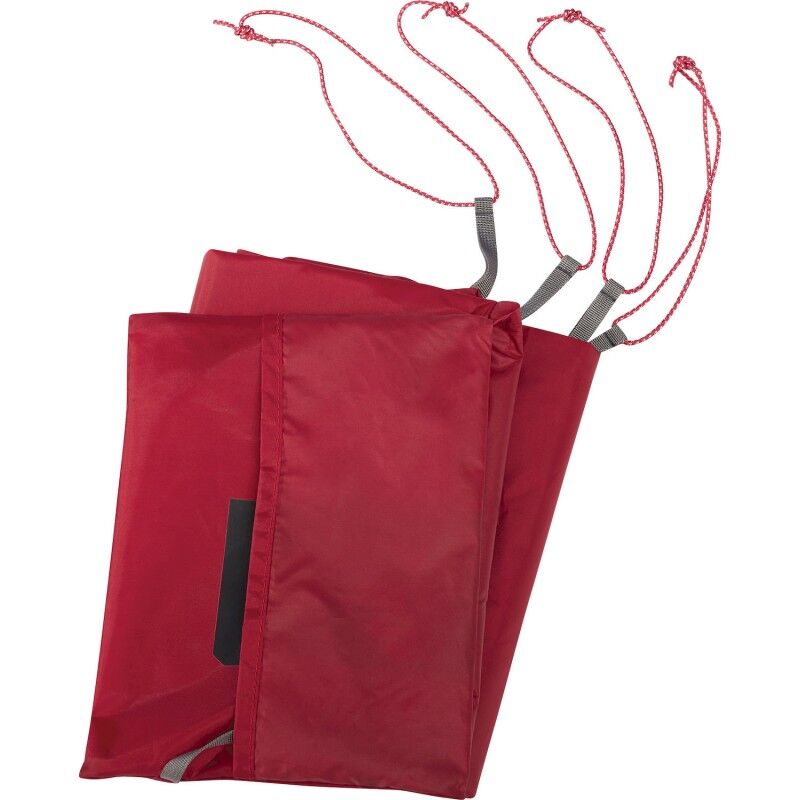


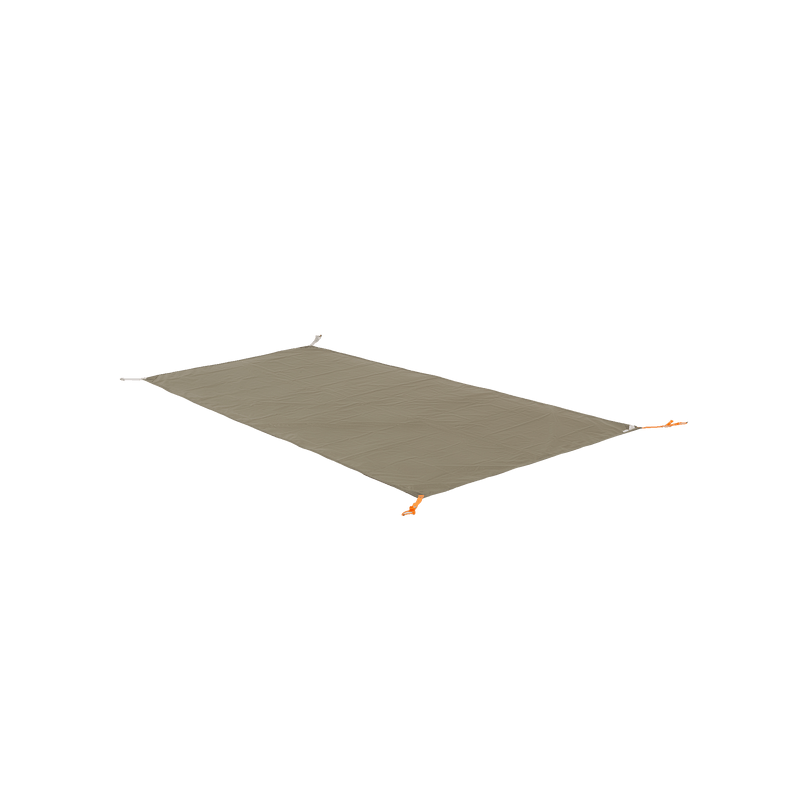
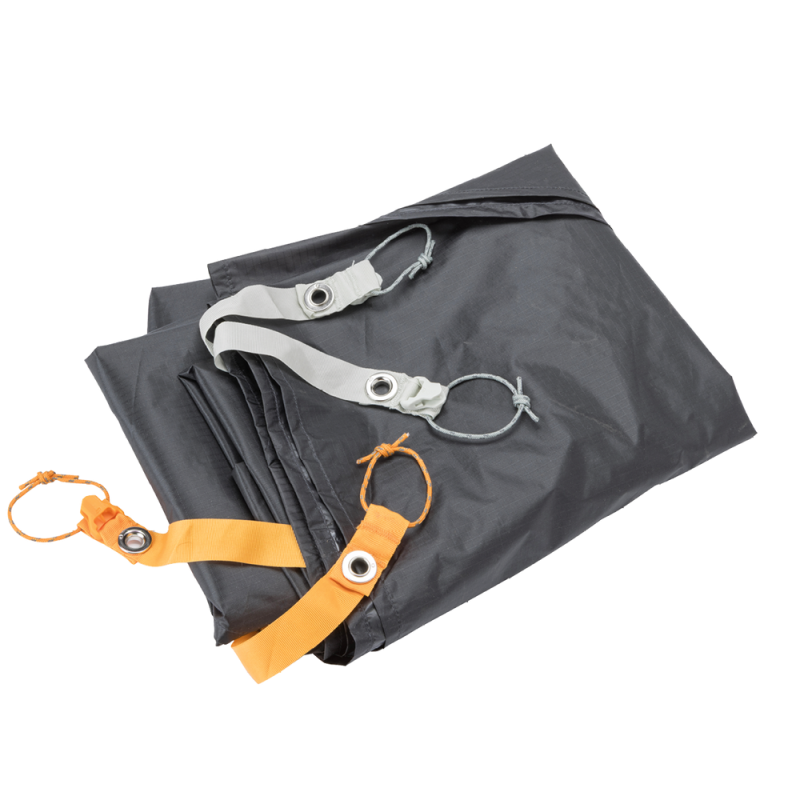

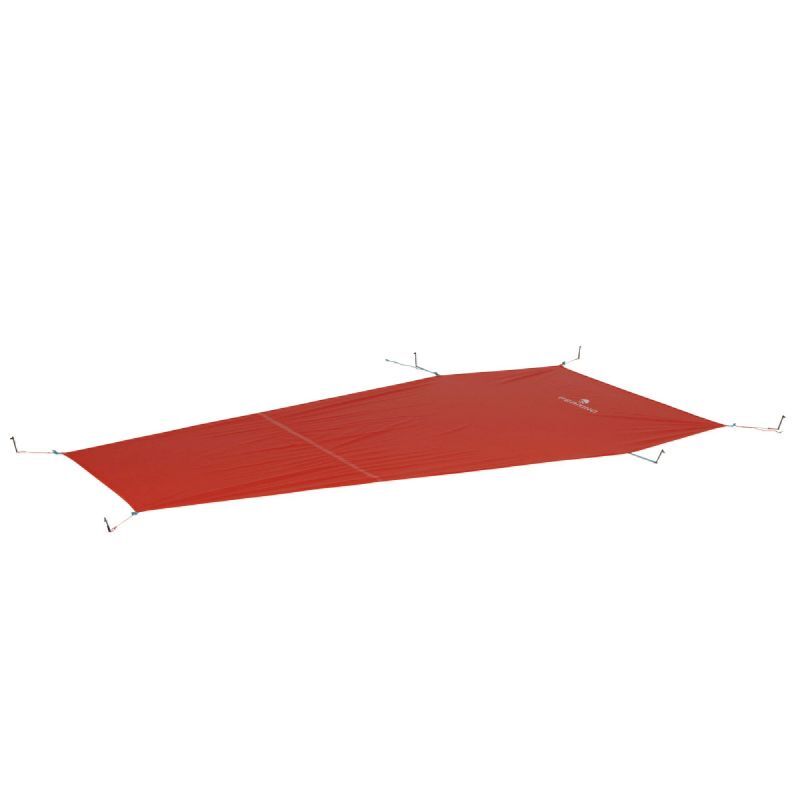
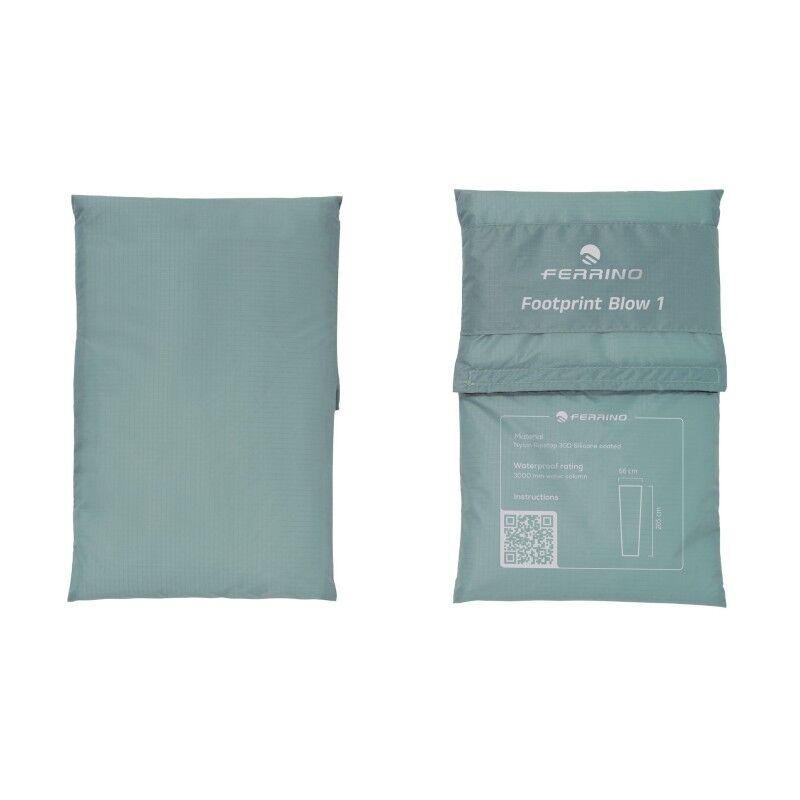

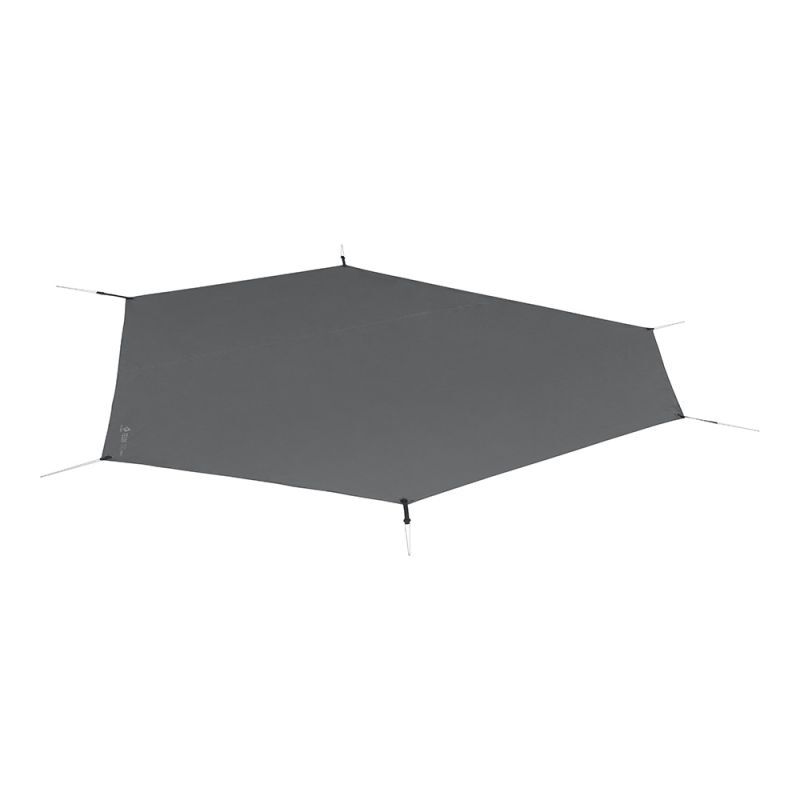
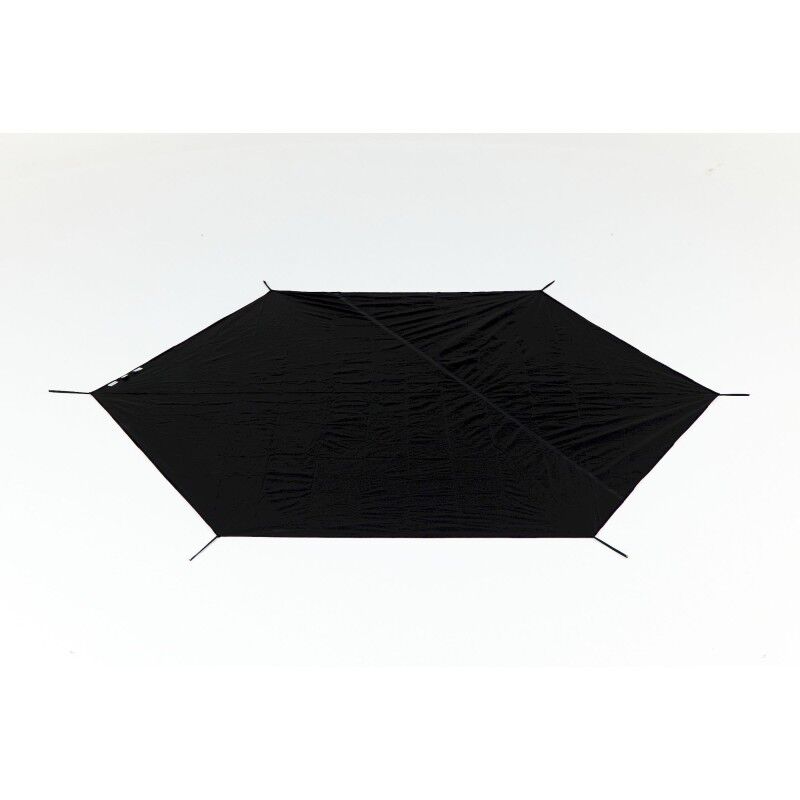
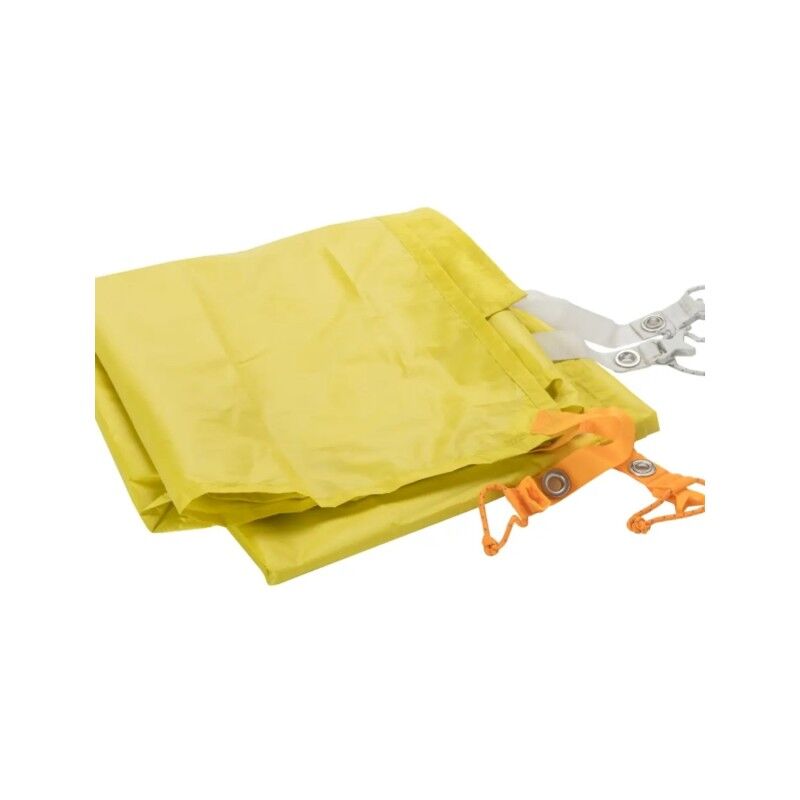
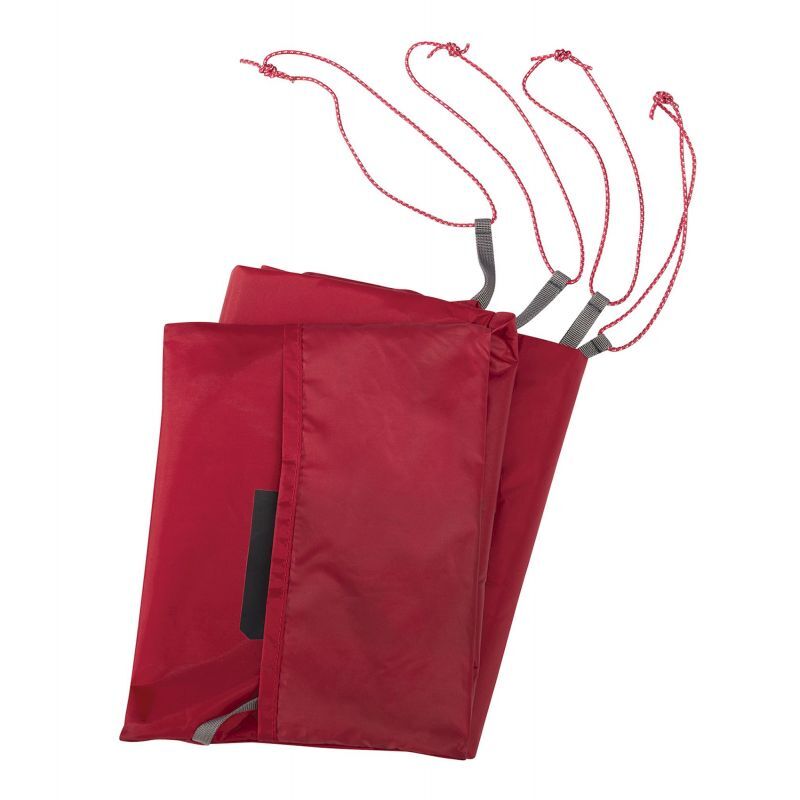
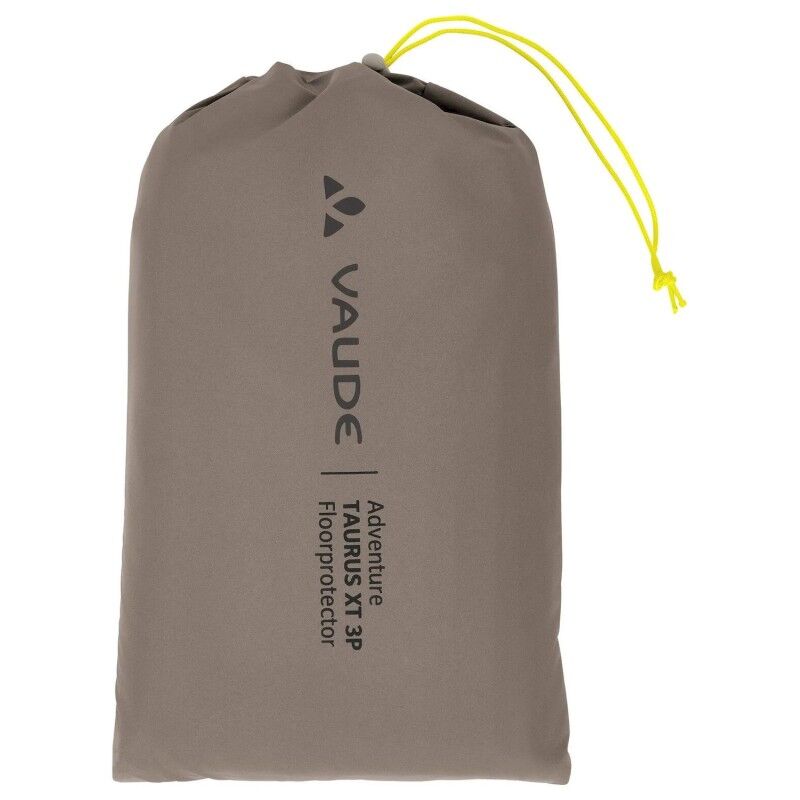
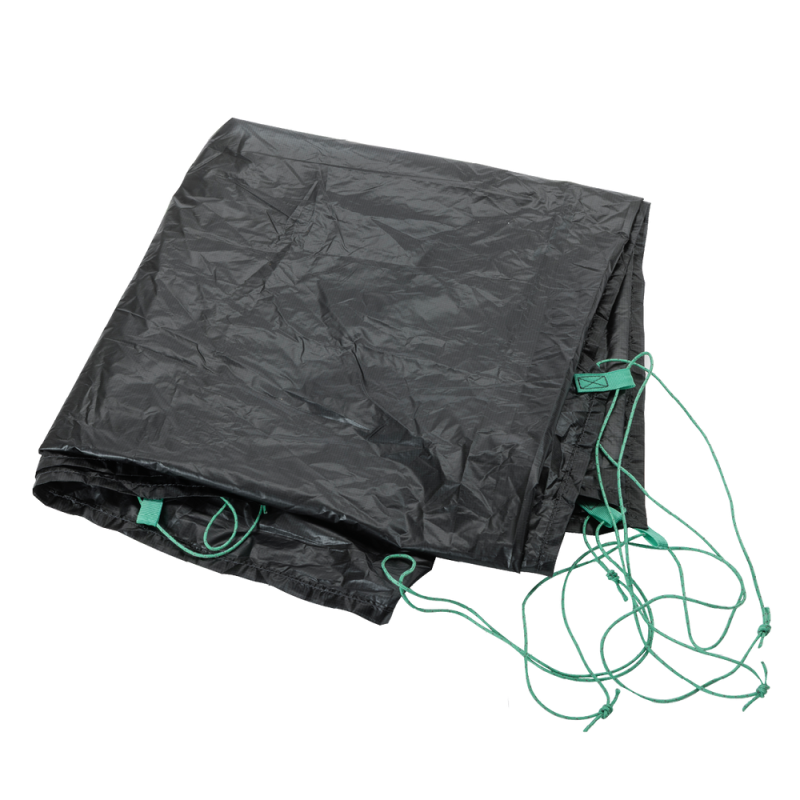
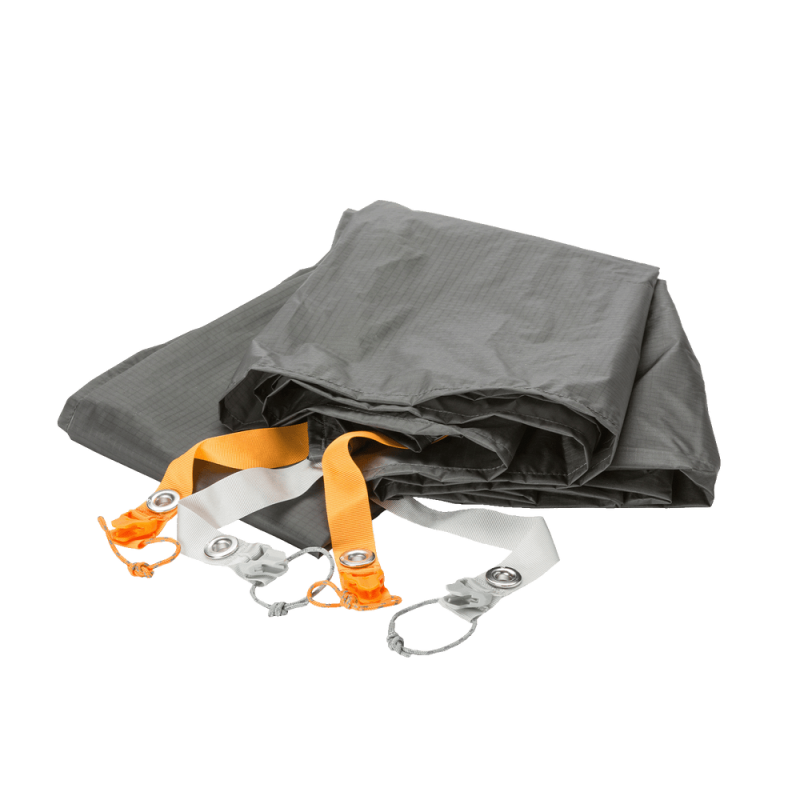
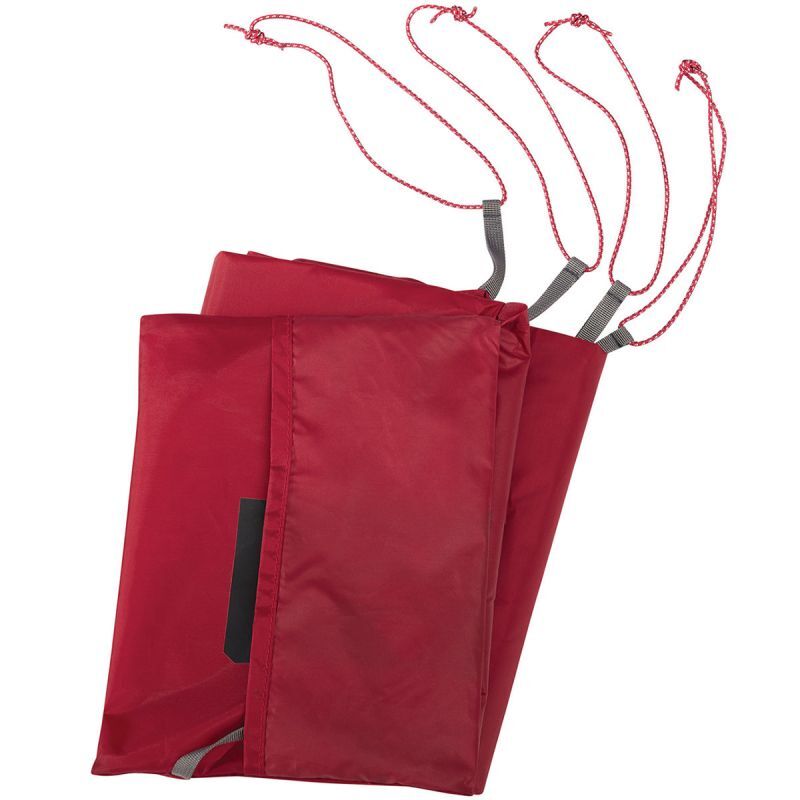

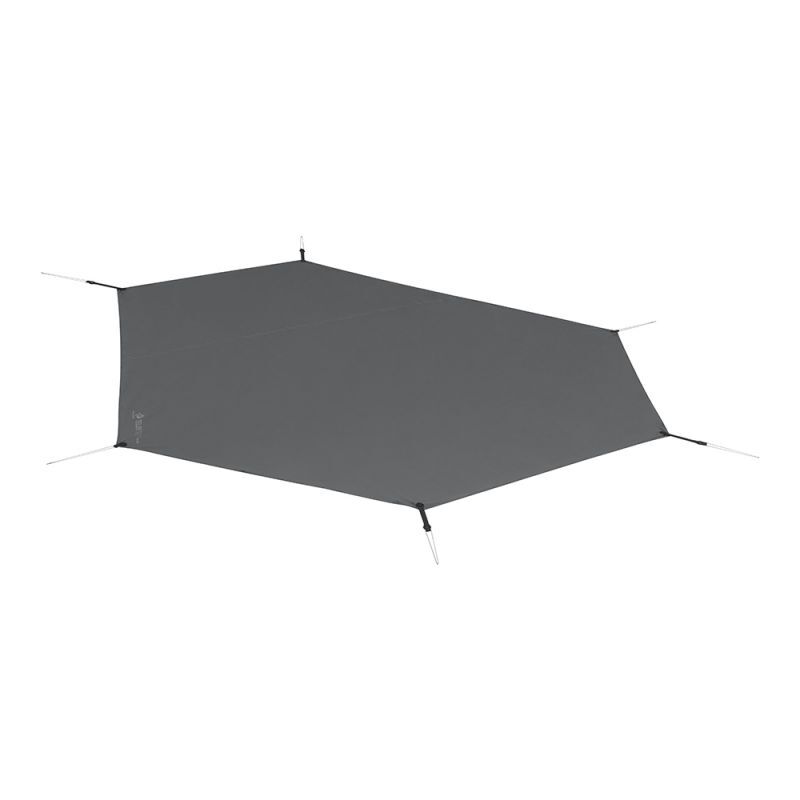
The tent footprint, an asset against cold and humidity
The sun sets over the Breton coast, and you take one last look at your wife, your son, and your beloved camping tent. However, one detail bothers you. Your tent, set on cold and damp ground, does not provide the necessary comfort. Worse still, once nestled in your sleeping bag, you can still feel the frozen earth beneath your hiking tent! To address all these issues, you can use a tent footprint, ideal for insulating you from the ground. If you venture into the Dana Valley or along the Langtang trails to admire the Annapurnas and its lunar landscapes, there’s a good chance you’ll need to pitch your tent on damp terrain, related to snow or the surrounding cold. Using a tent footprint will allow you to find the well-deserved rest and sleep in a cozy nest despite the stopping point of your journey.
Choosing the right tent footprint
Nomadic populations throughout history have created tents or easily transportable shelters. The Mongolian people, for example, have evolved for centuries in yurts, arranging their interiors to be as comfortable as possible, despite not being fixed. To enhance the comfort of their spaces, the ground was soon covered with various elements: skins, branches, straw, fabrics, or mattresses. Generations have done their best to create optimal insulation between the ground and their own bodies or bedding to protect themselves from cold and humidity. The tent footprint serves the same purpose as these various elements within a modern tent. Typically similar to a tarp, it is generally only a few millimeters thick, and it is these few millimeters that will make your evenings and nights more comfortable! Your joints, protected from moisture, will thank you.
As a comfort asset for hikers, the tent footprint complements your awning for even more comfort. It is also relatively easy to transport: just fold or roll it up to store it wherever you like.
Depending on the places you wish to visit while hiking or trekking, some will be wetter than others. We therefore recommend choosing a waterproof tent footprint that effectively protects you against ground moisture. An impermeable and insulating barrier will also prevent your body from coming into contact with the cold ground. Your health remains a priority on every trip, so it is essential to take care of yourself and your body to avoid any issues during your adventure.
The weight of your camping tent footprint should also be a selection criterion. How would you manage to conquer all those heights or cover such distances if you are weighed down by a tent footprint? Choosing a lightweight camping footprint ensures you set off with a clear mind and a lightweight hiking backpack.
If you ever embark on the conquest of the 12 longest treks in the world, you will need a tent footprint that is versatile, waterproof, lightweight, and highly insulating. The weather conditions and various inclement weather experienced over consecutive months of hiking will not be kind to you. It is therefore advisable to prepare good, complete hiking equipment to create a comfortable living space within your own trekking tent.
In summary, adopting a tent footprint means opting for beautiful evenings that nothing can spoil.