
Ski Gloves & Mittens
(1400)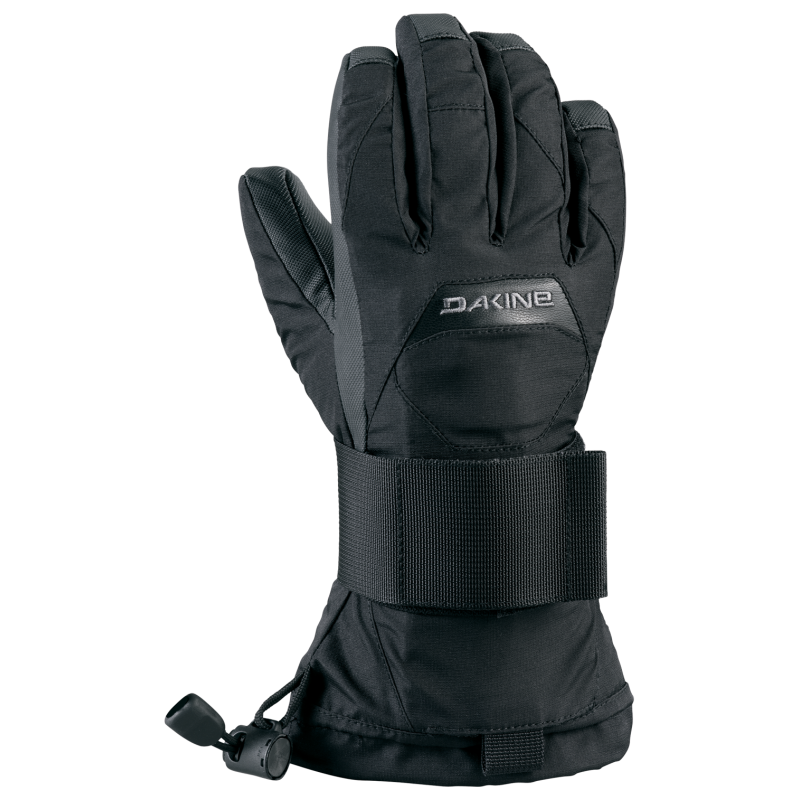
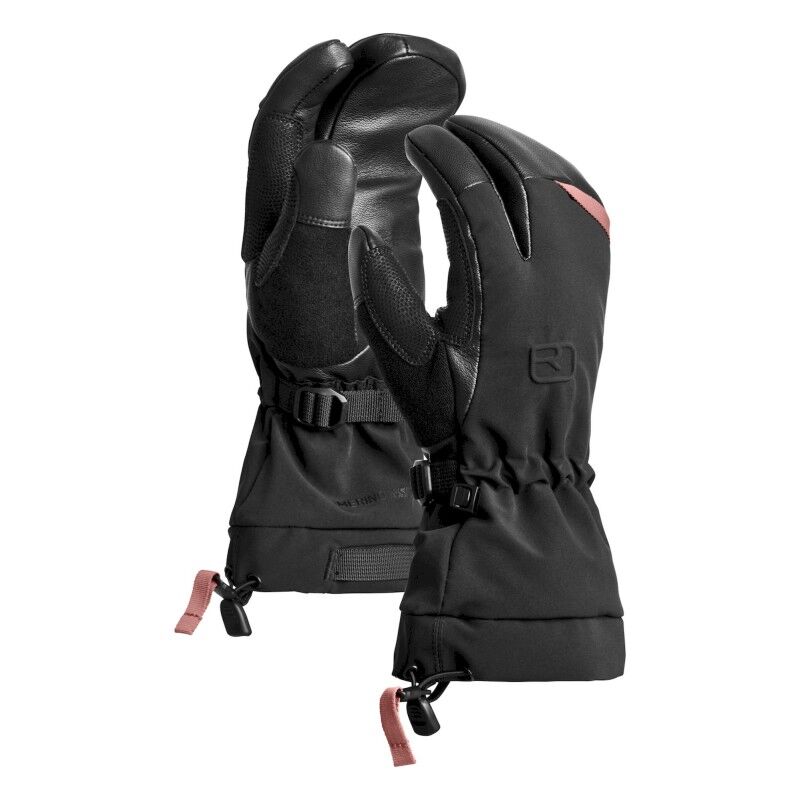
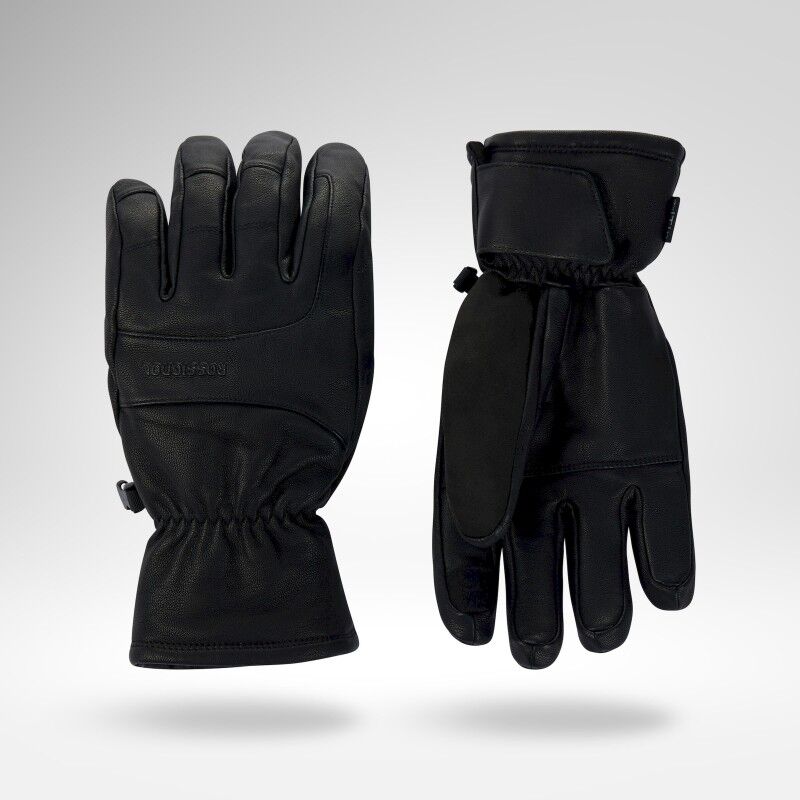
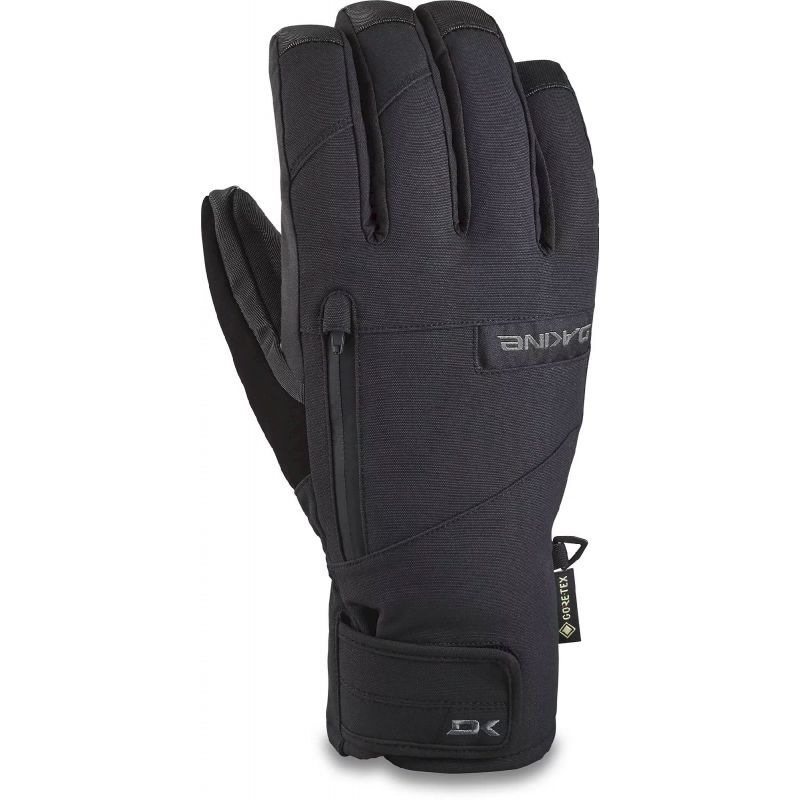

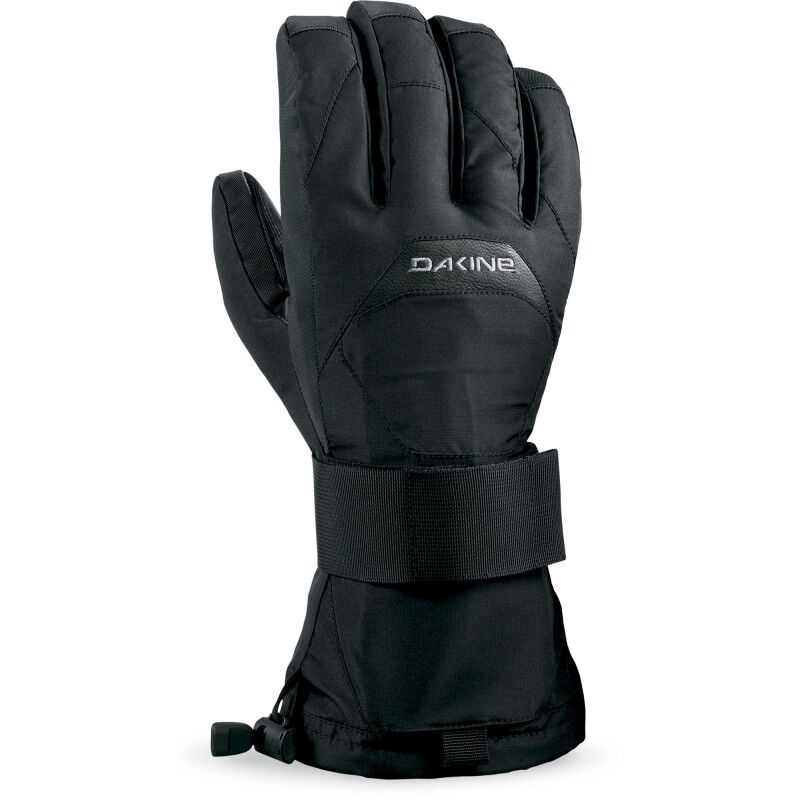
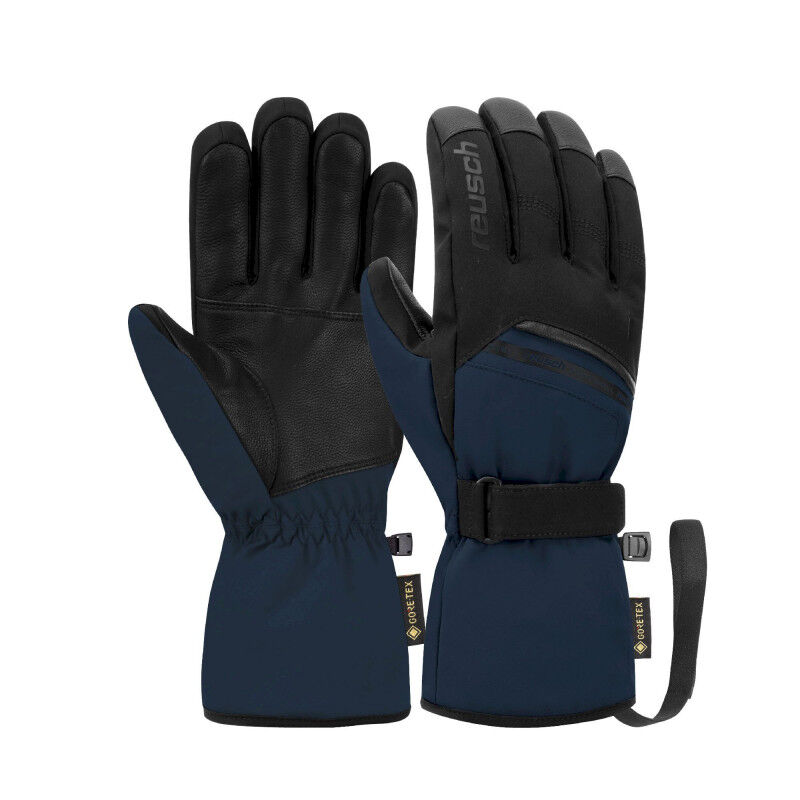
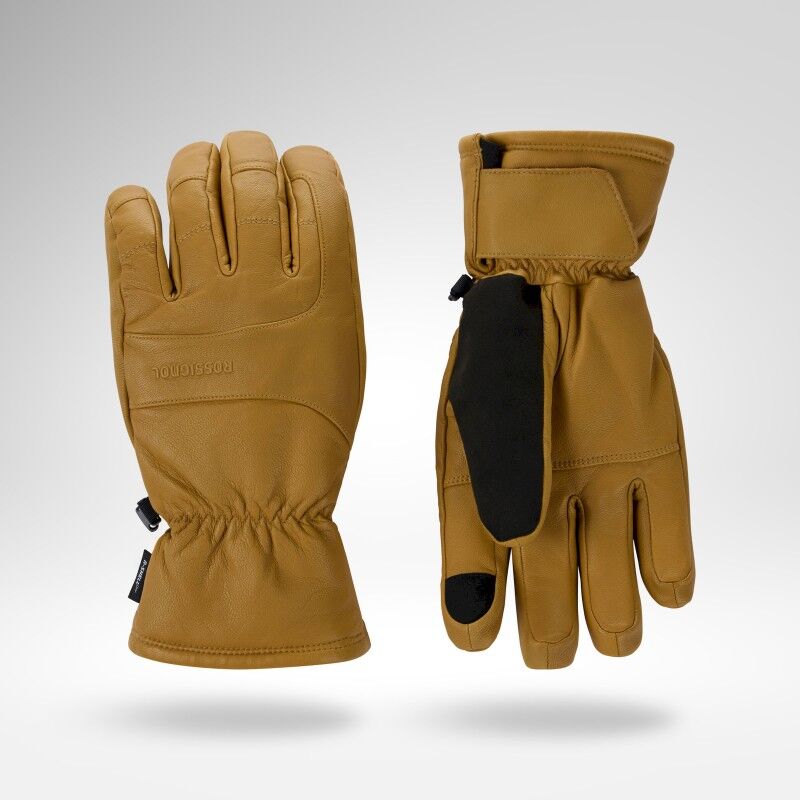
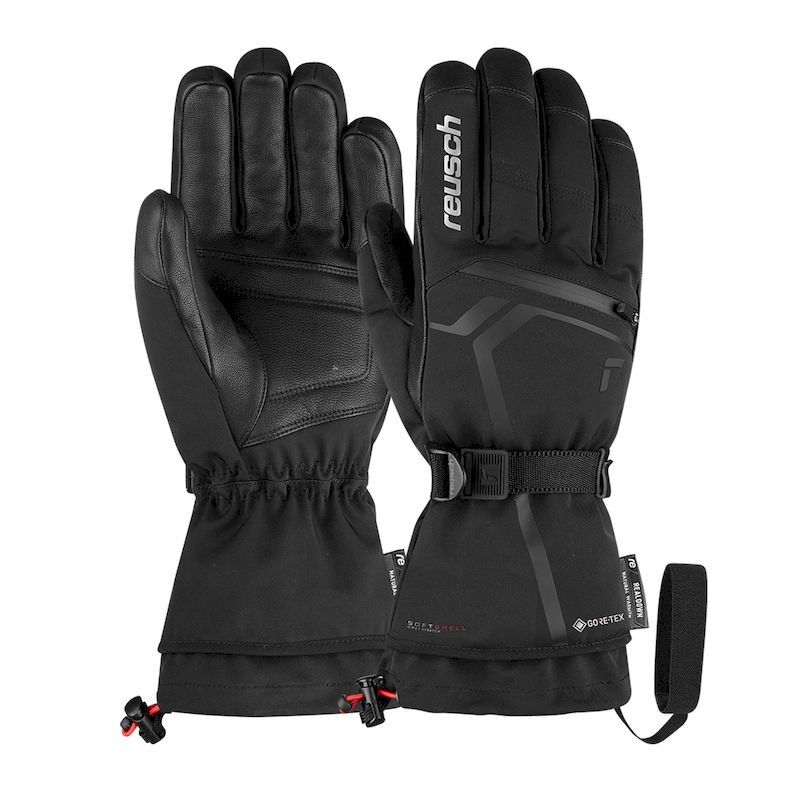
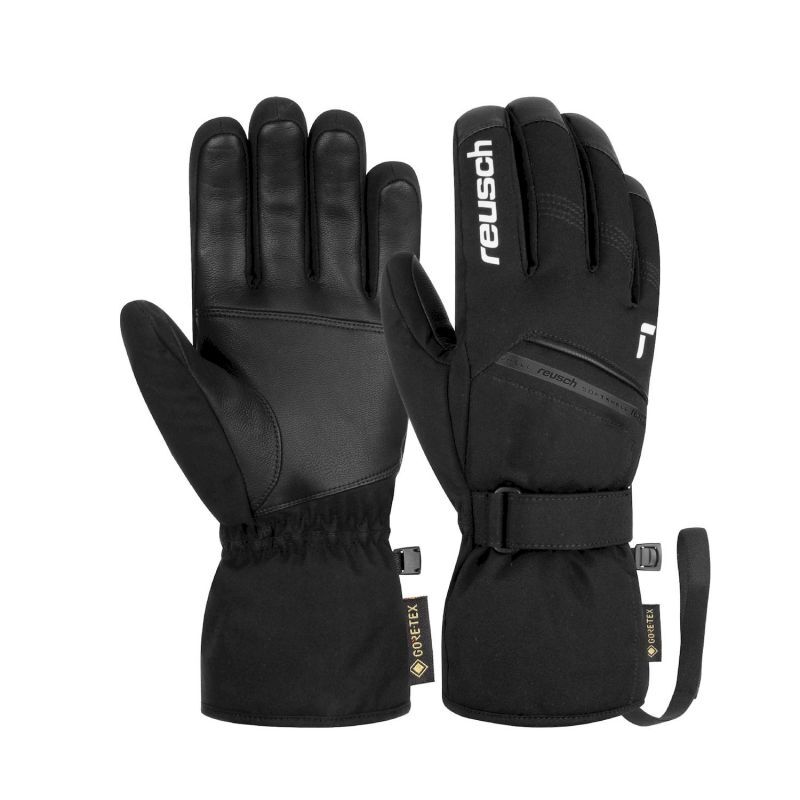

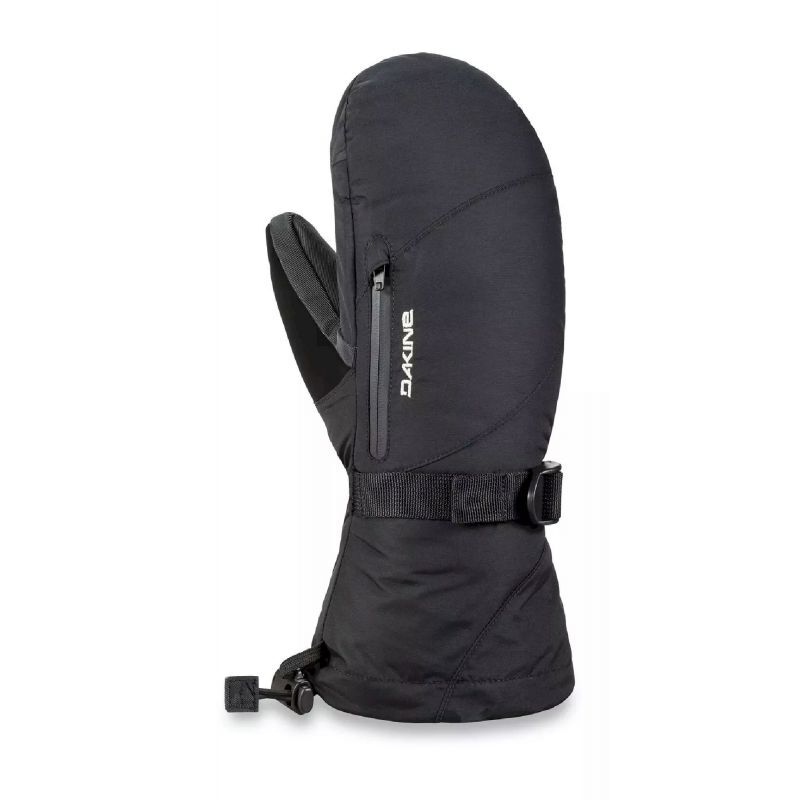
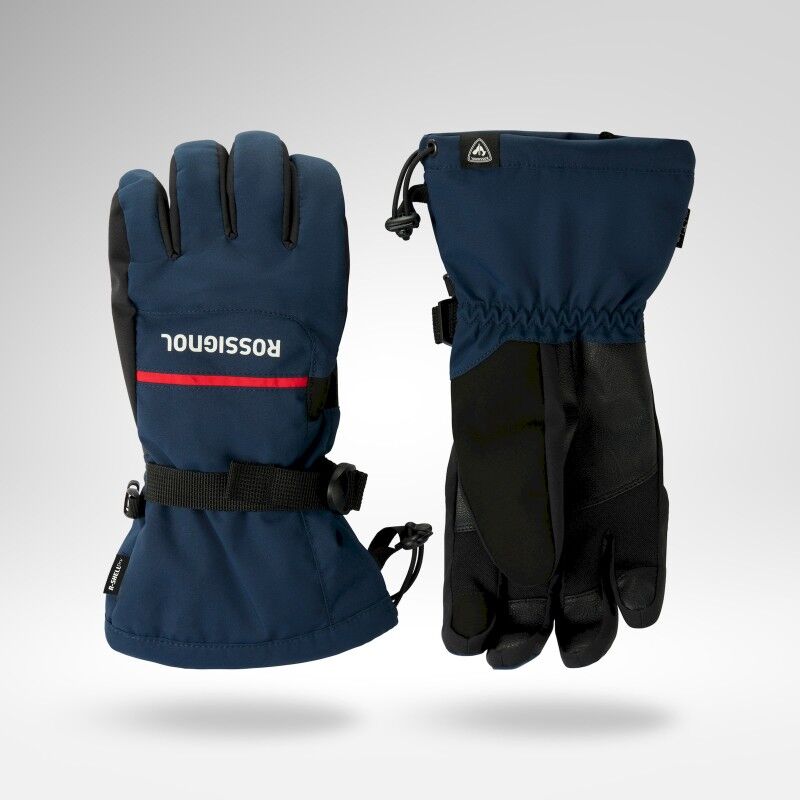
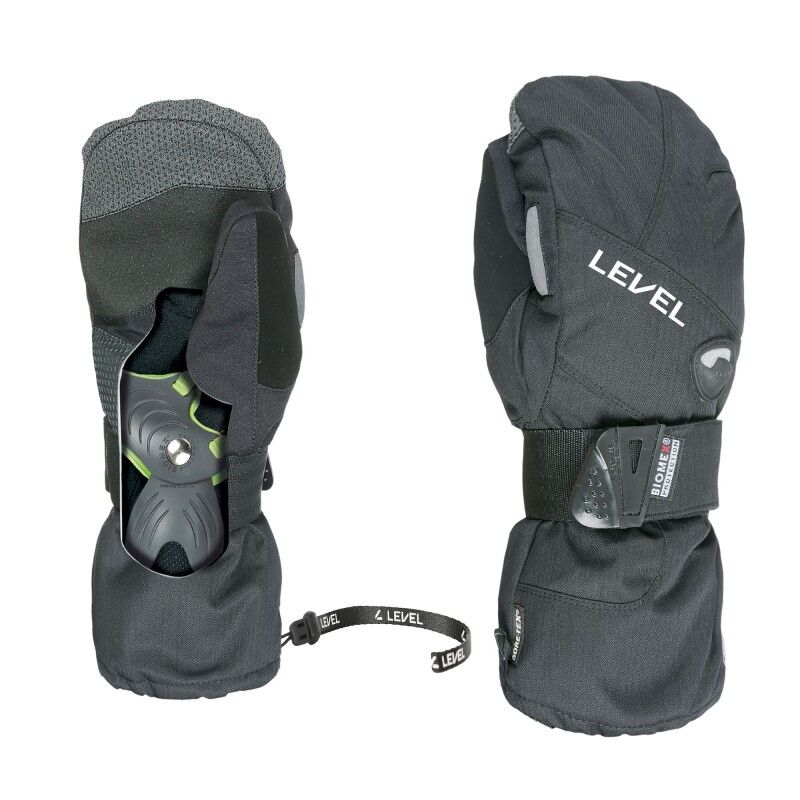
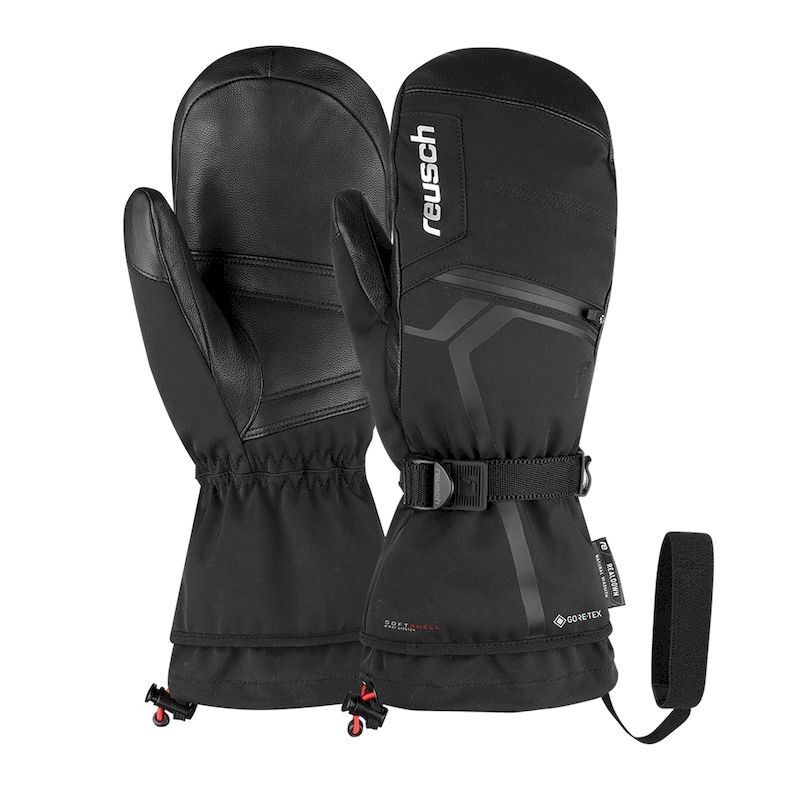
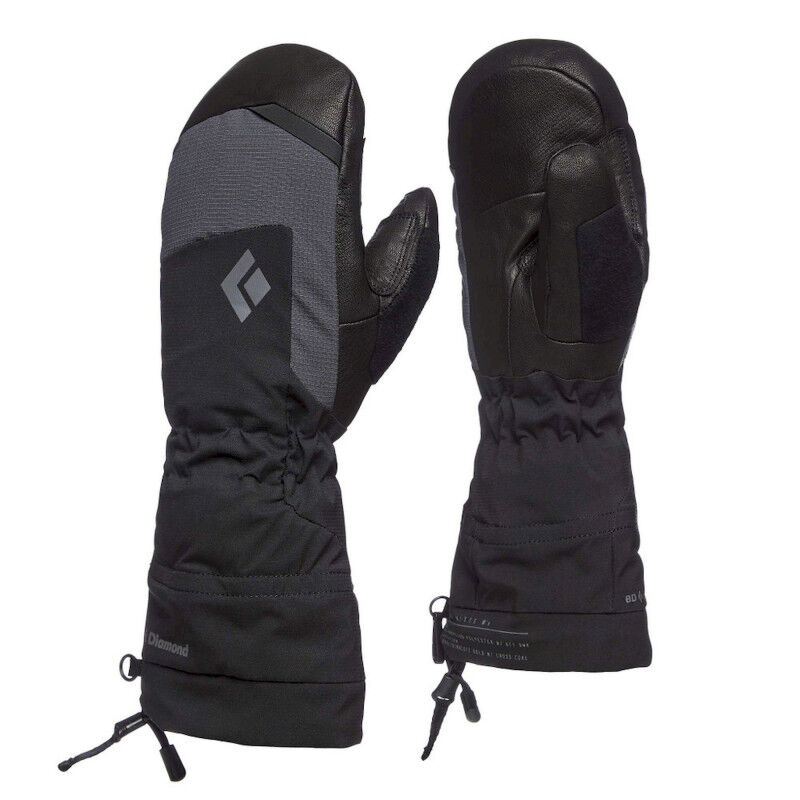
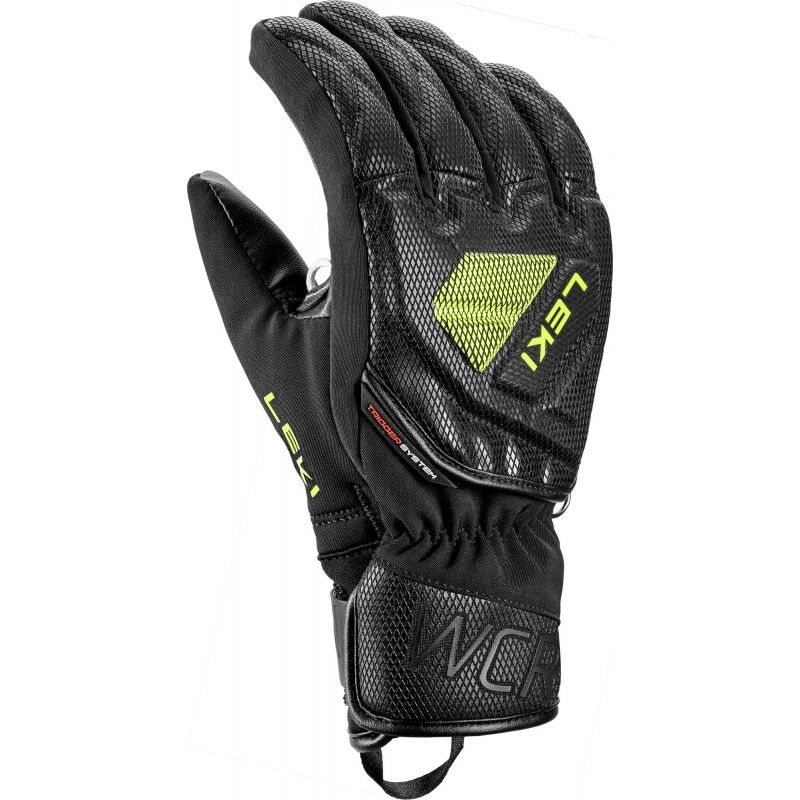
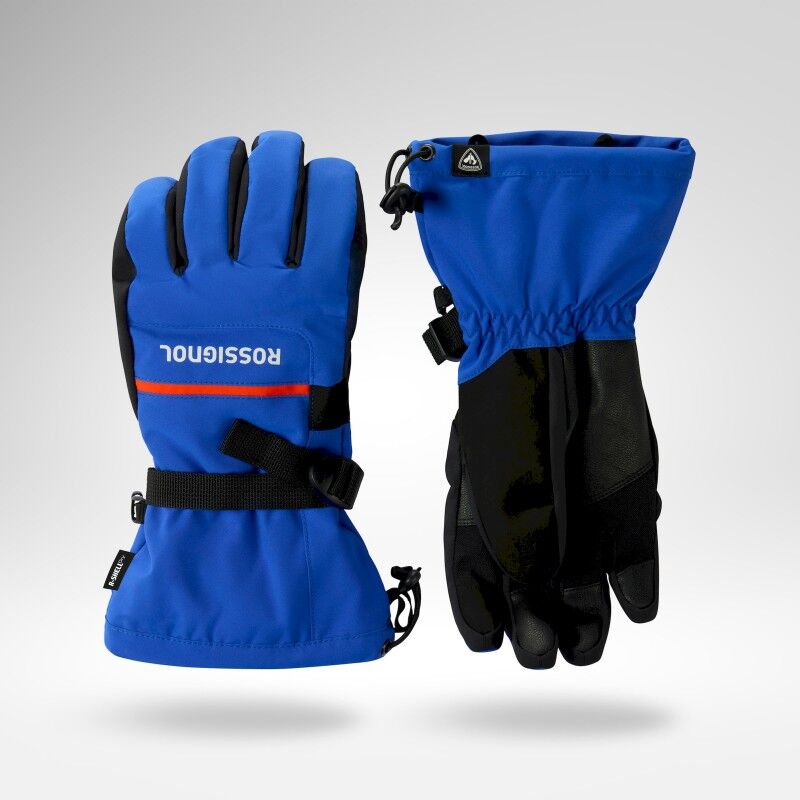
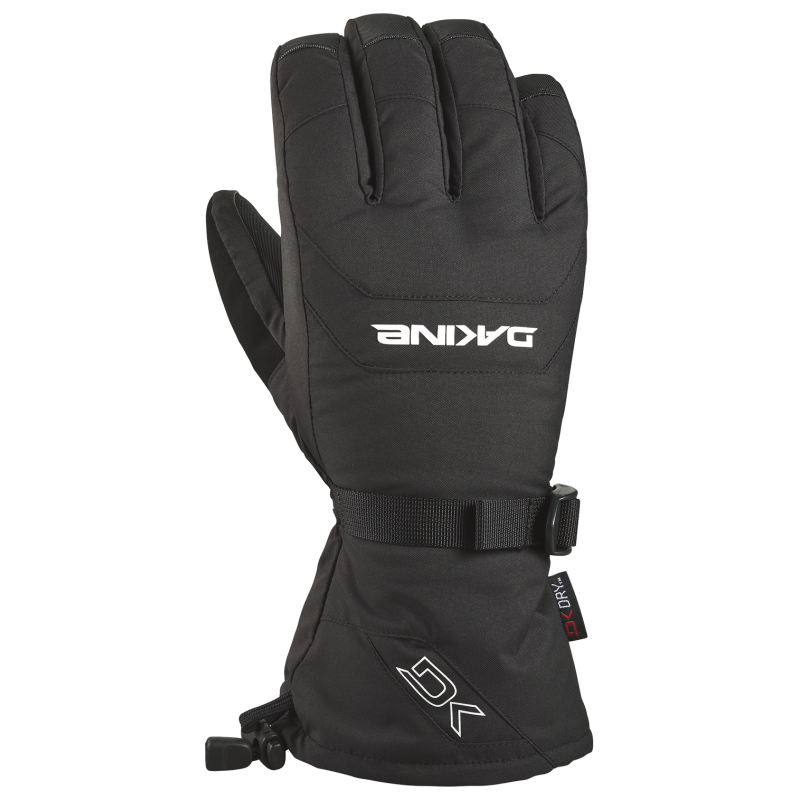
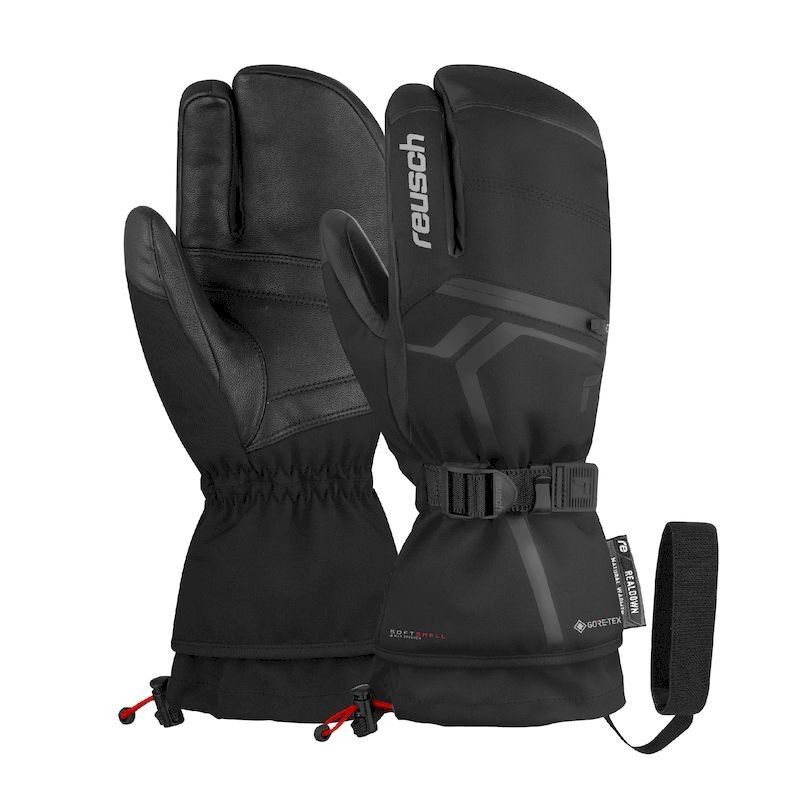
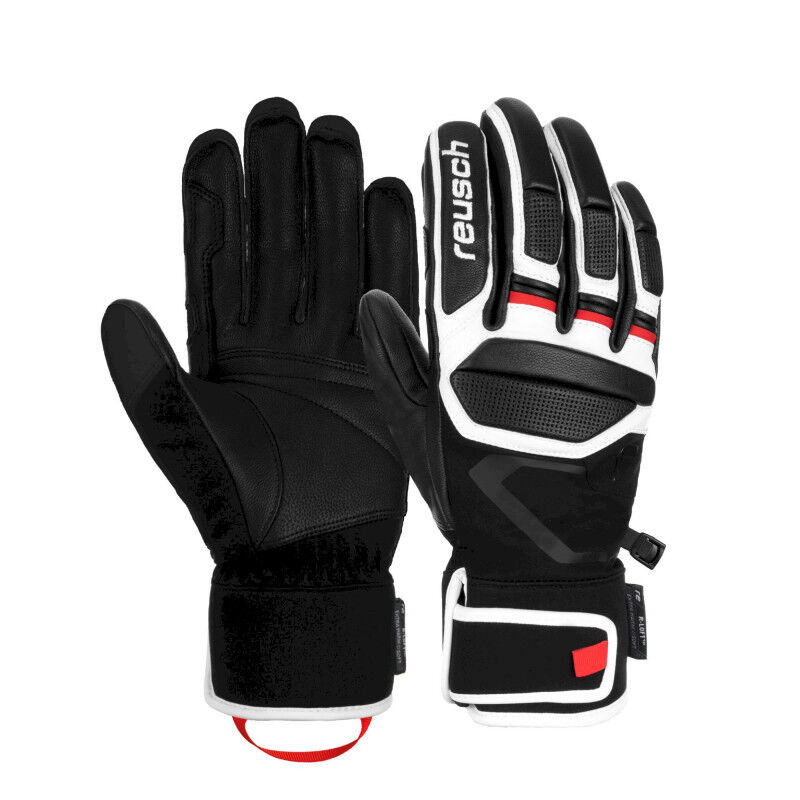

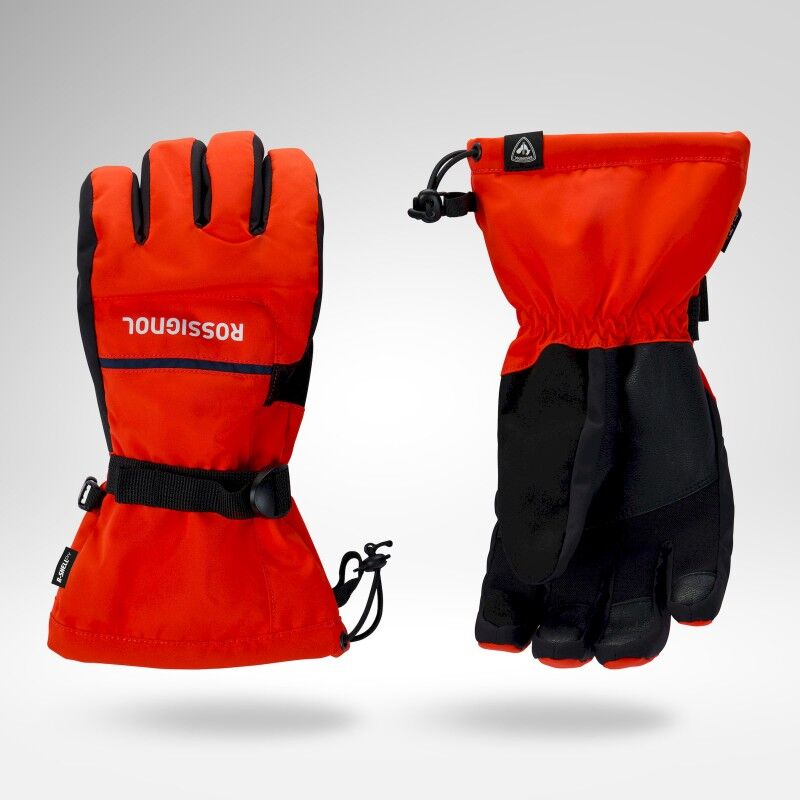
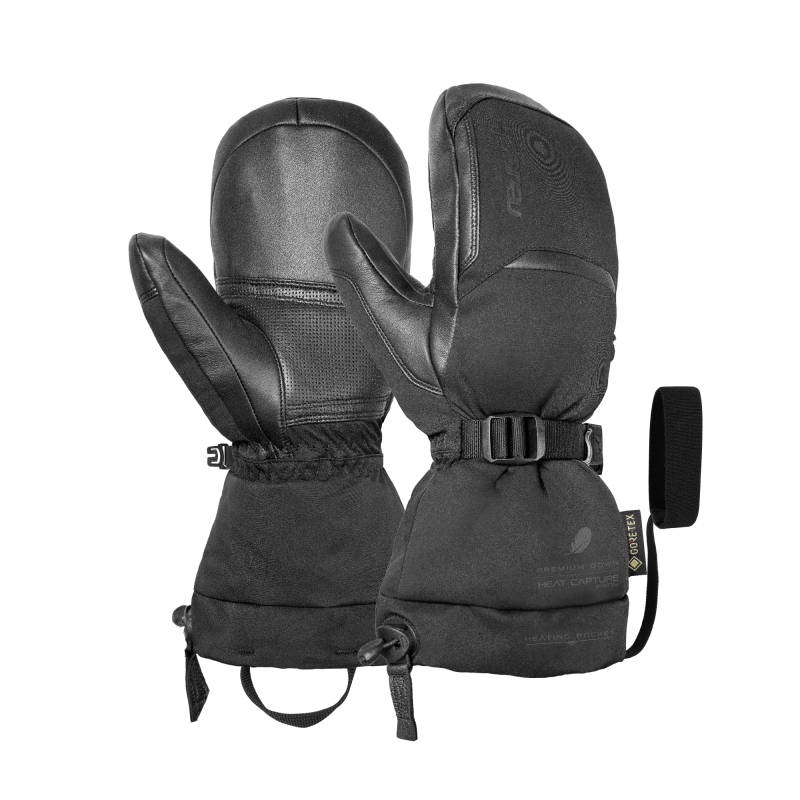
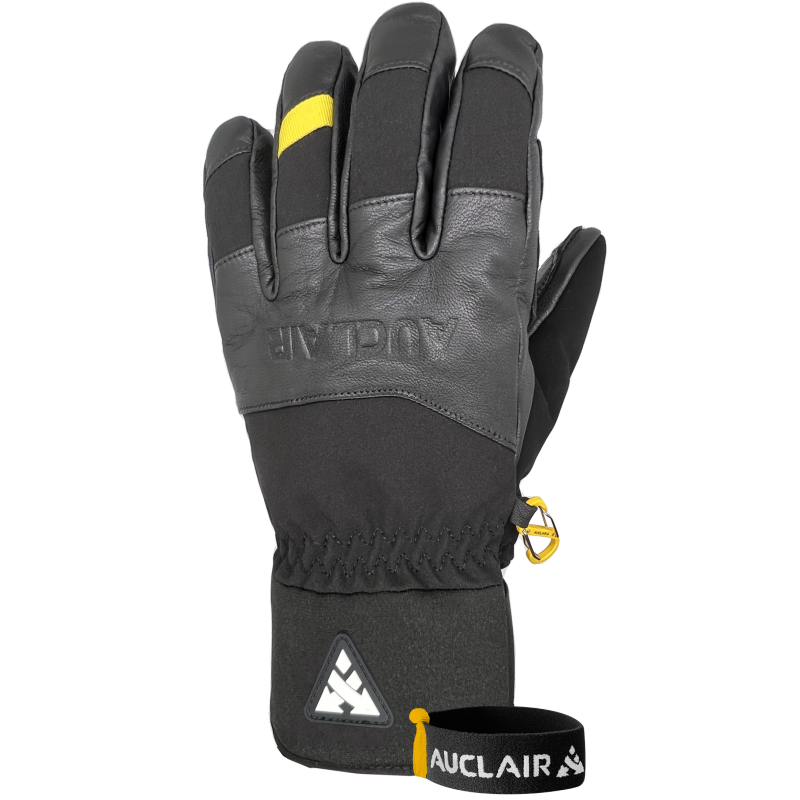
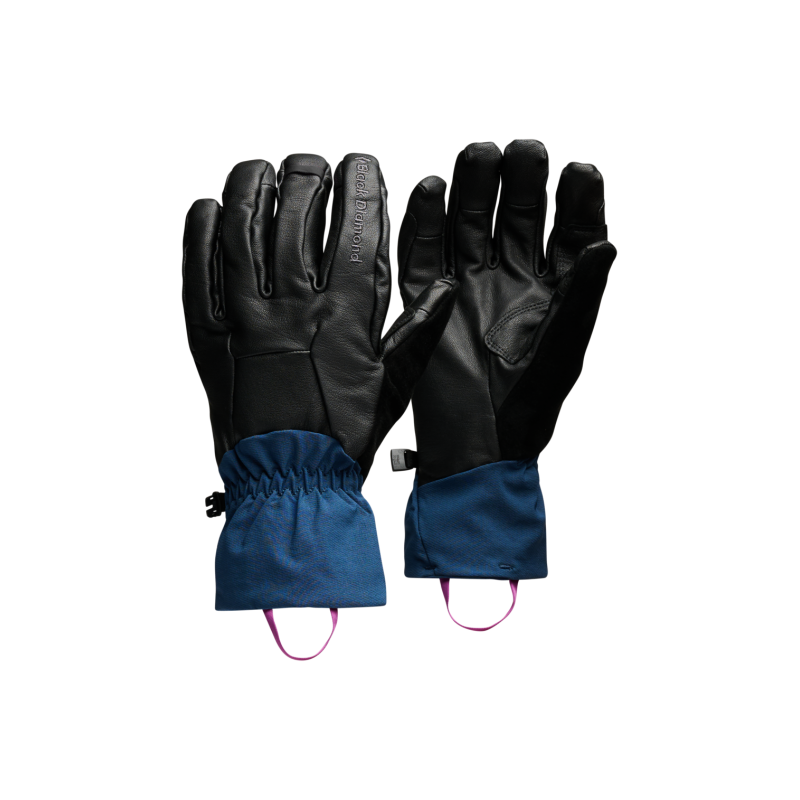
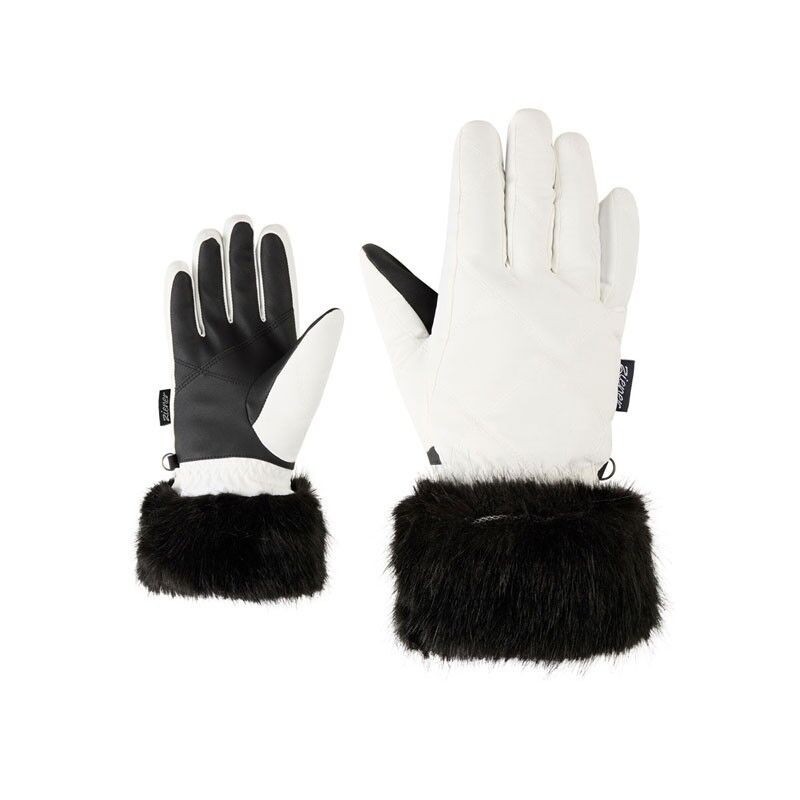
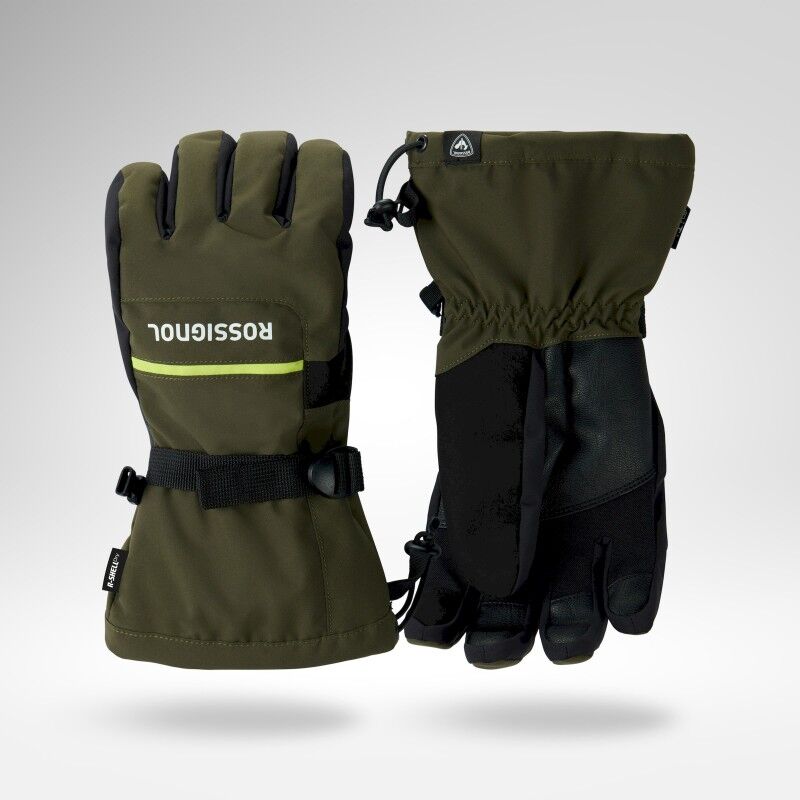
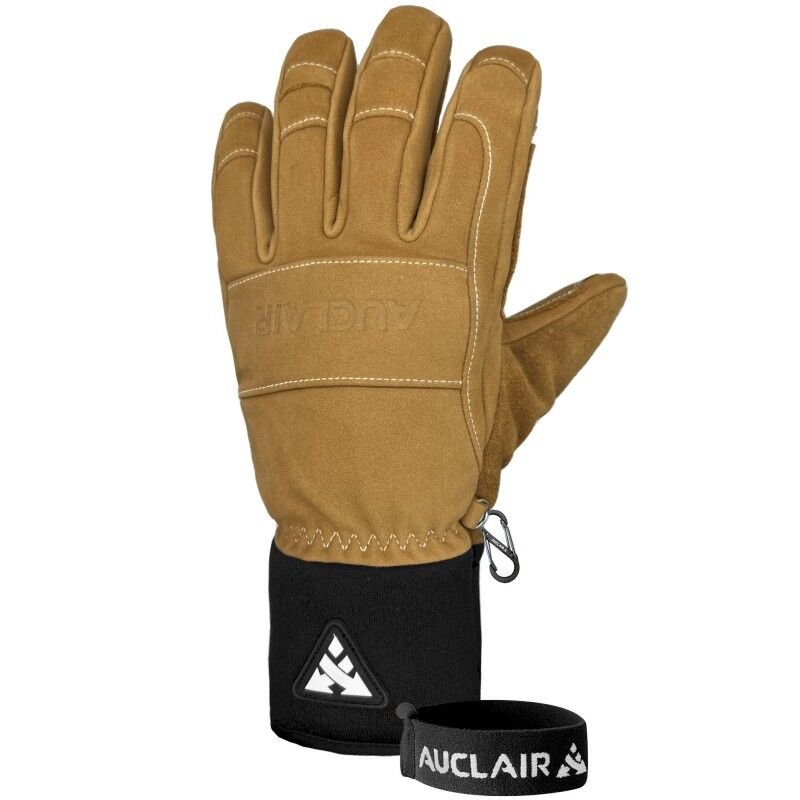
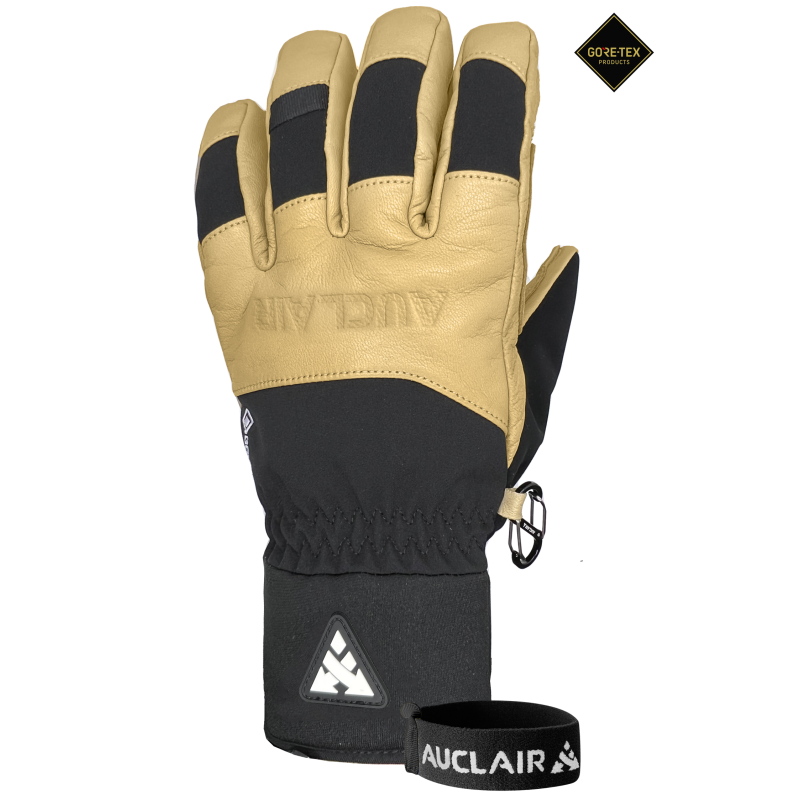
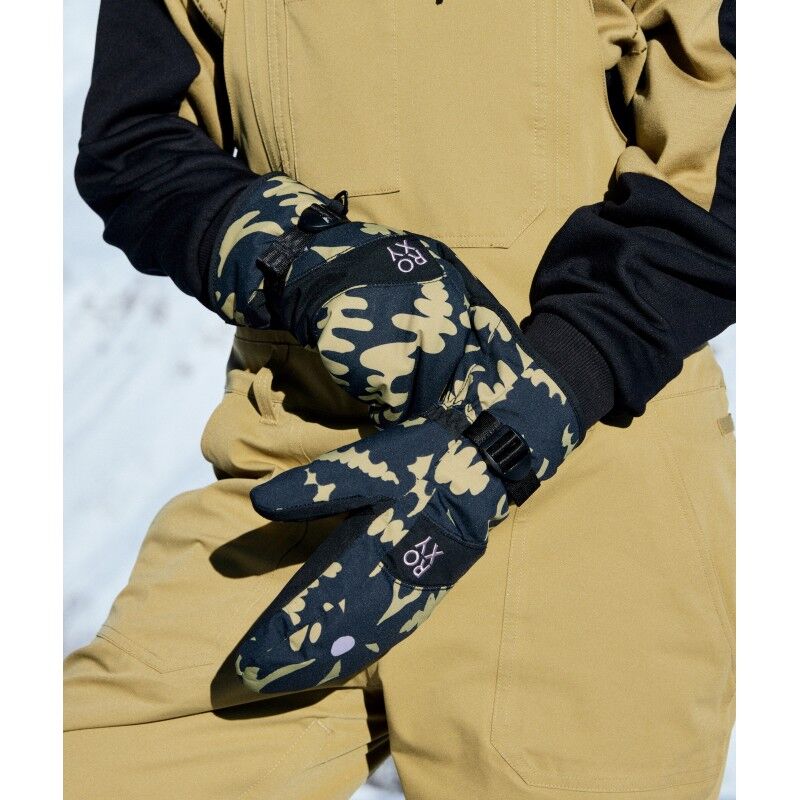

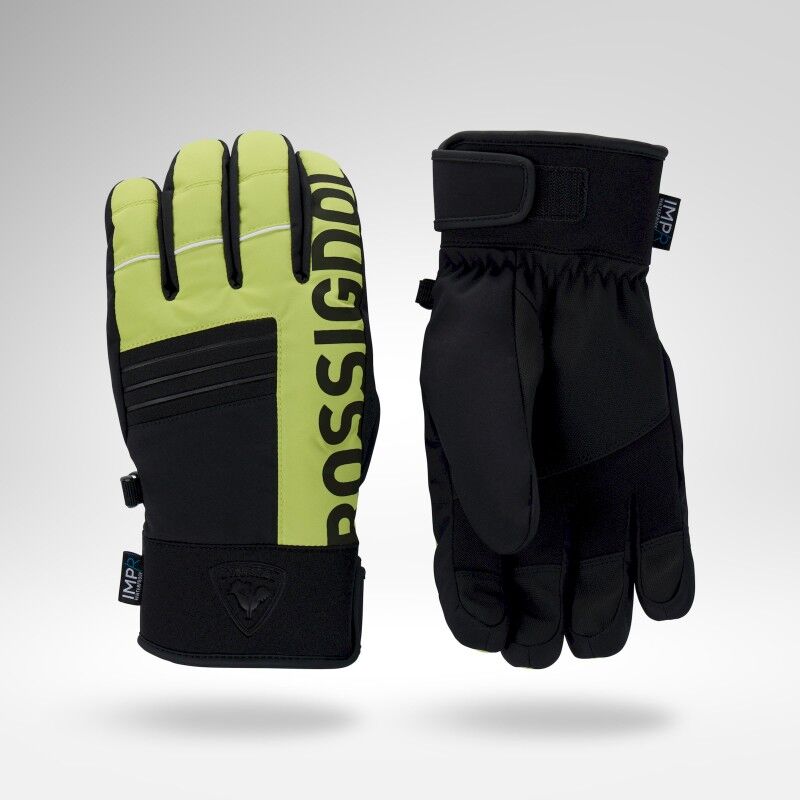
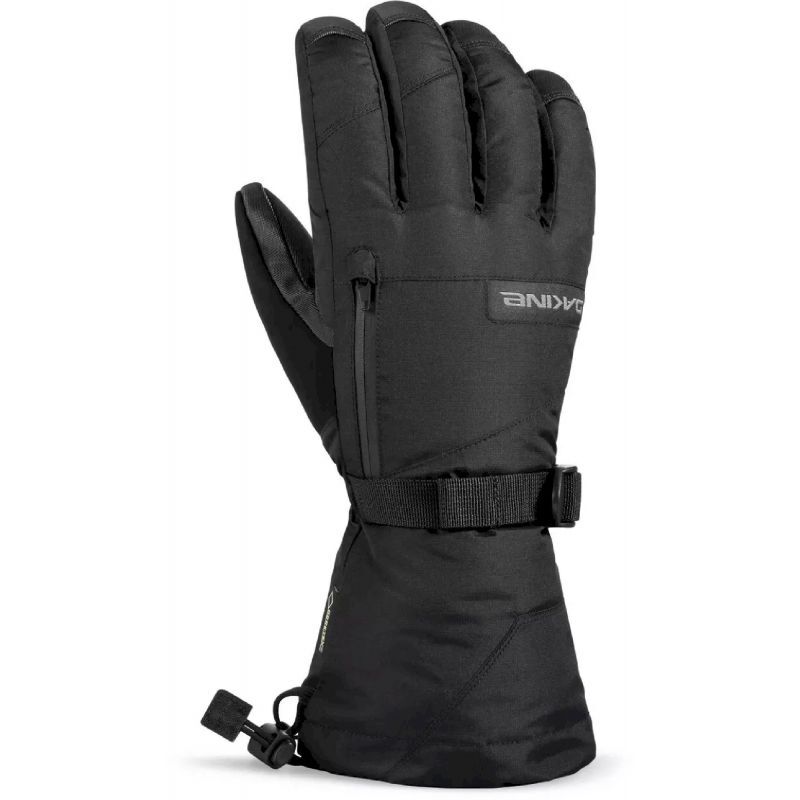
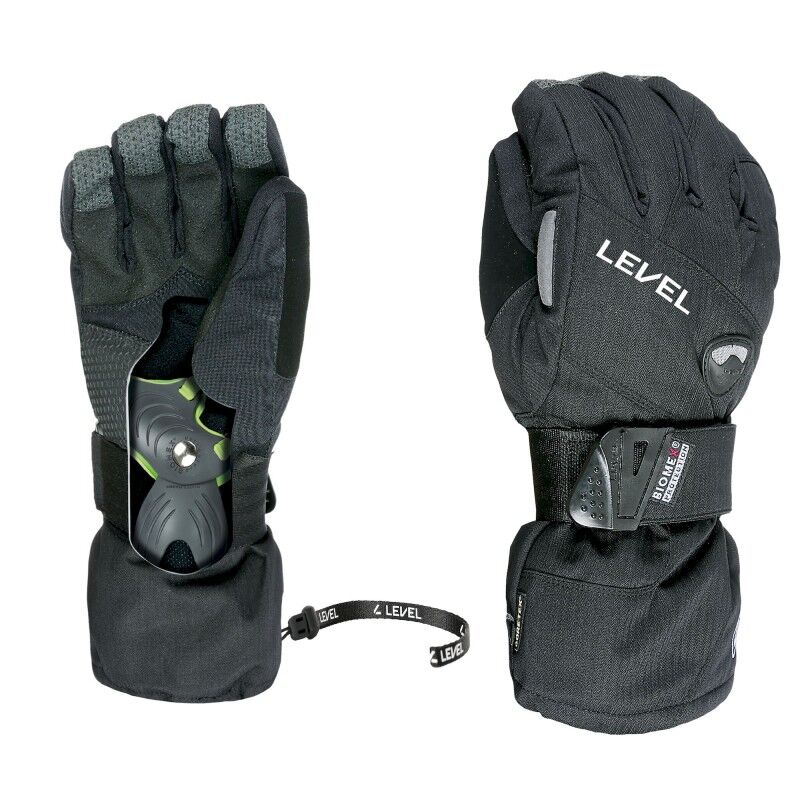
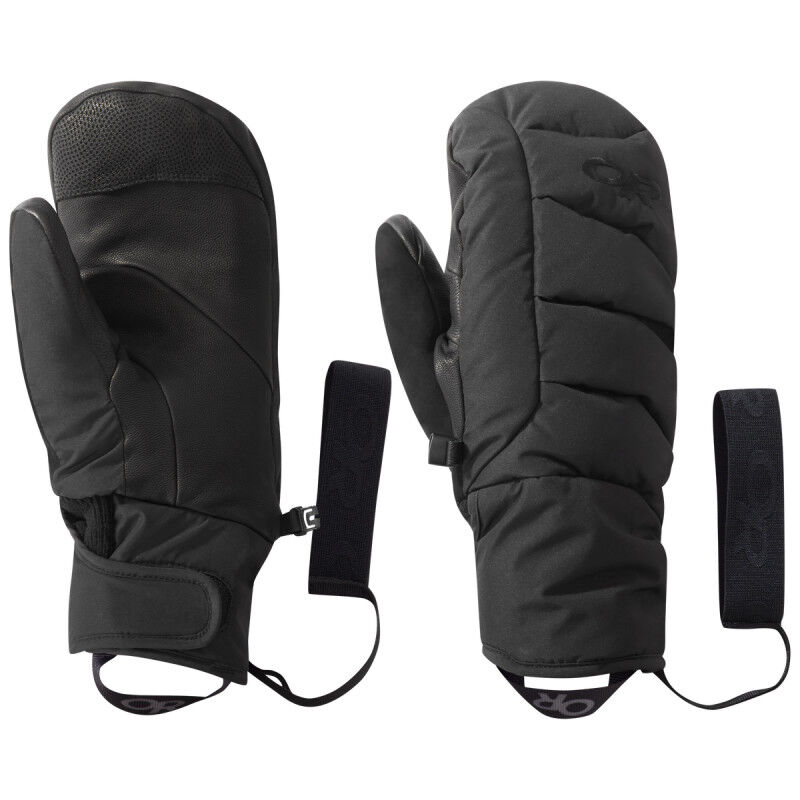
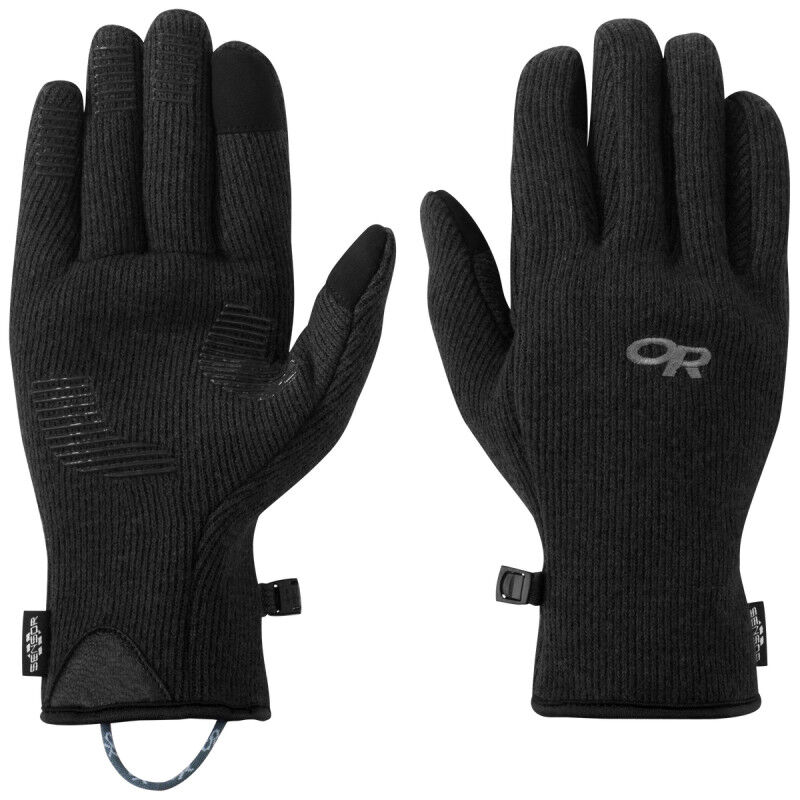
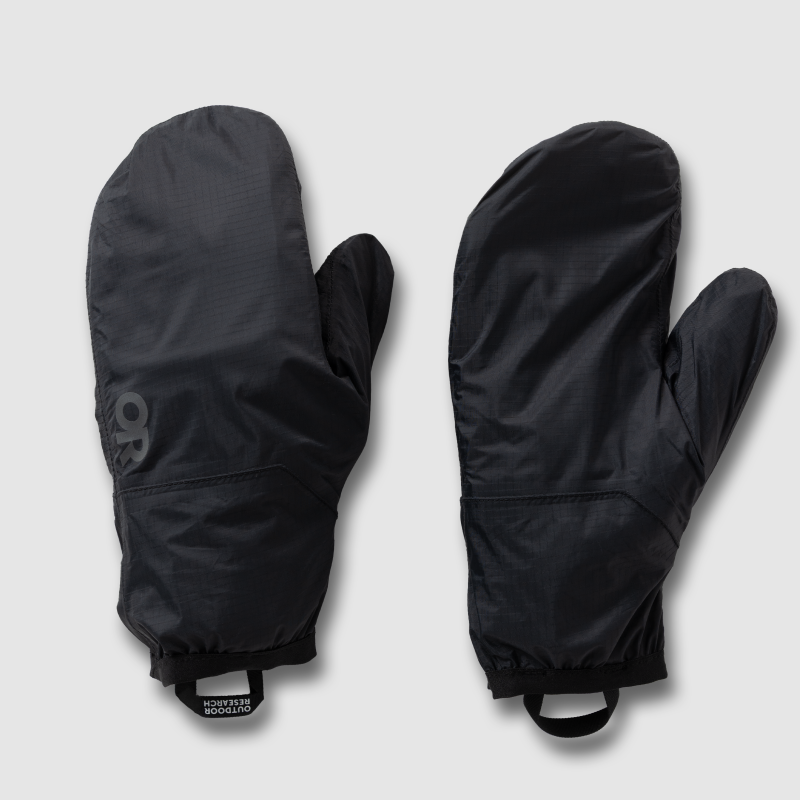
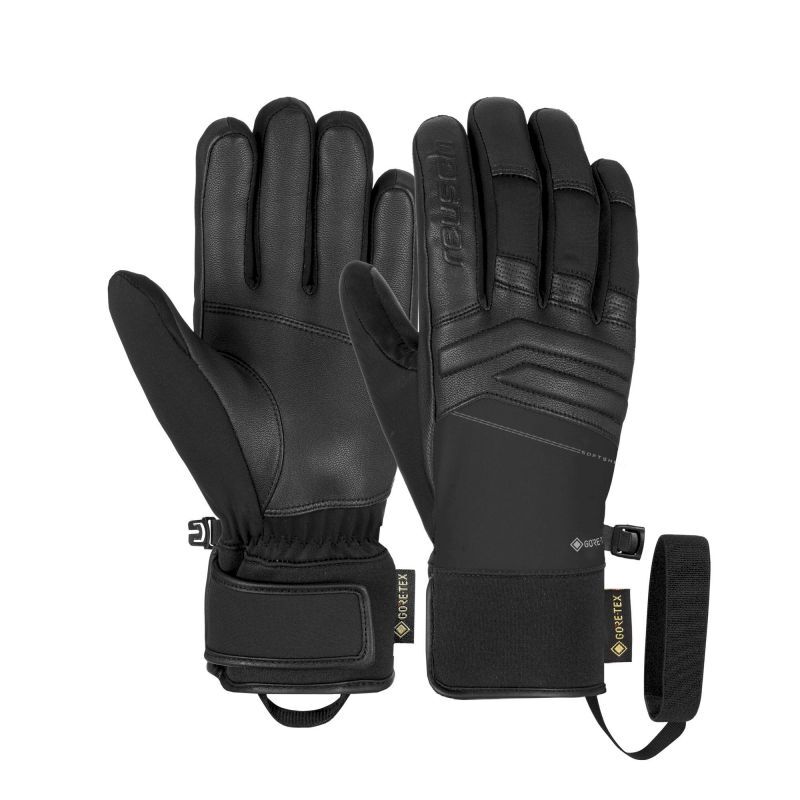


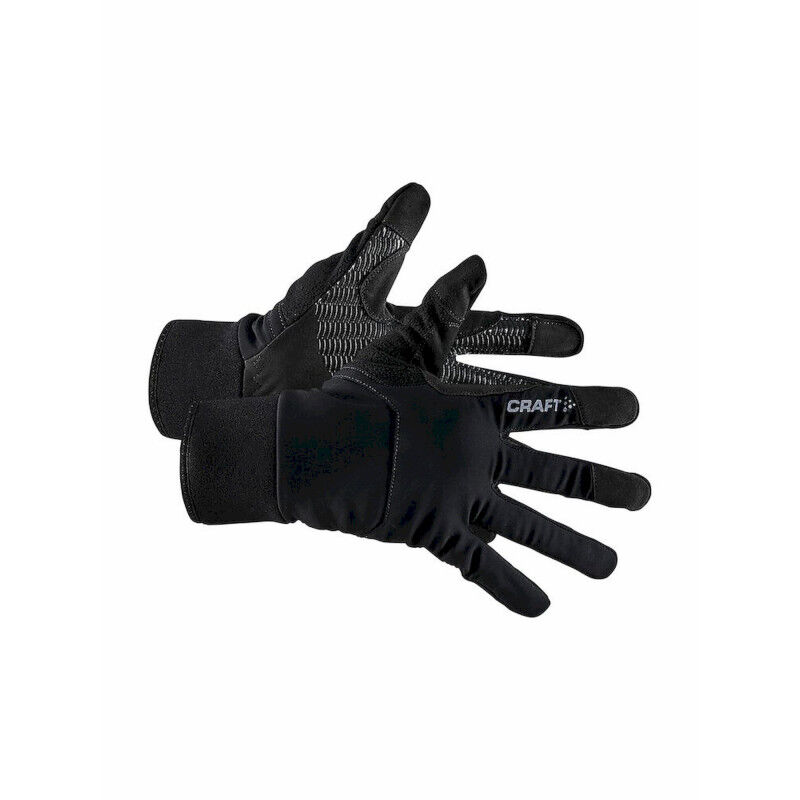
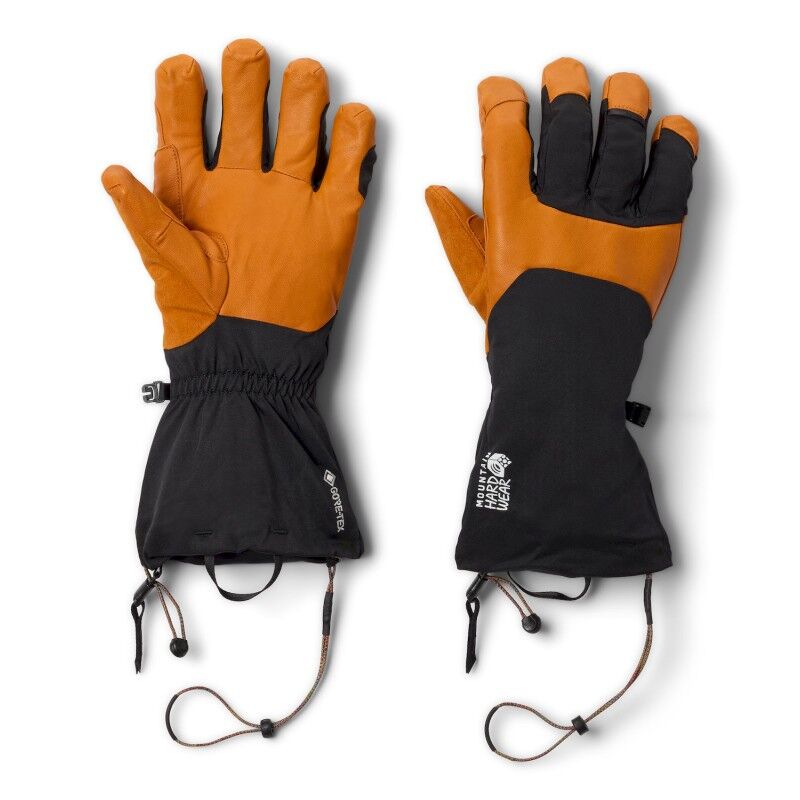
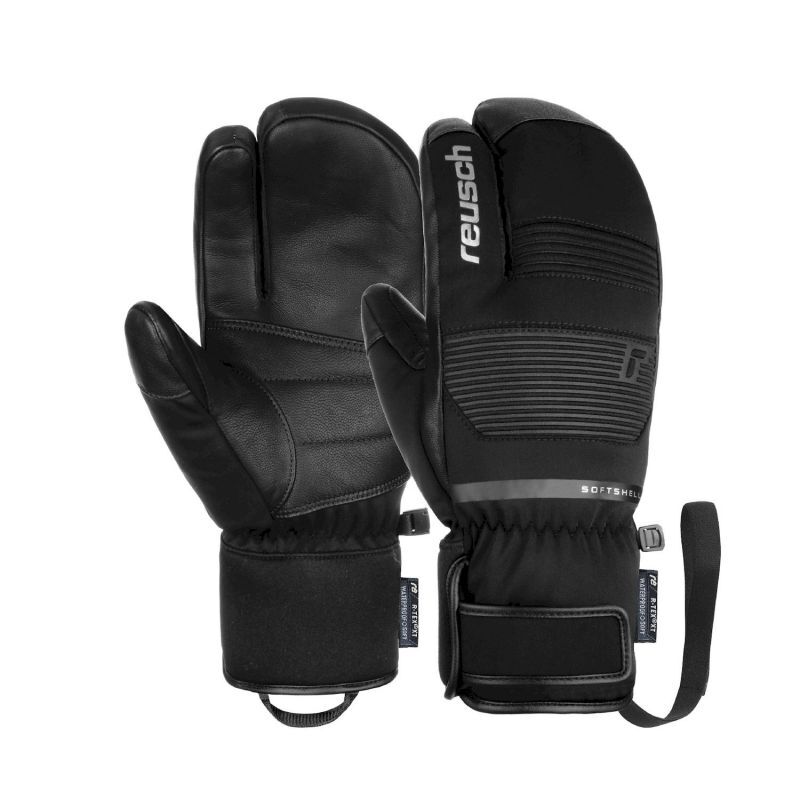
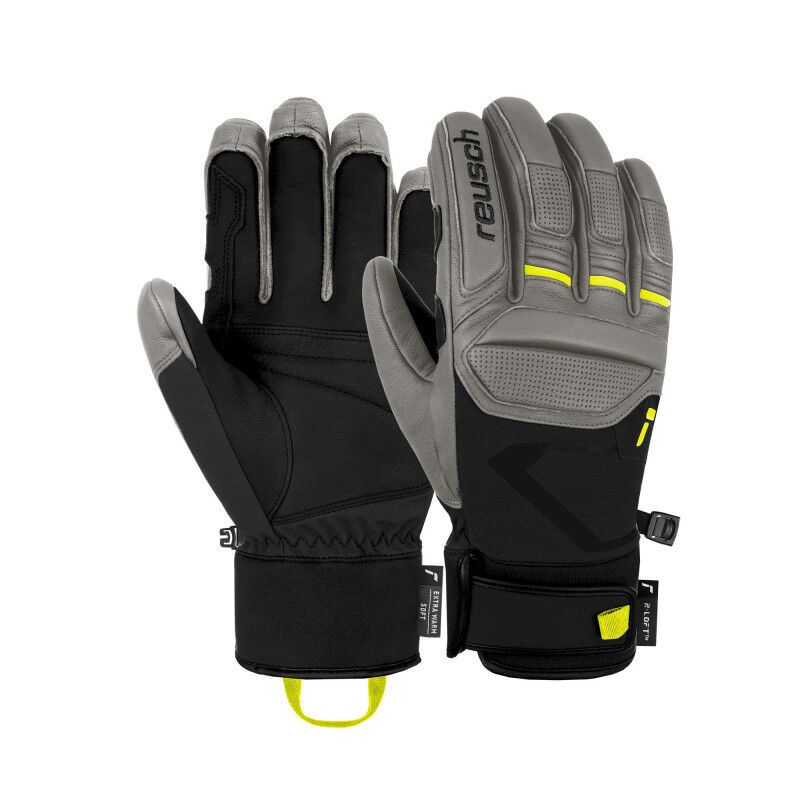
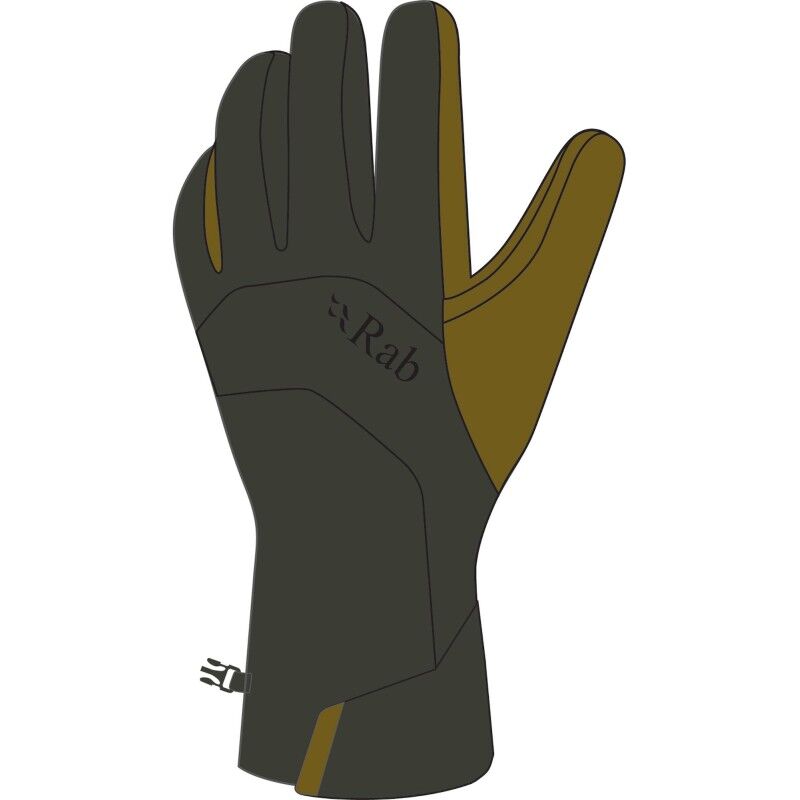
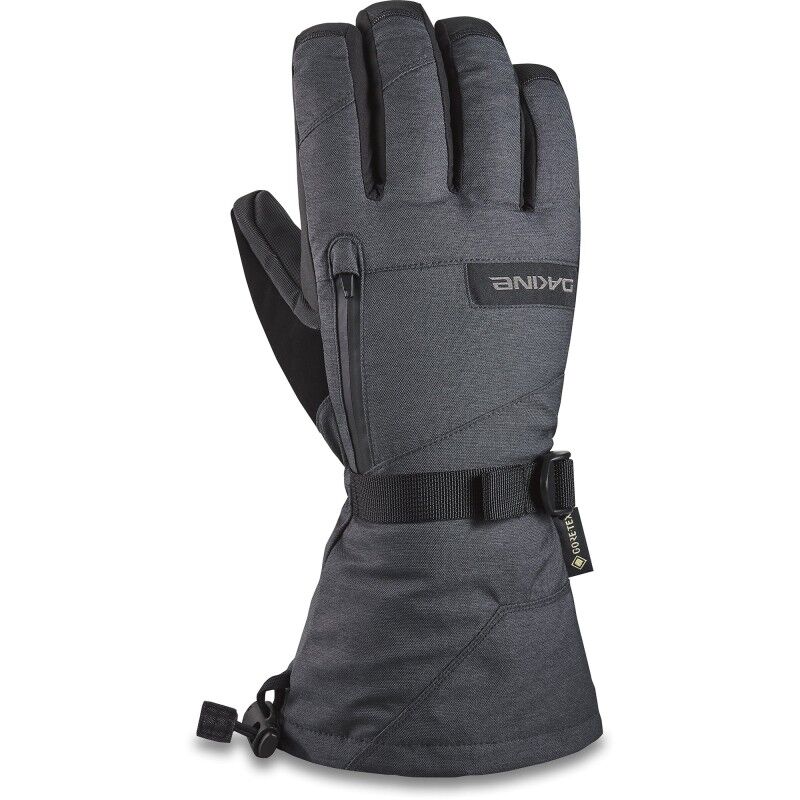
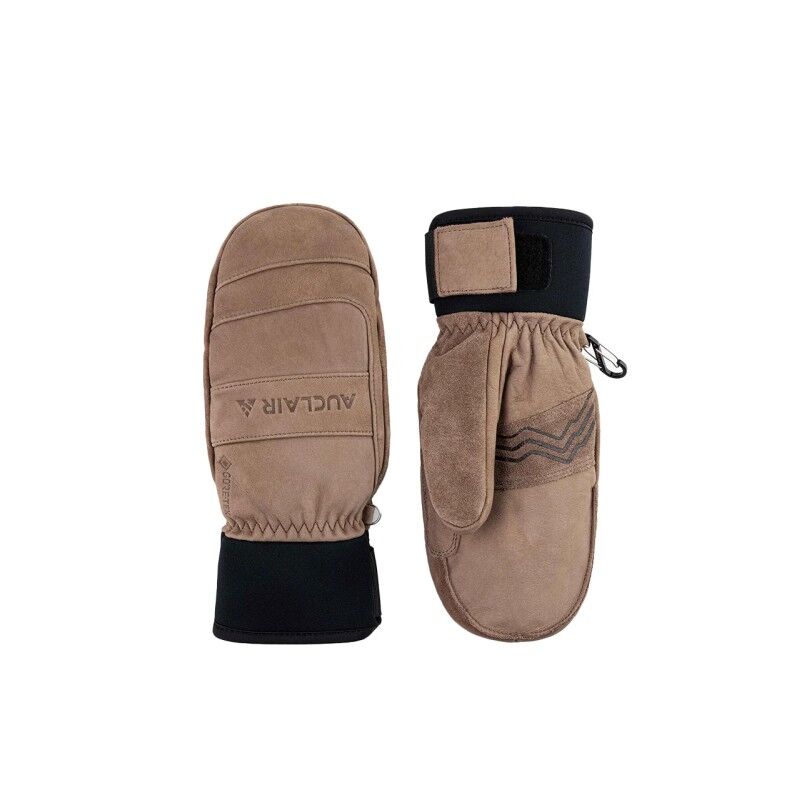
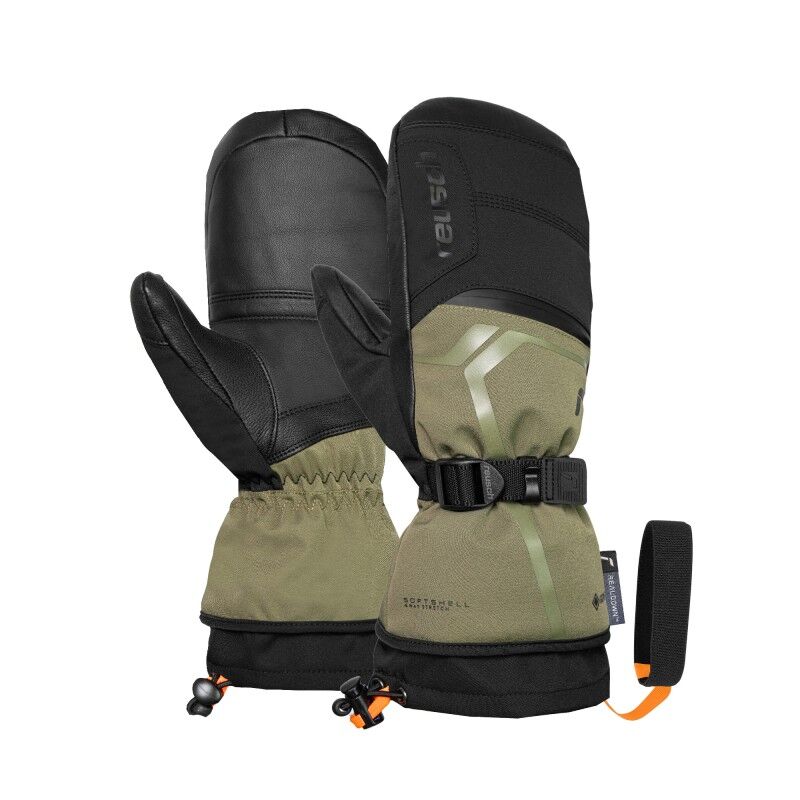
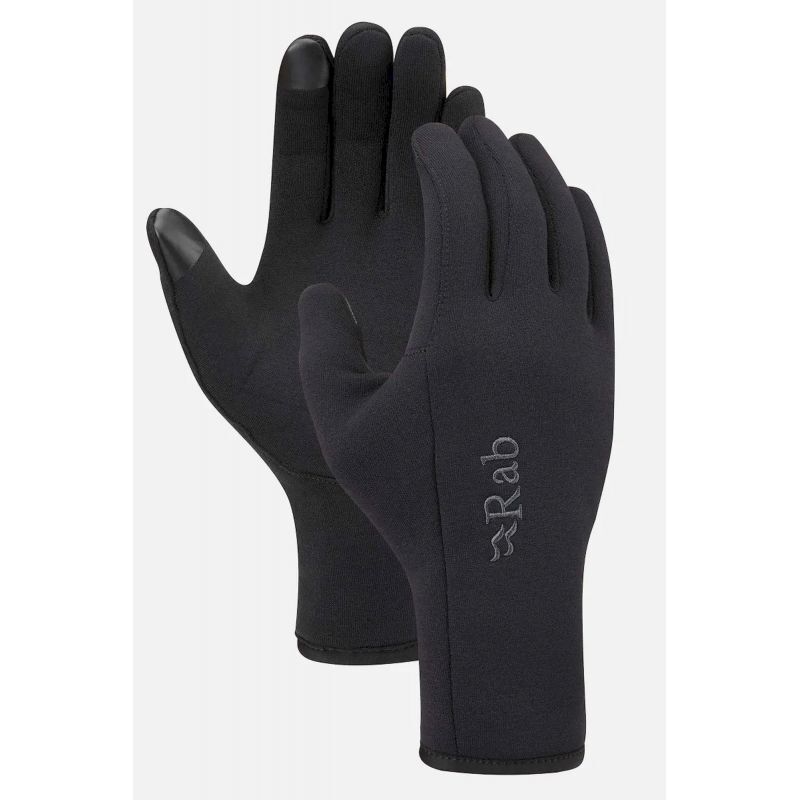
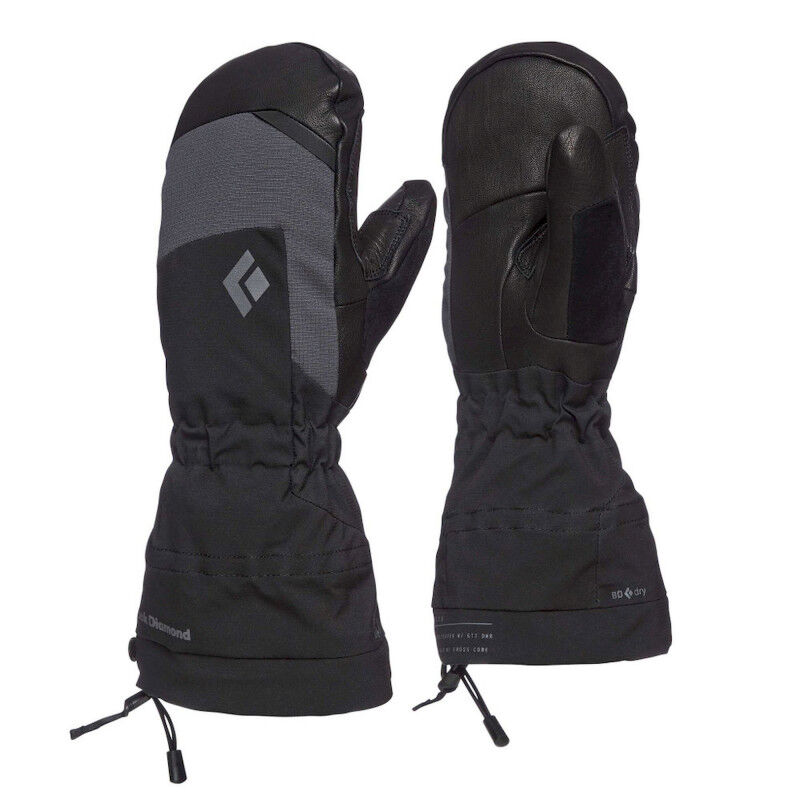


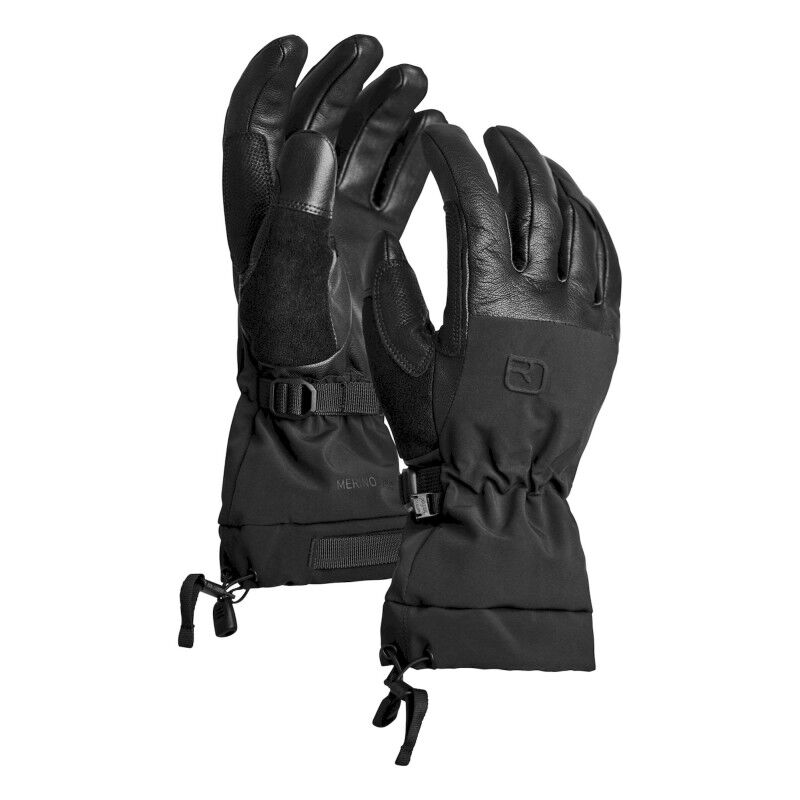
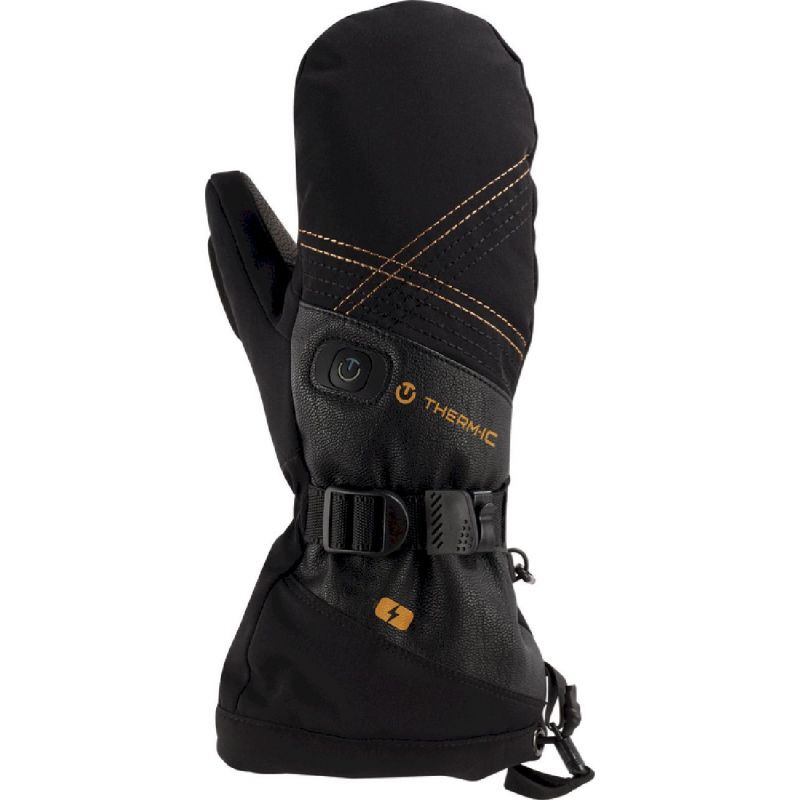

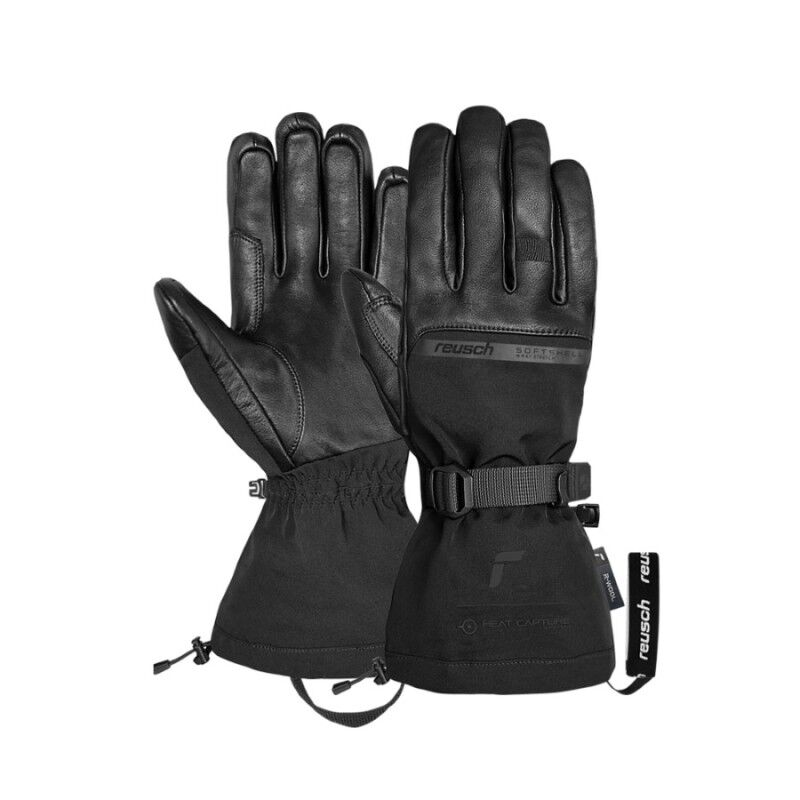
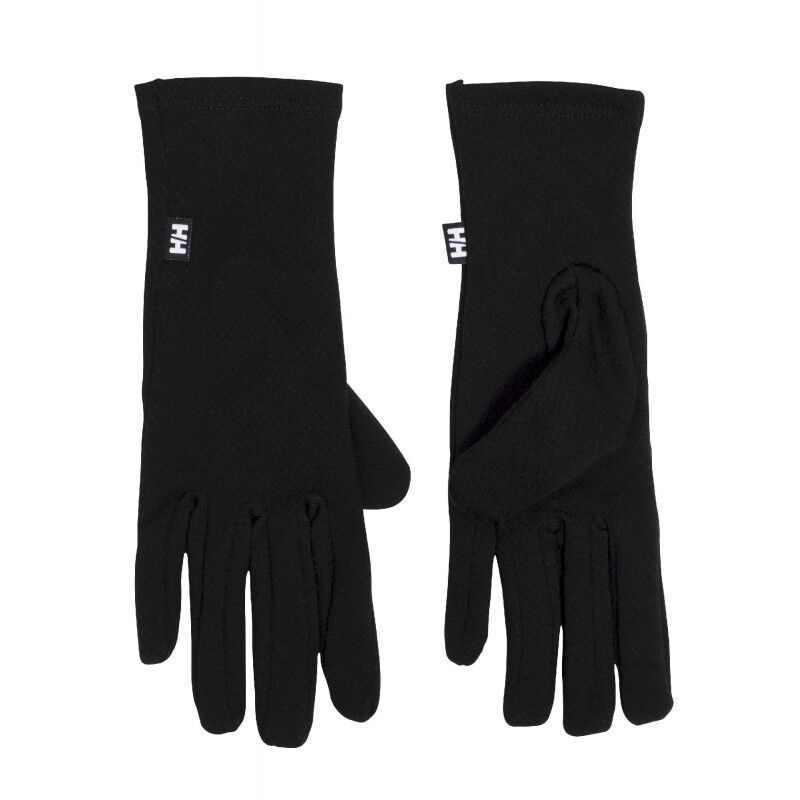

Ski Gloves & Mittens, your most faithful allies to keep you warm on the slopes!
As winter approaches and the snow showers begin, you can imagine yourself racing down the slopes of ski, feet in the powder, a smile on your face. But one detail is missing from your outfit, a detail that won't be insignificant after a few minutes or even hours: your ski gloves & mittens. Have you ever experienced burning hands while descending the snowy slopes? Either because you had no gloves, or because your ski gloves & mittens themselves did not insulate you sufficiently from the cold. While it is bearable up to a certain cold threshold, the “frostbite” on your fingers is never pleasant and can ruin a day of ski. Indeed, your fingers are at the extremities of your body and have, by definition, much more difficulty warming up. In ski as in snowboarding, our hands are the first to feel the cold, and the snow showers they may receive do not help at all! But amidst all these pairs of ski gloves & mittens and the various models that differ from one another, how to choose the ones that will be perfect for your winter sports and keep your hands warm throughout the day?
Ski Gloves & Mittens: why wear them?
Before even choosing your ski gloves & mittens, a reminder about the importance of wearing them is in order. Because if one thinks that ski gloves & mittens are only meant to keep your hands warm, the rest of the article might surprise you! Firstly, safety is one of the most important criteria to mention. Indeed, when you ski, you may fall. The reflex (human!) we all have is to put our hands forward. An action that can quickly prove dangerous for our fragile hands. Speed, crowds, external elements, sharp equipment...: all the elements are gathered for potential injury risks. Moreover, simply carrying your skis with bare hands is in itself dangerous, as the sharp edges of these can cut you. Wearing ski gloves & mittens is therefore not a luxury, but a real necessity in terms of safety. Secondly, comfort is also one of the criteria that makes the majority of skiers wear ski gloves & mittens. Against the biting wind, the cold, and the snow that can quickly burn our cold-numbed hands, ski gloves & mittens are indeed the guarantee of a much more comfortable day of ski. With this reminder on the importance of wearing ski gloves & mittens duly made, we can now focus on the essential subject, namely how to choose your gloves.
Ski Gloves & Mittens: the 6 criteria to consider when choosing
There are 6 essential criteria for choosing your ski gloves & mittens that will help you find the ideal pair for your thrilling descents.
Between gloves or mittens, which one do you prefer?
Quite different from each other, gloves and mittens offer advantages and disadvantages that adapt more or less well to your practice and needs. For ski mittens, warmth and comfort are the two main advantages on offer. Thus, if you are very sensitive to the cold, opting for ski mittens can be a wise choice. Indeed, mittens keep all the fingers together, allowing them to warm up amongst themselves and thus provide additional warmth. Also, the use of mittens is possible for many winter activities: alpine skiing, cross-country skiing, snowboarding… However, depending on your level, ski gloves & mittens may be preferable as they ensure better dexterity that can sometimes be necessary. Ski gloves & mittens, indeed, offer ideal dexterity for particularly demanding sliding sports like freestyle skiing for example. On the other hand, the warmth provided is reduced, as the fingers are all separated from each other, the level of warmth is necessarily lower. To counter these warmth issues, it is possible to combine a glove with a liner glove made of silk for example, which provides additional warmth.
Ski Gloves & Mittens: optimal thermal insulation
Like any ski clothing, ski gloves & mittens are designed to be insulating to face cold, snow, and wind. It is this thermal insulation that will determine the level of warmth offered by your ski gloves & mittens. The role of thermal insulation is not to produce heat, but to retain the heat naturally produced by your fingers. Thus, depending on the thickness of the lining, the insulation of your ski gloves & mittens is more or less significant. In this regard, there are linings made from technical materials, such as Primaloft® lining or fleece or down linings.
-Lining with cutting-edge technology: it is possible to find linings made from noble materials, equipped with cutting-edge technology, that are remarkably effective. The Primaloft insulation technology is, among others, a true reference in the market and represents a choice alternative to down. Here, the insulation is located on an outer layer of the ski gloves & mittens, usually in the form of a second layer. Primaloft has several variations, but only the Silver and Gold variations are used for ski gloves & mittens. Moreover, some brands have chosen to develop their own technology and insulation, like Racer's Fiberfill insulation.
-Fleece lining: for ski gloves & mittens with a fleece lining, the inside of the gloves consists only of fleece fibers, serving to insulate the hands from the cold. No specific technology is present in this case. The fleece lining provides both warmth and comfort thanks to the knitted synthetic fiber. Also, the higher the weight, the greater the warmth provided.
-Down: A down lining constitutes the padding material of ski gloves & mittens. You can find goose down or synthetic down, the latter proving less effective in terms of warmth. Moreover, goose down is mainly used in ski gloves & mittens as it is particularly effective: providing significant warmth for minimal weight. Duck down can also be found, although it is less effective than goose down.
-Windproof: some ski gloves & mittens are equipped with windproof technology, which can be particularly useful depending on your practice or weather conditions. These ski gloves & mittens consist of a membrane made up of 2 to 3 layers on the upper part of the glove. This technology provides an interesting level of thermal insulation, although less significant than the previous ones.
-Heated gloves: appealing, ski gloves & mittens that are heated can offer a real alternative for those who are sensitive to the cold. Their operation is simple: a battery heats the inside of the gloves, which can last for several hours. At the most sophisticated level, ski gloves & mittens can even offer different heating levels, allowing you to choose the temperature you want based on the conditions. Of course, this comfort comes at a cost, as well as a major drawback: the weight, which is generally much greater than a traditional ski glove and can be cumbersome for some skiers.
Ski Gloves & Mittens: waterproofing and breathability, essential criteria
You may suspect if you have recently searched for ski clothing: waterproofing and breathability are sine qua non conditions for formidable effectiveness.
-Regarding waterproofing, it is obvious that against the snow, ski gloves & mittens without a waterproof membrane would quickly become wet and thus ineffective. Therefore, if you have a practice that is particularly in contact with the snow, such as freestyle skiing, opt for waterproof gloves to ensure effectiveness throughout your skiing day.
-For breathability, the principle is the same: if you find yourself sweating profusely in your ski gloves & mittens from the morning, you risk losing the effectiveness of your ski gloves & mittens, especially if the weather turns cooler.
-Gore-Tex ski gloves & mittens: renowned in most outdoor sports requiring significant protection, Gore-Tex technology has proven itself time and again. Waterproof and breathable, the membrane meets the essential criteria for ski gloves & mittens. Choosing ski gloves & mittens equipped with Gore-Tex technology can therefore be a good idea.
Ski Gloves & Mittens: easy to use and accessorized for your comfort
We sometimes forget, but grip and maneuverability are truly important for ski gloves & mittens. Thus, ski gloves & mittens offer significantly superior maneuverability compared to mittens, due to the individual separation of your fingers. In this regard, if you are used to handling your backpack, straps, or various objects, ski gloves & mittens are more suitable. Regarding accessories, some can prove particularly useful depending on your practice. A wrist strap is an accessory that allows you to easily remove your gloves while ensuring they don't end up on the ground, which also constitutes an additional safety measure. Similarly, a clip to link the gloves together once you have removed them is practical and saves you considerable time in finding them all at once in your belongings, for example. Another accessory, the presence of a grip on the palm ensures better grip, especially for poles, while allowing you to exert less pressure on them. Also, the cuff cord and the velcro wrist adjustment allow you to easily adjust your mittens or gloves and reduce heat loss. Finally, it is possible to find gloves equipped with touch technology, allowing you to tap on your smartphone without having to remove your ski gloves & mittens, which is quite an interesting comfort!
Ski Gloves & Mittens: the right size above all!
As with any clothing, shoes, etc., size is the condition of your comfort. A crucial criterion, size is also decisive to avoid any heat loss. Thus, we recommend choosing ski gloves & mittens that are slightly too large, especially if you are used to wearing liner gloves underneath. Moreover, during exertion, your hand tends to swell slightly, so it is better to choose a comfortable size rather than a ski glove that is too tight. To know your exact hand size, simply measure the circumference of your palm. To do this, take a measuring tape, place it on the side of your palm between your index and thumb, and wrap it around your palm (under the 4 fingers). This will give you the size in centimeters to look for when choosing your ski gloves & mittens and will help you navigate the size guide of the brands more easily.
Ski Gloves & Mittens: durability, a primary characteristic
Physically demanding, skiing requires extremely sturdy equipment, especially to face difficult conditions (snow, wind, rain, cold…). To judge the durability of ski gloves & mittens, two criteria come into play: the materials used in their construction and reinforcements. Regarding materials, the most sensitive ones like wool or fabric should be avoided, as they can easily tear. Nylon, on the contrary, is particularly effective and often used on the outer part of ski gloves & mittens. The same goes for leather, known for its rigidity. For reinforcements, these can be present on different parts of ski gloves & mittens. Leather, silicone, or PVC can thus be present on certain strategic parts of your ski gloves & mittens to ensure better protection and durability.
If ski gloves & mittens hold no more secrets for you, a crucial subject remains unaddressed: the influence of practice on the choice of gloves. Nordic skiing, ski touring, downhill skiing…: each practice requires an adaptation of the equipment, and especially of ski gloves & mittens.
Which ski gloves & mittens for which practice?
Ski Gloves & Mittens for Nordic skiing
A physically demanding discipline, cross-country skiing is practiced at medium altitude, on a groomed plateau. The effort exerted is thus intense and regular, and contact with the snow is infrequent, which does not require waterproof ski gloves & mittens with very strong insulation. A windstopper membrane (windproof) and good breathability are the essential ingredients to evacuate sweat, as warmth is not a priority.
Ski Gloves & Mittens for ski touring
Very different, the practice of ski touring involves reaching snowy summits using skis equipped with climbing skins, followed by heavily snow-covered and more or less technical descents. Very intense, ski touring requires waterproofing and significant warmth in ski gloves & mittens. Contact with the snow being more frequent and the altitude higher, ski gloves & mittens must therefore be more technical than for Nordic skiing for example. Finally, breathability is important here, as your hands will tend to sweat due to the intense physical effort of your ascents.
Ski Gloves & Mittens for alpine skiing
Downhill skiing or alpine skiing involves descending on marked slopes, slopes that you ascend using ski lifts. The effort is therefore more irregular, with more or less significant pauses, and the effort is quite different as it is focused solely on descents. The grip of the poles being essential here, ski gloves & mittens must therefore be breathable, waterproof, and provide significant warmth, while being relatively flexible.
Ski Gloves & Mittens for freeride
More engaged, freeride skiing is practiced off-piste. Ascents are made using ski lifts, and descents are off the beaten track. The slopes for this practice are particularly steep, and obstacles are numerous (branches, trees...), the risk of falling is higher, which requires waterproof ski gloves & mittens that are sturdy. However, insulation and warmth are not to be neglected, especially to face changing weather conditions.
Ski Gloves & Mittens for competition
Particular, competition skiing can refer to multiple disciplines such as slalom, combined, downhill, all sharing one common point: speed. As such, protecting your hands is more than essential. Ski gloves & mittens must therefore be equipped with numerous reinforcements, while being sturdy, lightweight, and maneuverable.
Ski Gloves & Mittens for snowboarding
Trendy, snowboarding also calls for the wearing of ski gloves & mittens, like any winter sport. For this practice, ski gloves & mittens must adapt to more perilous movements, as the hands are constantly in contact with the board, and in case of imbalance, they are the first to hit the ground. Snow gloves therefore offer accessories adapted to the practice, such as wrist protections or reinforcements.
Ski Gloves & Mittens: how to maintain them?
To keep them for several seasons, avoid frequent machine washes to prevent damaging the membrane and the quality of the fabric. A detergent or soap added to lukewarm water combined with a soft brush will suffice. Drying in a dry place is also very important after each day of ski to avoid the formation of bad odors. However, be careful, any heat source should be avoided. Some specific products can be used to maintain the membrane, which you can spray on the outside of the product.
Find your ski gloves & mittens on hardloop.fr
You are now as informed as a professional about ski gloves & mittens! Maintenance, practice, accessories…: you know everything! Do you still have a question or doubt about choosing your ski gloves & mittens? Contact our passionate team of experts at 01 48 58 30 28 (free call) or by email at hello@hardloop.fr