
Avalanche Transceivers & Beacons
(10)

Avalanche Transceivers & Beacons
The mountains offer us beauty and thrill, serving as an endless source of discoveries, activities, and sensations. However, the mountains also pose dangers that no one can control. While many means exist today for danger prevention and risk assessment, not all are avoidable. This is particularly true for avalanches, which can occur unexpectedly. Whether in mountaineering, ski touring, or freestyle skiing, the number of avalanche victims is significant, and the chances of survival are minimal. To face these dangers, manufacturers have developed avalanche transceivers, functioning as transmitters and receivers to help locate a victim buried by an avalanche. Also known as DVA or ARVA, this avalanche transceiver is primarily used by mountain professionals, but also by outdoor enthusiasts exposed to the numerous mountain dangers. However, with the overwhelming choice of D.V.A models available, it can be challenging to navigate and understand how to find the right model suited to your specific practice. Functionality, digital D.V.A or analogue, signal range, maintenance…: we are here to answer all your questions!
D.V.A: What is its purpose?
The numbers speak for themselves: in the event of an avalanche, your chances of survival are 90% during the first fifteen minutes. However, the likelihood of a rescue team intervening during this very short time frame is quite low: it is around 30% for off-piste and drops to 15% in high mountain areas where help is far away. In this case, a D.V.A can greatly increase your chances of survival by allowing those accompanying you to find you more easily. But for that, you must already own one and, most importantly, know how to use it!
D.V.A: How does it work?
How to use a D.V.A
To rely on your ARVA in the event of an avalanche, you must know how to use it! An Avalanche Victim Detector (or ARVA) is an electronic device that can transmit and receive a radio signal based on the 457 kHz frequency. This frequency allows you, as a victim, to be found through a transmission position or to search for someone in reception mode. All D.V.A, regardless of the brand, are compatible, except for models made before 1992, which may not use the same frequency.
Then comes the crucial question: how does a D.V.A actually work? If you have never had the opportunity to handle such a device, know that even the simplest models require training to be used correctly. This training is all the more necessary because, in the event of an accident, panic can quickly destabilize you and cost you precious minutes. In some resorts, you can find dedicated areas for D.V.A searches. If this is not the case in the resorts near you, the key is to find a sufficiently snowy area that does not present an avalanche risk. Once on site, place a D.V.A far from you and try to get closer by following the indications of your device in hand. You can easily replicate this system by placing a D.V.A in transmission mode in a backpack under the snow to try to find it, for example. You can also train virtually using the specialized site www.montagne-secu.com, which will also provide you with a simple and effective search method to apply when looking for a person. The National Association for the Study of Snow and Avalanches also offers half-day training sessions on search techniques to share the advice and methods of mountain experts.
But concretely, what are the steps to search for an avalanche victim with a D.V.A? Below, we summarize the method to apply for searching for an avalanche victim.
The steps to search for a victim with a D.V.A
We can identify 3 phases when searching for an avalanche victim with a D.V.A.
- First, there is the primary search phase, which involves conducting wide search bands to obtain a signal on your search device. The search must be methodical, with well-defined widths.
- Secondly, the secondary search phase aims to get as close as possible to the victim identified by the D.V.A signal. For this, a cross search system is particularly effective, as it allows you to sweep the area to get as close as possible to the person.
- Finally, the last fine search phase aims to precisely determine the exact location of the victim using the D.V.A before starting to dig.
This search method proves particularly effective for locating a buried person and can help reduce the number of victims.
Choosing the right D.V.A: essential criteria
Digital D.V.A vs Analogue D.V.A: what’s the difference?
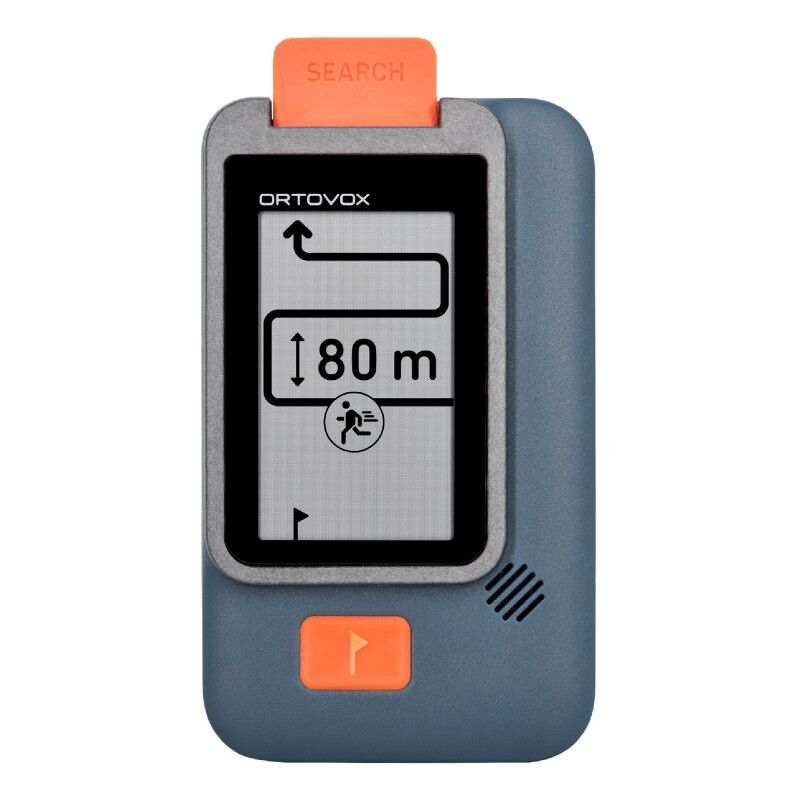
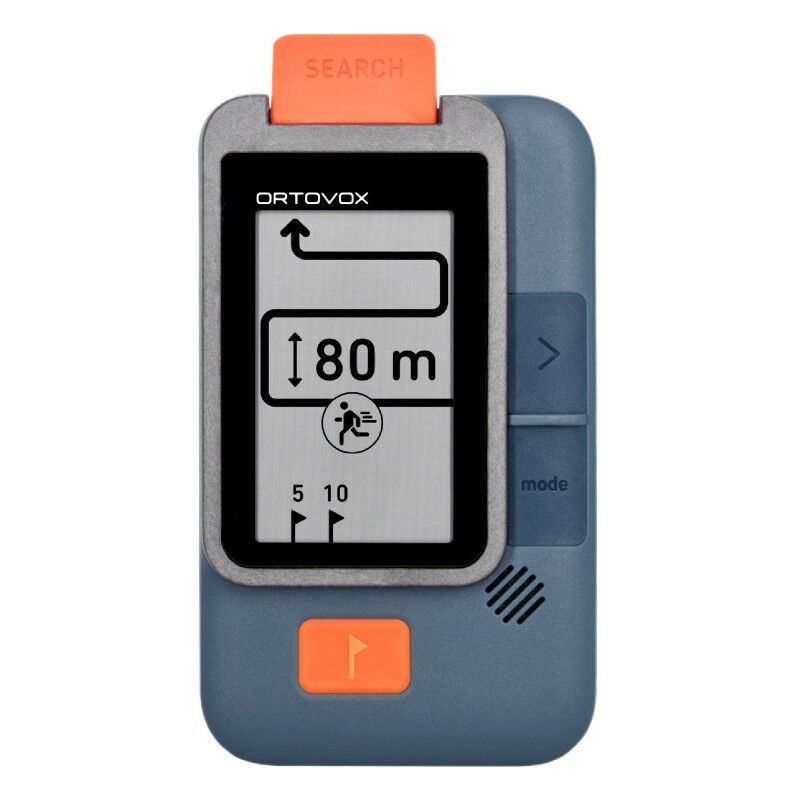
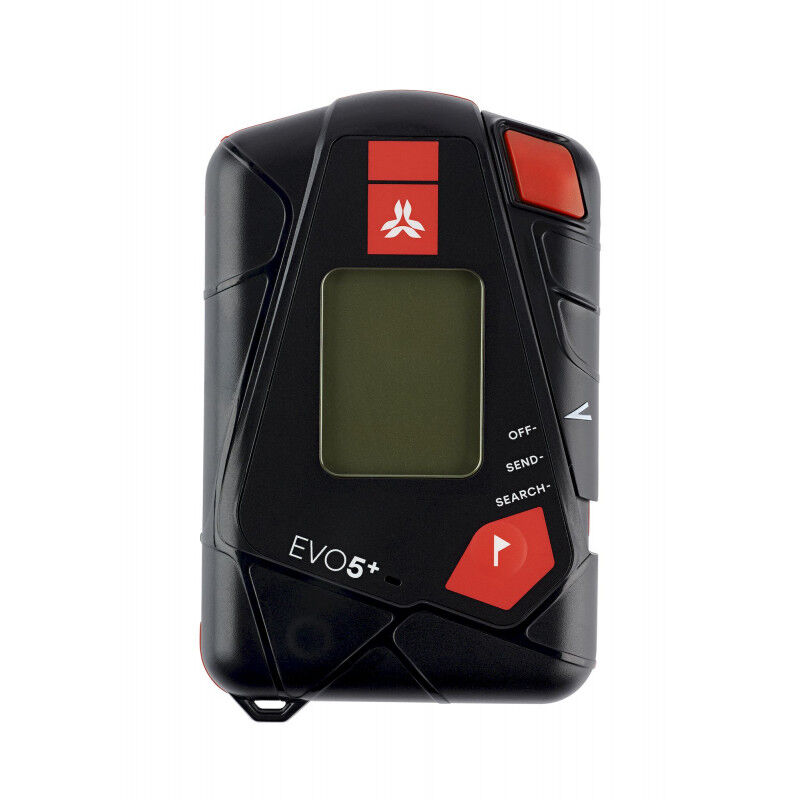
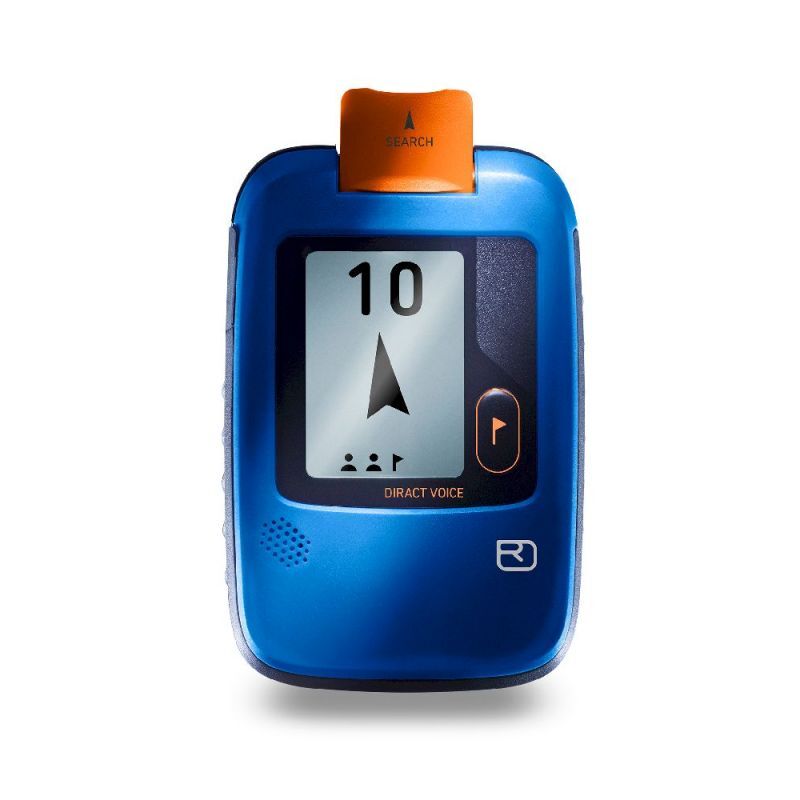
Previously the norm, analogue D.V.A are now considered obsolete compared to digital D.V.A. Indeed, new models of D.V.A are not compatible with older ARVA models, which drastically reduces the utility of your D.V.A and thus your chances of survival in the event of an avalanche! In addition to being more widely available, digital D.V.A are also much simpler to use and intuitive, which is crucial in emergency situations when pressure mounts. Equipped with a screen that indicates your progress towards the victim in numerical form, as well as the direction to take via a diode or arrow, digital D.V.A increase the efficiency and speed of searches.
D.V.A: what is the signal range?
To differentiate one D.V.A model from another, the effective range is one of the first criteria to consider. This is the maximum distance at which your D.V.A can receive the signal from another ARVA. However, be careful not to confuse the effective range with the search band width, which corresponds to double the effective range. Concretely, if you are positioned in the middle of a snow slide with a D.V.A with an effective range of 20 meters, your D.V.A will be able to detect the victim within a perimeter of 20 meters to your left and also to your right. You will have understood, the greater the effective range of your D.V.A, the greater the chances of spotting a buried person! Some models offer up to 35 meters of effective range, which represents a significant search perimeter and can accelerate the signal search phase.
D.V.A: the crucial role of antennas
Just like the effective range, the number of antennas on your avalanche victim detector is crucial for choosing your D.V.A. The first antenna provides the longest reception range and indicates the progress index in meters. This first antenna also serves as a transmitter when you are yourself an avalanche victim. The second antenna of your D.V.A, on the other hand, works in tandem with the first. It allows the processor to calculate and display the direction you need to follow to find the victim. The third antenna, now widely used, is not essential but can prevent any “double maximum” issues: the announced maxima can actually be located in two opposite places due to the magnetic field lines. This forces you to search manually for the true vertical of the victim, which can be complicated, especially in such situations. The third antenna thus offers a 3D location of the victim when you are close enough, which can save you precious time in locating them. Even if D.V.A with two antennas offer a better price, choosing a D.V.A with 3 antennas can be a wise option to counter any localization issues.
D.V.A: additional functions
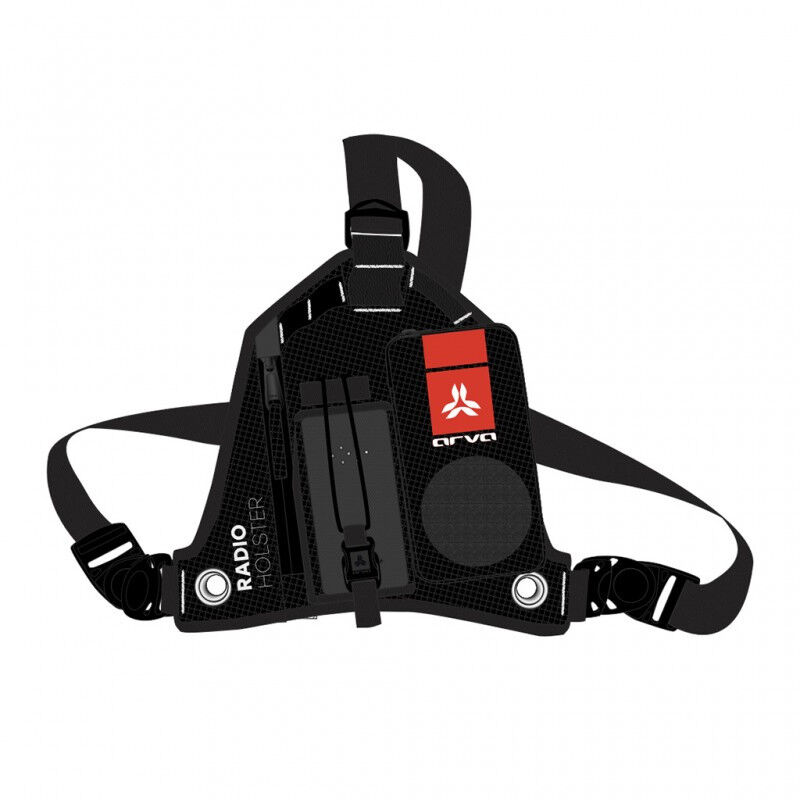
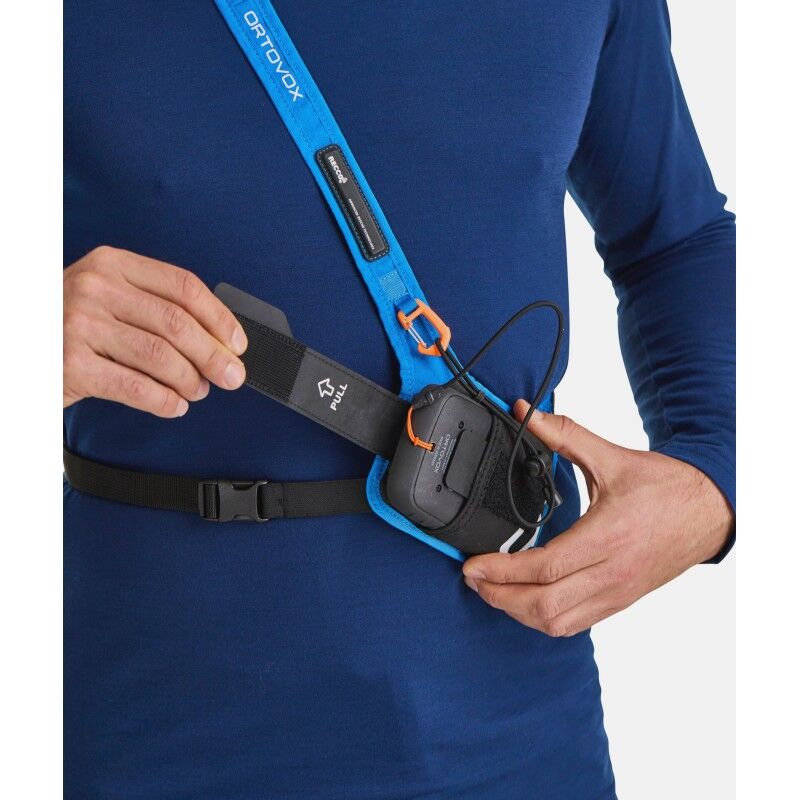
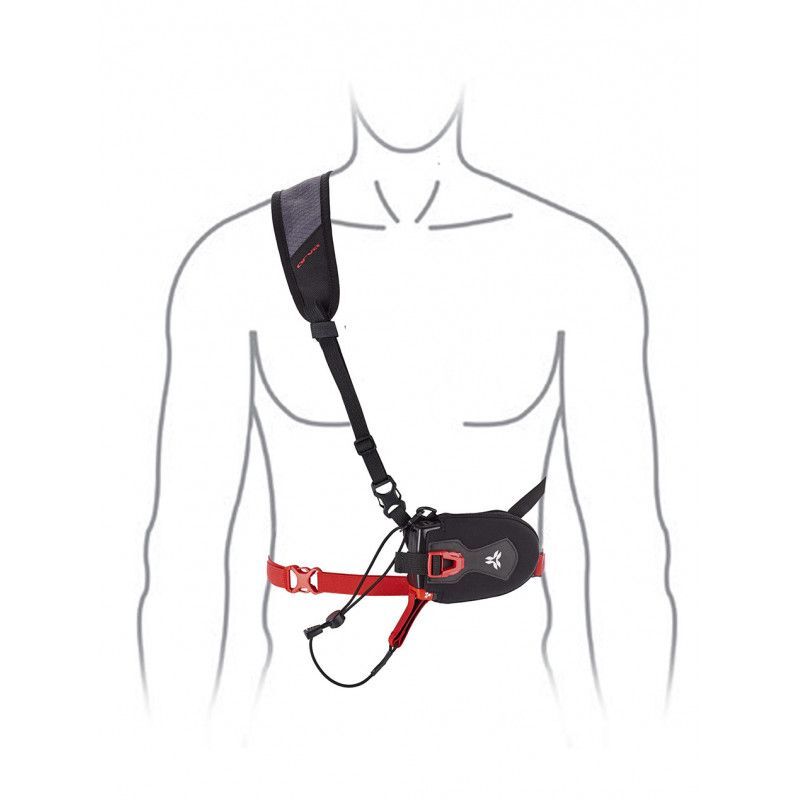
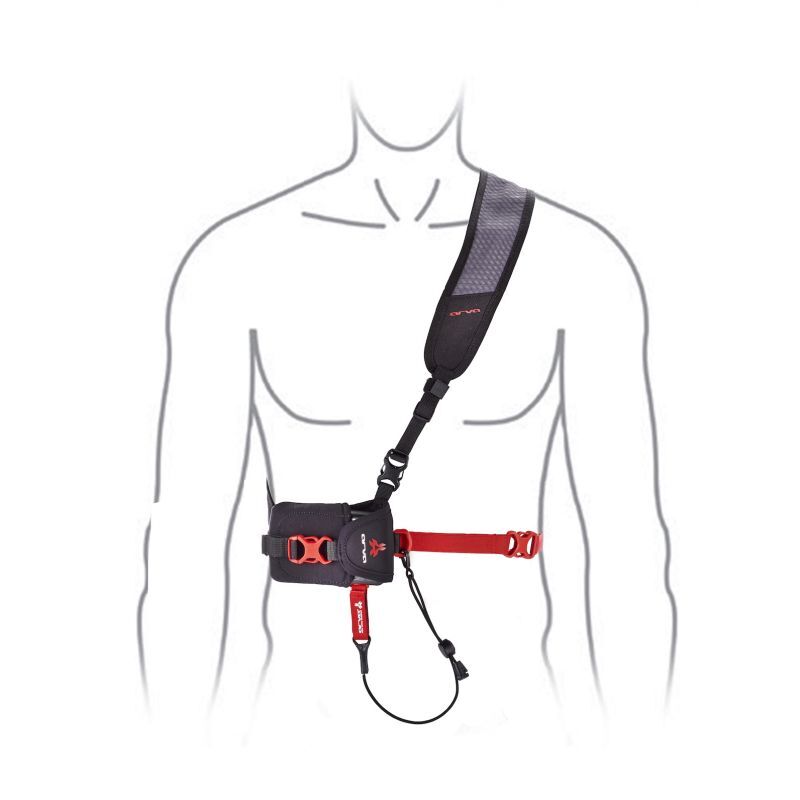
Each brand offers different models, making it possible to find D.V.A with various features. In this regard, there is a marking function designed to facilitate searches. This feature allows, when the D.V.A picks up different signals, to lead you directly to the strongest one. Once the person is located as closely as possible, it is possible to lock their position to search for another buried person. Other possibilities include some D.V.A that allow use like a GPS, displaying the steps to follow on the screen, or a map with the estimated positions of victims, or even a snail survey method. Sometimes complex, these different features require prior training to avoid information overload on the day you need to use your D.V.A in real conditions. Finally, some D.V.A can be worn using a holster, allowing for significant movement freedom. Placed under your layers of clothing, it will be easier to pull out thanks to its cord, which is extremely practical.
You now know everything you need to choose your D.V.A well! However, one big question remains: how to maintain your avalanche victim detector? The following section will address all your inquiries on the subject.
D.V.A: how to maintain it properly
Like any electronic device, a D.V.A should be kept away from heat and in a dry place when not in use. At the end of the season, especially if you use it occasionally for off-piste skiing, remember to remove the batteries to avoid any damage from leaking batteries inside the device. Also, at the beginning of each season, remember to replace old batteries with new ones to prevent any possibility of a dead battery. Finally, we recommend having your device checked in-store or by the manufacturer of your D.V.A within 5 years of purchasing the new product, and then every two years. These revisions help recalibrate the antennas and check the condition of the casing.
While a well-maintained D.V.A can be extremely effective in locating a buried person in the event of an avalanche, or for being found by another D.V.A, a D.V.A alone does not allow you to dig to find a victim! For that, a shovel and probe are indeed the two essential accessories to take with you, just like your D.V.A.
Shovel and probes, essential accessories for the D.V.A
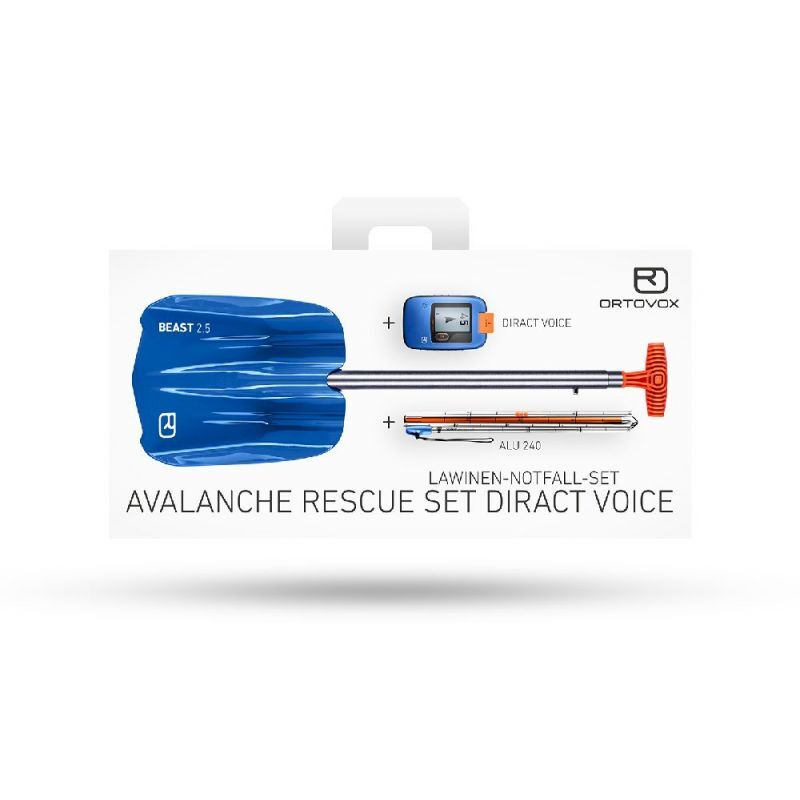
While mastering your D.V.A is crucial, it is also worth noting that alone, a D.V.A is not very useful! Thus, a snow shovel and a probe are essential for rescuing an avalanche victim. Regarding the probe, it is just as important as your D.V.A. Generally, the average burial depth is 110 cm, giving you a good idea of how deep you need to dig to find the victim. Your probe should have an effective locking system to provide sufficient tension when you plunge it into the snow. Similarly, the diameter and rigidity must be sufficiently high, and the length should be at least 240 cm. As for the shovel, it is the accessory that takes over from your D.V.A once the position of the person is identified. In this regard, a telescopic handle and an anodized metal scoop are the main selection criteria.
Find your D.V.A on Hardloop.fr
Digital D.V.A, number of antennas, search method, type of frequency…: you are now equipped with all the information to find the best D.V.A for your outdoor activities! If a question persists regarding your D.V.A choice, do not hesitate to contact our team at 01 48 58 30 28 (free call) or by email at hello@hardloop.com. We will be delighted to assist you in choosing your D.V.A for your upcoming adventures in the mountains!