
Ski poles
(55)
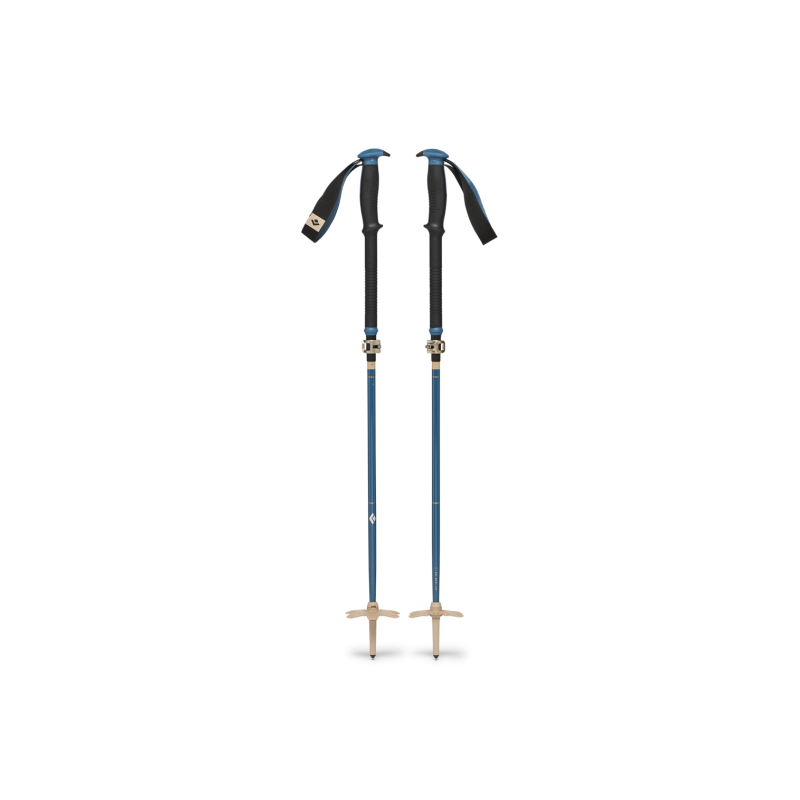
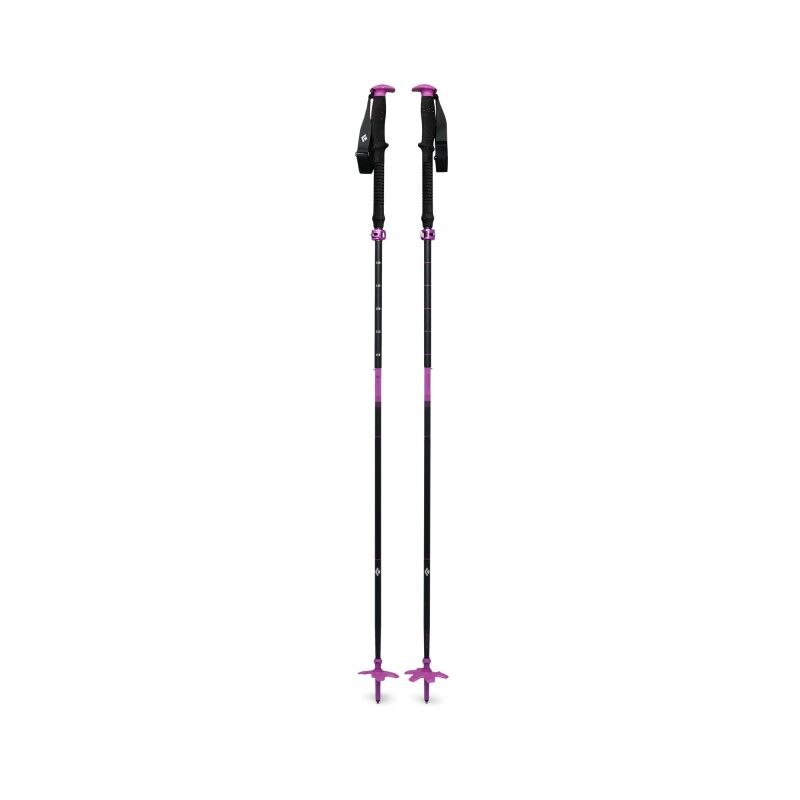
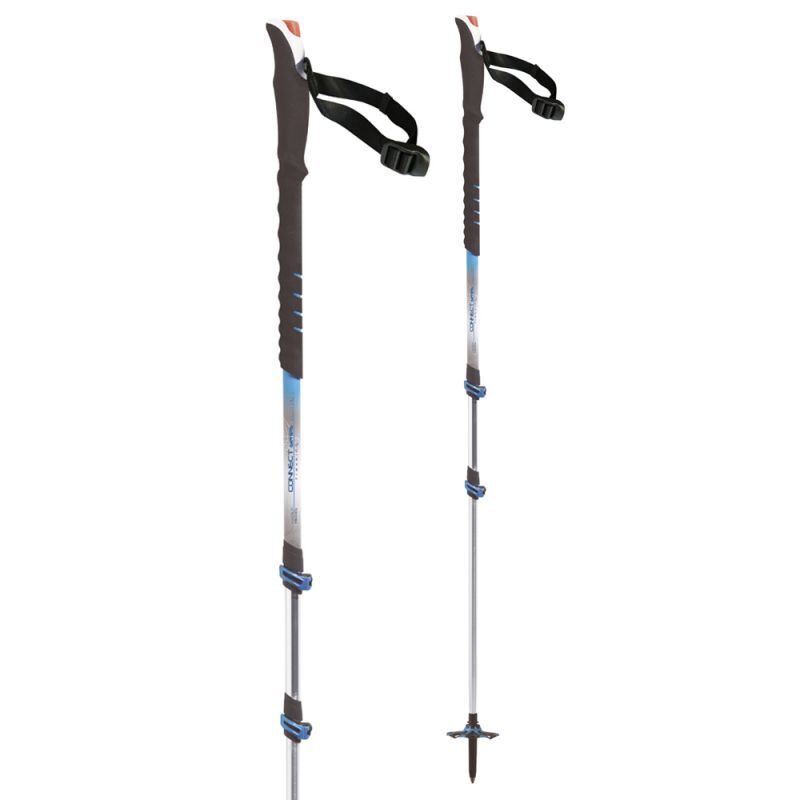
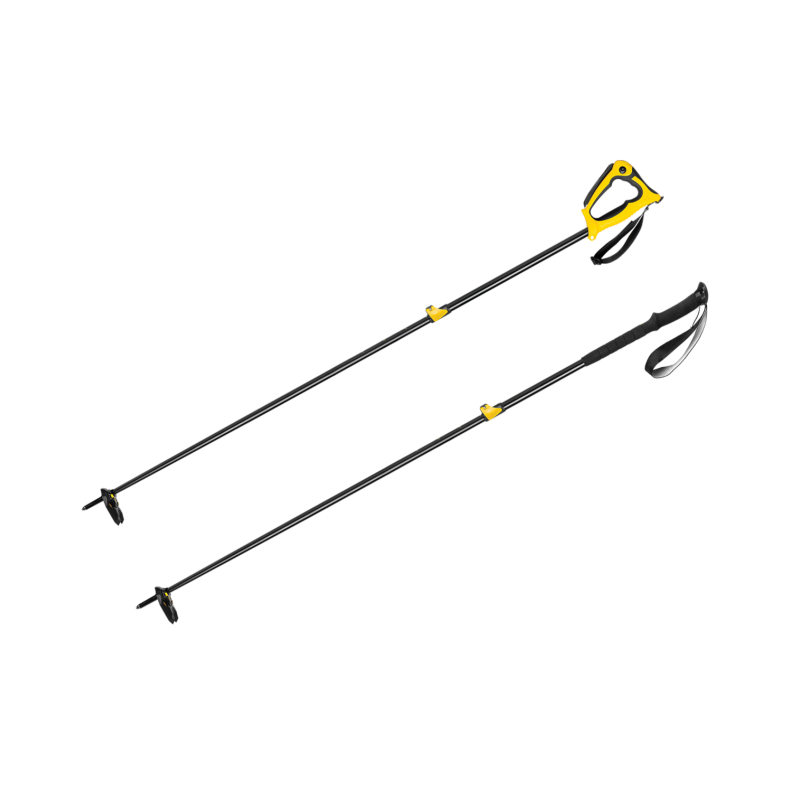


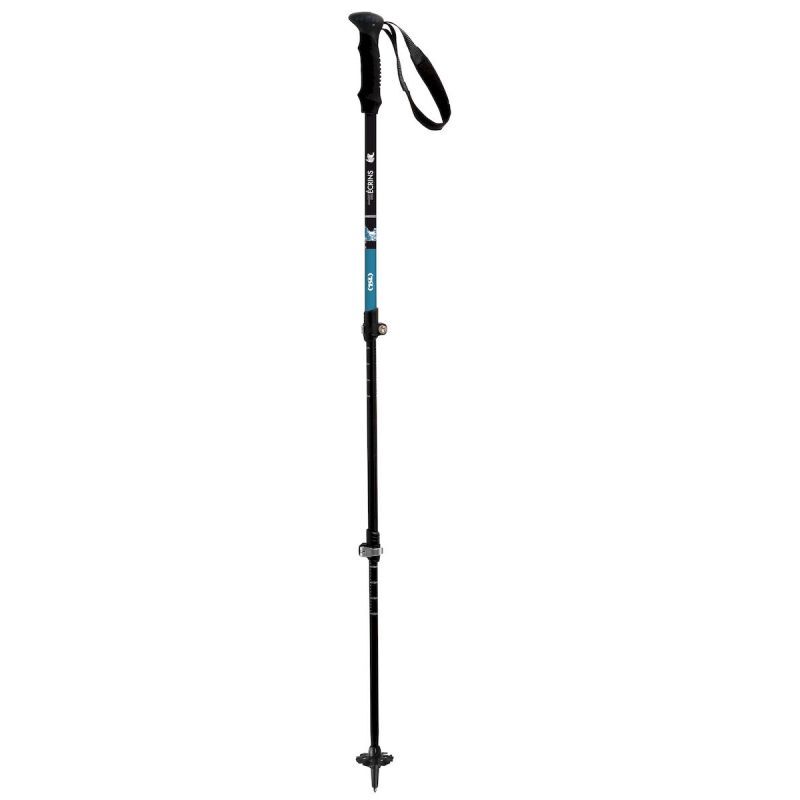
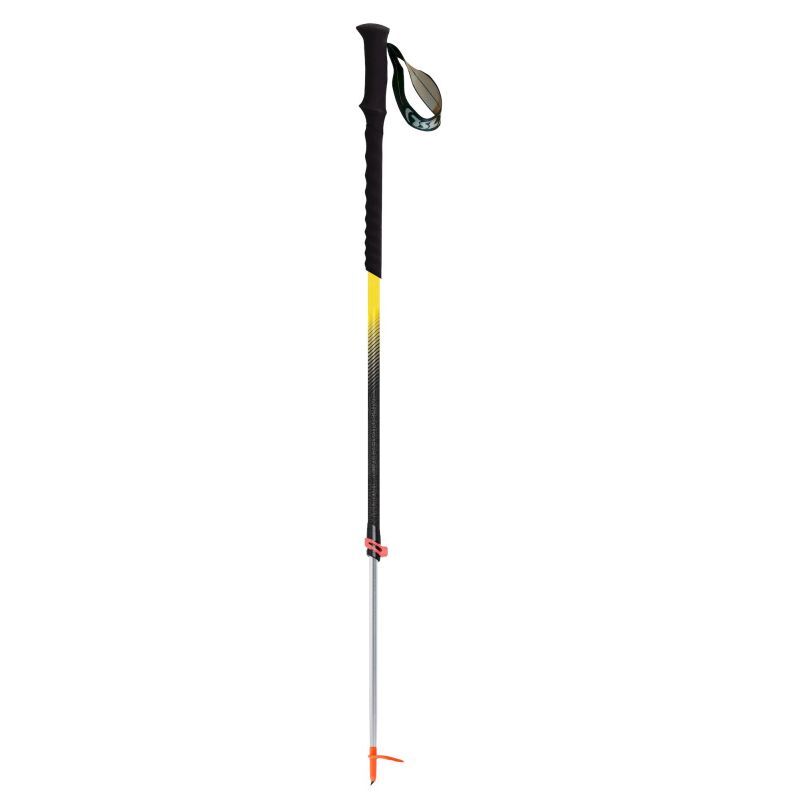


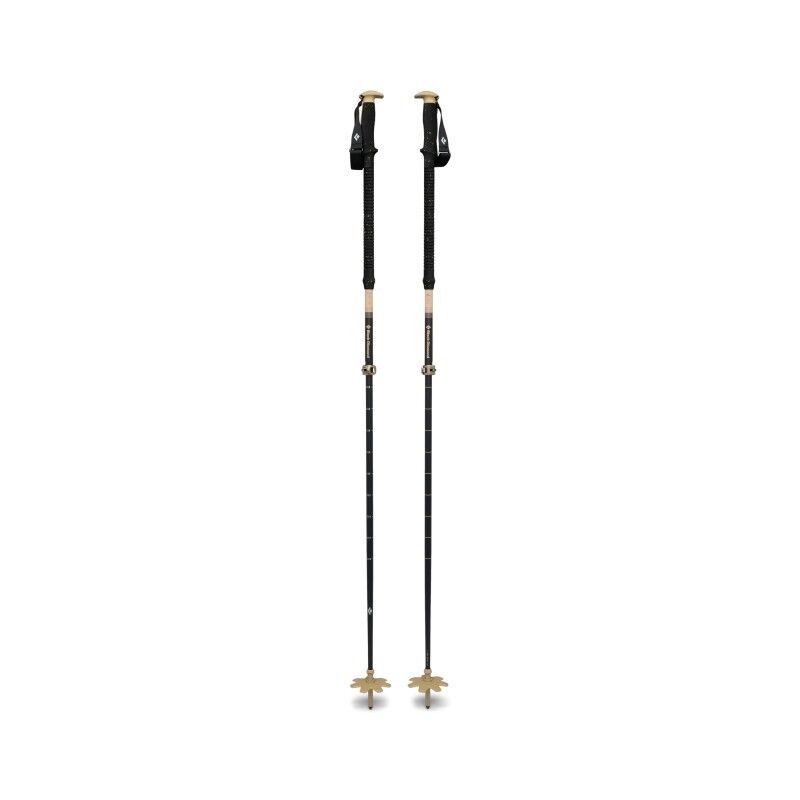

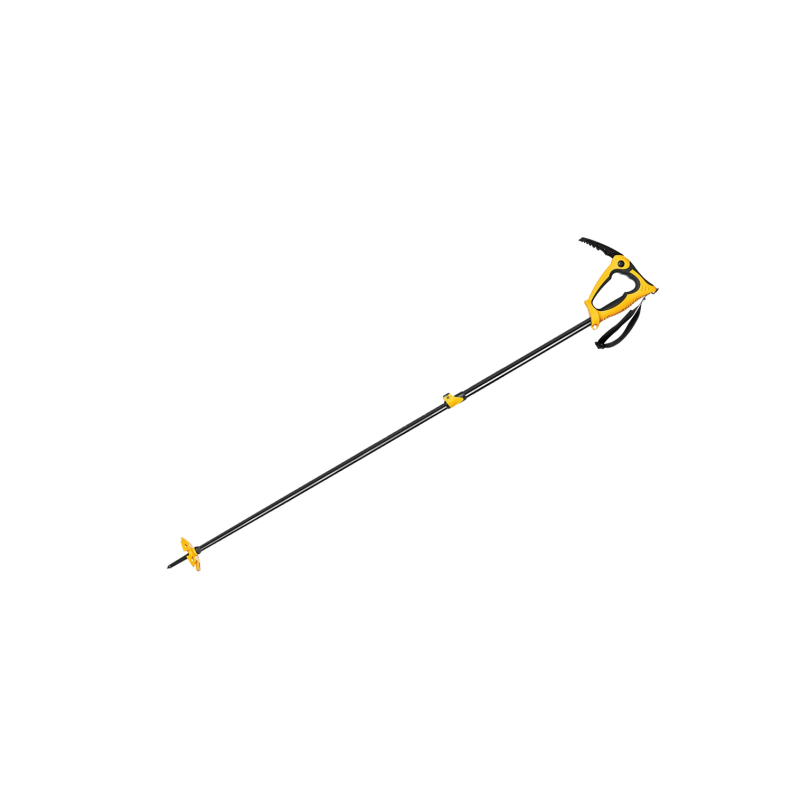


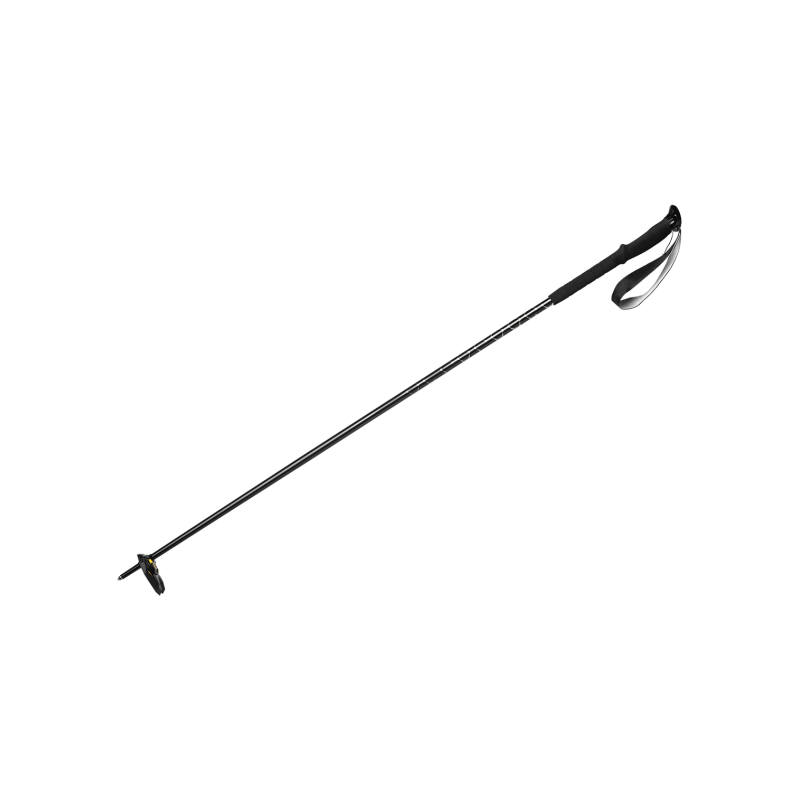

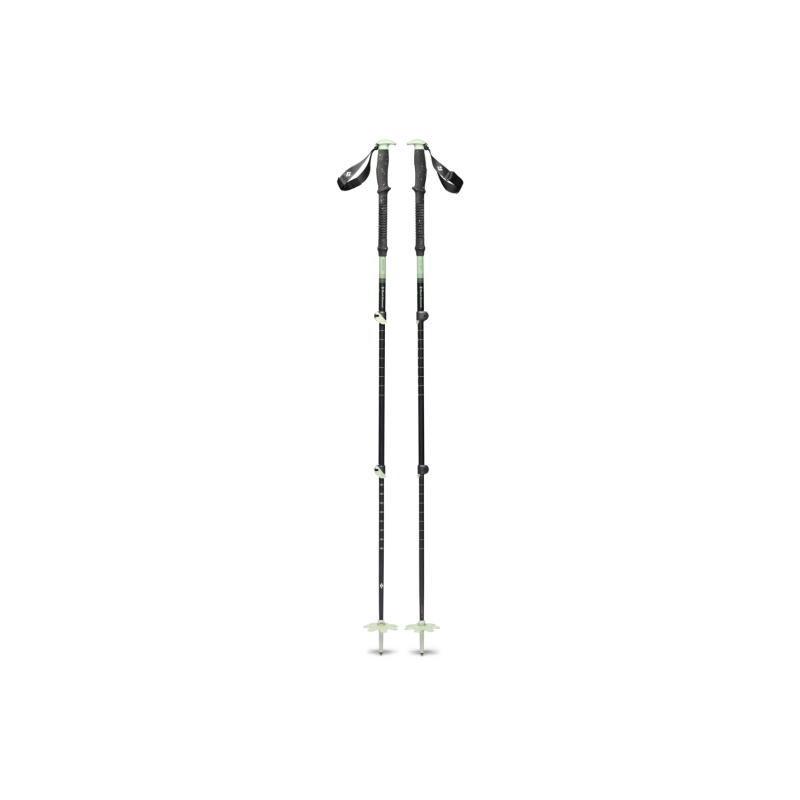
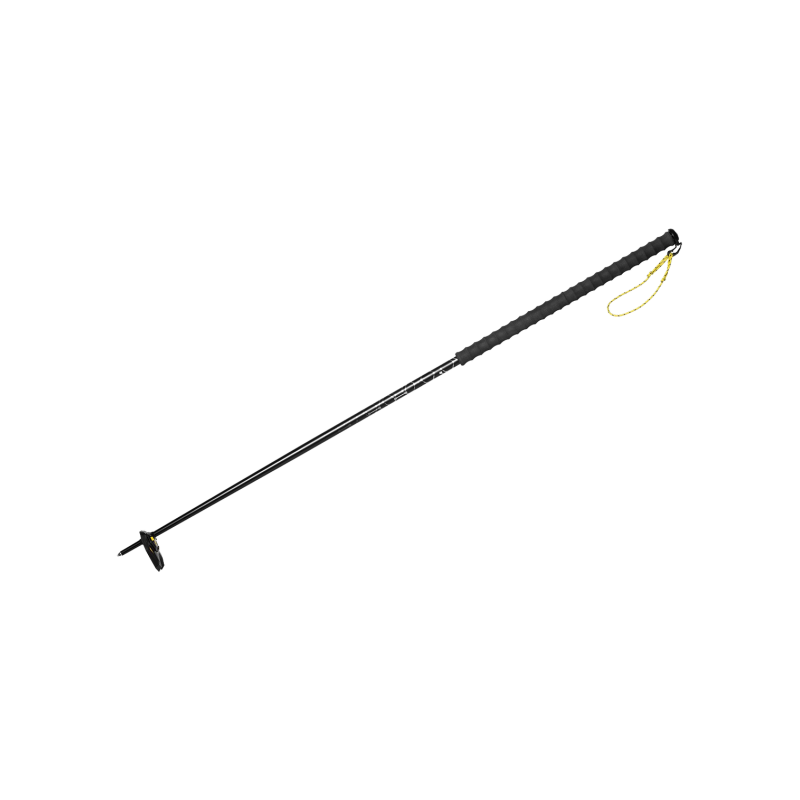

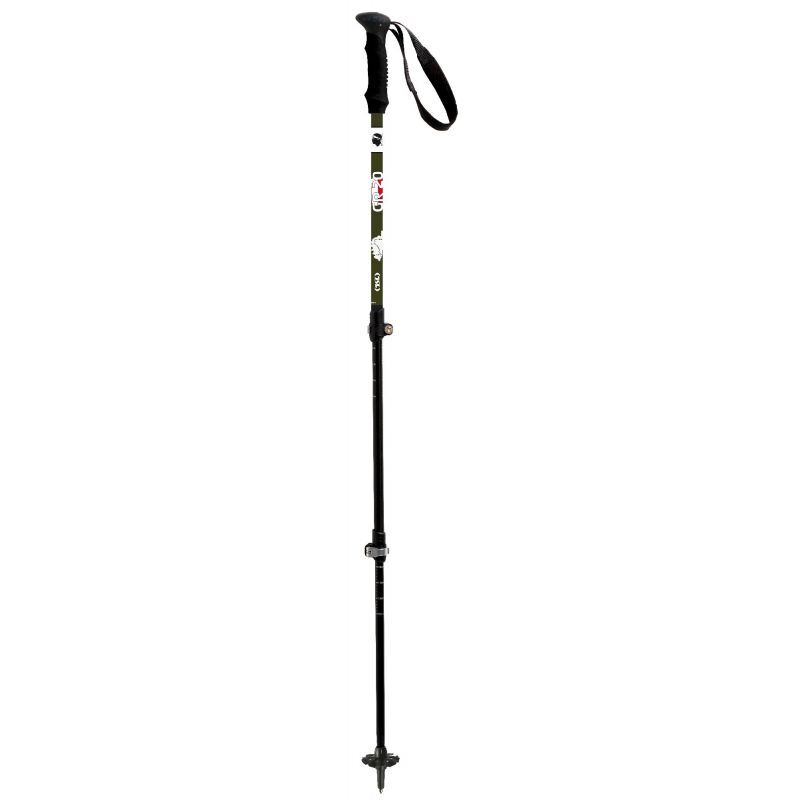

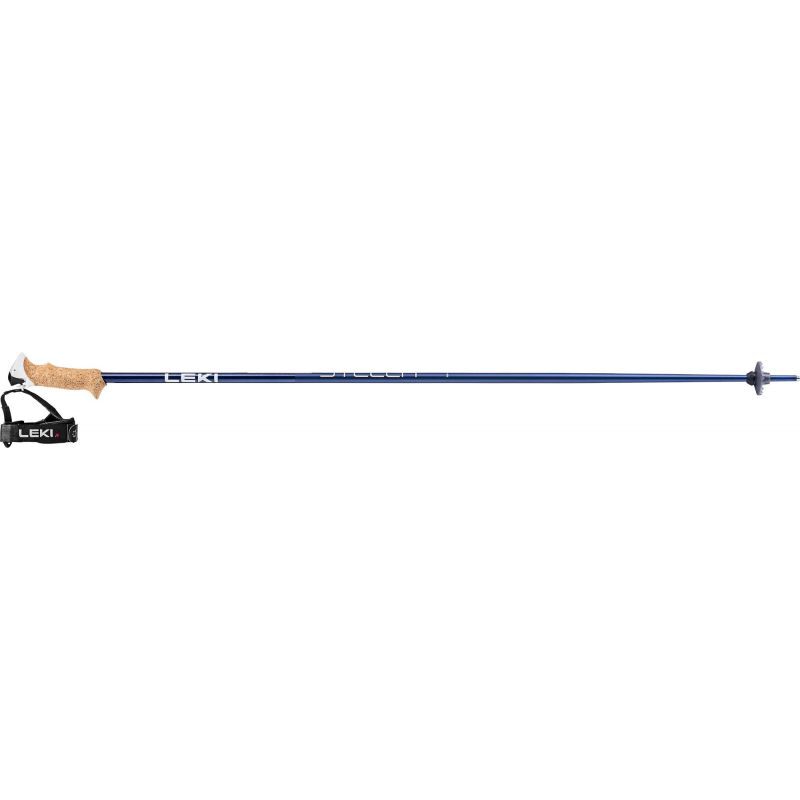
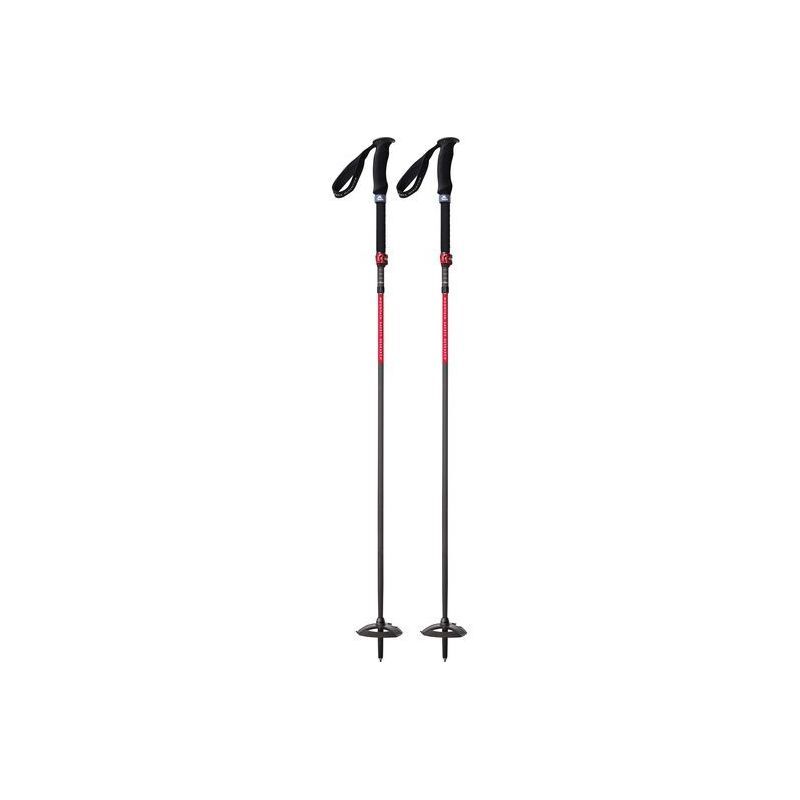
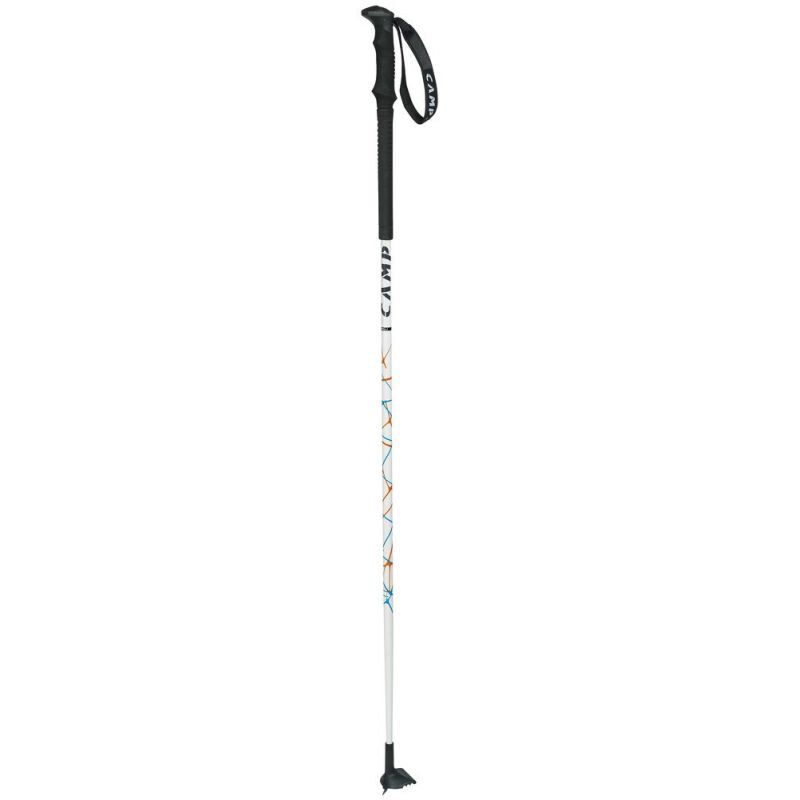
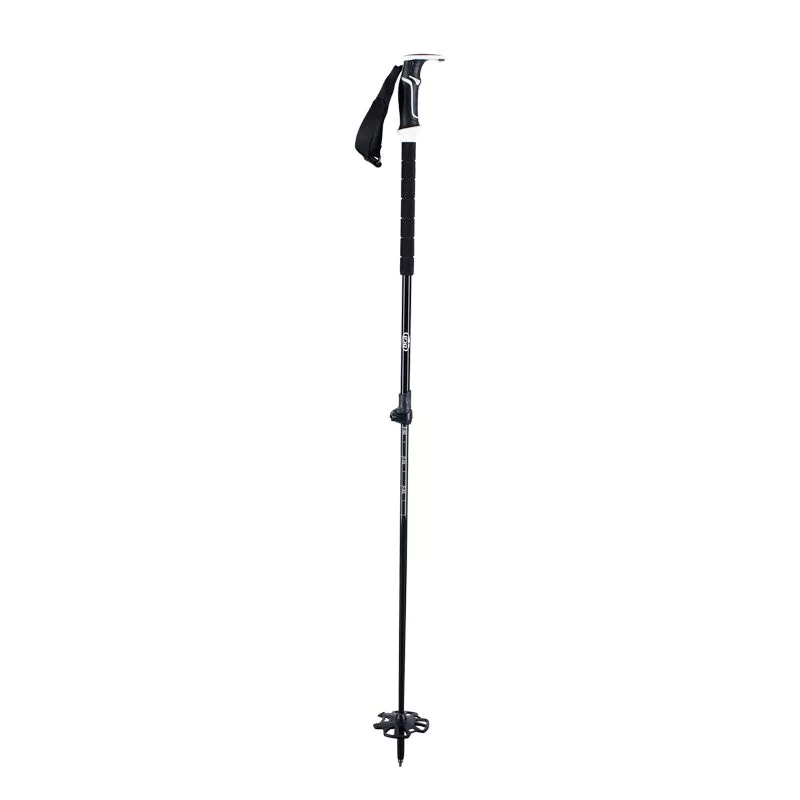
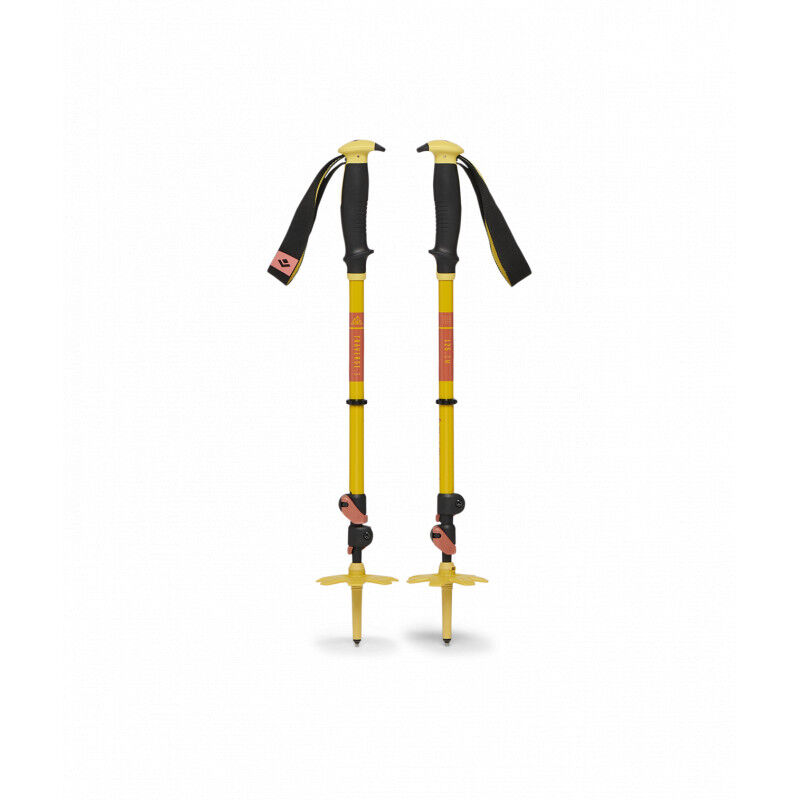
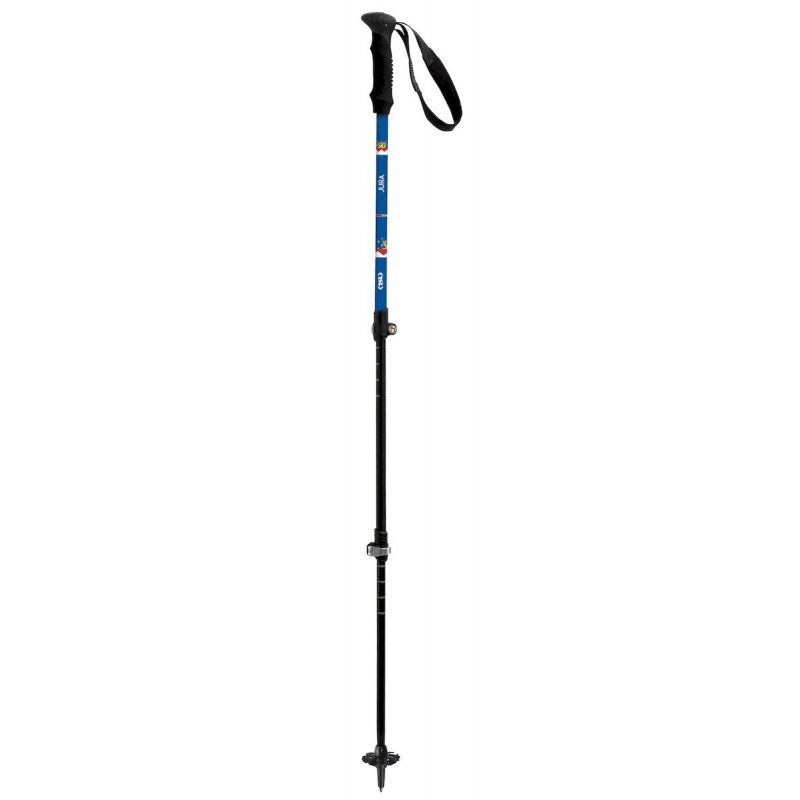
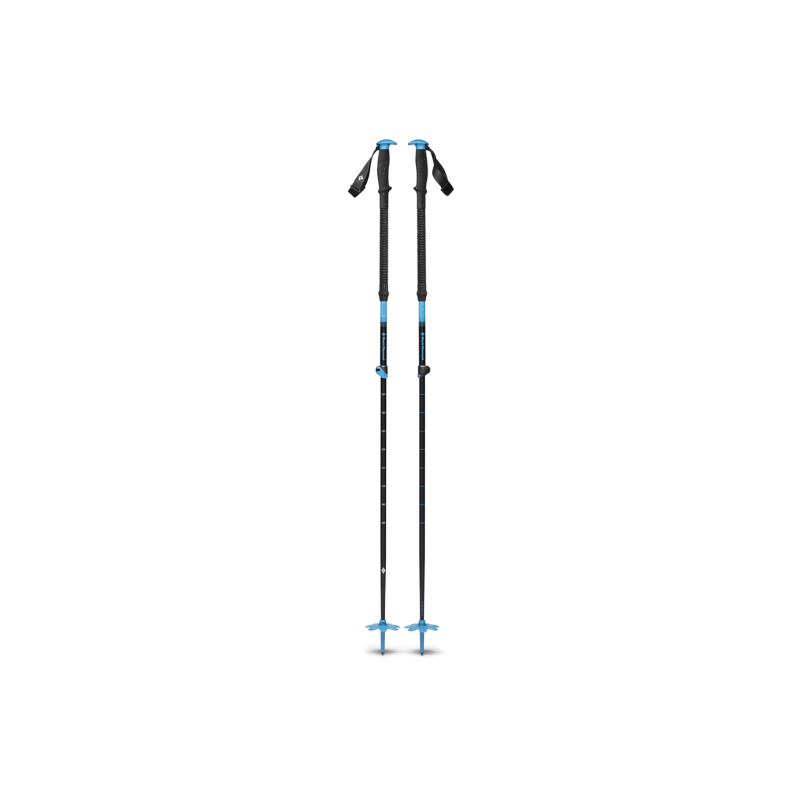
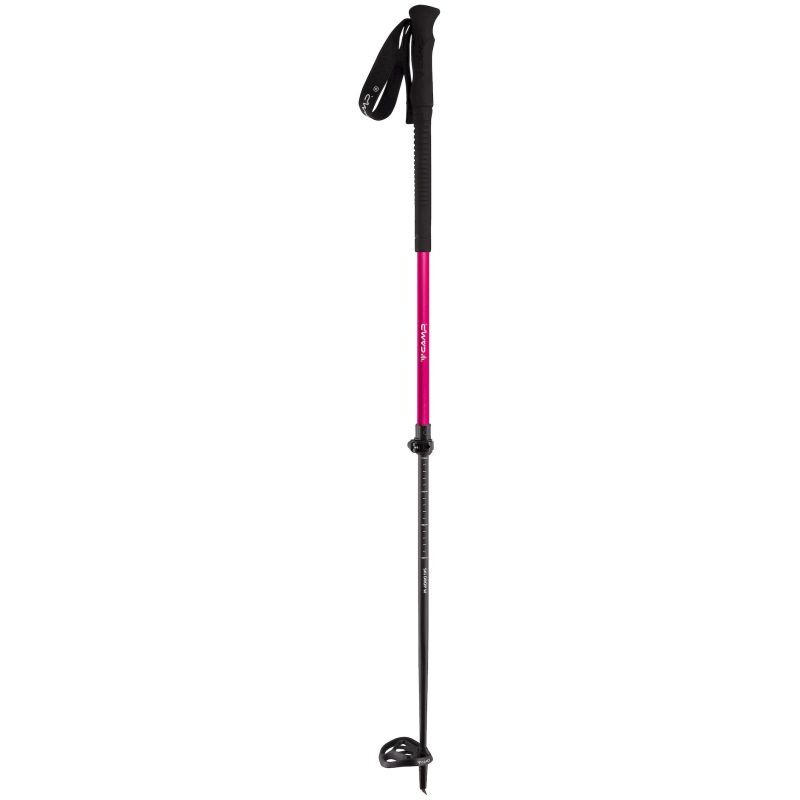

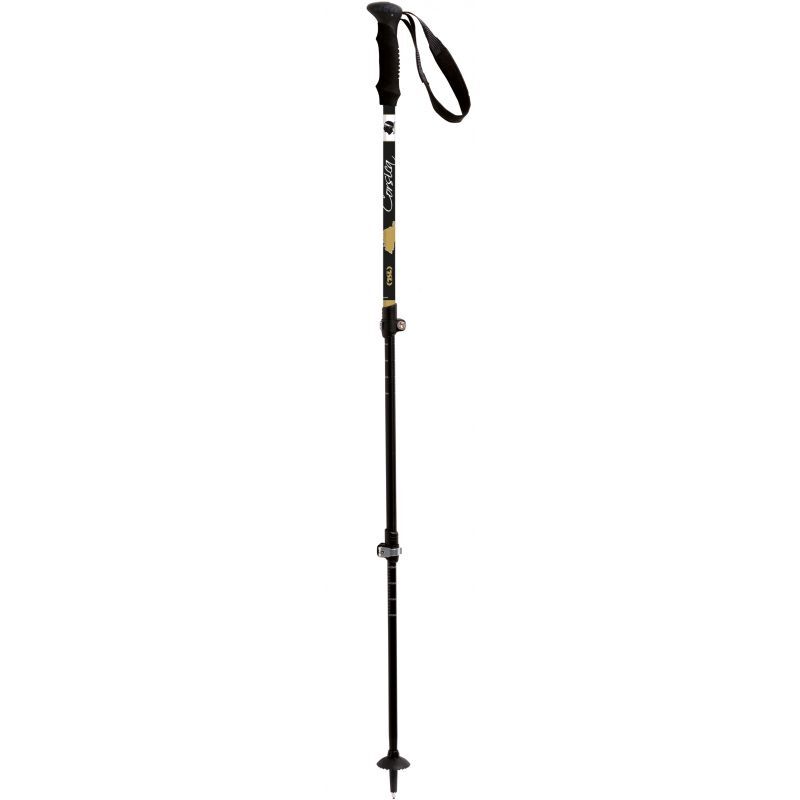
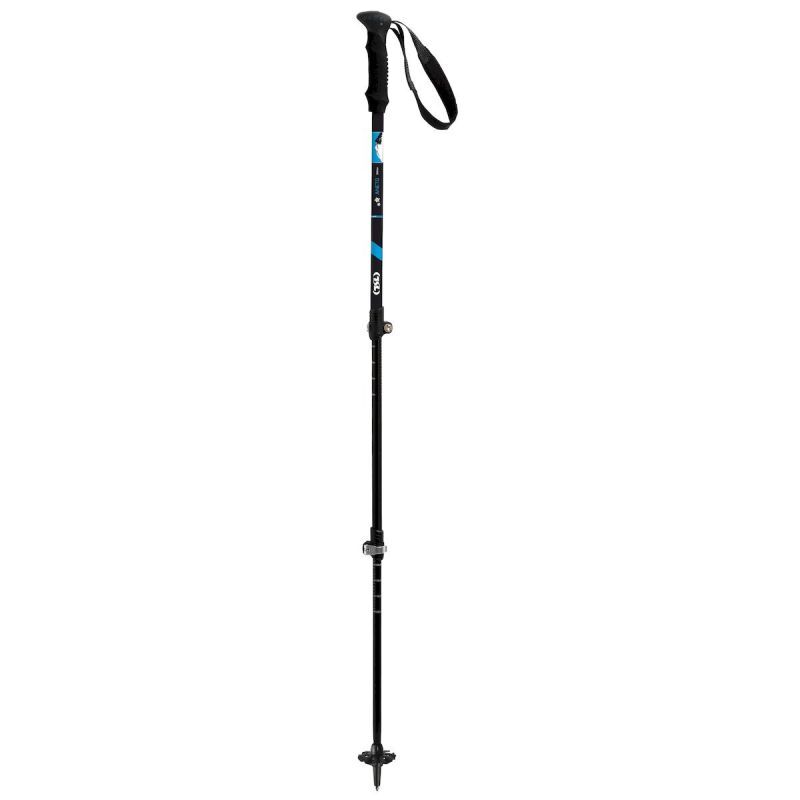
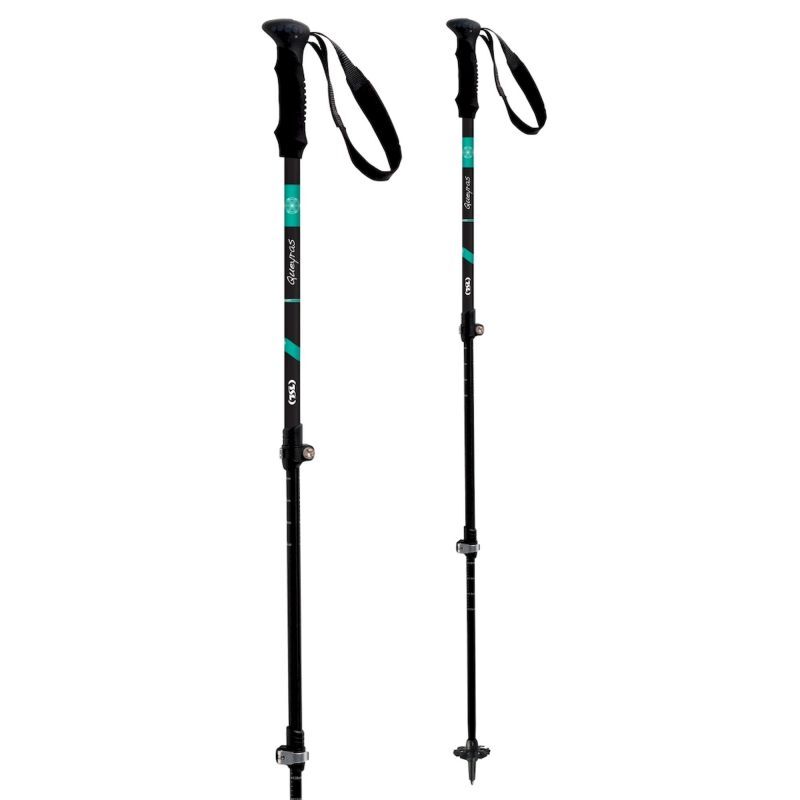
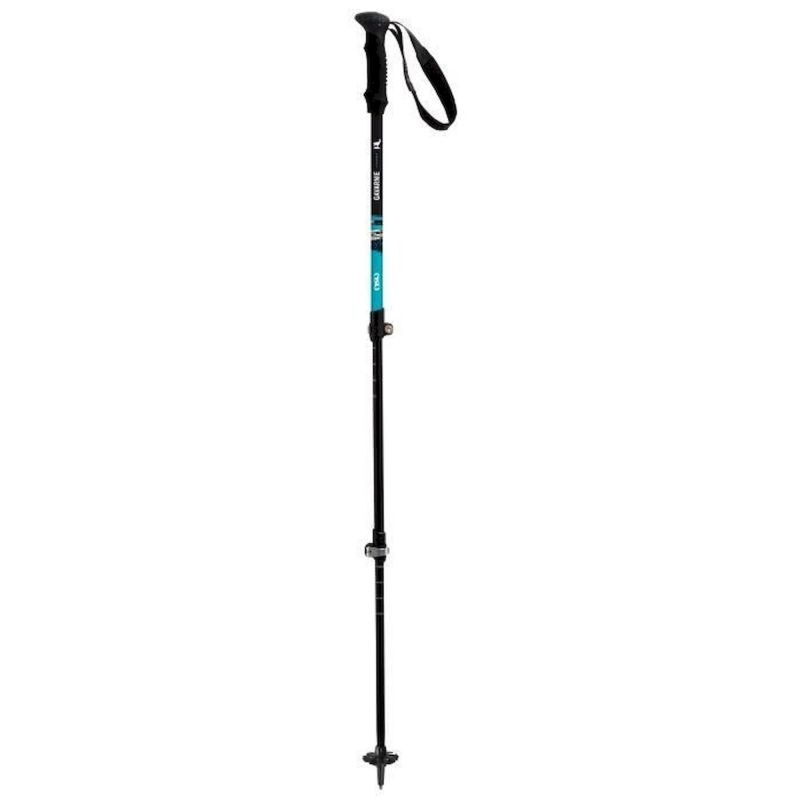

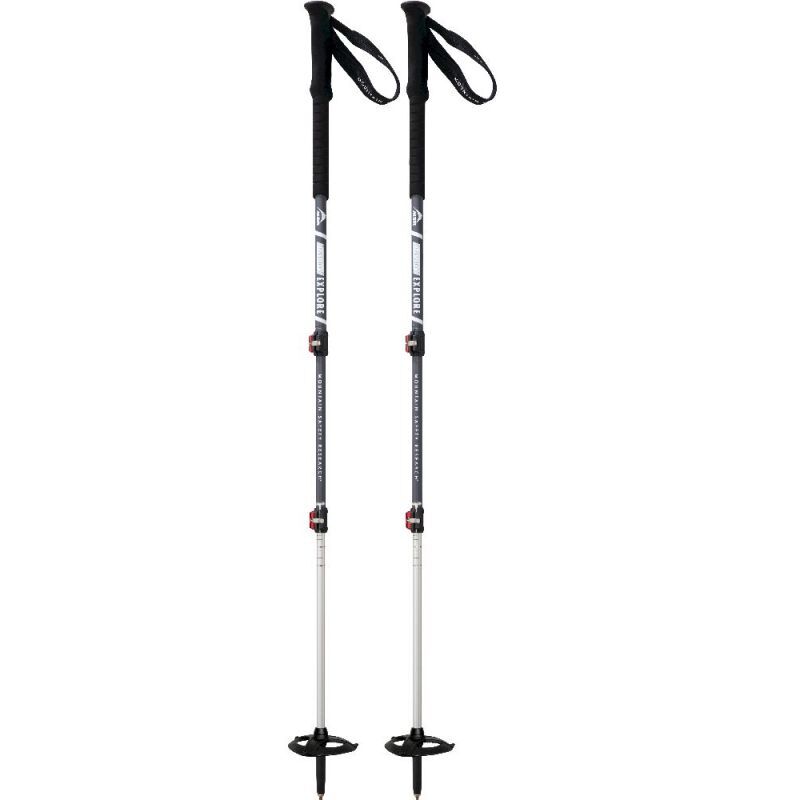
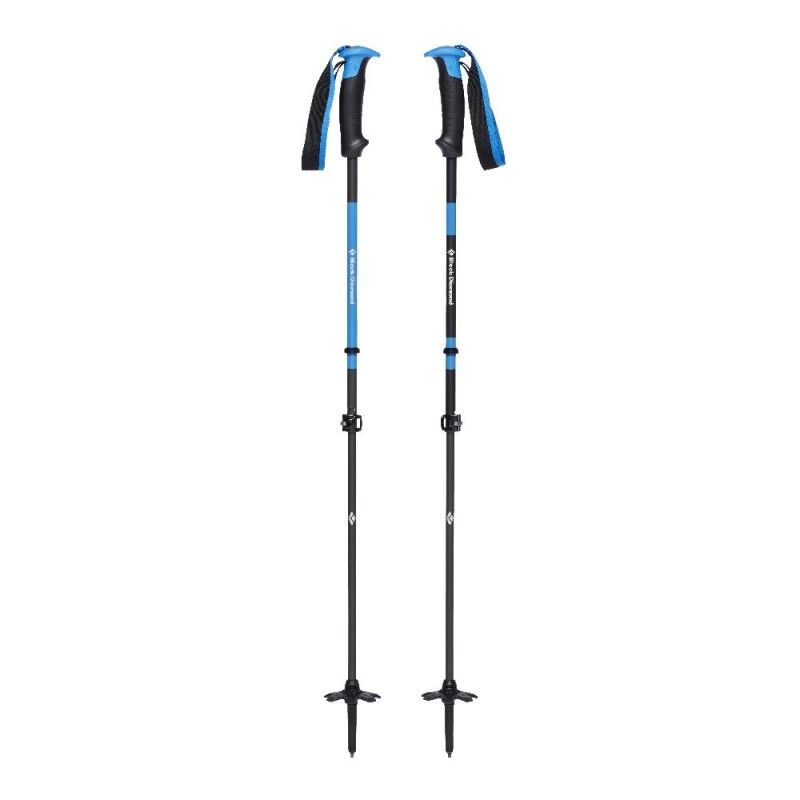

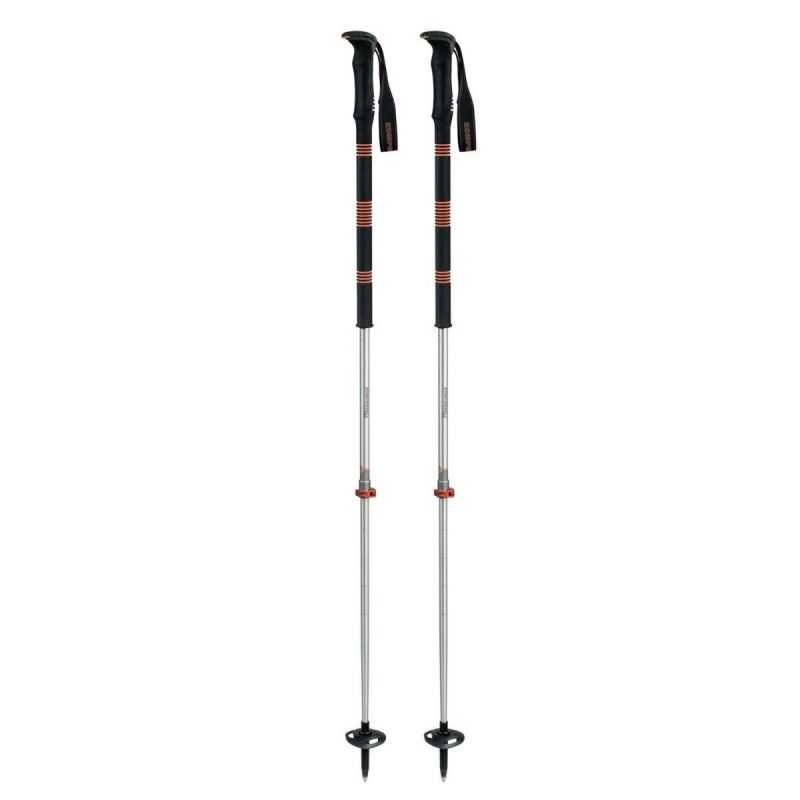
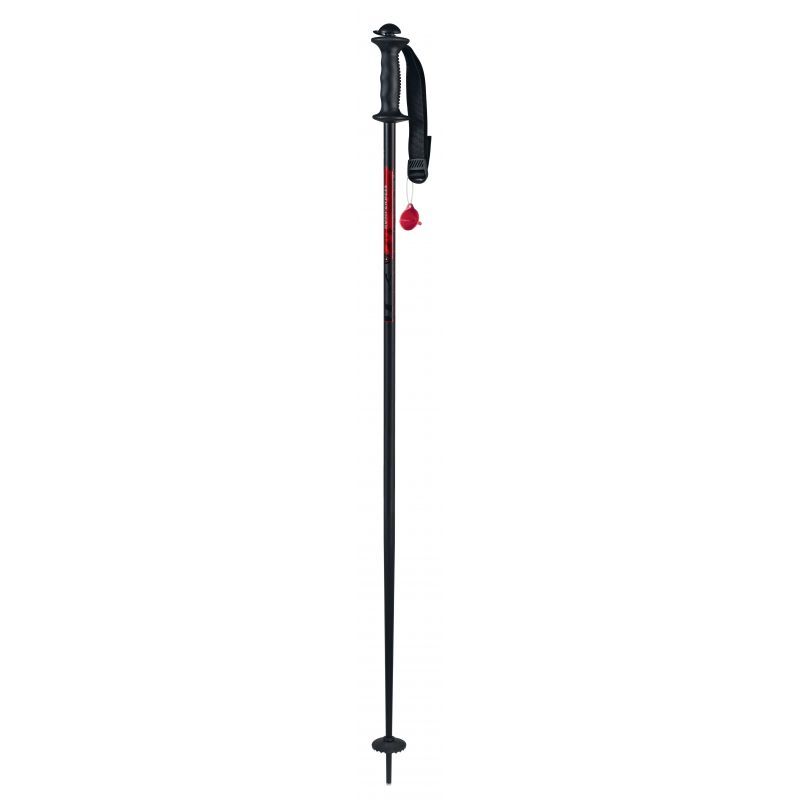
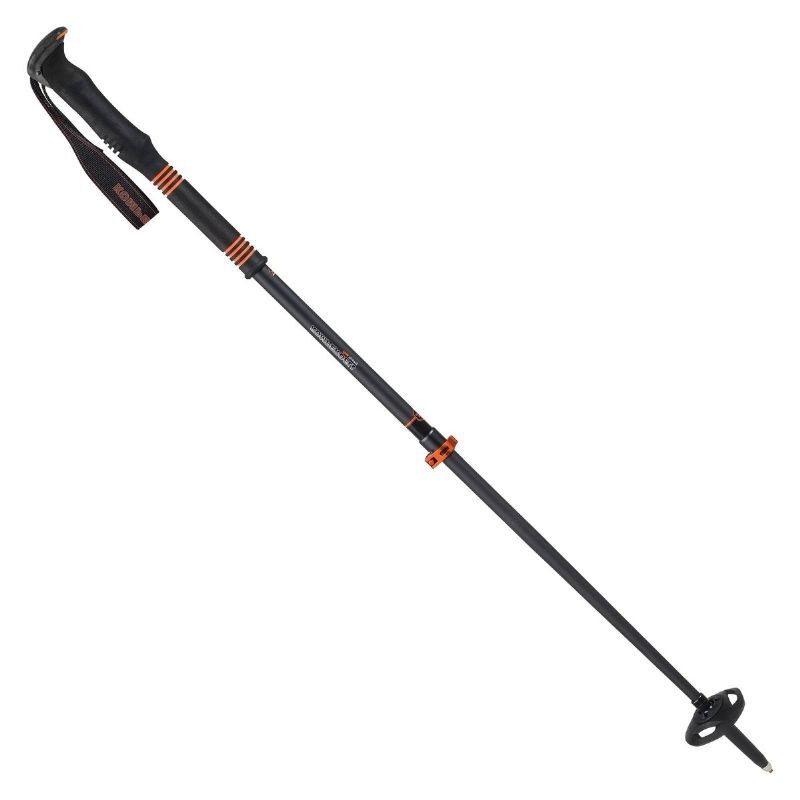
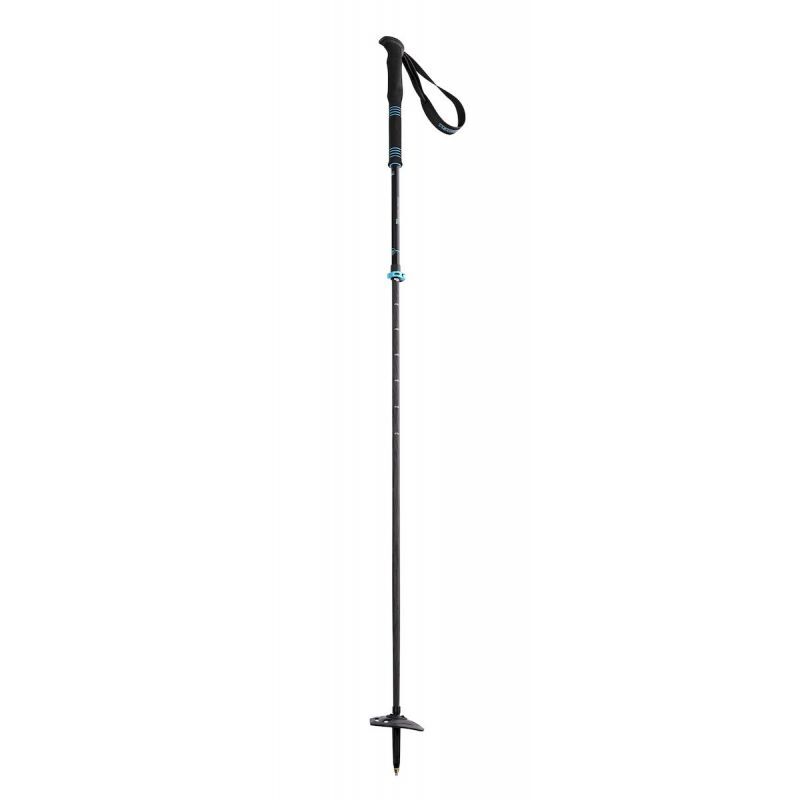
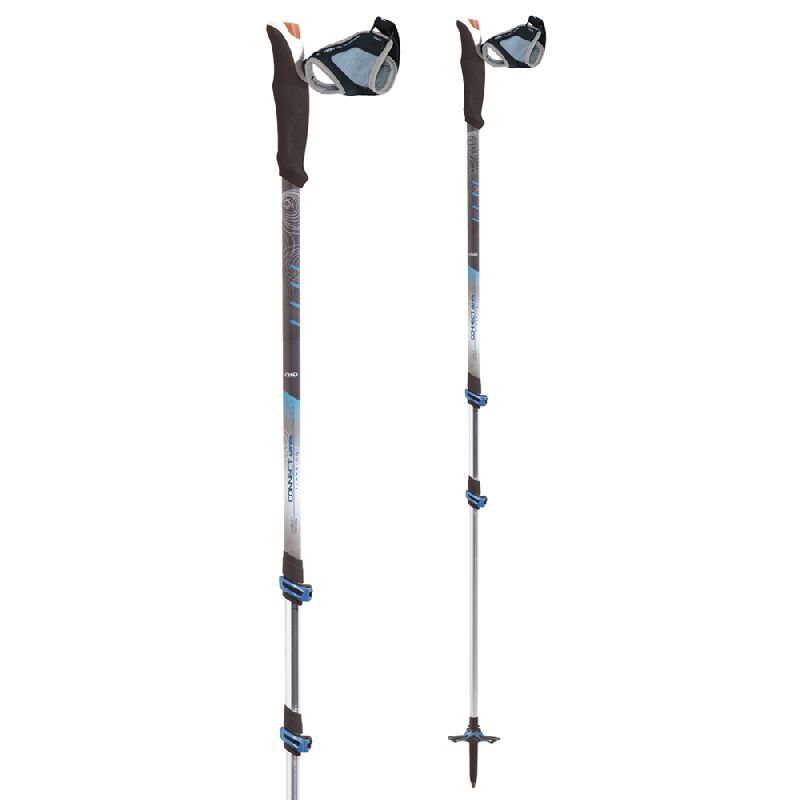
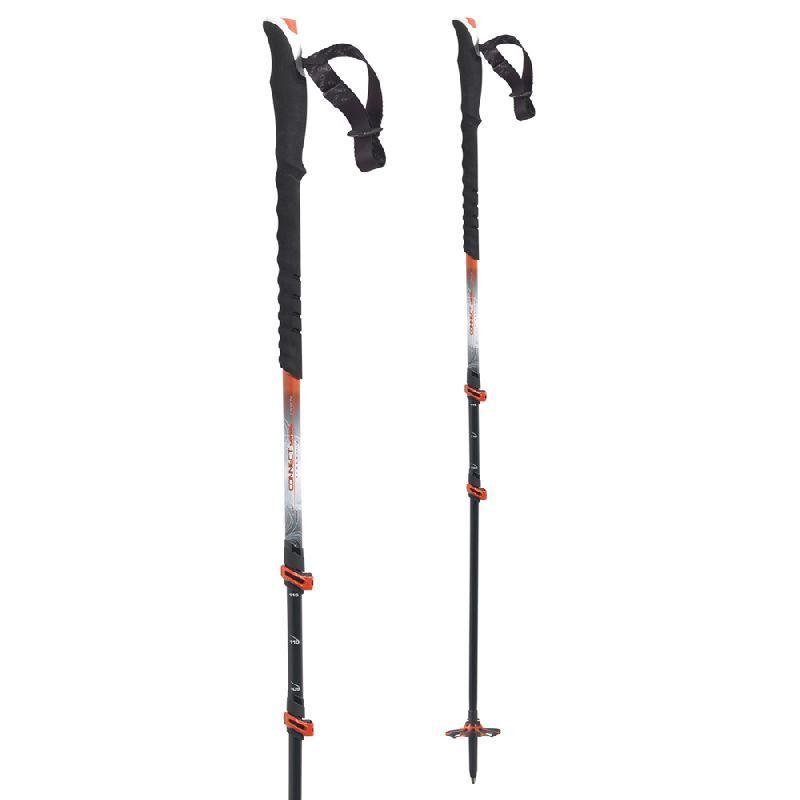
Ski poles, the equipment that makes all the difference on the slopes!
Whether you're skiing for a day or heading off on holiday to your favourite ski resort, your ski gear must always be complete. You wouldn't think of running without running shoes, would you? The same logic applies to skiing, which means you should bring your skis, but also your ski poles! Obvious to some, a detail to others, they actually play a significant role during your powder sessions! Whether you're considering replacing yours or simply buying your first ski poles, the question remains the same: which ones to buy? To help you understand how to choose them well, we provide you here with all the important characteristics of a ski pole to consider in your choice. Use, size, material priorities, practice: nothing will be left to chance!
Ski poles: why are they so essential?
Ski poles: an incredible evolution through the centuries
Before delving into the crucial topic of this article, namely how to choose your ski poles well, it is useful to understand their very origin. Thus, ski poles appeared at the same time as skiing itself, during the second half of the 19th century. At that time, the ski poles used were 2 meters tall and extremely robust and durable. Their use was primarily dedicated to moving forward on flat terrain. As practices evolved, they then became a tool for braking and balancing. In the 20th century, as skiing became extremely popular, they transformed to become shorter, with variable heights, and the use of the basket became more common. In short, you understand, ski poles have always been an integral part of the skiing equipment and have evolved with the practice. But what are the reasons that make them so indispensable for the practice?
Ski poles: what are they actually for?
If you engage in winter outdoor activities, such as snowshoeing for example, you have surely noticed: poles are a real support point that quickly becomes essential! In skiing, depending on your level, the ski poles can be of great help. For a beginner, their primary use is to provide reassurance and stability, while for an experienced person, they help your body lean to the side of your ski for better turning and also improve your balance. Far from being a detail, they are therefore real tools that facilitate your skiing sessions and deserve special attention to choose them well.
Choosing your ski poles wisely: the 5 criteria to consider
The size of ski poles, a crucial criterion
The first criterion for choosing your ski poles well is size, as it will determine whether they suit you or not. Too tall or too short, poorly chosen ski poles can lead to many imbalances. But how do you find the size that suits you? The answer is simple and actually depends on your own height and your skiing practice. For piste skiing, for example, take the poles upside down, place them on the ground, and position your hands just below the basket. If your arms are at 90°, then the chosen size is perfect!
The materials of ski poles: specific properties
After size comes the second crucial criterion, namely materials. We will study the three main materials, namely aluminium, carbon, and composite materials, along with their respective advantages and disadvantages.
-Ski poles made of aluminium
Very commonly used, aluminium is the most prevalent material in the ski poles market. Versatile, aluminium poles can be used for various practices, from piste skiing to off-piste skiing. However, there are different types of aluminium. The difference between each of them? Weight and strength. Thus, the lower the number indicated next to the aluminium (below 6,000), the lighter it will be. Conversely, the higher the indicator (from 7,000), the heavier and more durable the aluminium will be. For moderate skiing practice, aluminium ski poles are perfectly suitable. However, for more intense practice, carbon is the preferred material.
-Ski poles made of carbon fibres
Extremely lightweight, carbon offers significant vibration absorption capabilities compared to aluminium. Carbon fibres are therefore particularly appreciated in ski touring. As with aluminium, the carbon content can vary from 0 to 100% this time. You probably guessed it, but generally, the higher the content, the lighter, stiffer, and more durable your ski poles are, and the higher their price skyrockets! Generally, carbon ski poles are more expensive than those made of aluminium. While aluminium and carbon are the two main categories of materials used, it is also possible to find poles made of composite materials, which also offer interesting advantages.
-Ski poles made of composite materials
Combining the qualities of carbon (notably its strength) and the qualities of other combined materials, ski poles made of composite materials are therefore strong and relatively lightweight. However, this type of ski poles may be more prone to breaking, especially upon impact above the basket, although many manufacturers offer reinforcement at the structural level.
For an occasional skier, aluminium is ideal. For a regular skier, solid aluminium poles of 7,000 or more or those with over 70% carbon are recommended.
Ski poles: how to choose the grip?
You probably know that the grip plays a very important role. That's why it's important to choose an ergonomic grip that suits your needs and practice. To choose your grip well, it's not complicated! First, analyse the diameter of it according to your sensations and the size of your hand. Then comes the choice of material, which is also crucial in choosing your ski poles. Rubber, foam, cork, plastic, or bi-material: anything is possible!
-Rubber grip
Durable and pleasant to the touch, rubber absorbs shocks relatively well. It is therefore recommended for ski touring.
-Plastic grip
Rigid, a plastic grip is less pleasant than rubber to the touch. However, its main advantage lies in its durability and also its shock absorption. This material is recommended for more occasional skiers.
-Cork grip
Excellent insulator, cork is also pleasant in hand. Dedicated to intensive practice, cork is used in higher-end ski poles. However, they are not very durable over time.
-Foam grip
Ideal for sweaty hands, foam grips allow good breathability of the hands, are soft, and absorb shocks extremely well. Foam is therefore particularly suitable for ski touring, cross-country skiing, or skating, practiced quite intensively. There are even EVA grips with memory foam to adapt even more to the shape of your hand.
-Bi-material grip
A bi-material grip is simply a blend of foam and rubber. Lightness is the key word here! Mixing the advantages of these materials, a bi-material grip is therefore a good compromise and offers an easier grip.
Ski poles: what about the basket?
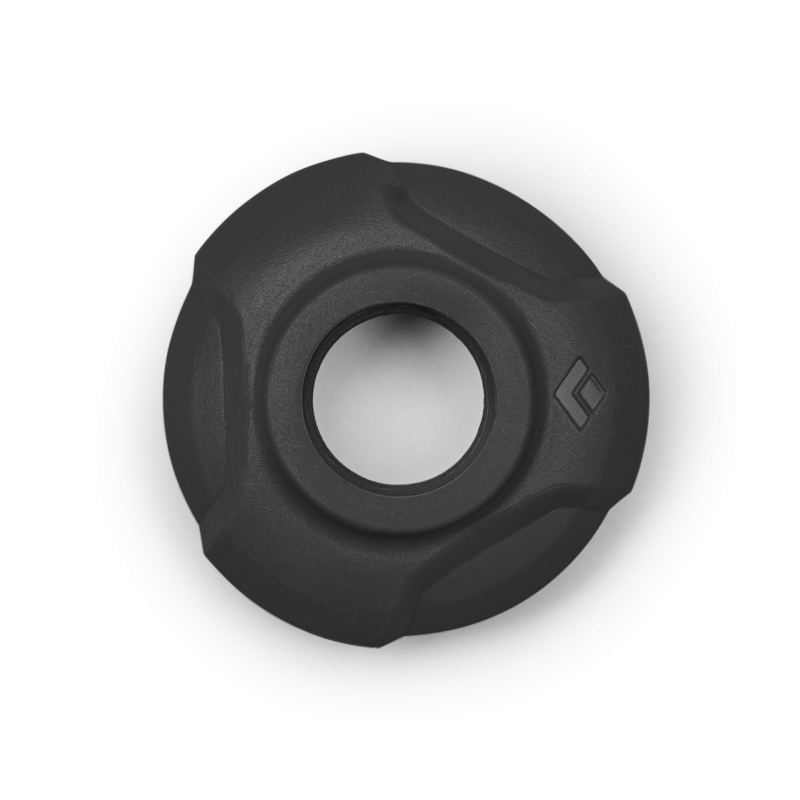
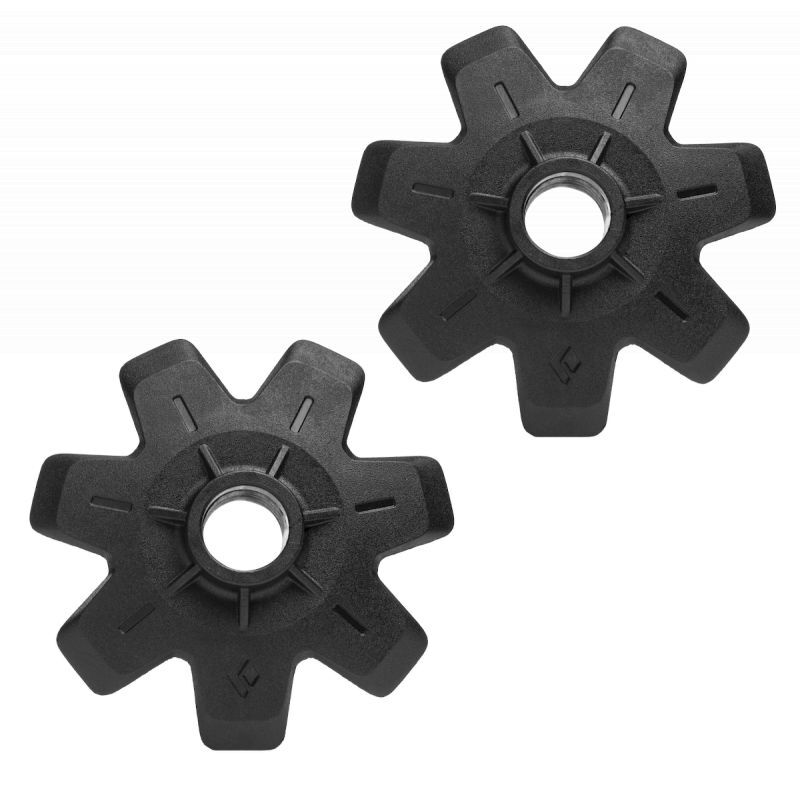
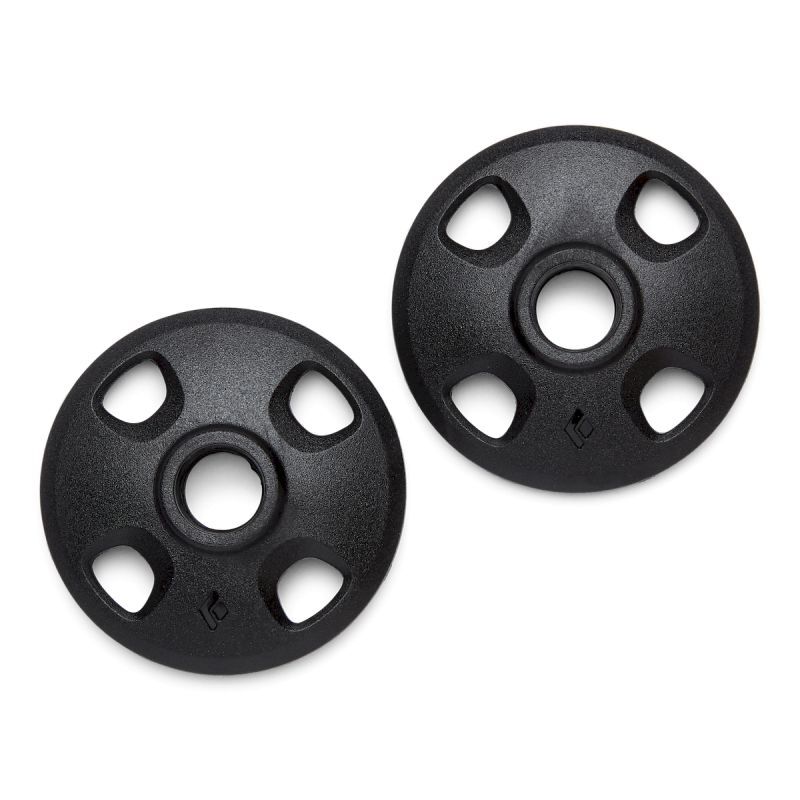
Located at the bottom of your ski poles, the basket, also known as a "panier", serves to prevent them from sinking into the snow. Generally made of plastic, baskets differ in size and shape.
-Small diameter basket (about 50 mm)
Designed for skiers who love speed, a small diameter basket reduces the impact of ski poles on the snow and thus allows for more reactivity.
-Medium diameter basket (about 80 mm)
For more versatile ski poles, opt for a basket of about 80 mm.
-Large diameter basket (about 120 mm)
Ideal for freeride, wide baskets prevent sinking into the snow.
Ski poles: which strap to choose?
The final criterion for choice, the strap is also an important factor to consider.
Fixed or removable strap
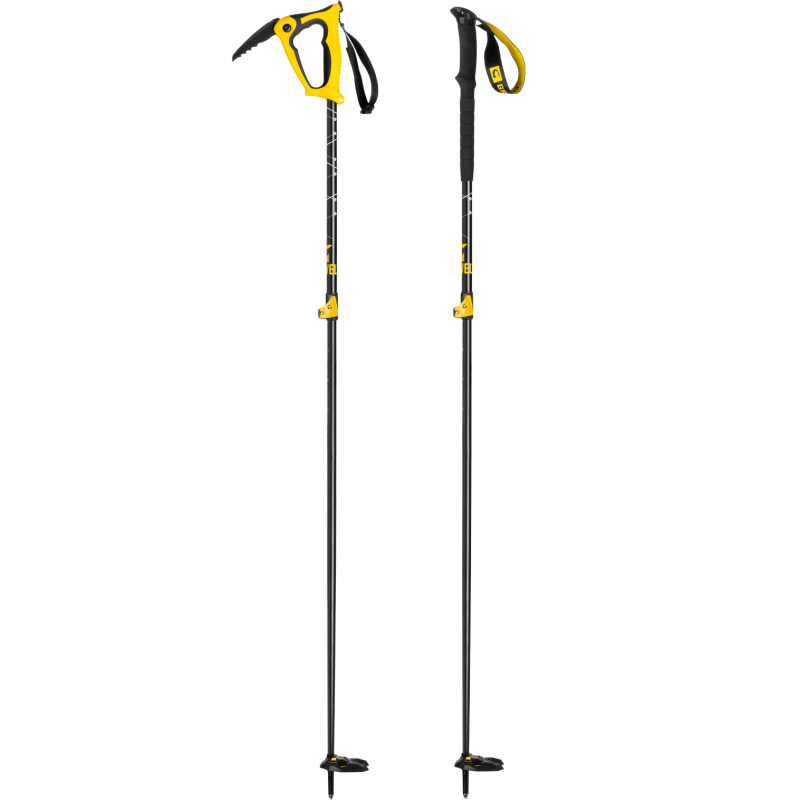
If a fixed strap keeps your ski poles always attached to your hands, a removable strap can detach. A removable strap is useful for freeride, ski touring, and competition skiing.
Enveloping or strap strap
An enveloping strap improves the push and is mainly used for cross-country skiing. However, this type of strap is difficult to use with bulky gloves or mittens. With this type of ski equipment, prefer a strap strap. So try your ski poles with your usual gloves!
Now that ski poles hold no secrets for you, let's move on to your skiing practice, which is crucial in choosing your poles!
Ski poles: which ski poles for which practice?
Ski poles for alpine skiing
Generally, for piste skiing, aluminium poles with a single shaft are sufficient. However, new versatile models are emerging to accompany you in several disciplines at once, including piste skiing.
Ski poles for freeride skiing
For this practice, a longer model made of carbon or composite materials is highly recommended. The basket should also be large.
Ski poles for freestyle skiing
For this particular discipline, classic alpine ski poles will do the trick. However, a strap is not recommended here to avoid any risk of sprain, so choose a model with a removable strap.
Ski poles for cross-country skiing
For classic cross-country skiing, the perfect size should be 30 cm shorter than the skier, and for skating, 20 cm shorter. To start, both aluminium and carbon will do. However, once a certain level is reached, carbon fibres are recommended for more power in your pushes. The grips should preferably be made of cork or foam, which are more suited to the practice.
Ski poles for ski touring
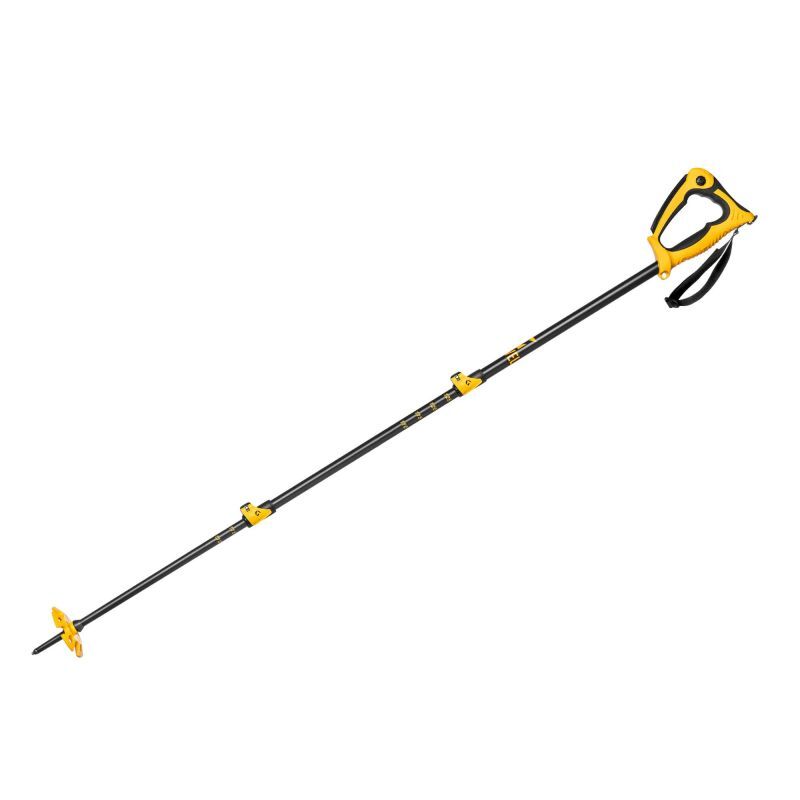
For this engaged practice, resistance and solidity with good shock absorption are essential. Here, space is one of the main difficulties due to all the necessary equipment, so ski poles that fold into 2, 3, or 4 sections are ideal.
Ski poles for competition
For competition, high-quality carbon or aluminium is required. A curvature can also be ideal for even more aerodynamics.
Versatile ski poles
To easily switch from one practice to another without having to invest in multiple pairs of poles, you can opt for versatile poles that adapt to all types of terrain.
Telescopic ski poles, good or bad idea?
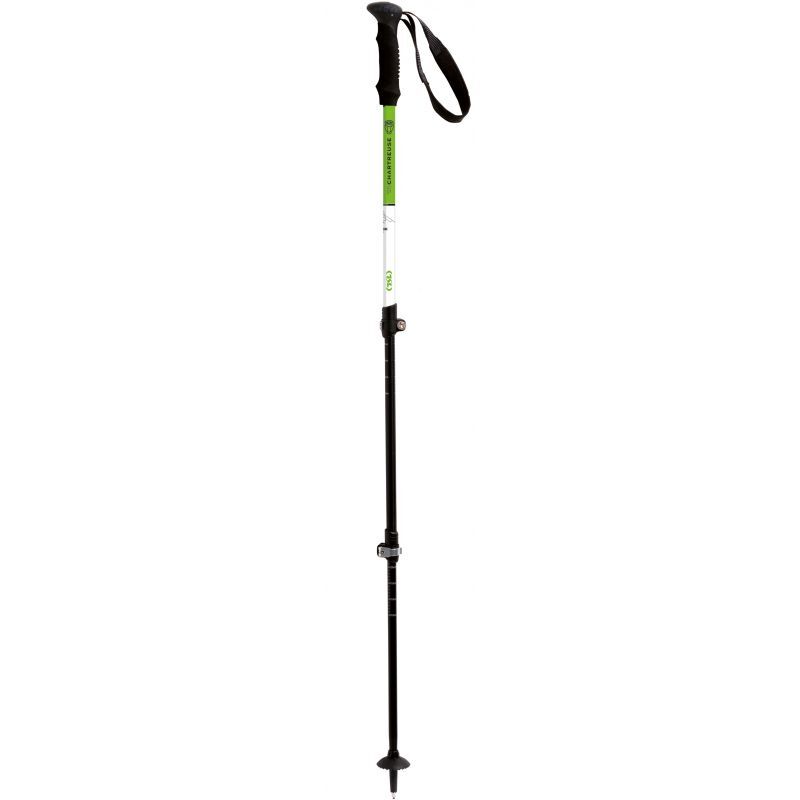
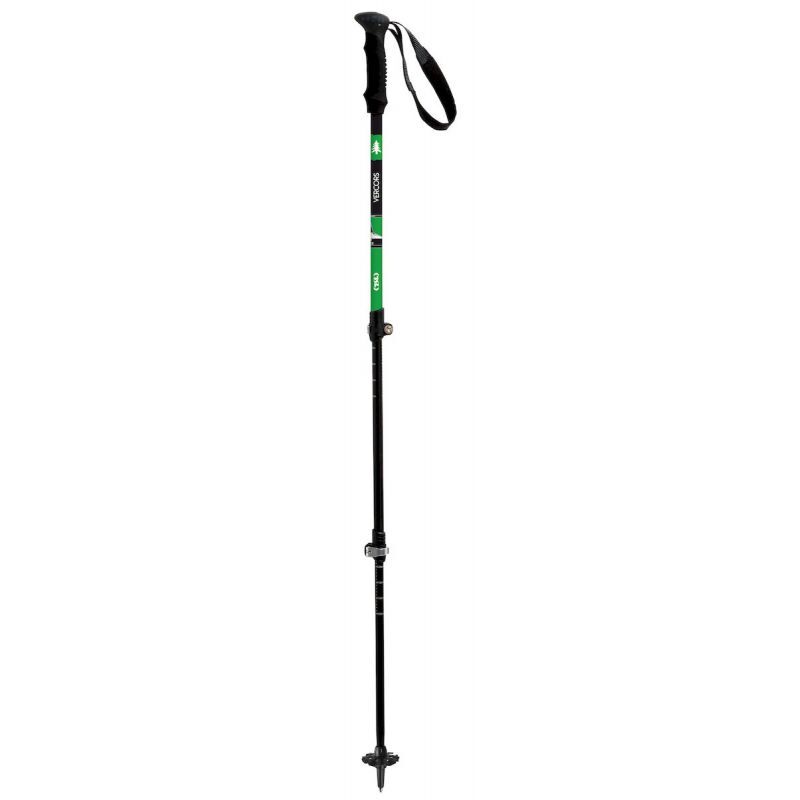
Highly popular in the world of trail and hiking, telescopic poles consist of several sections (from 2 to 4) and can be folded or adjusted to the desired height. Practical, telescopic poles are, however, considered less reliable as they are less rigid. Depending on your skiing practice, especially for freeride, this type of pole is therefore not recommended.
Find your ski poles on Hardloop.fr
Whether for piste skiing or ski touring, freestyle skiing, or freeride skiing, every skier needs their ski poles. Have a question or need advice? Don't hesitate to contact our team of experts at 01 48 58 30 28 or send us an email at hello@hardloop.fr. We will be delighted to assist you!