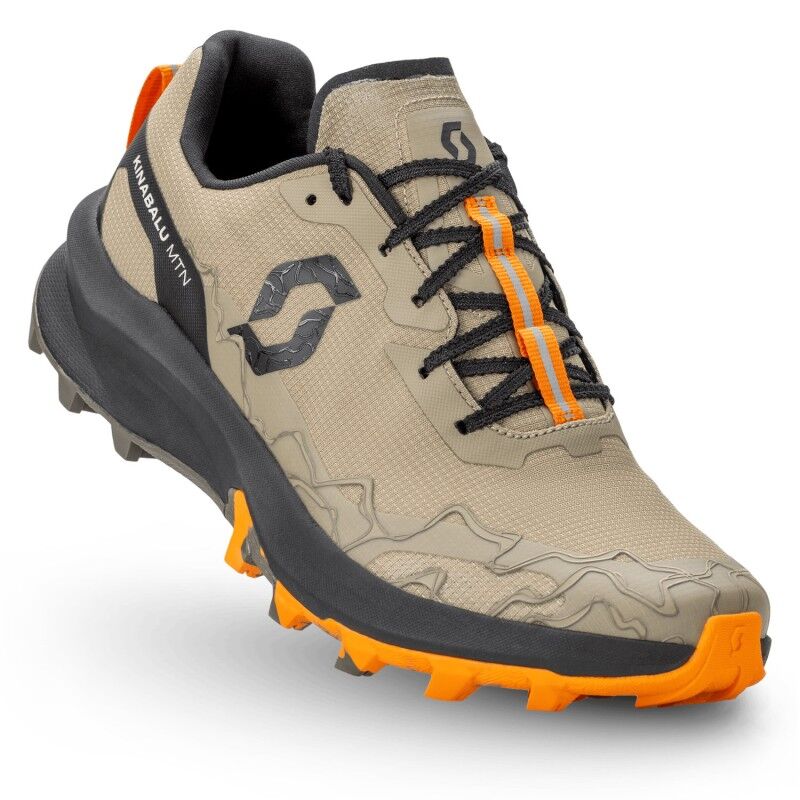
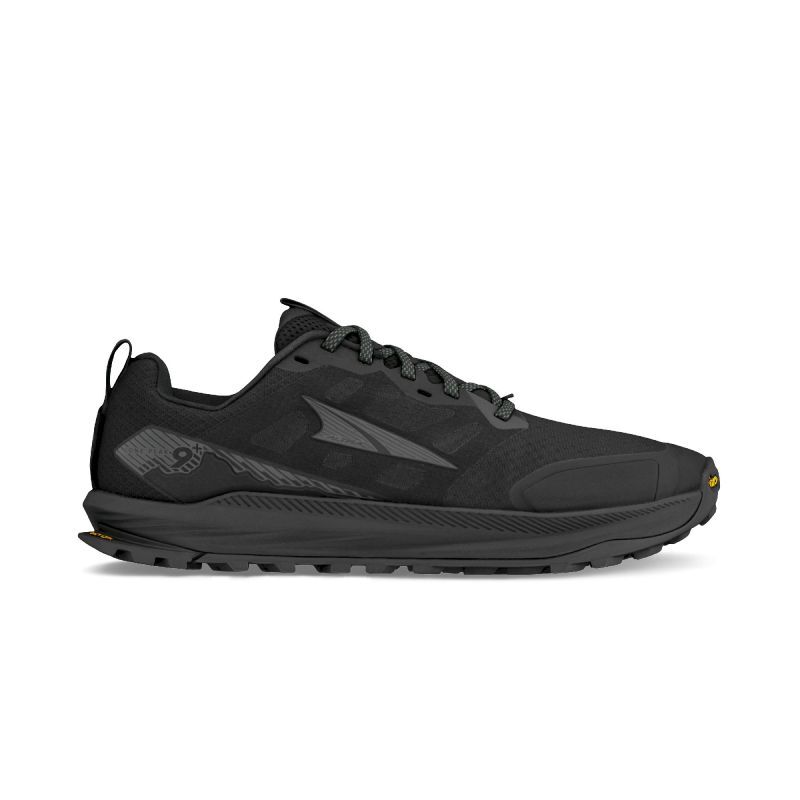
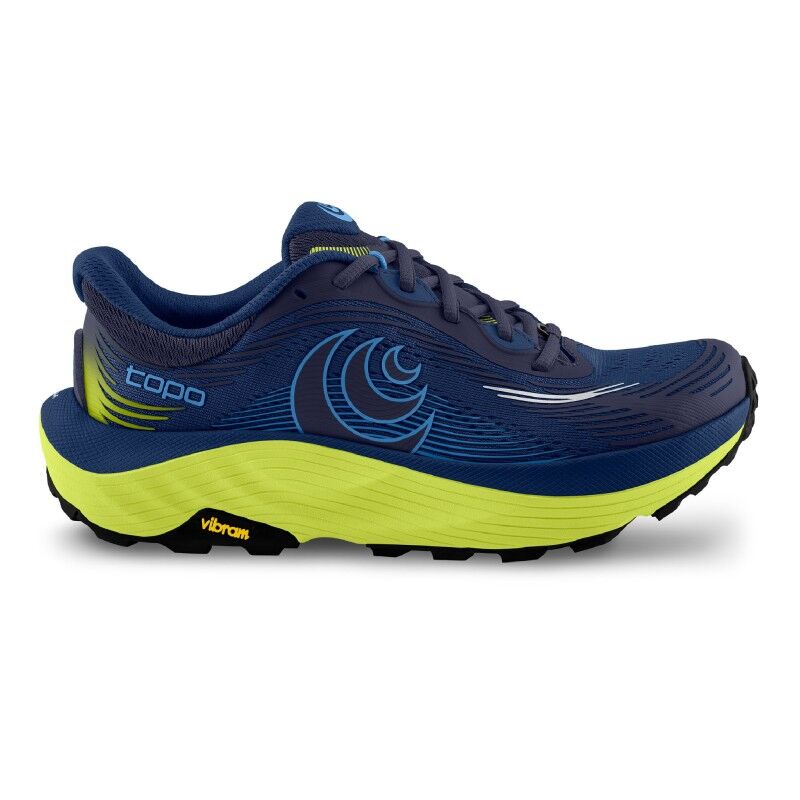
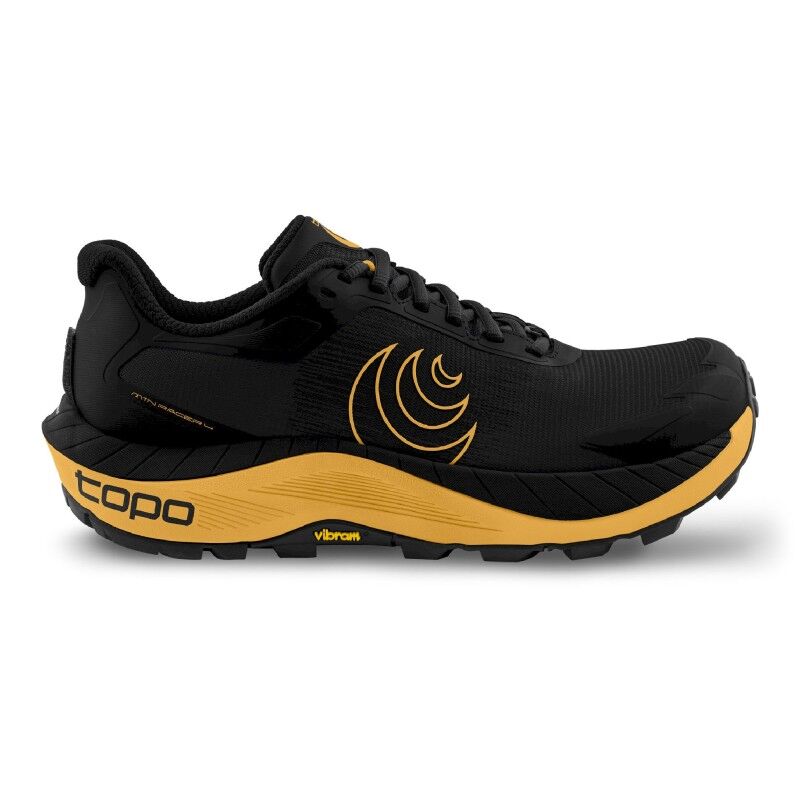
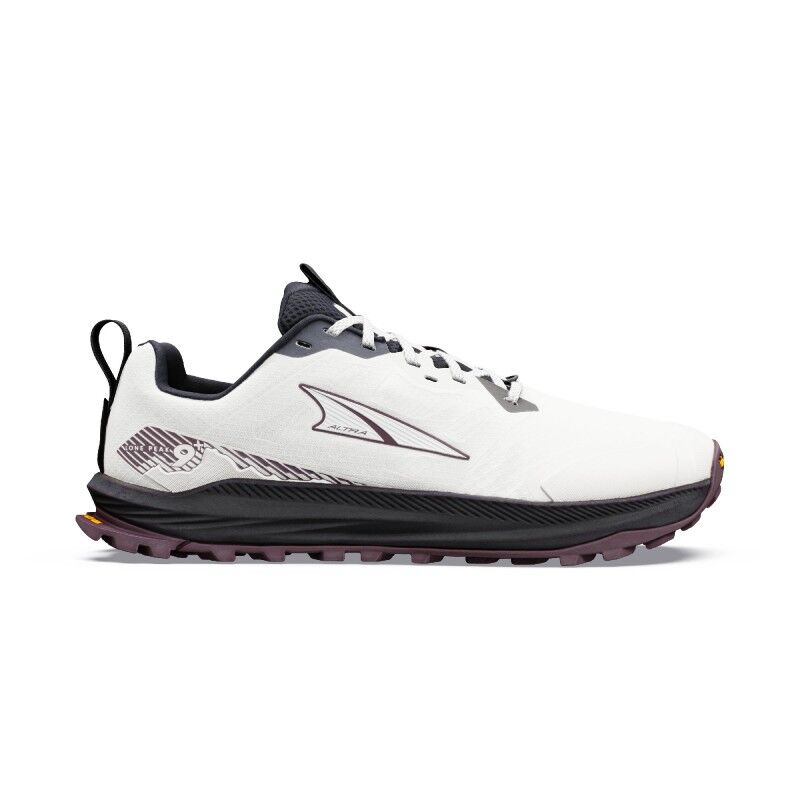
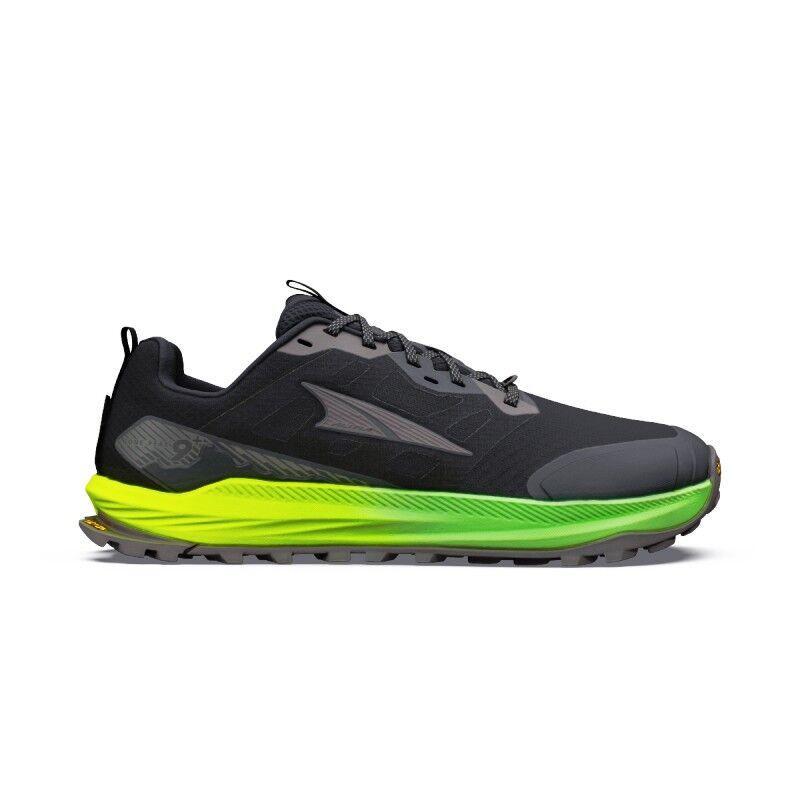
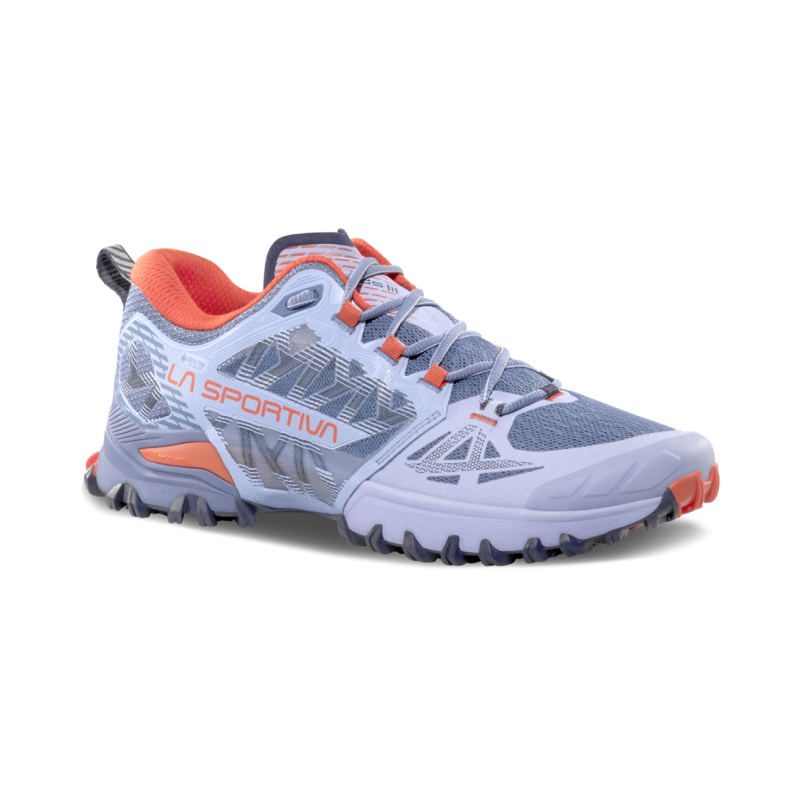
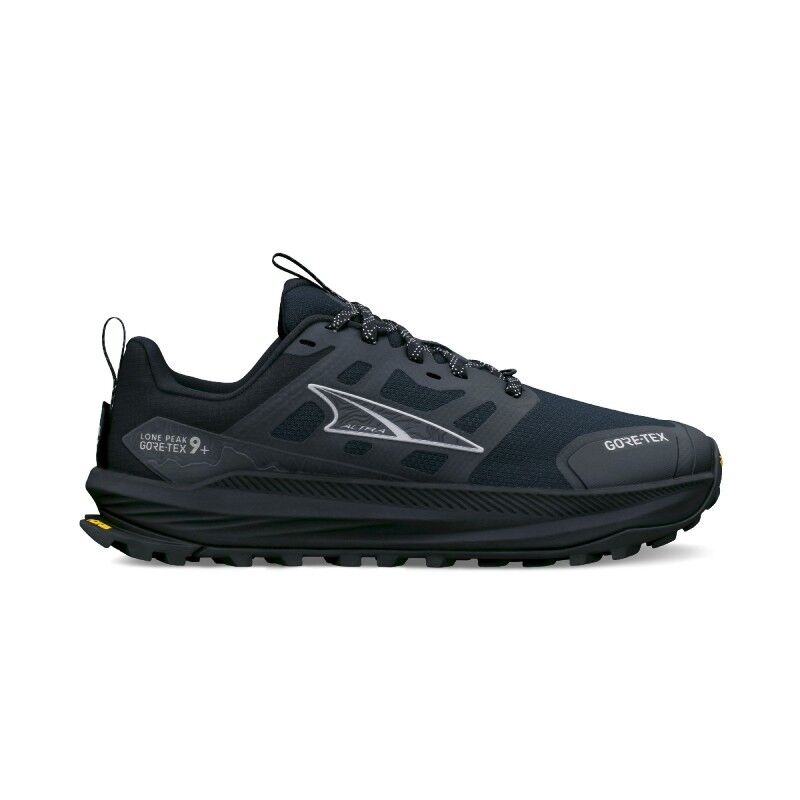
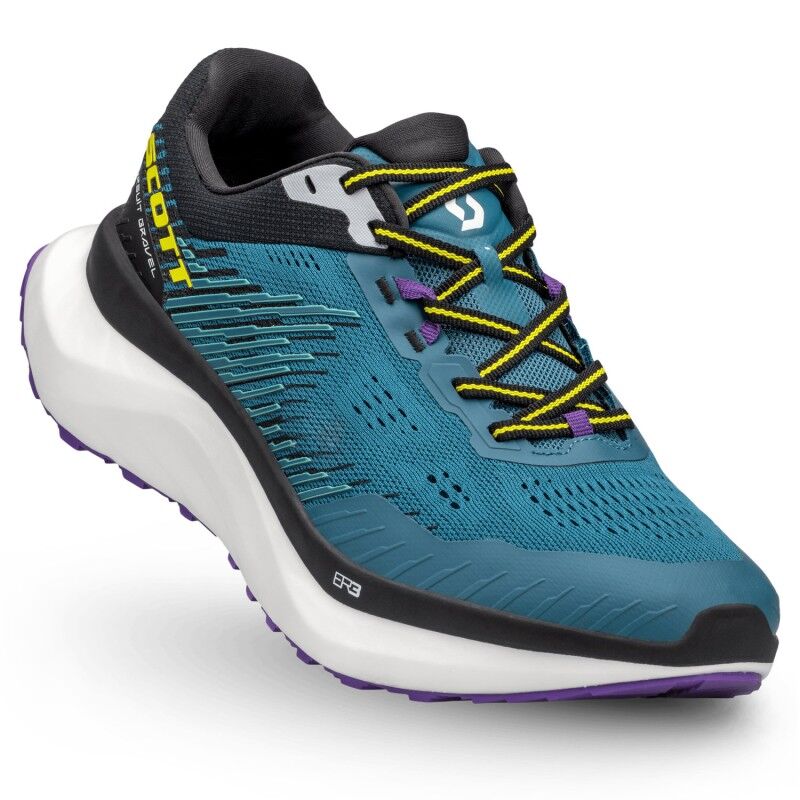
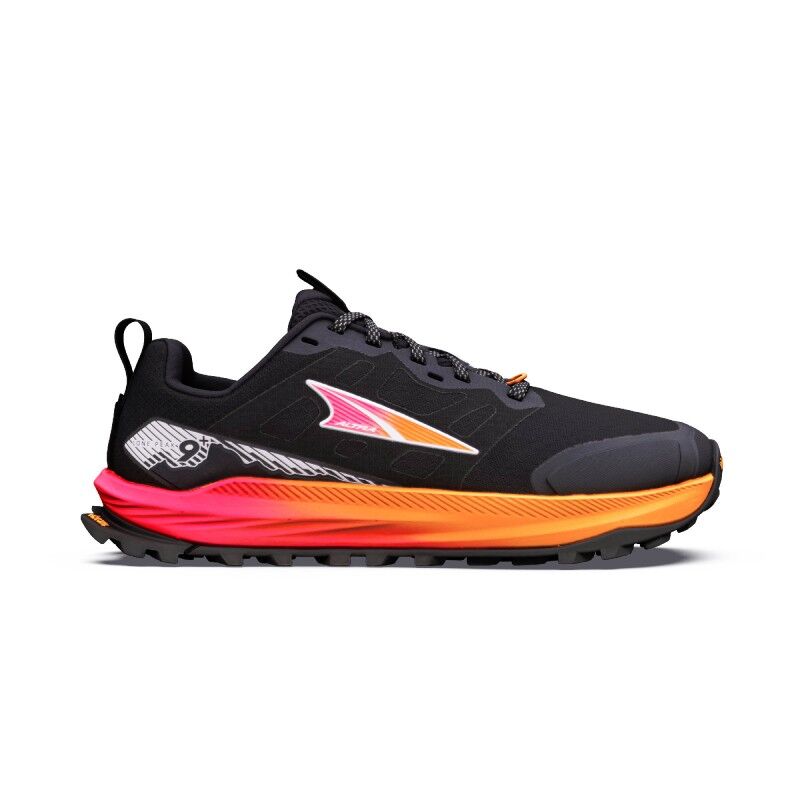
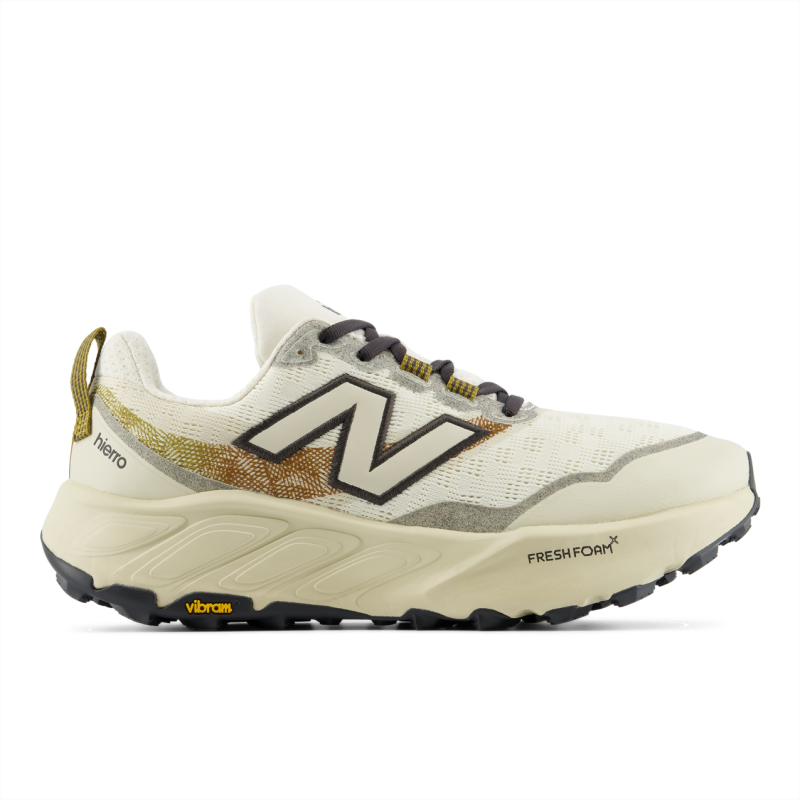
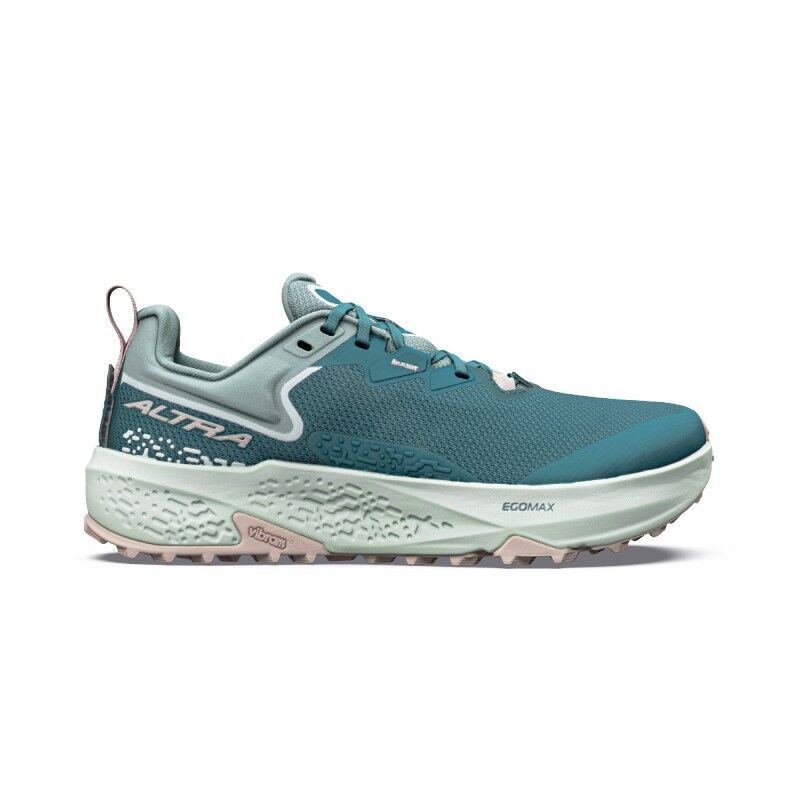
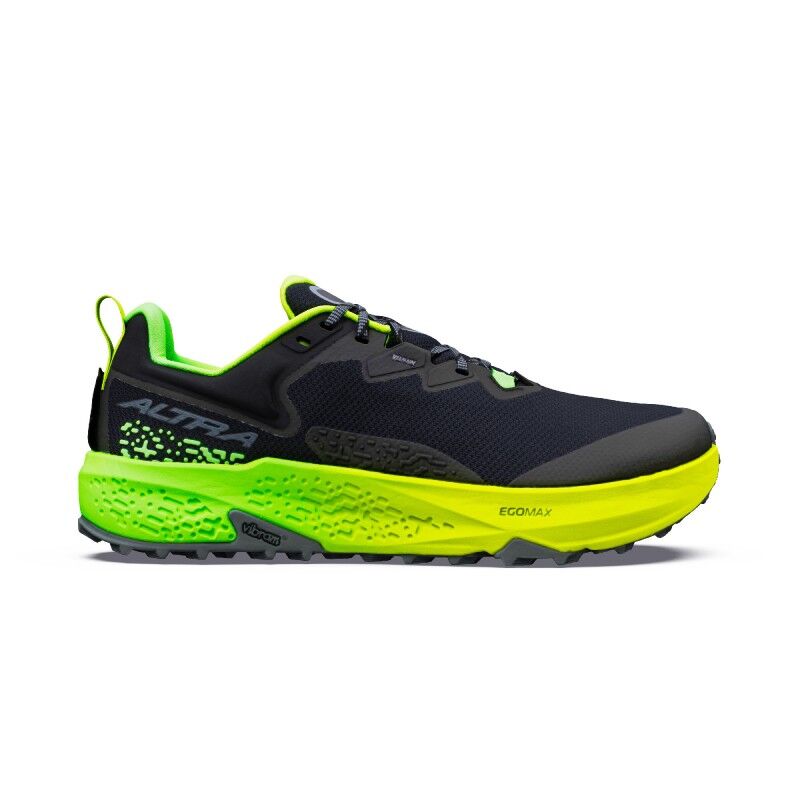
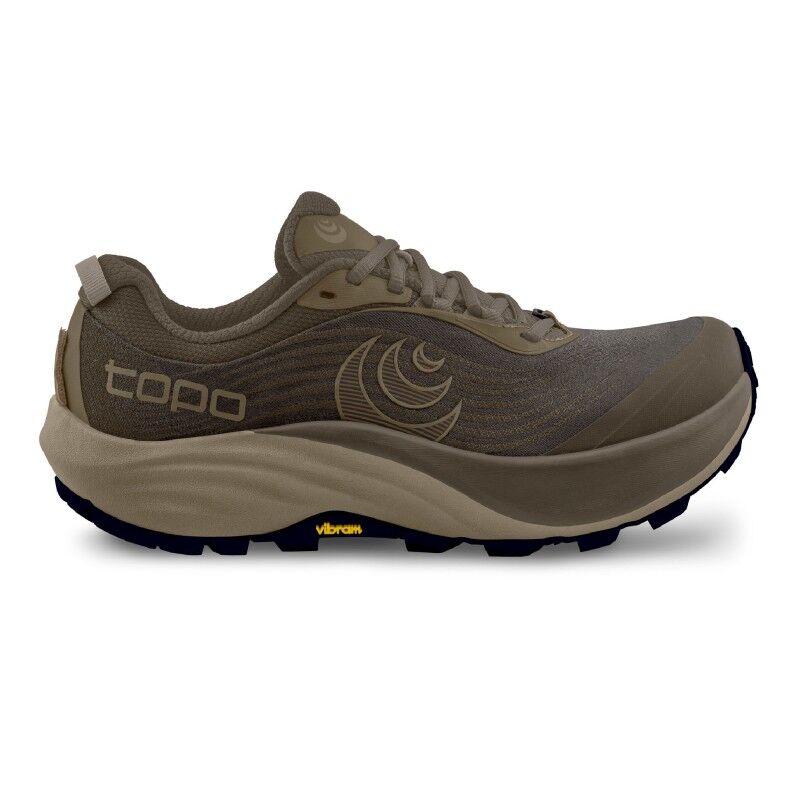
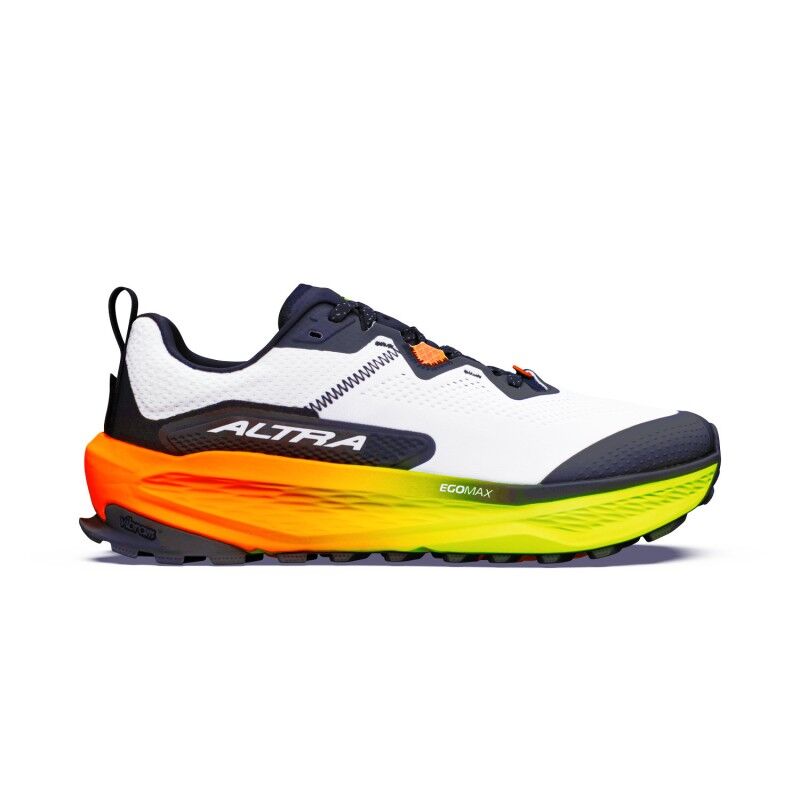
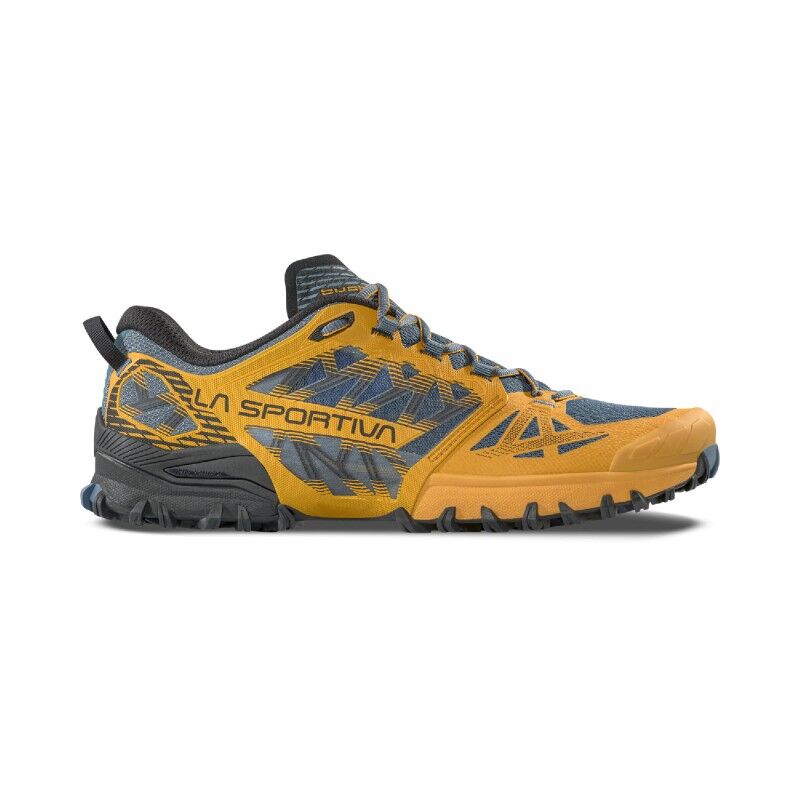
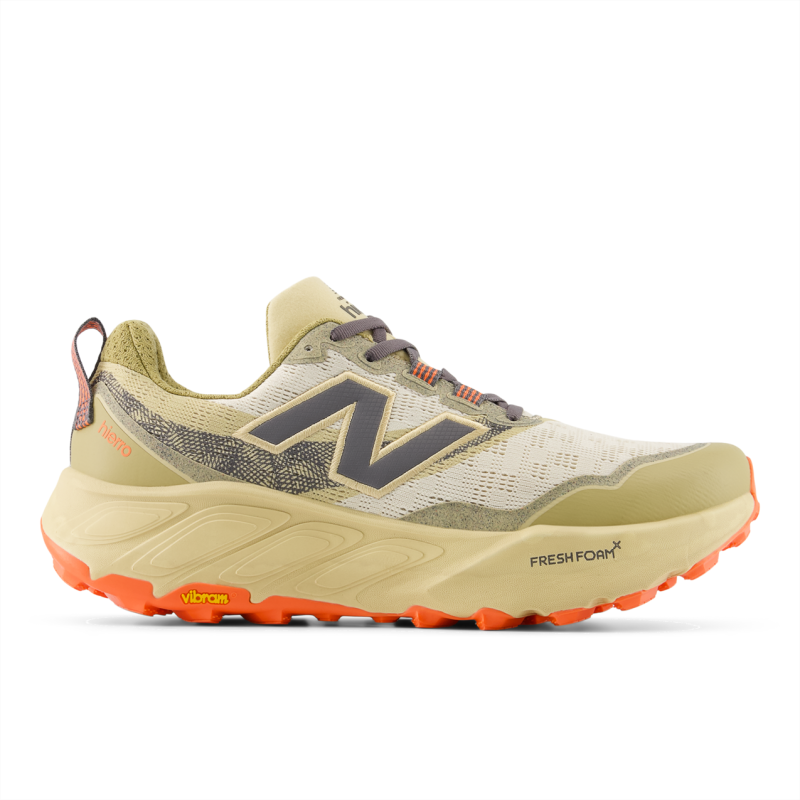
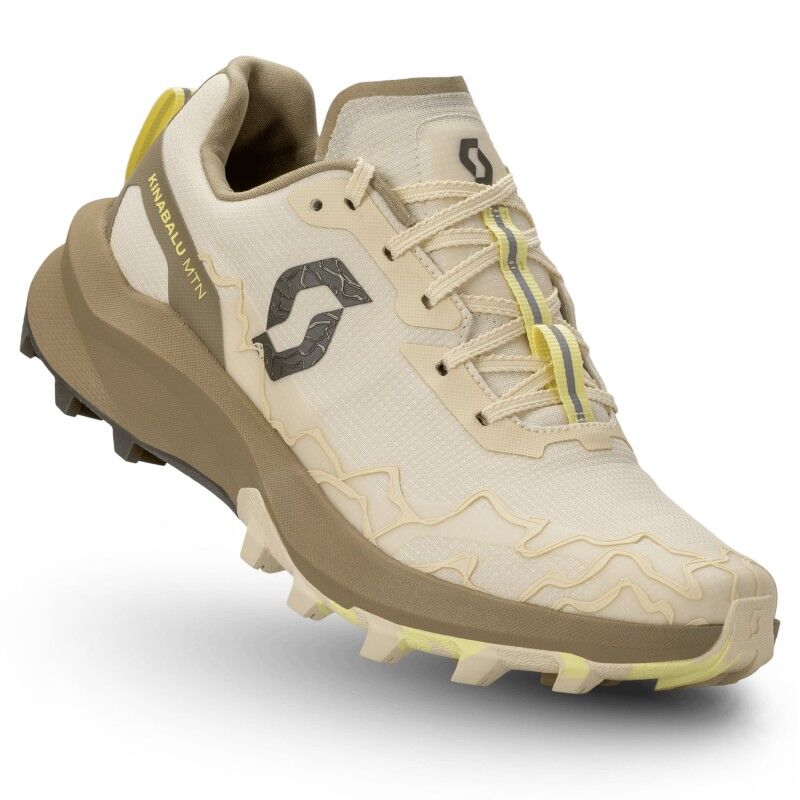
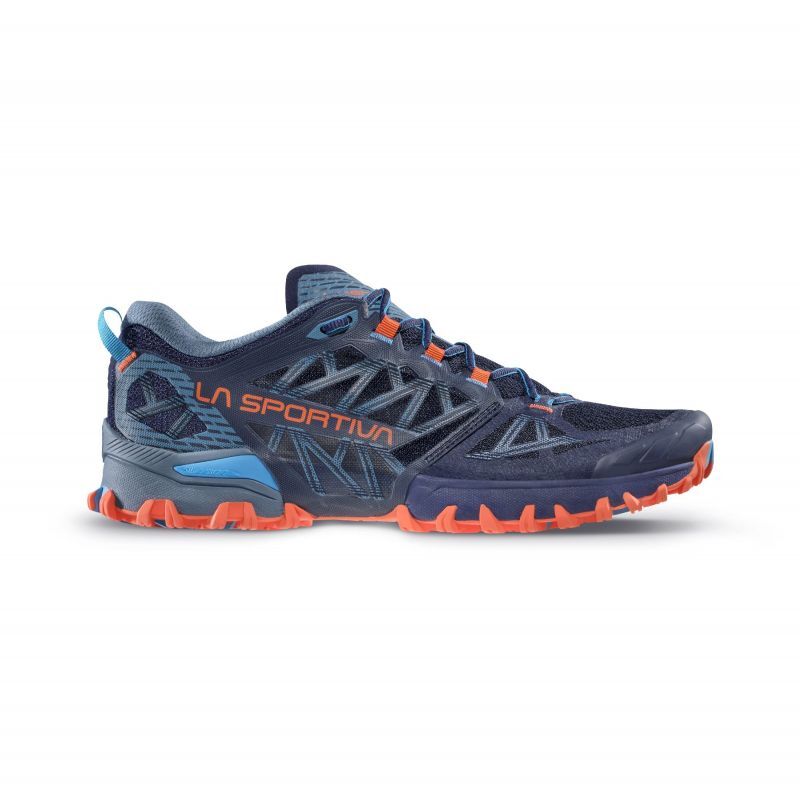
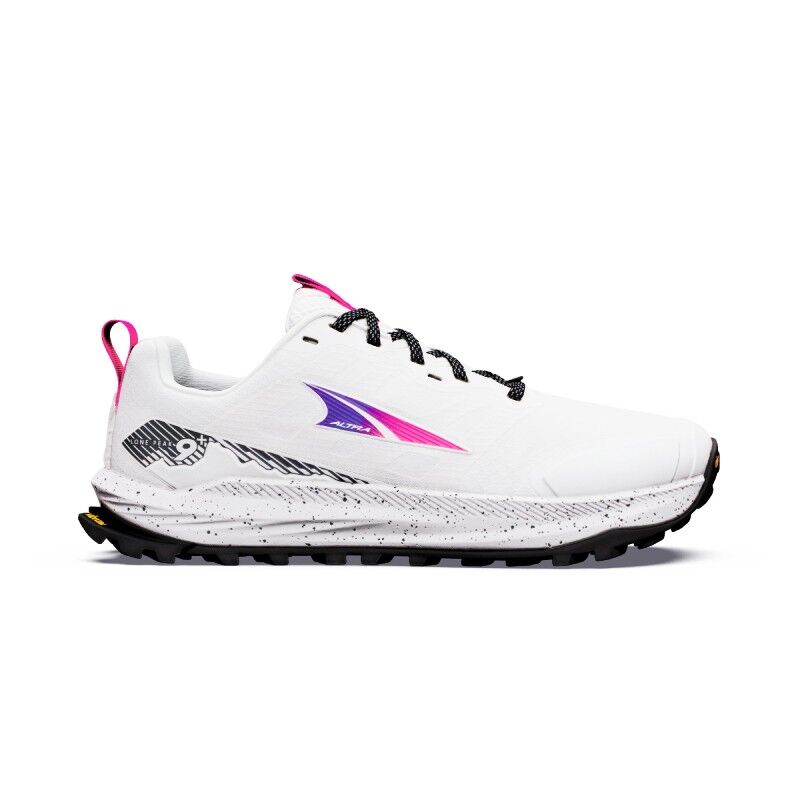
Trail Running Shoes: All you need to know for comfort in your trainers
New to trail running, you've researched all the articles online to find the right Trail Running Shoes. After browsing through various blogs and sites discussing the 10 best trail running shoes on the market, you want to understand the exact criteria for choosing a trail running shoe suited to your build, stride, foot, and sporting activity. Whether you're attempting the GR20 trail in 9 days, after consulting the equipment checklist or your desires take you to Spain for the Grande Bleue trail, you will need a trail running shoe made for you, which you can get accustomed to throughout your training to be fully prepared on the big day. A Turkish proverb says: "If my shoe is tight, what does it matter if the world is vast." You won't be able to achieve all your goals if your trail equipment isn't complete and high-performing, and it all starts with the choice of your Trail Running Shoes.
How to choose the right trail running shoe?
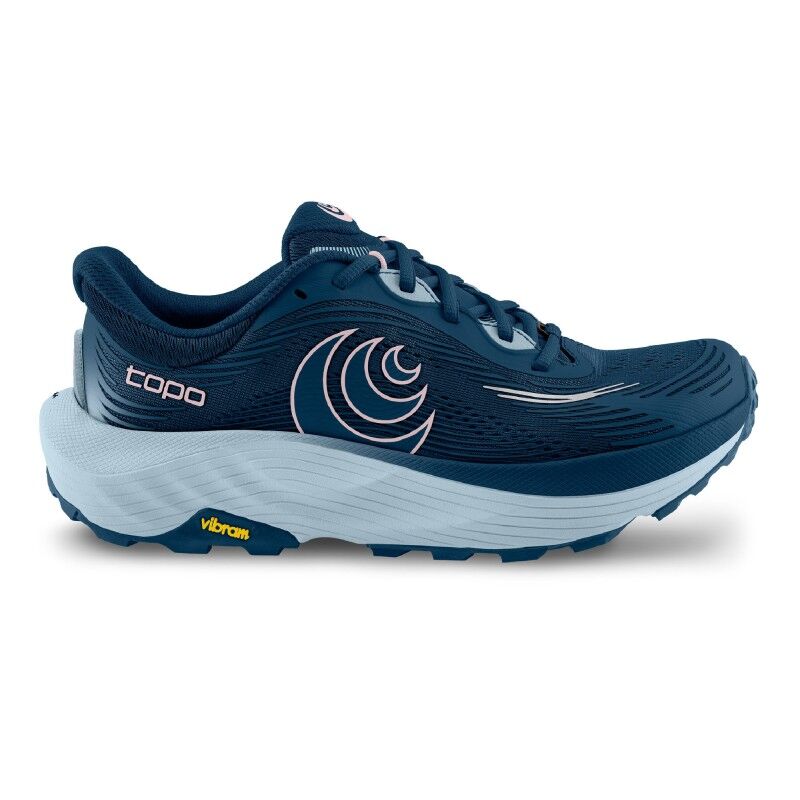
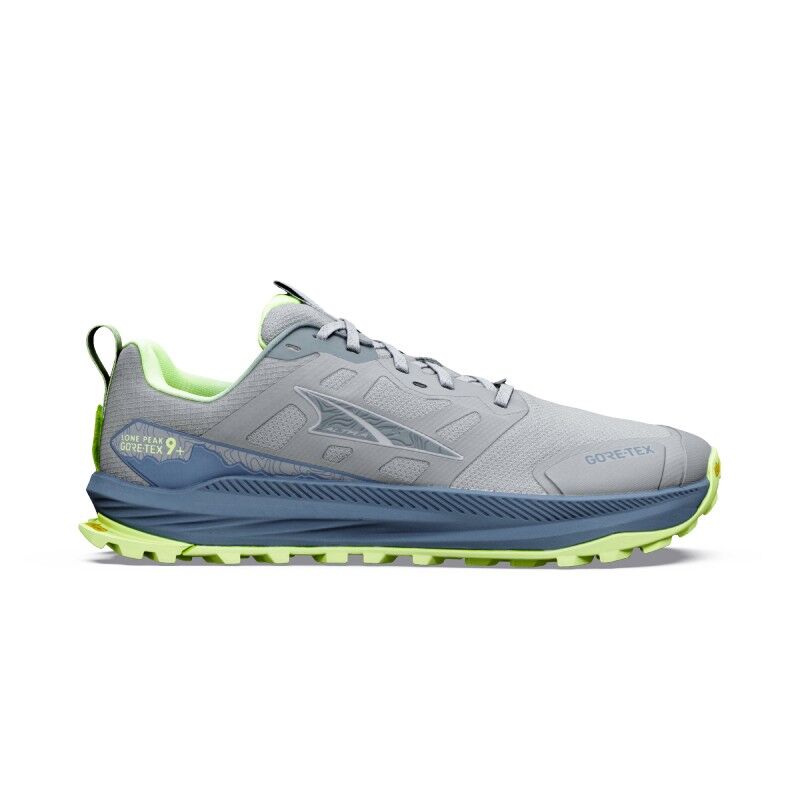
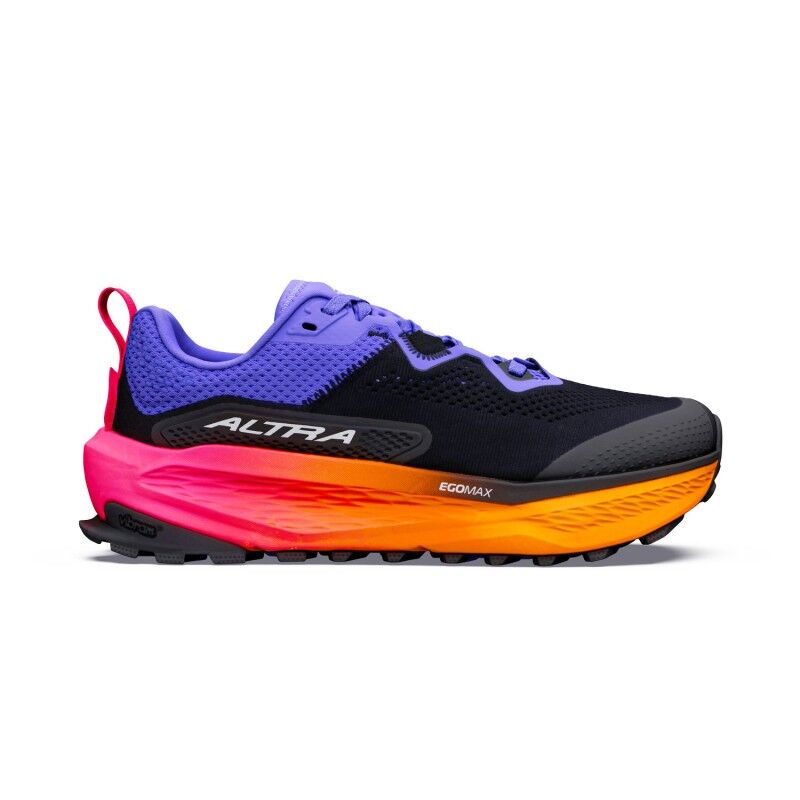
Your Trail Running Shoes will be the ally you need to rely on without fear during your outdoor sporting activities. To choose your Trail Running Shoes well and tackle the most complex terrains, several selection criteria must be taken into account. At Hardloop.co.uk, we offer a wide selection of trail running shoes, and we invite you to discover how to choose the one that captures your heart.
The type of stride, drop, and cushioning of a trail running shoe
To determine which trail running shoe will suit you best, we first advise you to identify your type of stride. The choice of your trail running shoe will indeed depend on your stride type: pronator, supinator, or neutral. If you are a pronator, during your stride, you will land on the outer heel, then your foot will roll inward, and you will need to adopt a suitable men's trail running shoe or women's trail running shoe. If you are a supinator, conversely, you will land on the inner heel and then roll outward. To determine your stride type, you can observe the wear on your shoes, which will help you choose a trail running shoe suited to your stride. Many trail running shoes are neutral, but you will find some trail shoes designed for pronators or supinators. However, the differences are minimal, and most specialists will advise you to opt for neutral trail running shoes and to visit a podiatrist for custom insoles if necessary. However, we advise you not to get frustrated with your shoe if, during a trail, it gives you a few blisters. As Samuel Beckett wisely said, "Here is the whole man, blaming his shoe when it is his foot that is guilty." Sport leads one to great wisdom; prove it by choosing a good trail running shoe and enjoying your journey! Your running frequency should also be considered when choosing your trail running shoe. The more regularly you run, the more your trail running shoes need to be high-performing. If you are embarking on your first trail runs in long-distance races, where the kilometers will keep piling up, we recommend choosing a trail running shoe with good cushioning. Personal preference can take precedence in this specific case: some trail runners prefer minimal cushioning during their trail, while others prefer to adopt trail shoes with oversized soles. The Hoka Speedgoat 2 trail shoes are a pair of trail running shoes with significant front and rear sole height that offers up to 50% more cushioning than a trail running shoe classic. Conversely, if you are a seasoned trail runner and have developed a stride where you land on the forefoot, and your heel only serves to give you propulsion, it may be preferable to choose a trail running shoe with minimal cushioning, very light, offering great dynamism. Your build will also influence your choice. Depending on your weight, the drop of your trail running shoe will vary. The drop of your trail running shoe expresses, in millimeters, the height difference between the heel and the forefoot of your shoe. The higher the drop, the greater the thickness difference between the back and front of your sole. While many brands such as Mizuno or New Balance work on designing intermediate or minimalist drops, it is to ensure you have the most natural stride possible. As mentioned earlier, the most professional stride you can adopt is one that lands on the forefoot or midfoot, where the heel plays a minimal role. This type of stride is considered less traumatic for your joints than repeated heel impacts. If your trail running shoe has a low, minimalist drop, your practice is usually advanced, and your weight is relatively light. Thus, a drop of around 4mm will allow you to run easily on the forefoot or midfoot. If you choose a drop of 8 for your trail running shoe, which is a universal drop, you are likely a runner who practices running about once a week. Conversely, if you have a heavier build, we recommend opting for a drop of 10, which will provide improved protection.
Trail Running Shoes: All you need to know for comfort in your trainers
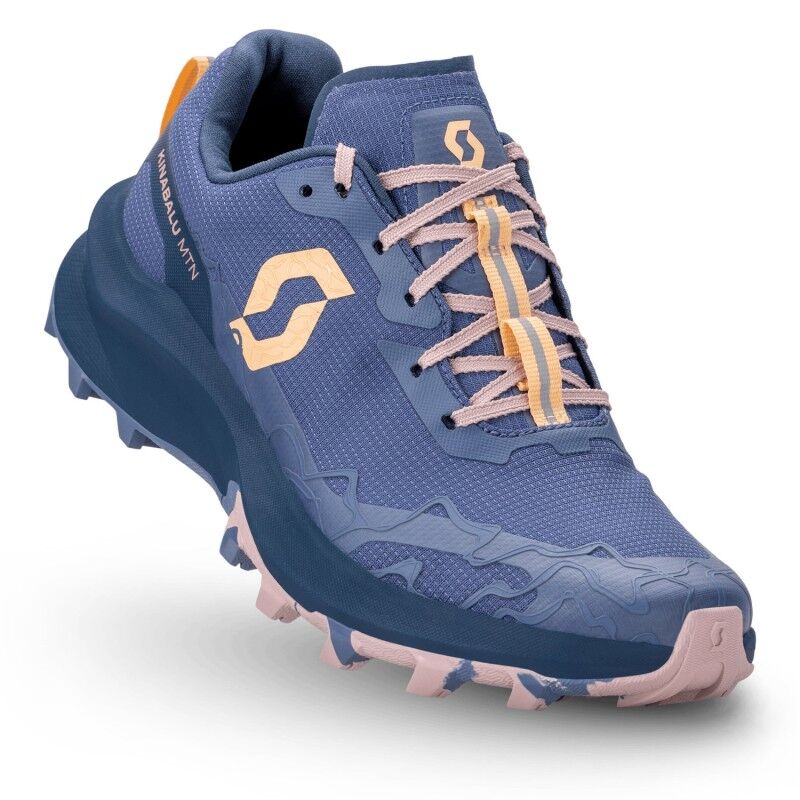
You will then need to choose your men's trail running shoes or women's trail running shoes based on the terrain on which you will practice your favourite outdoor activity. You will not choose the same model of trail running shoe if your next race is on beaten paths or on prominent rocks. To address all these possibilities, there are several types of lugs under your trail running shoes. The more prominent and flexible your lugs are, the more your trail running shoe can cover kilometers on muddy terrains. Conversely, if your trail running shoe has small lugs, it will grip much less and will be used for races on paths with or without rocks. With a trail running shoe equipped with lugs, it is also advisable to avoid running on paved terrain, which is detrimental to the proper hold of these lugs.
Trail Running Shoes: All you need to know for comfort in your trainers
The other purpose of a trail running shoe, in addition to helping you achieve the best possible time, is to properly support your ankle and protect your entire foot from various elements encountered, such as stones. Some trail running shoes are also reinforced at the mesh level to enhance the support of your foot.
Trail Running Shoes: All you need to know for comfort in your trainers
The brand Salomon strives to create, with each new season, increasingly high-performing trail running shoes, whether your run takes place on muddy terrains or on rocks. The Salomon XA Enduro trail running shoe for example, will allow you to venture onto the most rugged mountain terrains. The XA Enduro are indeed equipped with gaiters that prevent debris from entering your trail running shoe. This gaiter also promotes optimal foot support and great stability with every step. However, perhaps the mid-mountain is not your preferred playground, and you prefer valleys where the preserved flora meets clear streams. Happy coincidence, upon discovering the terrain on which you will perform your next race, you notice it has entire sections where small streams run through. Therefore, you will need to bring along trail running shoes that grip well even on slippery terrain. Salomon has already thought of this scenario and created the XA Amphib, shoes designed for Swimrun enthusiasts. This pair of trail running shoes is just as effective when wet as it is dry and ensures excellent grip even on wet surfaces thanks to an effective combination of Contagrip and premium Wet Traction rubber. The Salomon trail running shoe thus adapts to all your practices and will help you conquer all terrains.
You now know all the selection criteria for a high-performing trail running shoe. It's up to you to discover which shoe will become the best trail running shoe, the one that meets all your needs. According to an Indo-European proverb, "One tries on shoes by the feet and man by trials." It's up to you to try your trail running shoe by the feet and surpass your own limits during your next run.