
Men's Mountaineering Boots
(84)
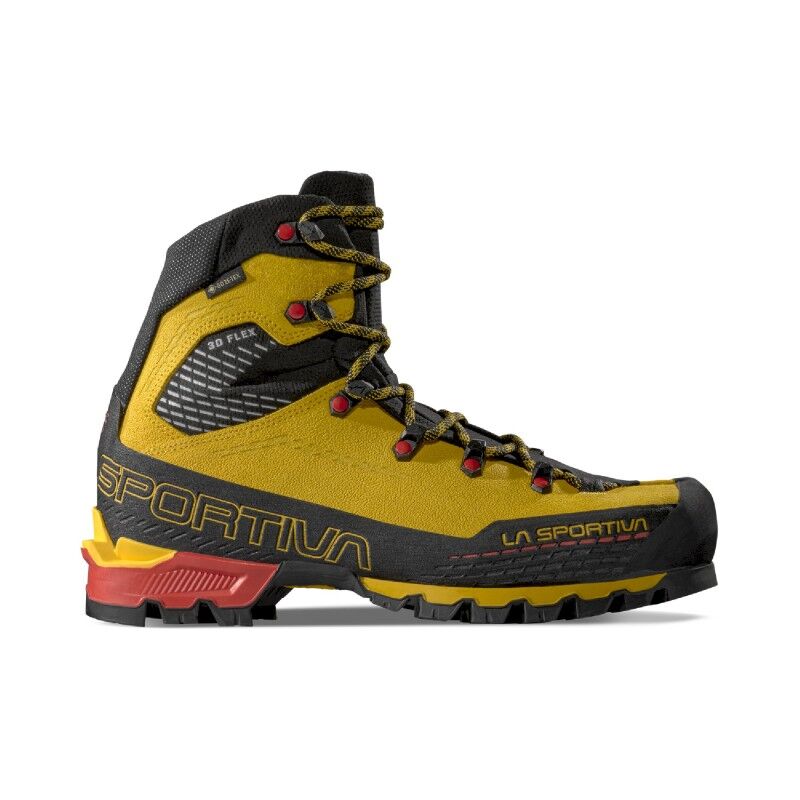

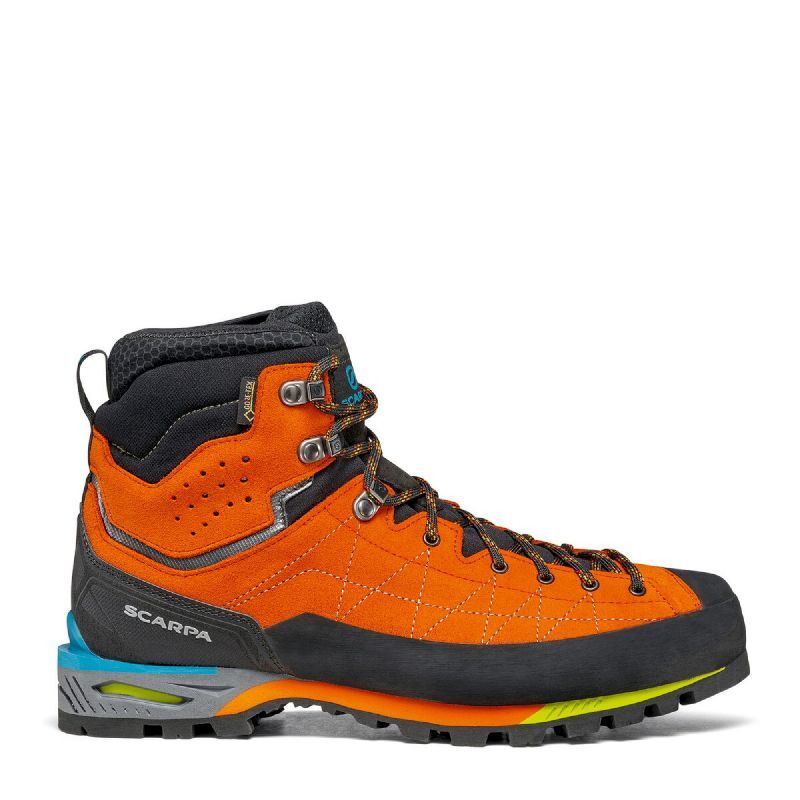
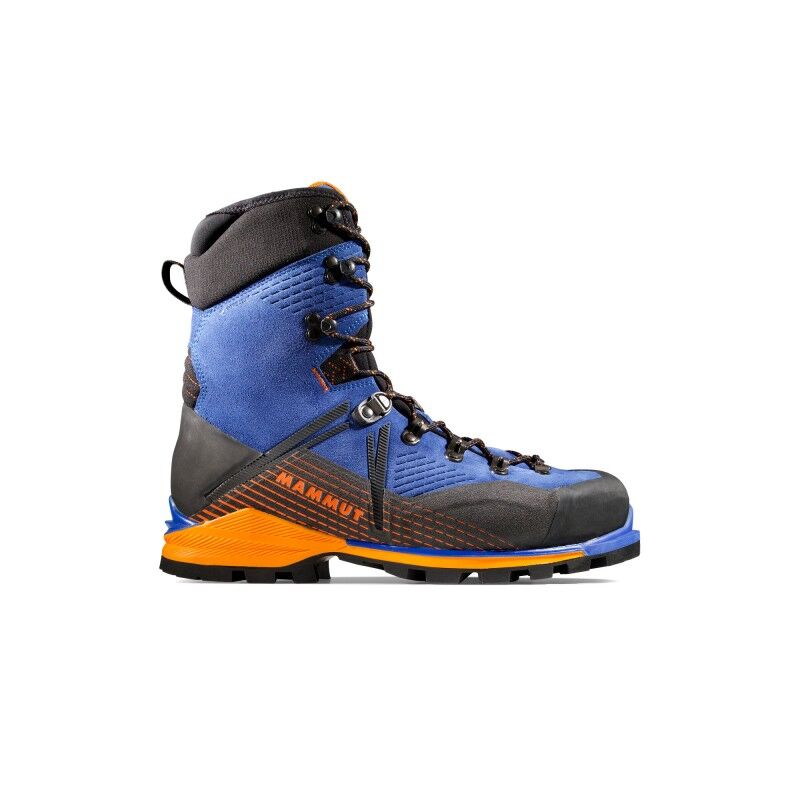
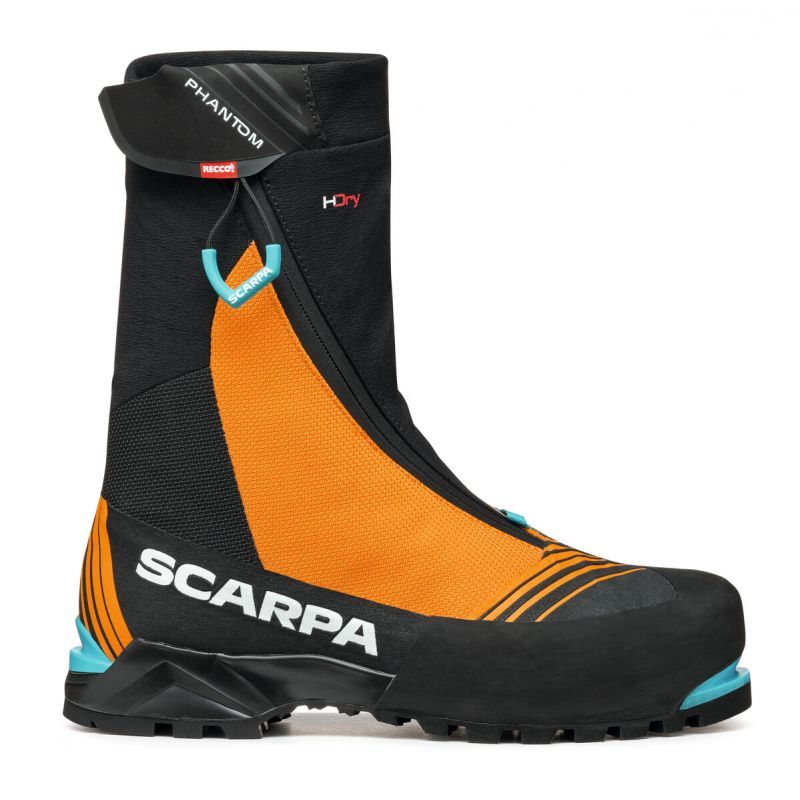
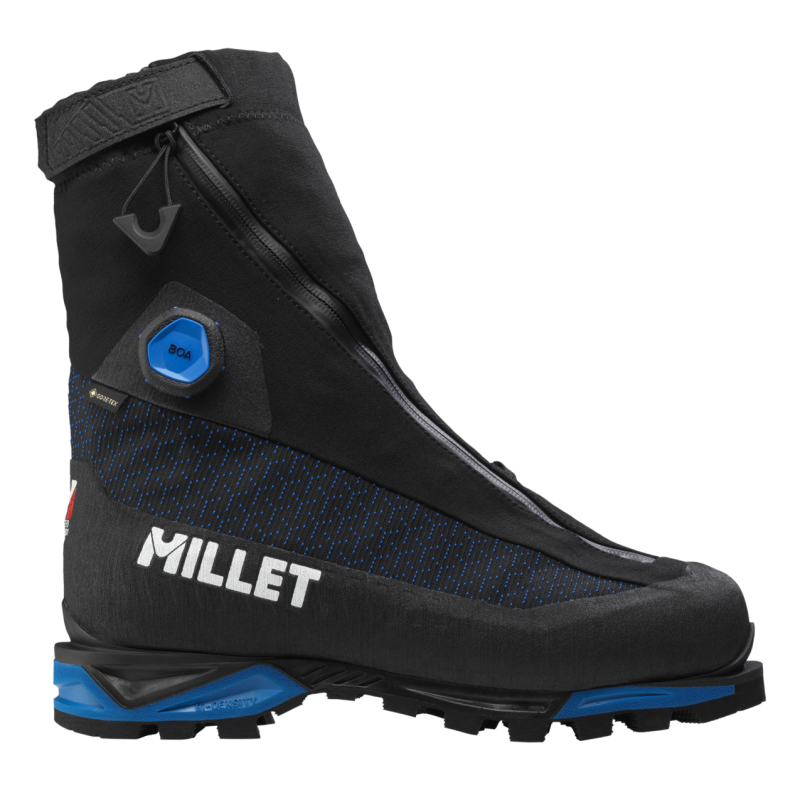
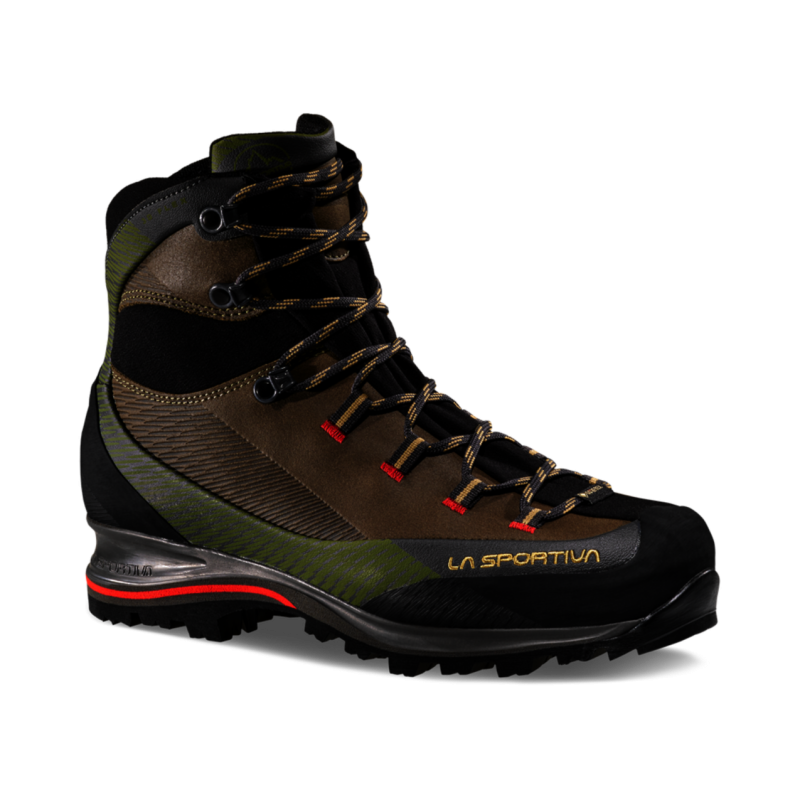
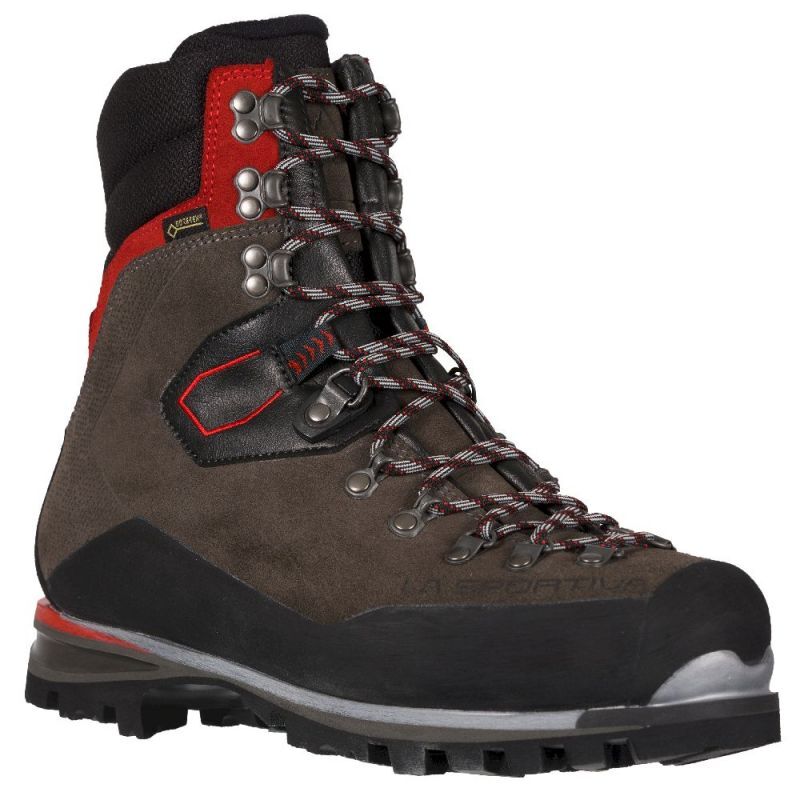
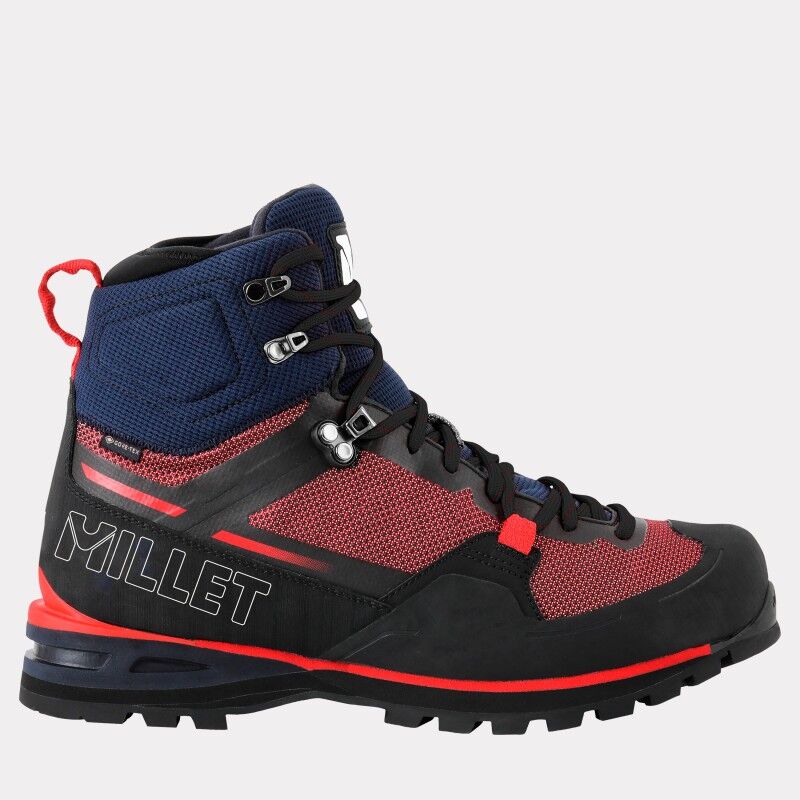
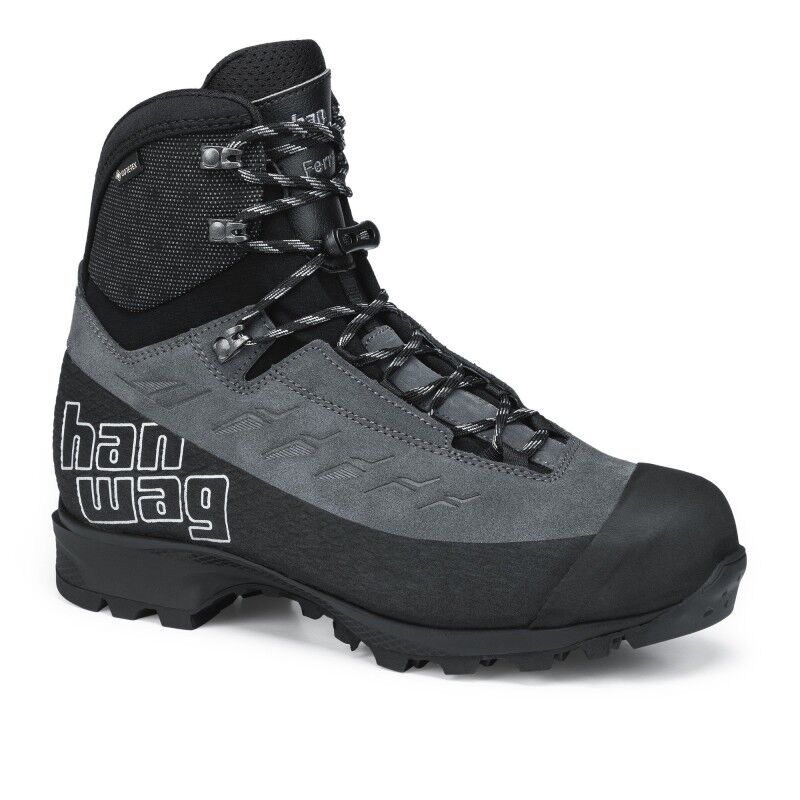
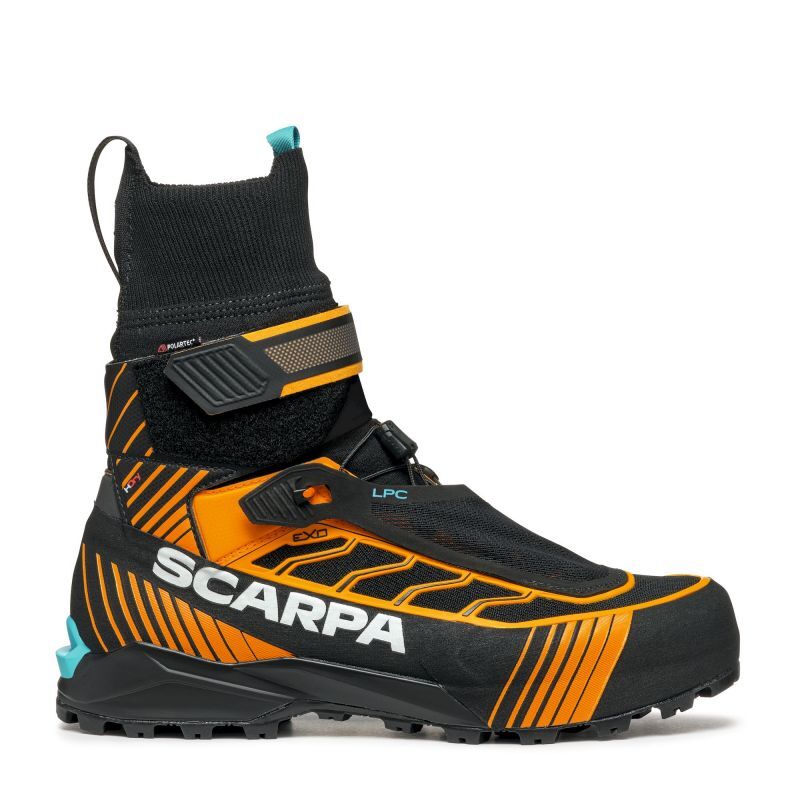

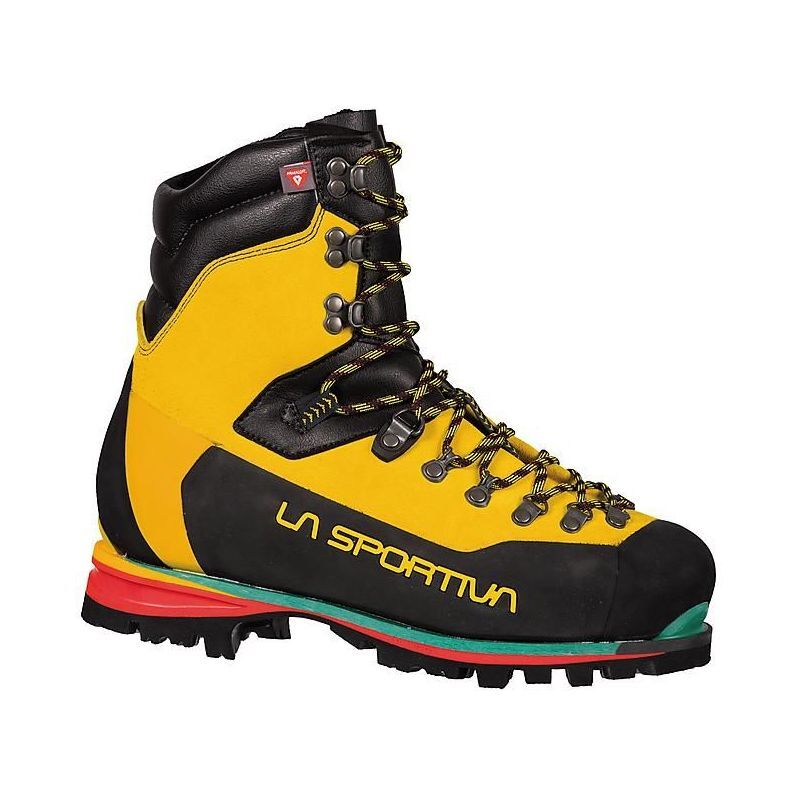
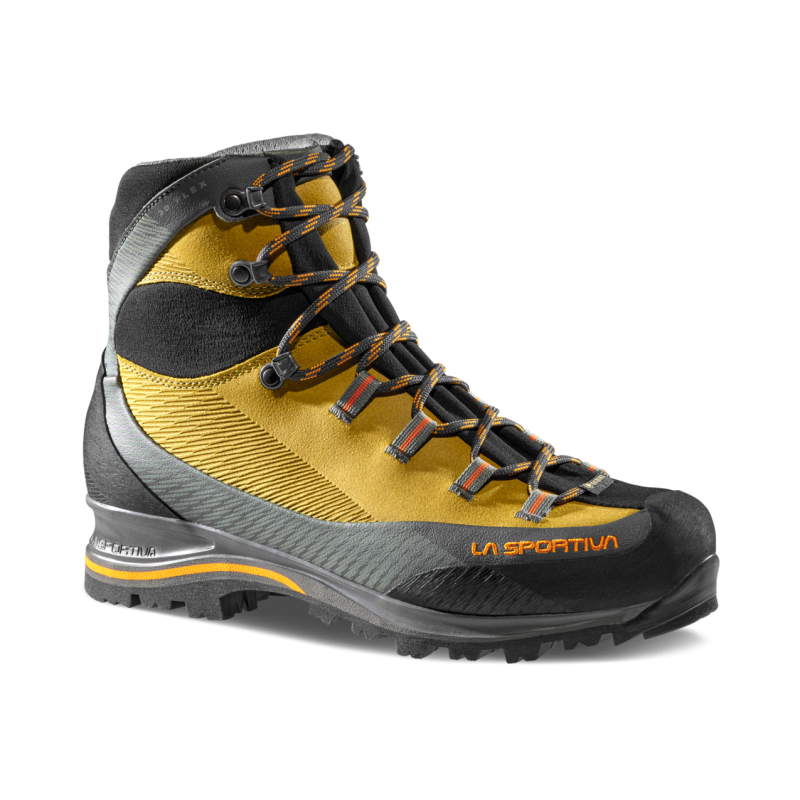
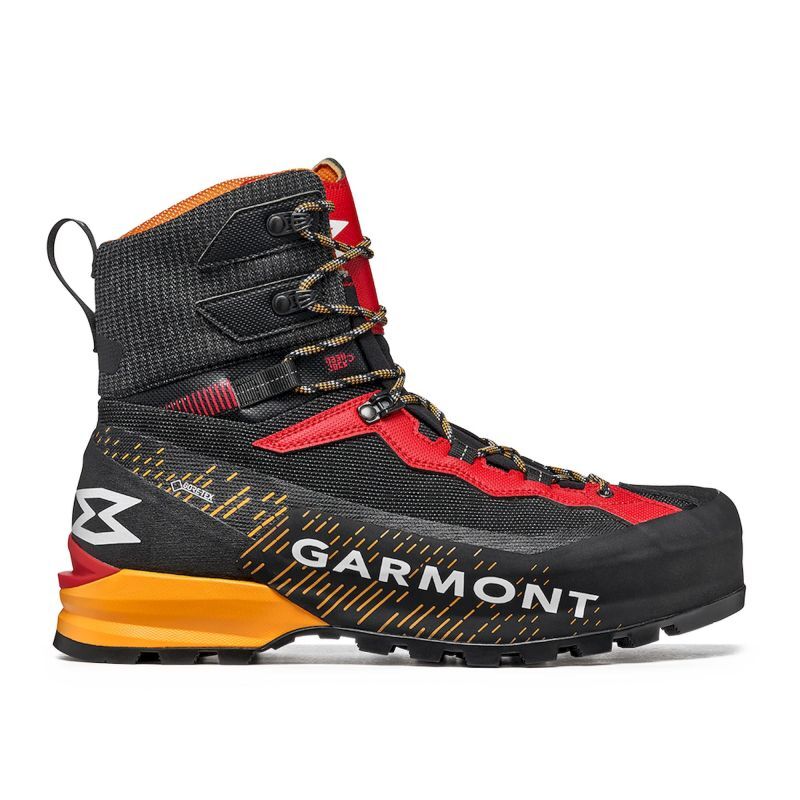


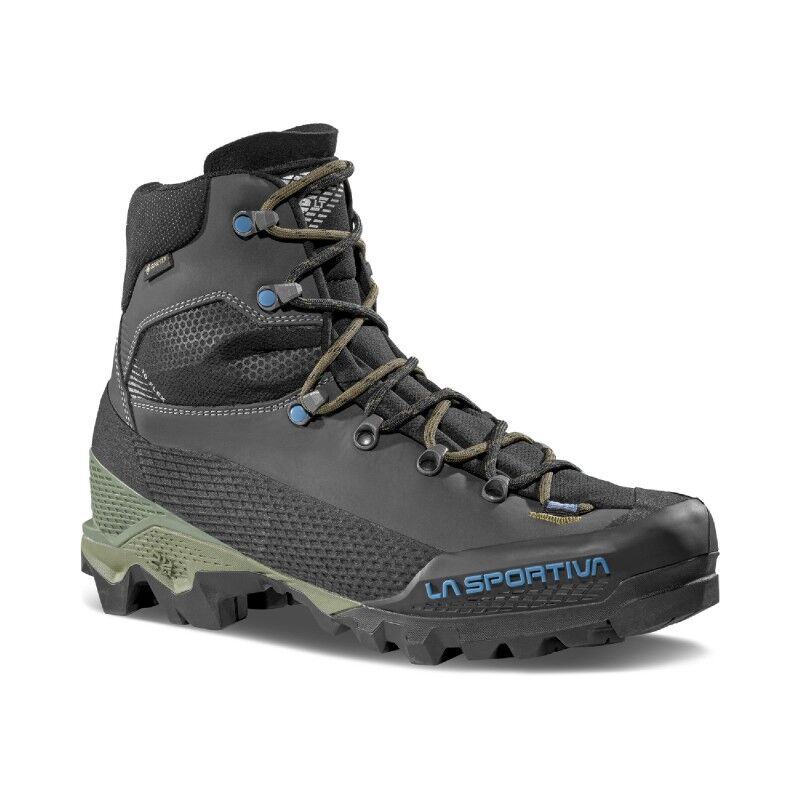

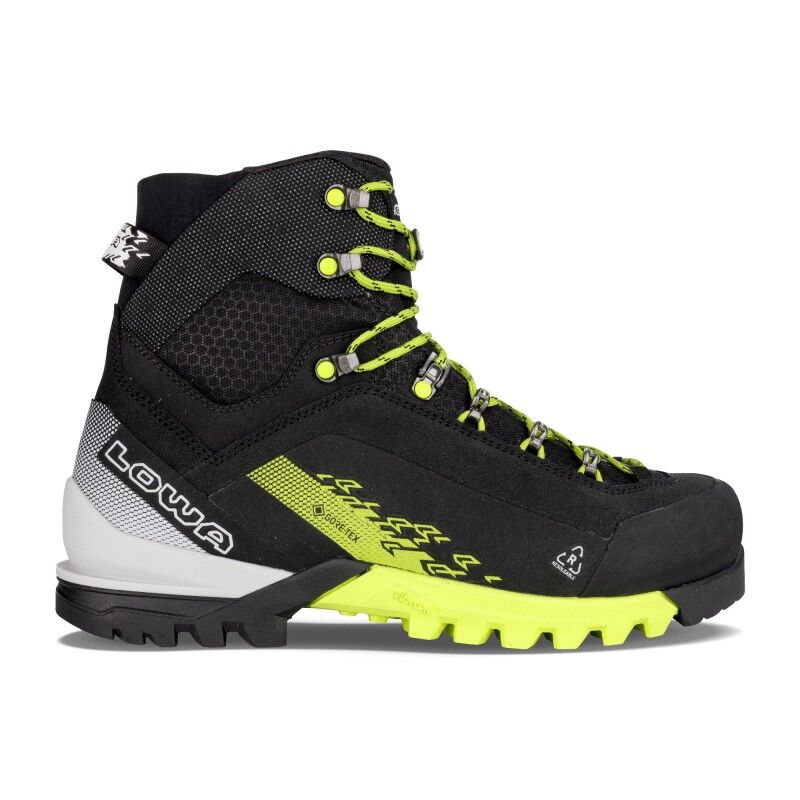
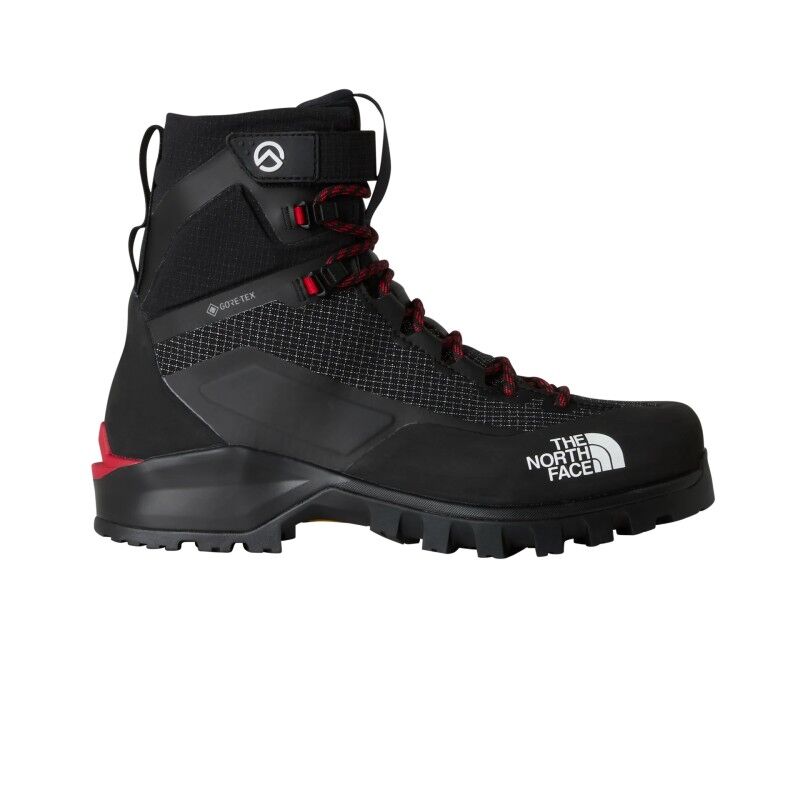

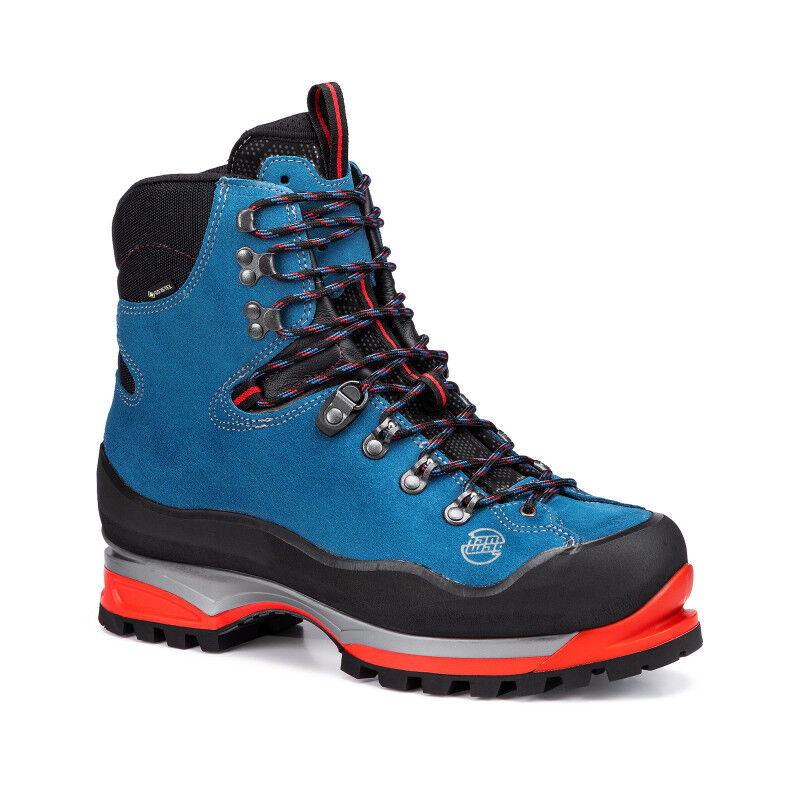
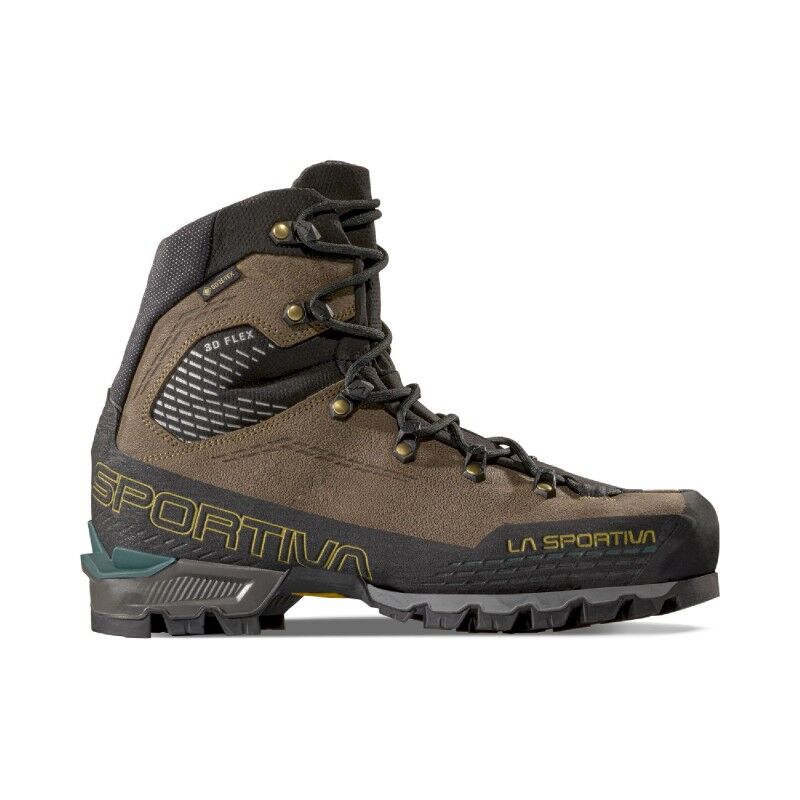
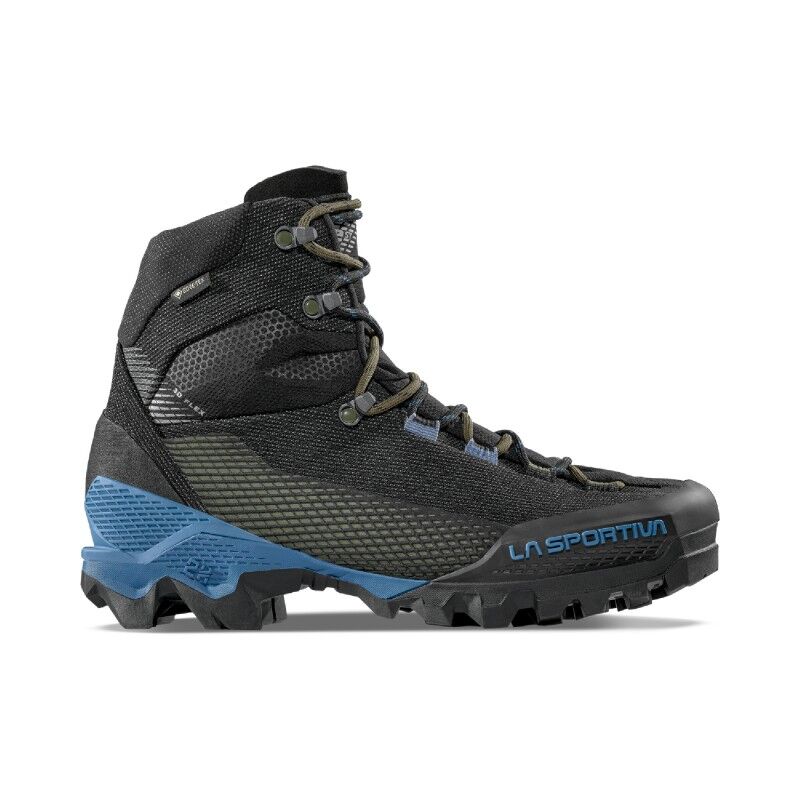
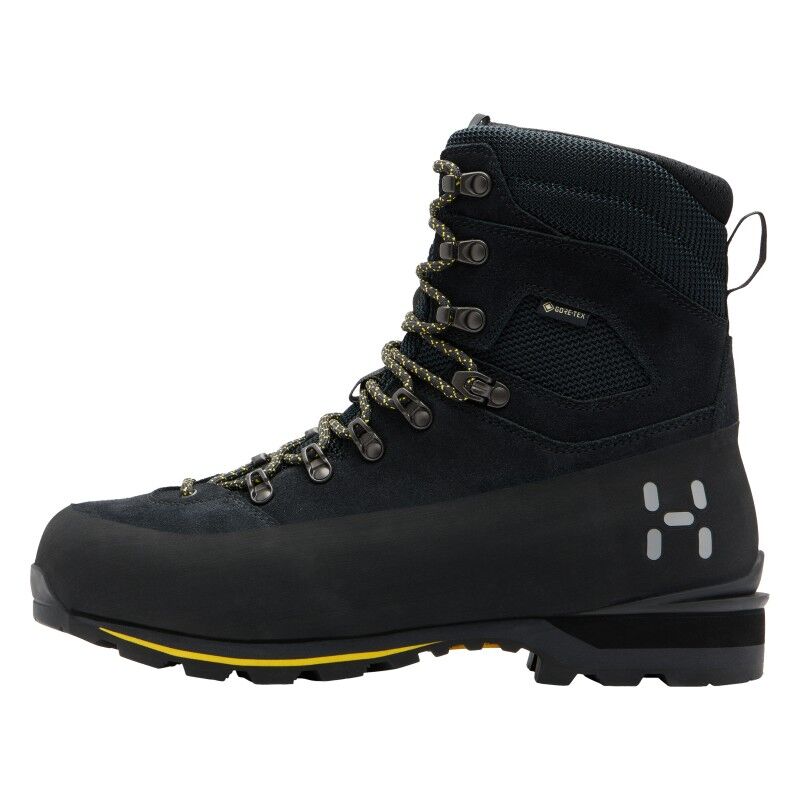

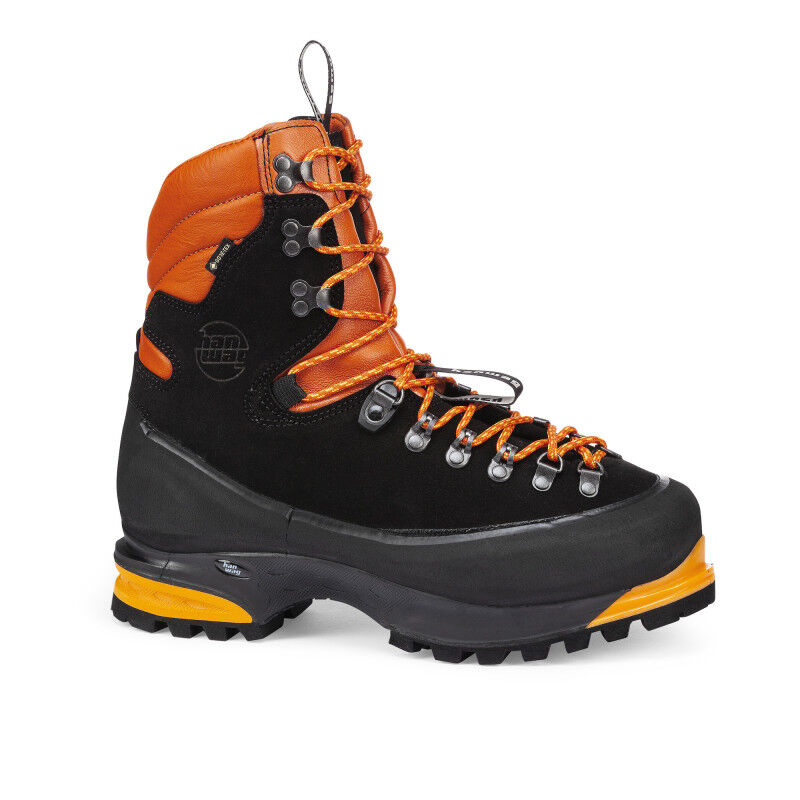
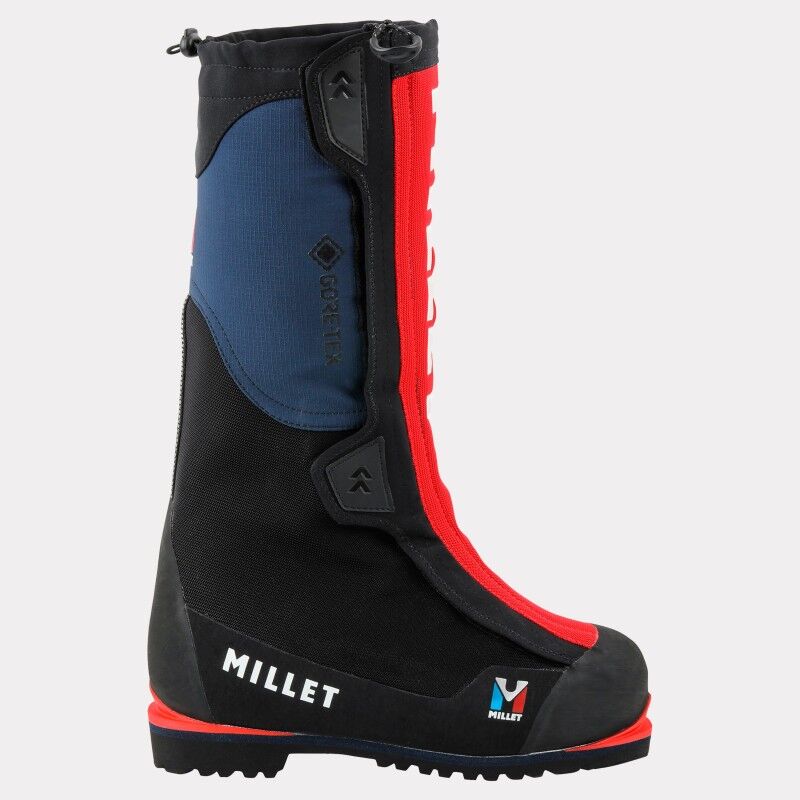
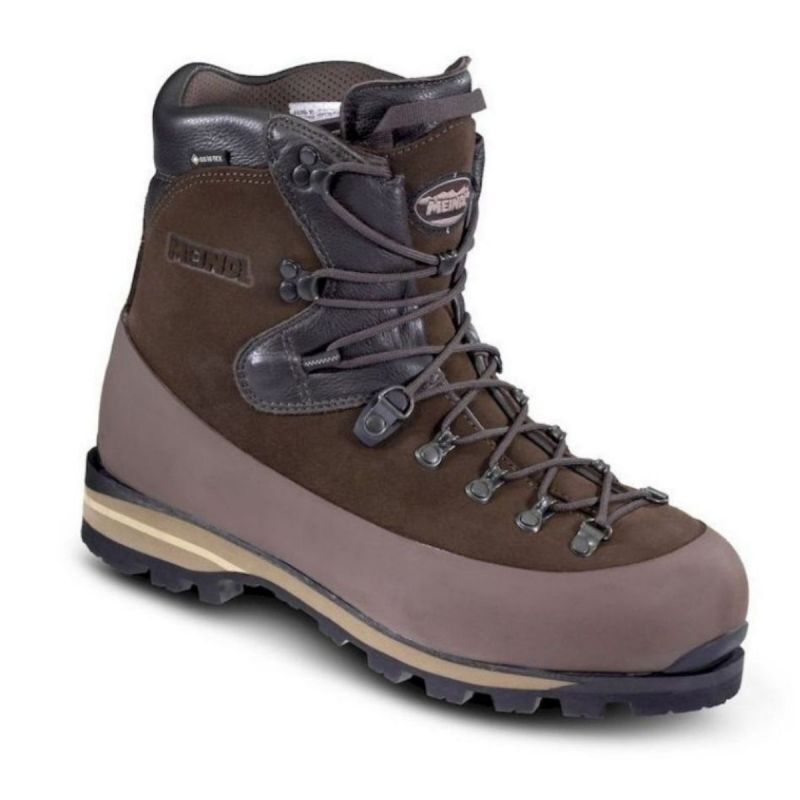
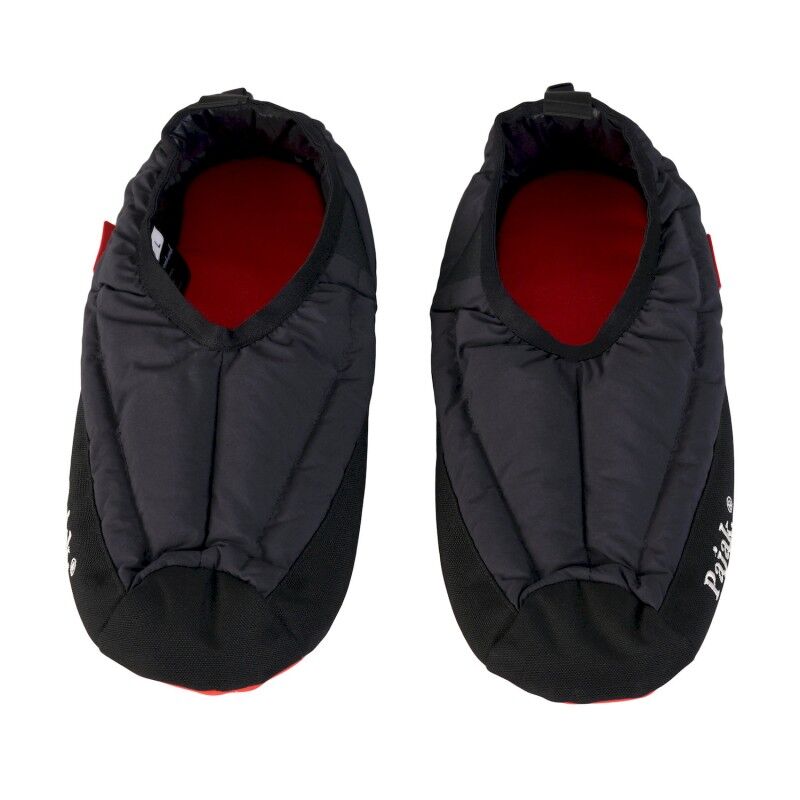
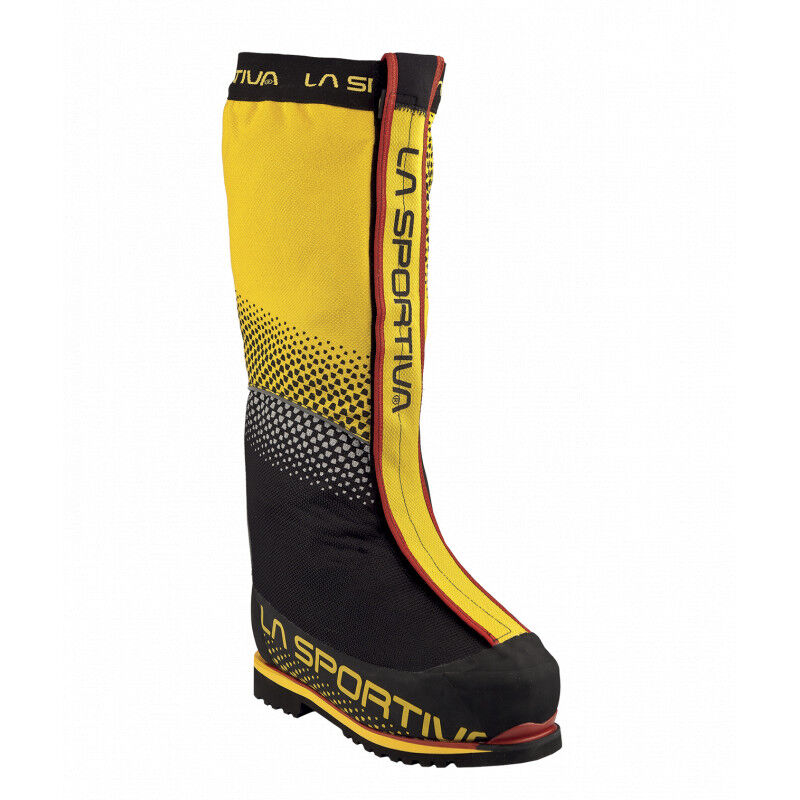
Men's Mountaineering Boots: an essential for reaching the peaks
Millet, Garmont, La Sportiva, Lowa, Mammut…: there are many brands offering Men's Mountaineering Boots. And even more models dominate the market! How then to find THE pair that suits you without getting lost in the flood of information? Because if there is one discipline for which technical shoes are necessary to face extreme conditions, it is indeed mountaineering. Indeed, Men's Mountaineering Boots are not just any mountain shoes: they must be able to withstand extreme negative temperatures, in particularly hostile and dangerous environments. It is therefore essential to find the shoes that will allow you to climb all the peaks you dream of safely. Thus, in terms of mountaineering, as in any mountain activity, safety and comfort are the main characteristics to consider when choosing your equipment. If you are new to the practice, do not worry: the rest of the article offers a complete guide to explain how to choose your Men's Mountaineering Boots well. Rigid, semi-rigid, simple, double…: after reading this comprehensive article, you will be able to find the perfect pair to climb the most beautiful peaks in the world!
Men's Mountaineering Boots: which model to choose?
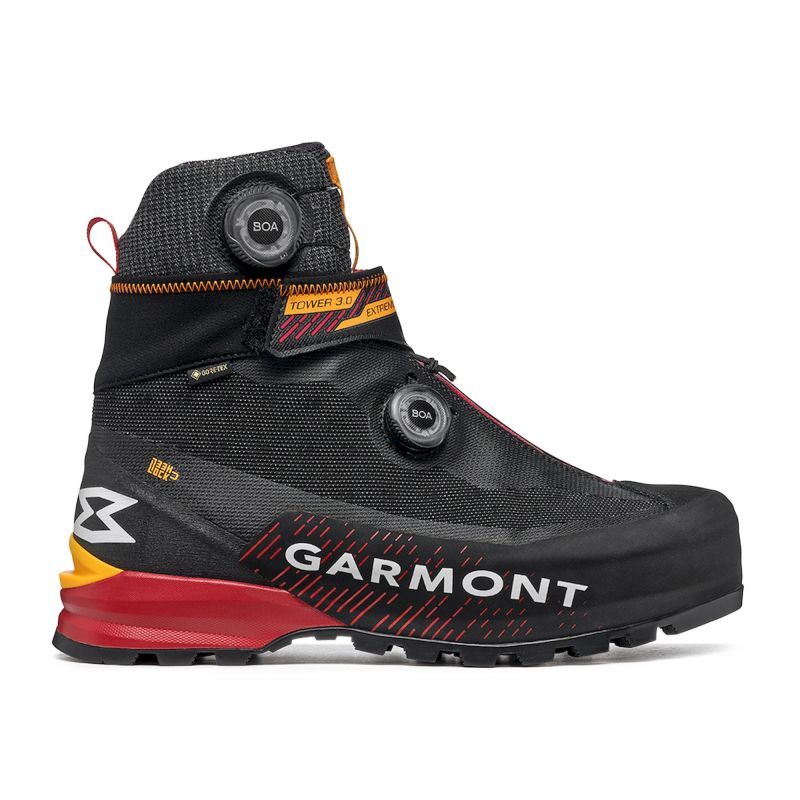
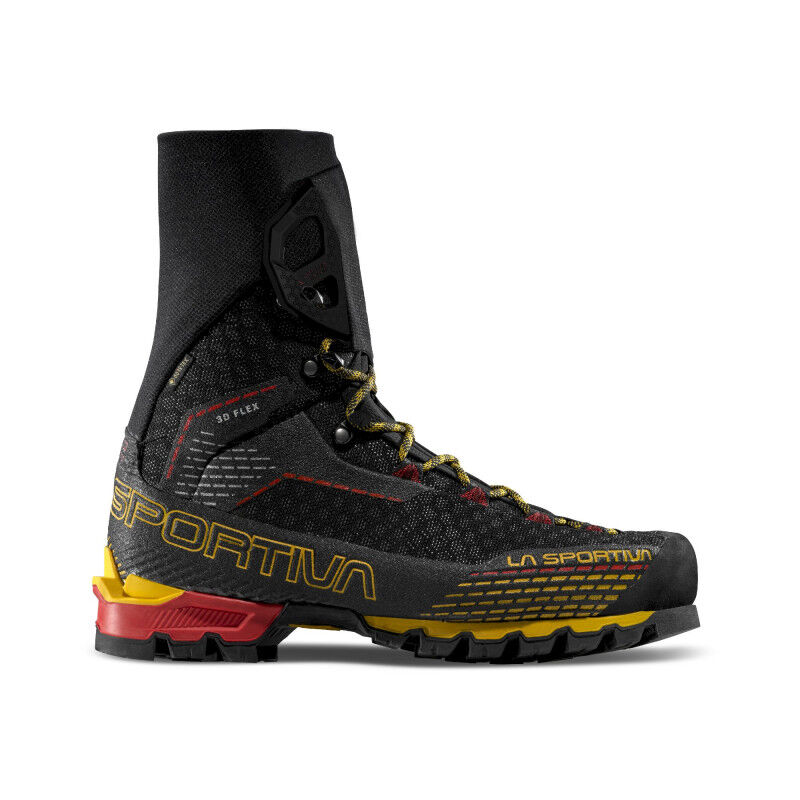
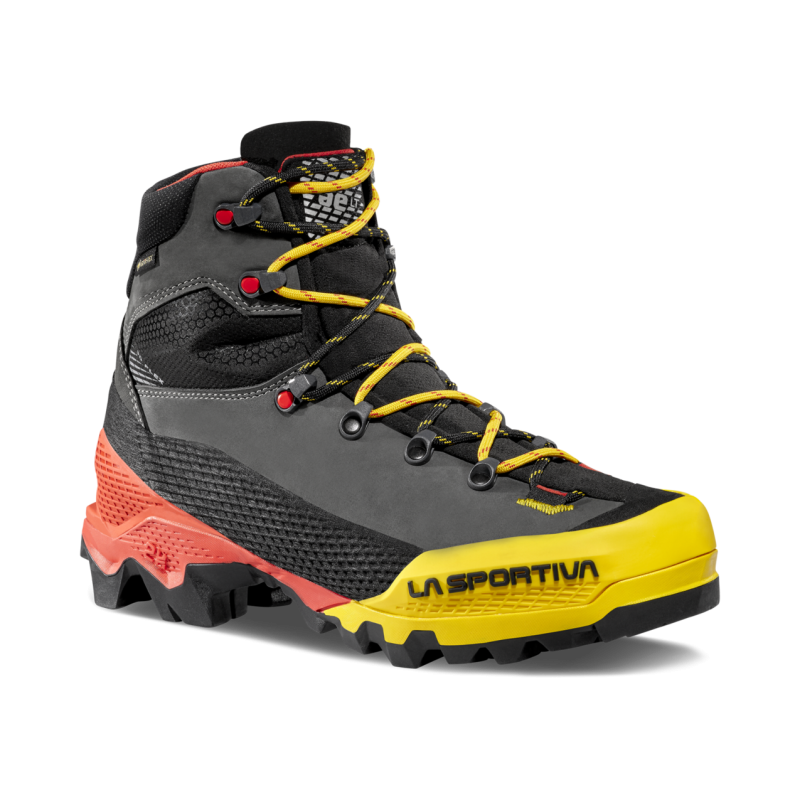
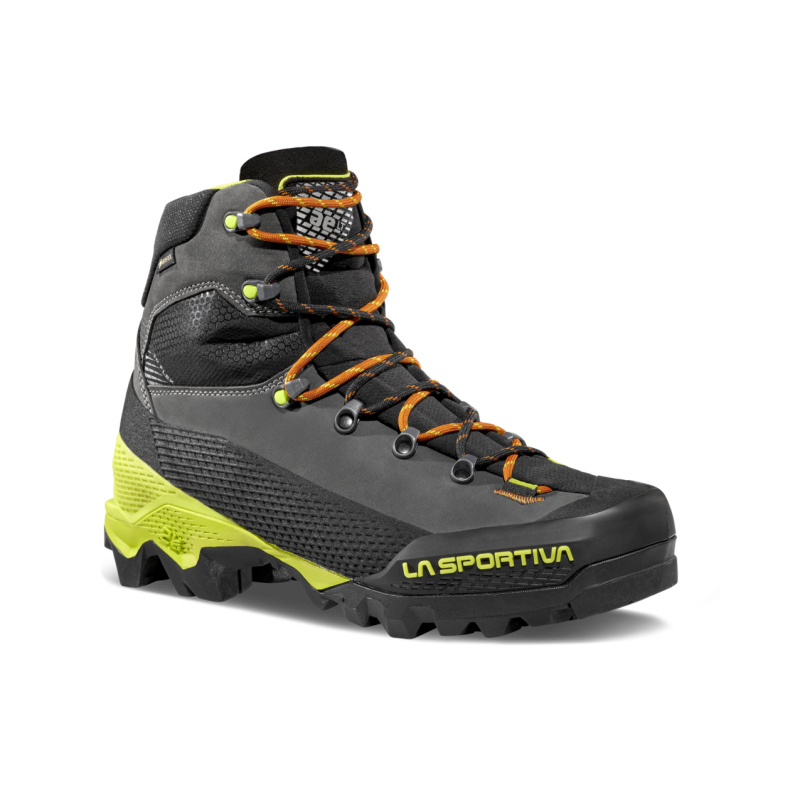
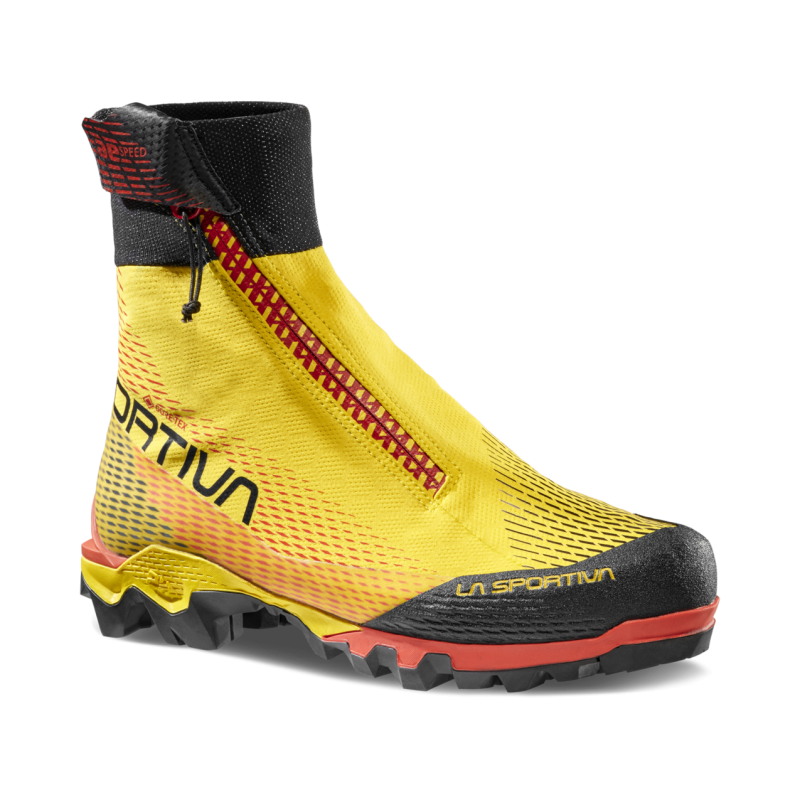
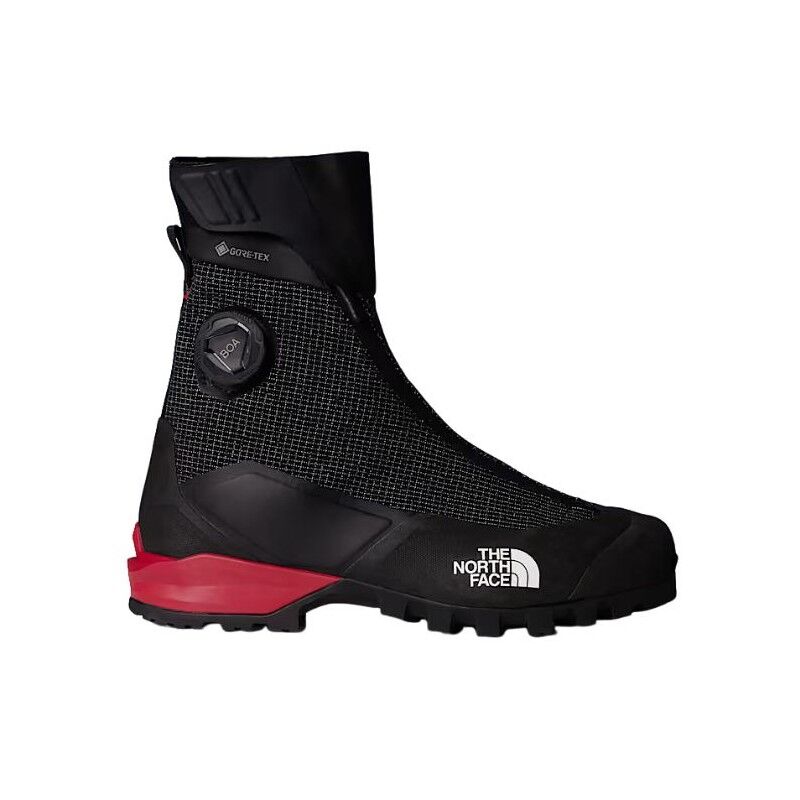
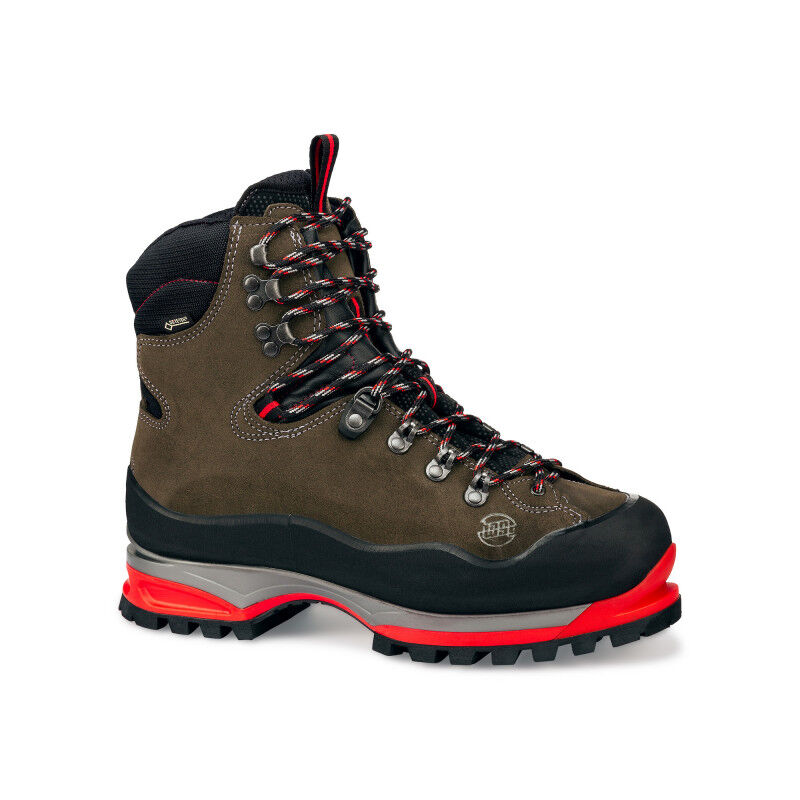
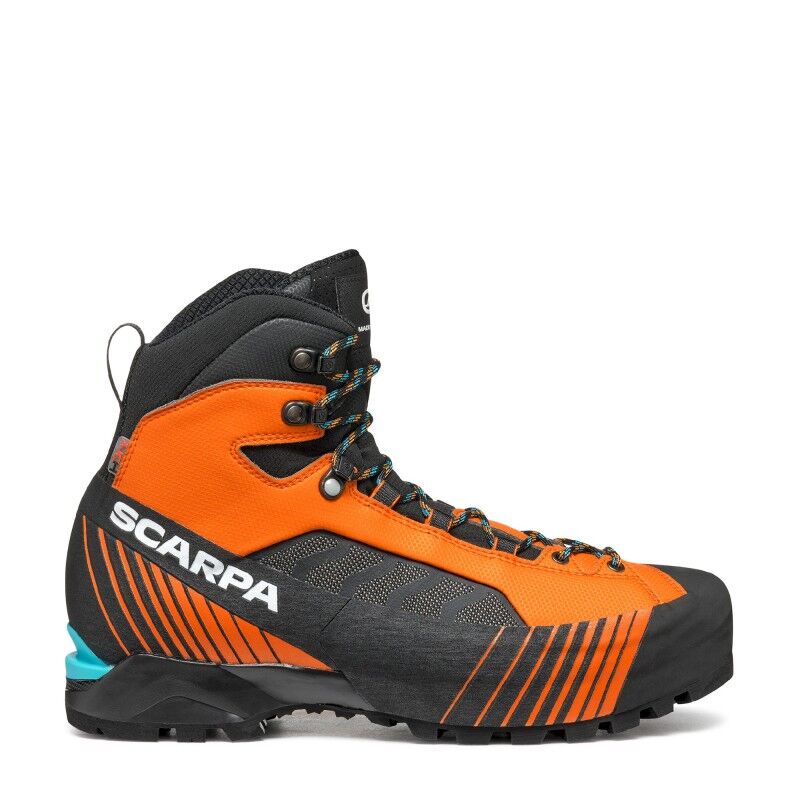
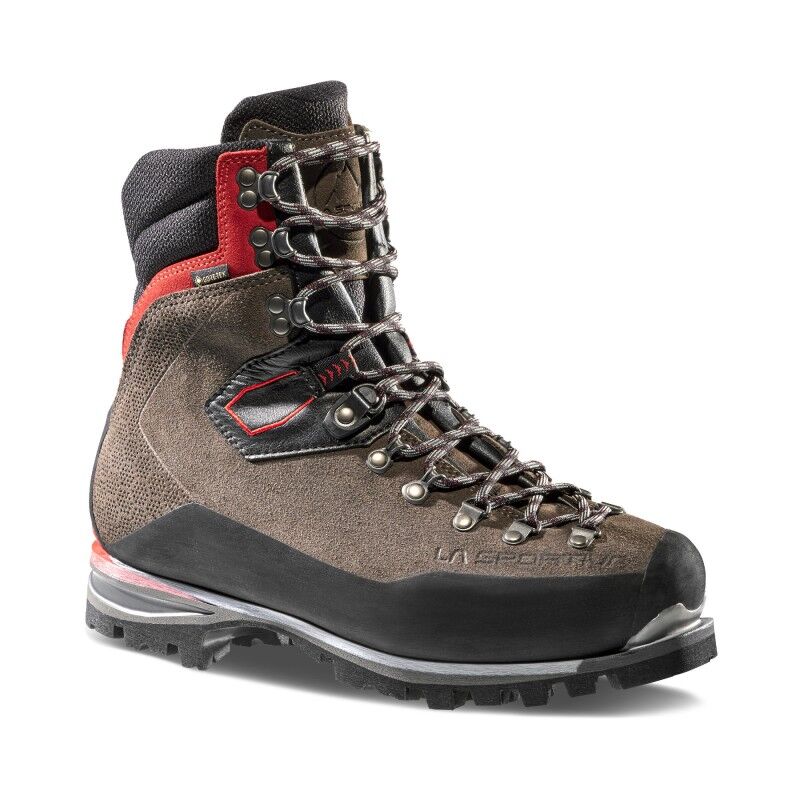
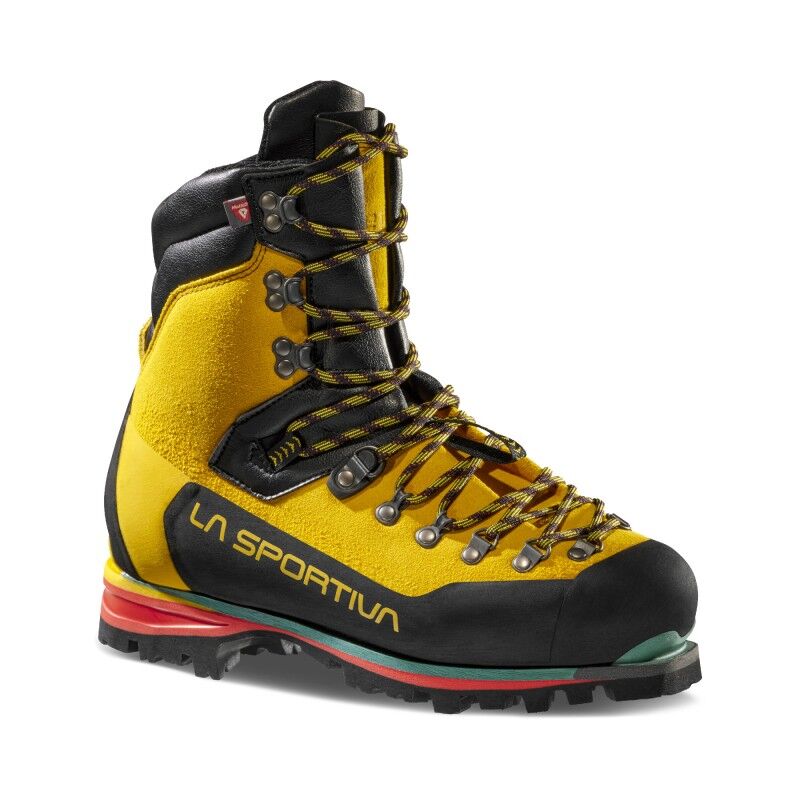
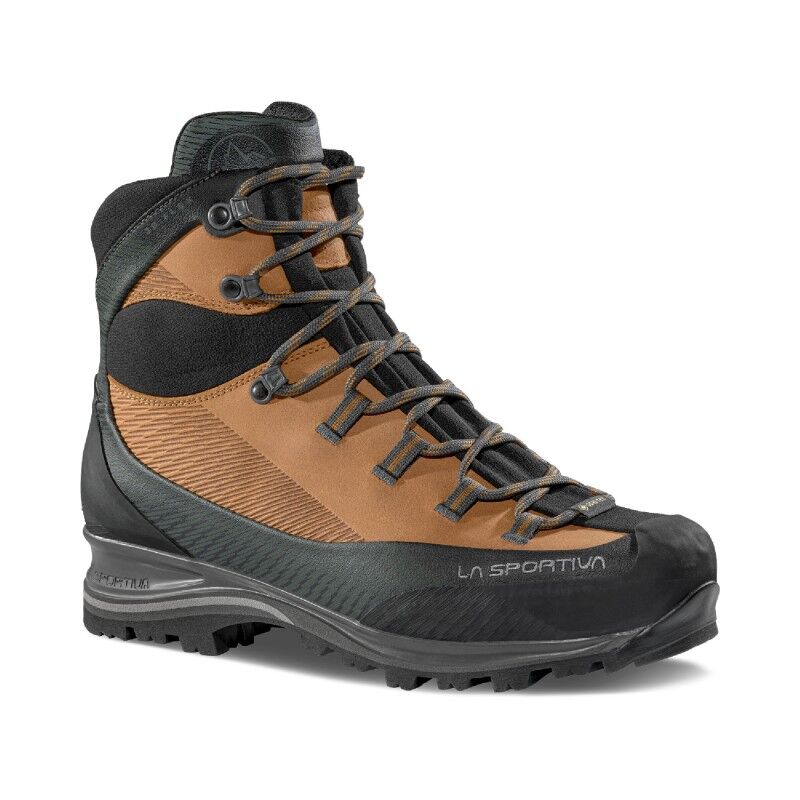
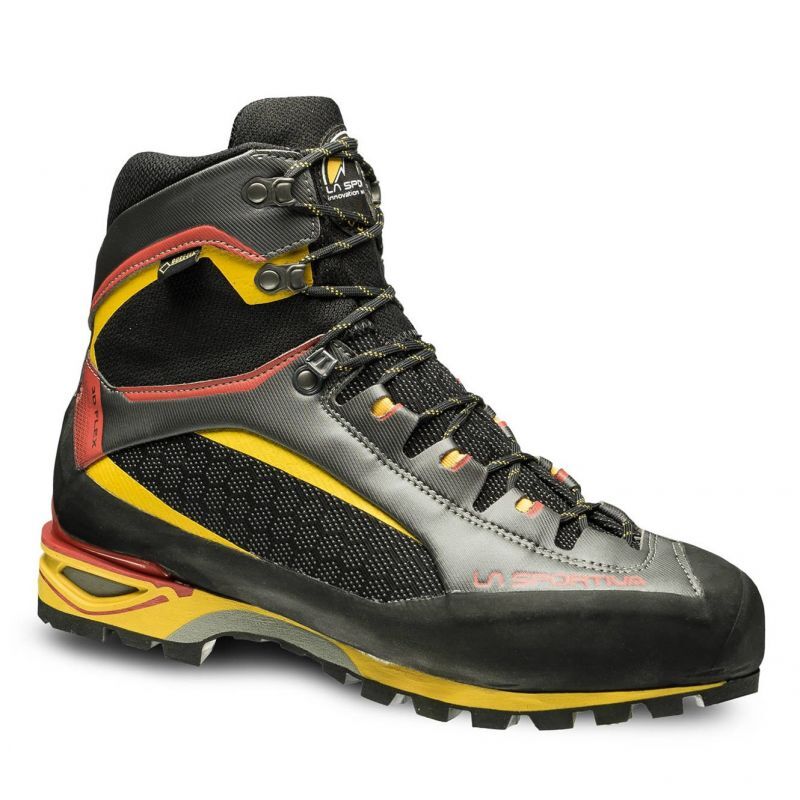
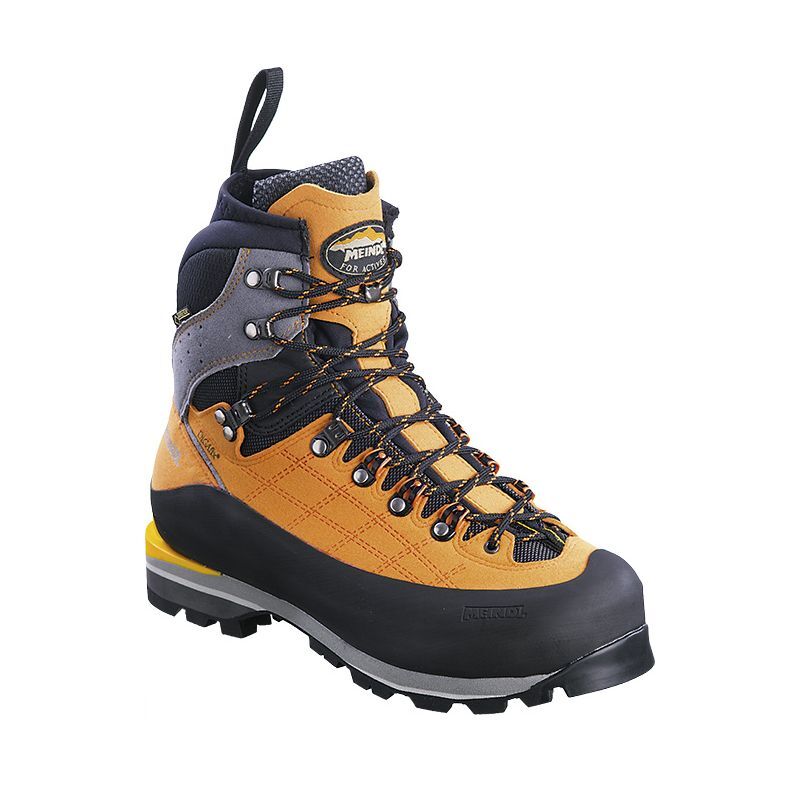
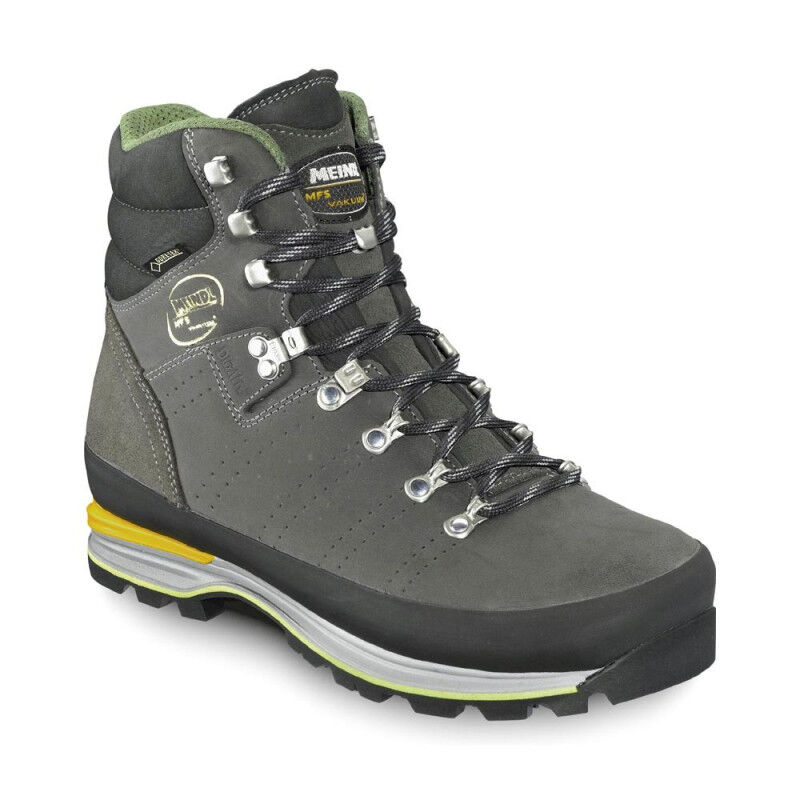
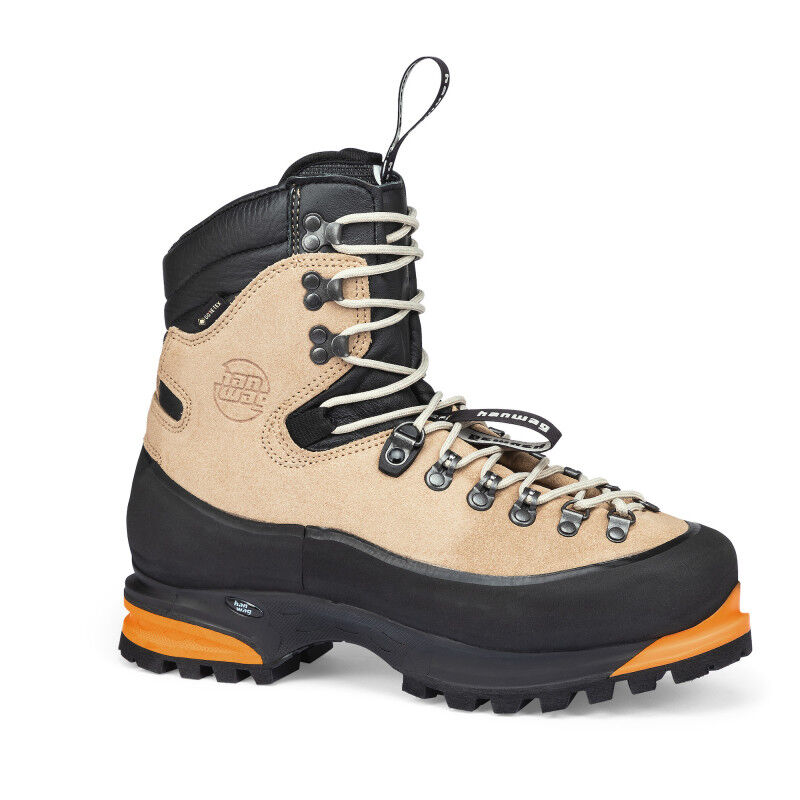
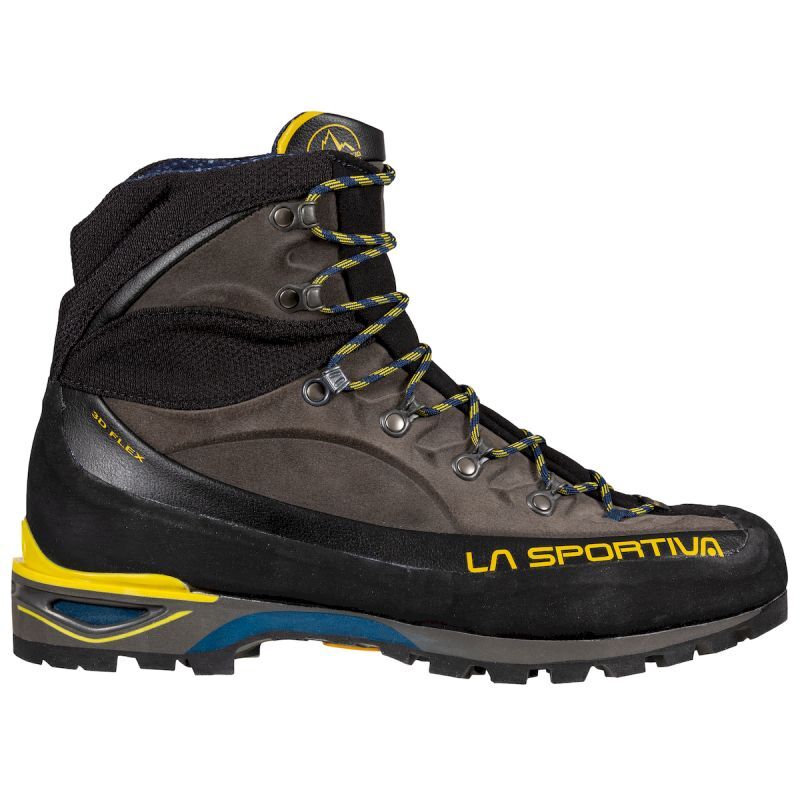
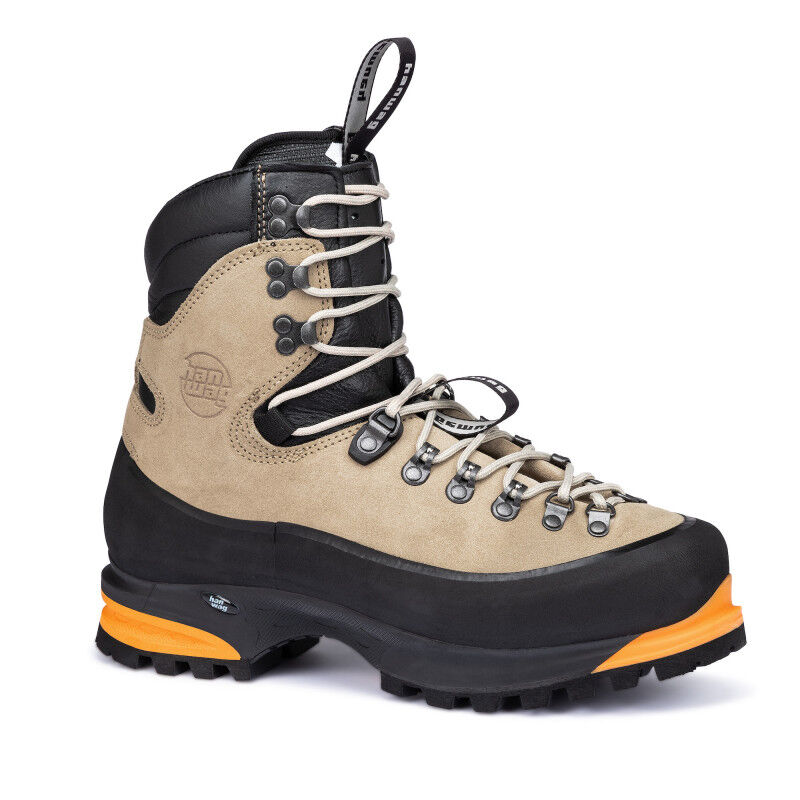
Like all mountain shoes, Men's Mountaineering Boots have their share of characteristics, which it is important to know and understand in order to find the pair suited to your needs. The first characteristic concerns the upper, which, unlike hiking shoes, rises for most models up to halfway up the shin. This aims to protect you as effectively as possible from the snow and cold that you will encounter throughout your alpine ascents. Another characteristic concerns the sole, which is extremely rigid. In this regard, many soles of Men's Mountaineering Boots are Vibram soles, known for their aggressive and durable grip. It is indeed important to have sufficient grip to climb frozen and rocky terrain, which is very dangerous. The rigidity of the sole allows for the necessary grip on this type of terrain. The rigidity of the sole is also necessary to attach crampons. The latter can only be used with shoes equipped with welts, present at the front and/or back of your shoes, and allow for reliable attachment of the crampons. Furthermore, the massive build of Men's Mountaineering Boots is explained by the necessary thermal protection they must provide to your feet. Thus, high mountains necessarily mean polar temperatures, as on the high peaks of the Himalayas where the temperature hovers around -40°C. To face these extreme conditions, your shoes must therefore be thick and protective enough. In this regard, many Men's Mountaineering Boots are equipped with a protective membrane, often using Gore-Tex technology, which forms a barrier between moisture and external snow and your feet. Some models even go further by offering gaiters built into the shoe, which rise higher on your shins and add extra thermal protection. Moreover, the protection of Men's Mountaineering Boots is not only thermal, as mountaineers often have to face rocky and steep terrain. This is why most models are equipped with stone guards, preventing any shock against rocks and enhancing your comfort during your expedition. Comfort is also taken into account at the cushioning level, which is increased especially at the heel. Finally, the laces of Men's Mountaineering Boots are special, as they are self-locking. This prevents unpleasant surprises and danger in hazardous passages, making them particularly useful. All these components make these shoes very heavy, and thus require a gentle and gradual adaptation!
Also, Men's Mountaineering Boots are divided into two main typologies. For the first typology, the shoes differ according to their level of rigidity. In this regard, it is possible to find rigid or semi-rigid models. As for the second typology, they are distinguished according to their type of construction. We thus find Men's Mountaineering Boots that are simple or double. These two typologies can be combined. For example, shoes can be rigid and double, or semi-rigid and simple, etc. Combined, these two large categories offer a wide range of different and specific possibilities, which should be studied in detail to understand which model to choose.
Rigid Men's Mountaineering Boots
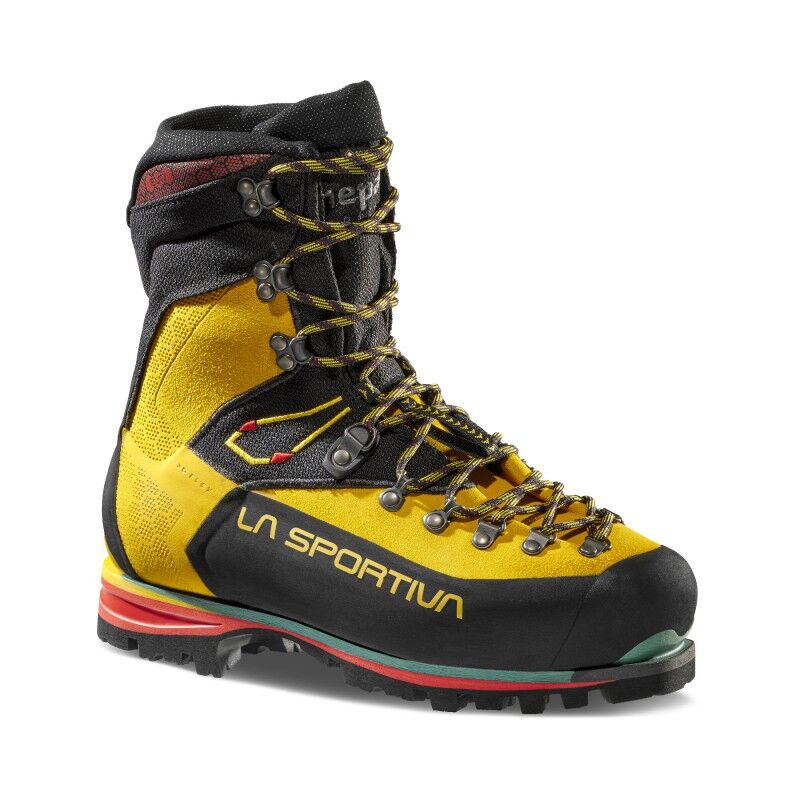
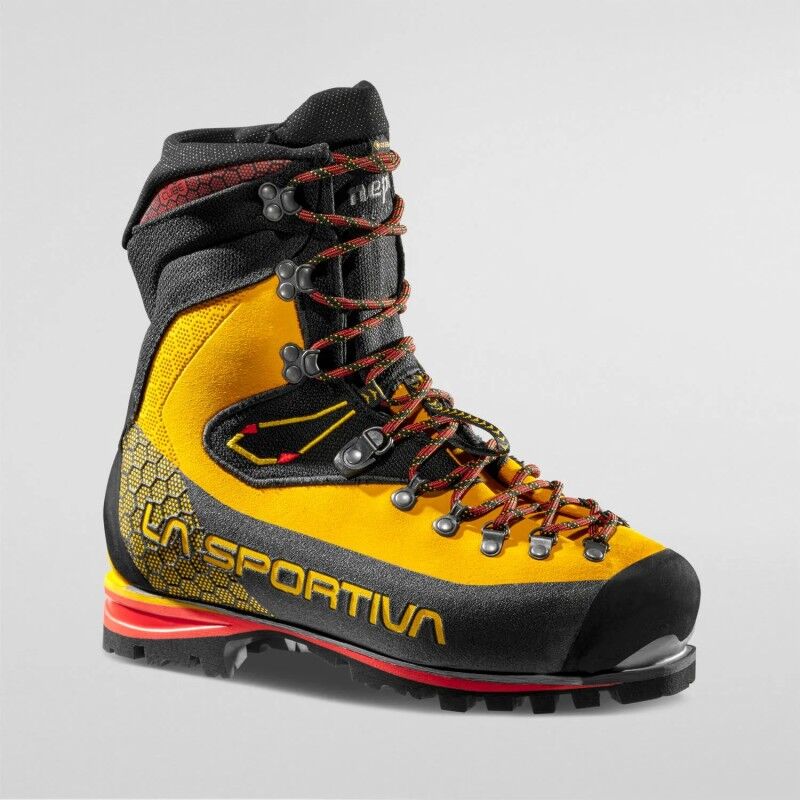
Massive, Men's Mountaineering Boots are easily recognizable, and their rigidity is often apparent at first glance. Designed for high-level practice in very difficult conditions, they are highly resistant to cold. They are thus the shoes of choice for any mountaineer wishing to engage in ice climbing, heavily snowed corridors in high mountains, or for Nepalese summits at freezing temperatures. Although some manufacturers try to offer innovative solutions to address this issue, Men's Mountaineering Boots lack flexibility (as their name suggests), and thus offer almost no freedom of movement. Therefore, they should be avoided for any approach walk or for a beginner level, which would face too much rigidity and, moreover, significant weight. Because rigidity and size obviously mean extra weight. Men's Mountaineering Boots are thus very heavy and require sufficient experience in the field of mountaineering to avoid generating additional fatigue during your ascents to the summits! For beginners, semi-rigid models are a compromise for a gentle transition between hiking shoes and mountaineering shoes.
Semi-Rigid Men's Mountaineering Boots
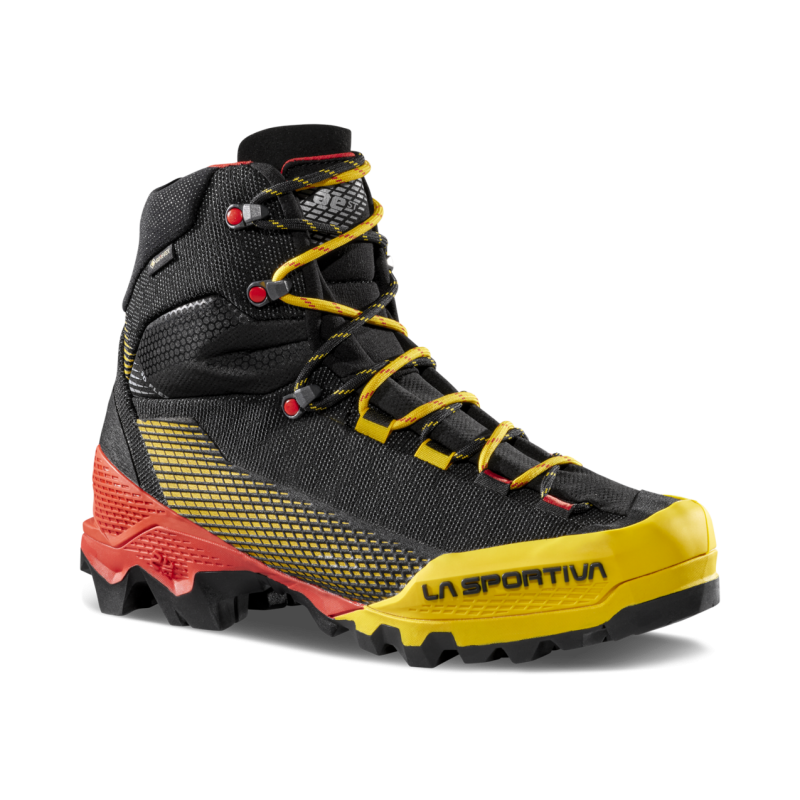
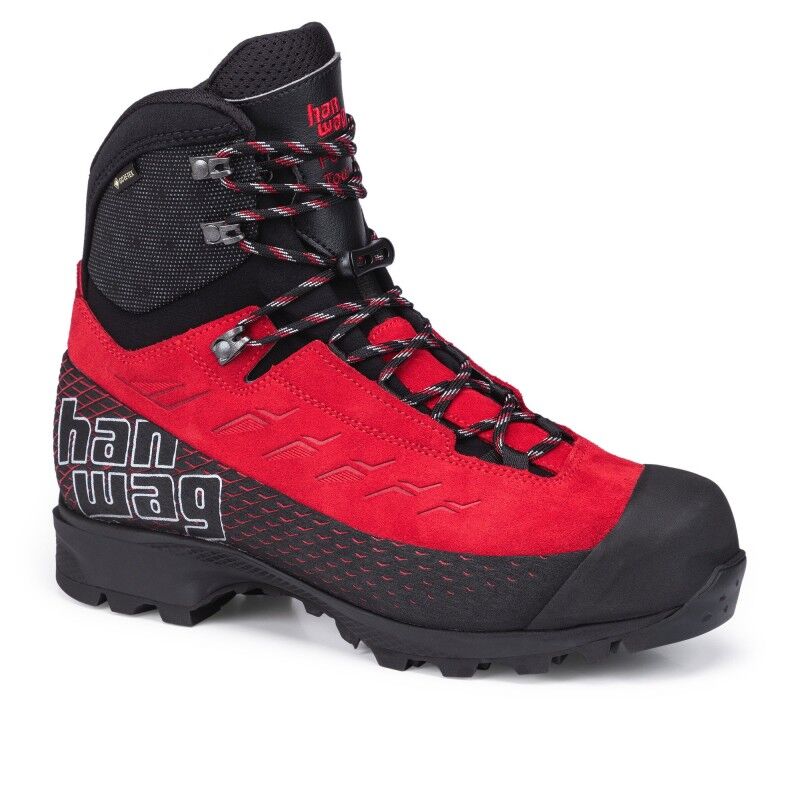
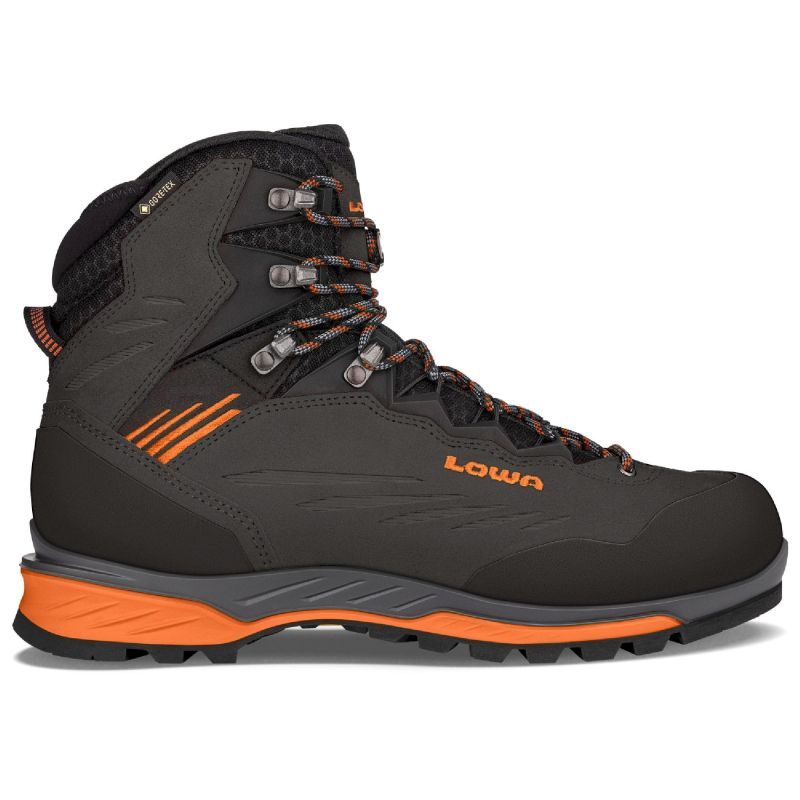
In contrast to the previous type of shoes, Men's Mountaineering Boots semi-rigid offer a flexibility and build that are quite different. Indeed, your ease of movement is increased in semi-rigid models, without losing their robustness. However, Men's Mountaineering Boots do not offer the same possibilities as rigid shoes, such as their thermal protection, which only covers 3 seasons compared to 4 for a rigid model. Semi-rigid models are therefore more commonly used for approach walks, difficult scree, or rocky ridges and snowfields.
If rigidity is a characteristic to consider when choosing your Men's Mountaineering Boots, construction is also crucial.
Simple Men's Mountaineering Boots
As we have seen, the type of construction is the second distinguishing criterion. Thus, there are Men's Mountaineering Boots that are classified as simple, which are actually made in one piece. This architecture offers a significant reduction in weight, without losing rigidity. This characteristic can make a difference during an ascent, as they drastically limit your energy expenditure and thus your fatigue thanks to their lighter weight. Men's Mountaineering Boots can therefore represent a good compromise between lightness and rigidity. However, this lightness has its drawbacks, namely the loss of thermal protection. For this reason, simple models cannot be used beyond a certain altitude. Moreover, drying can prove to be very complicated and long for this type of shoes. Indeed, as soon as they are wet or heavily dampened, your Men's Mountaineering Boots are extremely slow to dry, which can pose a problem if you are on a multi-day ascent and your foot is wet inside your shoes.
Double Men's Mountaineering Boots
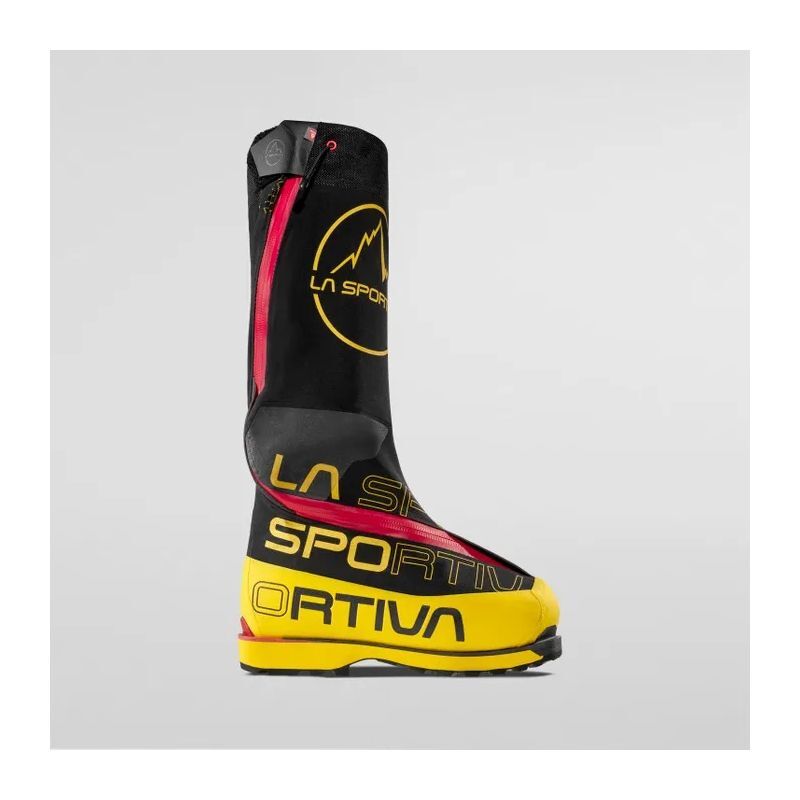
In contrast, double shoes offer much faster drying capabilities, thanks to their removable liner. Thus, this type of shoe has a special liner inside, which can be removed for drying, for example. You can thus set off with dry feet in your Men's Mountaineering Boots the next day, which you will greatly appreciate! This liner offers other qualities, as it keeps the foot warm by forming a barrier of separation with the outside of the shoe, which can be damp. This thermal gain can really make a difference on high-altitude summits. However, Men's Mountaineering Boots doubles, made for the highest mountain peaks, are both rigid and heavy, although some brands are working on this aspect to try to improve it. Therefore, sufficient experience in mountaineering is required to equip oneself with such shoes and endure the weight and thus the fatigue they entail.
You will have understood, each typology of Men's Mountaineering Boots guarantees advantages and disadvantages for its users. To know which model to choose, it is essential to refer to your level of mountaineering, which will thus determine the type of terrain you will engage on, and consequently the shoes you will need.Men's Mountaineering Boots: the importance of level and knowledge of the terrain
Determining, your level of mountaineering predisposes you to certain types of summits. You will surely not achieve the summit of the Himalayas after 6 months of mountaineering, and that is quite normal! Consequently, your level also determines which type of Men's Mountaineering Boots are suitable or not for your practice. The rest of this article explains how to navigate and find the equipment that suits you.
For a beginner mountaineer, progression should be slow. For initiation glacier hikes, or ascents on mixed terrain (ice and rock), Men's Mountaineering Boots semi-rigid are perfect. This allows you to make a gentle transition into the demanding world of mountaineering while fitting your practice. And for good reason: more flexible than rigid models, this type of shoe also offers a larger flat area at the front of the sole, which provides good precision, which can be reassuring in the beginning. You will thus be able to familiarize yourself with your Men's Mountaineering Boots and at the same time your crampons without too much discomfort, and without too much fatigue since they are lighter than rigid shoes.
As your level increases, and you become a confirmed mountaineer, your desire to ascend to higher peaks grows along with the necessary rigidity of your shoes. To reach the summit of Mont Blanc for example, semi-rigid shoes are no longer suitable. It is therefore high time to switch to Men's Mountaineering Boots rigid! However, double shoes are not necessary, even discouraged at this stage. Indeed, simple models will provide you with all the thermal protection you need for this type of altitude, and even more, while ensuring safe progression on fine ridges.
Finally, an expert mountaineer, who wishes to achieve summits above 7,000 meters altitude, must invest in Men's Mountaineering Boots doubles, for the necessary thermal protection required at this altitude. Their significant weight will no longer pose a problem since you will already be well accustomed at this stage.
Moreover, to undertake the mythical ascent of Everest, some brands even offer specific Men's Mountaineering Boots that withstand extreme temperatures (up to -60°C!), thanks to a 3-layer construction.
Now that you have in mind the different Men's Mountaineering Boots that suit different levels in the field, let us present the different models of crampons to adopt according to your type of shoes.
Crampons and Men's Mountaineering Boots
Each type of shoe being constructed differently, not all crampons are therefore suitable for all types of Men's Mountaineering Boots.
The models of crampons for mountaineering
There are 3 main models of crampons for mountaineering: strap crampons, semi-automatic crampons, and finally automatic crampons. As with the different Men's Mountaineering Boots, the crampons used evolve according to your level of improvement in the discipline.The correspondence between the types of crampons and the different Men's Mountaineering Boots
Strap crampons are the simplest to use, as they are compatible with all Men's Mountaineering Boots. However, due to their significant flexibility, prefer semi-rigid shoes, with which they will be more compatible.
For semi-automatic crampons, only Men's Mountaineering Boots with a rear welt, or a double welt, will do. Generally used for medium mountain, these crampons are therefore suitable for a confirmed level, usually simple models.
Finally, automatic crampons can only be used with shoes with double welts. Designed for very high mountains, these crampons are generally used with rigid double shoes, for which they are ideal.
You now have all the cards in hand to choose the pair of Men's Mountaineering Boots that perfectly suits your level and practice. However, one question remains: how to find the right size? The rest of the article will shed light on this subject.
Choosing your Men's Mountaineering Boots after trying them on
Generally, it is advisable to choose your Men's Mountaineering Boots with about 1 size larger. However, the ideal is to try them on with mountaineering socks. To ensure the right size of your shoes, nothing complicated. First, make sure that your toes do not touch the end of your shoes. Then, gently tap the front of your shoes against a wall: if your toes still do not touch the end, then that’s a good sign! Finally, if you have the opportunity, place your shod feet on a slope and pretend to walk, tapping your feet on the ground. Again, if your toes do not touch the bottom of your Men's Mountaineering Boots, then the size is sufficiently large. However, be careful that your feet do not slide inside your shoes, which could be the cause of a size that is now too large. Your heel should be stable enough, moving only during the ascent. Some brands provide a size guide to help you find the size that suits you more easily. Finally, also check that the crampons you plan to use are compatible with the Men's Mountaineering Boots you wish to purchase, to avoid unpleasant surprises when it comes to attaching your crampons..!
Find Men's Mountaineering Boots on Hardloop.fr
You are now fully prepared to take on the most magnificent alpine summits. Rigidity, construction, fitting, crampons: Men's Mountaineering Boots hold no secrets for you. You will now be able to find the perfect pair of shoes that will accompany you on your future alpine expeditions. If any doubts or questions remain, our team is at your disposal to guide you at 01 48 58 30 28 (free call) or by email at serviceclient@hardloop.fr.