
Backpacking Tents
(205)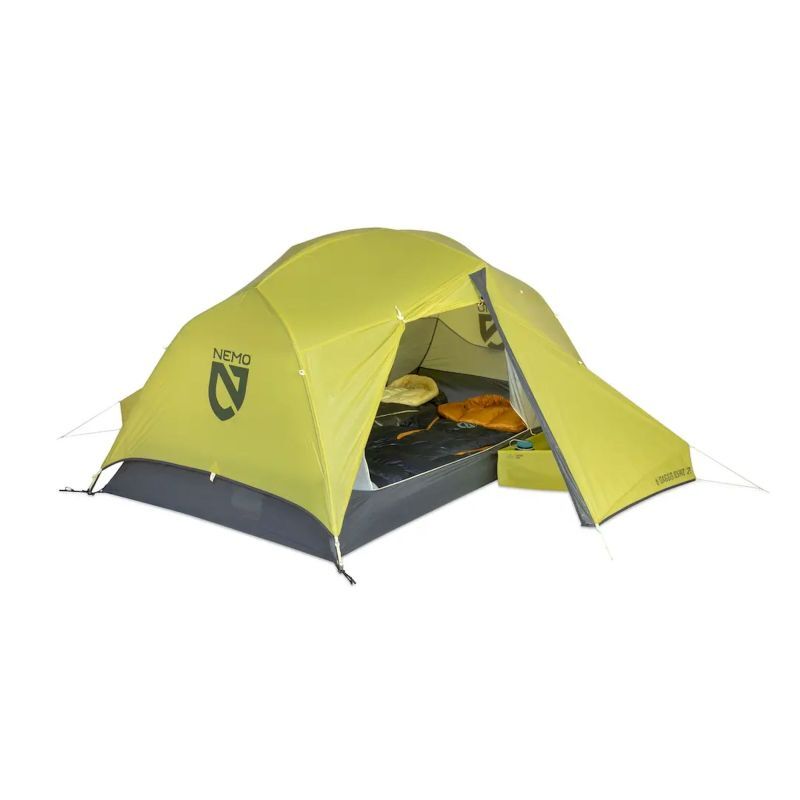
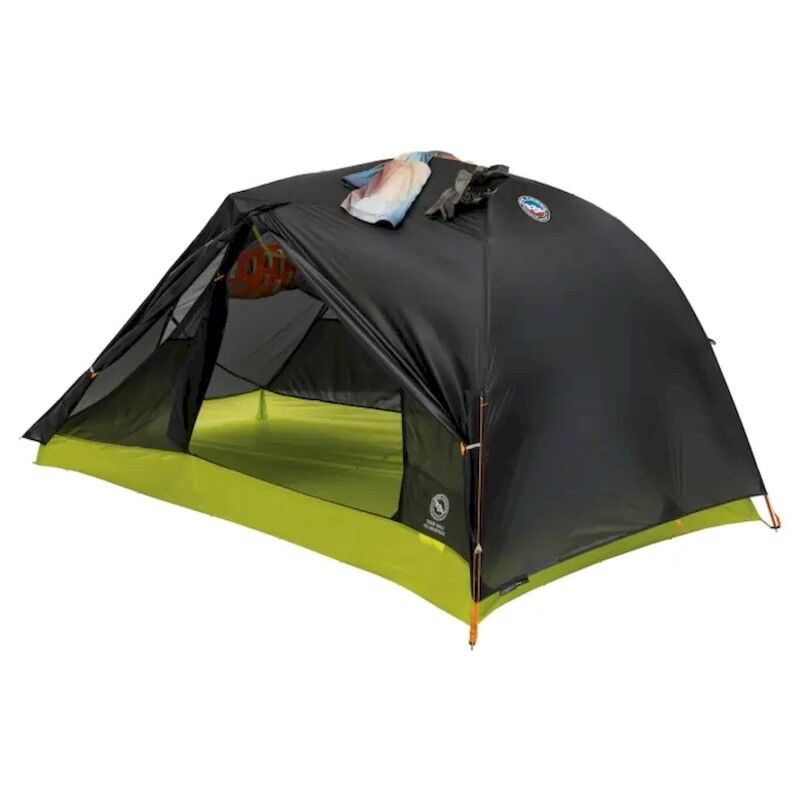
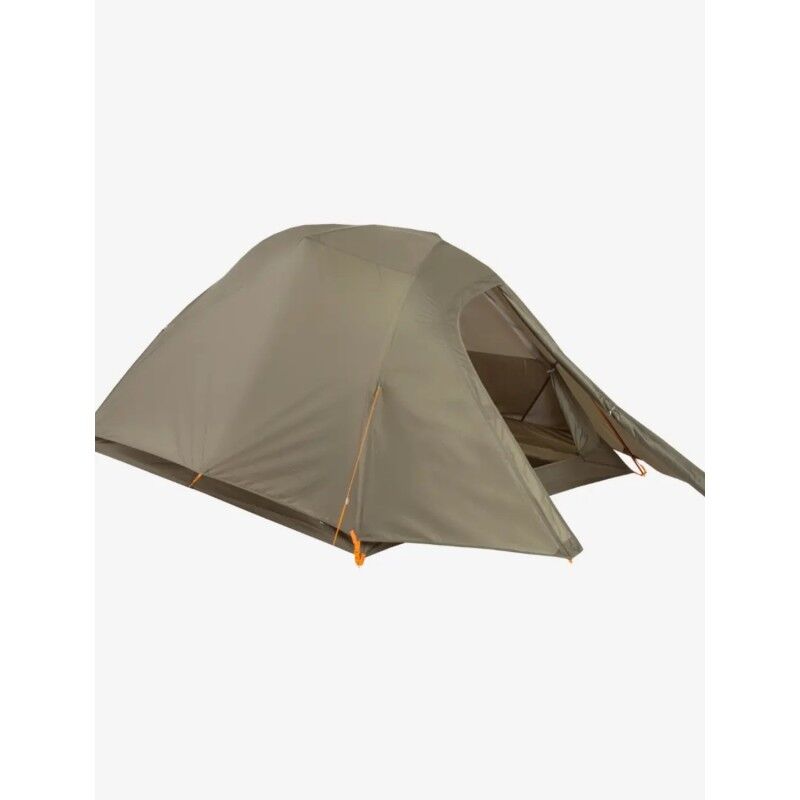

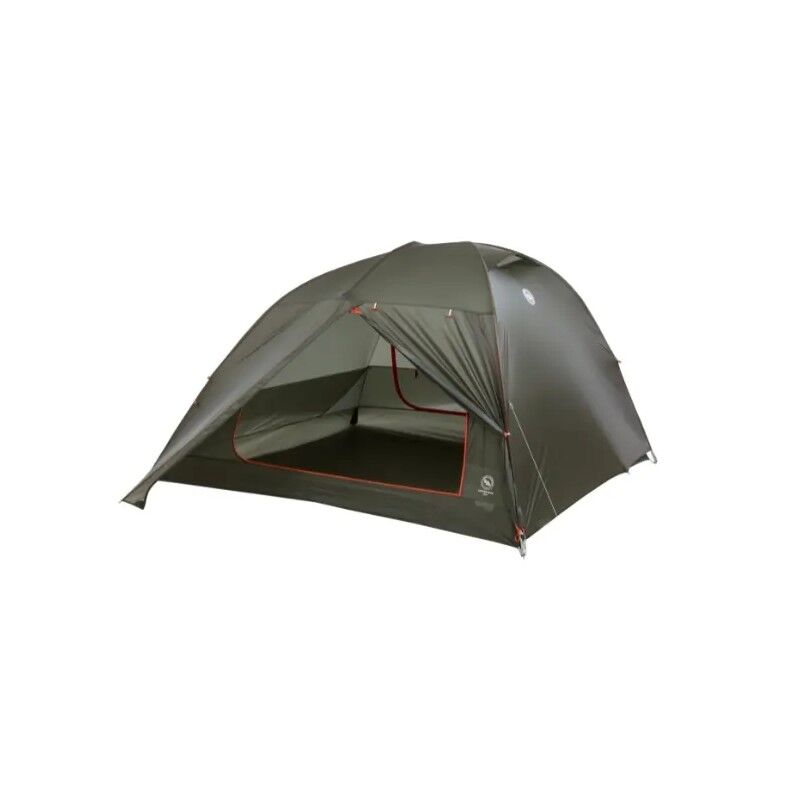
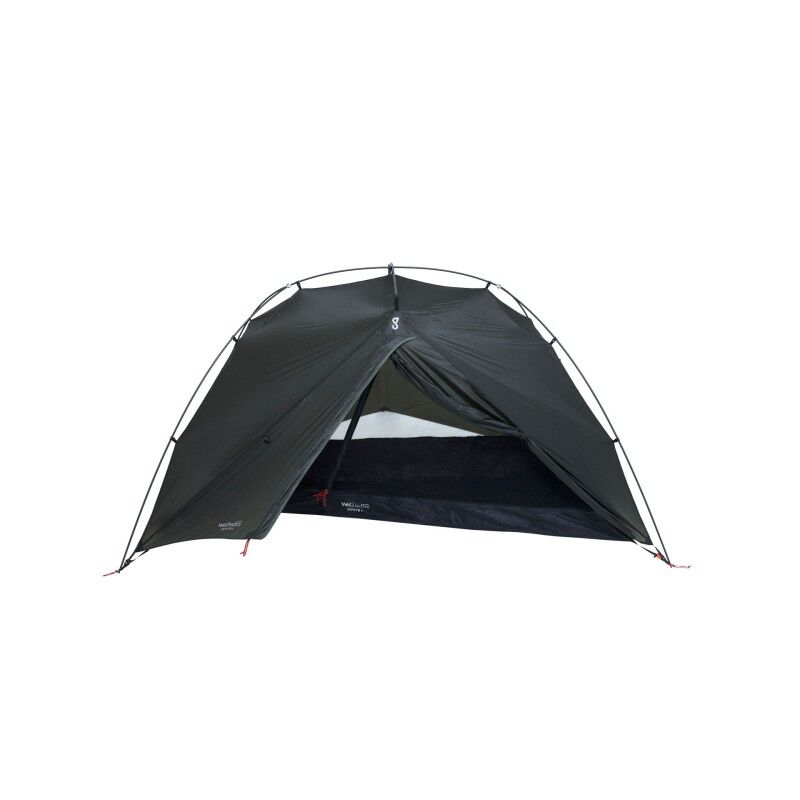
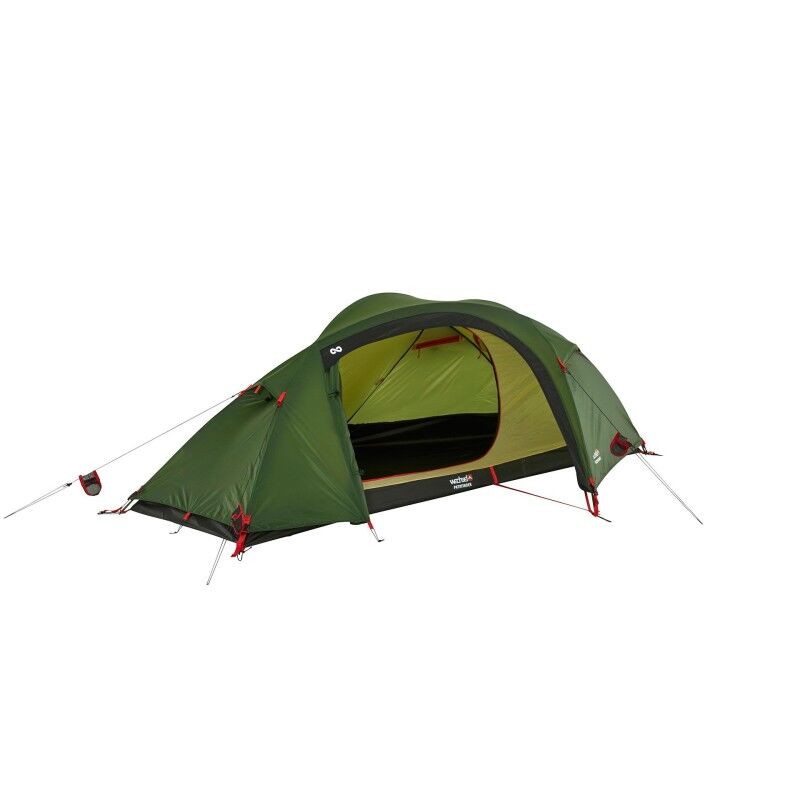


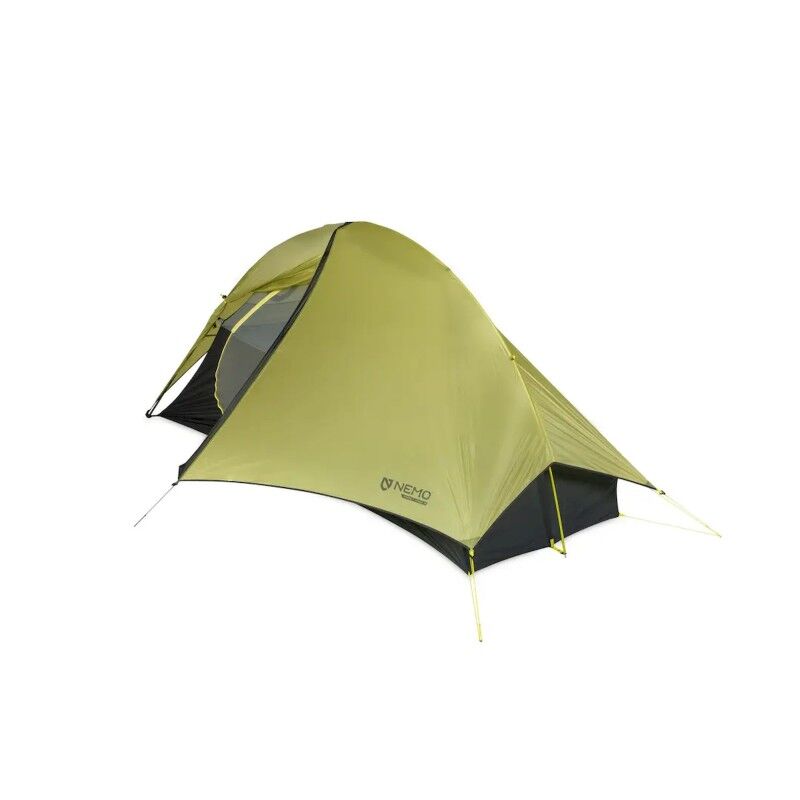

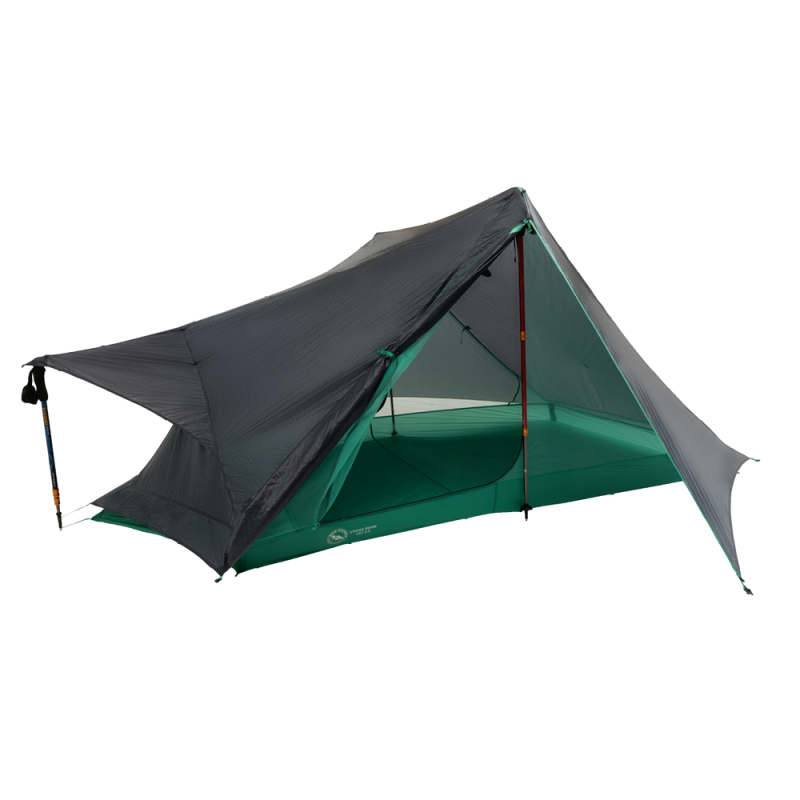

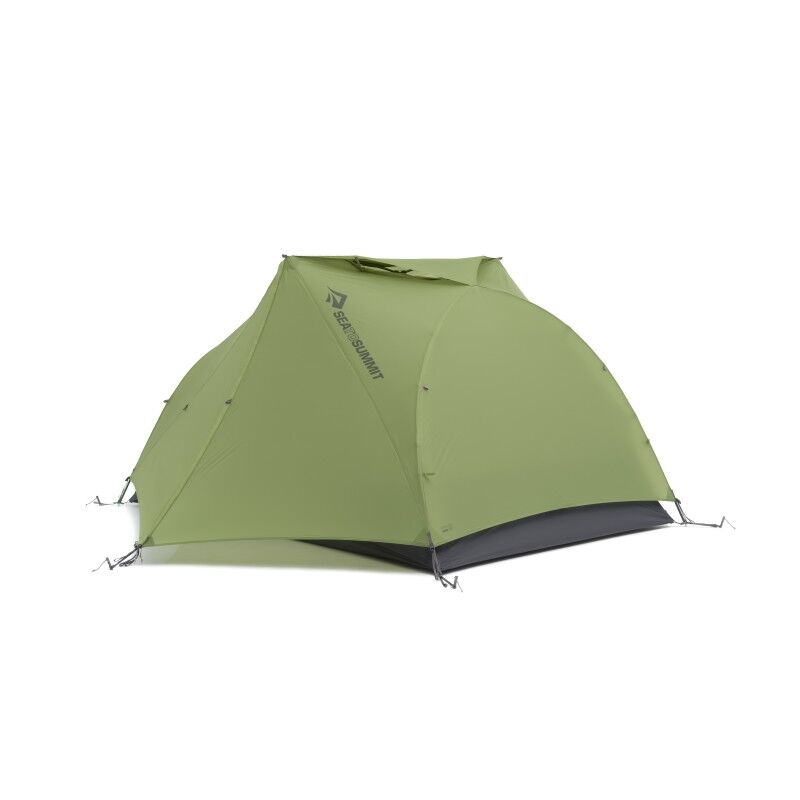
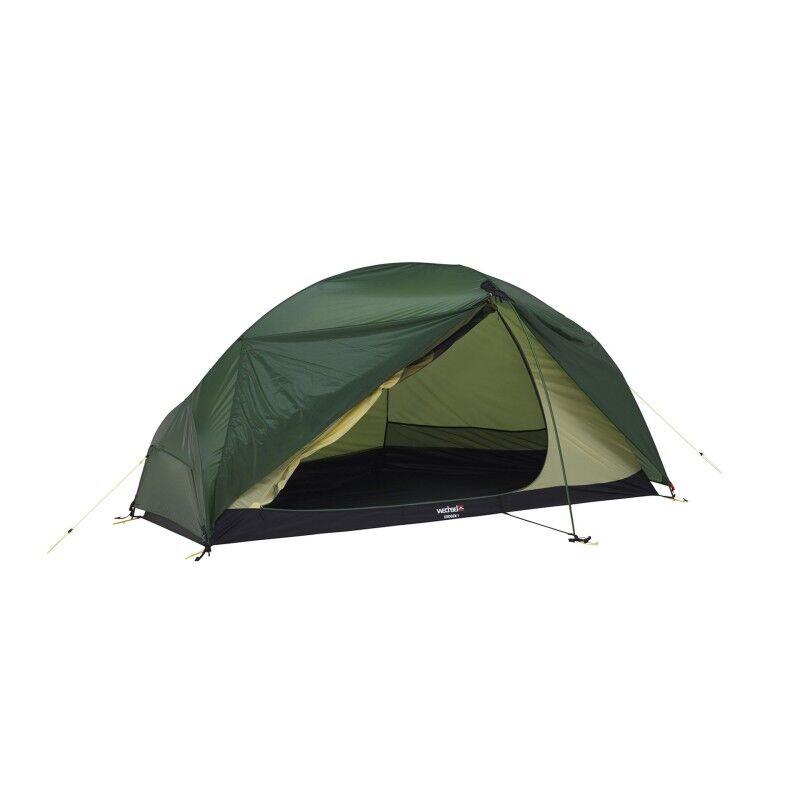
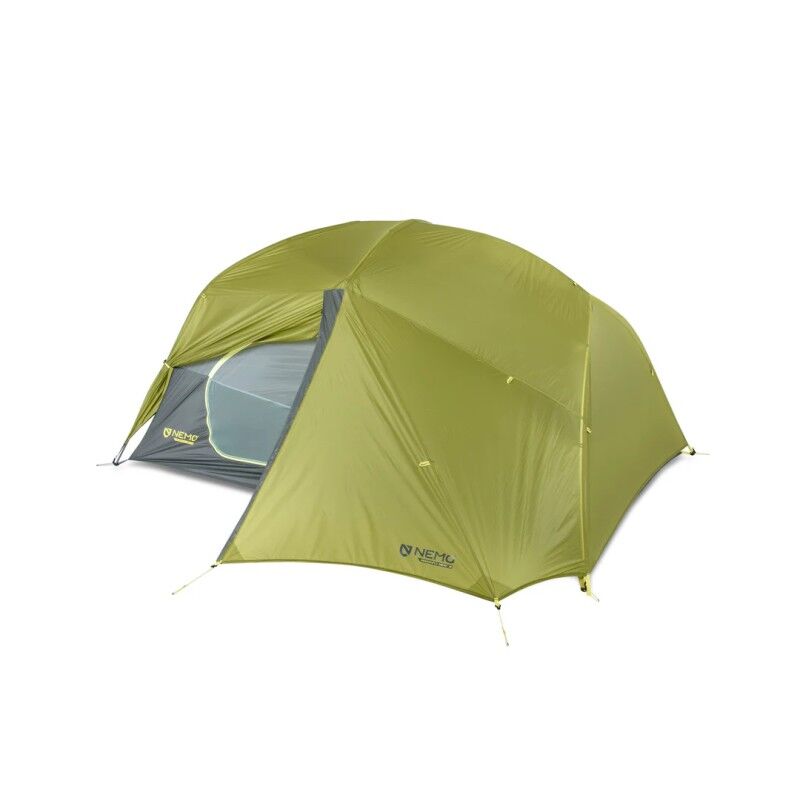

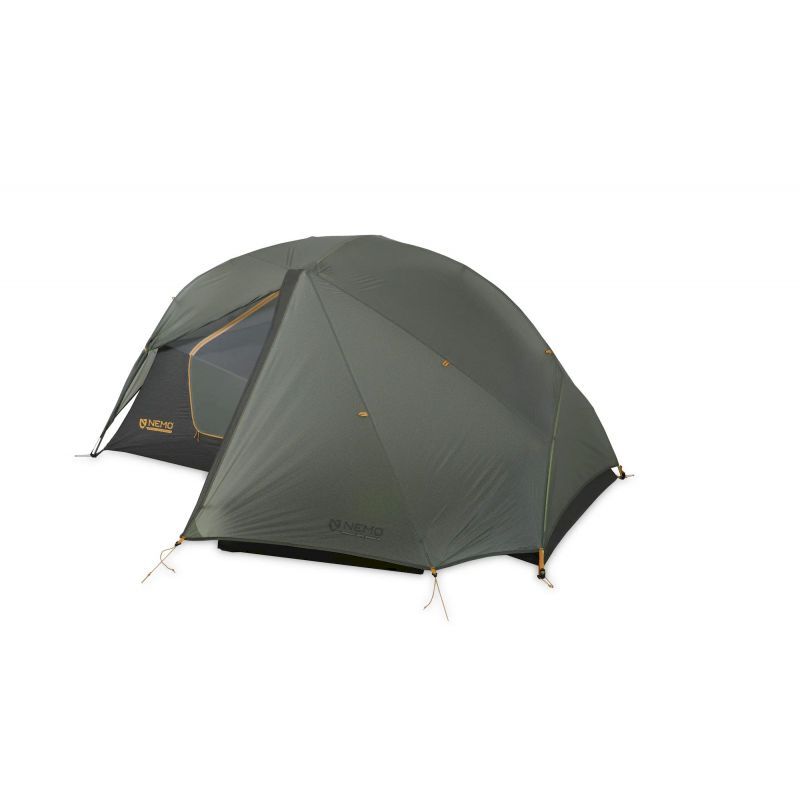
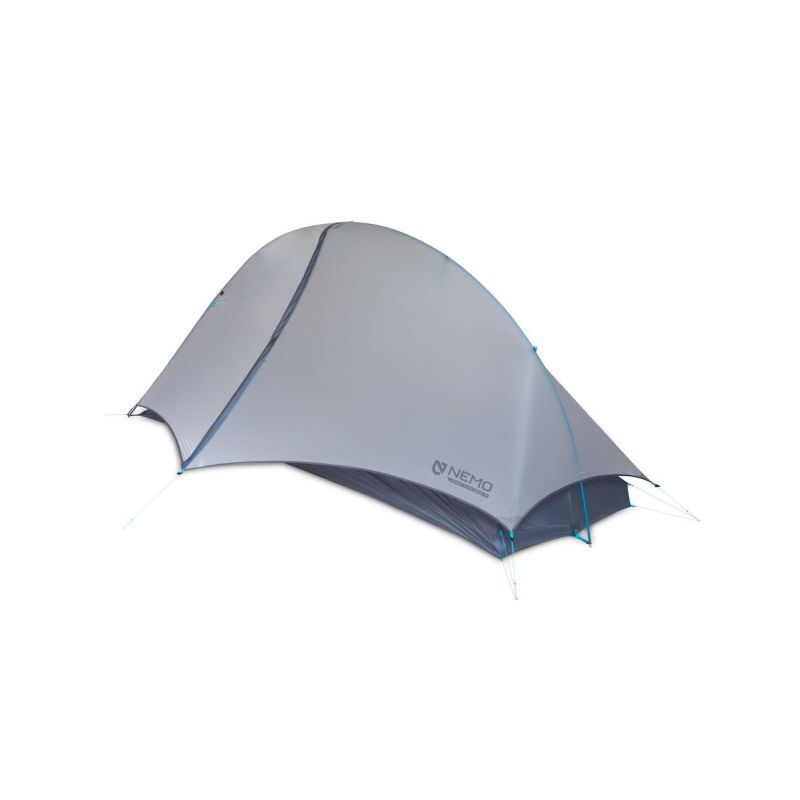
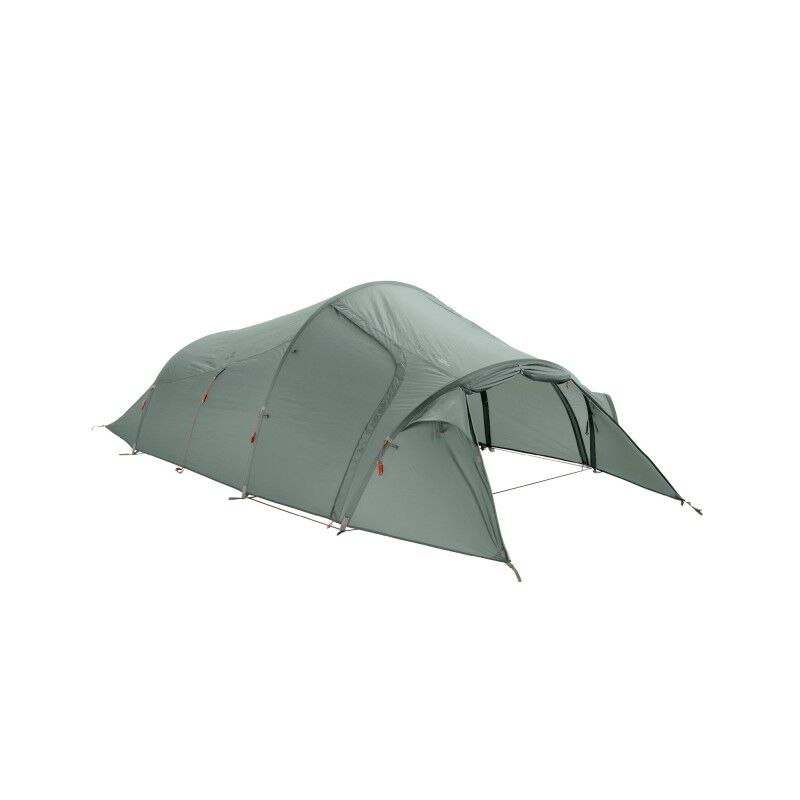
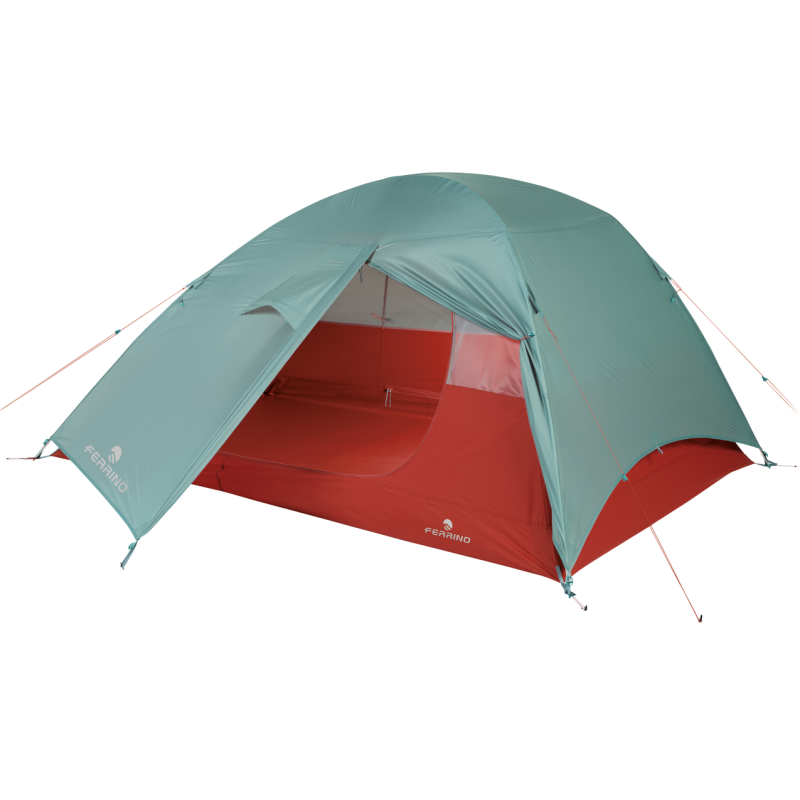
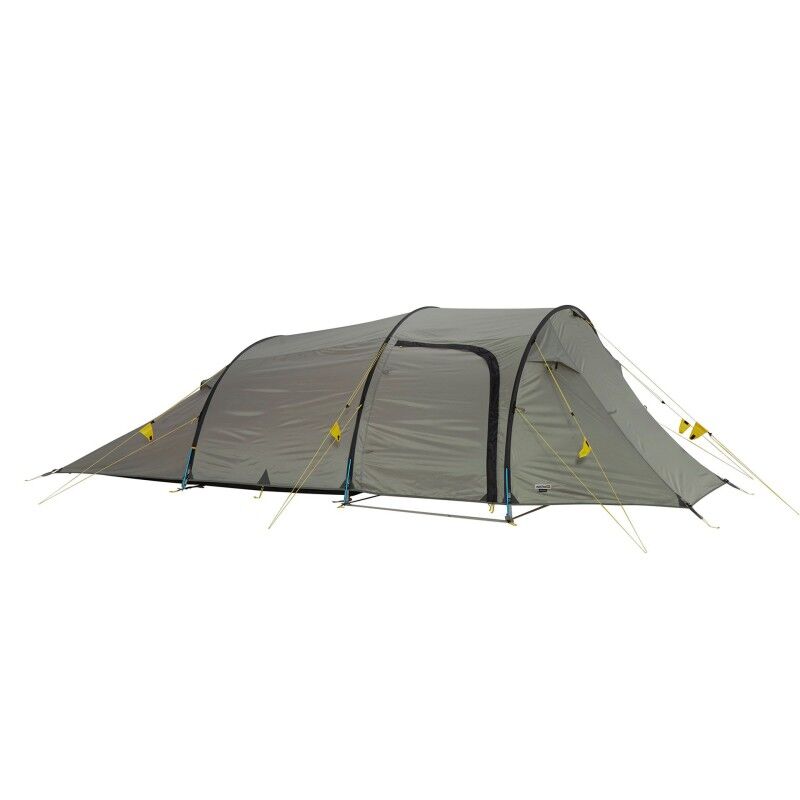
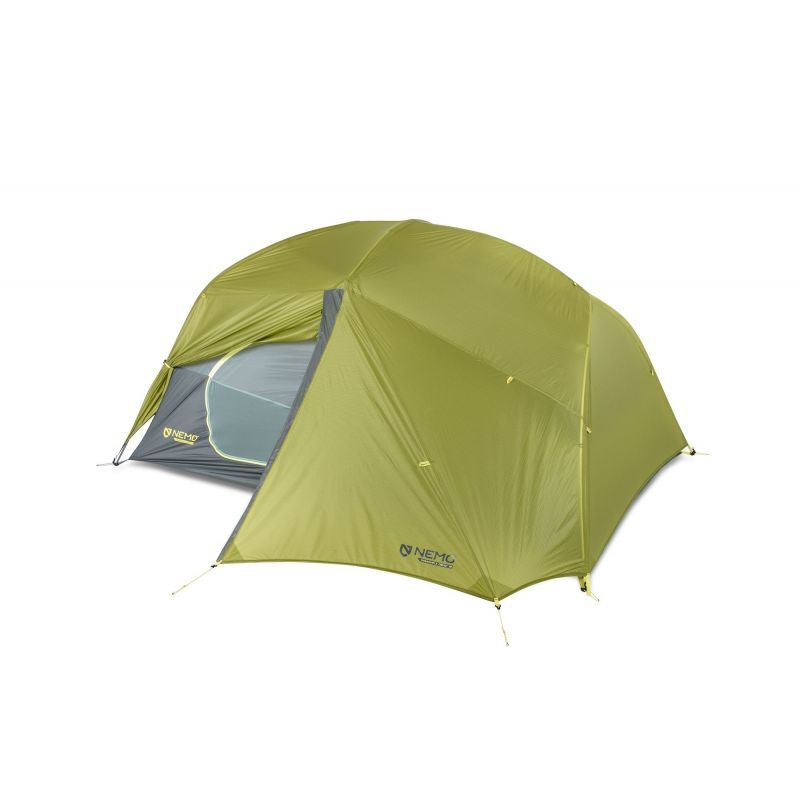
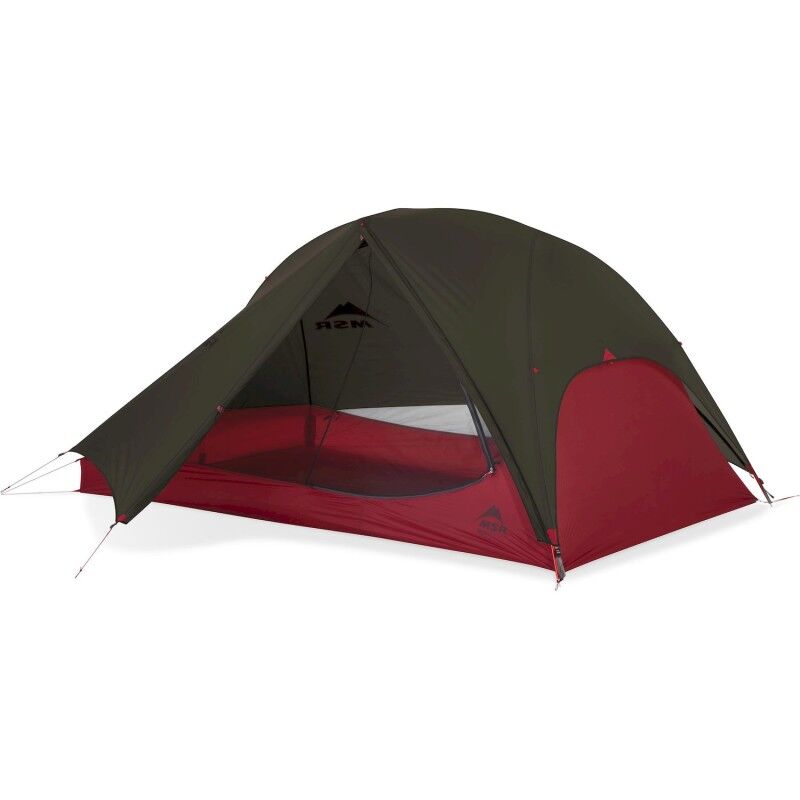
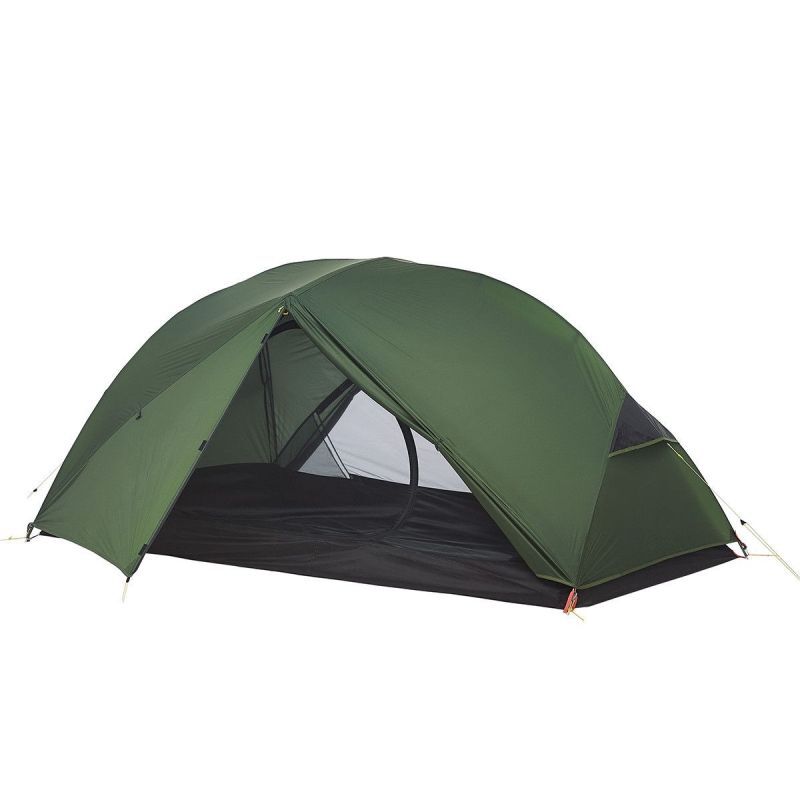


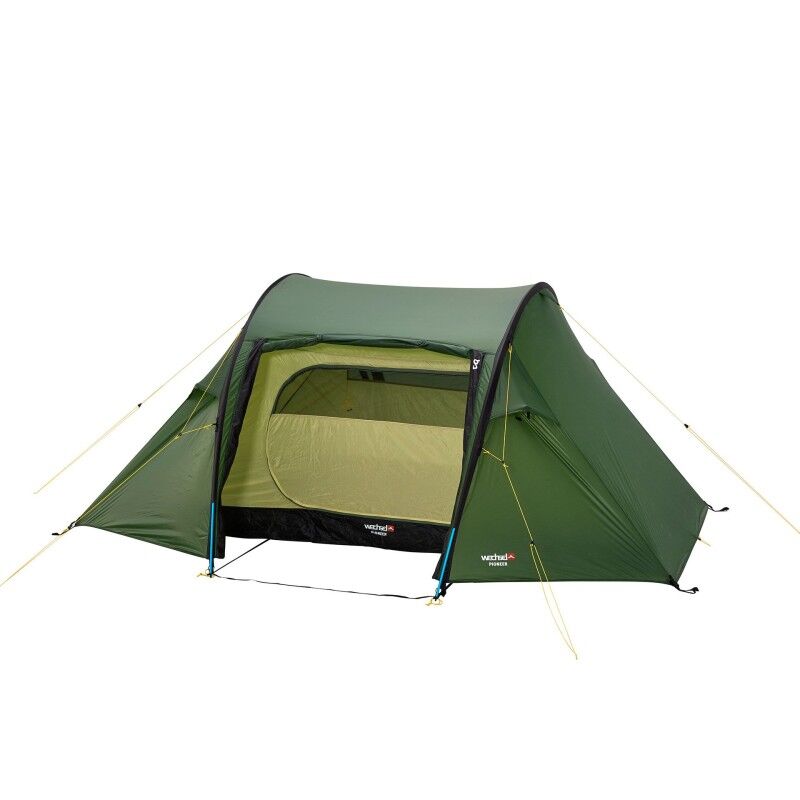
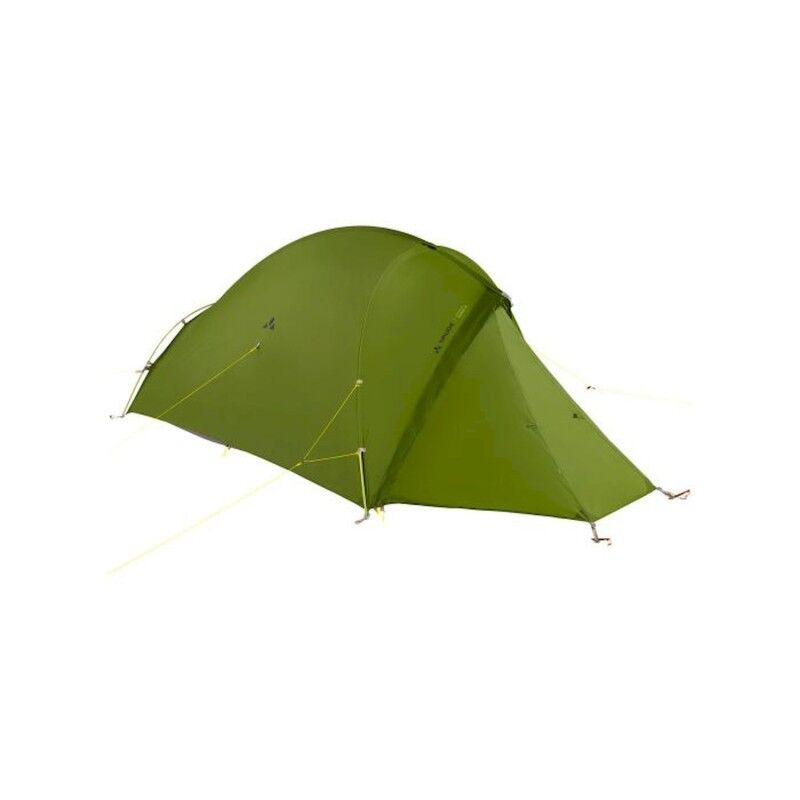
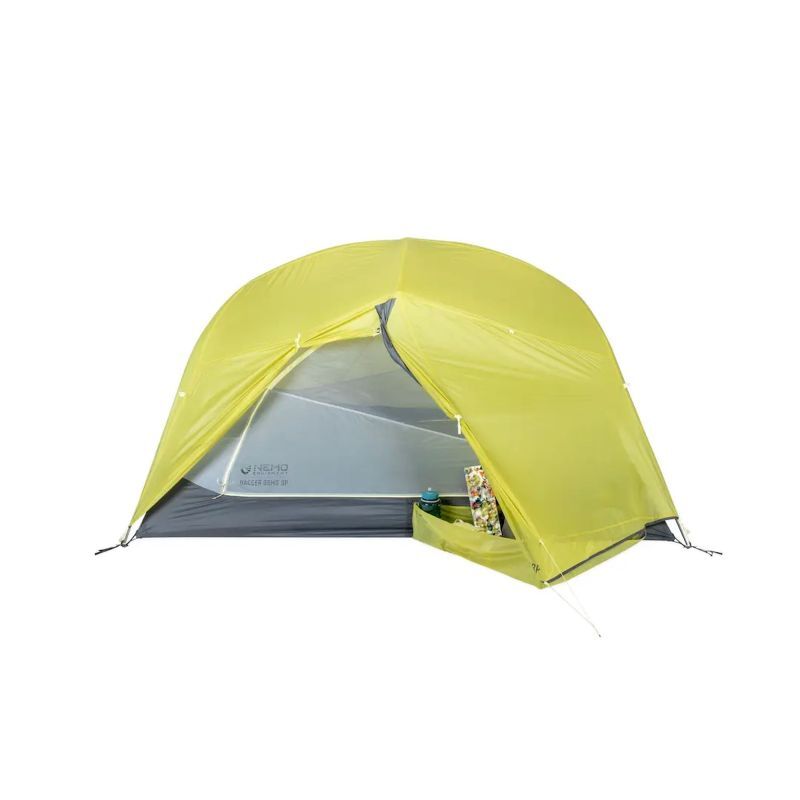
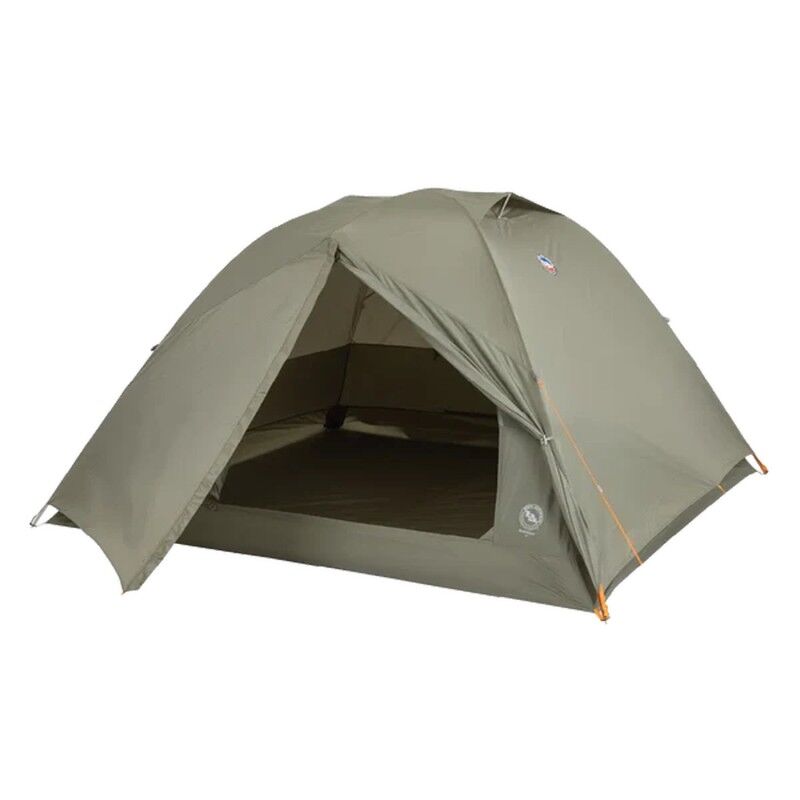
The Backpacking Tent, to Enjoy the Wild Outdoors
Are you setting out to conquer wild lands and wish to sleep close to these preserved spaces? Acquiring a backpacking tent will certainly provide you with comfort. Being able to set up your backpacking tent and lay out your sleeping bag after a tough day of hiking is an indescribable pleasure. However, it is essential that this same hiking tent is not too time-consuming to set up! The backpacking tent, unlike basic camping tents, is a lightweight and easily transportable tent. Armed with your headlamp, enjoy the landscapes bathed in twilight as you gently step out of your backpacking tent! Campers and hikers, you will be surprised by what the surrounding nature has in store for you.
Choosing Your Backpacking Tent Wisely
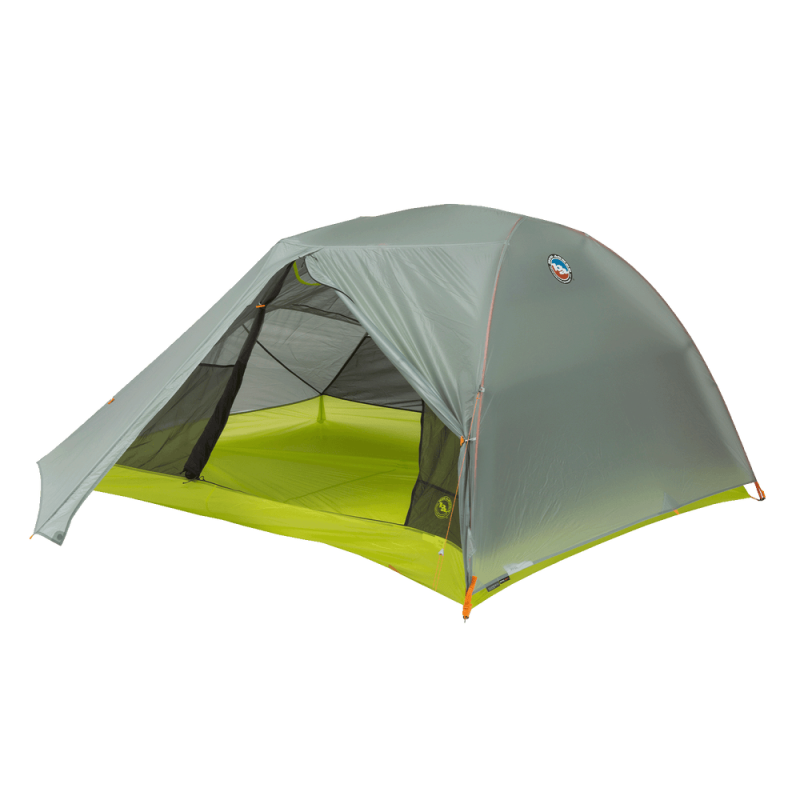
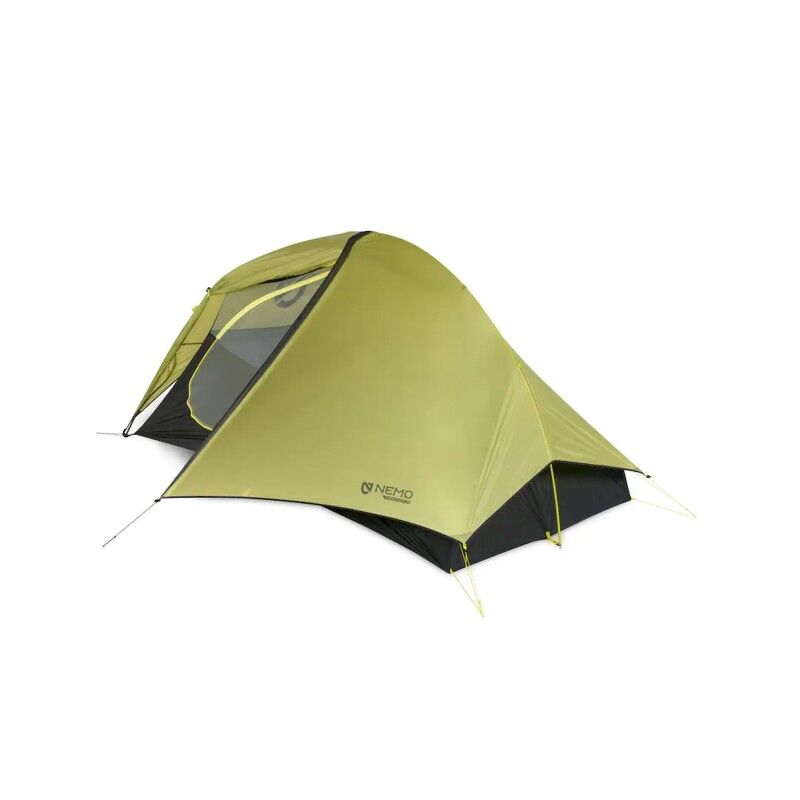
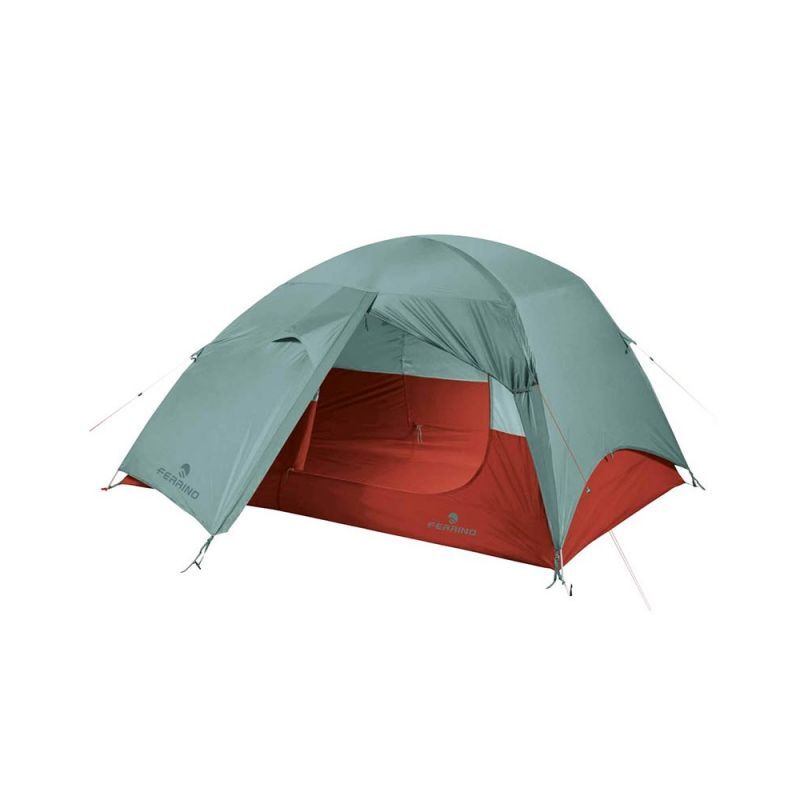
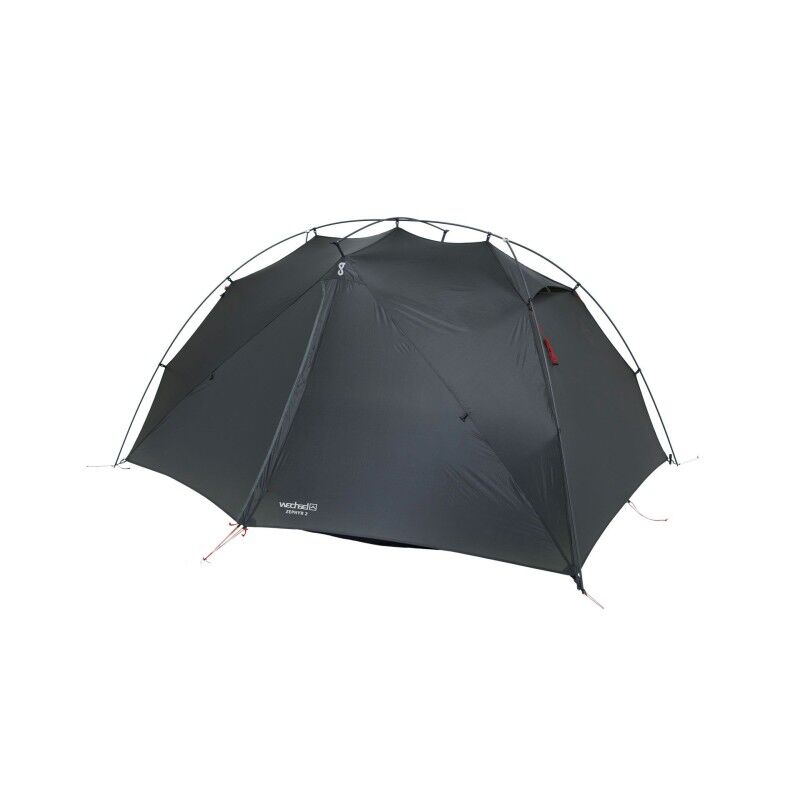
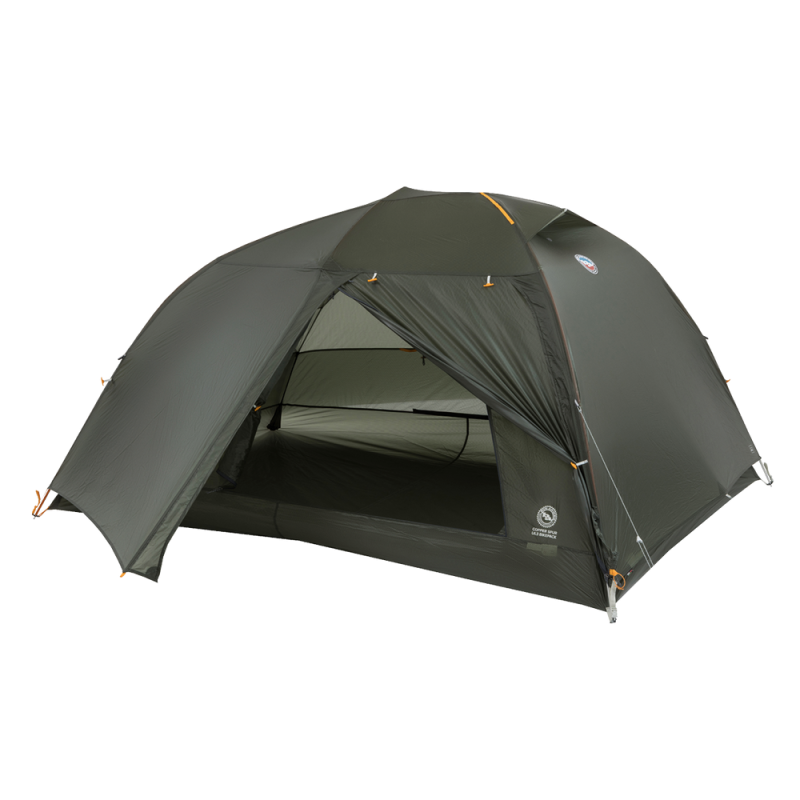
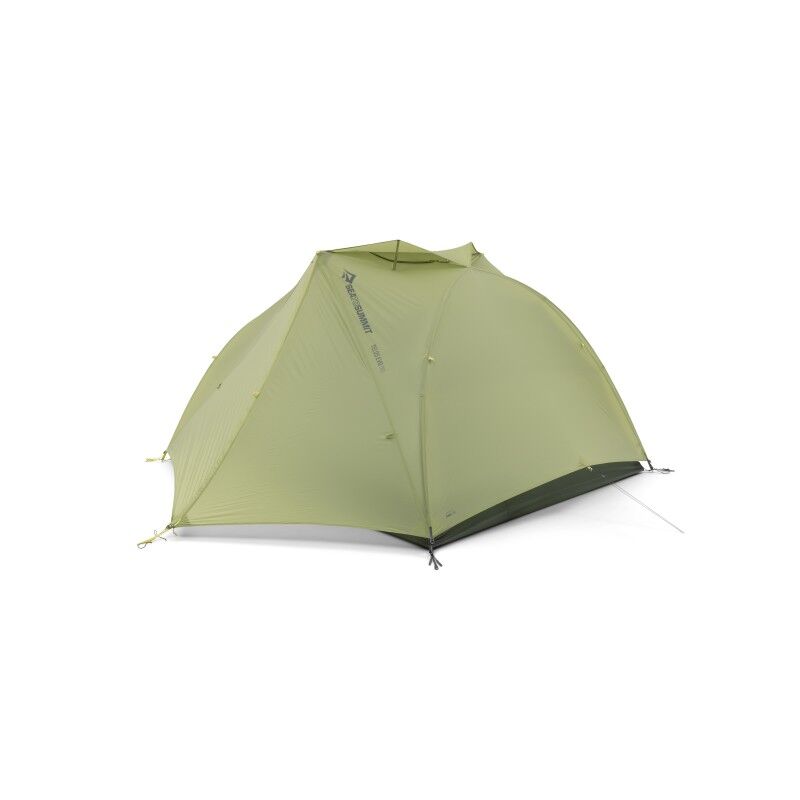
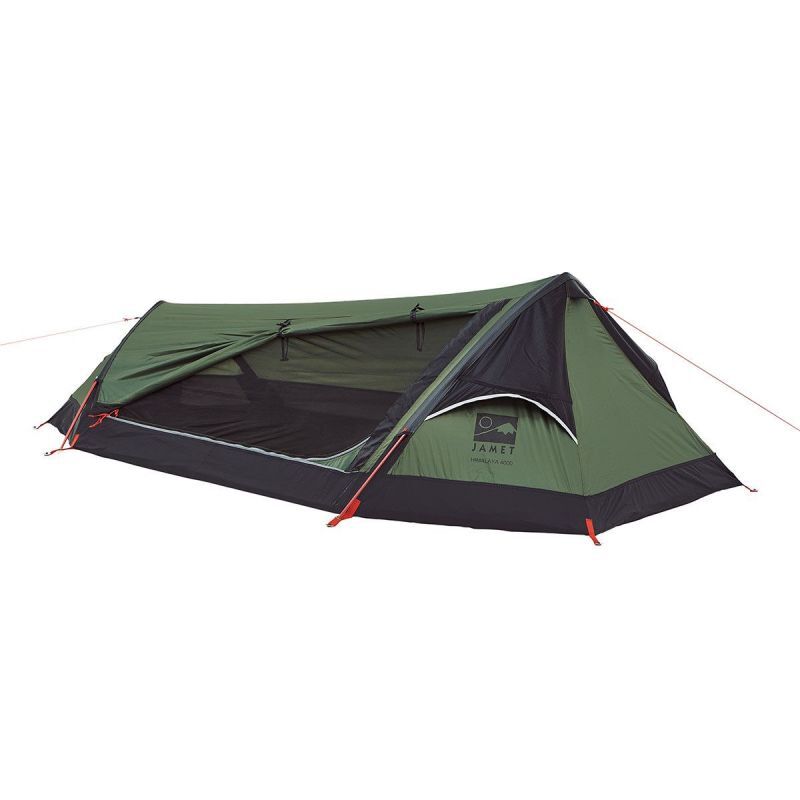
First, consider the weight. A very lightweight backpacking tent offers less comfort than a heavier one. It’s up to you to determine whether lightness takes precedence over comfort, or vice versa. To try to enjoy both qualities at once, you can opt for poles made from aluminium alloy or carbon, which are even lighter than aluminium and ideal for making your backpacking tent lighter while ensuring good stability. Next, consider the number of places your hiking tent offers. Naturally, 2 hikers will choose a 2-person backpacking tent, but in reality, those same hikers may find themselves short on space, especially if their camping gear is complete. By opting for a 3-person backpacking tent, outdoor enthusiasts can keep their backpacks and hiking shoes safe from moisture.
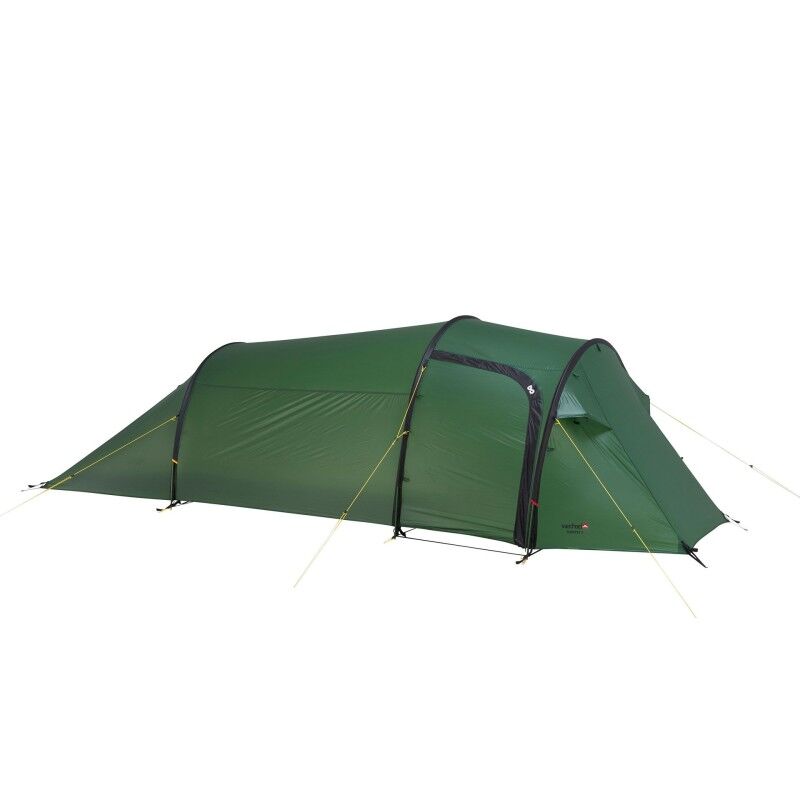
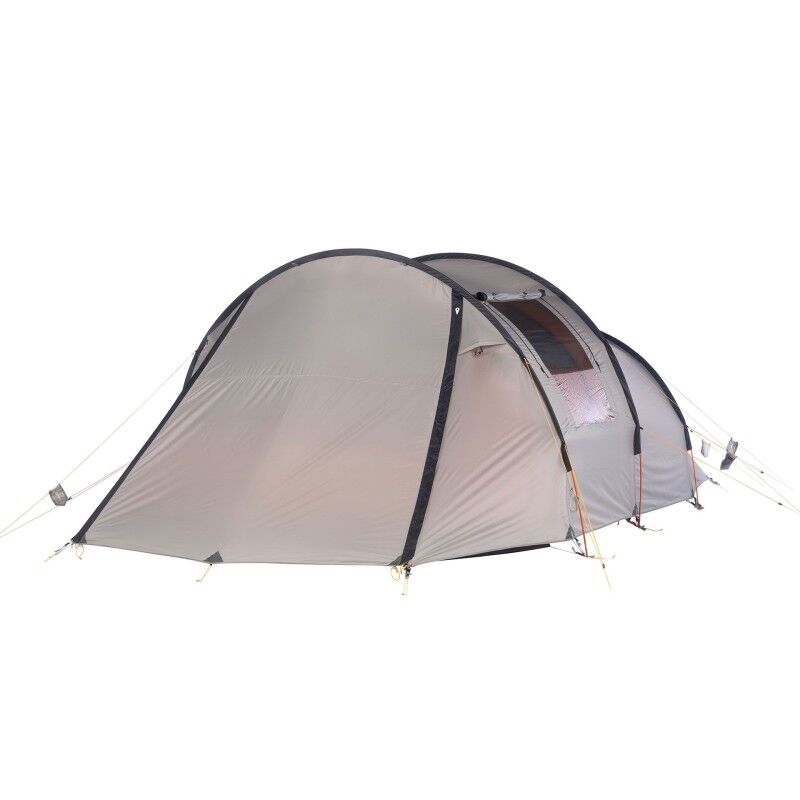
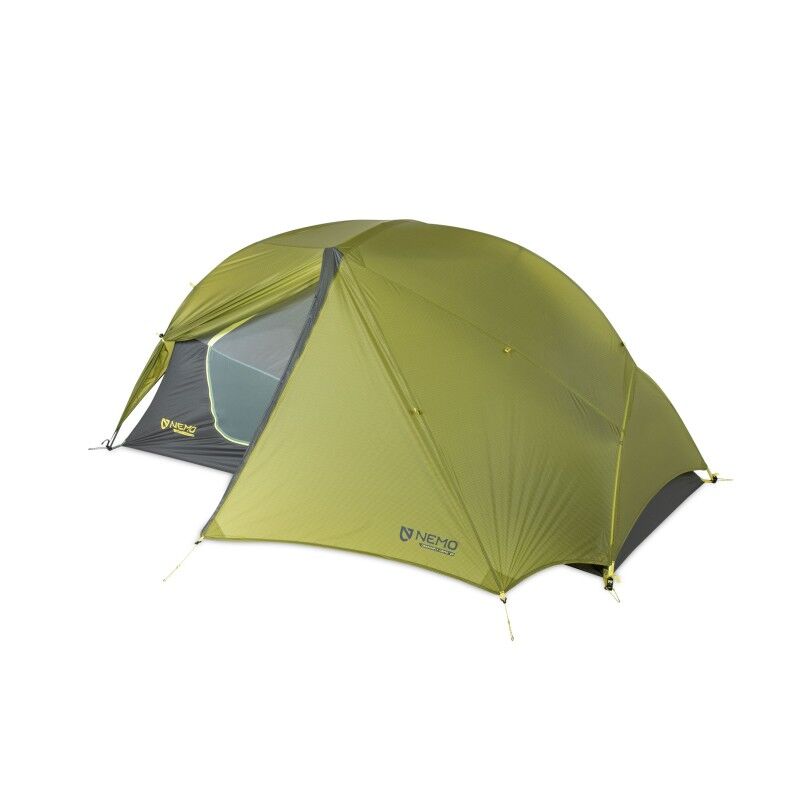
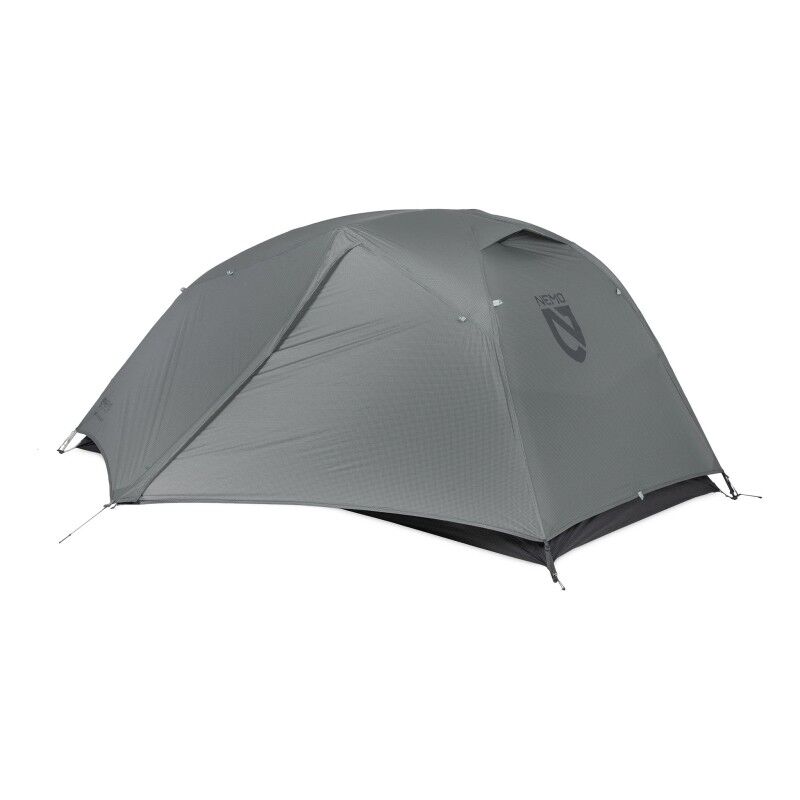
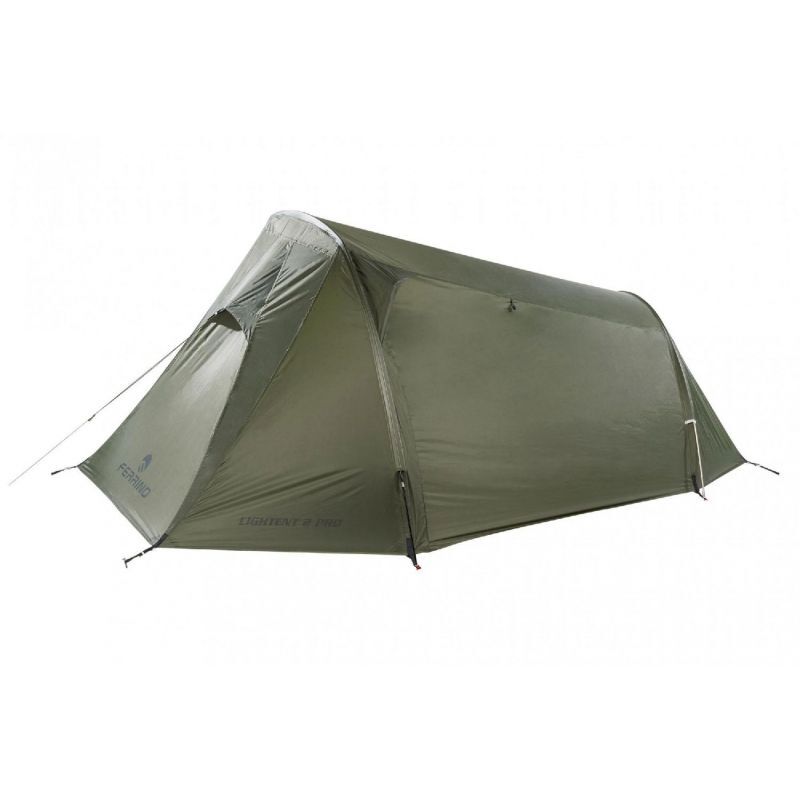
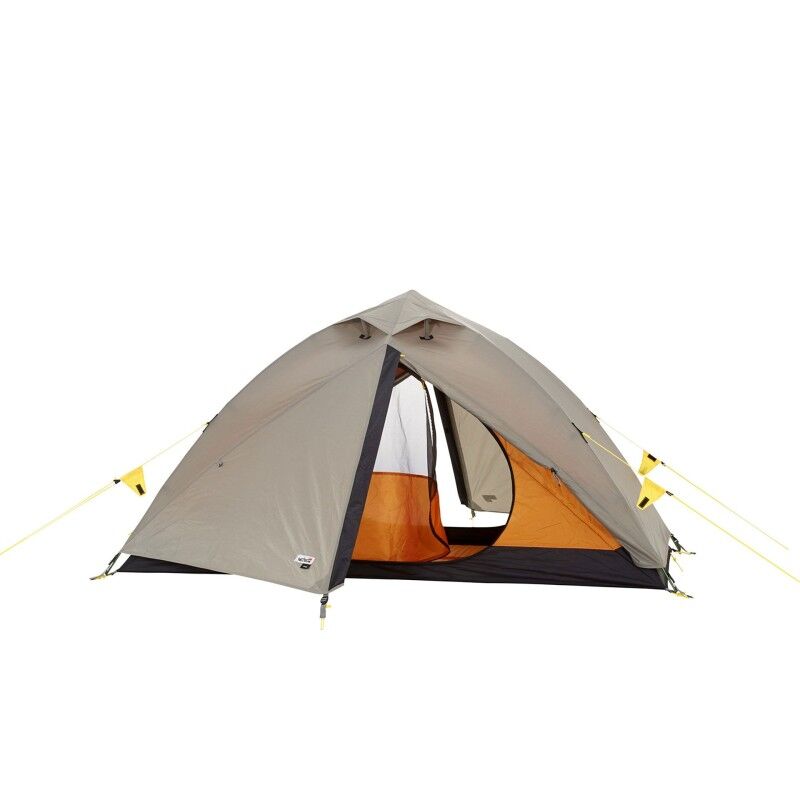
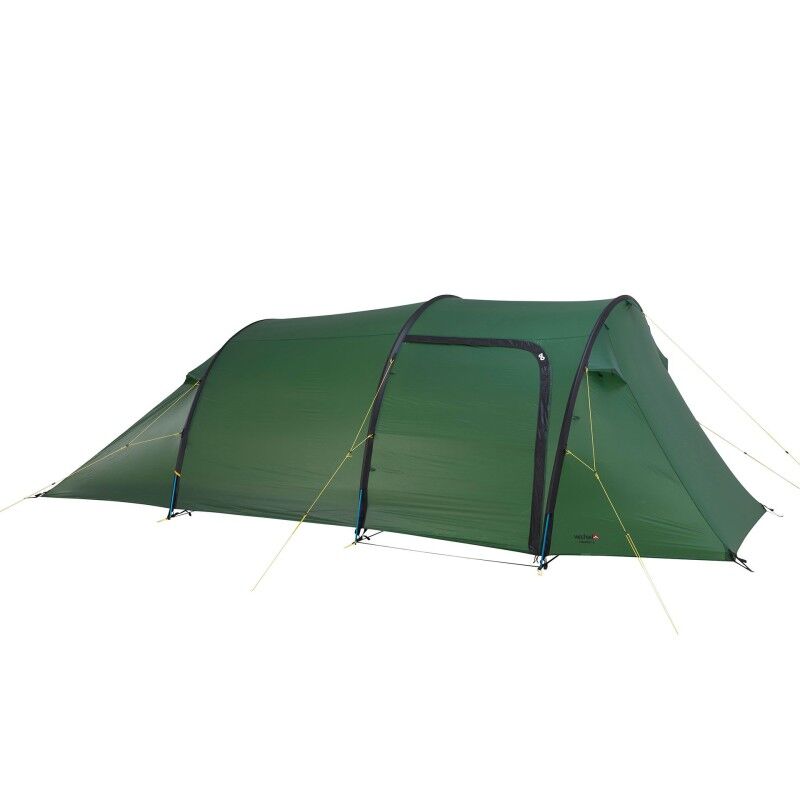
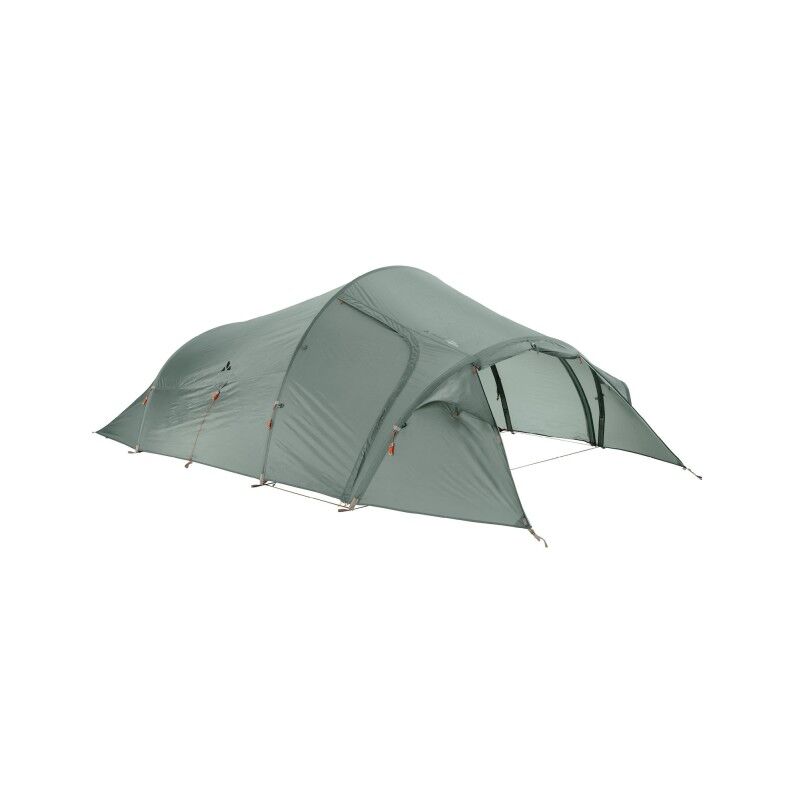
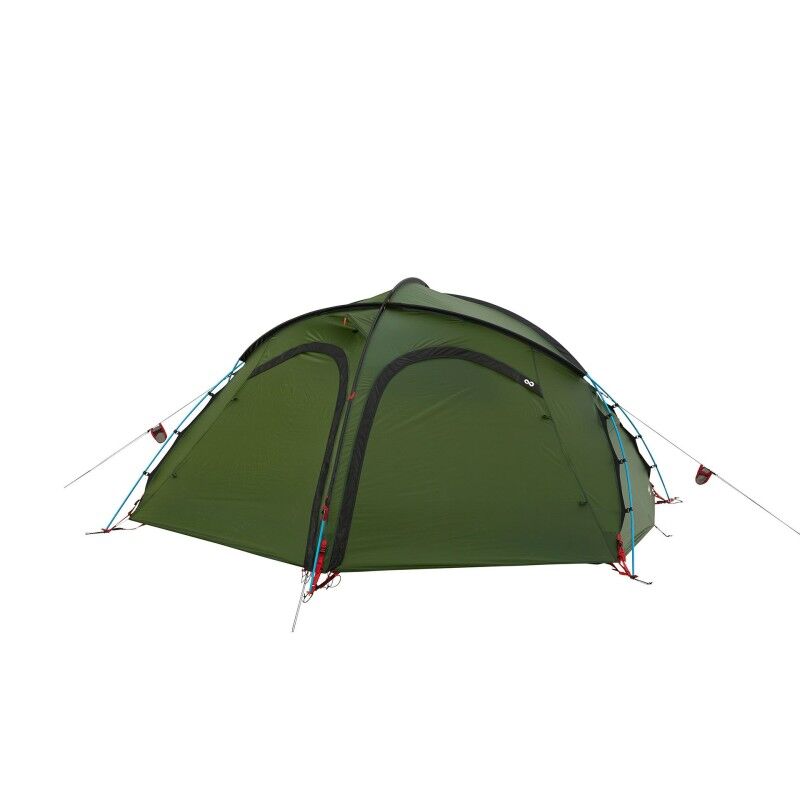
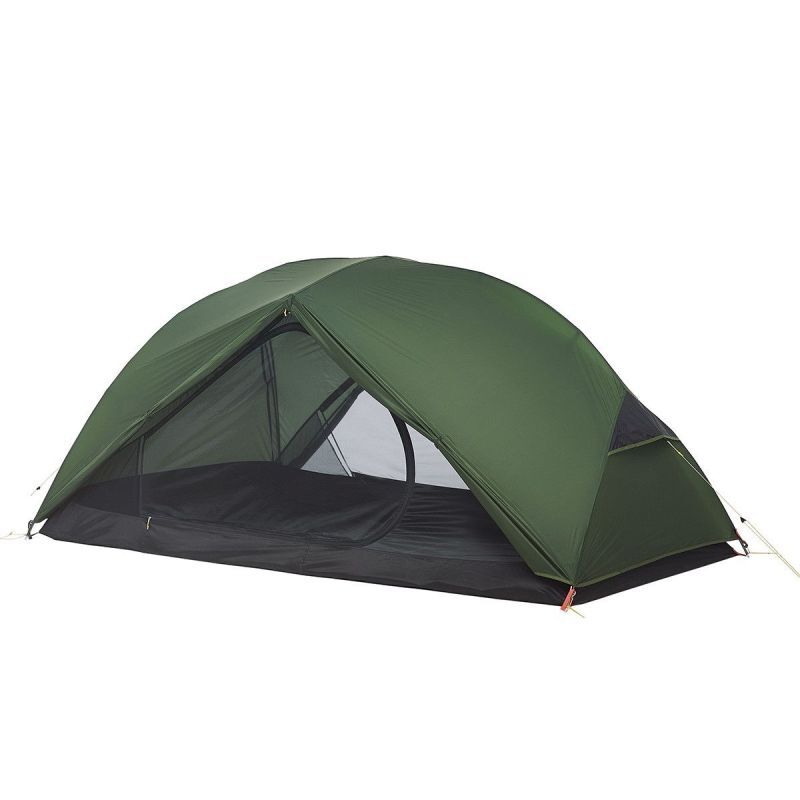
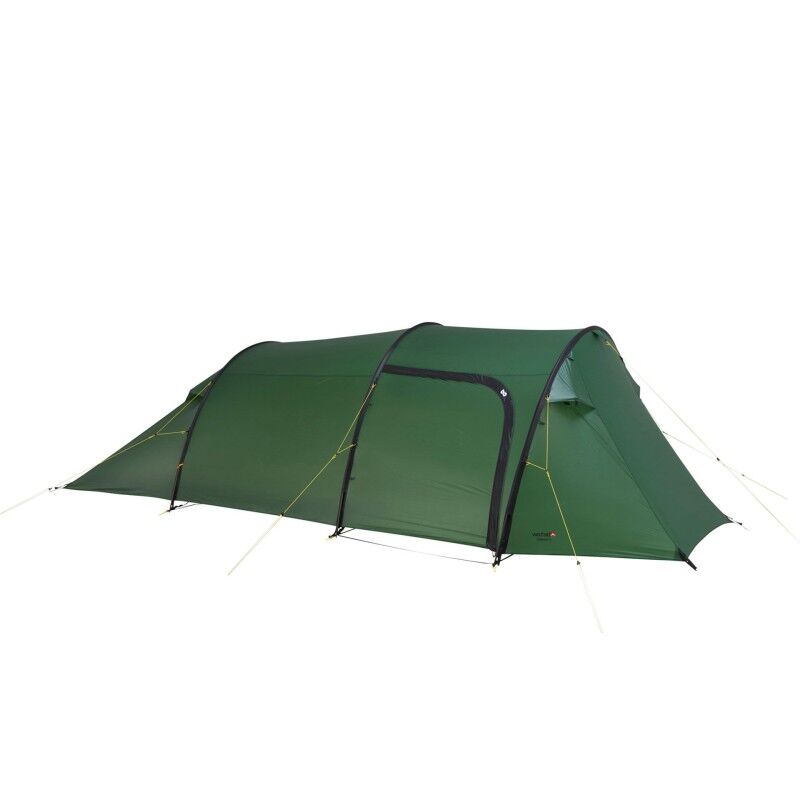
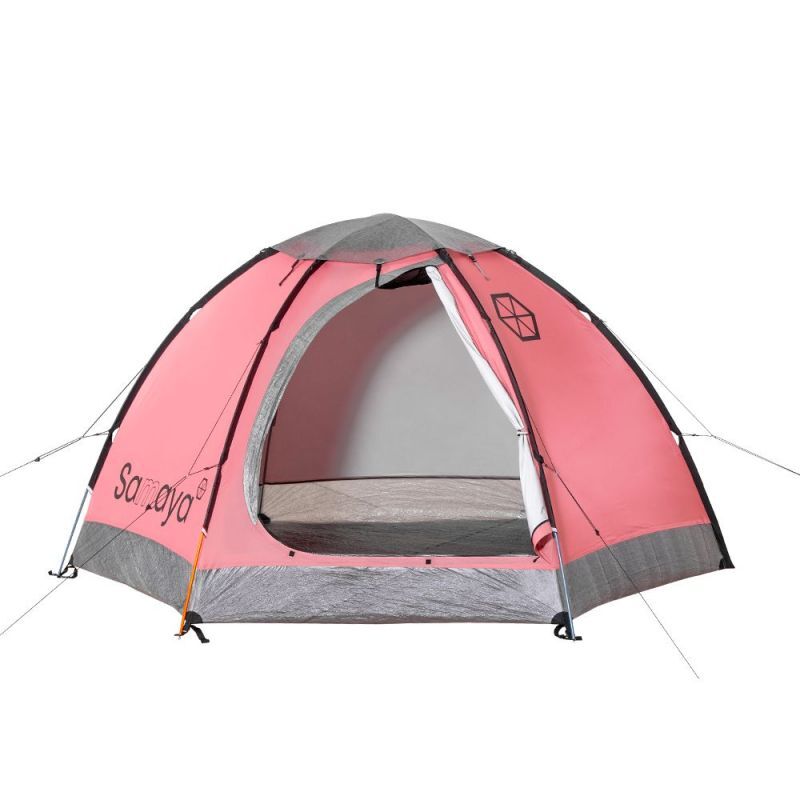
Next, you need to choose the shape of your trekking tent. This depends on your activities and the locations where you wish to pitch your backpacking tent. Dome tents, also known as igloo tents due to their shape, are easy to set up thanks to the presence of two crossing poles. The dome tent and the igloo tent provide ample space but have a high wind resistance, so they should be avoided if you are staying in the mountains during a high-altitude trek like the Annapurna Circuit. In contrast, tunnel tents offer optimal wind resistance, but their setup is more complex than that of dome and igloo tents.
To make the most of the unique light in the regions you visit and to maintain shape despite a rainy climate throughout your stay, the colour of your backpacking tent should be chosen carefully. Opt for a light colour so that more light can penetrate your tent, and so you can easily find your belongings.
If you wish to explore the Mont-Blanc and Beaufortain massifs while hiking the Tour du Mont-Blanc, you must prepare, even in summer, to encounter some rainy episodes. Therefore, it is important to consider the seams of your backpacking tent. Thermo-welds are the most resistant seams against various weather conditions, capable of making your backpacking tent waterproof.
Finally, good ventilation is the key to a successful backpacking tent adventure! To enjoy a restorative sleep after traversing the trails and peaks of your stage, it is important to ventilate the inside of your trekking tent well to allow oxygen in and minimize condensation.
The MSR Tent, the Choice of Quality
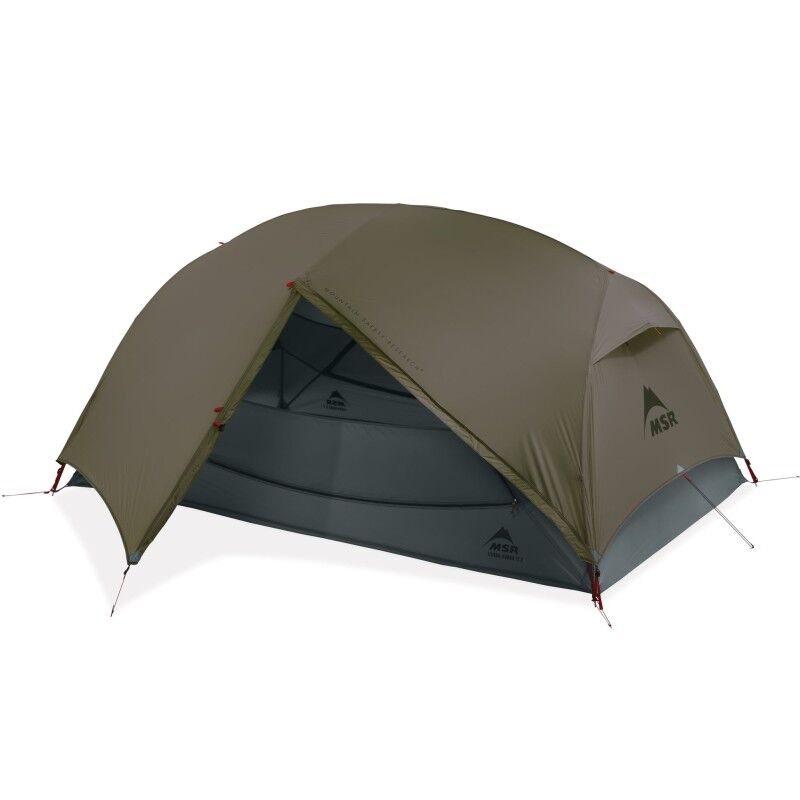
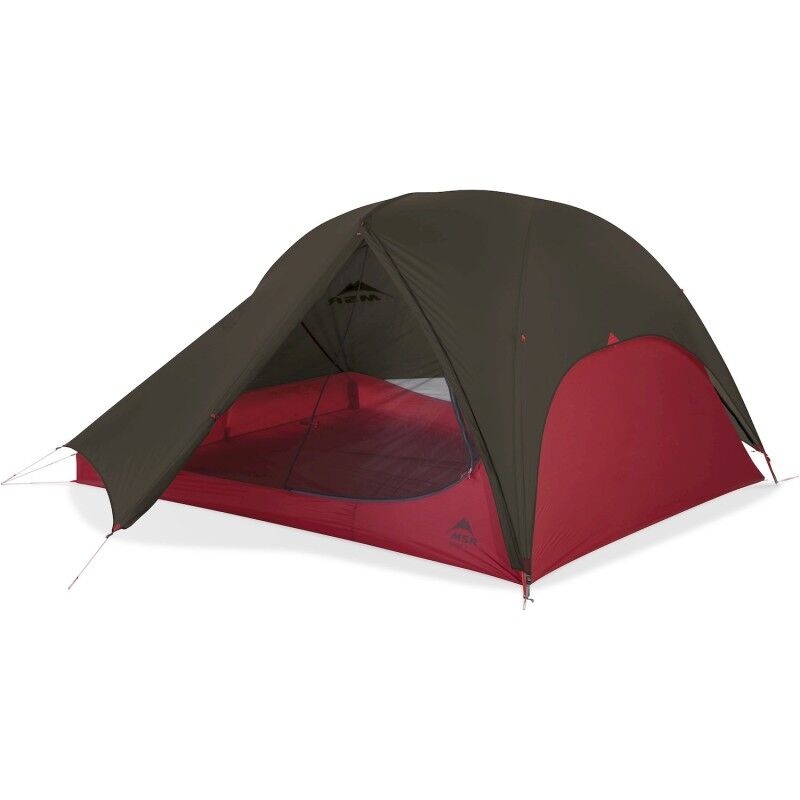
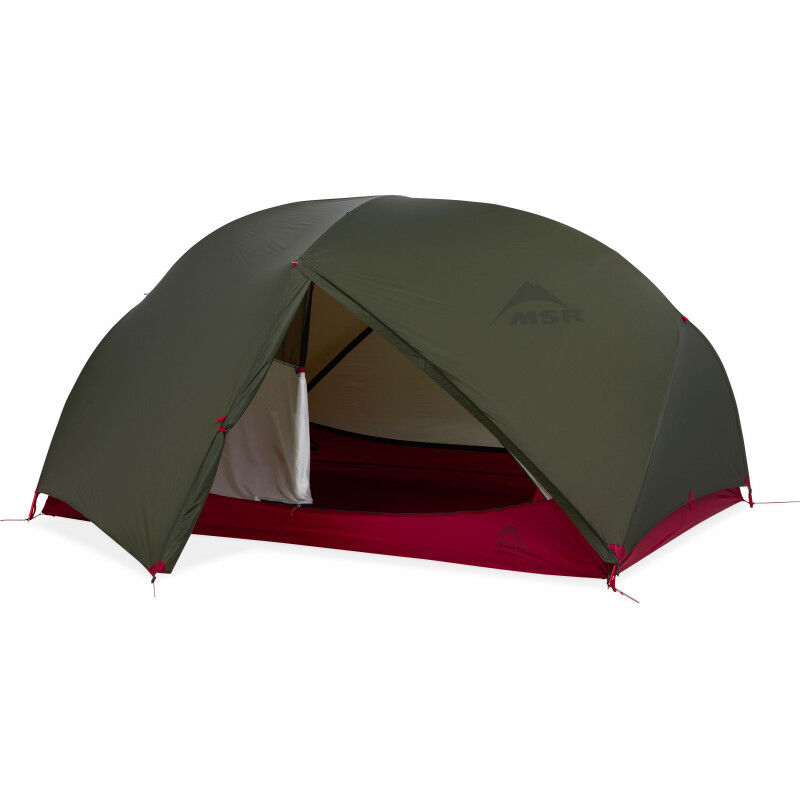
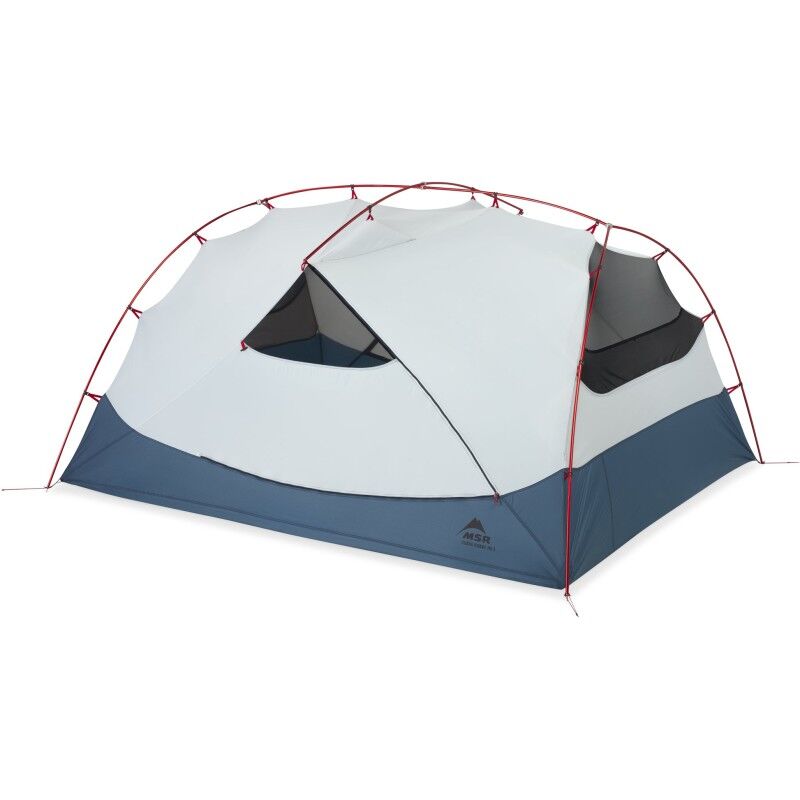
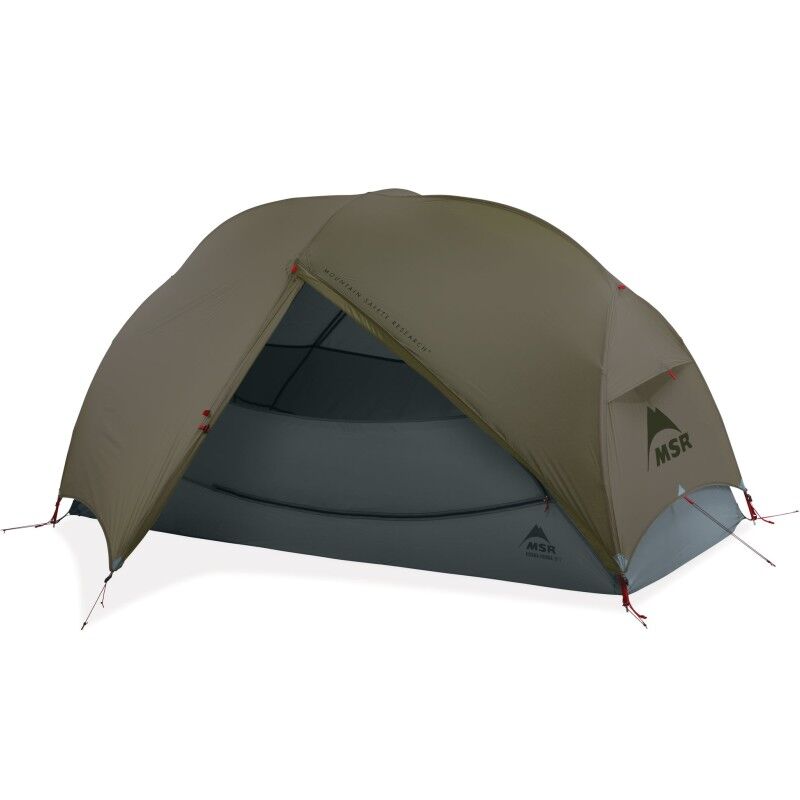
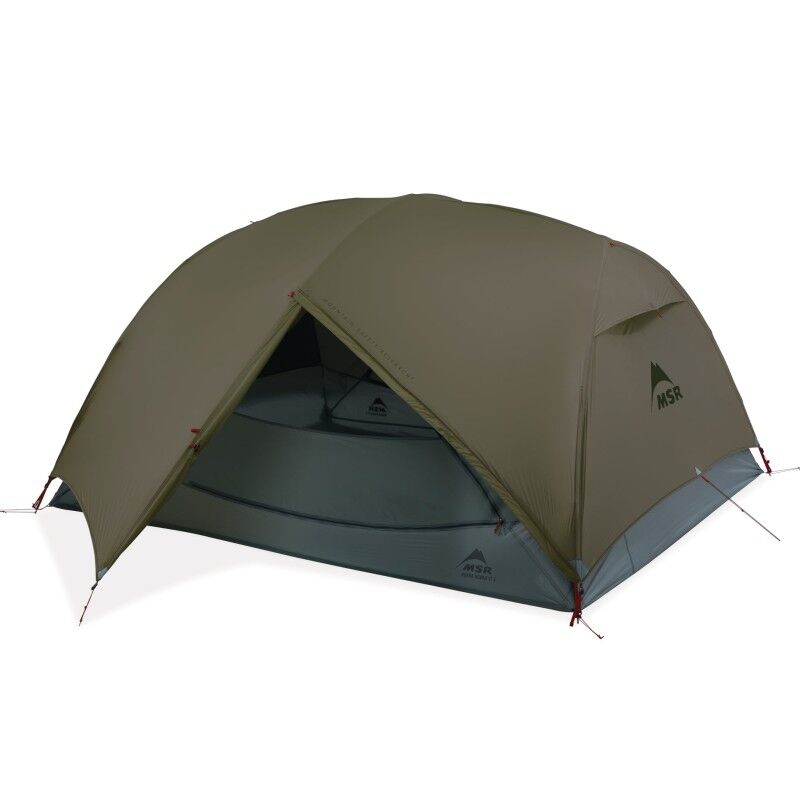
Every adventurer deserves a good hiking tent, and the brand MSR meets this demand. The American brand MSR indeed offers a significant number of models of MSR backpacking tents, focusing on the versatility of these tents, ease of setup, lightweight design, and the best possible insulation. The Hubba Hubba NX tent, a best-seller from MSR, boasts many qualities developed by the brand. Featuring particularly effective ventilation thanks to its adaptable double roof and two large StayDry™ doors with integrated gutters, the Hubba Hubba NX camping tent allows moisture to escape and keeps you dry. This backpacking tent also incorporates Ripstop nylon, a technique that makes the nylon more robust and tear-resistant. For a backpacking tent that withstands the test of time and wind, hikers and campers can turn to the MSR tent and the many models in the range.