
Ski Goggles
(1314)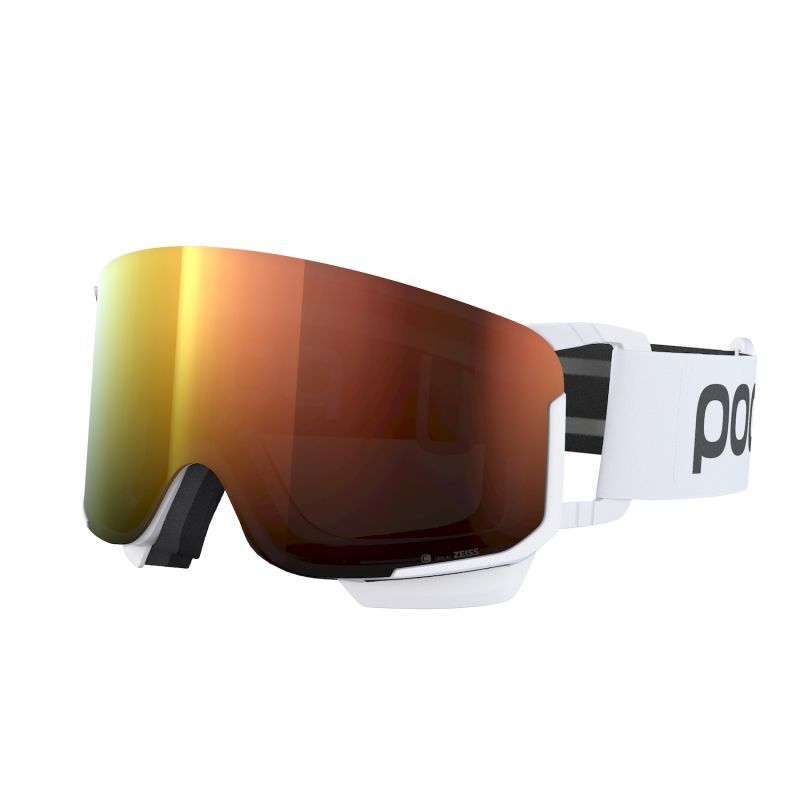
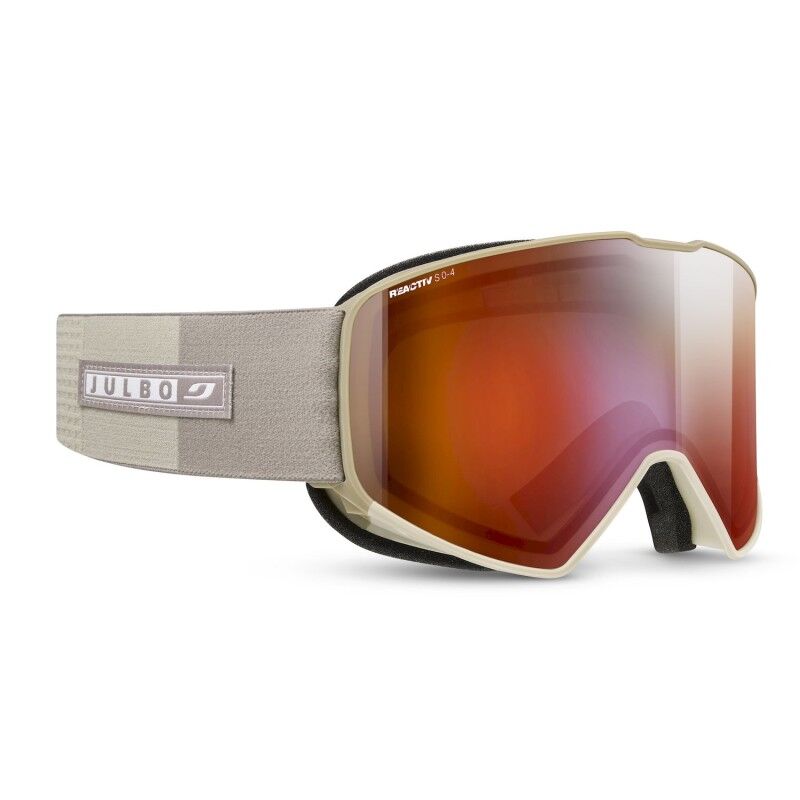
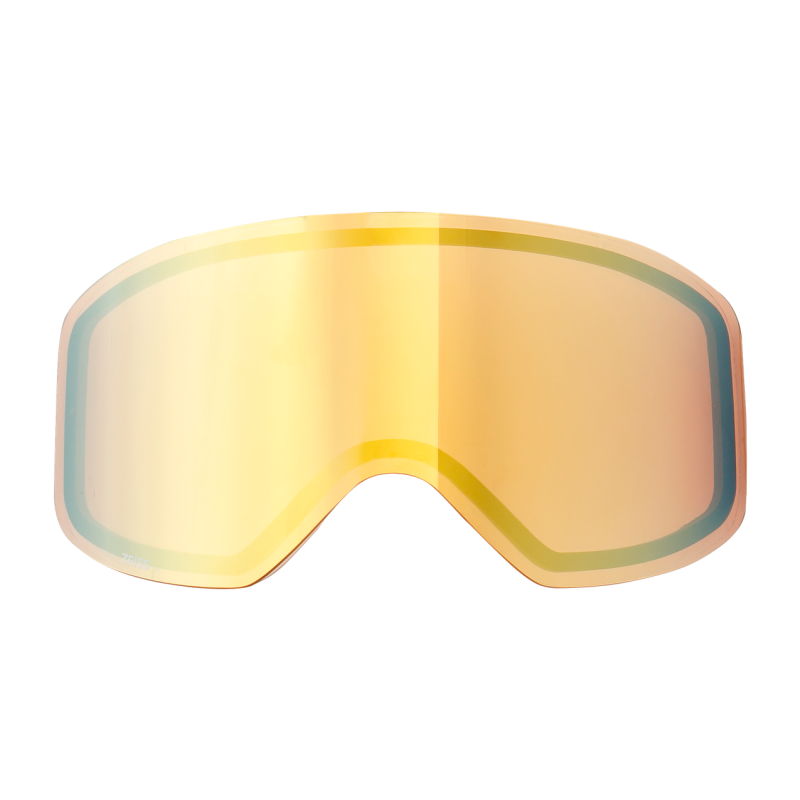
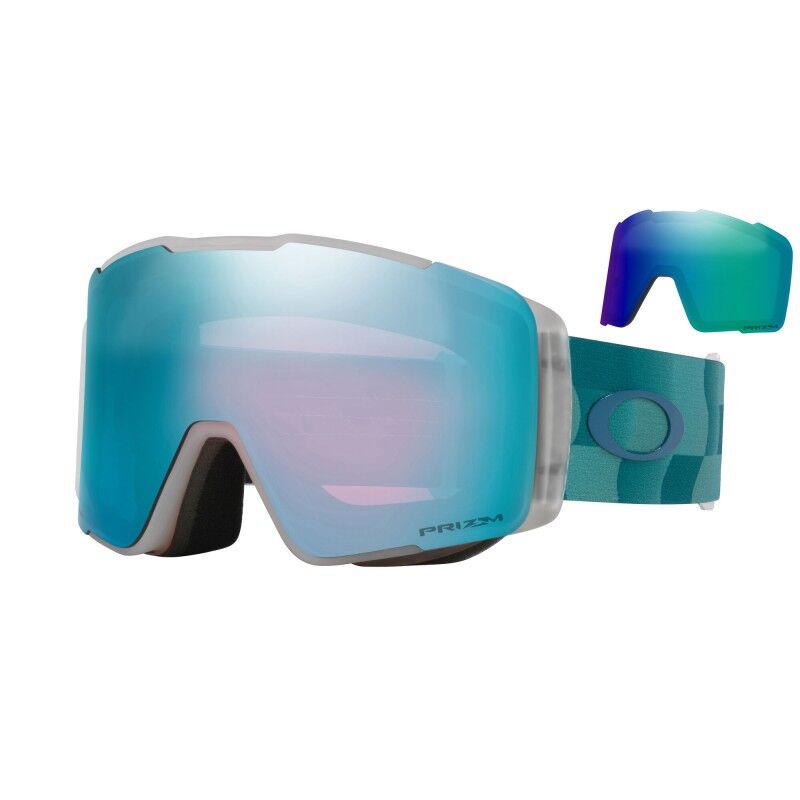
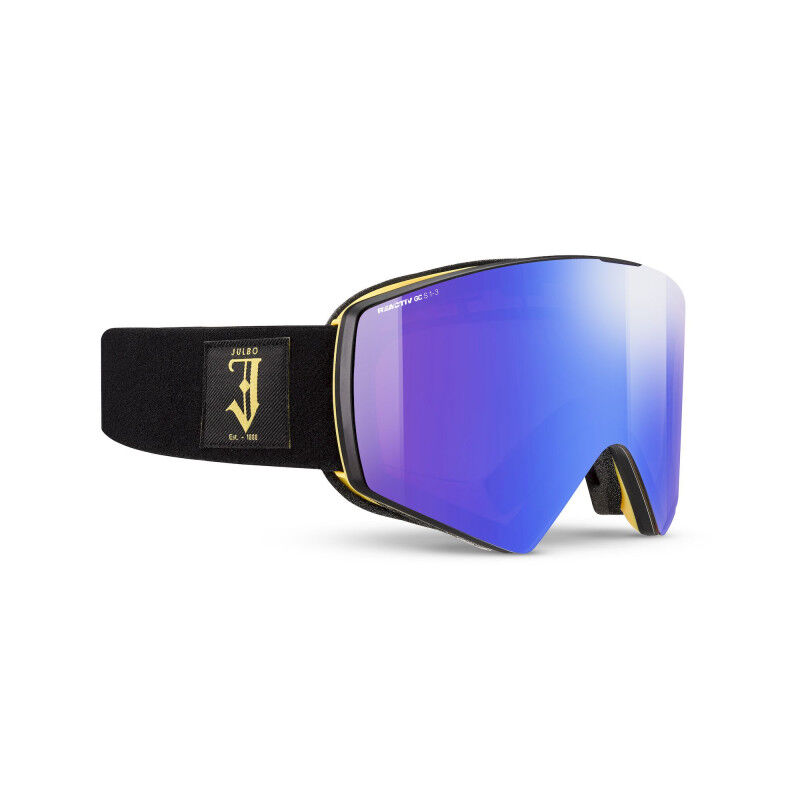
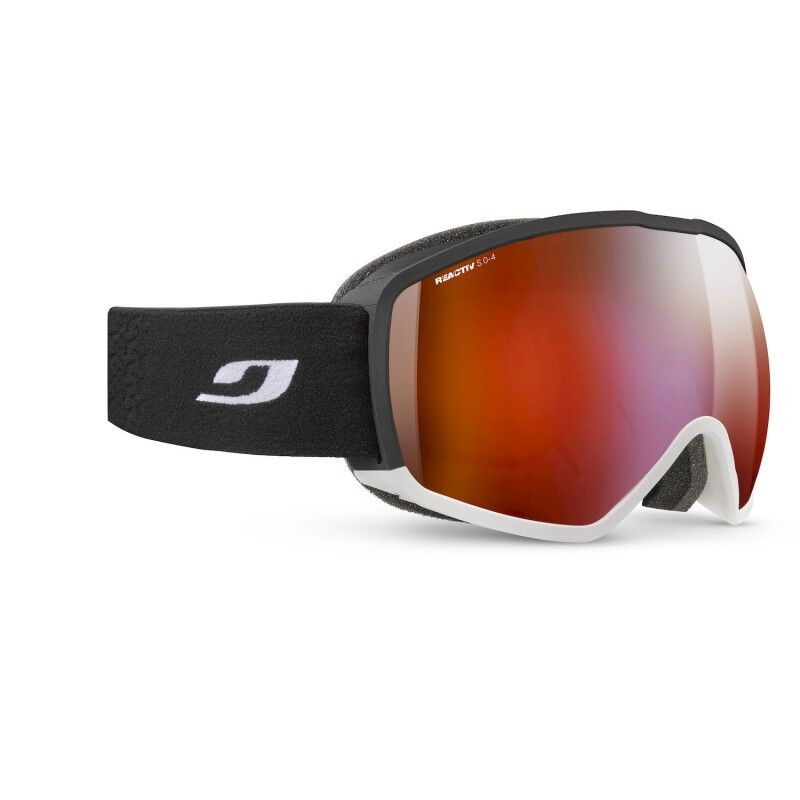
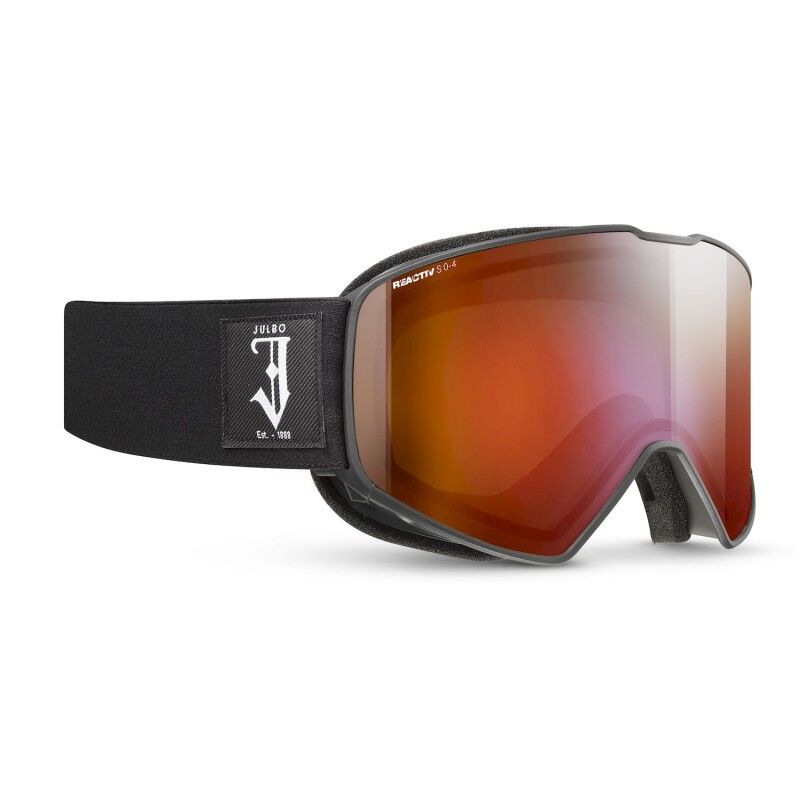
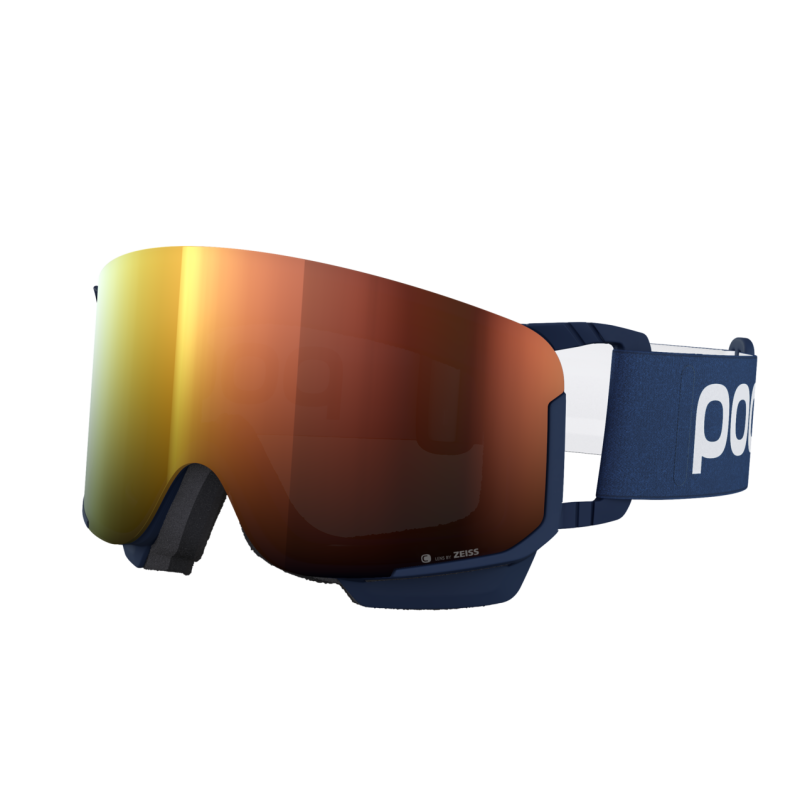
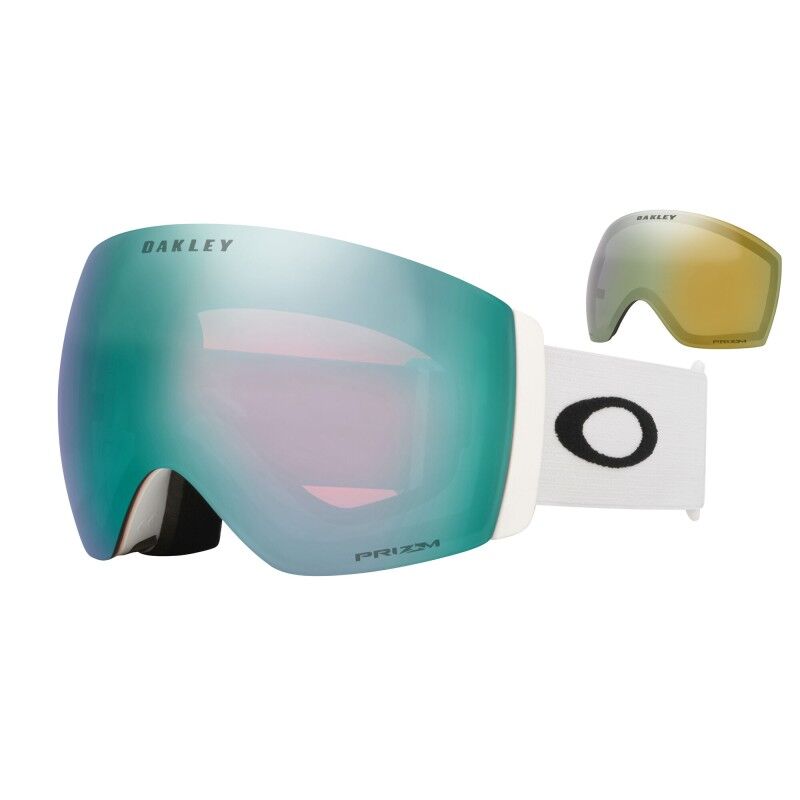
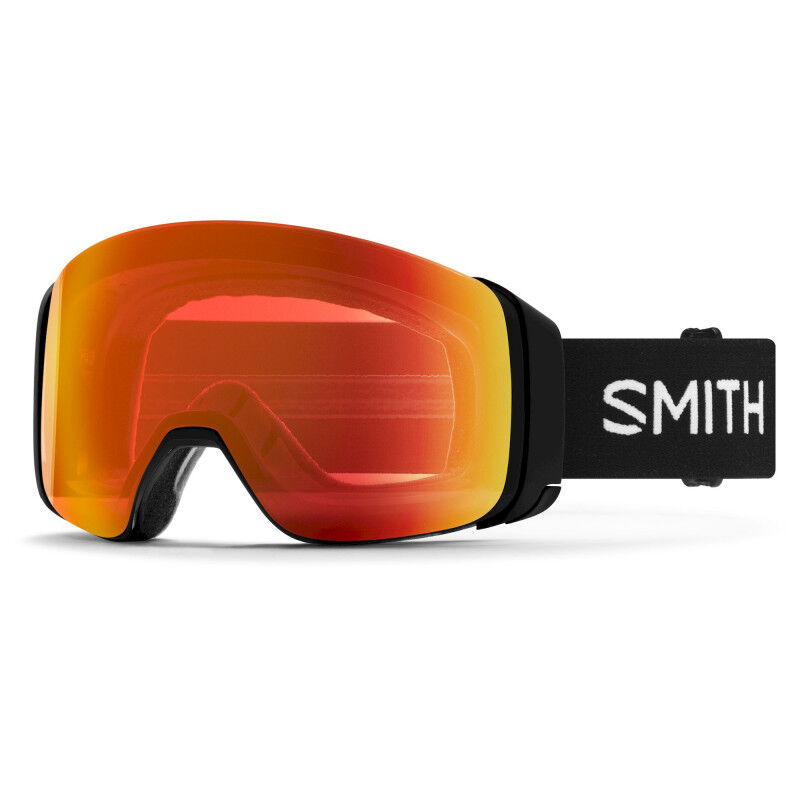
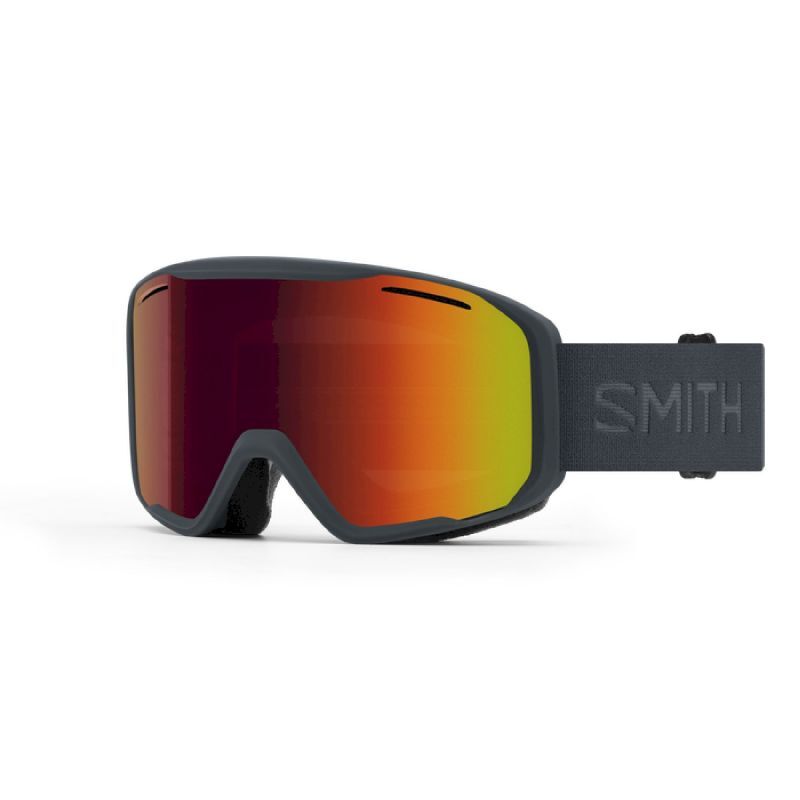
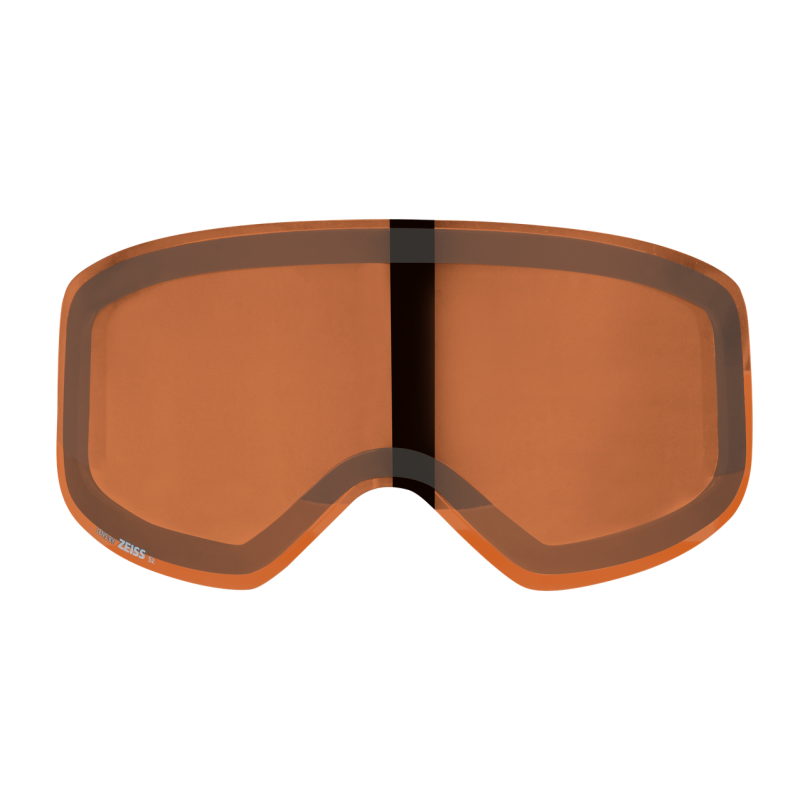

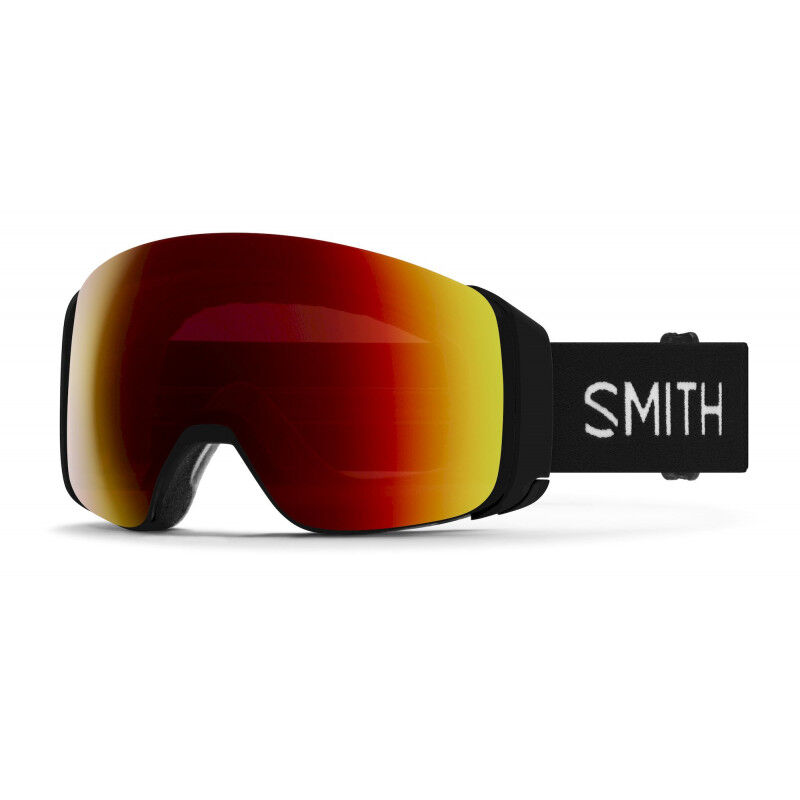
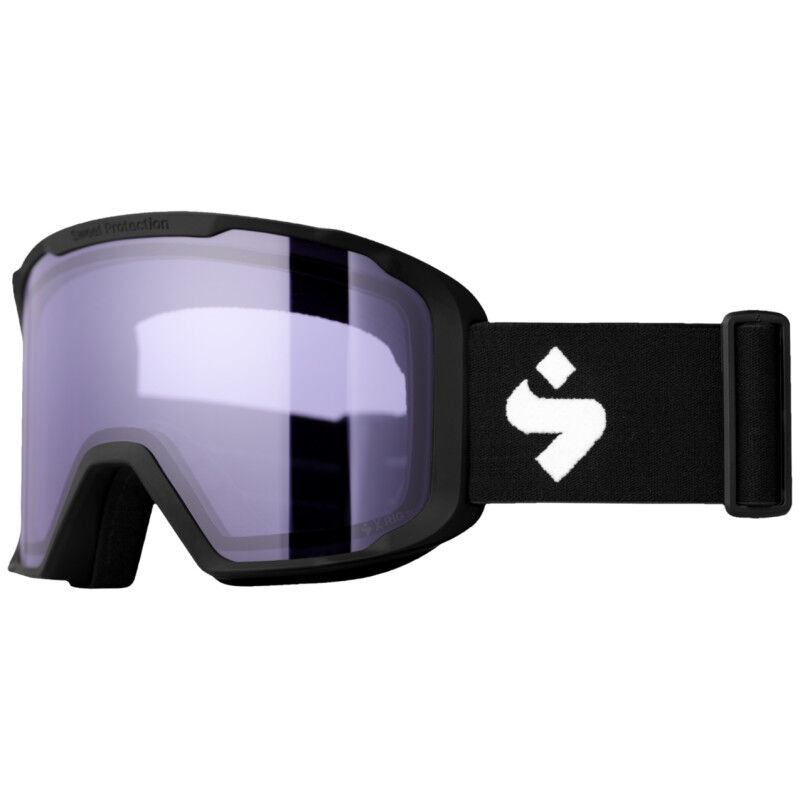
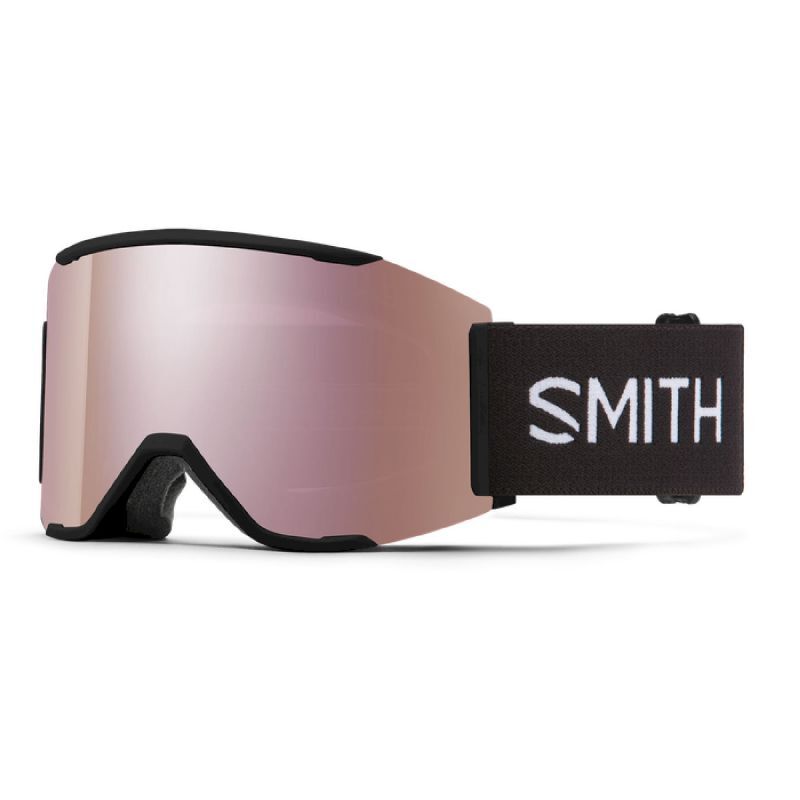
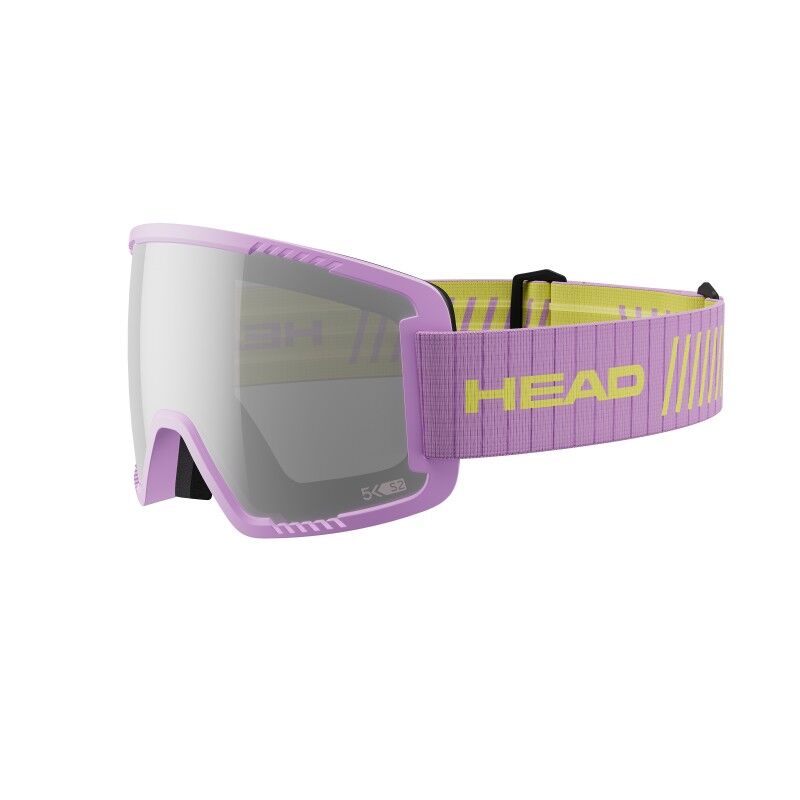

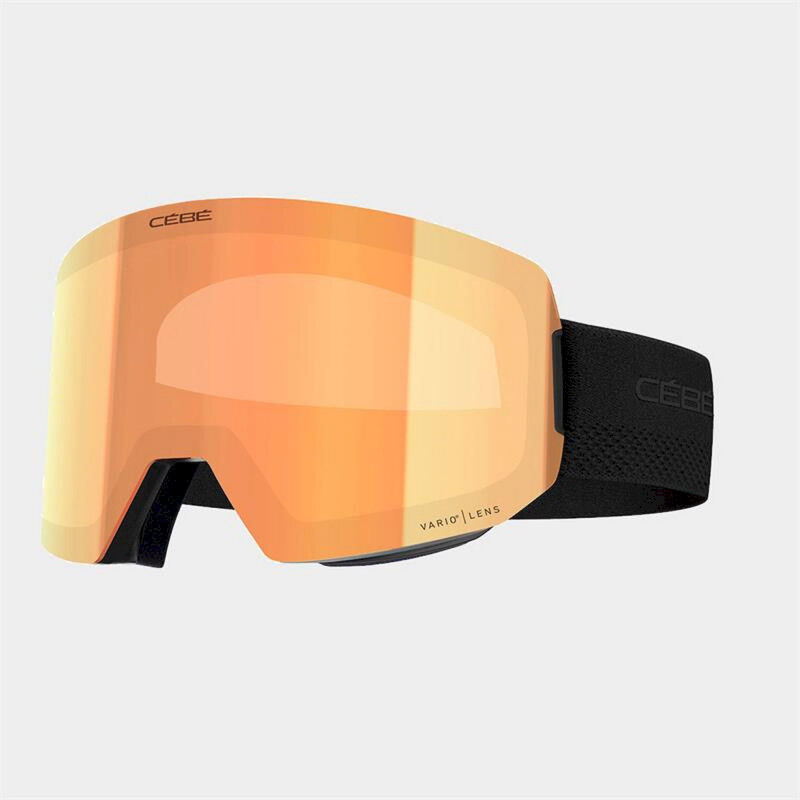
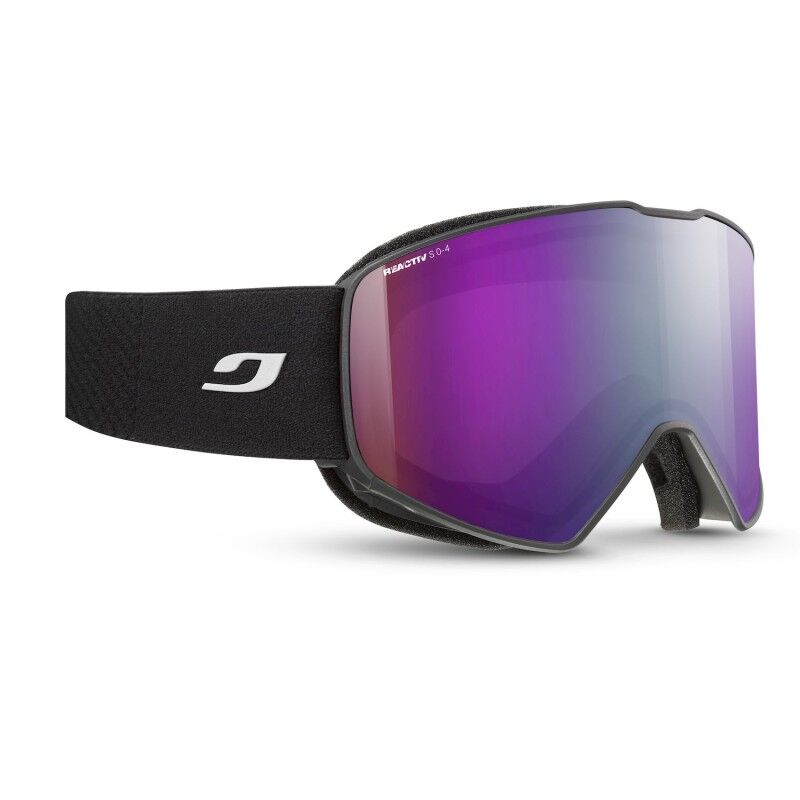
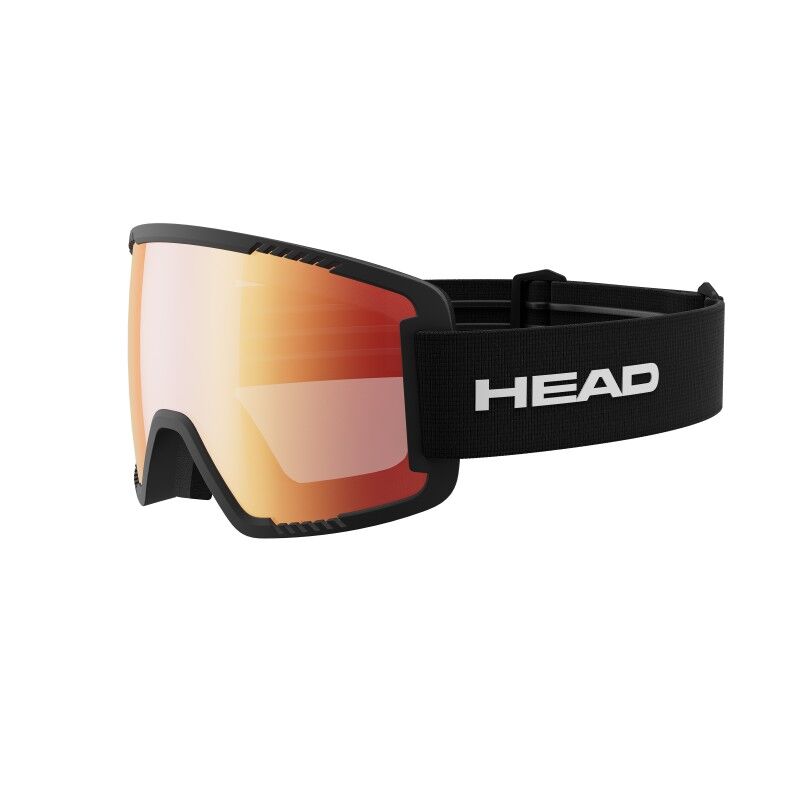
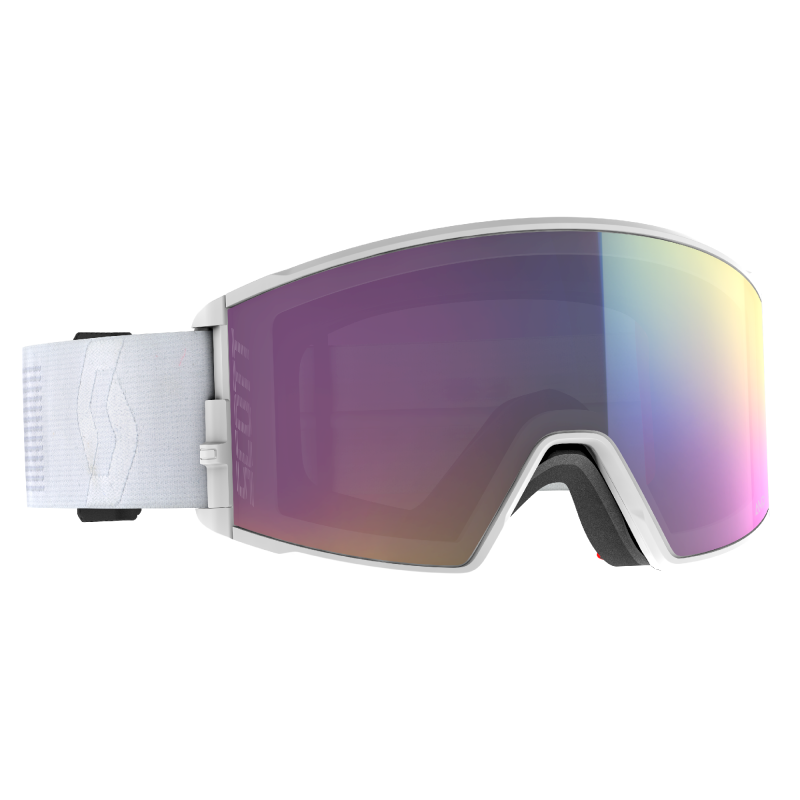
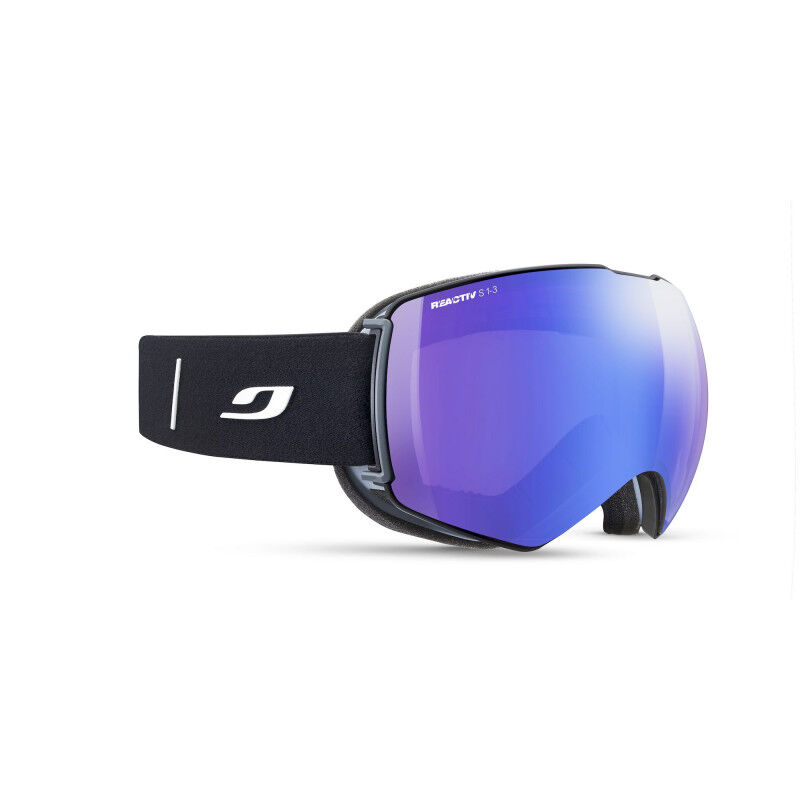

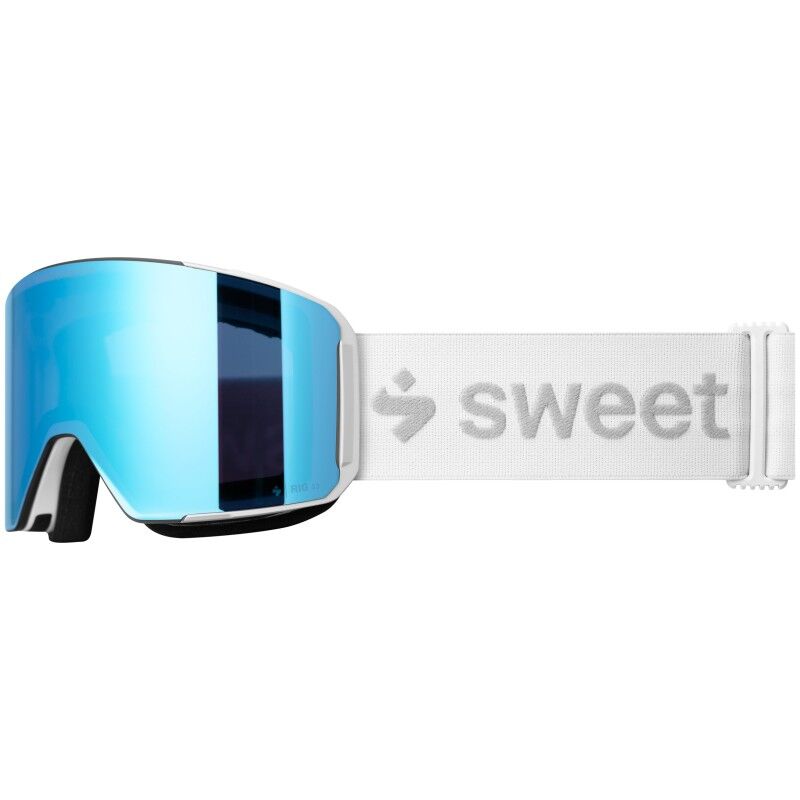
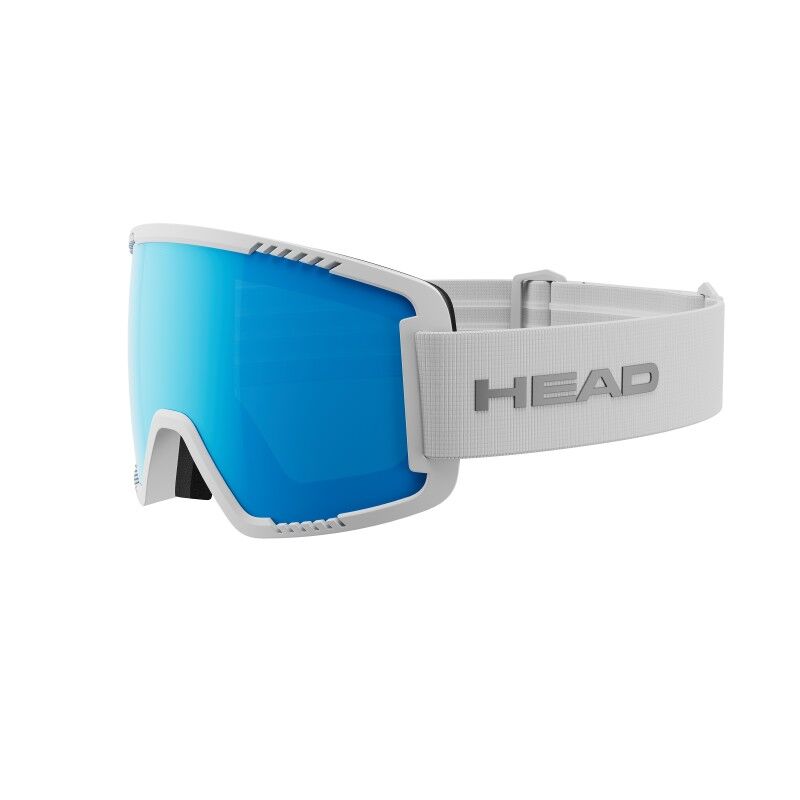
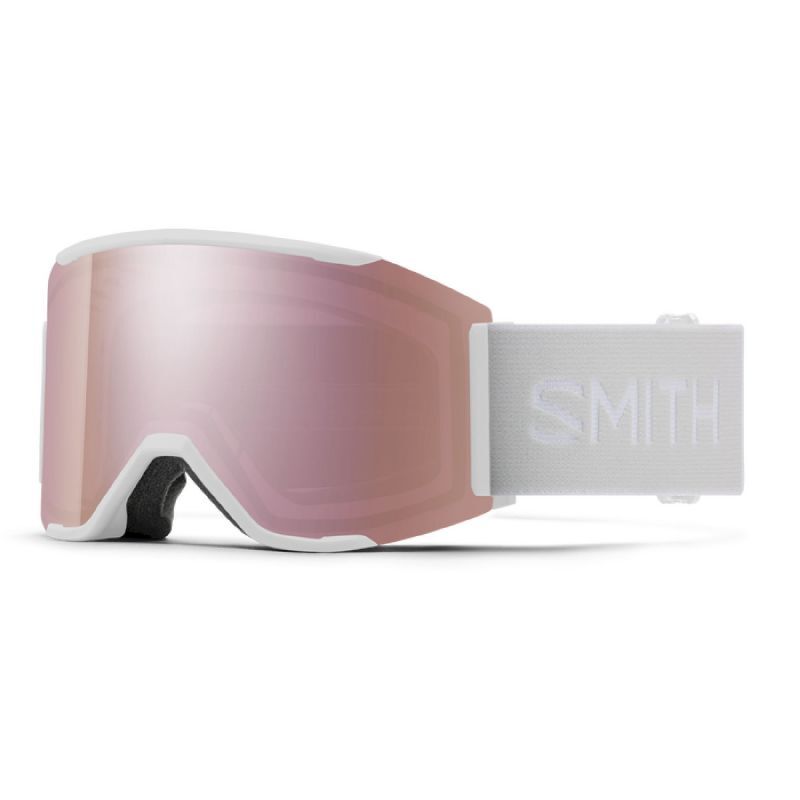
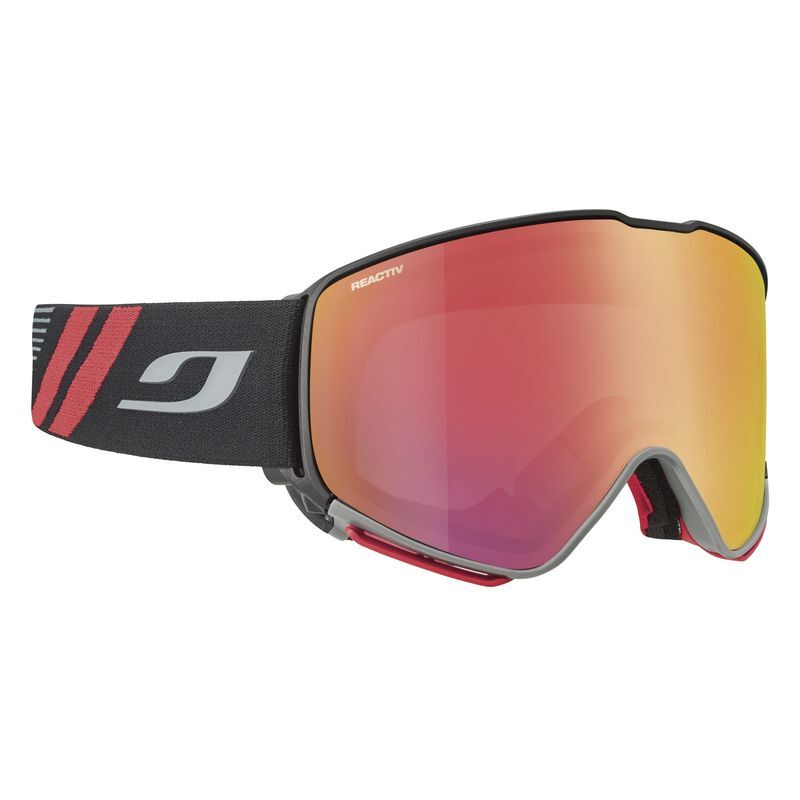
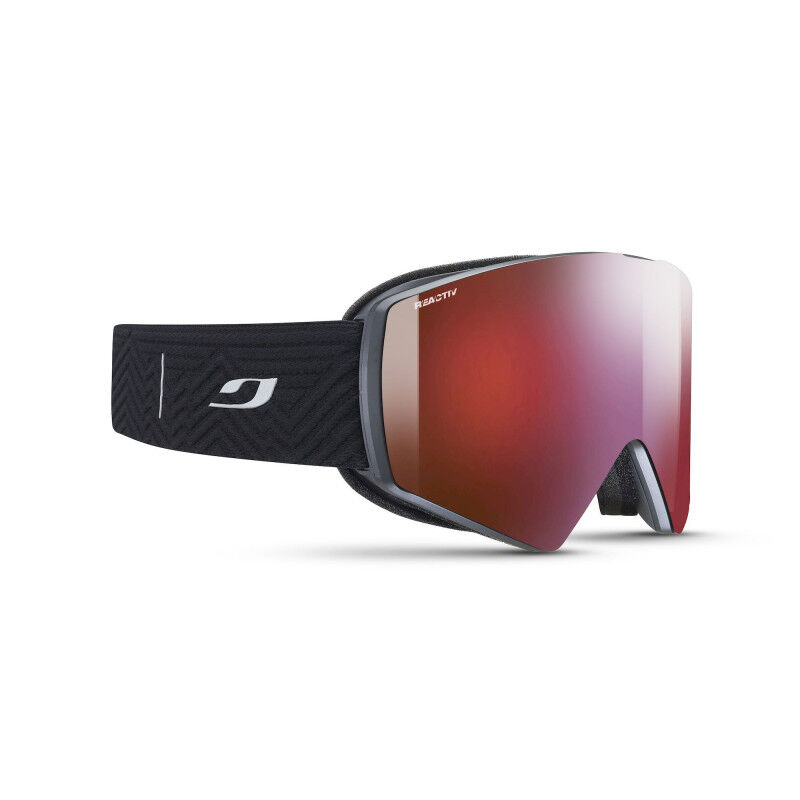
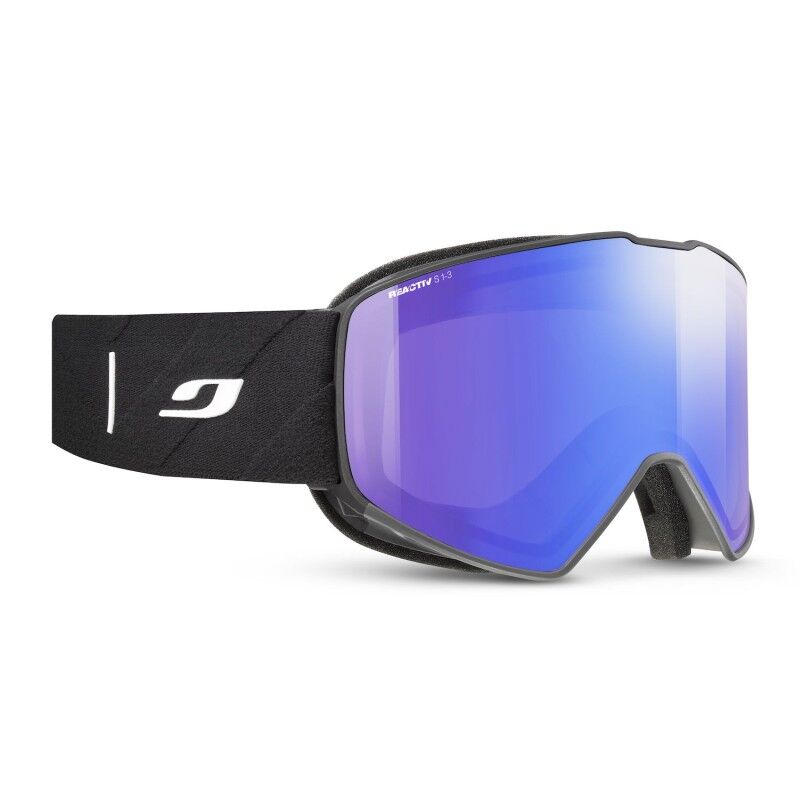
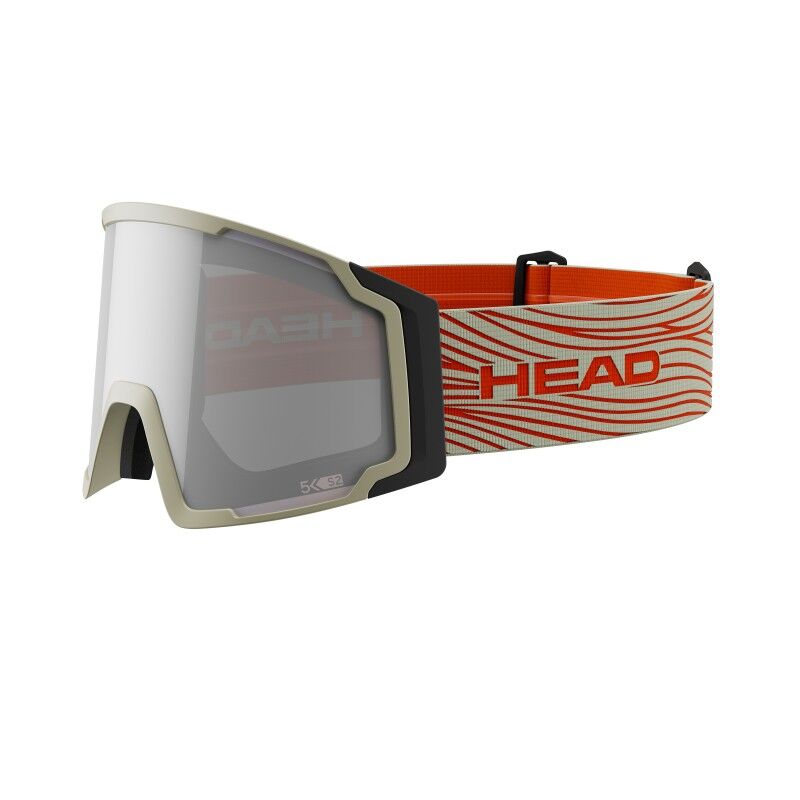

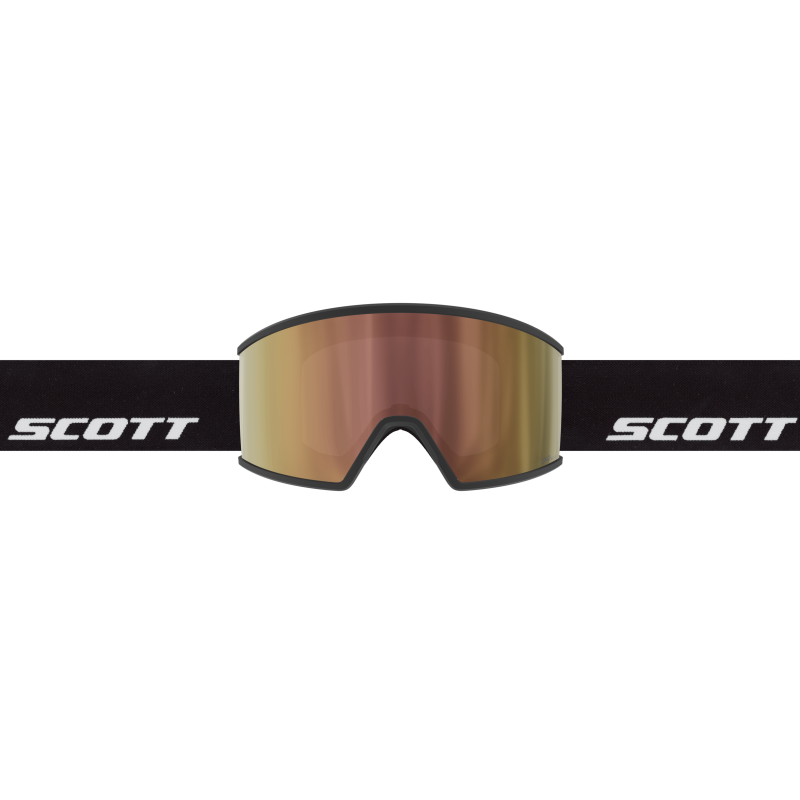
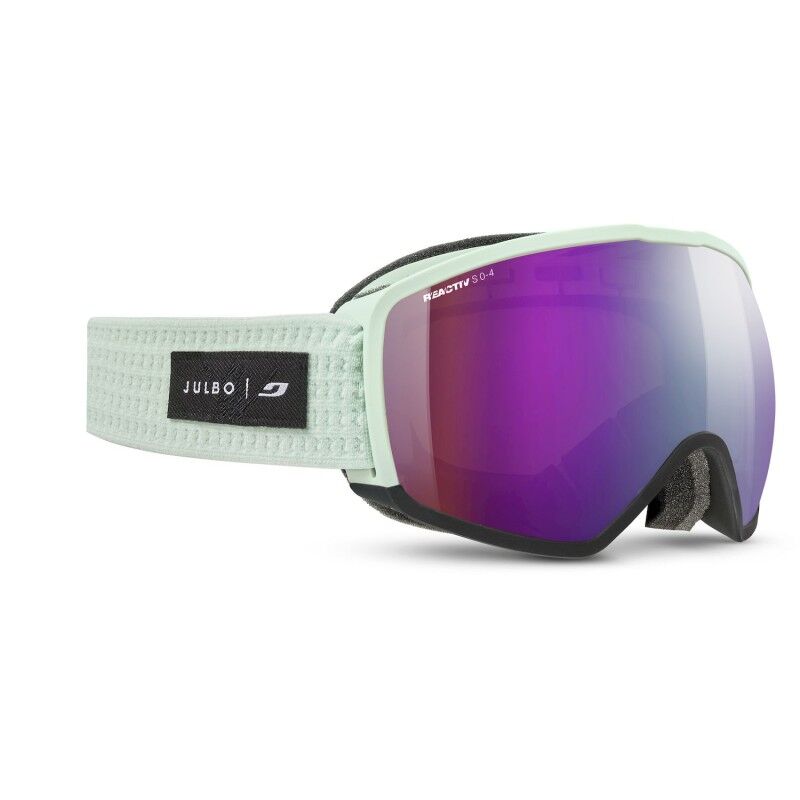
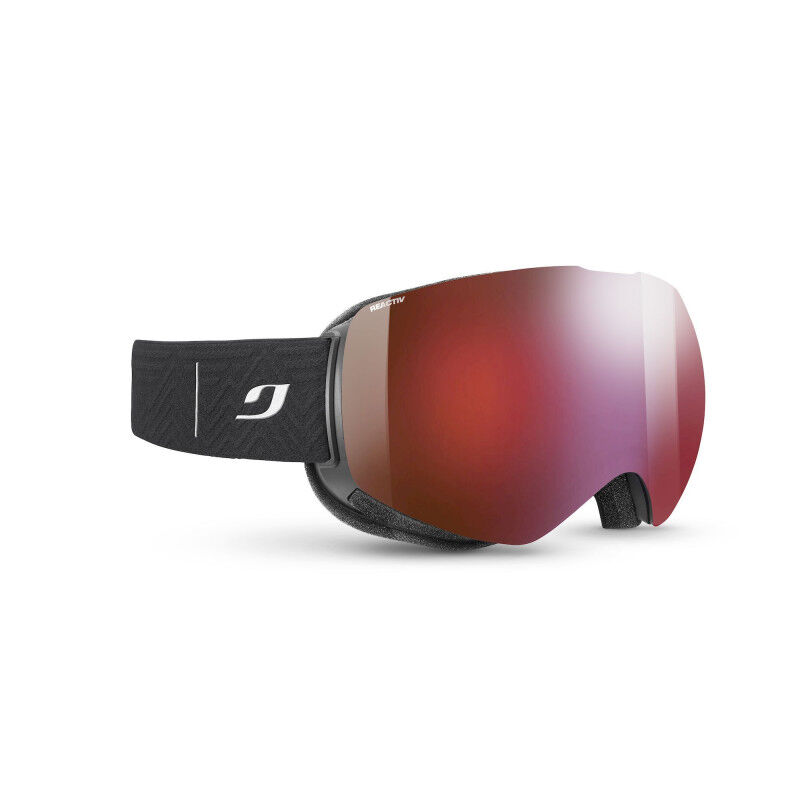
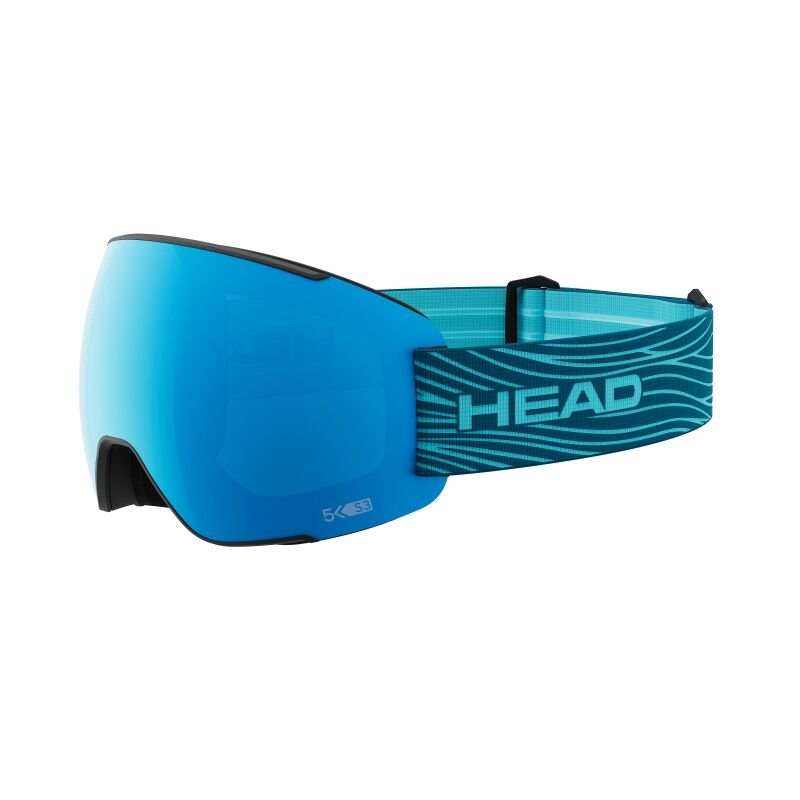
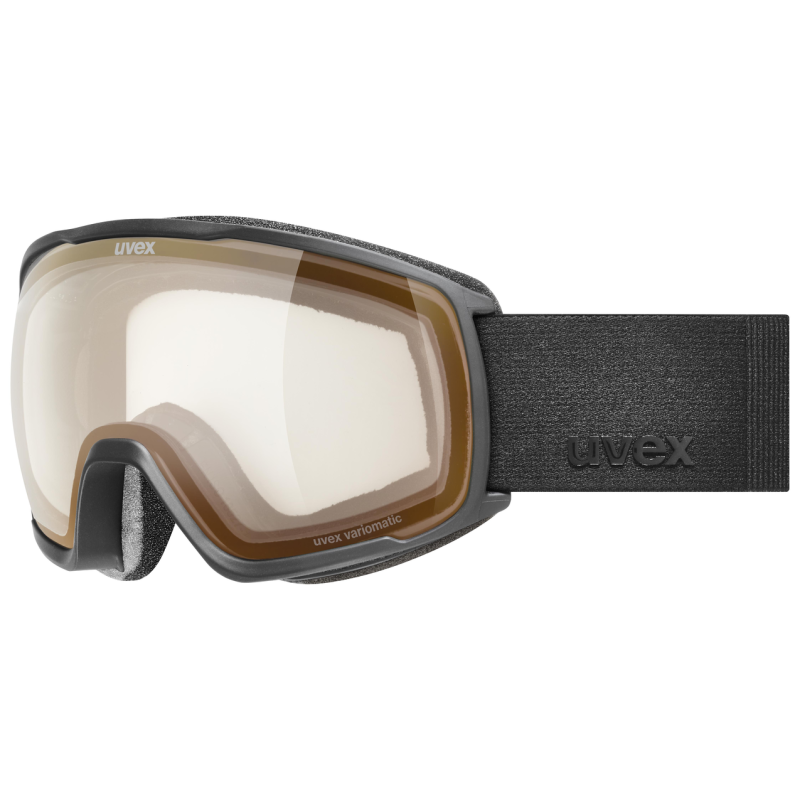
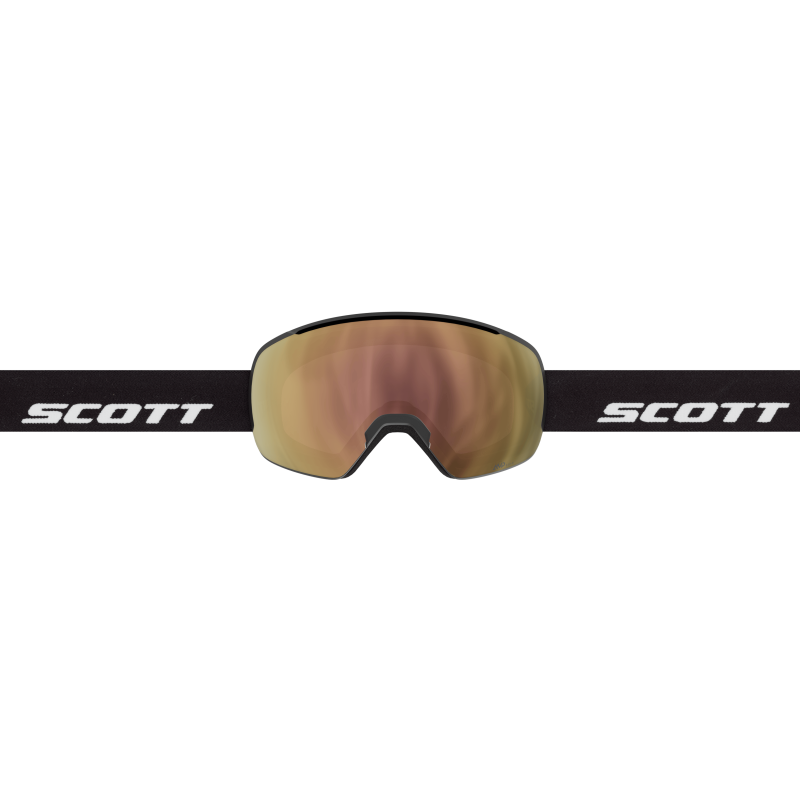
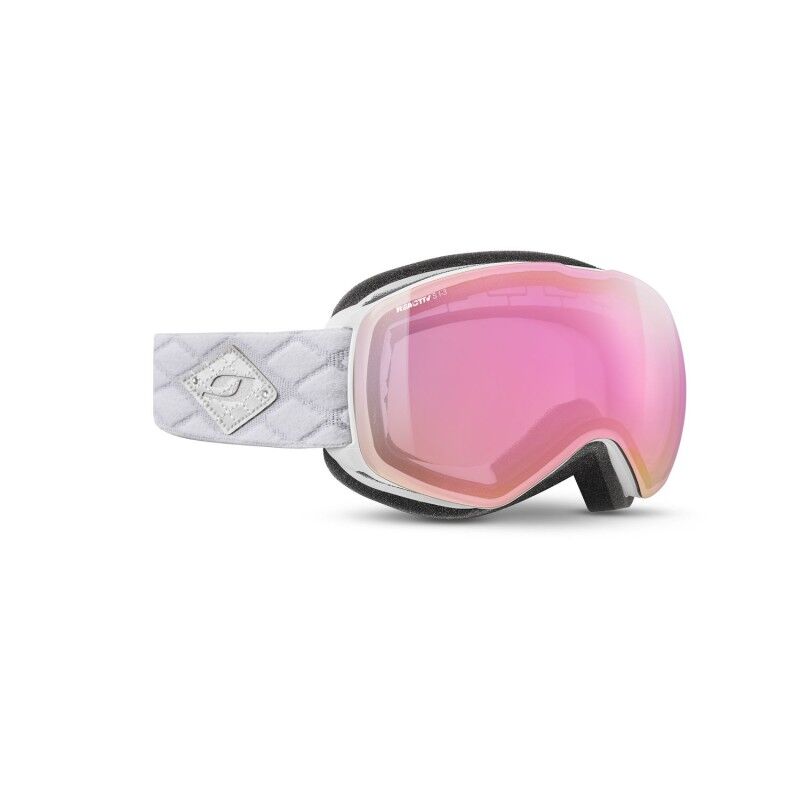
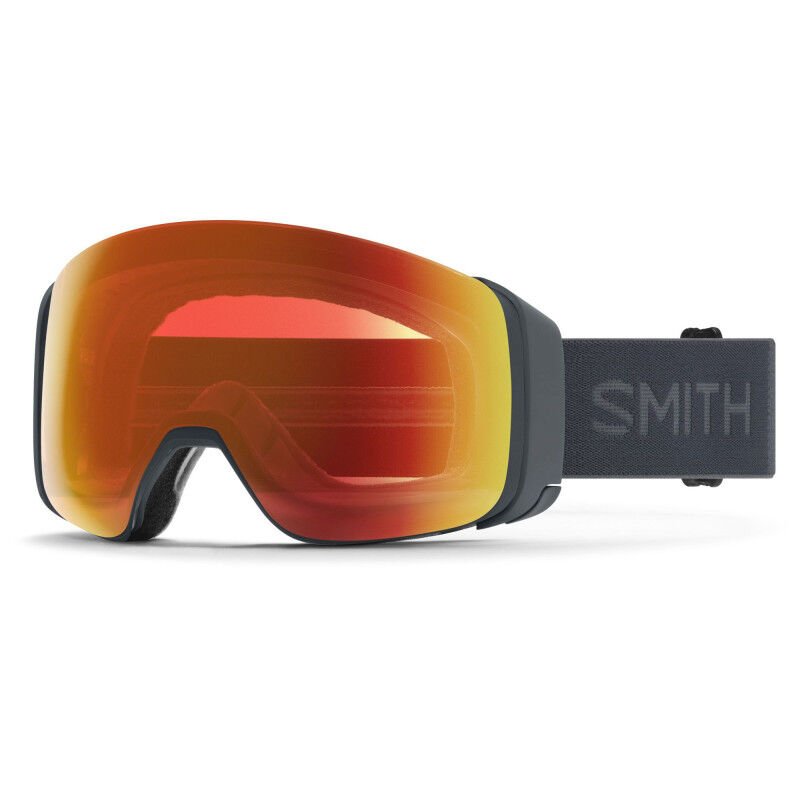
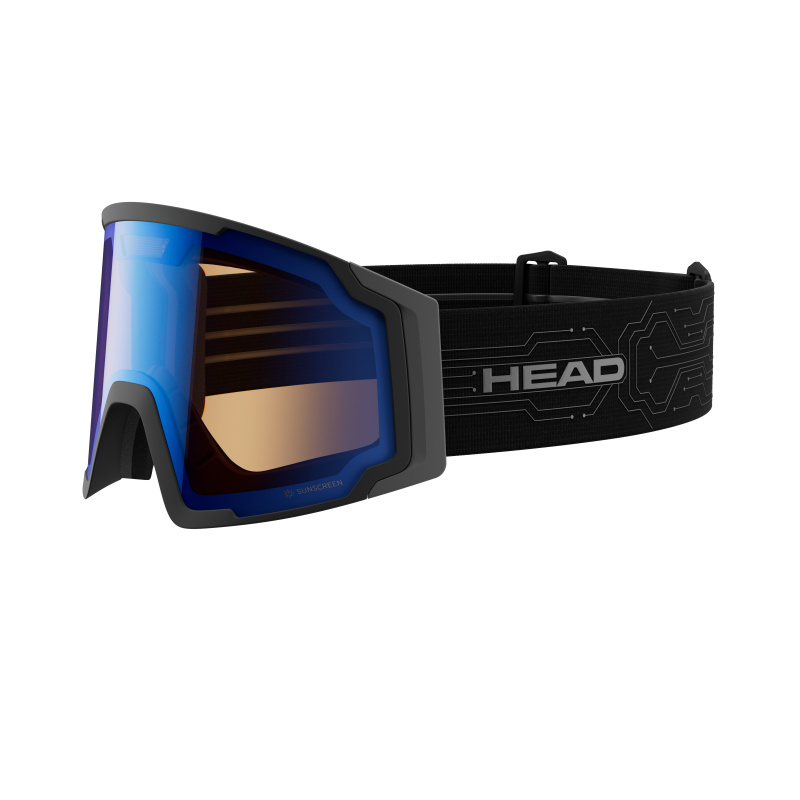
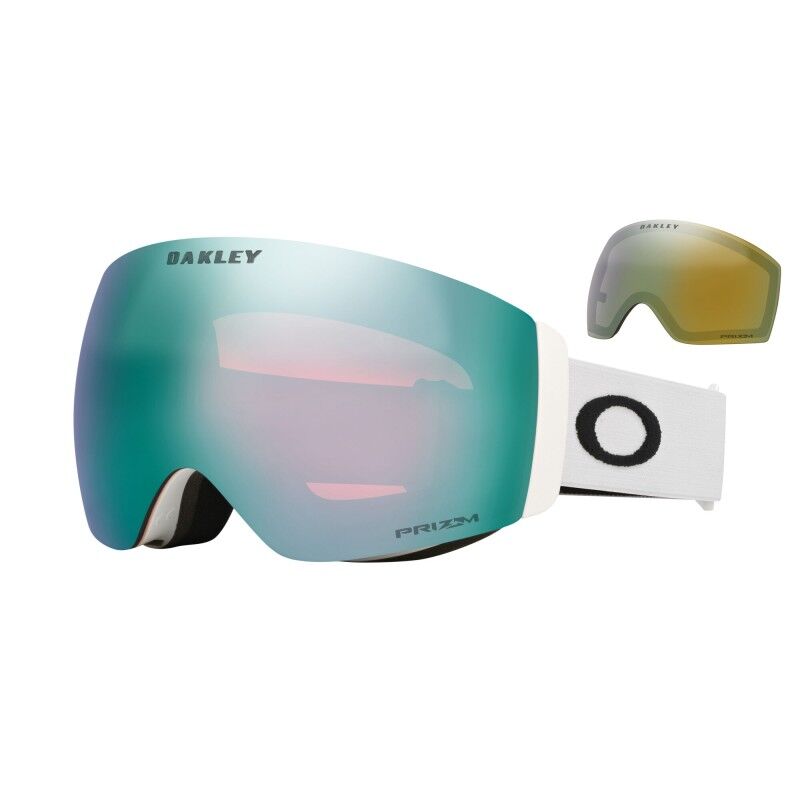
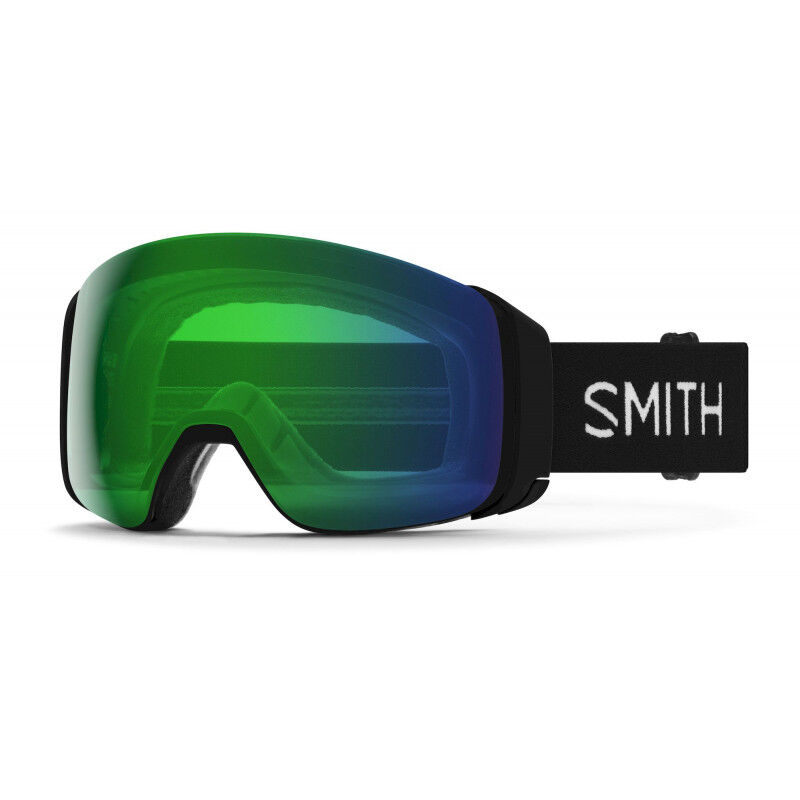
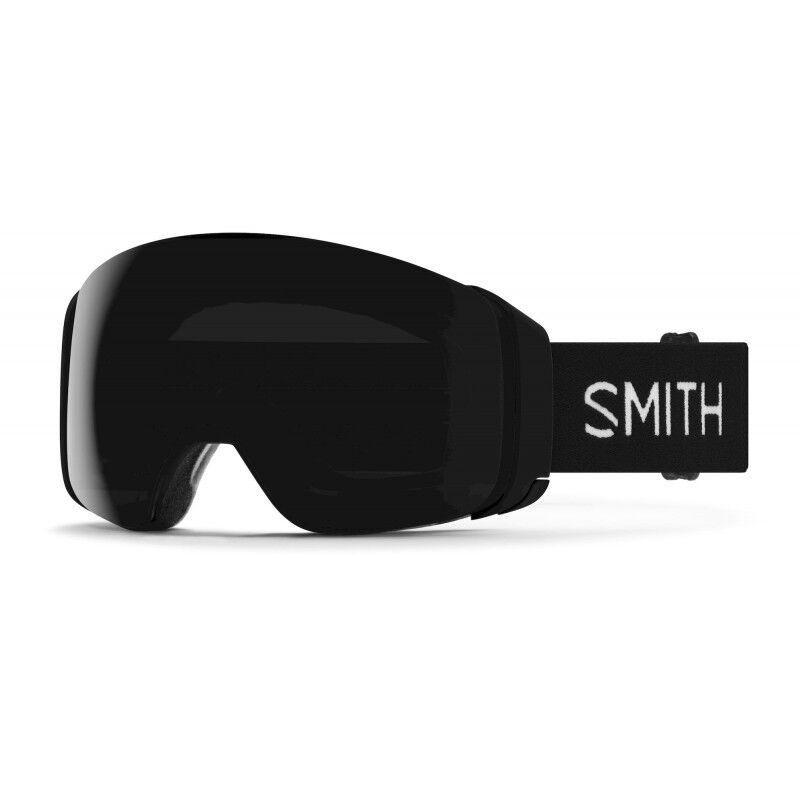
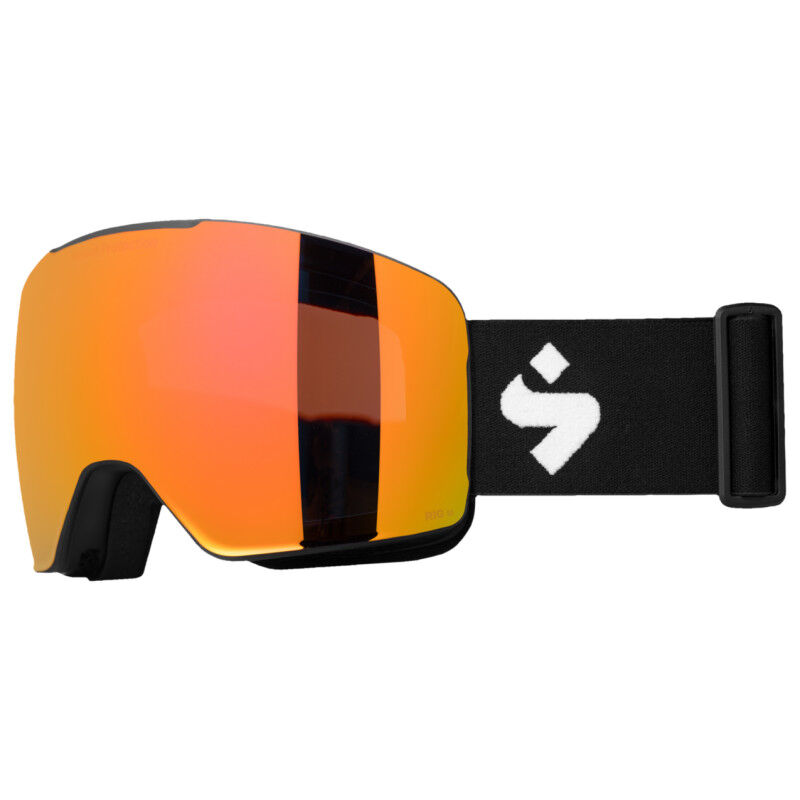
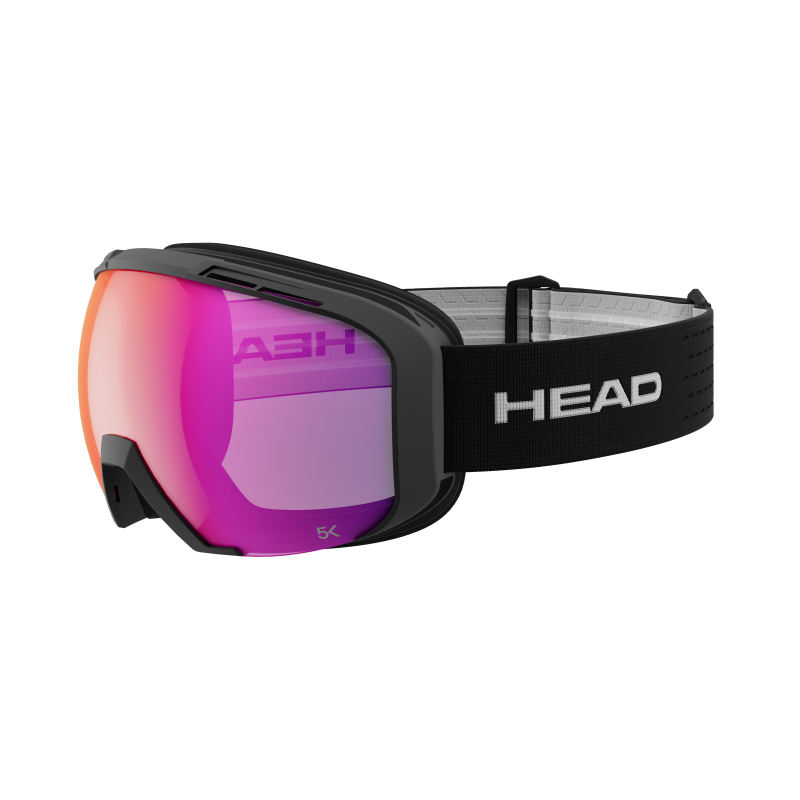

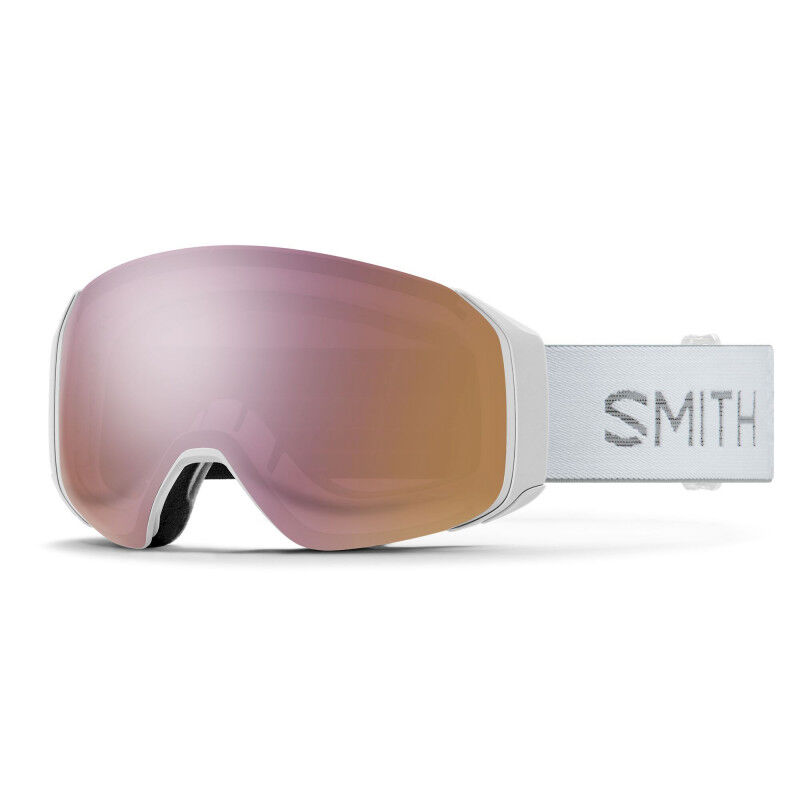
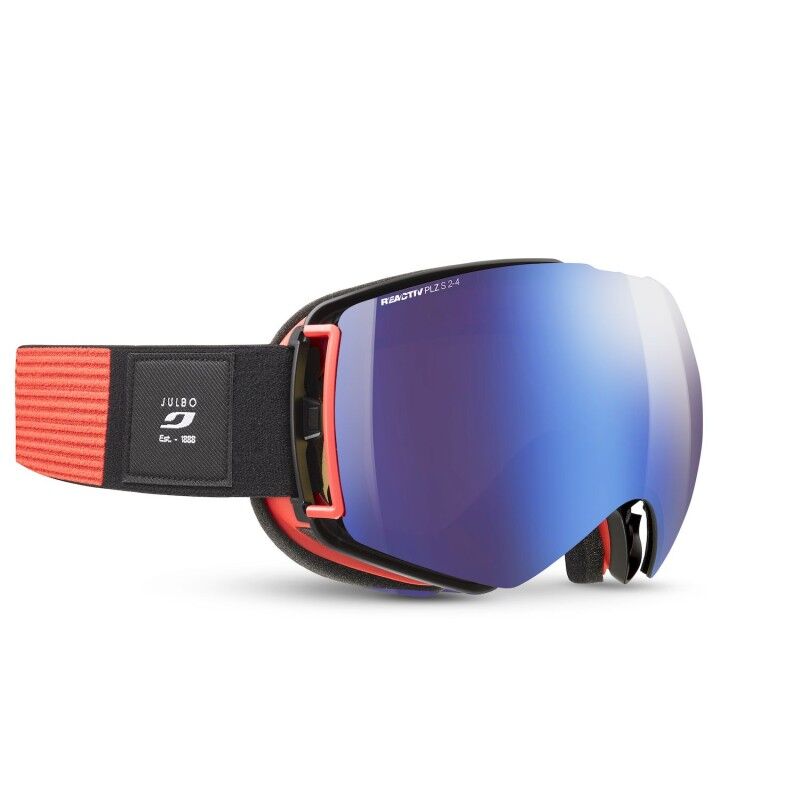
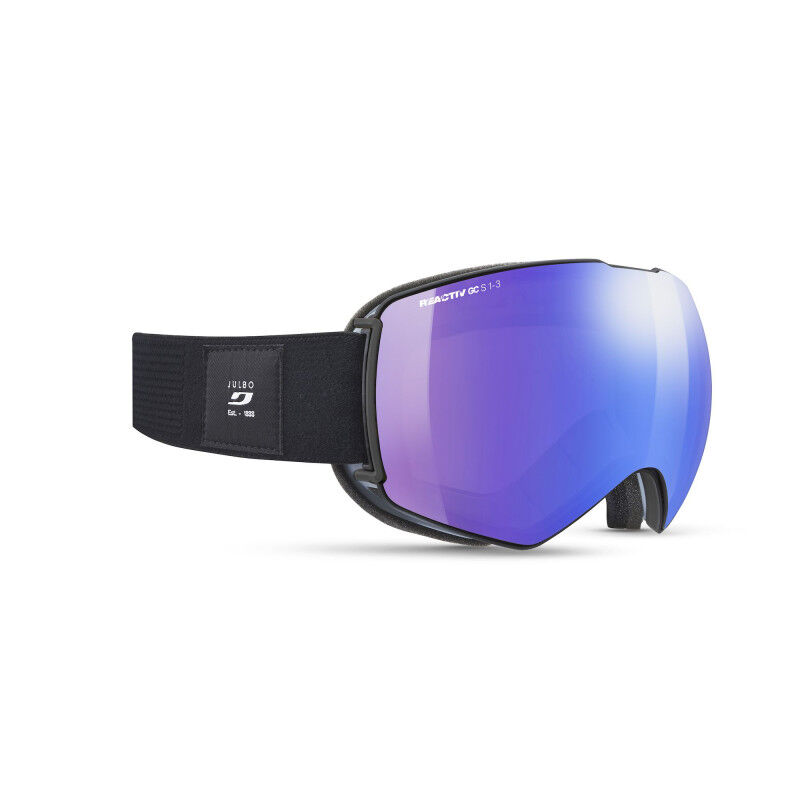
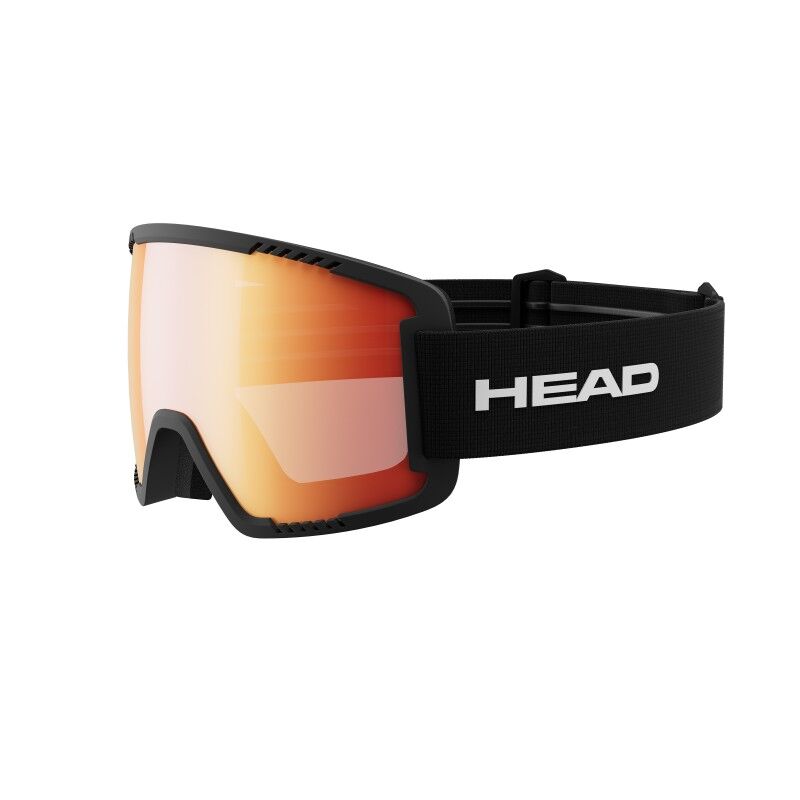

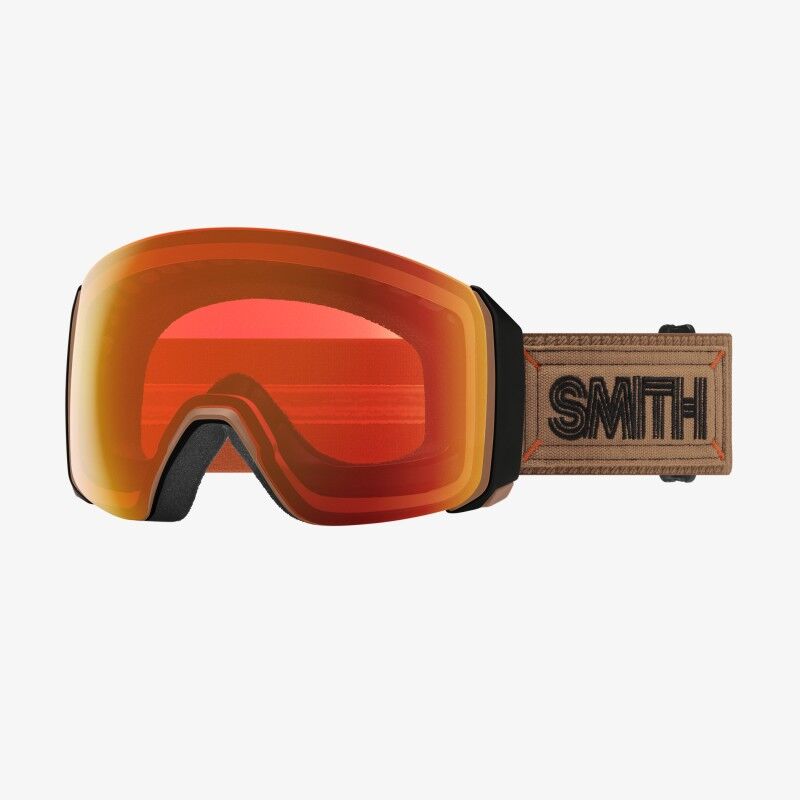
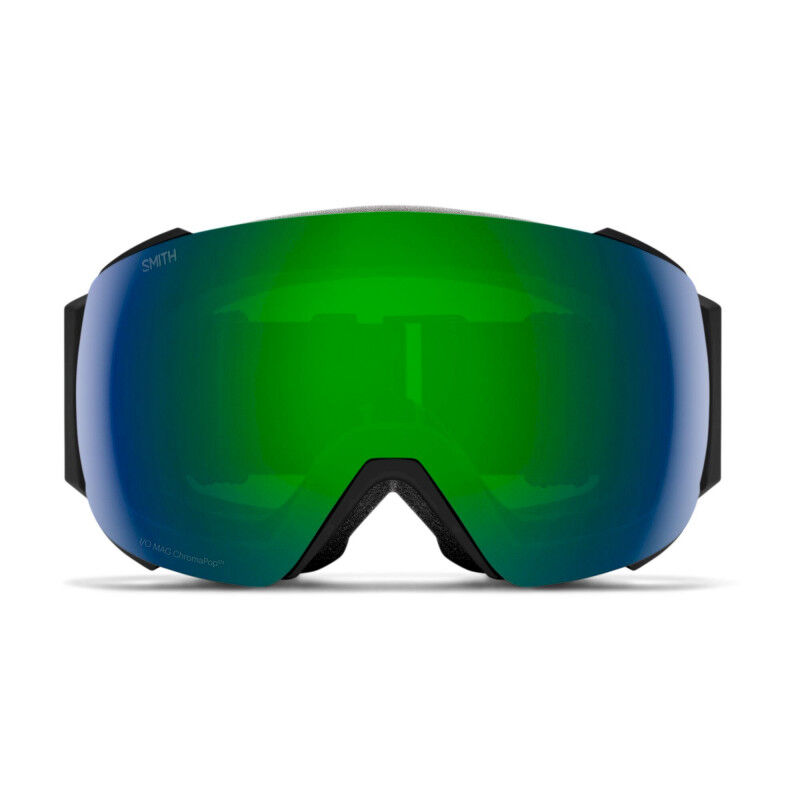
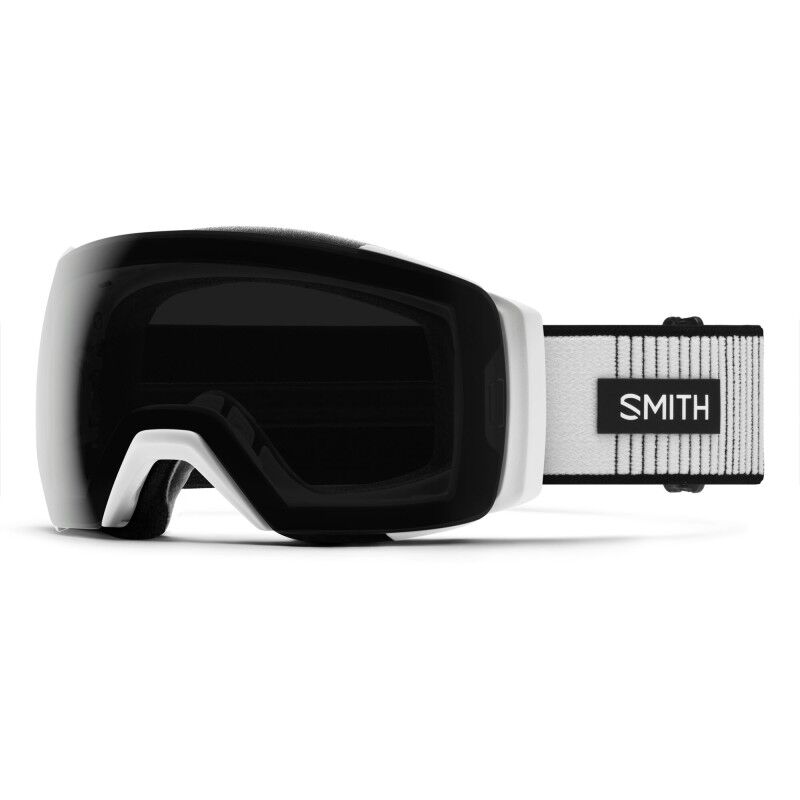
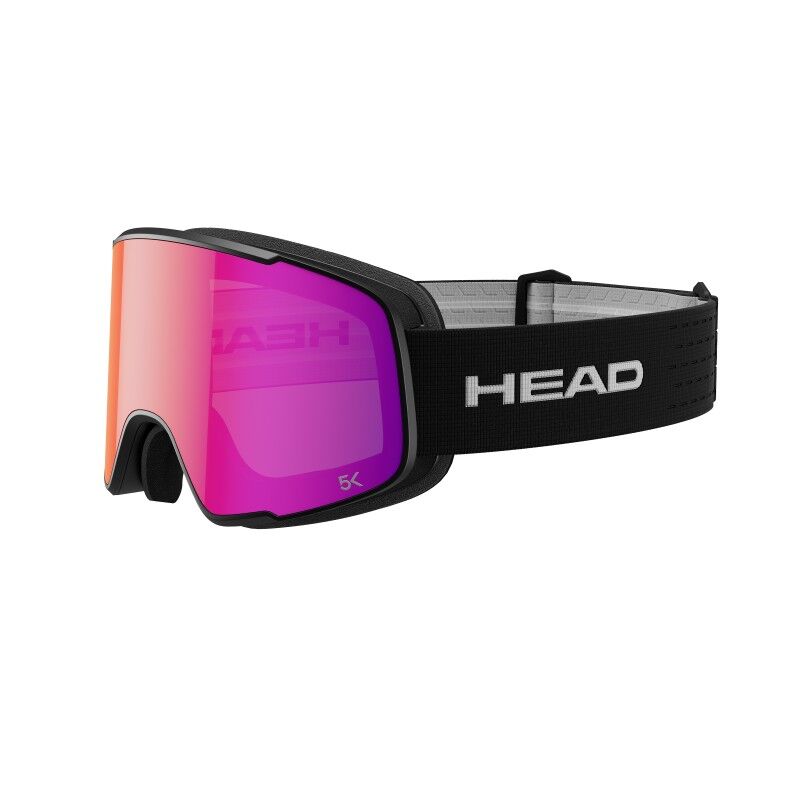
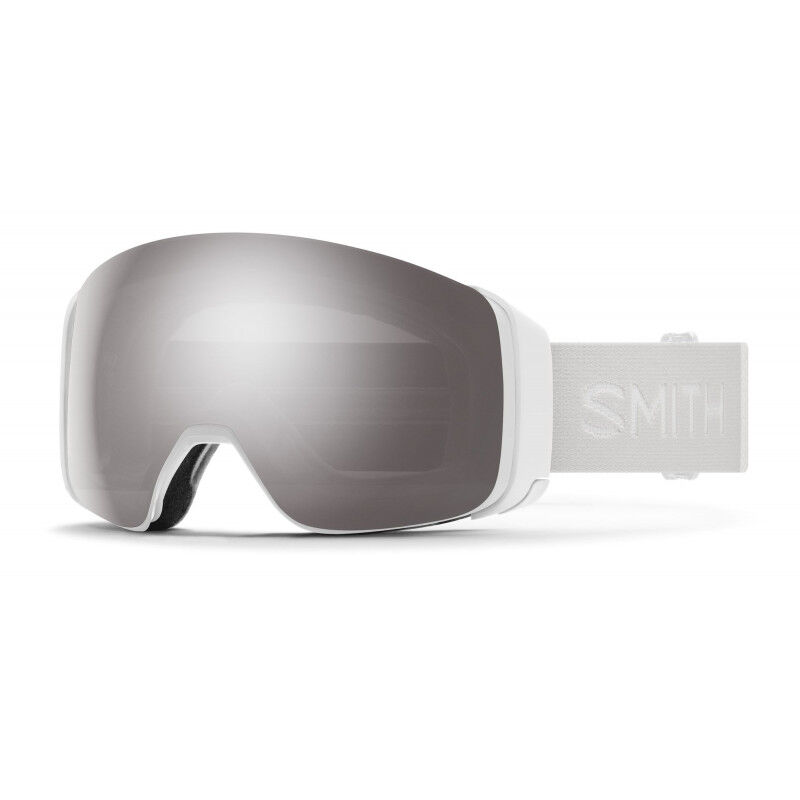

Ski Goggles, the essential for clear vision on the slopes!
Narrowed eyes, bent knees, you’re trying to discern the ski slope that stretches out before you, but the sun’s glare dazzles you. Later in the afternoon, fog rolls in, snow begins to fall, and your field of vision shrinks more and more. Do any of these scenarios (or even both!) resonate with you? If so, it’s high time to get yourself a Ski Goggles, or to replace yours if it’s as old as Methuselah and no longer serves its purpose. Photochromic lenses, categories of Ski Goggles, tinted lenses...: a wide range of Ski Goggles is available to you, but you’re unsure how to choose the right Ski Goggles? Then you’re in the right place! In this article, we provide you with all the keys to find the perfect Ski Goggles for your snowy sessions!
Ski Goggles: why wear them?
Apart from the fact that wearing Ski Goggles adds a stylish touch to your rider look (yes, indeed!), it’s also important to remember that Ski Goggles are an essential protection for your eyes. On average, snow reflects between 80 and 90% of the sun's radiation, and this reflection increases with altitude. While it’s uncomfortable to ski with dazzled eyes, it’s also very dangerous for your delicate eyes! Hence the importance of wearing Ski Goggles. And this is true regardless of the conditions. Indeed, even when fog is present, your eyes are exposed to the sun’s rays, as clouds do not filter out the sun's harmful radiation, and fog itself allows about 50% of the radiation to pass through. Just that! Beyond protecting your eyes, Ski Goggles are also safety gear because poor vision can lead to collisions, falls, and accidents that could be avoided. Moreover, who hasn’t finished a slope with teary eyes because they weren’t wearing Ski Goggles? In addition to protecting against glare, Ski Goggles shield you from the wind and the icy cold of the slopes, which is much more pleasant! Finally, last but not least: not wearing Ski Goggles exposes you much more to any type of projectile that could enter your eye, or to an accidental blow from another person. And to have a good day, it’s better to avoid such events! So whether it’s bad weather or bright sunshine, you’ve probably understood, Ski Goggles are essential on the slopes.
Ski Goggles: which category and colour of lens according to your practice
The Ski Goggles are certainly very useful. But how to choose among all these displays in abundance? Snowboard goggles, Ski Goggles for women, anti-fog, double lens...: how to find your way? Let’s get to the heart of the matter and start tackling the first criteria for choosing your Ski Goggles, namely the different categories of lenses available and the types of screens.
The different categories of Ski Goggles
When we talk about categories of goggles, it actually means we are looking for a protection index of the lenses against UV radiation. There are thus 4 categories of Ski Goggles, each category corresponding to the amount of light passing through the lenses, also known as the transmission rate.
-Category 1 (transmission rate between 20 and 57%): these lenses are particularly suitable for facing conditions like fog, snow, wind, and rain, with low light.
-Category 2 (transmission rate between 57 and 82%): this category of lenses is ideal when the weather is unstable, alternating between low sunlight and cloudy spells.
-Category 3 (transmission rate between 82 and 92%): it is perfect when you ski in sunny weather.
-Category 4 (transmission rate above 92%): when intense brightness and sun are present, this category is the most suitable.
Photochromic Ski Goggles or Polarized Ski Goggles: which to choose?
But then, do we need to own 4 Ski Goggles of 4 different categories to cope with the different weather conditions on the slopes? Rest assured, some Ski Goggles offer versatility in terms of brightness, which can be very useful if you ski regularly. This is particularly true for Ski Goggles that are photochromic and polarized.
Photochromic lenses: these types of lenses adapt to brightness, allowing you to cope with any weather changes. Additionally, a photochromic lens effectively protects against UV rays while ensuring optimal visibility that brightens or darkens according to external brightness.
Polarized lenses: most Ski Goggles are equipped with them, as they help limit glare from the sun and light reflected off the snow. A Ski Goggles with polarized lenses thus offers better relief reading.
These two types of lenses can indeed be combined within a single Ski Goggles, to provide versatility and optimal vision quality.
The different lens tints
You have certainly come across Ski Goggles with more or less colourful tints. However, a lens tint influences visual comfort: the darker it is, the more protected you will be against brightness. Thus, when fog is present, a light tint will be preferred, while on sunny days, a dark tint will prevail.
Ski Goggles: which frame to choose?
Once you’ve chosen your type of protection, it’s of course essential to consider the type of frame of your Ski Goggles. Spherical lens, cylindrical lens, Over the glasses…: none of this makes sense to you? The rest of the article will explain all this in detail!
Ski Goggles: between spherical lens and cylindrical lens, your heart is torn
A cylindrical lens is curved in two dimensions and cut only on the X-axis. This type of lens is appreciated for its adaptation to the shape of the face: flat and without image distortion, a cylindrical lens is thus worn by the majority of skiers on the slopes.
A spherical lens, on the other hand, is cut on the X-axis but also on the Y-axis, and is therefore curved in three dimensions. Depending on the very shape of your retina, this type of lens is particularly bulging, thus ensuring a much larger field of vision, which offers a reading of relief appreciated particularly by freeriders.
Ski Goggles: find the right frame!
Beyond the two main types of frames mentioned above, there are other frames that can be particularly suitable depending on your needs.
Firstly, there are Ski Goggles Over the glasses (OTG), designed for anyone who wears glasses. However, this overlay is often prone to fogging, especially in humid weather.
The second type of frame is the Ski Goggles that are actually frameless! This means that the frame is hardly visible on the outside, which can be advantageous to avoid any snow retention, or to facilitate lens changes, which frameless Ski Goggles are particularly well suited for.
The third type of frame concerns double and single lenses. A double lens ensures a double glazing effect and thus avoids any condensation in your Ski Goggles. However, a single lens may sometimes be preferred as it avoids image distortion as is the case with a double lens. Fogging or image distortion, it’s up to you to choose!
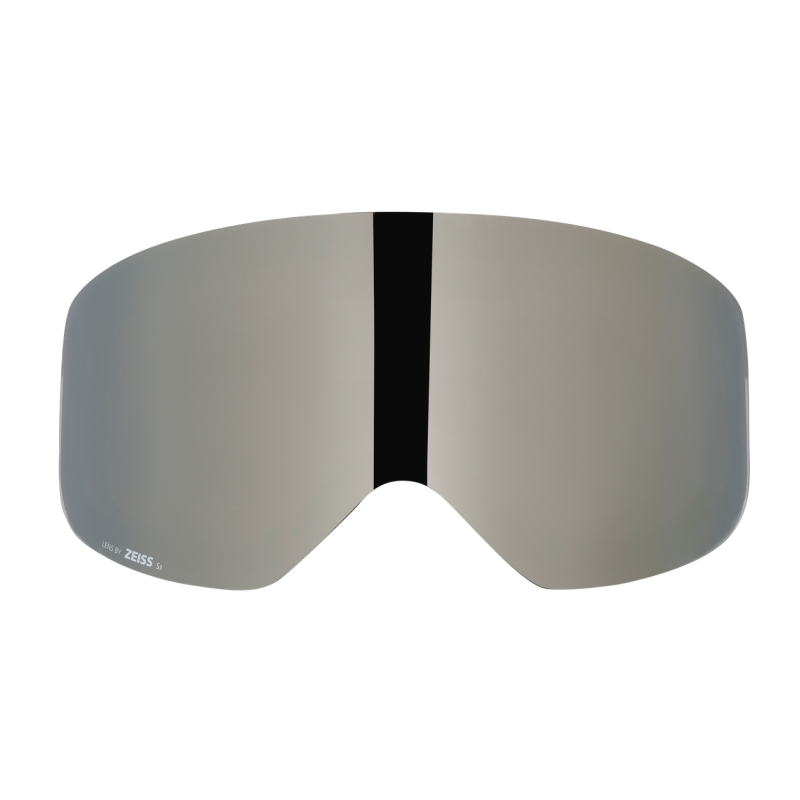
Finally, the last category concerns Ski Goggles with a quick lens change system. It is indeed possible to change your lenses and not the Ski Goggles entirely (phew!) to adapt to weather conditions. In this regard, some frames are therefore created to facilitate this change, and you will only need to change the lens without changing the frame at the same time, which is much more practical!
Ski Goggles: the technical selection criteria to find the ideal goggles
Types of lenses, type of frame, all this no longer scares you! Let’s now move on to the more technical criteria for choosing the Ski Goggles that suit you.
Ski Goggles: which goggles for which practice?
As in any practice, your equipment must be adapted to your level. This also applies to Ski Goggles! The frequency of your practice plays a fundamental role in choosing your Ski Goggles. Thus, if you ski occasionally and only in resorts, there’s no need to choose a highly technical Ski Goggles. Similarly, if you are leaning towards freeride, freestyle skiing, or ski touring, in short, off the beaten track, your needs will obviously differ from those for piste skiing. So assess your needs before choosing!
Ski Goggles: choose well according to your size and helmet
If you wear a ski helmet (and we sincerely hope so!), this component must be taken into account when choosing your Ski Goggles. Indeed, it would be quite unfortunate if it, when paired with your ski helmet, causes discomfort and annoyance. However, this happens frequently, so it is recommended to try your Ski Goggles with your ski helmet. If it presses on your nose or eyebrows, it means it is unfortunately not compatible with your helmet, so you need to try a smaller or larger one! Also, the shape of your face plays a significant role in choosing your Ski Goggles. Just like with glasses, it can be thin, wide, more or less high...: not all Ski Goggles are made for all face shapes! Again, check that the Ski Goggles you have chosen fit the contours of your face. Some brands have understood this issue well and offer Ski Goggles with a very flexible architecture, allowing for millimetre adjustments to fit your face, which is quite nice and greatly facilitates adjustments.
Ski Goggles: comfort above all!
Comfort comes from three components: foam, ventilation, and anti-fog treatment.
Thus, for the inner foam, it is in direct contact with your skin: the thicker it is, the more it absorbs shocks and provides comfort. Also, when the foam is made of comfort textile, the contact with the skin will be even more appreciated as it is softer.
As with a ski helmet, the ventilation of a Ski Goggles is important and prevents fogging. Each model offers more or less strong ventilation, thus promoting more or less air circulation inside the goggles.
Finally, fogging, a major issue for Ski Goggles, is today countered by many ultra-performant treatments, with an action against condensation and ultimately the appearance of fog.
Ski Goggles: how to maintain them and when to change them
To avoid ending up with a dirty, greasy Ski Goggles, or worse, with scratches, there are a few gestures to avoid. Thus, never clean your lens with your gloves or your jacket if you want to avoid any scratches. Moreover, refrain from using a damp cloth to clean your Ski Goggles: having received an anti-fog treatment, this will have the effect of causing even more fog to appear. Likewise, drying is unnecessary. To properly clean the outside of your Ski Goggles lens, the ideal is to use a microfiber cloth. It is, however, completely inadvisable to use any type of product on the outside of your lens. To dry the snow that may have entered your Ski Goggles, there is only one solution: patience! Simply let your Ski Goggles dry on their own.
If your Ski Goggles has scratches on the lens, if fogging sets in at lightning speed, or if the inner foam is worn out, then it’s time to find a new Ski Goggles!
Find your Ski Goggles on Hardloop.fr
With photochromic, polarized, category, tinted, spherical or cylindrical lenses: you are now as informed as a true ski professional about Ski Goggles! Julbo, Smith, Rossignol…: the biggest brands of Ski Goggles are available on Hardloop.fr, offering you a wide range of choices to find the ideal goggles for your powder sessions. If you have any questions or doubts regarding your choice of Ski Goggles, our team of experts will be pleased to answer all your inquiries at 01 48 58 30 28 (free call). You can also contact us by email at hello@hardloop.com.