
Avalanche Airbags & Backpacks
(41)




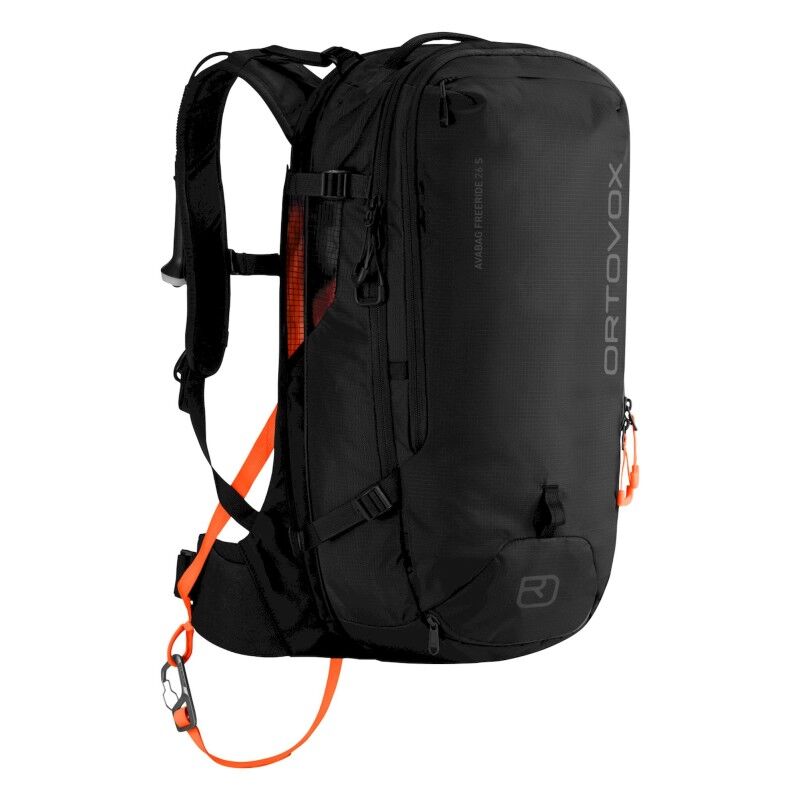
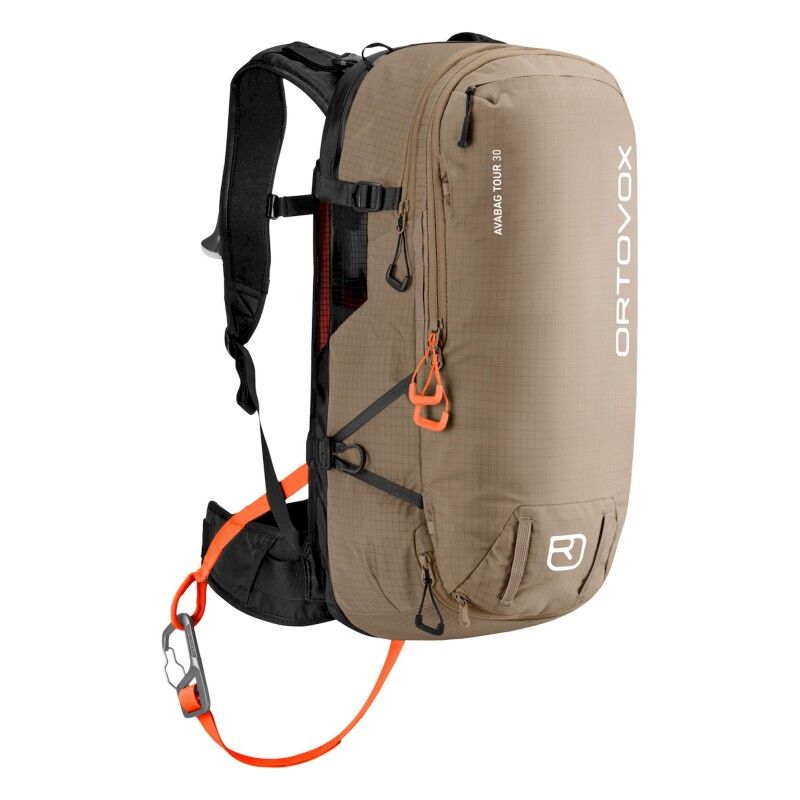
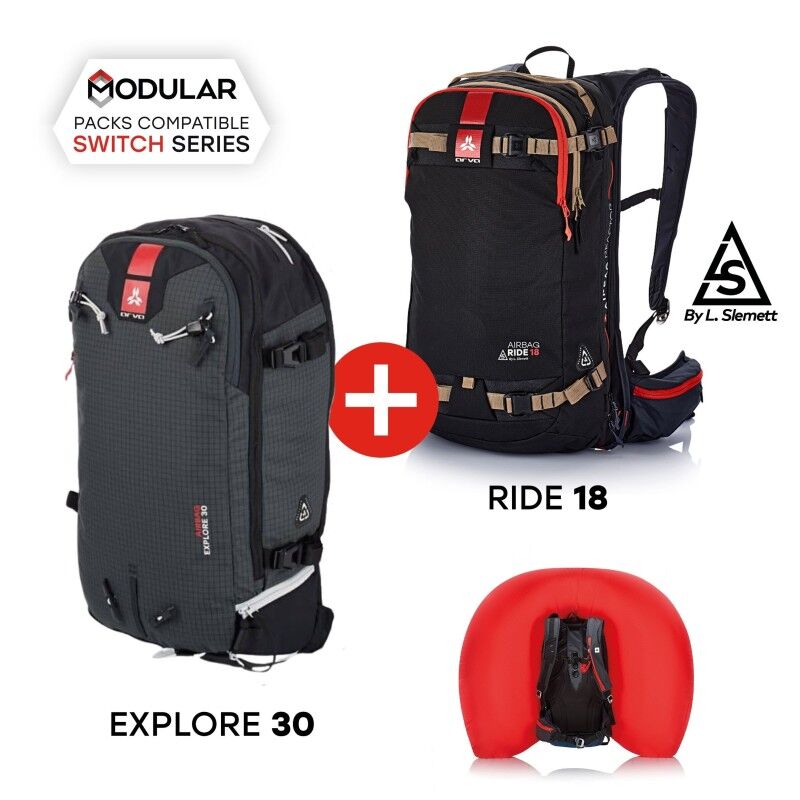
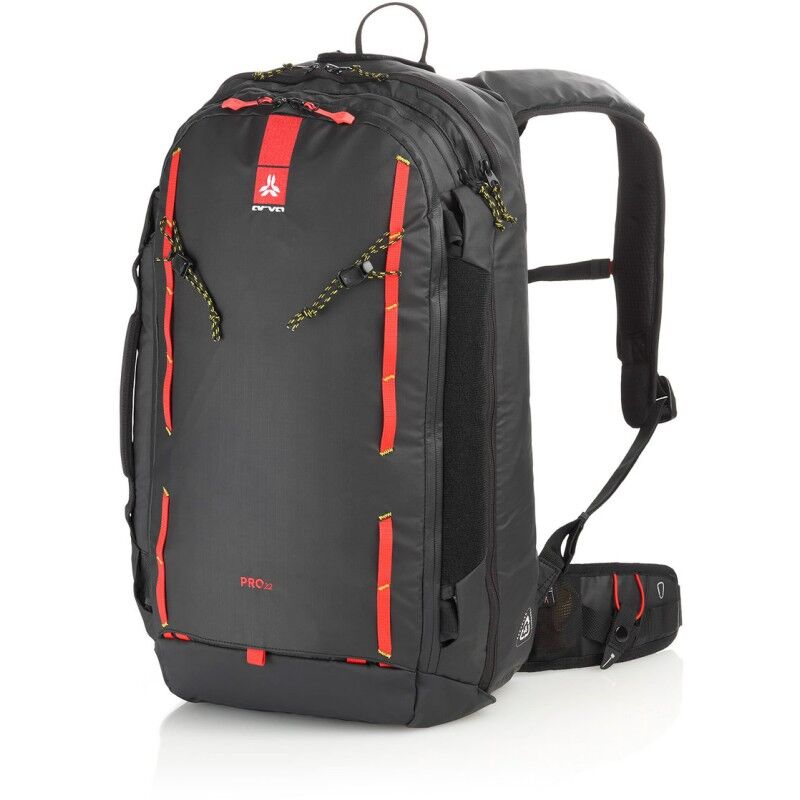


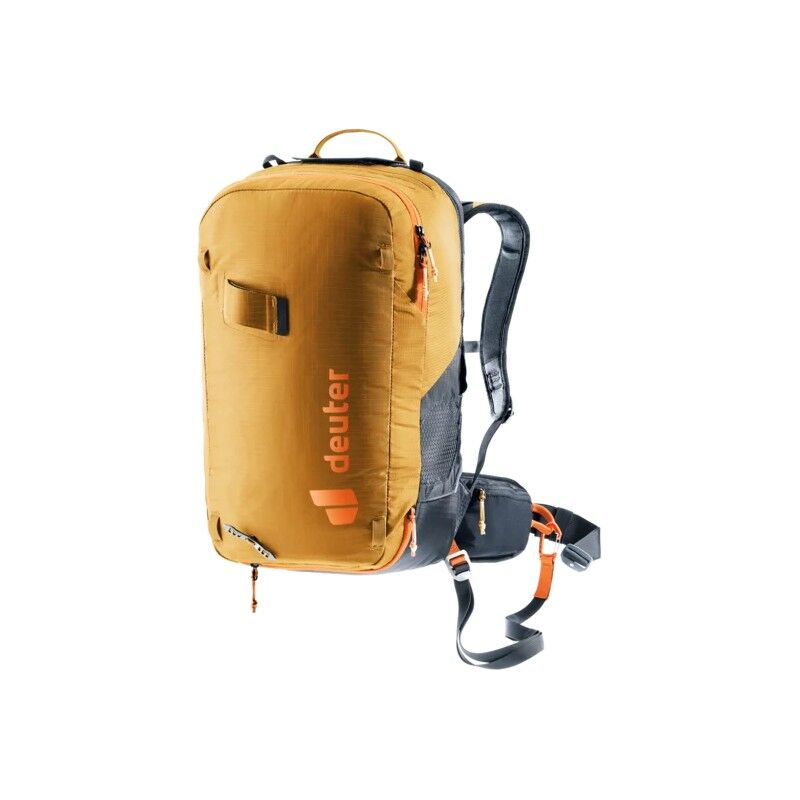

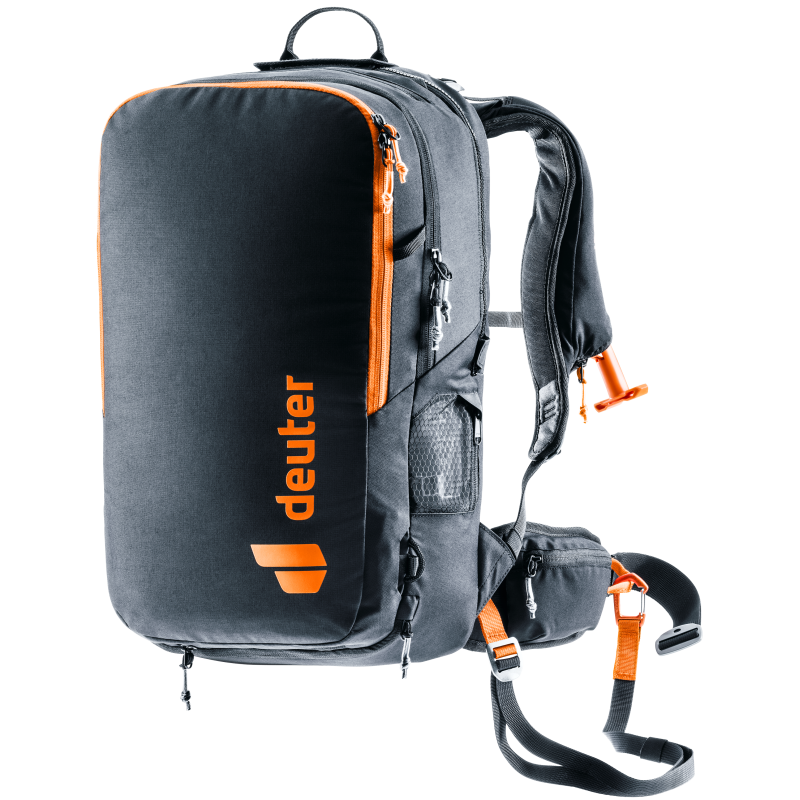
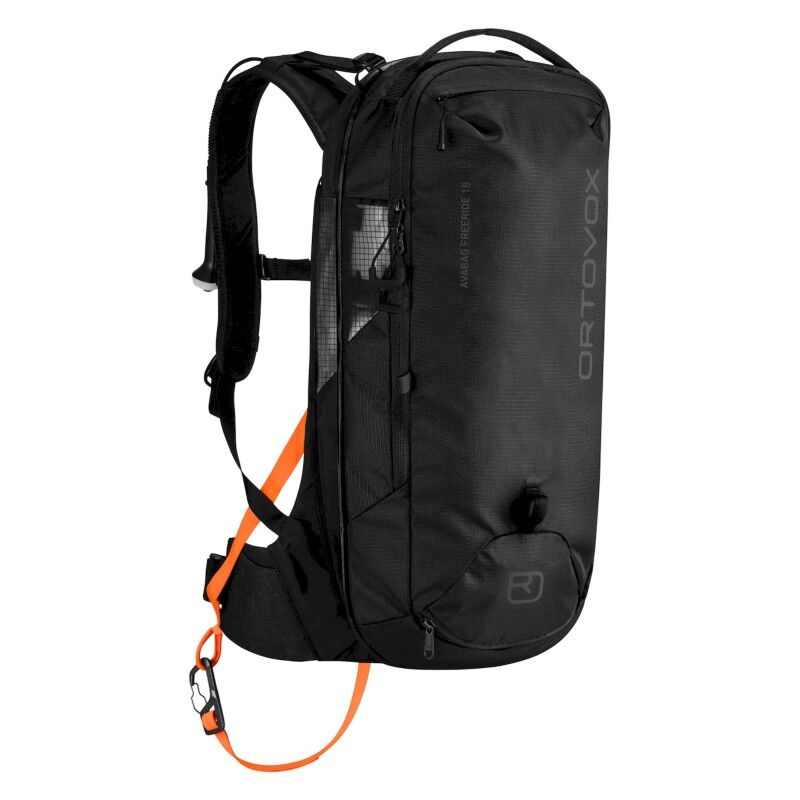
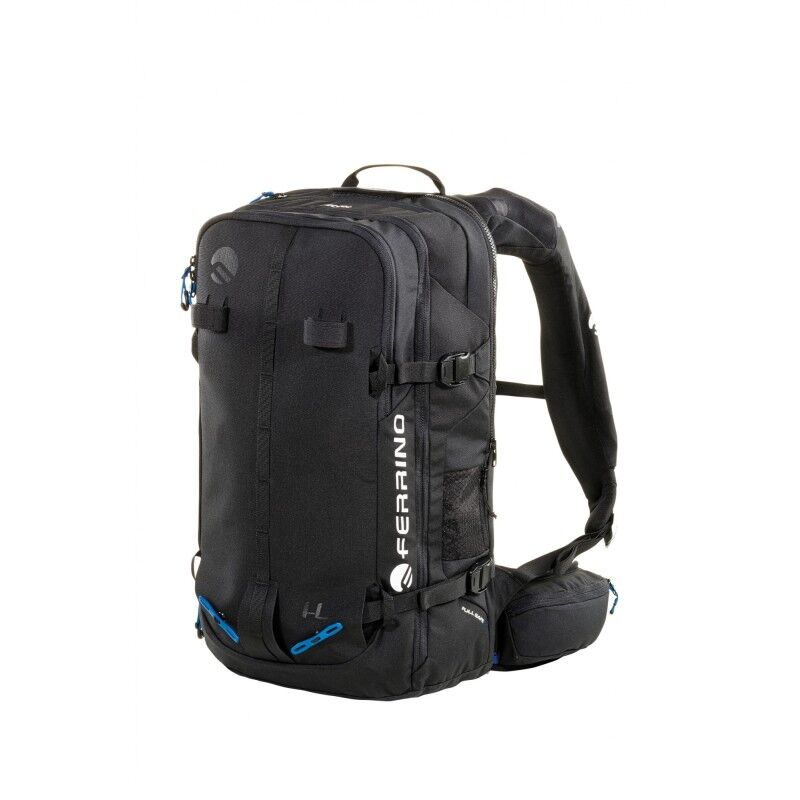
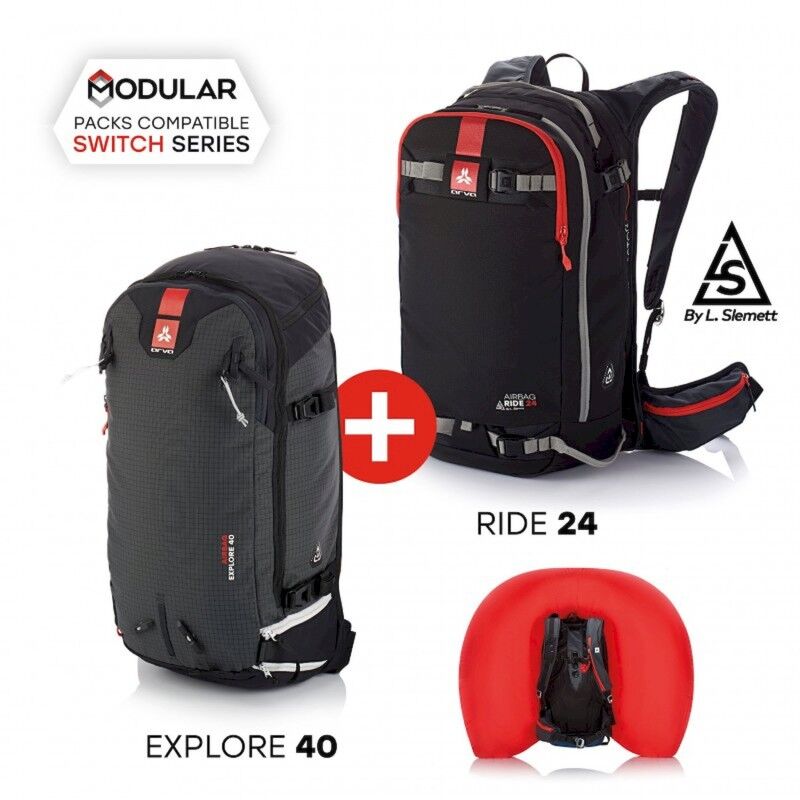
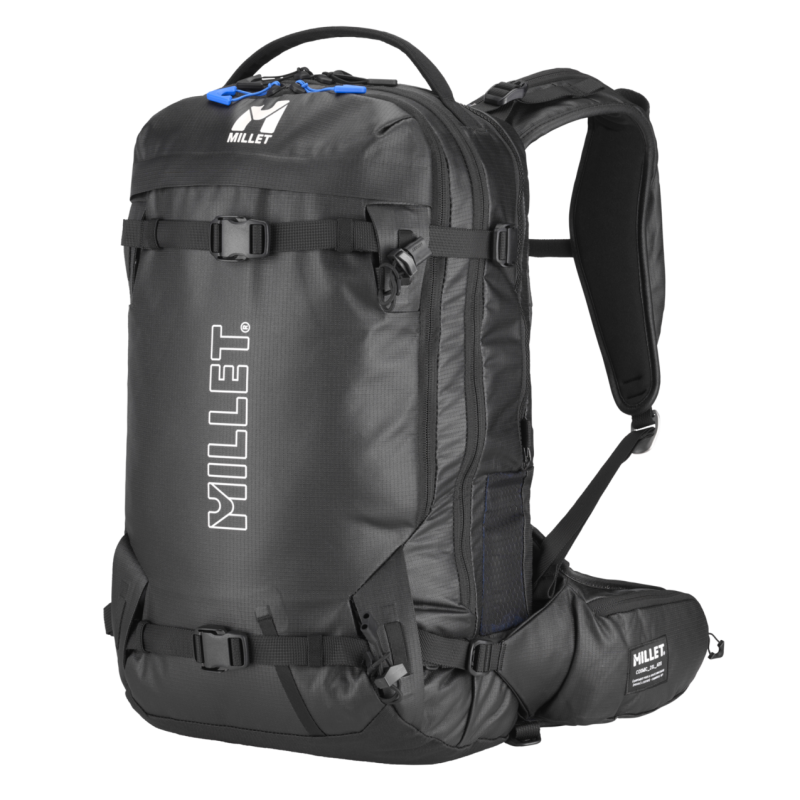
The avalanche airbag backpack, an essential for your off-piste sessions!
If the word airbag first brings to mind the safety system found in a car that deploys during a particularly harsh impact, it also refers to the avalanche airbag backpack that saves the lives of many skiers caught in an avalanche each year. Indeed, in the event of an avalanche, the chances of survival without rescue equipment are extremely low. This is why the avalanche airbag backpack is a true essential in your off-piste skiing kit, alongside the safety kit that includes transceiver, shovel, and probe, which it complements. So, if you are one of those powder lovers who enjoy venturing off the beaten track, it is crucial to consider the inherent dangers of off-piste skiing! In this regard, the avalanche airbag backpack is the indispensable accessory for your thrilling descents in the powder. Functionality, effectiveness, selection criteria: the avalanche airbag backpacks will hold no secrets for you after reading this article!
What is an avalanche airbag backpack?
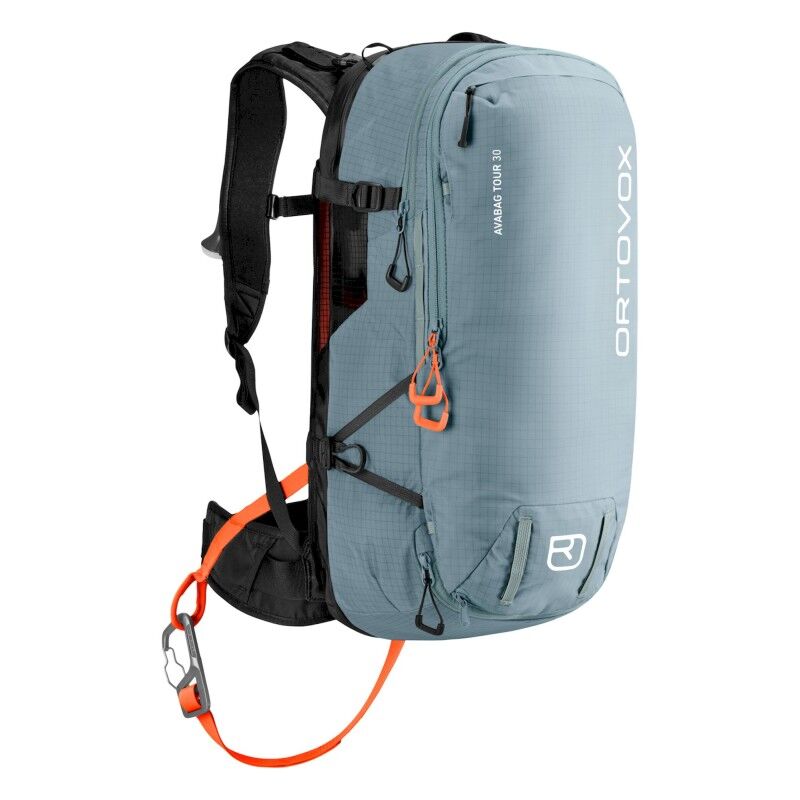
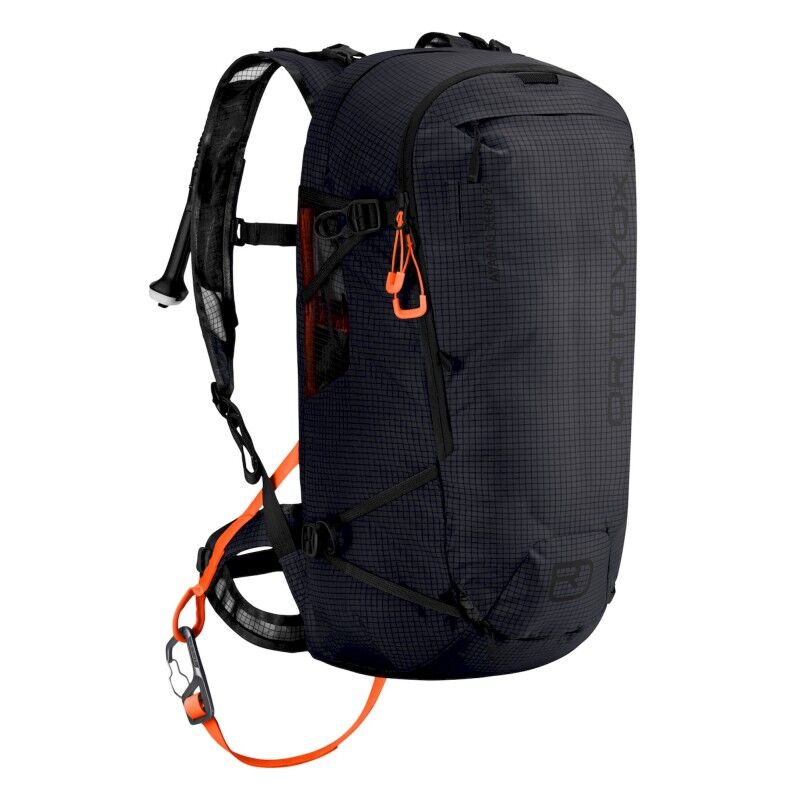
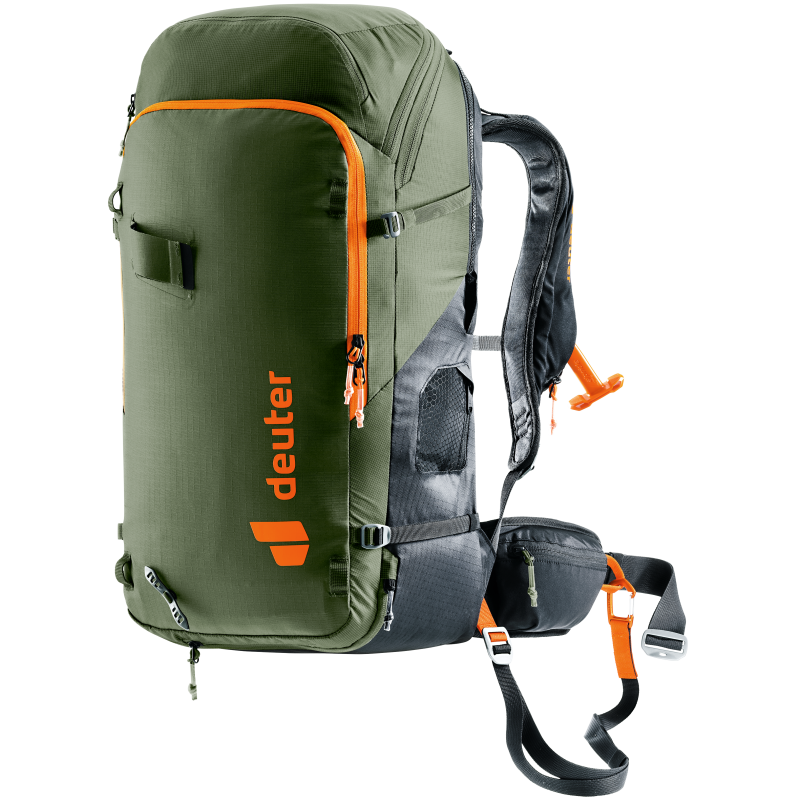
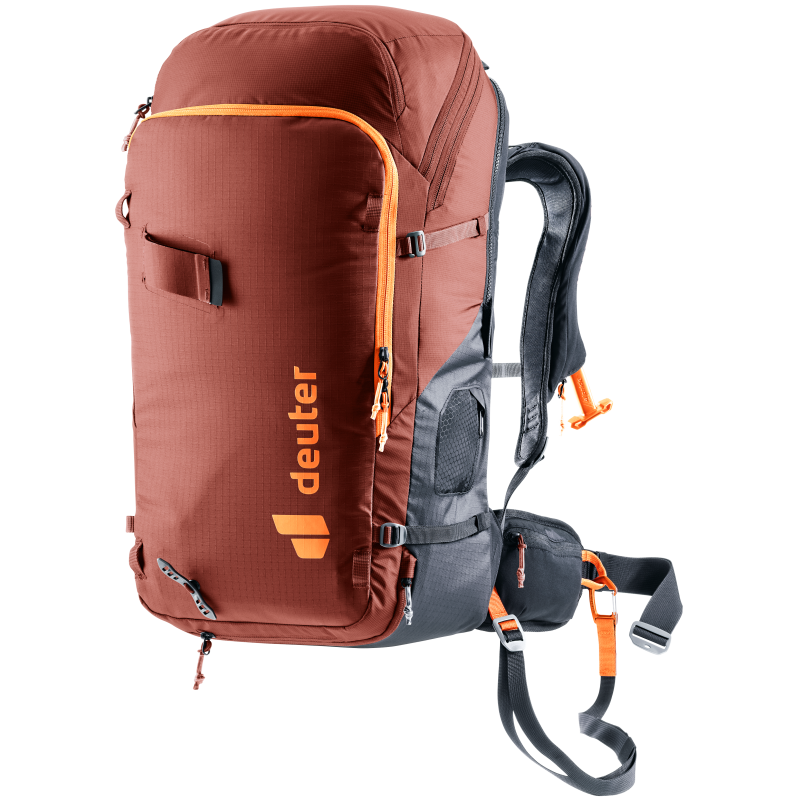
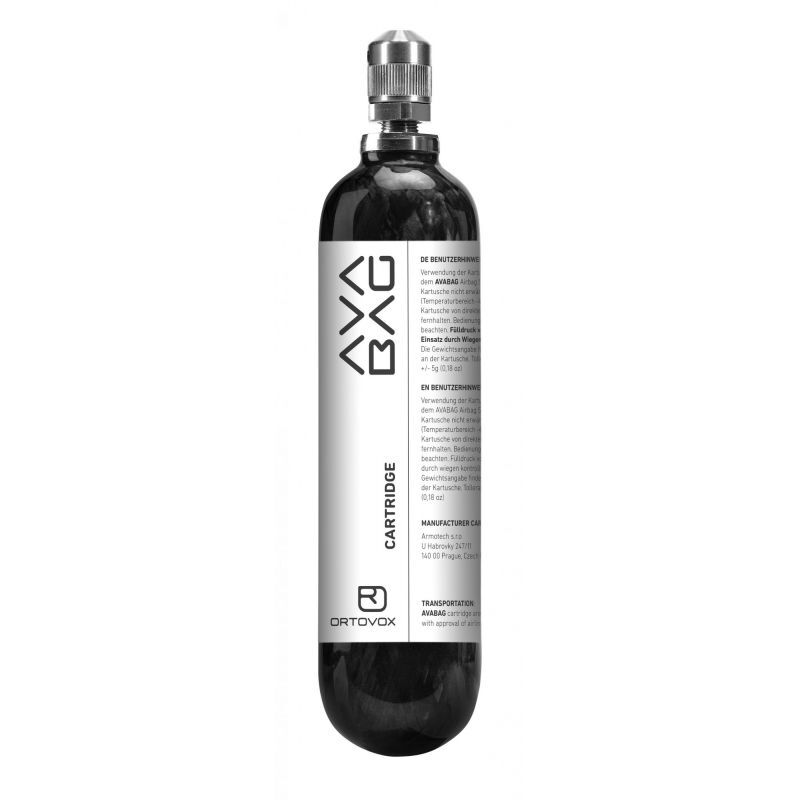
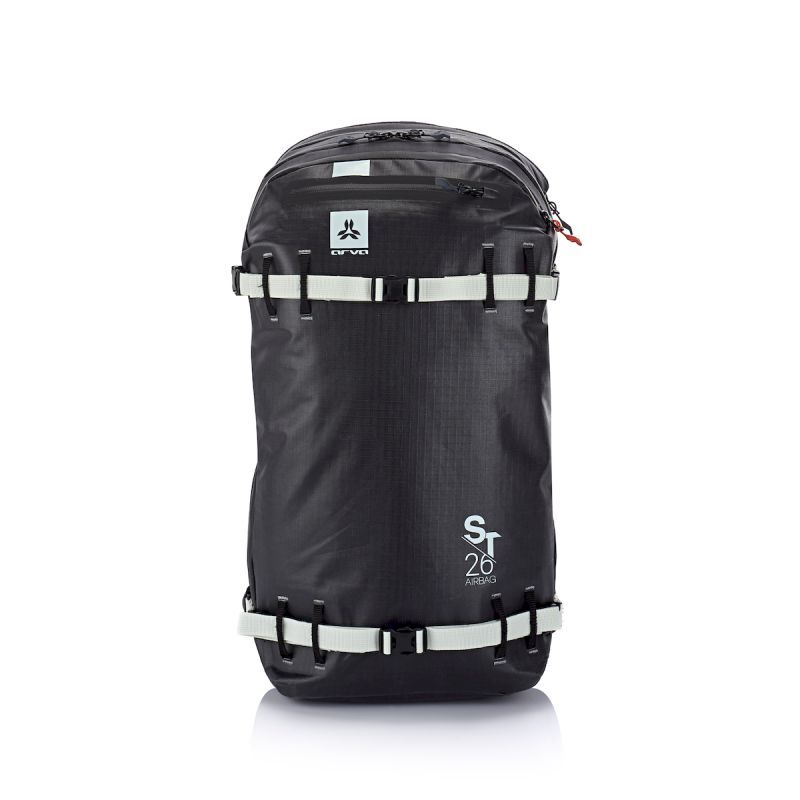
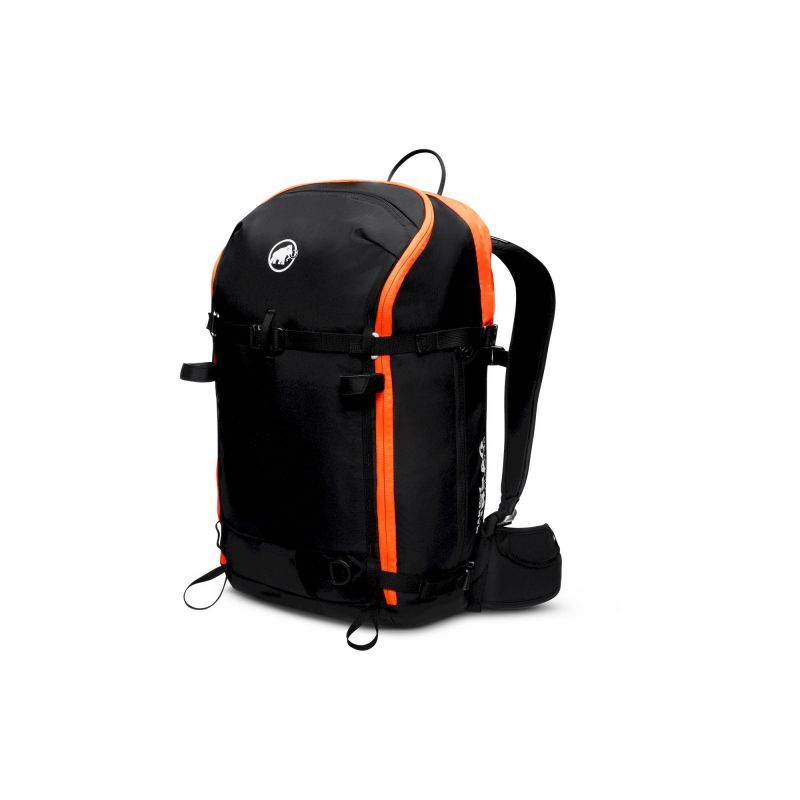
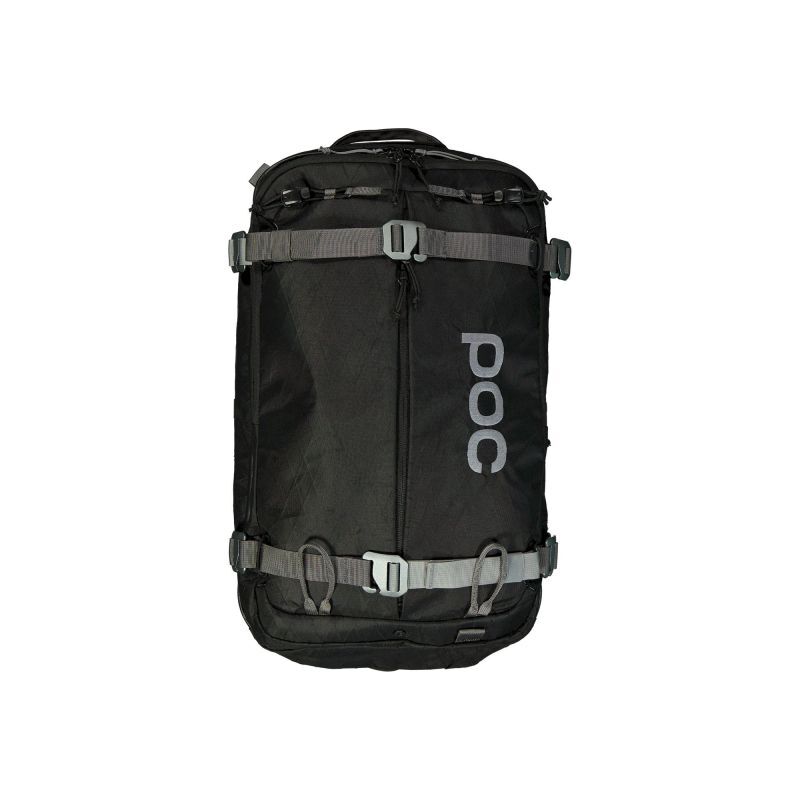
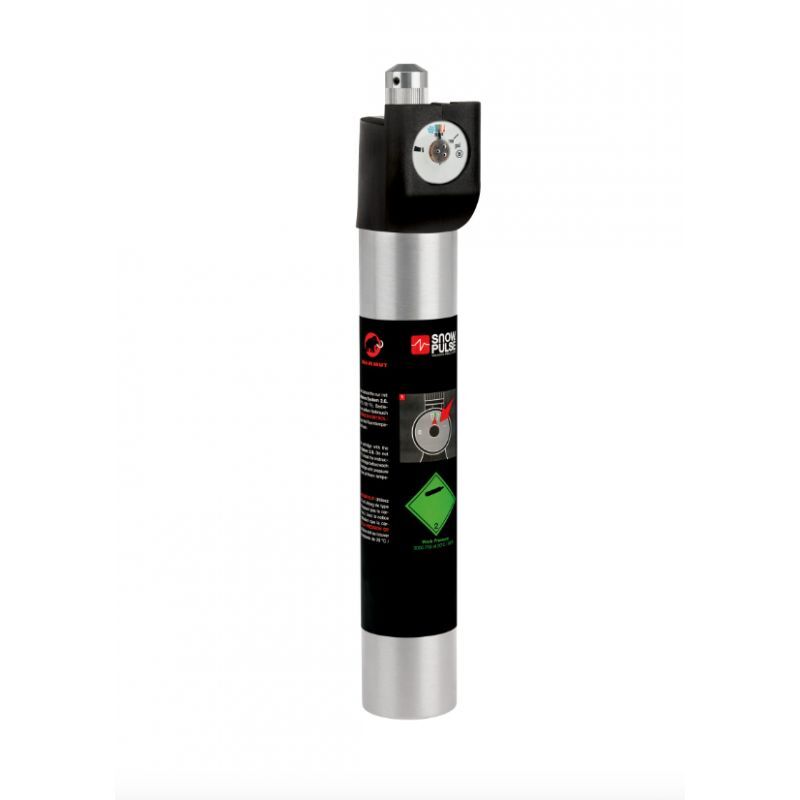
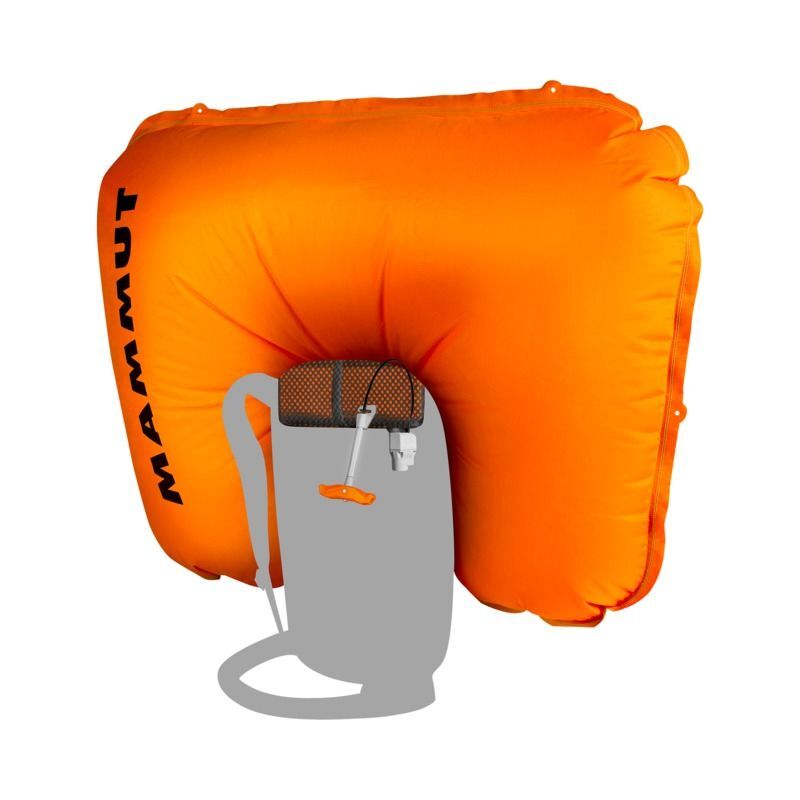
An avalanche airbag backpack is designed to protect you in the event of an avalanche (or at least to increase your chances of survival in such a situation). Even if you have informed yourself beforehand about the avalanche risks, and they were low, off-piste skiing always carries a degree of uncertainty! To fully enjoy your freeride sessions in incredible powder, an avalanche airbag is thus required to minimize the consequences in the event of an avalanche. But how does an avalanche airbag backpack look and how do you carry it during your off-piste sessions? An avalanche airbag backpack typically resembles a traditional backpack, with a main compartment for storing your ski gear and personal belongings. An internal compartment is also available for your safety equipment (shovel, probe, and transceiver). An additional compartment contains the famous airbag folded in on itself along with a gas cartridge or a battery. This compartment can be located either at the top of the backpack, on the side, or in the straps. Thus, in the event of an avalanche, you need to pull the handle located on the strap of your avalanche airbag backpack, which is actually a trigger system for your airbag. Once the handle is pulled, the gas cartridge empties to inflate one or more airbags depending on the design of your backpack. It is also possible that your airbag system is equipped not with a gas cartridge but with a battery. In this case, once the trigger handle is pulled, the battery activates a fan that inflates your airbag in just a few seconds. Regardless of the system you have chosen, the trigger system of your avalanche airbag remains the same. The operation of an avalanche airbag backpack is clear to you now, but one question lingers: is an avalanche airbag really useful in the face of an avalanche? The rest of the article will answer that for you!
Usage of the avalanche airbag backpack
While it is not mandatory, the avalanche airbag backpack is highly recommended. And for good reason: the avalanche cases are numerous and varied, and should not be taken lightly! Instability of the snowpack, steep slopes, external forces triggering the event: the risks are very real in off-piste skiing! An avalanche presents significant mortality risks. Indeed, the rapidly moving snow can carry with it many more or less dangerous debris. The power of the snow itself can also be enough to injure a person. In such cases, an avalanche airbag can greatly increase your chances of survival. How? By inflating, the avalanche airbag increases the volume of the victim, which helps to lift them towards the surface. Thus, when an avalanche occurs, only the larger elements rise to the surface of the snow: this is precisely the goal of an avalanche airbag backpack, which should allow the skier to rise as much as possible to the surface while waiting for rescue. Additionally, an avalanche airbag provides protection for the back and neck, which is particularly useful in such situations. The avalanche airbag backpack thus offers many advantages! However, it is not a foolproof solution, and risks in the event of an avalanche are present regardless of your safety equipment. Furthermore, triggering the avalanche airbag also assumes that you have had time to react and pull the handle, which is not always the case in such situations. Finally, even if your avalanche airbag backpack manages to bring you to the surface of the avalanche, the risks of injury from the elements carried by the avalanche are still largely unavoidable. It is therefore crucial to research the area where you wish to ski off-piste beforehand and to remain vigilant during your adventures off the beaten path.
If the usefulness of the avalanche airbag is no longer in doubt for you, it is time to turn to the pinnacle of this article: how to choose your avalanche airbag?
How to choose your avalanche airbag backpack?
Decoding the different airbag systems
You may not realize it, but there are a multitude of airbag systems on the market. Some of these systems can be grouped by type of activation, namely:
- a cable activation, which strikes the gas cartridge that fills the airbag
- a pyrotechnic activation, during which a needle strikes a compressed gas cartridge
- a button activation, which activates an electronic blowing system that fills the avalanche airbag with air
If ABS backpacks are pioneers in terms of avalanche airbag, there are other equally effective systems on the market. Let’s take a look at these different airbag systems.
ABS System
A reference in the field, the ABS backpack offers an explosion system that inflates the two balloons located on the sides of the avalanche airbag. Thus, once the trigger handle is pulled, a needle punctures the compressed gas cartridge, which inflates the balloons. The advantage of the ABS system lies in the fact that it has 2 balloons, providing safety in case one airbag is damaged. The downside of ABS backpacks is that the protection for the skier's head is not optimal.
RAS and PAS Systems
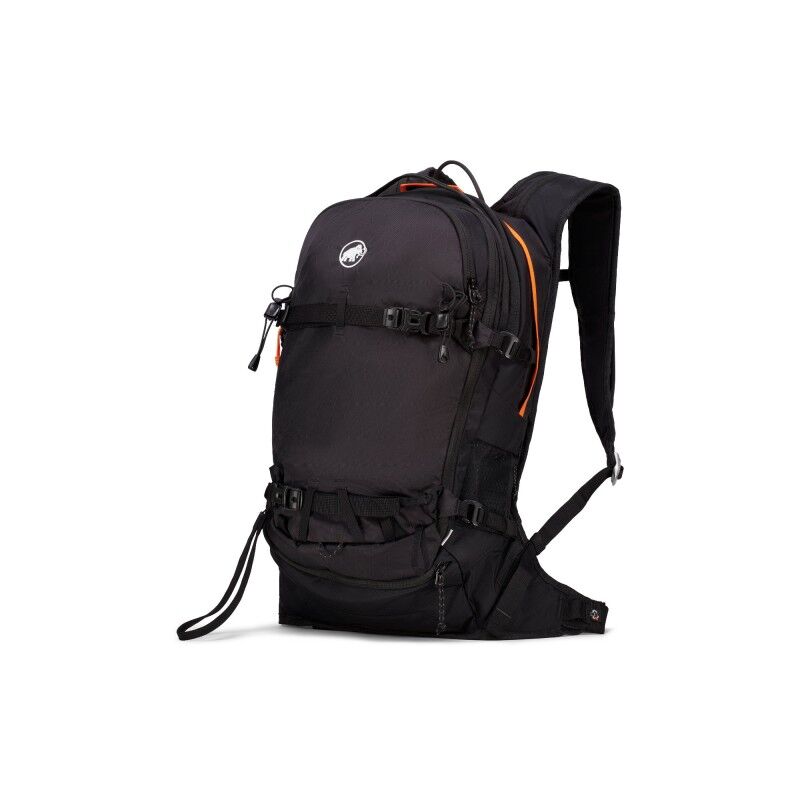
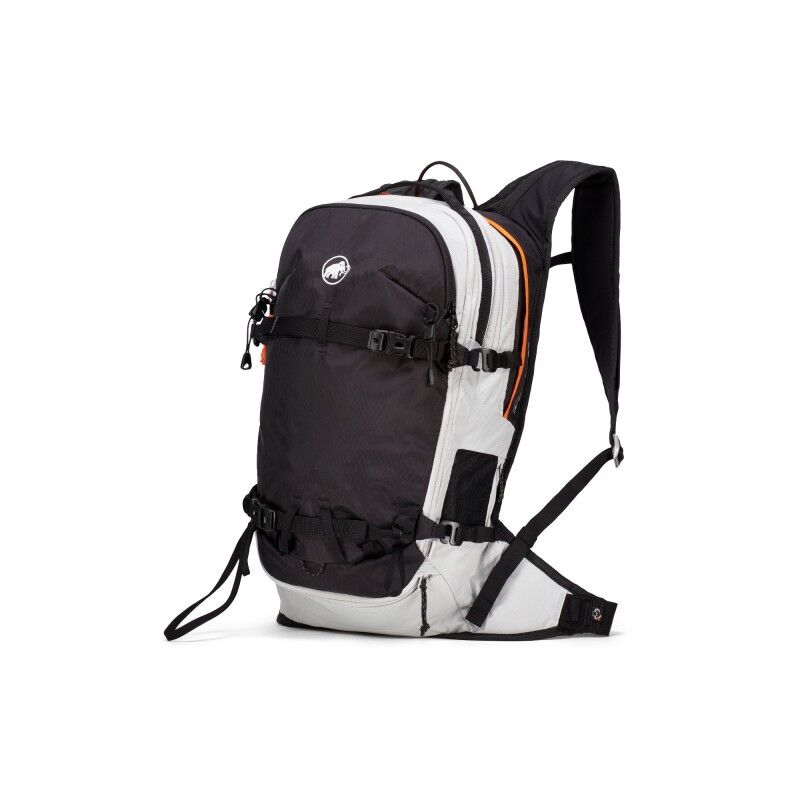
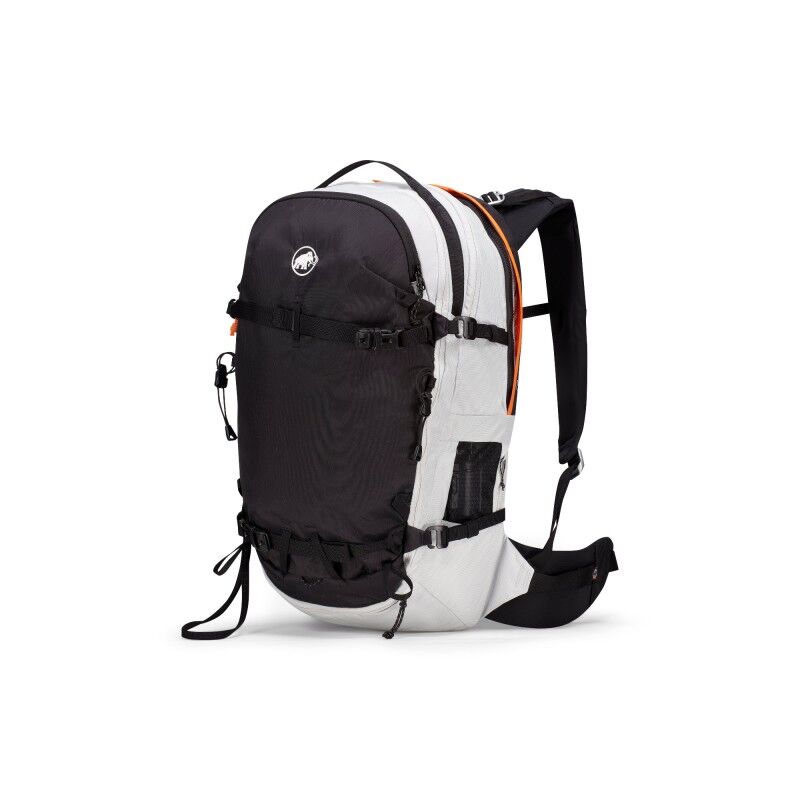
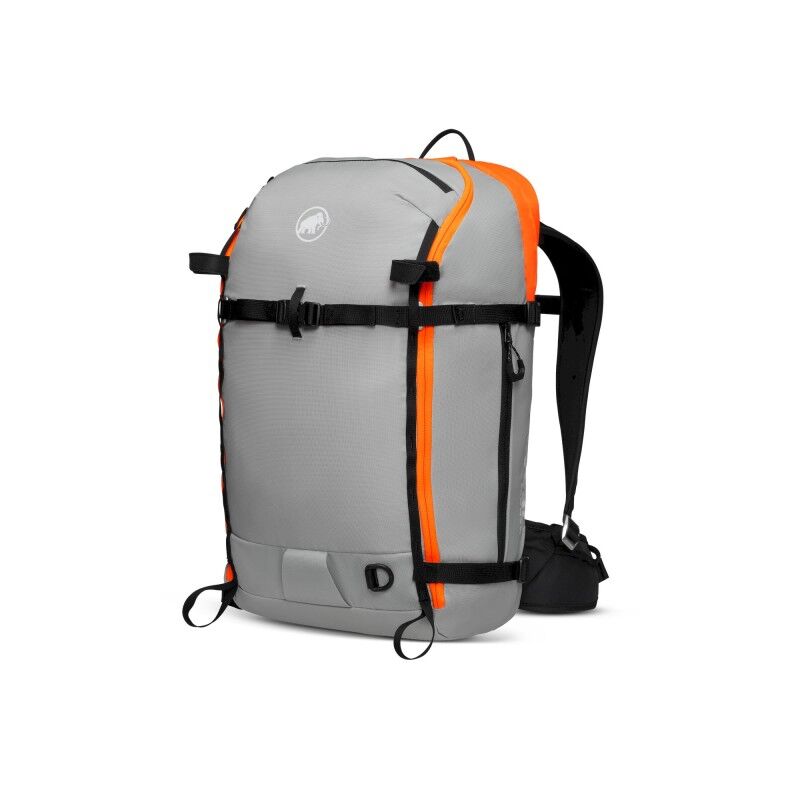
These systems use the same mechanism as the avalanche airbag with ABS technology, except that activation is done here using a cable. However, unlike the ABS airbag, it is possible with the RAS technology (Removable Airbag System) to remove the airbag from the backpack, allowing you to use your avalanche airbag for other activities like hiking. The PAS technology (Protection Airbag System) offers a placement of the airbag at the level of the straps of the avalanche airbag, which can make the avalanche airbag less comfortable as it becomes stiffer at the straps, but also less bulky. Additionally, these two systems provide better wrapping around the skier. Mammut avalanche airbags offer these two different systems, for example.
-Ride Removable Airbag 3.0 -Mammut (RAS system)
-Pro Protection Airbag 3.0 -Mammut (PAS system)
Alpride System
This type of avalanche airbag uses a cable activation, which fills the airbag that is round in shape, effectively protecting the user's back and head. Unlike the previous systems, the cartridges for this avalanche airbag are not rechargeable, which is its main drawback. Additionally, this avalanche airbag allows for training without a cartridge, to better understand the force needed to activate the handle and trigger the airbag.
-Neo 30 Ars -Millet
Jetforce System
This avalanche airbag features an innovative system, where a fan, rather than a gas cartridge, fills the airbag. The system is activated using a button. This avalanche airbag can be triggered multiple times in succession, especially in the event of a second avalanche. The battery is rechargeable, and indicator lights alert you when it is running low.
-Jetforce Tour Pack 26L - Black Diamond
Avabag System
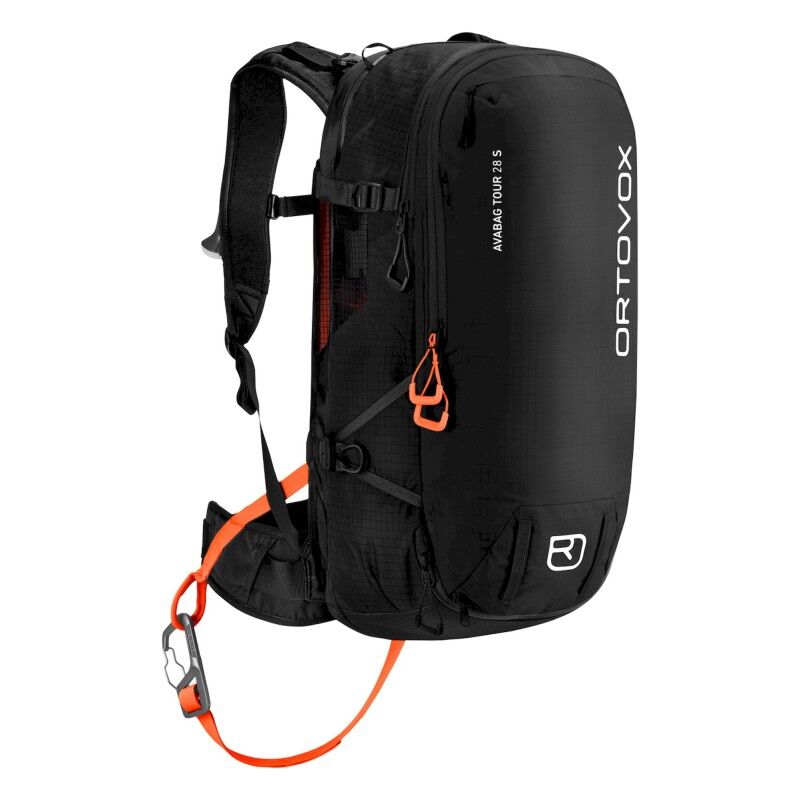
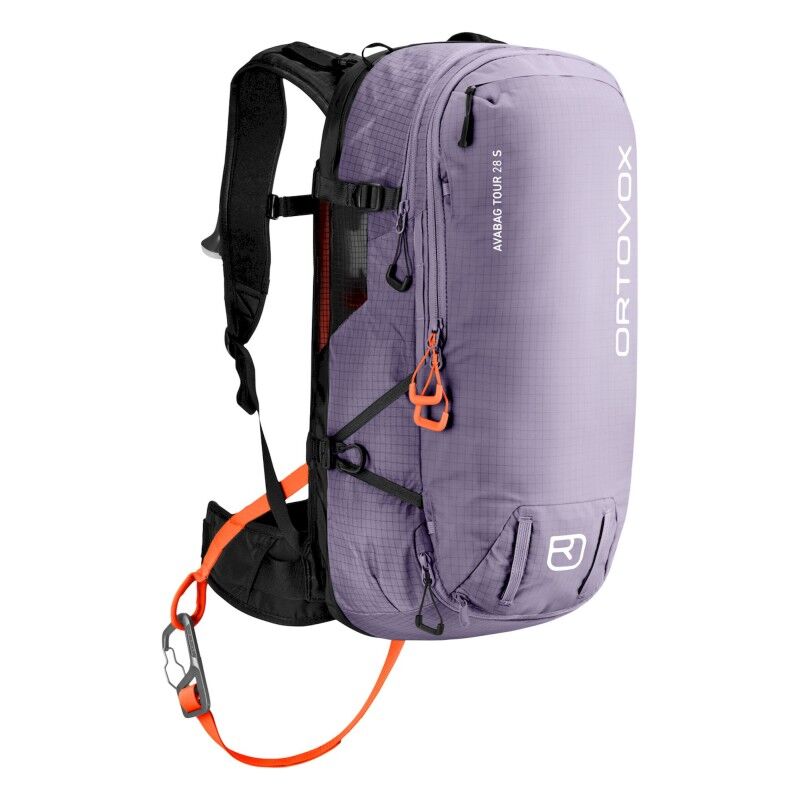
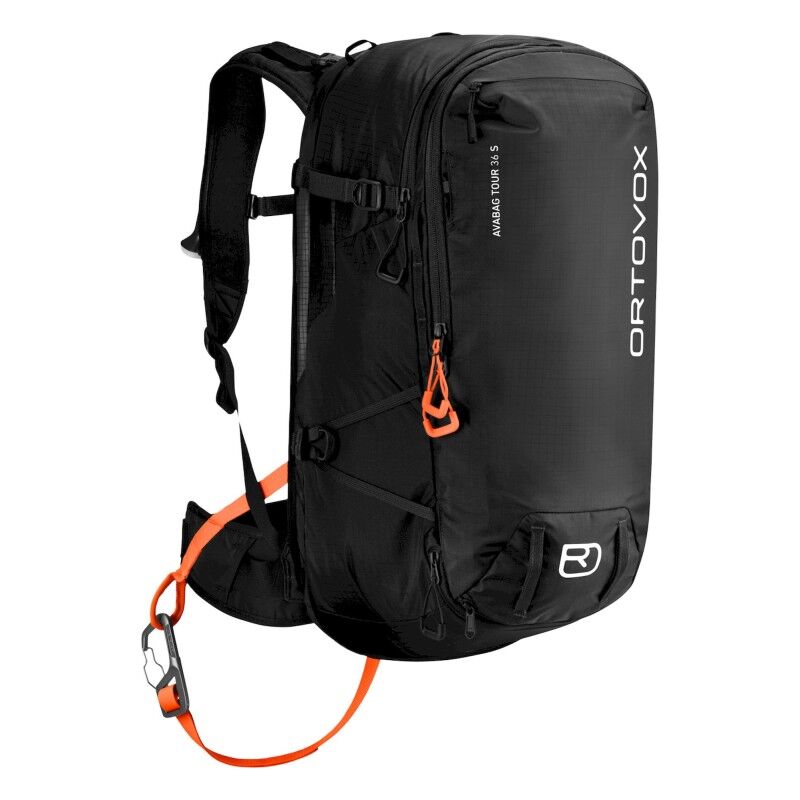
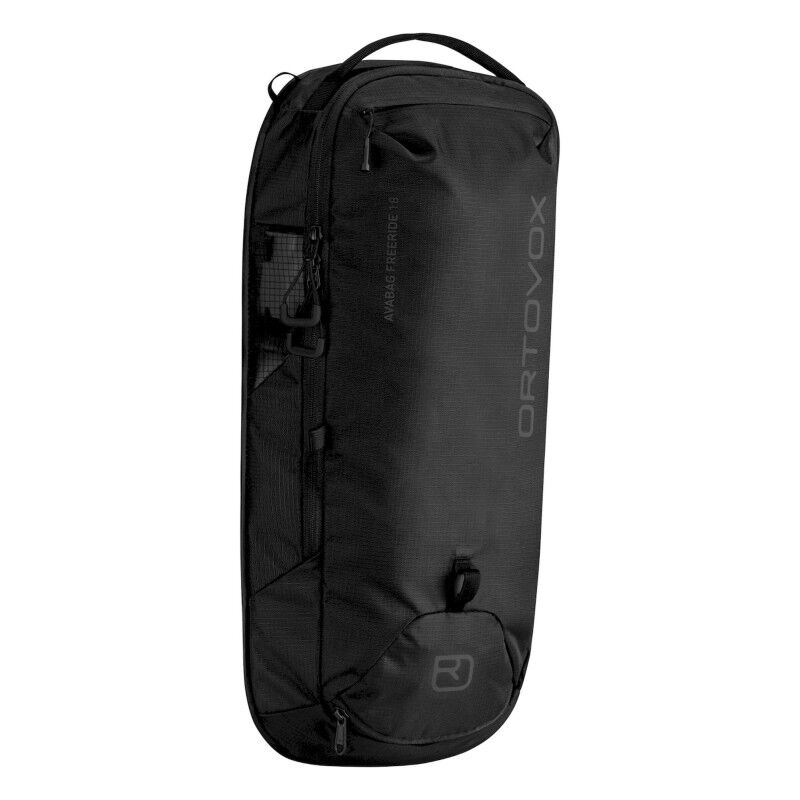
Created by Ortovox, this avalanche airbag features a round balloon, which is activated by pulling the handle that triggers the mechanism to empty the gas cartridge. Compact and lightweight, this avalanche airbag is particularly practical. The Ortovox backpack is equipped with this avalanche airbag system:
-Ascent 22 Avabag -Ortovox
BCA Float System
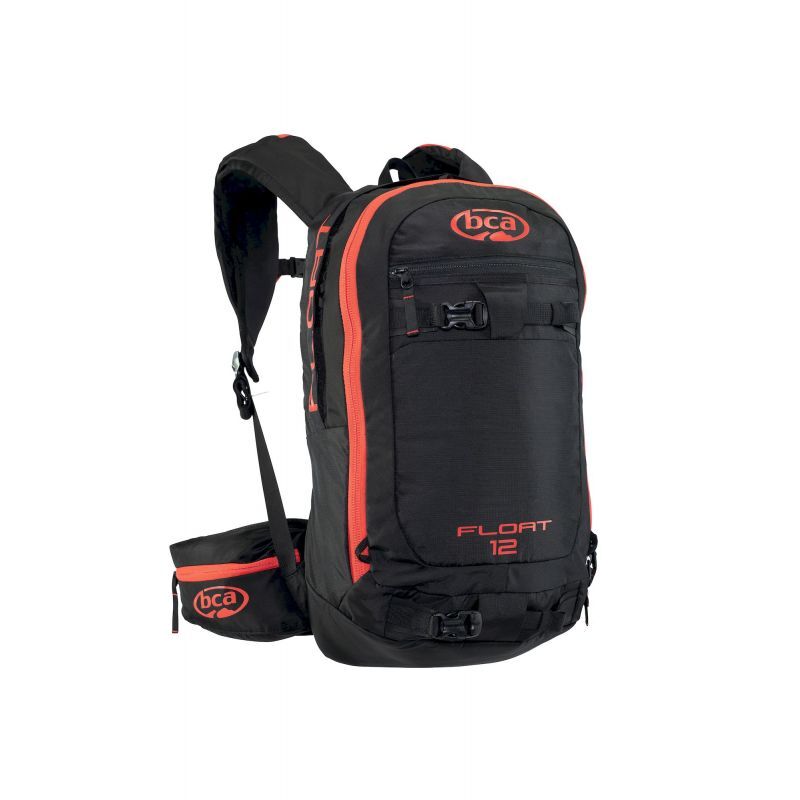
The BCA Float airbag uses a handle and cable to trigger the compressed air cartridge. With its U-shape, this avalanche airbag offers ease of use, ensuring the system is triggered effectively.
Reactor System
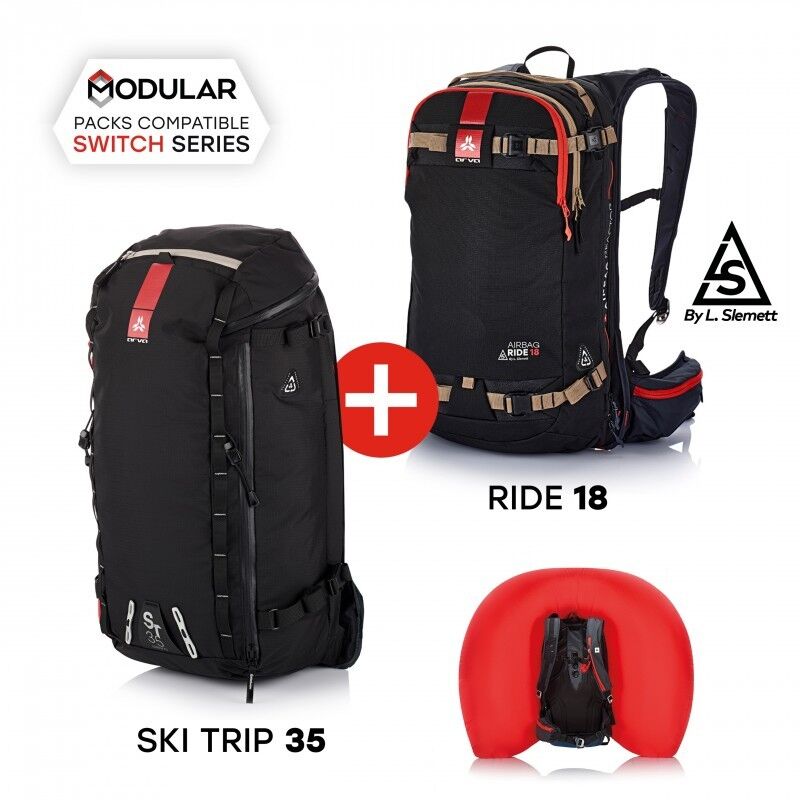
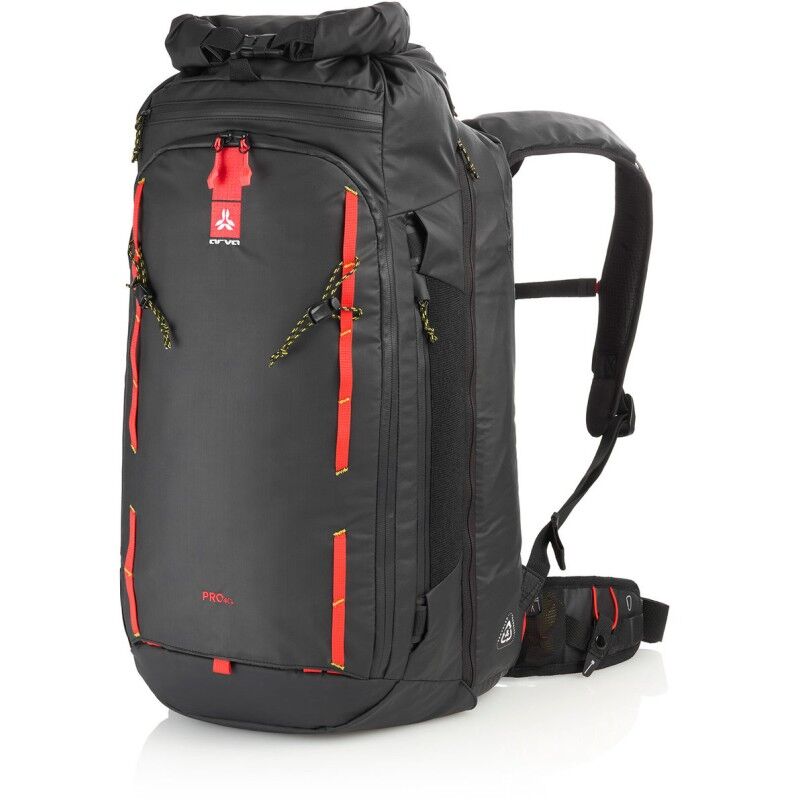
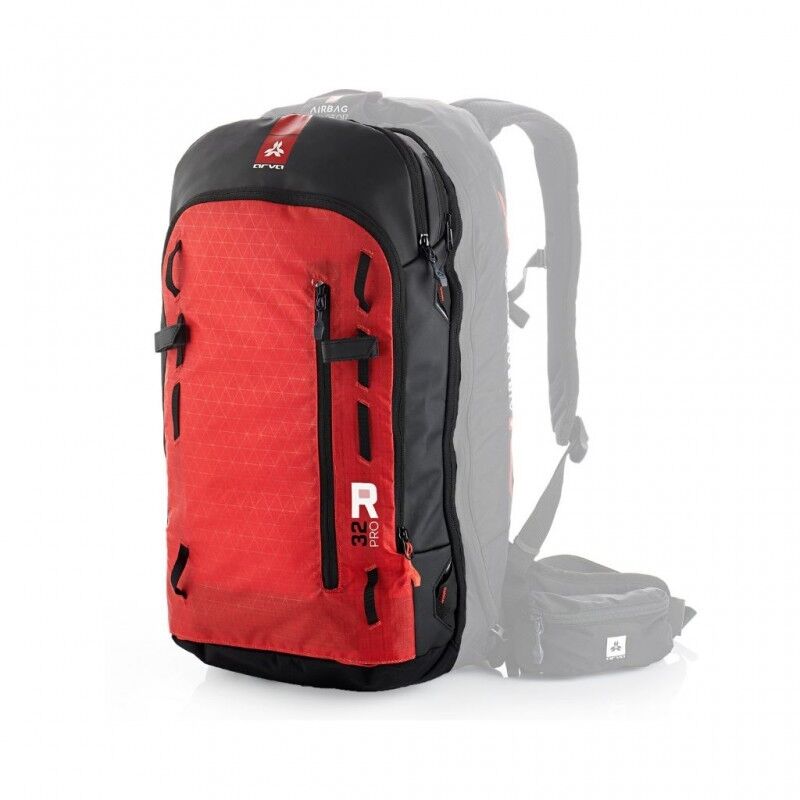
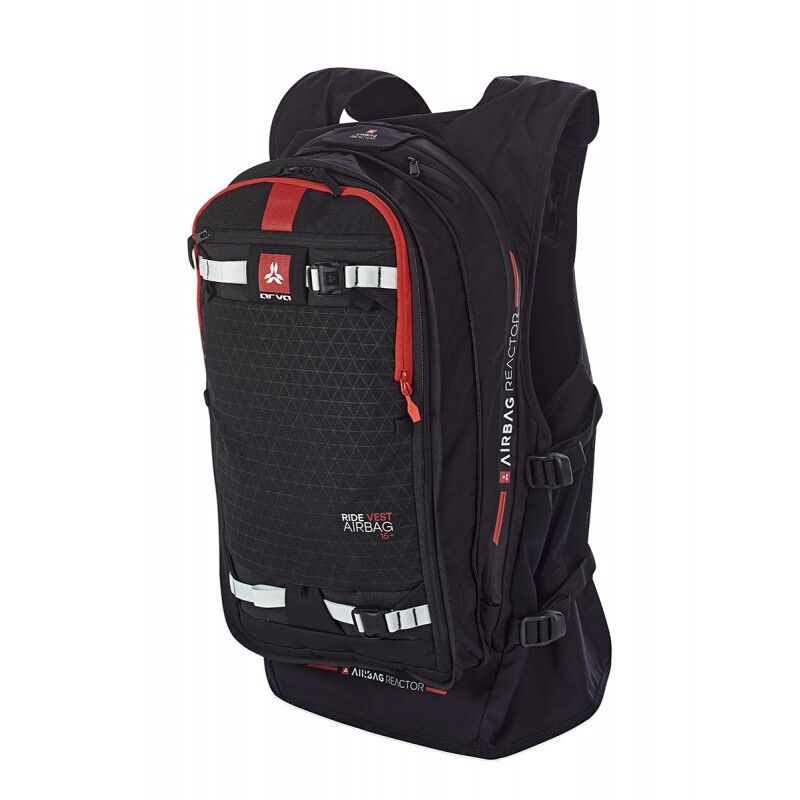
Last on the list, the Reactor airbag adopts the trigger handle and needle activation system. The difference lies in the fact that this avalanche airbag features a dual inflation system, as well as a dual airbag, for enhanced safety. This avalanche airbag is recognized for its upward force in the event of an avalanche when the airbag is inflated, while also being compact and lightweight.
-Airbag Reactor 32 -Arva
The weight of the avalanche airbag, a crucial criterion
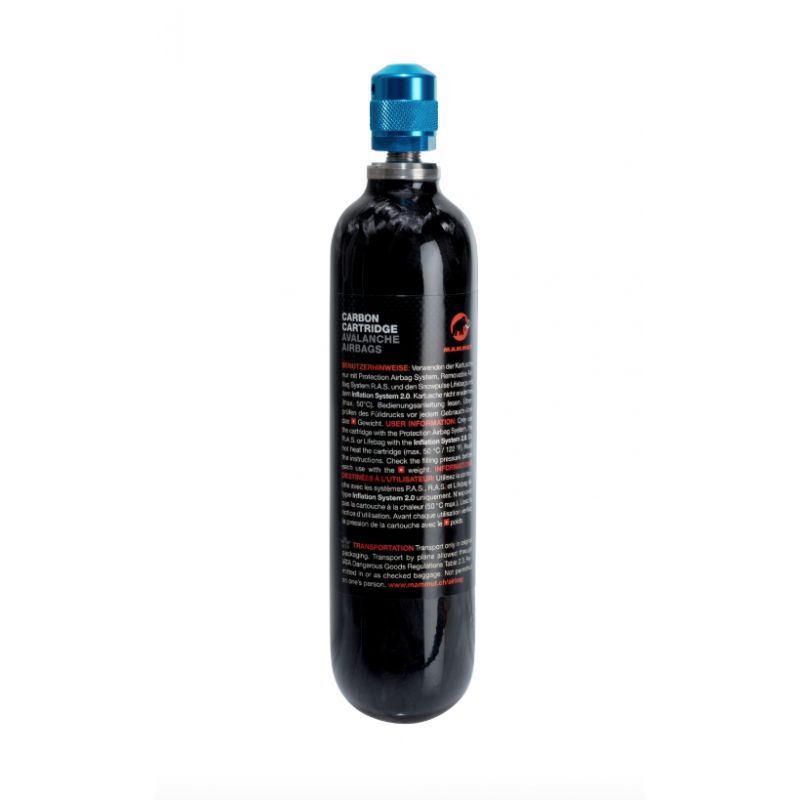
As we have seen, many avalanche airbag backpacks feature a system with a gas cartridge. However, between an avalanche airbag with a steel cartridge or a carbon one, the weight can differ by nearly 400 grams! On average, an avalanche airbag weighs between 1 kg and 3.5 kg. If you are an occasional user, we recommend opting for a lightweight avalanche airbag, while for frequent use, a avalanche airbag with a larger storage capacity is advisable. Besides weight, the volume and shape of your avalanche airbag also have an impact.
Volume and shape of the avalanche airbag
You will understand, the more volume there is, the higher you rise to the surface of the snow. Thus, the volume of your avalanche airbag plays a crucial role in the event of an avalanche. However, the volume is generally more or less close and cannot drop below 150 liters according to international standards. The shape also plays a very important role in protecting the skier, as it can be more or less enveloping. A quick reminder of the different shapes and volumes according to the avalanche airbag system:
ABS - 2 balloons - elongated shape - 170 L (2 x 85 L)
RAS - 1 balloon - U-shape - 150 L
PAS - 1 balloon - very enveloping U-shape - 150 L
Alpride - 1 balloon - round shape - 150 L
Avabag - 1 balloon - round shape - 160 L
Jetforce - 1 balloon - U-shape - 200 L
BCA Float - 1 balloon - U-shape - 150 L
Reactor - 2 balloons - U-shape - 150 L (2 x 75 L)
Prices of avalanche airbags
A true investment, the price of an avalanche airbag can vary widely, from €500 for a BCA Float system to over €1,000 for a Jetforce system. The cost of recharging the cartridge also comes into play, with a price of around €35, except for the Jetforce system, which offers a rechargeable Lithium-ion battery at home. Although these prices are quite significant, remember that your avalanche airbag can help save you in the event of an avalanche during your ski adventures, which is not negligible.
When should you schedule a revision for your avalanche airbag?
It is important to have your avalanche airbag serviced before each season begins, to ensure its reliability. If you cannot have it checked immediately, you can identify some signs yourself:
- Signs of wear on the airbags
- Rips, detachment, or any deformation of the airbag attachment buckles
- Tears (straps, abdominal strap, seams…)
It is also recommended to check the weight of the cartridges to ensure they are properly filled.
Avalanche airbag abroad: tips and precautions
If you wish to travel with your avalanche airbag, be aware that there are some rules to follow. Indeed, only one avalanche airbag per person is allowed, with only one compressed gas cartridge. The system must be packed to avoid any accidental activation. Finally, the airbag system must be registered with the airline you wish to fly with. For more information, it is best to have a copy of the regulations from the International Air Transport Association regarding avalanche airbags, and to submit your request to the airline several weeks before your departure.
Find your avalanche airbag on Hardloop.co.uk
ABS backpacks, shape of the avalanche airbag ski, weight, functionality: you can now choose your avalanche airbag with confidence to accompany you on your adventures in the powder!If you have any questions or doubts regarding your choice of avalanche airbag, do not hesitate to ask us all your questions at 01 48 58 30 28 (free call). You can also write to us at hello@hardloop.co.uk!