
Replacement Tent Poles
(6)
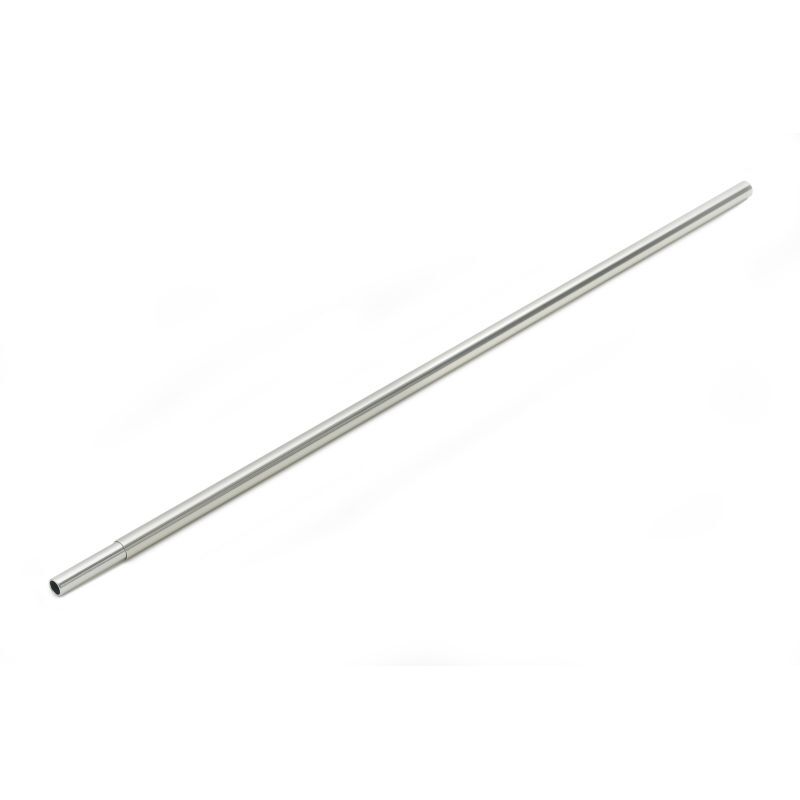
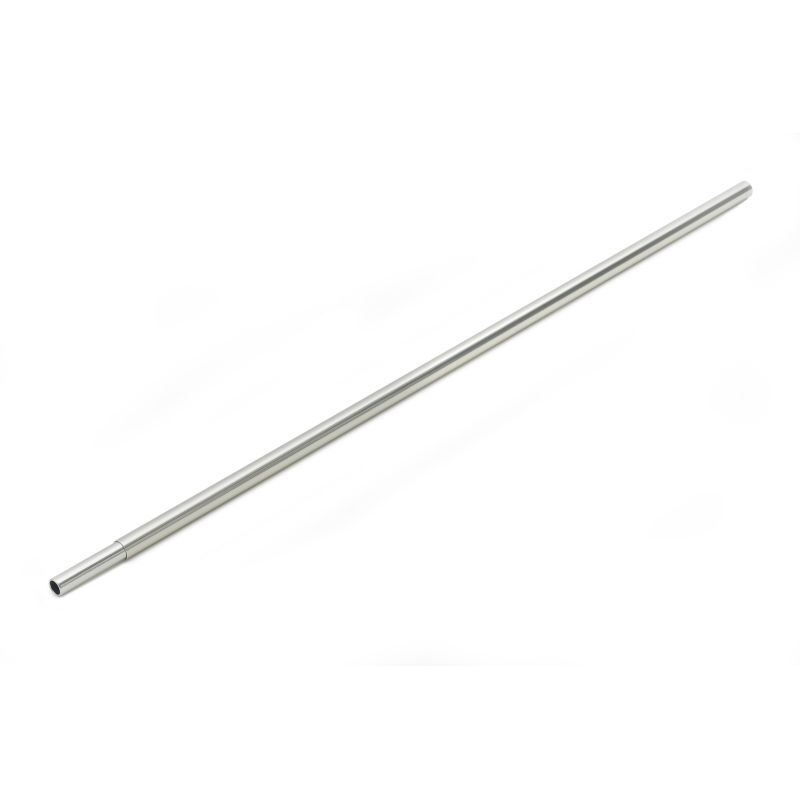
Camping Tent Frame: Tent Poles and Tent Cord
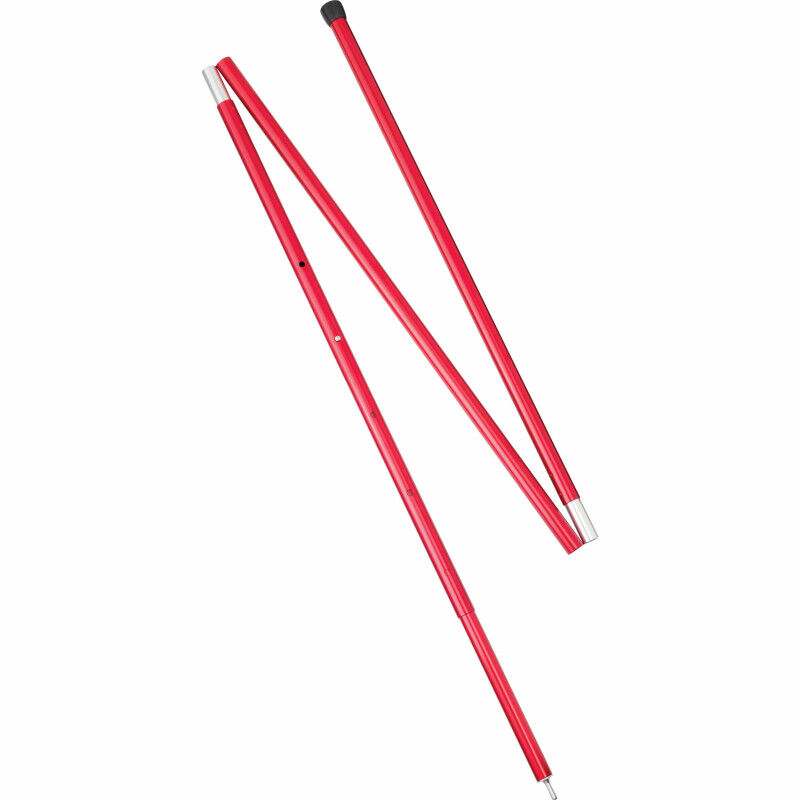
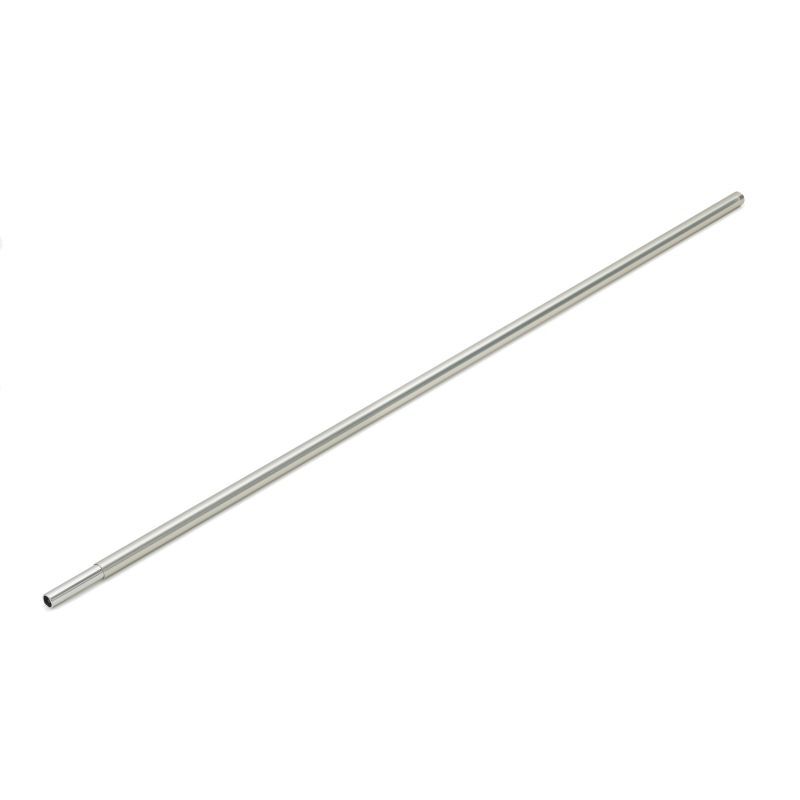
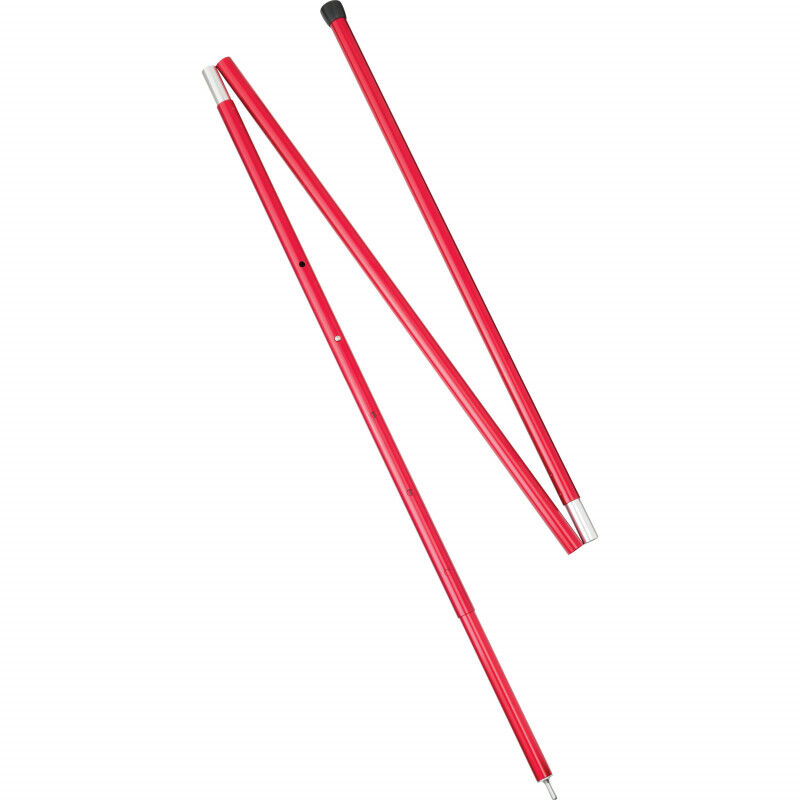
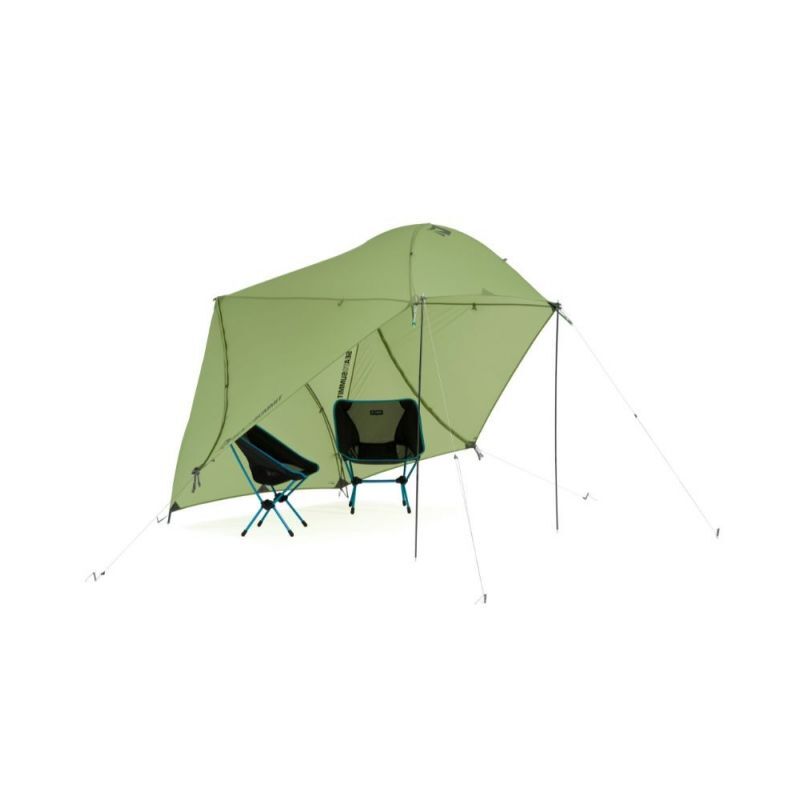
After a long and exhausting day of hiking through the stunning High Alps, seeing your tent set up and ready to welcome you for the night is an indescribable joy. However, your beloved 3-person tent may suddenly collapse. Don't panic! It's quite simple to replace the components of a hiking tent to give it a new lease of life. The replacement tent poles and the tent cord are among the parts you can easily change. Together, they truly form the camping tent frame and keep it standing. The pole tent is the most commonly encountered, so it's important to know how to replace or repair these essential accessories. An igloo tent (or dome tent) is typically a freestanding tent. It stands thanks to poles that cross and meet at the four corners of the tent. The poles of a tunnel tent are shaped like an arc. These tents are not freestanding; they rely on a cord, also known as a guy line, which is attached to each tent pole to tension the fabric. In strong winds, a set of tent cords provides your camping tent with increased stability.
A broken tent pole or a damaged guy line will no longer disturb the tranquility of your hikes, allowing you to rest easy!
Choosing Your Tent Pole
Various materials can be used to manufacture a tent pole, and they directly affect the overall weight of your camping tent. We recommend prioritising aluminium and carbon poles over those made from fibreglass. Indeed, a fibreglass pole, while cheaper to purchase, is often heavy and less durable, breaking easily. Therefore, it should be avoided if you plan to undertake a mountain expedition, where conditions are harsh and the risks of damaging your tent are high. Aluminium tent poles offer an excellent weight-to-strength ratio and are particularly versatile. They are made by manufacturers from 6000 or 7000 series aluminium alloys. A 6000 series alloy is resistant to corrosion and strong. The 6061 alloy is the most commonly used for manufacturing aluminium tent poles. A 7000 series alloy is even stronger. The 7001 alloy is resistant to corrosion and elastic. A letter and a number (T6, for example) often accompany the series number, indicating the rigidity level of the aluminium pole. The higher the number, the stiffer the tent pole will be, but this also means it is more likely to break under the tension of the tent cords or wind. Finally, if you prefer to undertake the GR20 in ultra-light hiking, carbon tent poles are likely the best option for you. Durable and extremely lightweight, they are, however, very sensitive to temperature variations. Stifling heat or freezing cold can cause your carbon poles to shatter, and impacts should be avoided with this type of material. The solution remains composite fibre poles, which offer unparalleled flexibility and return to their original shape.