
Hiking Backpacks
(2209)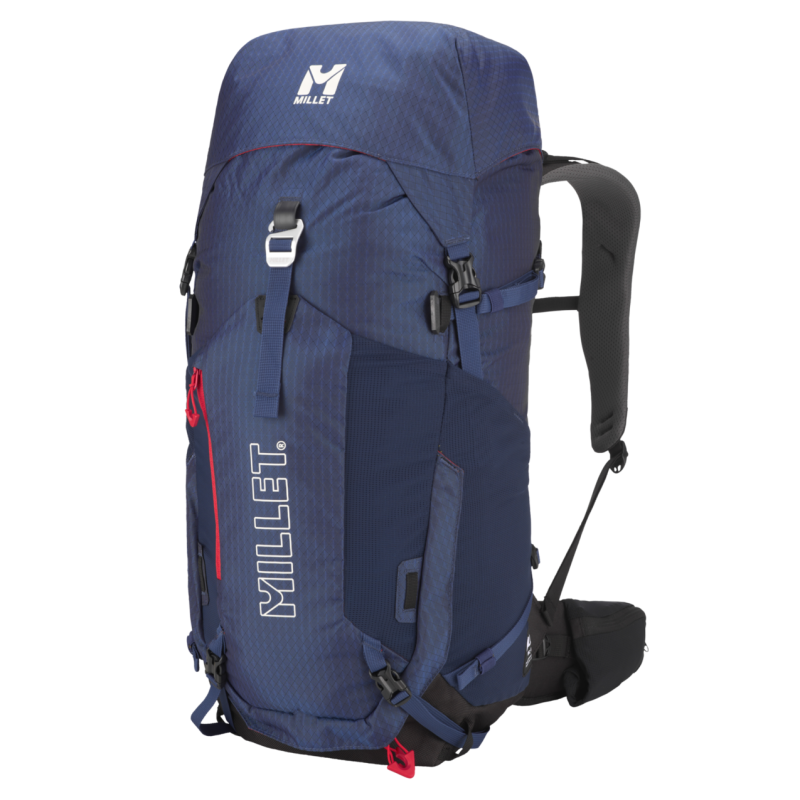


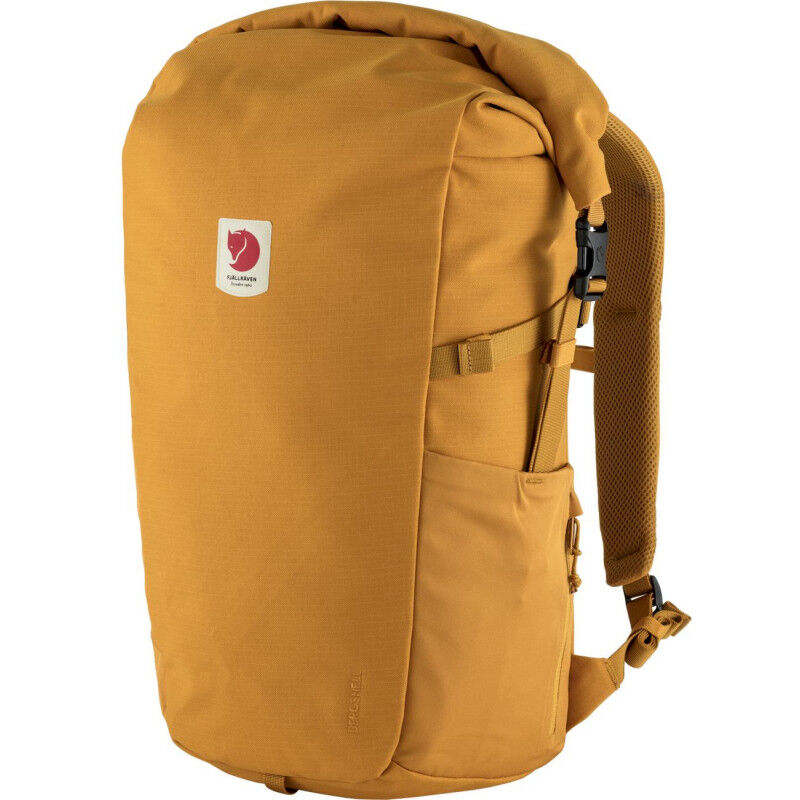


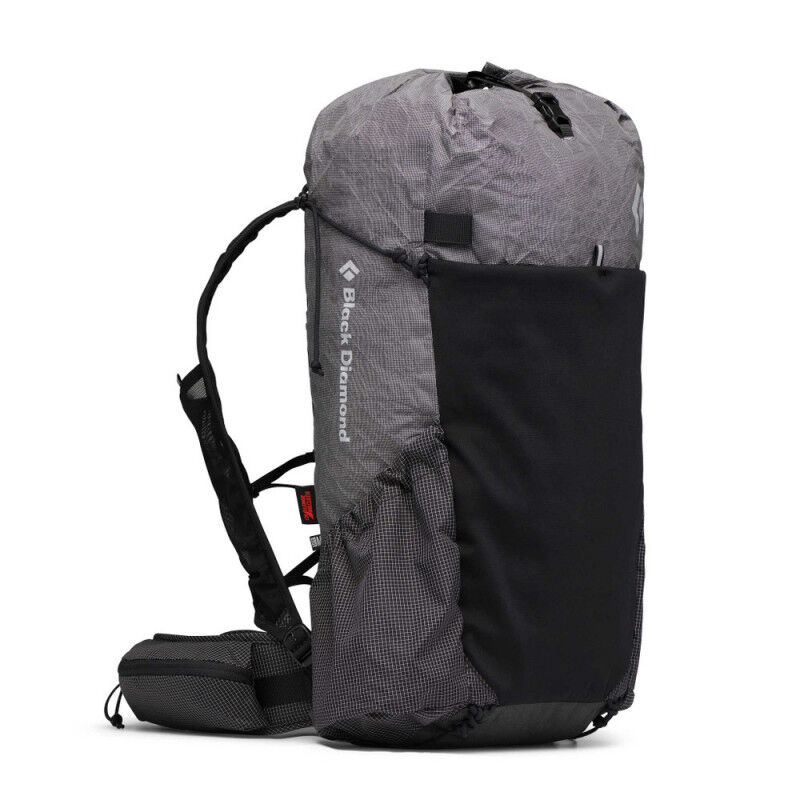
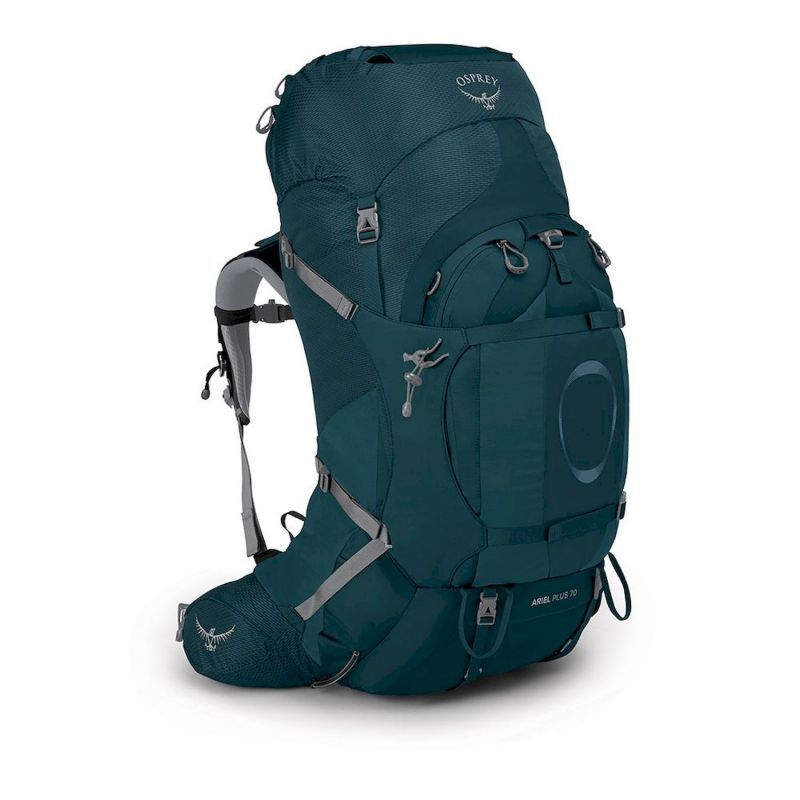
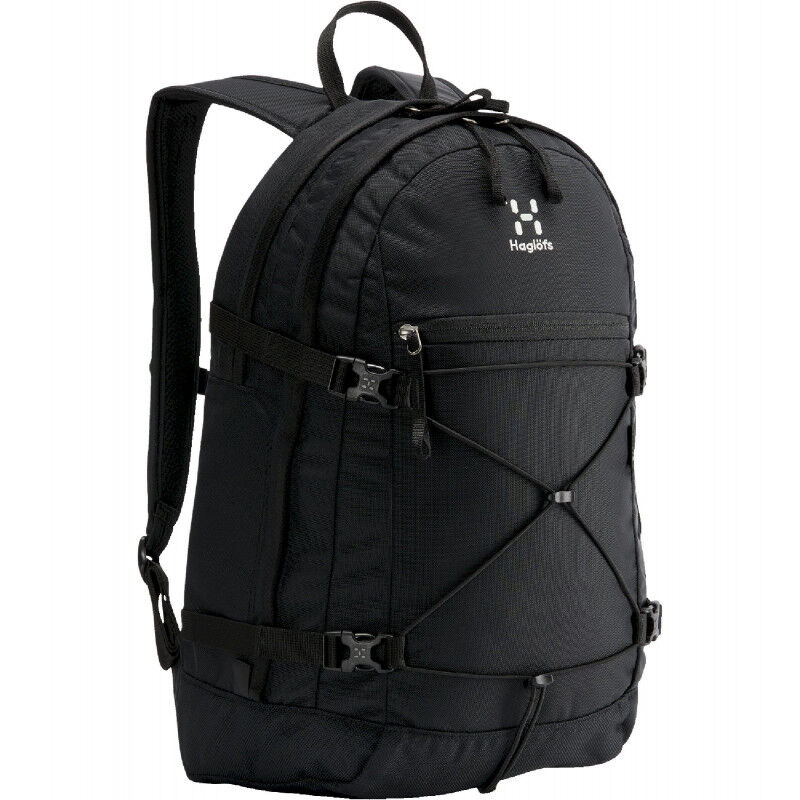




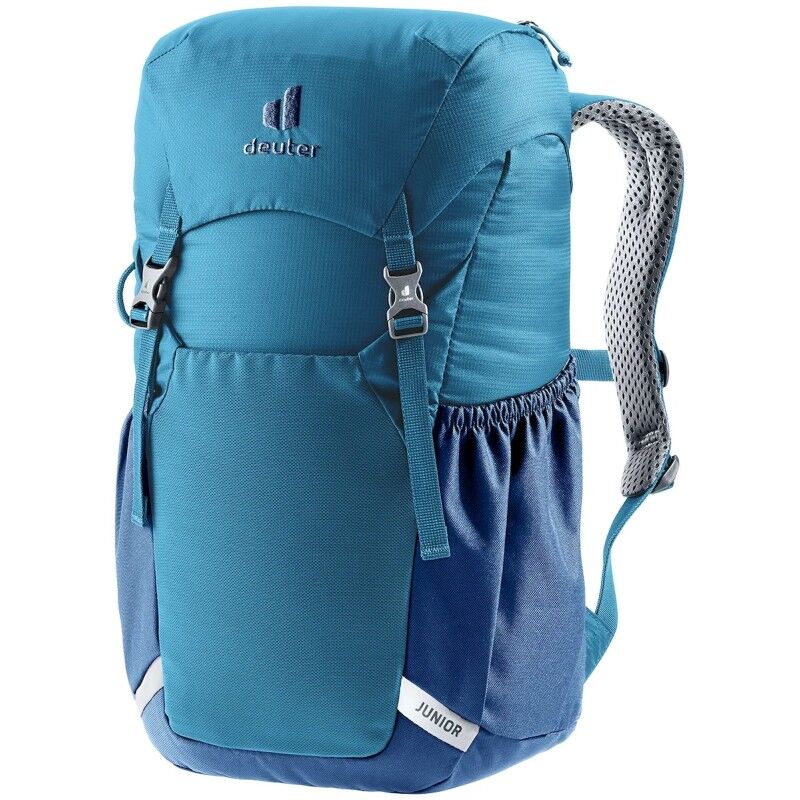

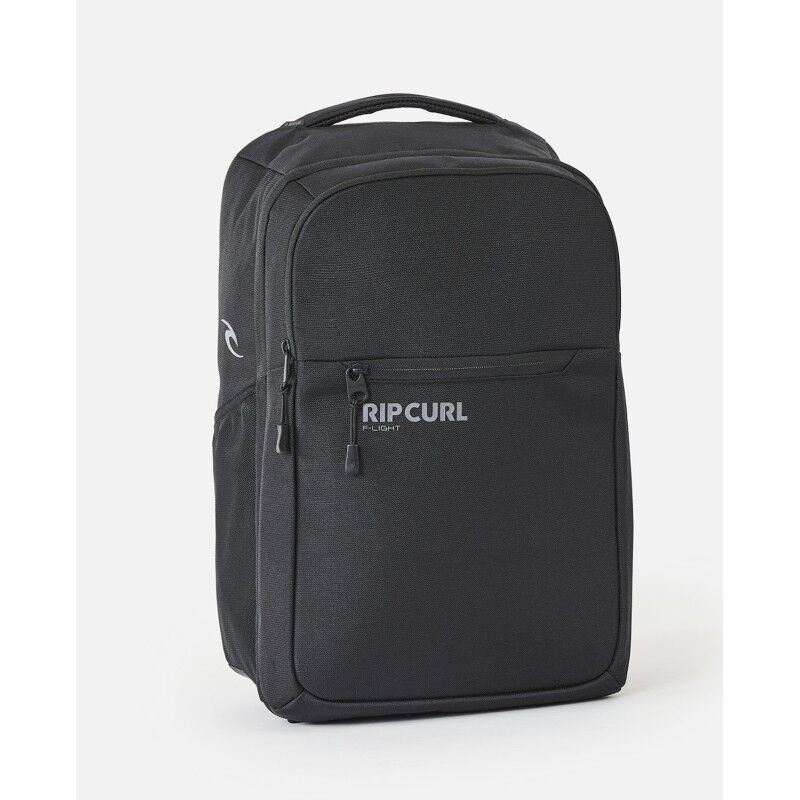
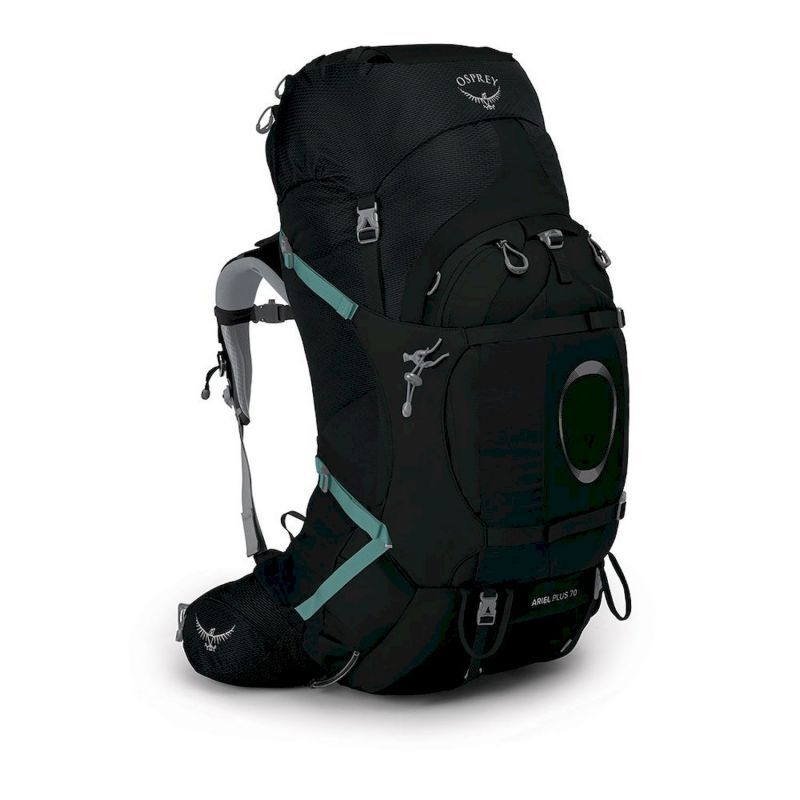
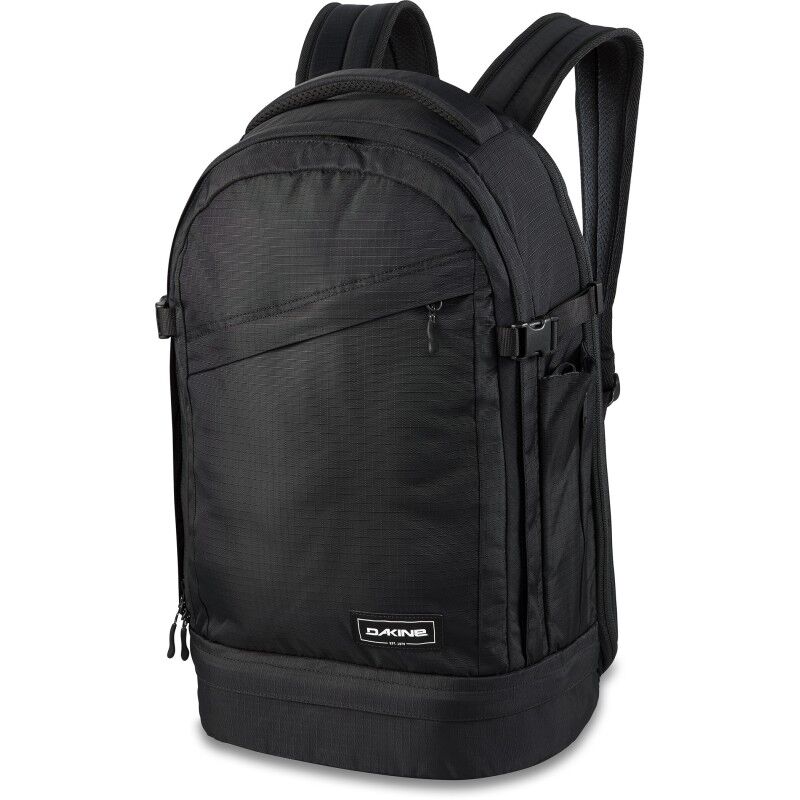
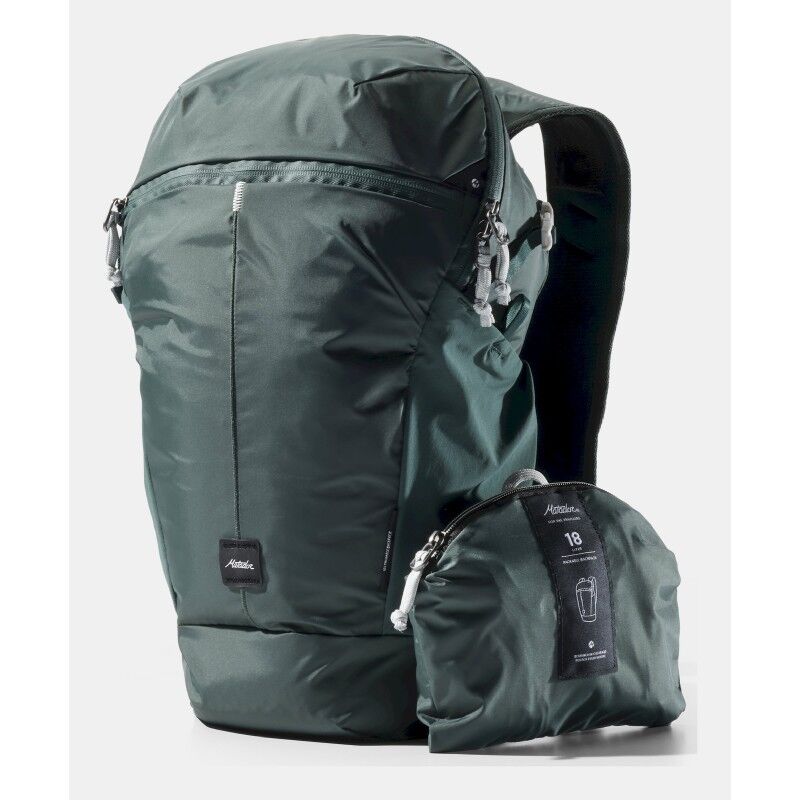
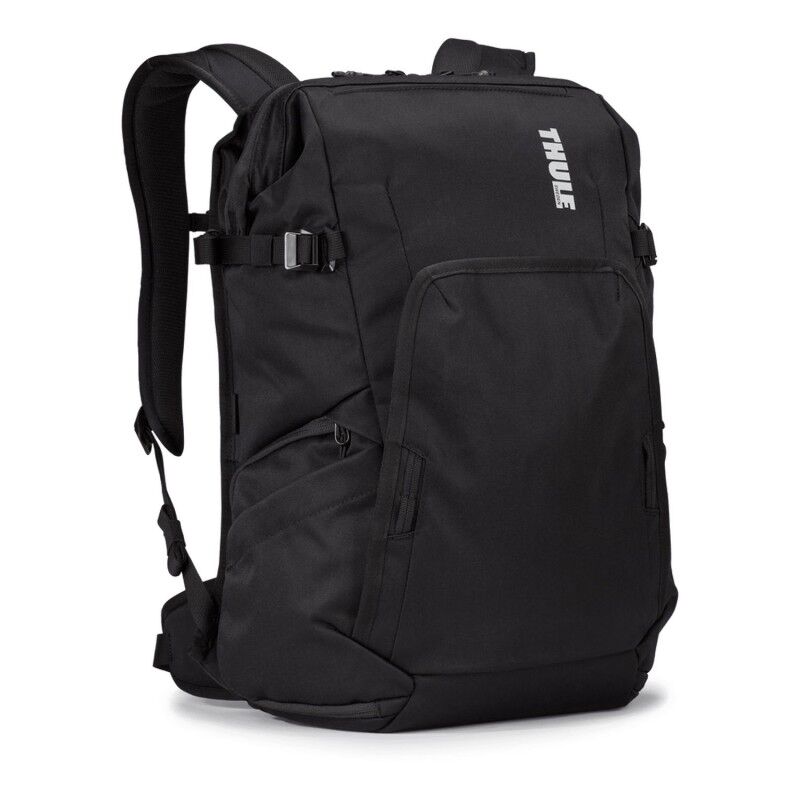
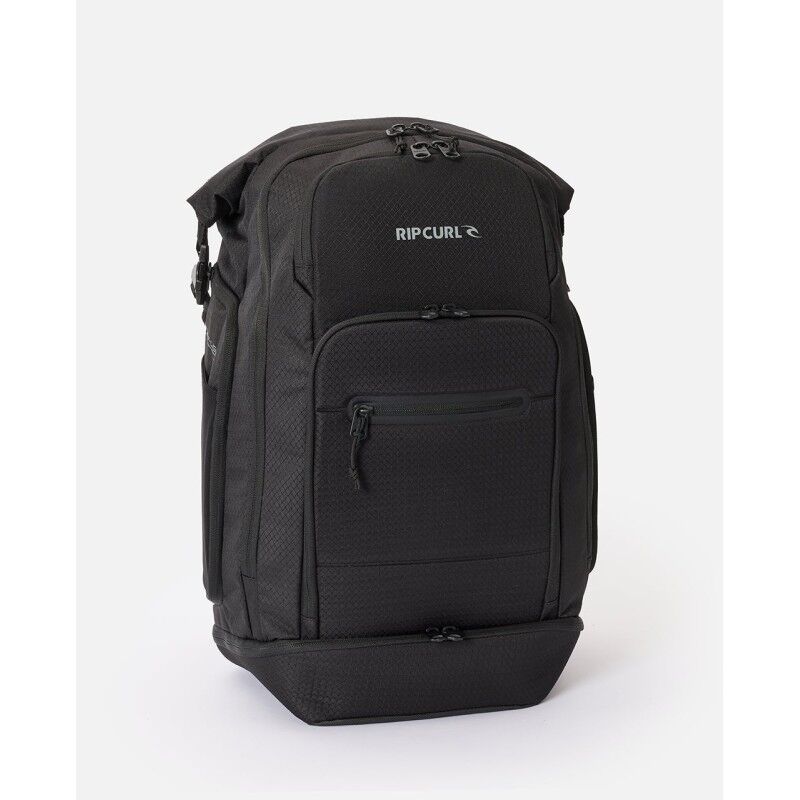
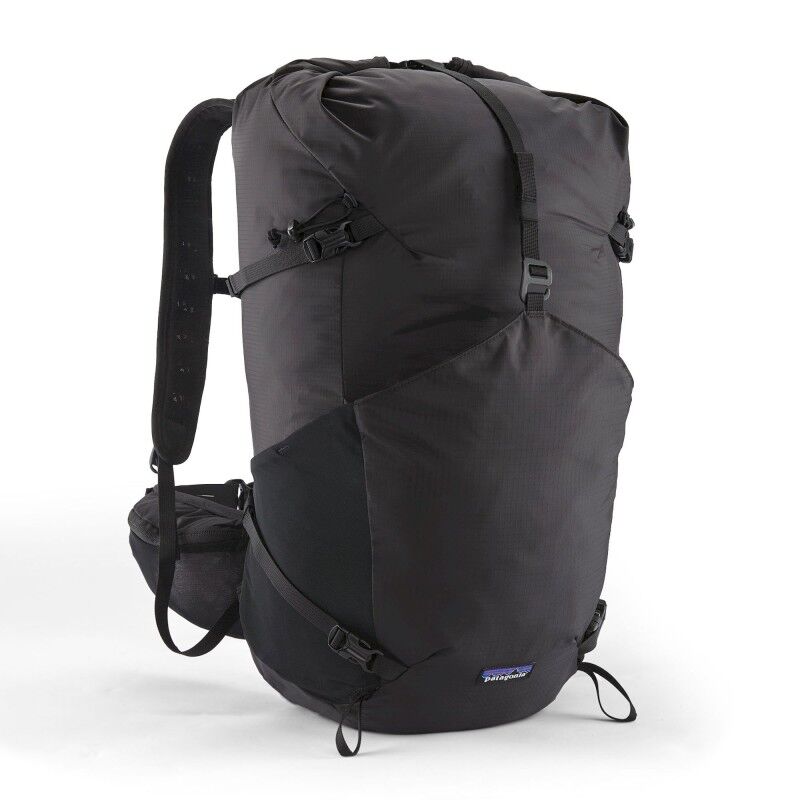
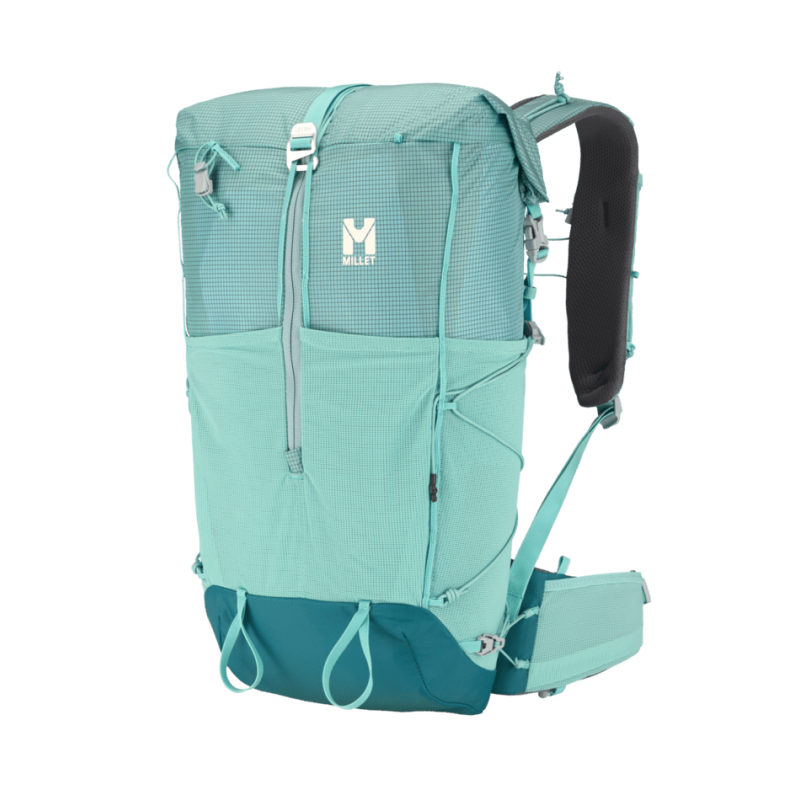

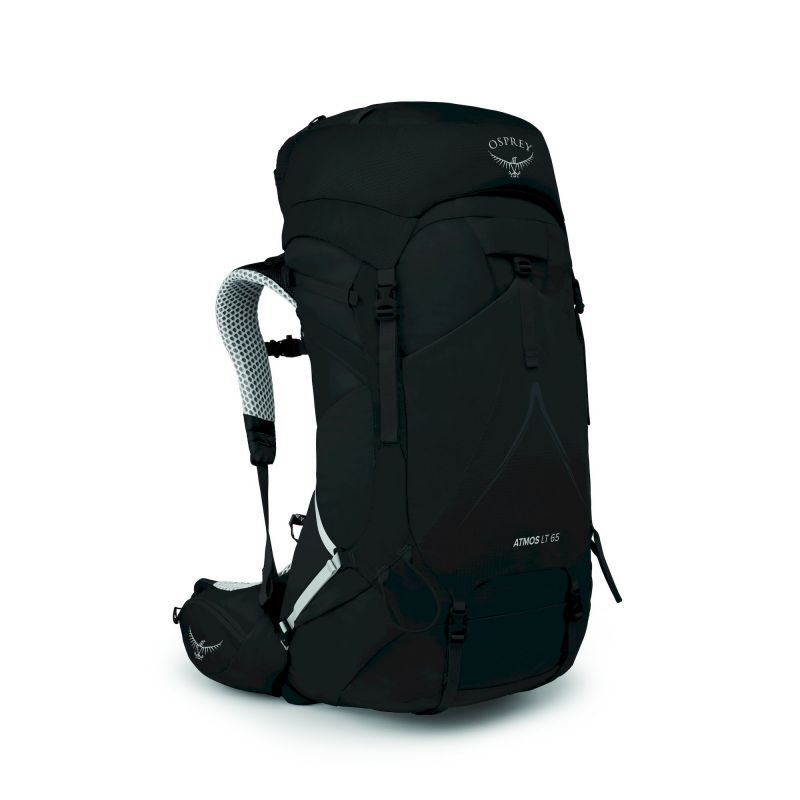
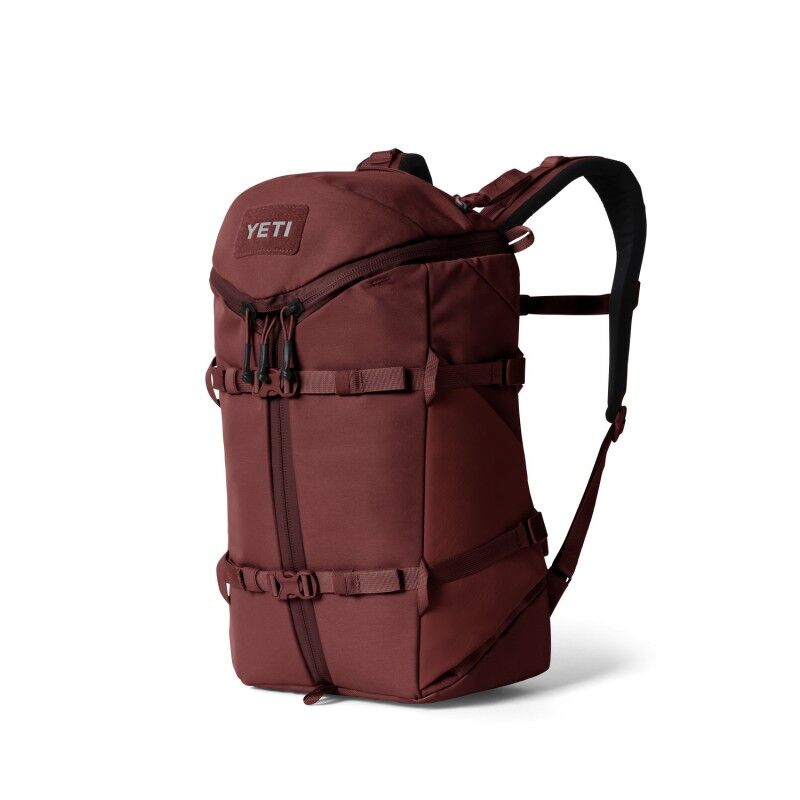
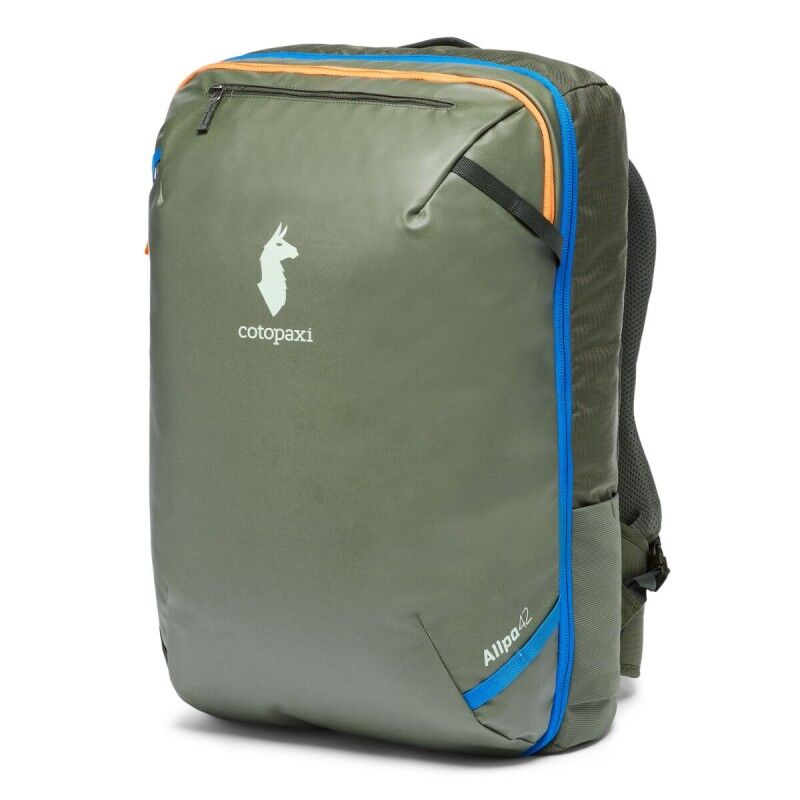
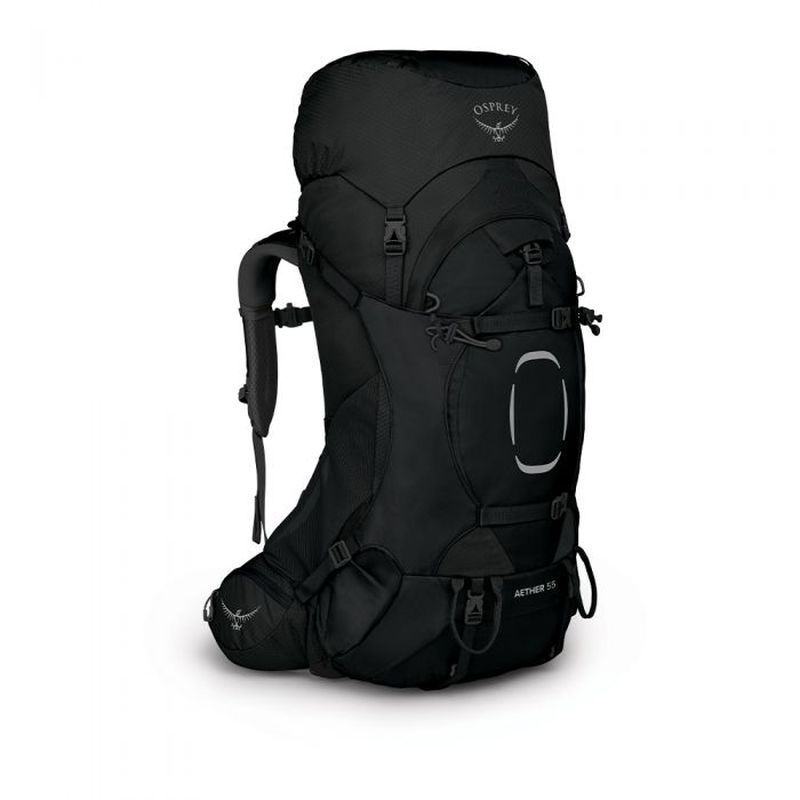
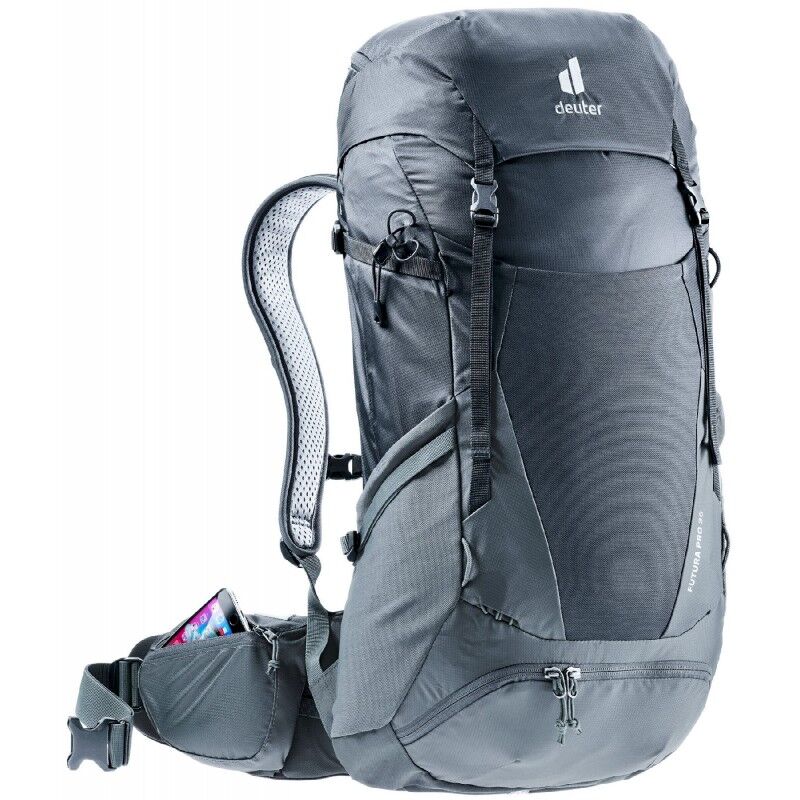

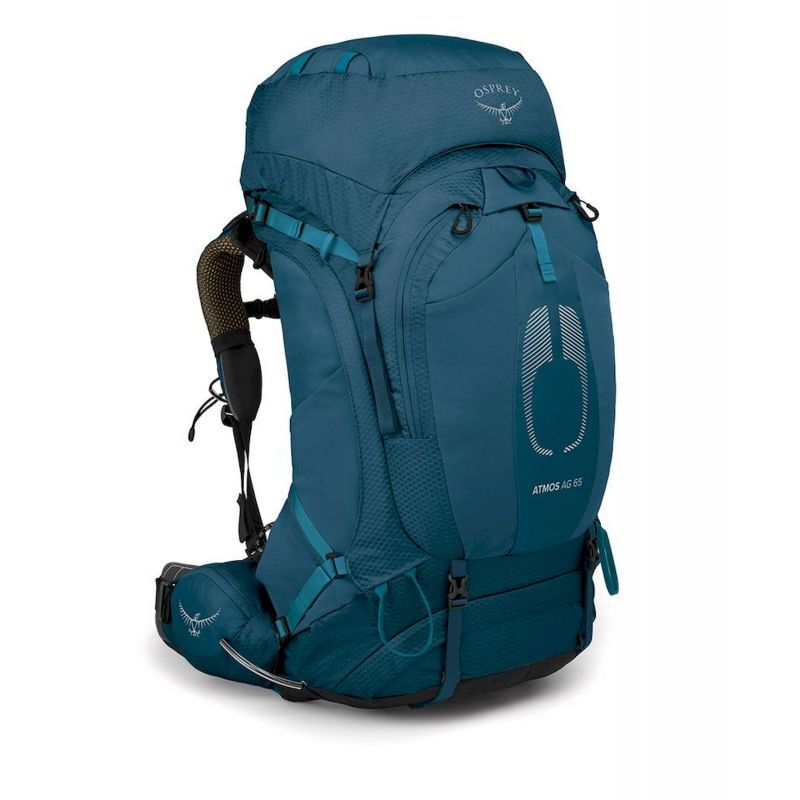
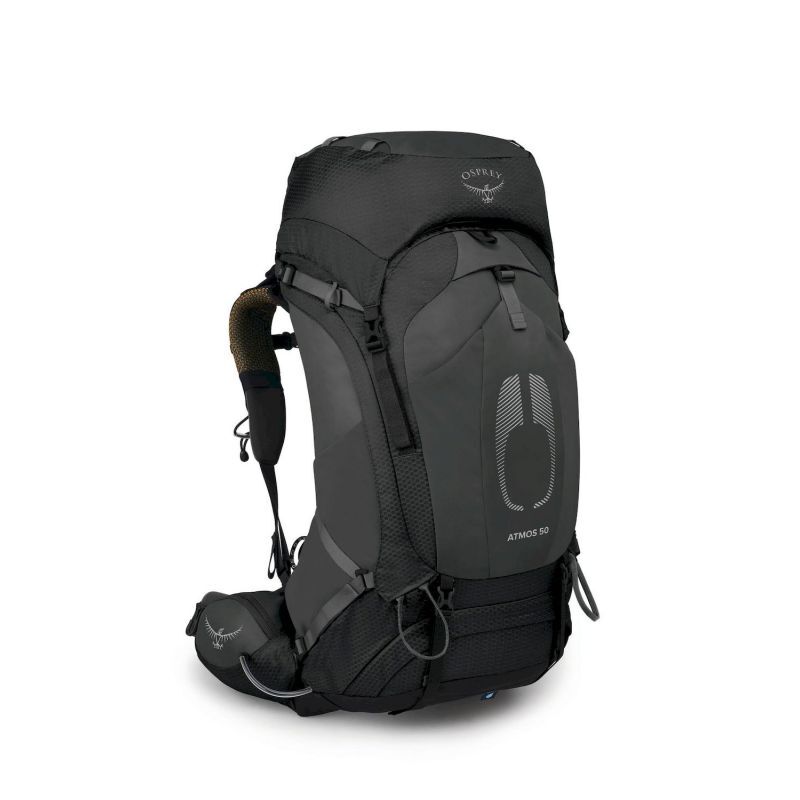
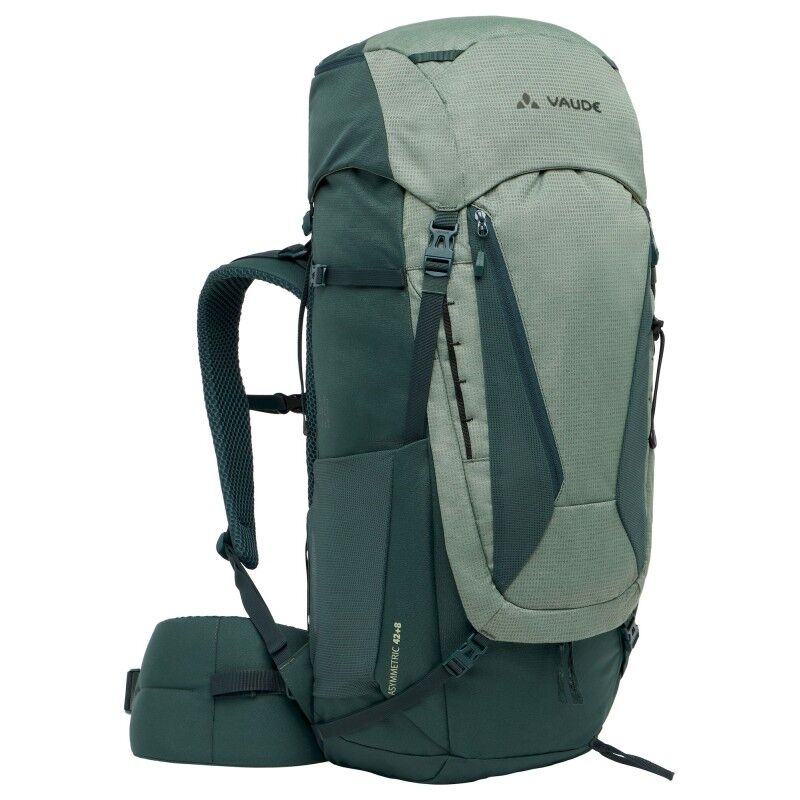

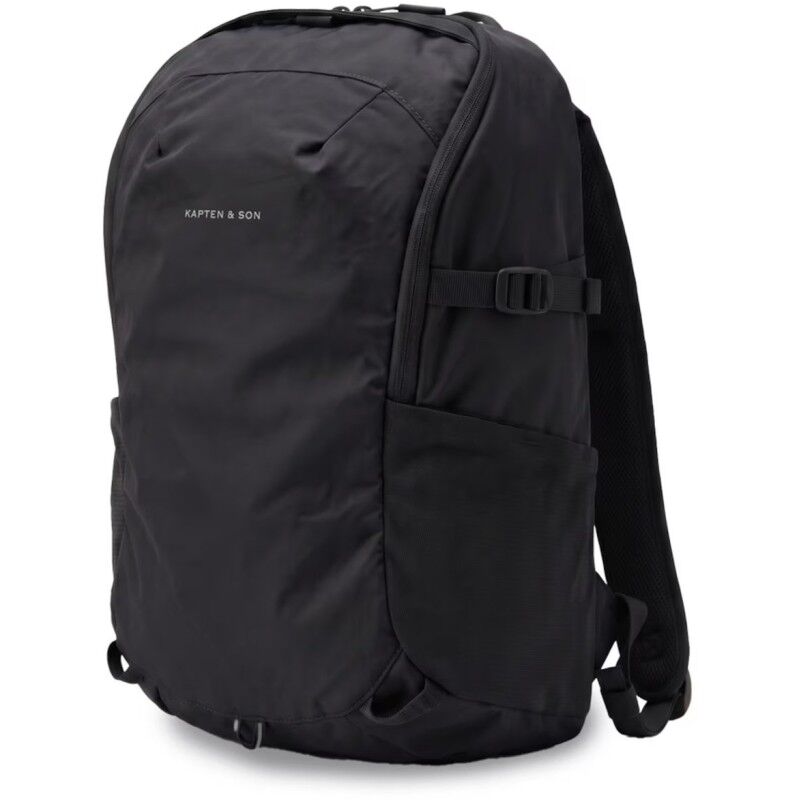
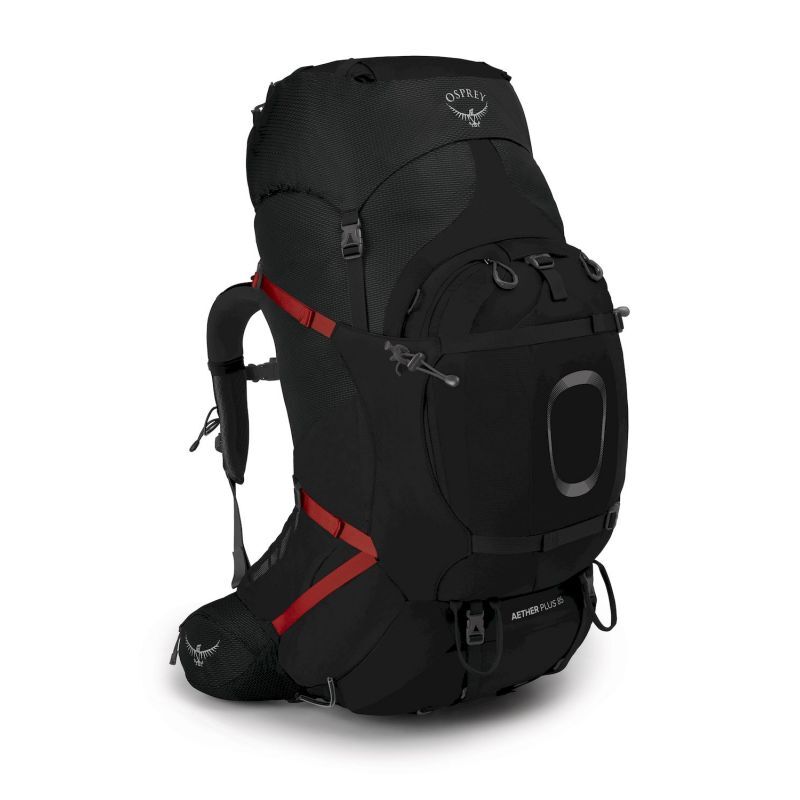
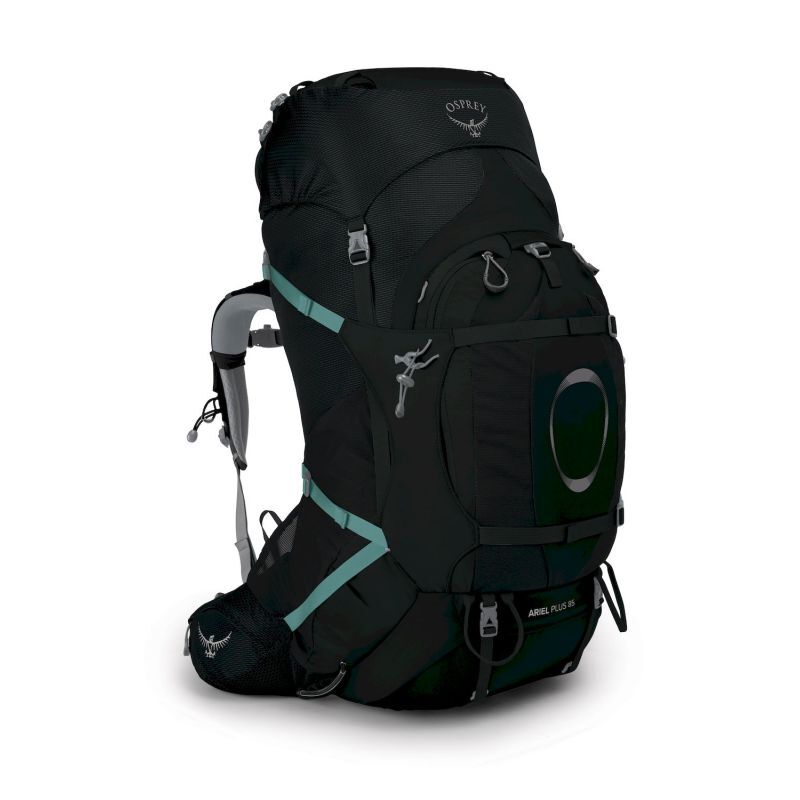
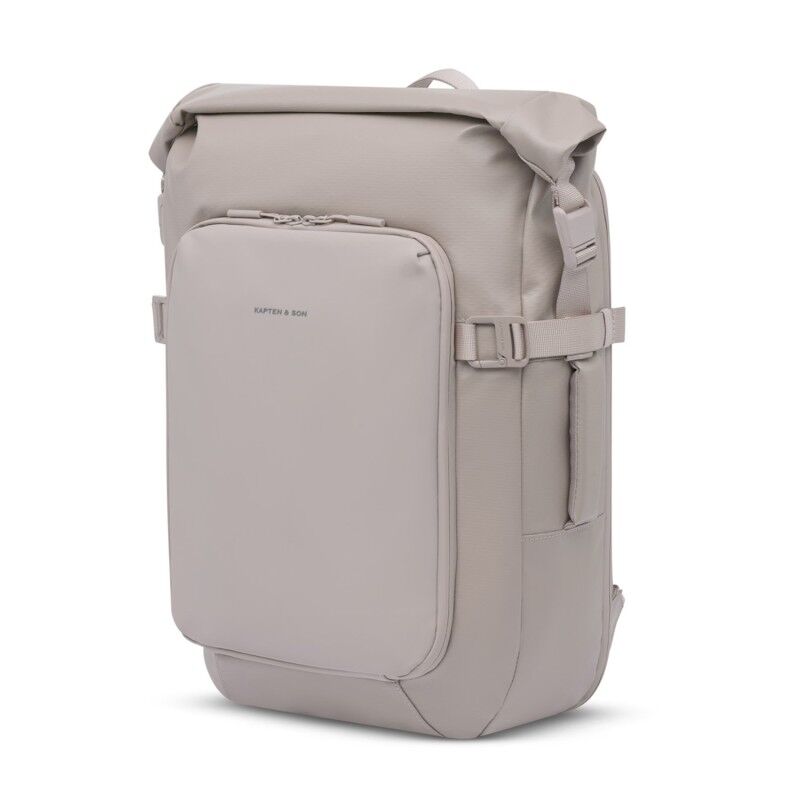
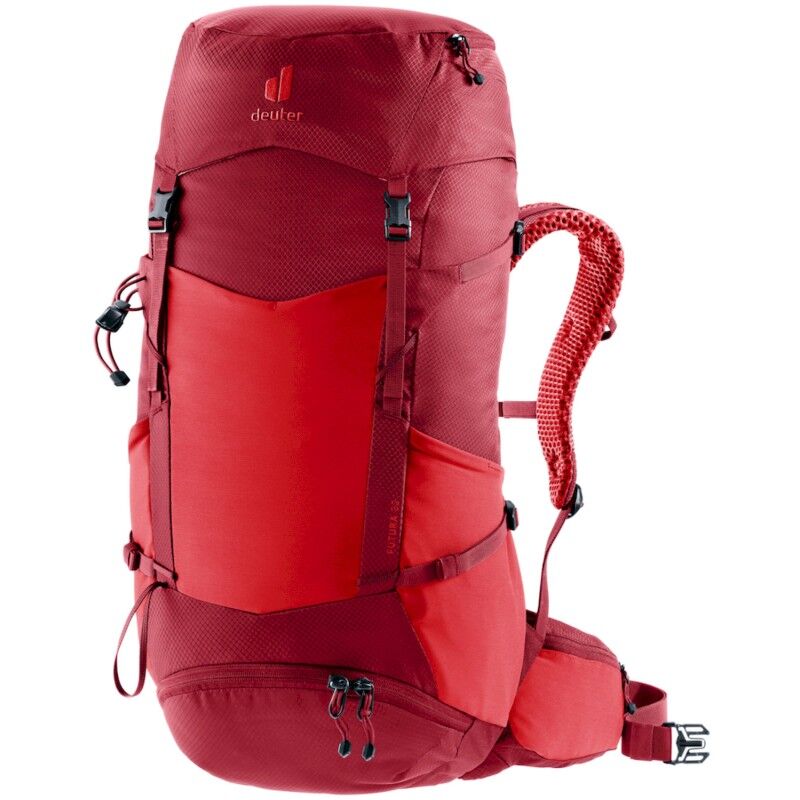
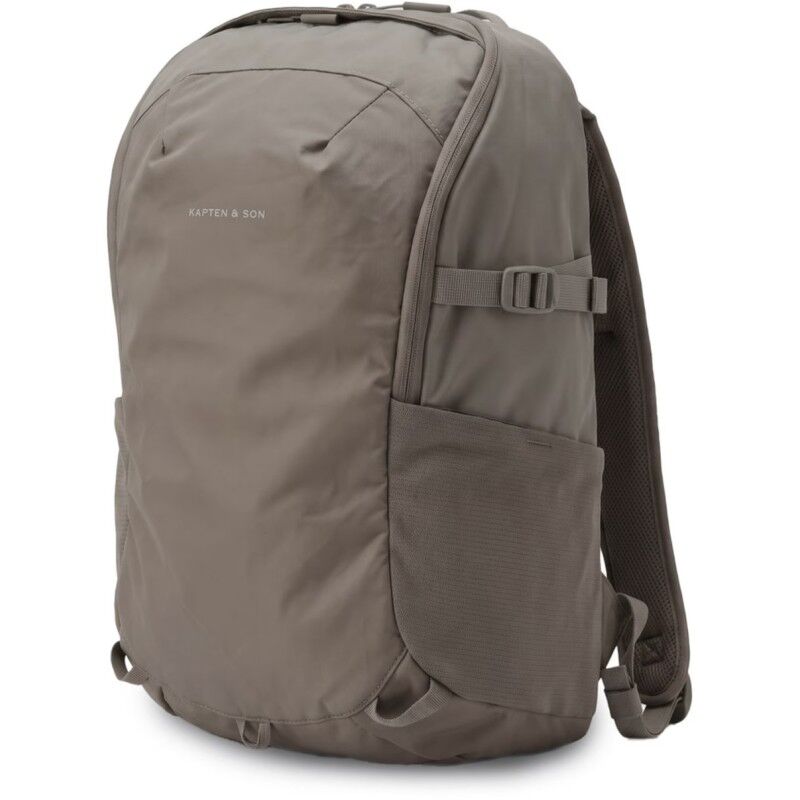
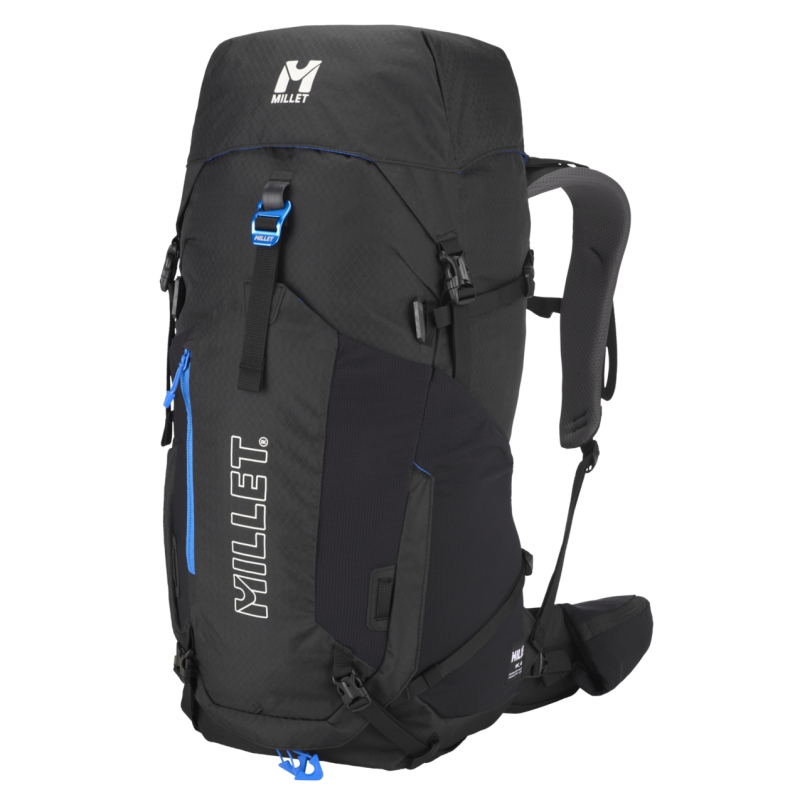
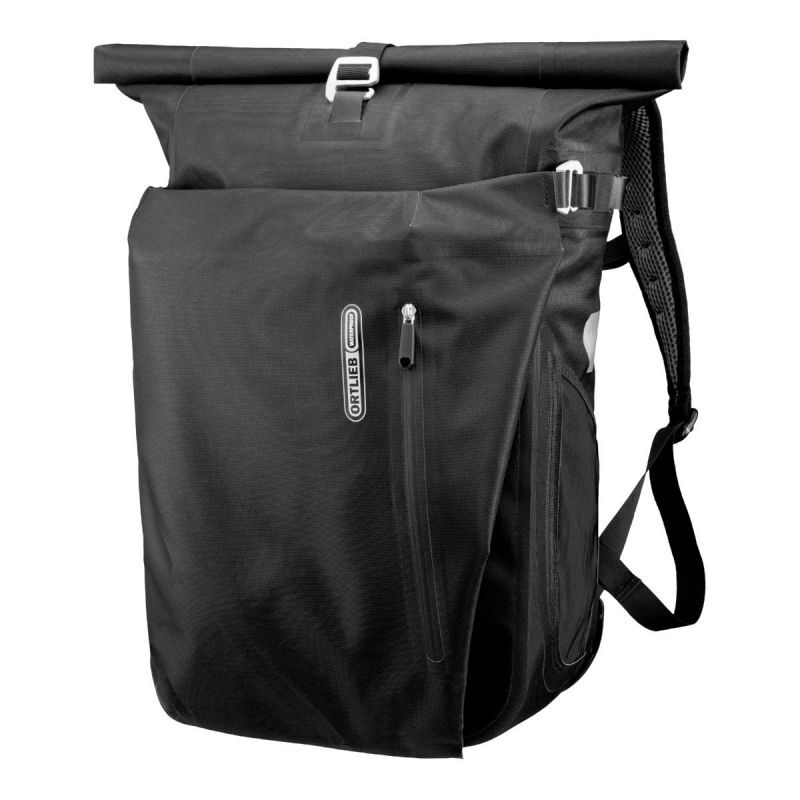
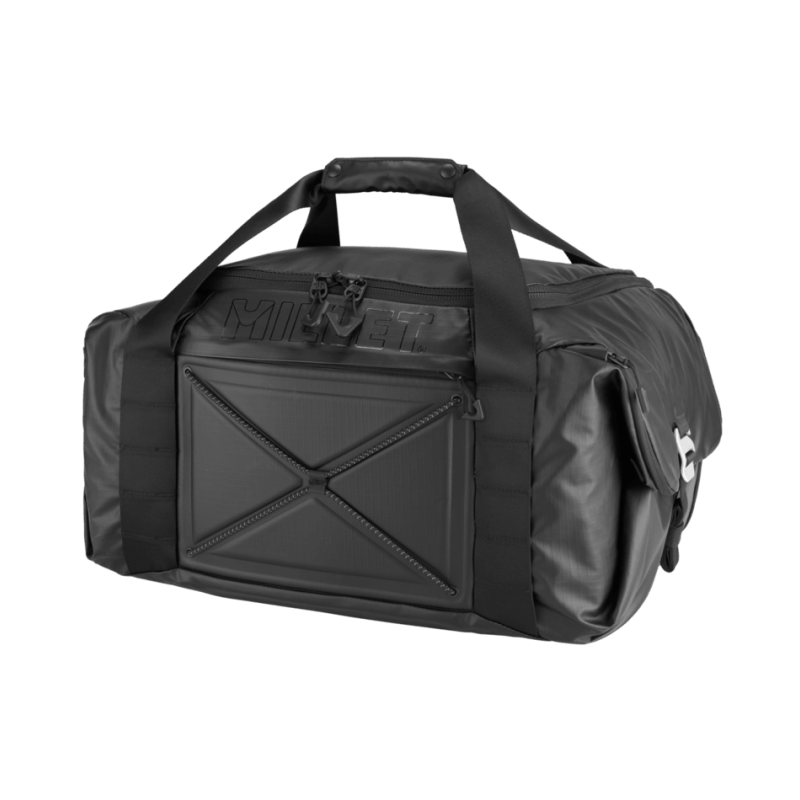
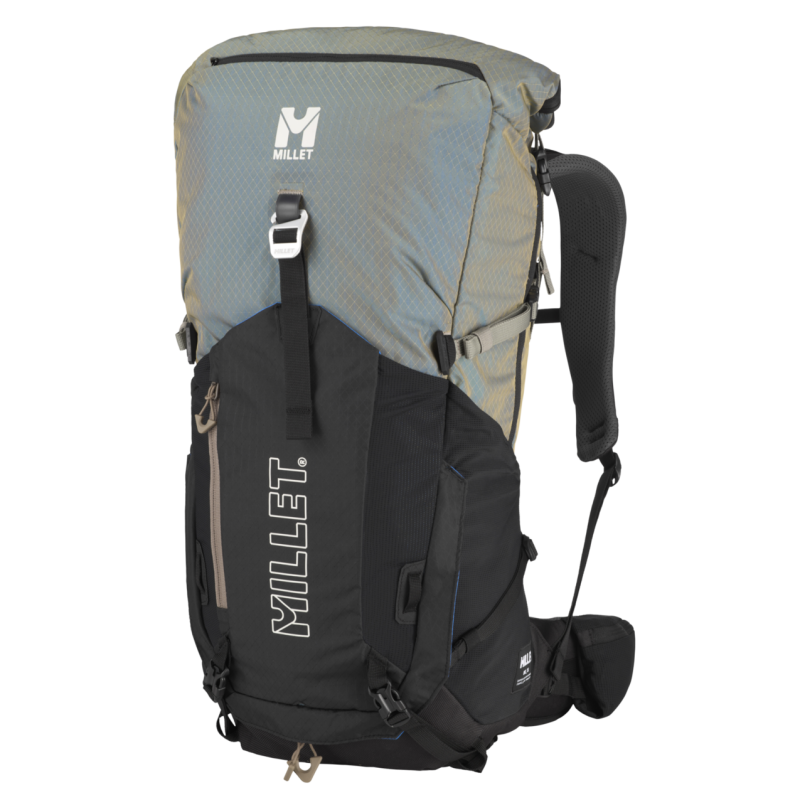
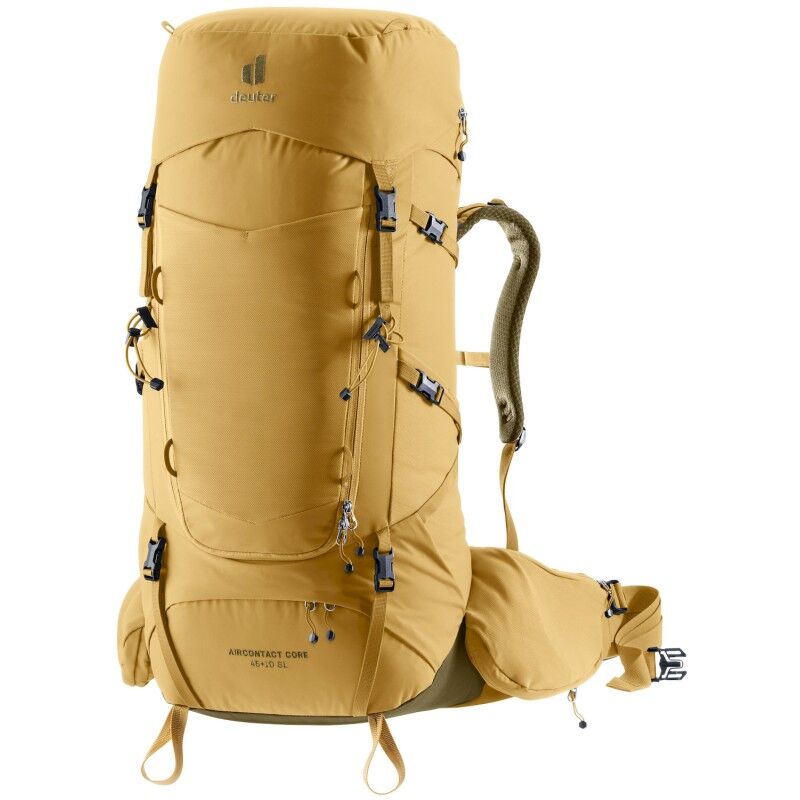
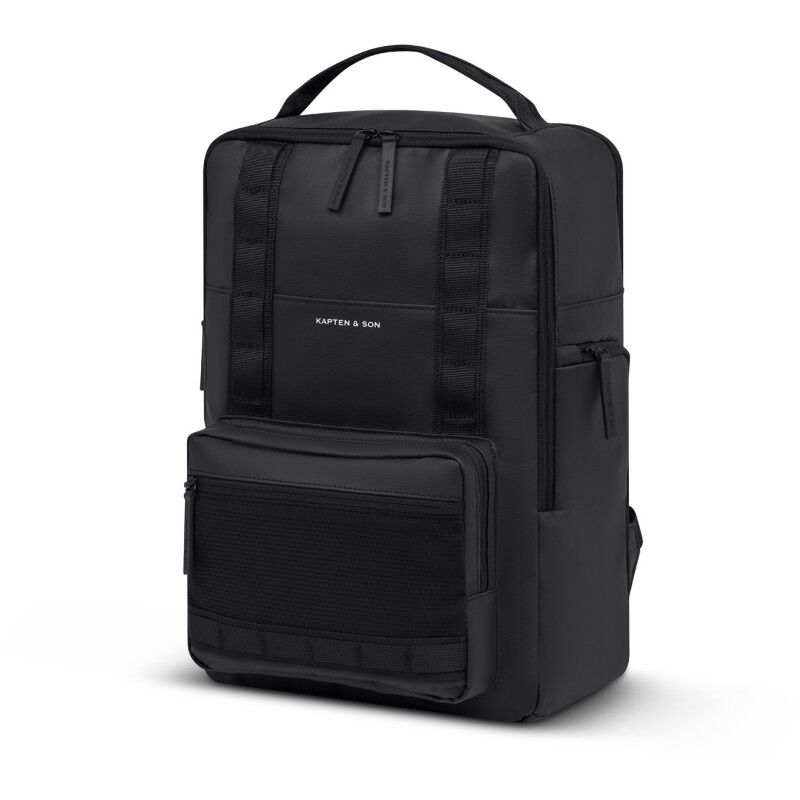

The hiking backpack, your essential companion for outdoor adventures
Your itinerary has been ready for days and you are eagerly waiting to try out your brand new hiking backpack? You dream of wide open spaces and have meticulously made a list of all the gear needed for your adventure. All that’s left is to pack your hiking backpack and set your alarm! However, one last little question is bothering you: have you chosen your hiking backpack wisely? Whether it’s for a few hours of hiking in the woods or several days of walking in the hills, it’s indeed important to choose your hiking backpack well, as it must carry all your gear while effectively distributing the load to avoid straining your back. If chosen poorly, your hiking backpack can turn your expedition into a real ordeal! We provide you with all the keys to choose the perfect hiking backpack for you and your activities.
The hiking backpack: selection criteria
Several parameters come into play when choosing your ideal hiking backpack.
Hiking backpack: the importance of volume selection
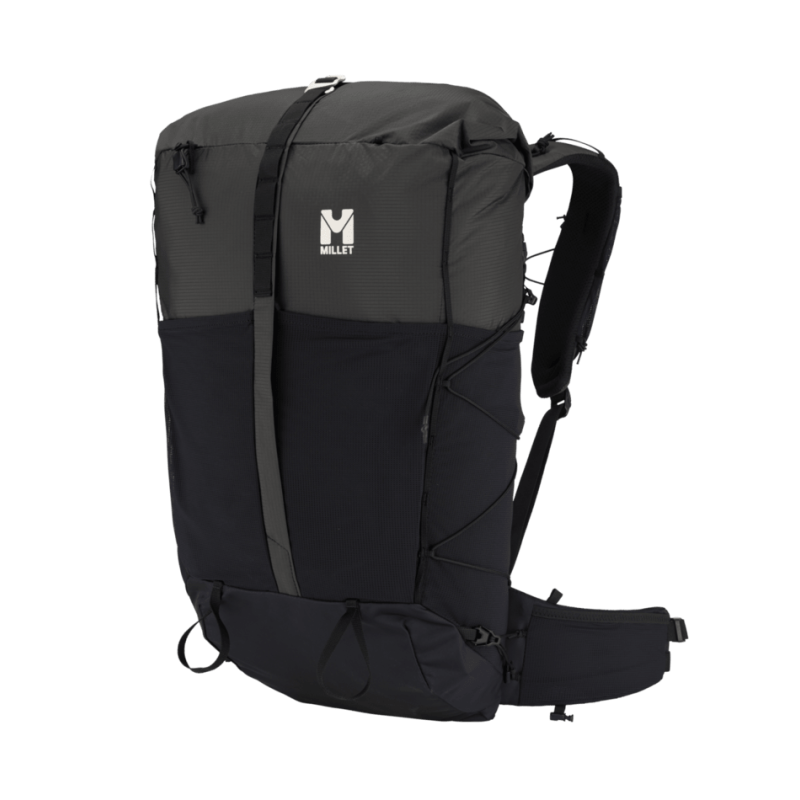
If there’s one criterion that is crucial in choosing a hiking backpack, it’s definitely the volume. Who would set off with a mini hiking backpack for several days of trekking? Conversely, it’s unthinkable to head out loaded like a mule with a huge hiking backpack for just a few hours of walking. The volume is therefore intrinsically linked to the activity you wish to undertake with your hiking backpack, and thus to the items you will need to carry. Therefore, your hiking backpack will not be the same for a day hike in summer and winter, for example. To better understand how to choose the size of your hiking backpack, you must first know that the volume of a hiking backpack is expressed in litres. Most hiking backpacks have a capacity ranging from 10 to 60 litres. The longer your activity is, and thus the more equipment you will need, the larger your hiking backpack will need to be. To determine what capacity suits your projects, you must first know what gear you will put in your hiking backpack. Ideally, prepare or list your items in advance, or even use garbage bags of various sizes to assess which one fits. This will indicate how much space your gear will take up in your hiking backpack. If you’re worried about running out of space or if you’re not yet sure about your gear, it’s better to choose a hiking backpack that is a bit larger or a hiking backpack with a modular volume. For example, the hiking backpack Millet Peuteurey Integrale 35+10 has a volume of 35 litres, to which 10 litres can be added modularly, depending on your needs, thanks to expandable flap pockets. Choosing a hiking backpack with a modular volume can thus be a good compromise if you’re torn between two sizes of hiking backpacks.
Hiking backpack: the quality of carrying
The quality of carrying your hiking backpack will greatly affect your carrying comfort. Thus, most hiking backpacks are equipped with straps that will influence the weight distribution of your hiking backpack. For short expeditions, where you will only need a small hiking backpack, the weight is generally low, and it’s not essential to have straps. However, as soon as your hiking backpack gets heavier, the straps become crucial. The main strap is the hip belt, which allows you to distribute the weight of your hiking backpack onto your hips. It also relieves your shoulders, which will no longer bear the full weight of your hiking backpack alone. Additionally, the chest strap helps keep the straps of your hiking backpack better positioned against your body, thus distributing the weight on your shoulders more effectively. Finally, the load adjustment straps allow you to adjust your hiking backpack more or less forward or backward, which will also affect your carrying comfort. Some brands offer hiking backpacks specifically designed for women, with constructions more suited to female anatomy. This can be particularly interesting, especially if you are petite, as your carrying comfort will be significantly improved. Also, if you suffer from recurring back or shoulder pain, it is recommended to carry about 70% of the weight of your hiking backpack on your hips. The adjustments on your hiking backpack allow you to customize this weight distribution to your liking.
Hiking backpack: types of frames
Complementary to the straps on your hiking backpack, the frames can be of two types: external and internal. The external frame, which is less common today, provides greater rigidity to your hiking backpack, allowing you to carry more gear or heavier items. Generally, bags with an external frame are carried further away from the back, as the hiking backpack is less flexible. However, hiking backpacks with an external frame are often heavier, which explains their lower popularity. The internal frame, on the other hand, is much lighter and directly integrated into your hiking backpack. Carried closer to the body, your hiking backpack is also more comfortable and less bulky, which explains the success of this type of frame.
Hiking backpack: storage capacities
When it comes to hiking backpacks, storage is essential. Most hiking backpacks are equipped with storage compartments inside the hiking backpack, but also outside. While most hiking backpacks only have a main pocket inside, some models offer separate pockets for direct access to the “bottom of the bag,” thus separating the main pocket of your hiking backpack. Additionally, your hiking backpack, if it is not equipped with a water pocket or a compatible system, should have side pockets or compartments that allow you to access your water bottle or food directly. On top of your hiking backpack, there is usually a small pocket, particularly useful for storing your headlamp, glasses, or other important accessories. Furthermore, the carrying belt itself can serve as storage for your hiking backpack when it has pockets. Convenient, these easily accessible storage options allow you to grab your phone or snacks without having to unpack your hiking backpack. Finally, some attachments may be present on the outside of your hiking backpack, useful for hanging clothes to dry, your sleeping bag, or even your trekking poles. The various storage options on your hiking backpack can sometimes vary significantly from one hiking backpack to another. This can help you make a choice between several hiking backpacks with similar characteristics.
Hiking backpack: empty weight
While each hiking backpack has a specific size and thus a specific volume, the weight of your hiking backpack when empty is also very important. As mentioned earlier, the frame plays a crucial role in the final weight of your empty hiking backpack. Depending on the weight you wish to carry, it’s not always wise to shy away from a slightly heavier hiking backpack, which will thus be more resistant to heavy loads. Moreover, the empty weight of your hiking backpack is indeed an important criterion, but it is less critical than the carrying system, which must be perfectly suited to you. A comfortable hiking backpack is the cornerstone of a successful hike!
Hiking backpack: extension possibilities
A hiking backpack is primarily used to carry essential items, including water! There are also hiking backpacks that are compatible with hydration systems, sometimes even directly included in the hiking backpack. When this is the case, a pocket is dedicated to the reservoir, and loops are integrated into the straps to allow the tube to pass through, giving you access to your hydration nozzle at any time.
Hiking backpack: breathability
Hiking backpacks with external frames, although heavier, allow for better sweat evacuation and air circulation, as they are not completely pressed against your back. However, many hiking backpacks are made with very breathable materials, a stretched mesh, or technologies that allow moisture to escape more easily.
The hiking backpack: additional options
Hiking backpack: waterproof protection to keep your gear dry
No need to worry about your gear when the weather turns bad: your hiking backpack has its own rain cover! Whether it’s directly integrated into your hiking backpack or purchased separately, the “rain cover” is a very useful protection for your hiking backpack when rain or humidity arrives. You can put it on and take it off as you wish, depending on the weather.
Hiking backpack: specific compartment for sleeping bag
You can find a hiking backpack equipped with a special compartment for a sleeping bag, which is very useful when you go trekking, for example. This prevents you from cluttering your main pocket and allows you to easily take it out of your hiking backpack each evening. A plus for your long expeditions!
The hiking backpack: necessary adaptation based on your activity
Hiking backpack of 20 to 30 litres for a day trip
It’s difficult to give a unique hiking backpack for a day hike. Indeed, depending on the type of route, the season, and the duration of your hike, the items you will put in your hiking backpack will obviously differ. Nevertheless, for a day hike, a hiking backpack of 20L or 30 litres is ideal. You will be able to pack everything you need for the day in your hiking backpack: food, water, a second and/or third layer (depending on the weather and season), a first aid kit, and accessories. We have selected the best hiking backpacks for a day hike:
-Nitro 22 Backpack - Black Diamond
-Ascensionist Pack 30 L - Patagonia
Hiking backpack of 30 to 40 litres for a 2 to 3-day hike
For a few days of hiking, your hiking backpack must be larger than for a simple day walk. Thus, a hiking backpack of 30L or 40L will be perfect for 2 or 3 days. In addition to your basic items, your hiking backpack can also contain a sleeping bag, for example, and additional items. Furthermore, a hiking backpack of this capacity can also be suitable for a day hike in very cold weather or if you need to carry specific equipment. This size of hiking backpack is highly versatile and can serve you for your winter hikes or your multi-day adventures. Below is our selection of hiking backpacks for a few days of hiking:
-Trilogy 35 - Millet
Hiking backpack of 40 to 60 litres for a 3 to 7-day hike
If you plan to go trekking for nearly a week, your hiking backpack must be able to hold a lot of gear. Thus, a hiking backpack of 40L, 50L, or 60L is ideal for this type of trip. Your hiking backpack must indeed be able to hold a sleeping bag, a tent if you are self-sufficient, clothes, as well as water and food. A hiking backpack of this size can also allow you to carry cooking utensils, for example, useful on a trek. This type of hiking backpack is also perfect for adventures in very cold weather, which require bulky items or specific equipment. Are you looking for a hiking backpack within this volume? Below is our selection:
-Access 40L - Lafuma
Hiking backpack of over 60 litres for a week-long trek or more
Reserved for longer expeditions, the hiking backpack of 60L and the hiking backpack of 70L are designed to accommodate large quantities, both in terms of clothing, food, and water, as well as equipment and technical gear. Designed to carry heavy loads, this hiking backpack is generally particularly durable and robust. Its straps are also larger to better distribute the weight you will have to carry. Perfect for mountaineering or long mountain adventures, this type of hiking backpack will withstand extreme conditions. We have selected for you the best hiking backpacks of over 60 litres:
Find your hiking backpack on Hardloop.co.uk
Not all hiking backpacks are the same, and the selection of bags is vast! You have a choice between different sizes, attachment systems, with or without a water pocket, more or less robust, minimalist or with multiple pockets... In short, you have plenty of options! Your hiking backpack should be selected based on your practice, the duration of your route, and the type of terrain you will be hiking on. Millet, Deuter, Patagonia, Mammut: discover on Hardloop.co.uk a wide selection of functional, ergonomic, and robust hiking backpacks from the biggest brands.