
Running Clothes, Shoes & Gear
(5637)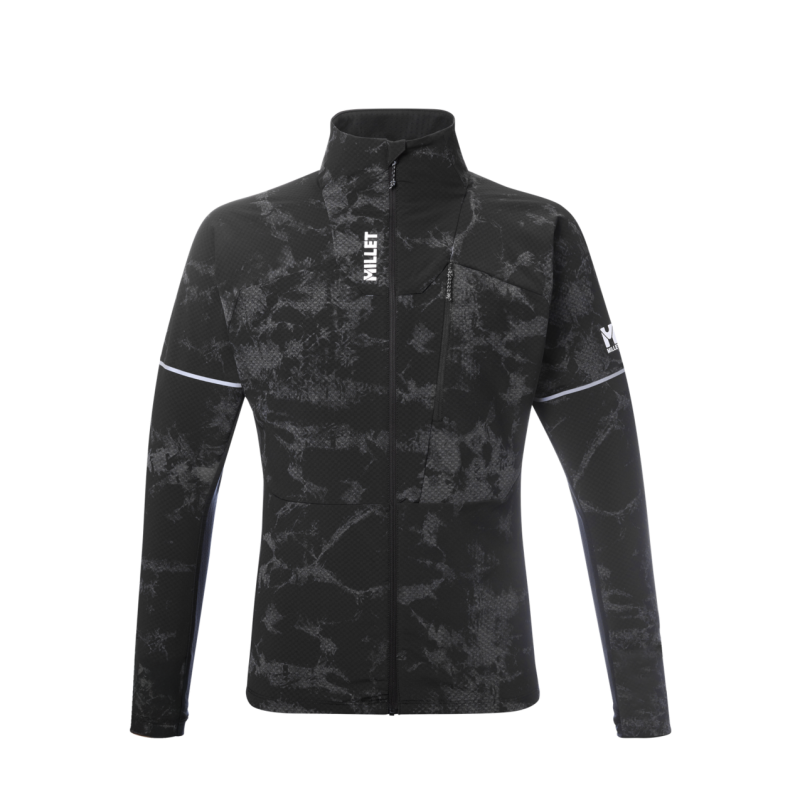


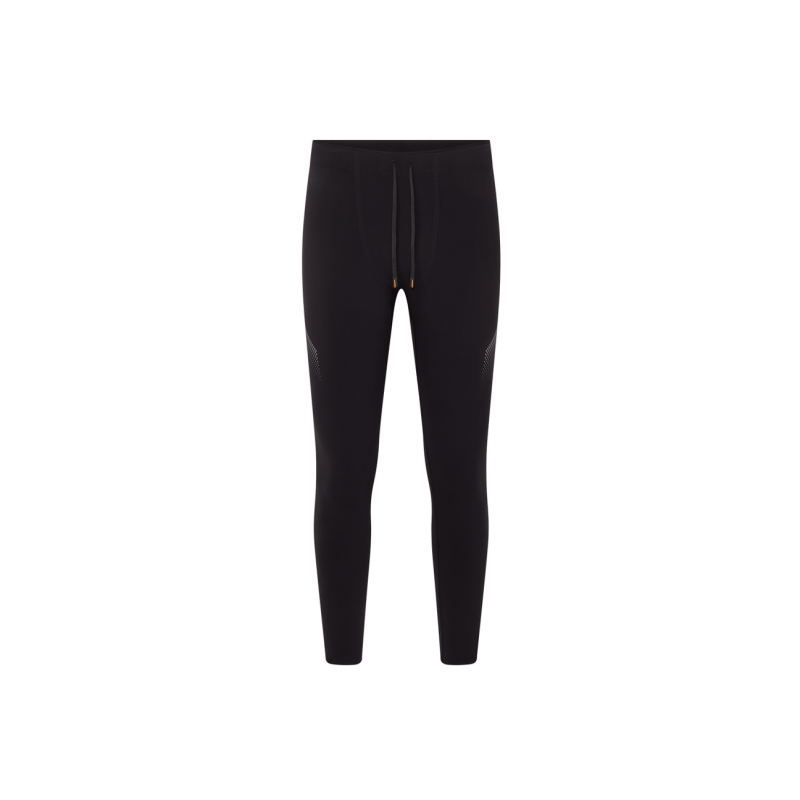
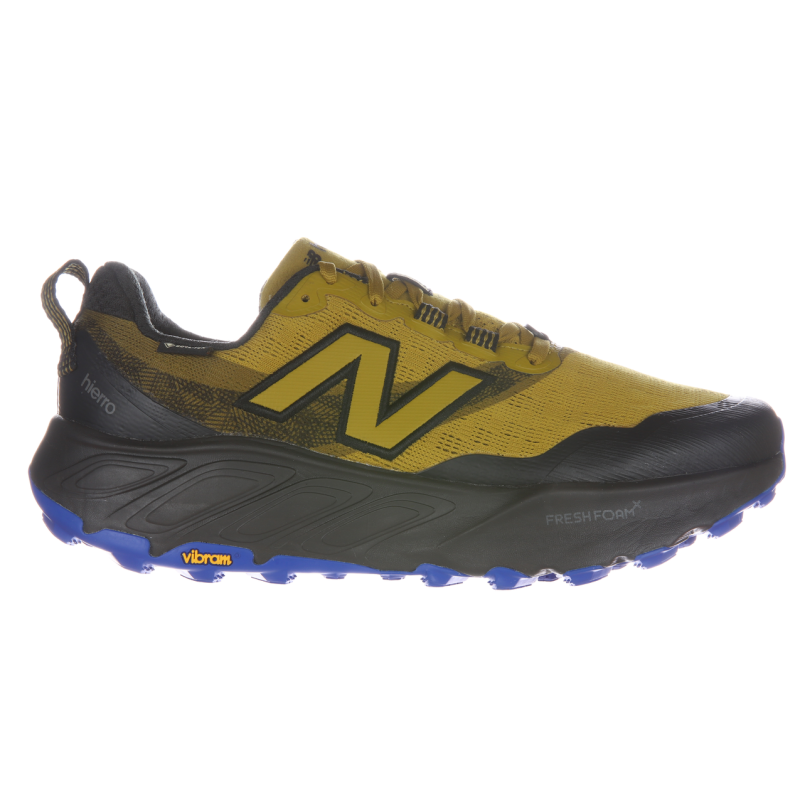

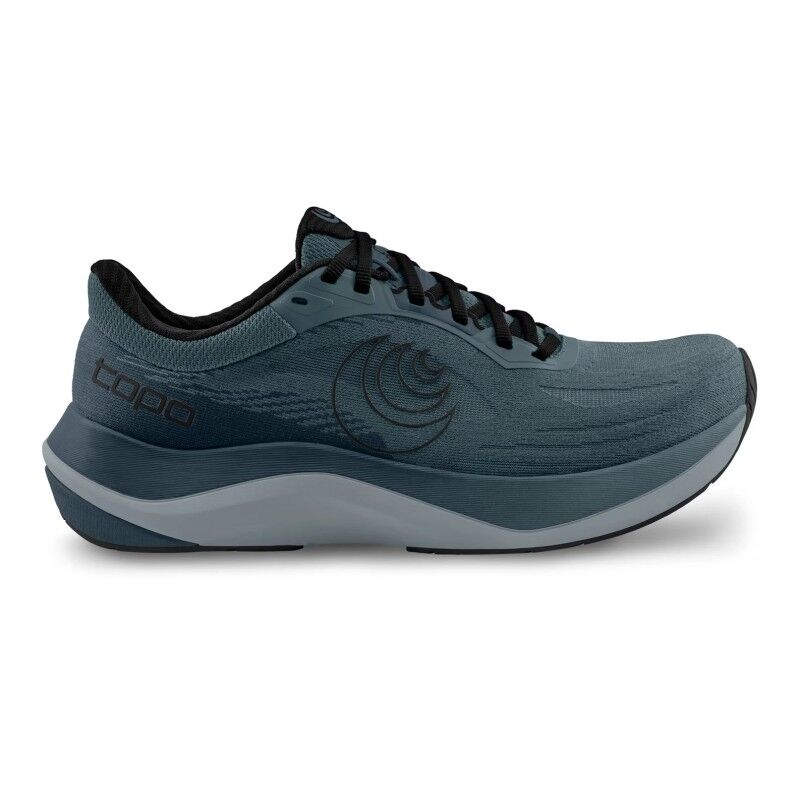
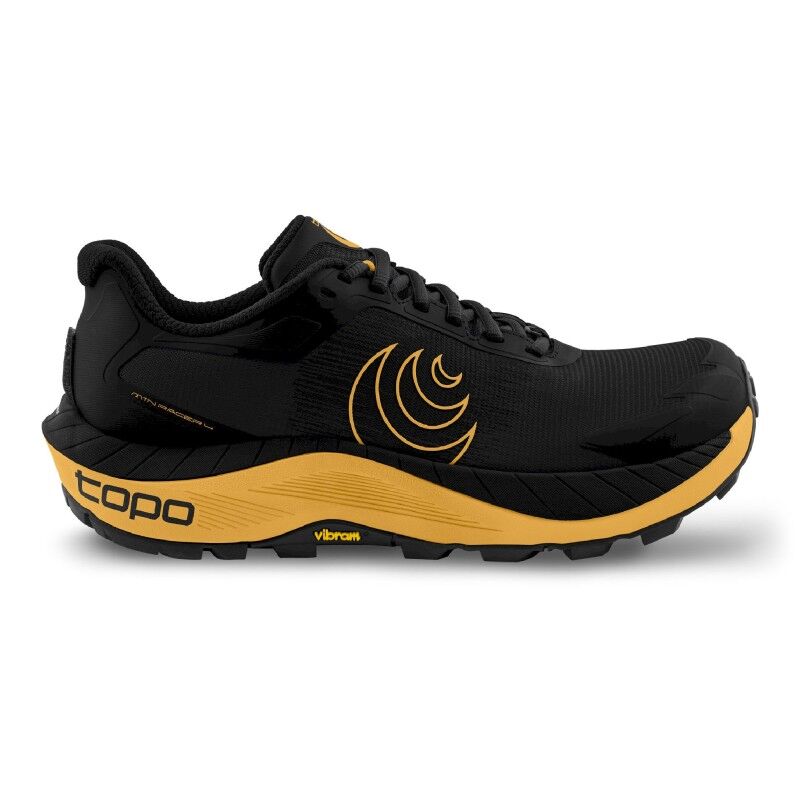


The moment you transitioned into running
You remember it like it was yesterday, that evening when everything began. You were with friends, all sporty, while you yourself didn't like sports. After a few typical games of the current evenings, you started playing a game where a simple coin toss determined whether or not you had to perform an action, a reimagined 'dare or not dare'. Your friend jokingly tossed out, 'Dare to choose between starting training for the running event in 6 months or starting trail training?' and flipped the coin. You hoped with all your might not to have to do either of those actions, which would force you to tread the athletic tracks or the wooded technical terrains nearby. However, fate turned against you, and you had to start a regular training routine for running. With no experience in the field of running, you had to invest in a complete running gear. Very quickly, questions multiplied. How to choose the best running gear? Wouldn't it have been better to choose a trail gear? What elements should be included to have a complete running gear? From that tragic moment - which you now consider magical - you threw yourself wholeheartedly into the search for a complete running gear, gathering information as best you could. Gradually, your research on running gear took shape, well before those concerning trail gear.
What running gear to adopt for practicing running?
To get out and stretch your legs while being equipped with the best running gear available, you conducted your own personal research and particularly looked into the question 'How to dress for running in winter?'. After your initial research, you decided that before tackling the choice of technical running gear, you would start with the selection of running clothes. The task seemed daunting: you had no idea where to start. You were far from imagining that your quest for the perfect running gear would take you this far. To work in an orderly manner, you decided to break down your research according to the different running clothes you would need for a complete running gear. Meanwhile, you couldn't help but wonder if searching for trail gear would have been simpler.
The running jacket, a jacket for all seasons
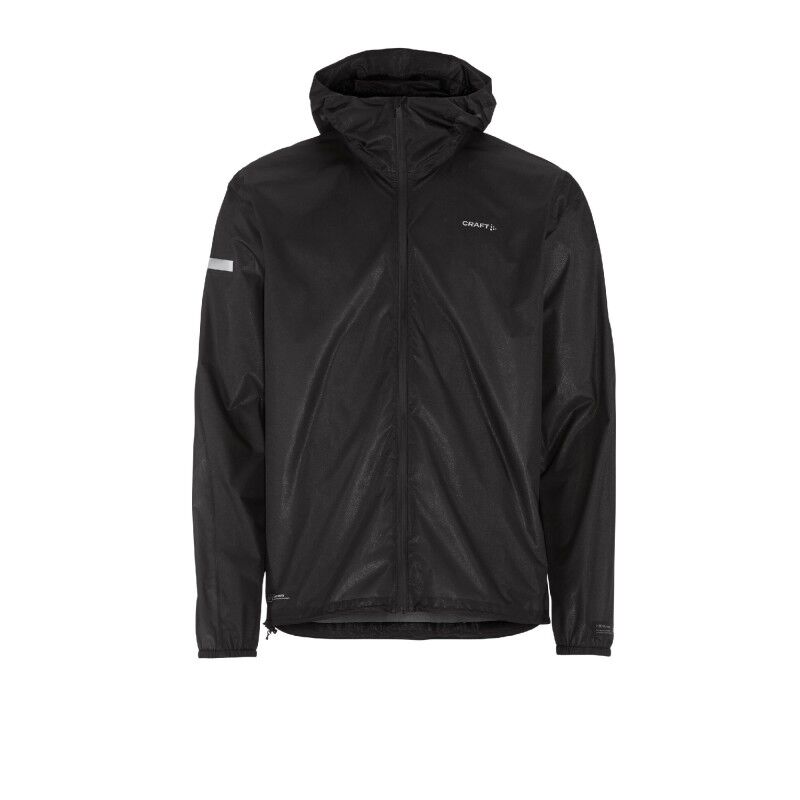
The first element of your running gear would be the running jacket, you had decided. You had always appreciated the look of these jackets, both sleek and designed to reveal the sportiness of their wearer. You wanted this element of your future running gear to be waterproof. You had heard about the Gore-Tex® membrane, which supposedly offered an excellent compromise between warmth, breathability, and waterproofing. Interestingly, you first heard about this membrane for a complete trail gear. As you looked more closely at the various items on the market, you discovered that this element of running gear had a Schmerber index. You soon understood that this index actually determined the waterproof rating of your running jacket. You were taught that a running clothing item with a value of 5,000 Schmerber would protect you from water and ambient humidity up to 5 meters of water. Given that you wanted to stick to classic running events, with the circuit laid out in the city, you opted for a running jacket in your size with a relatively low Schmerber index, but sufficient for a less intensive practice of running in the city.
The running t-shirt, providing warmth and comfort during your run
The new addition to your perfect running gear list is the running t-shirt. You particularly enjoyed learning about the different materials that could be found in the composition of running shirts. To add the best element to your running gear, reusable, you learned that it could also be used for trail gear, you considered a running t-shirt made of polyester, wrinkle-free and with great elasticity, although somewhat soiled, in polyamide, so that it could last over time and protect you from potential chafing or in elastane to add even more elasticity to the t-shirt. You liked to think that a running t-shirt that would offer you great freedom of movement would surely have a prominent place within your running gear.
The running tights, shorts, and briefs, those that best adapt to weather conditions
After taking care of the upper body for your running gear, you turned your attention to the lower body, particularly the legs. You had never been very fond of running, but in your memories, you liked to feel the wind on your legs during effort. You quickly understood that to improve your aerodynamics, this type of running clothing needed to be relatively close to the body, without squeezing your muscles more than necessary. The fit was therefore paramount when choosing a running tights, a running shorts, and a running briefs. You thought with a smile that your running gear was taking shape. You had then favored seamless clothing, so as not to feel any discomfort during your first runs. Your running gear was thus taking form, although an important element was missing, and that was none other than your future pair of running shoes.
The running shoes, the central element of your running gear
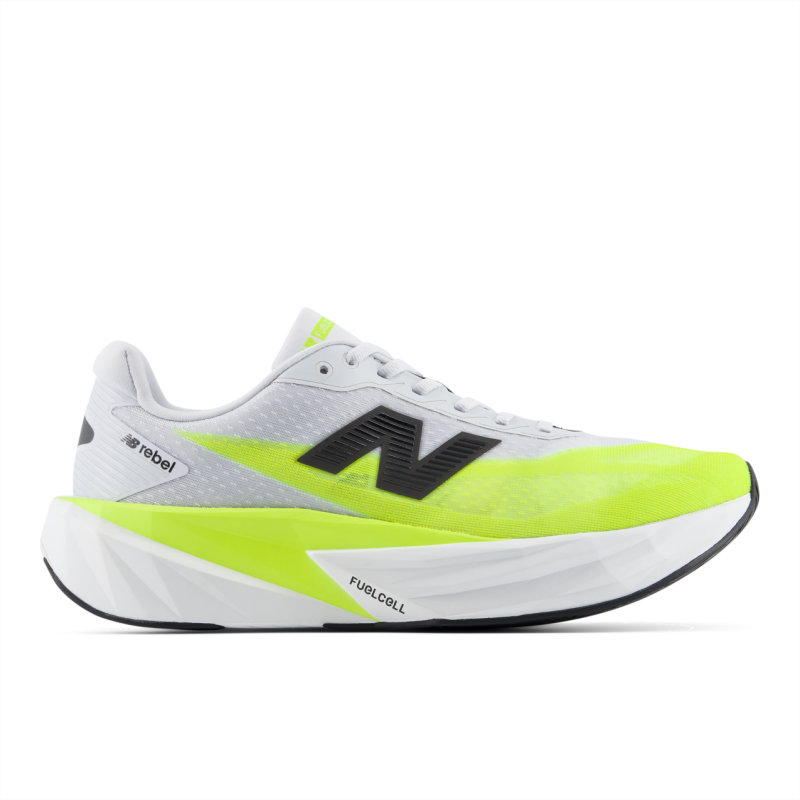
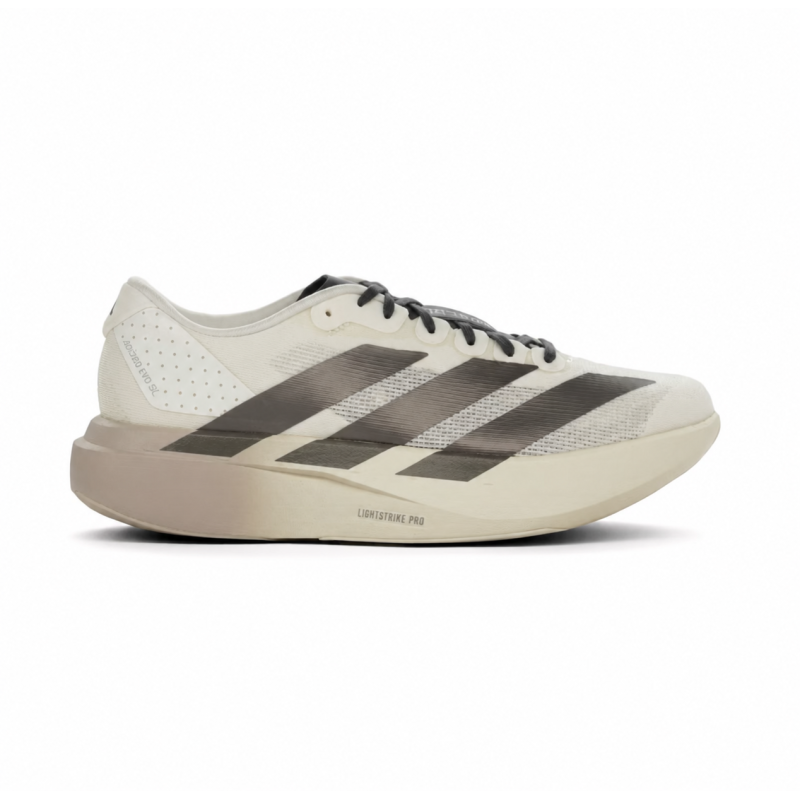
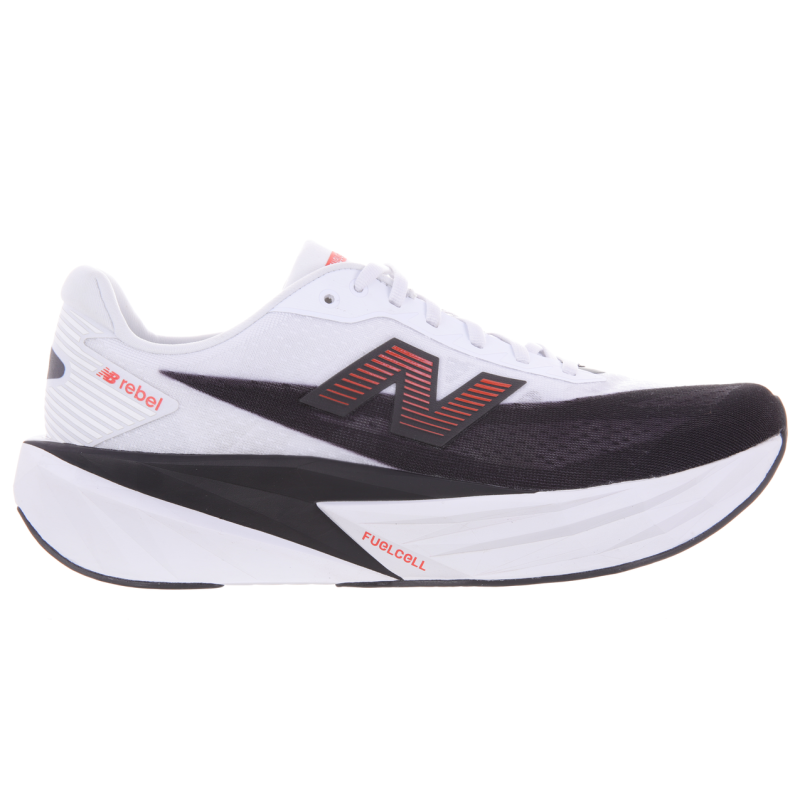
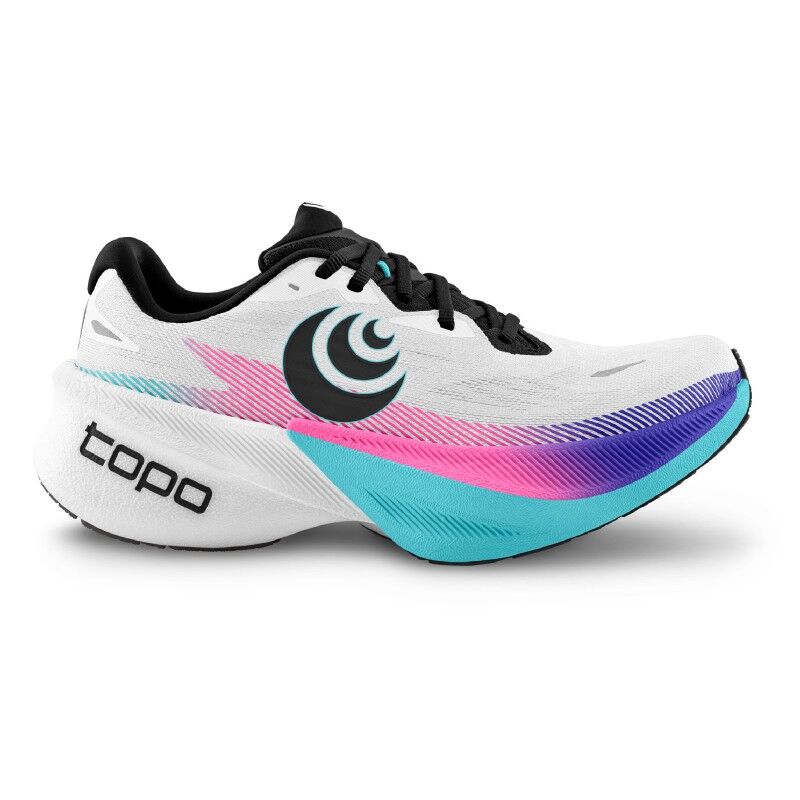
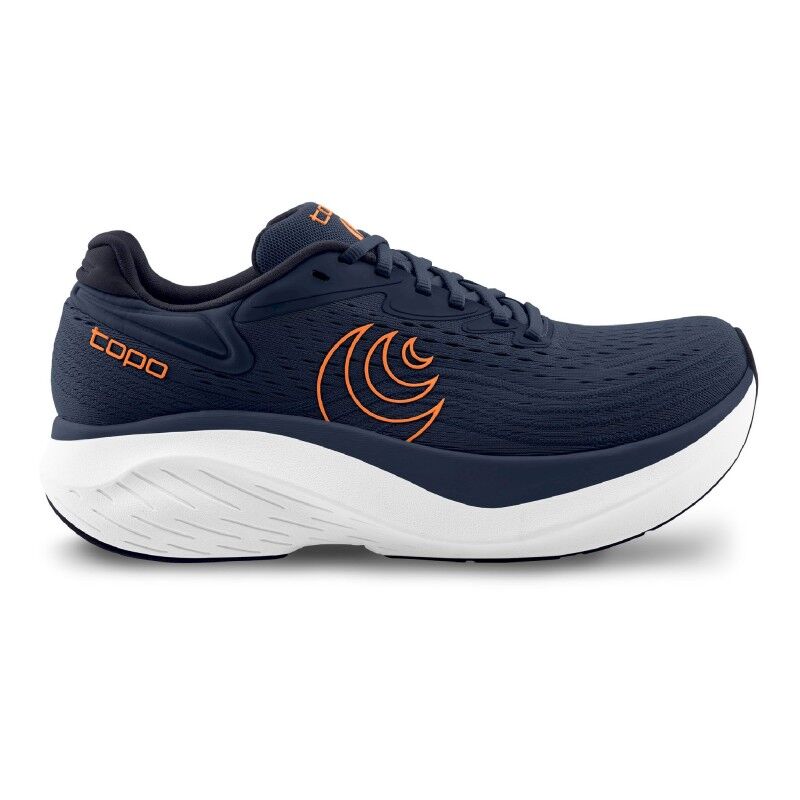
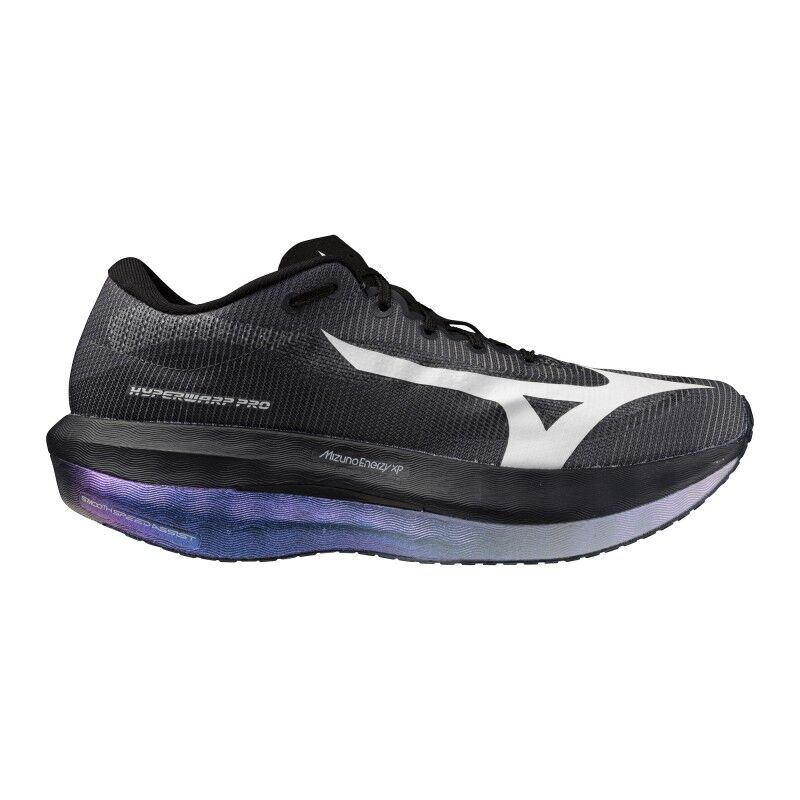
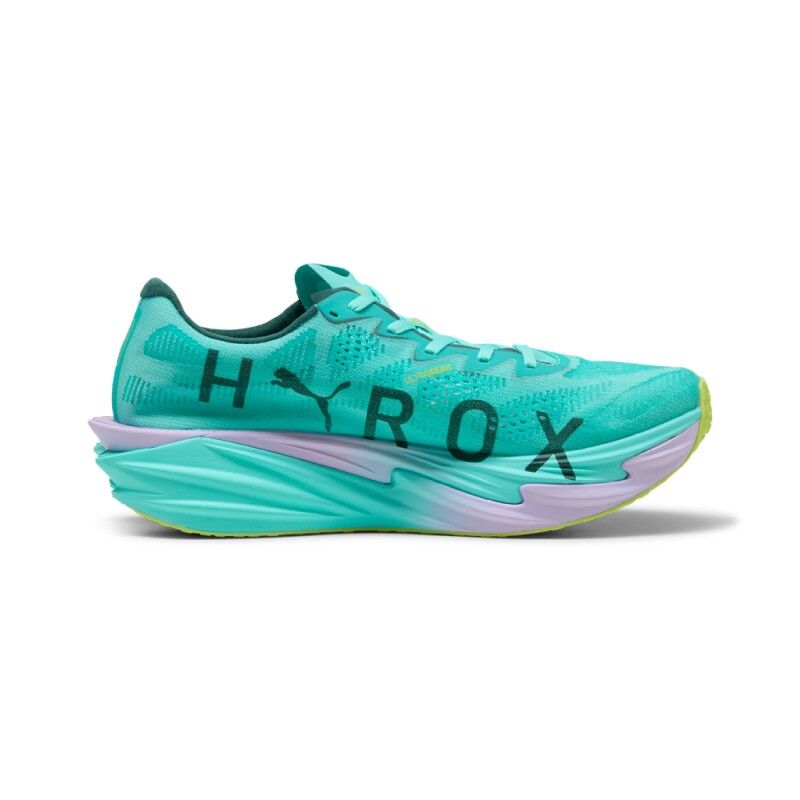
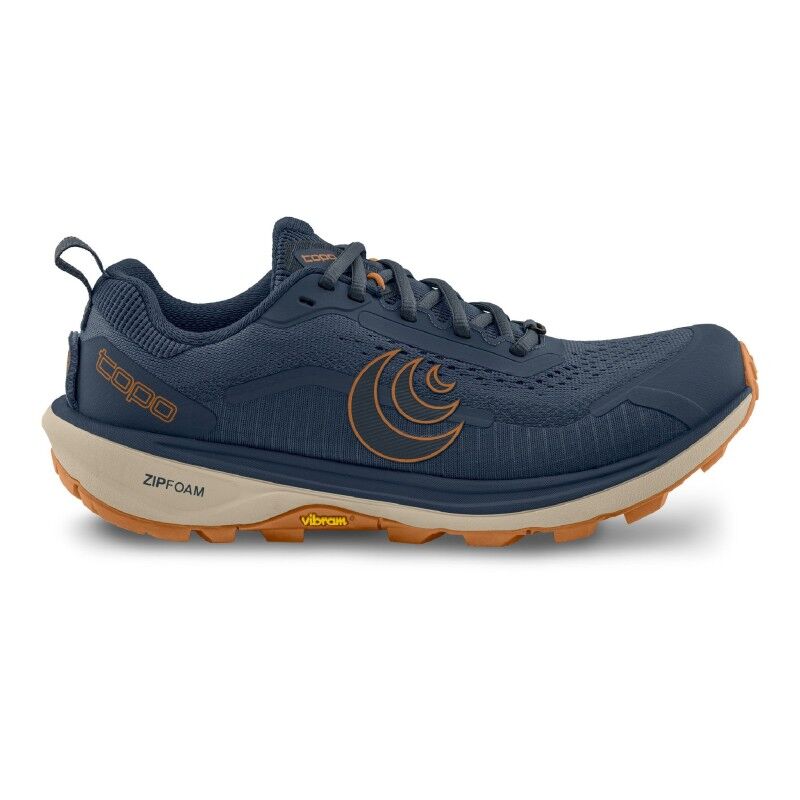
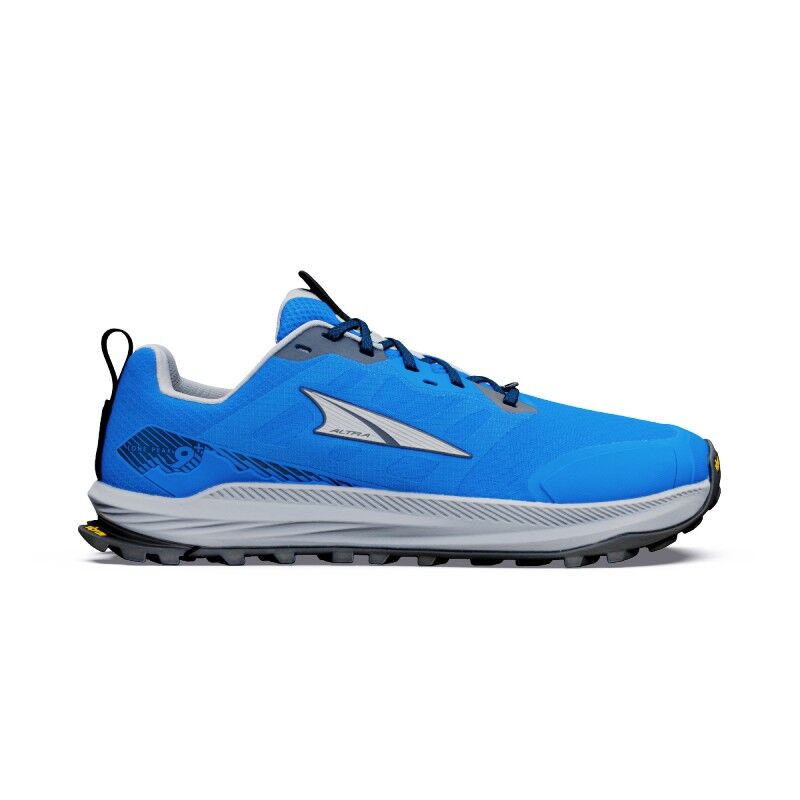
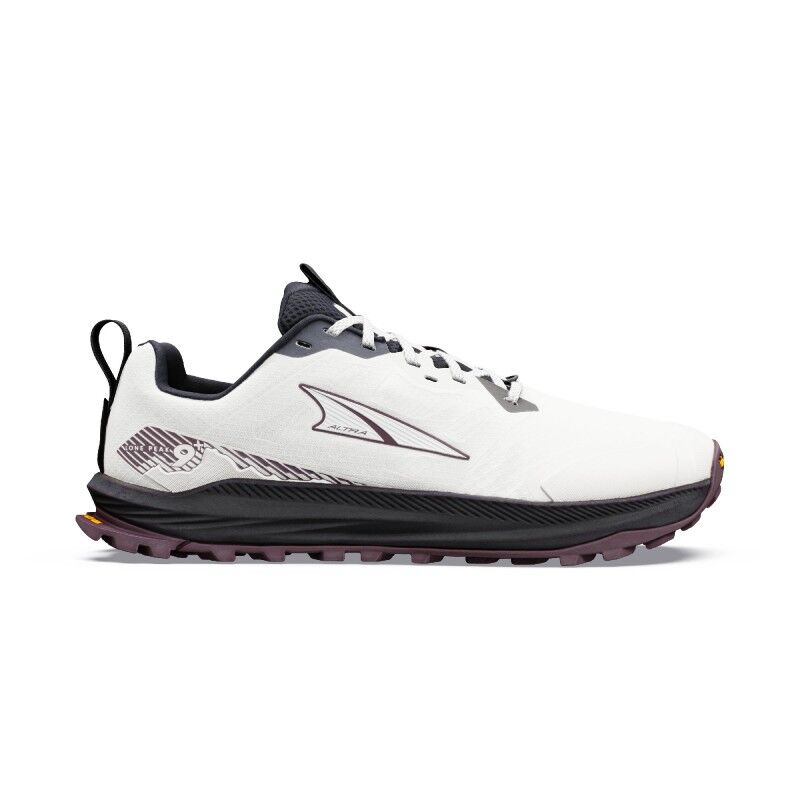
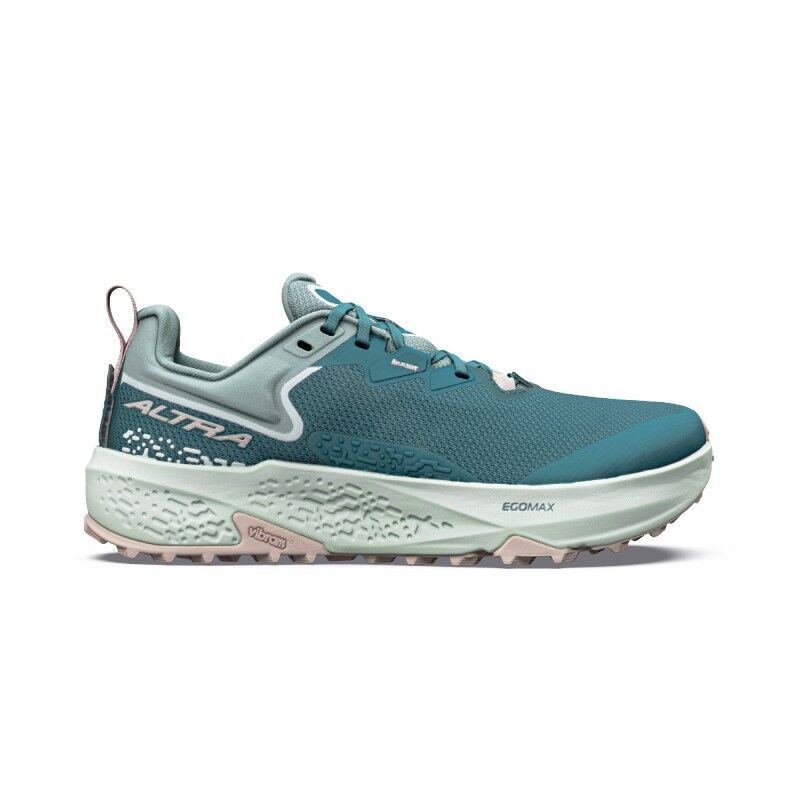
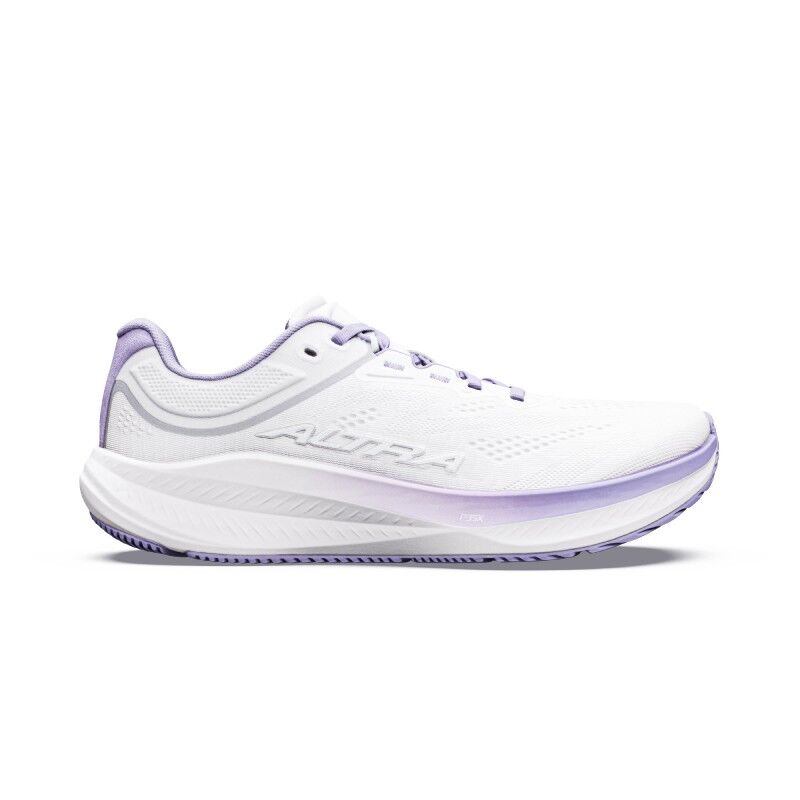
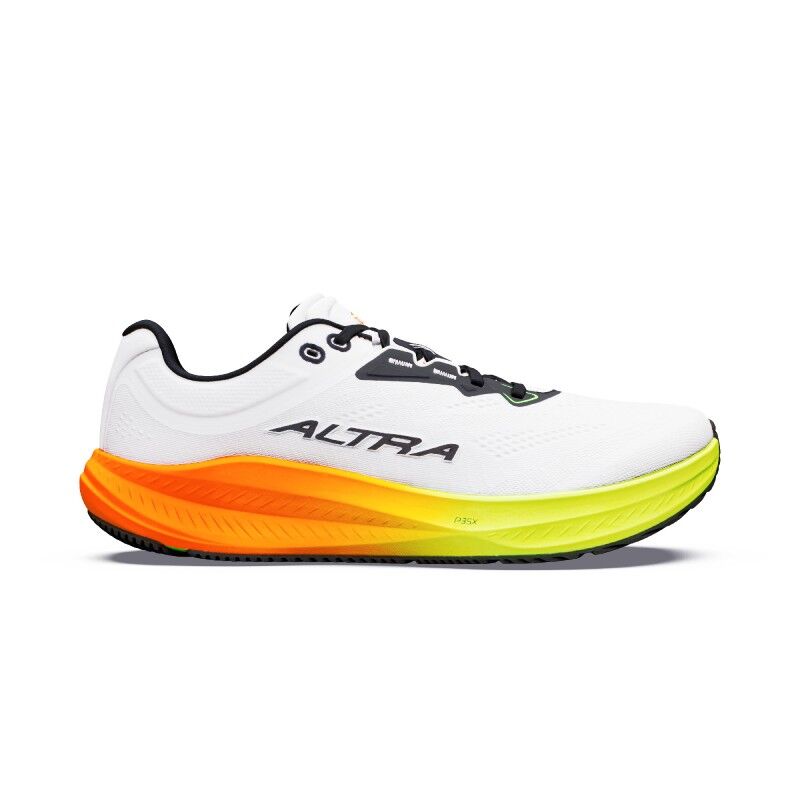
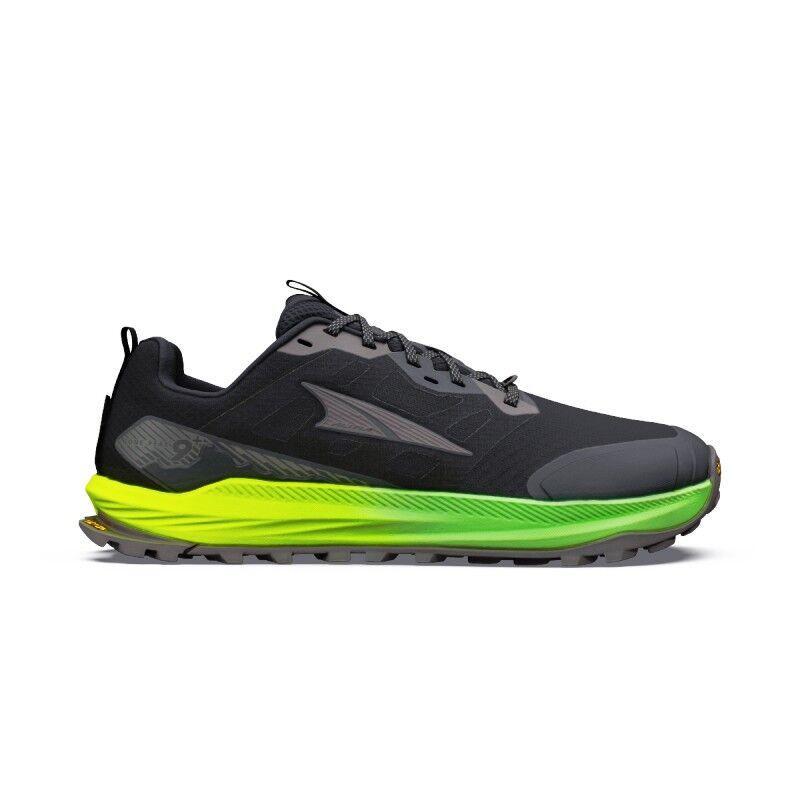
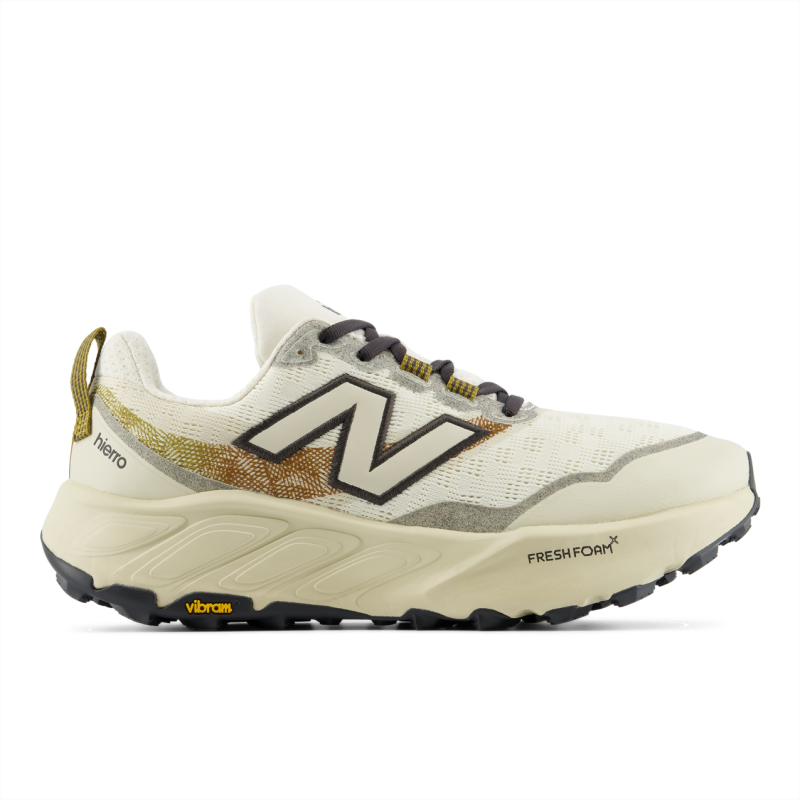
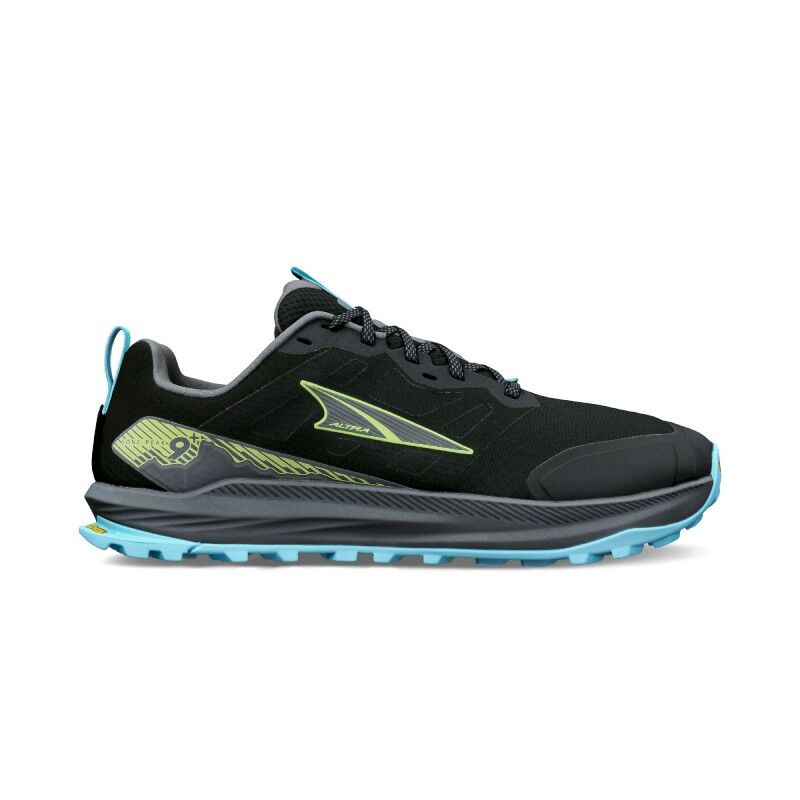
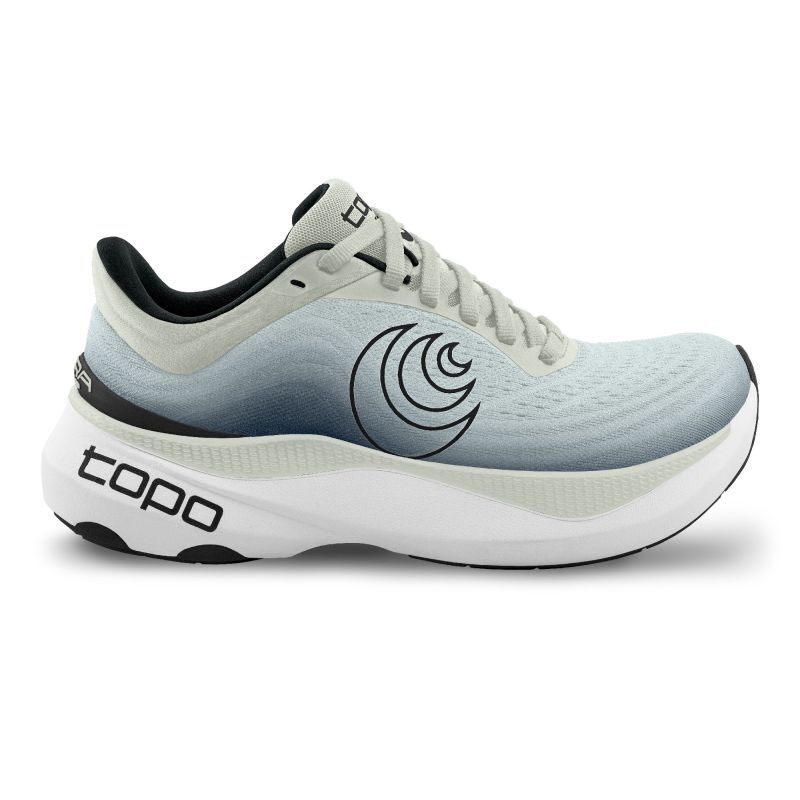
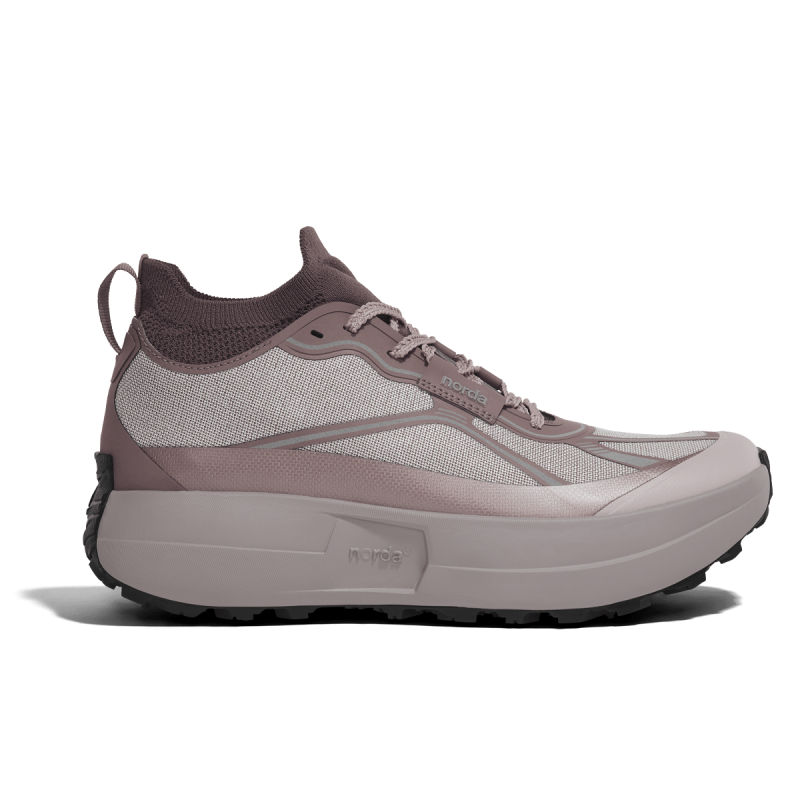
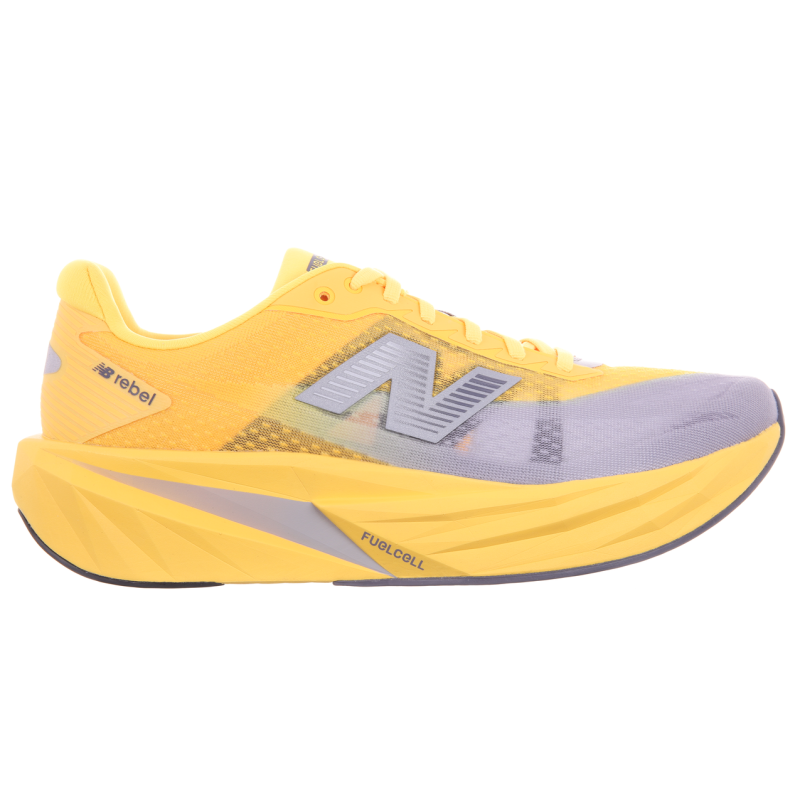
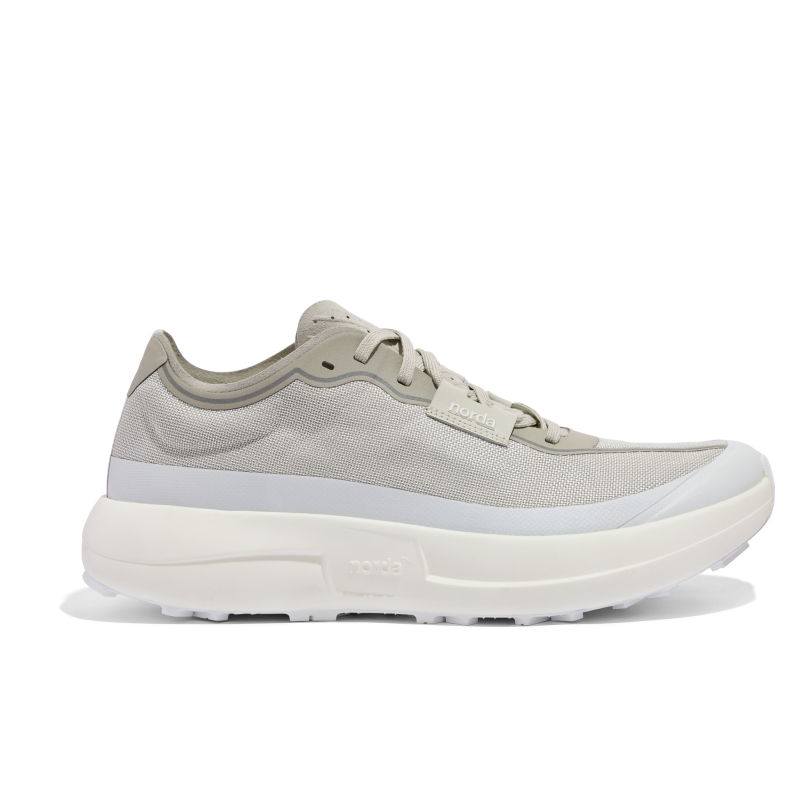
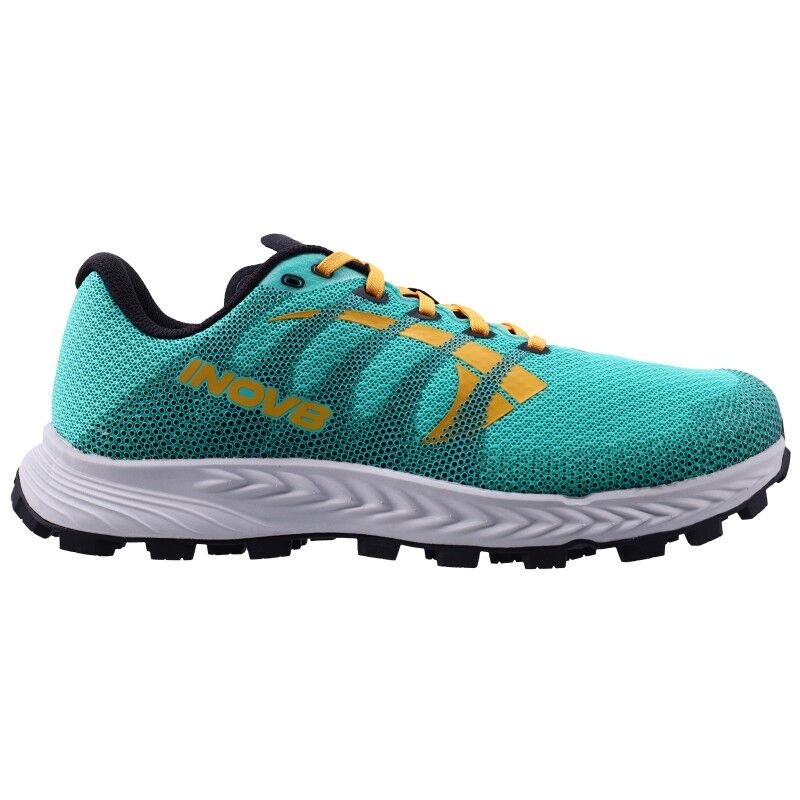
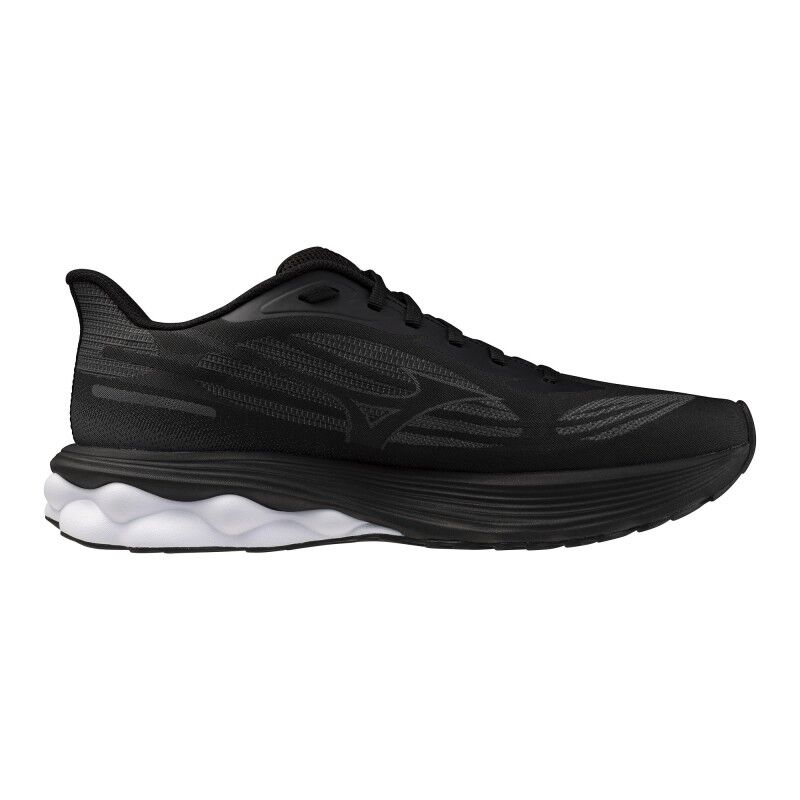
If you wanted to have the best running gear, you needed to have the best running shoes. The reverse would have been true for trail gear. As you pushed your research further, you learned that there were several types of strides, and that these partly determined the choice of the most important element of your running gear. Some people are pronators, others supinators, and others have a universal stride. You then discovered that you yourself were a supinator since you attacked your stride with your inner heel and then rolled onto the outside of your foot. However, you decided, to complete your running gear, to choose universal running shoes since the differences with shoes specialized for supinators or pronators are minimal.
You then got a glimpse of the complexity of a running shoe. After the stride, you indeed had to consider the drop of your shoe to be able to add an element to your running gear! According to the writings you had in your possession, the drop of a running shoe represented the height difference between the back and the front of the shoe. It was also noted that an average runner, who was starting or resuming running, was advised to choose, for their first pair of shoes, a drop of 8 mm, called 'universal'. You no longer hesitated then and hurried to choose a running shoe with an 8 mm drop. You could now count a new member within your running gear!
The running cap, ideal for setting new records when temperatures rise
Since you were forced to run, you wanted at least to be able to run under the sun to get a tan and breathe in the joy of life (after struggling for hours under a scorching sun). To choose a running cap that effectively complemented your running gear, you understood that you had every interest in choosing an adjustable model. You also learned to love the sometimes off-putting design of safari hats, extremely practical when the midday sun is overwhelming, and which can be very useful when choosing trail gear. You then decided to adopt a running cap with a reflective band, so that you could be seen from afar. You were indeed planning to run in the city once your workday was over. Therefore, you needed to equip yourself with a running gear capable of reflecting light to ensure your own safety.
Compression clothing for recovery in running
After choosing a significant part of your running gear, you only had to choose the compression clothing that would help you recover from your first more intense running sessions. Thanks to compression clothing, the toxins your body produces during effort are reduced, recovery occurs more quickly, and endurance can be increased. For a complete running gear, you needed a garment that exerts pressure on the muscle to increase blood circulation in the muscle veins. You could already imagine yourself at the start of your next race, looking like a professional, with all your running gear.
You continued your research and concluded that your running gear was perfectly optimized for you. Before you actually started running, you chose to pay particular attention, in addition to your running gear, to any potential discomfort related to your sporting practice. The running gear was important, but you also wanted to protect yourself, your health, and your muscles that were not used to sports from potential injuries related to your new sporting practice. By reading an article about common runner injuries, you learned how to avoid bad habits and prepare for any eventuality. In short, all that was left was for you to hit the paths and trails of other runners, you and your running gear.
What trail gear to adopt to become a true trail runner?
After more than six months of intensive training, your running event went as well as possible, and you were pleasantly surprised by the sensation that hours of continuous effort provided. You then gained confidence and realized the importance of self-confidence, as well as the quality of running gear. The friend who had tossed the famous coin six months ago contacted you again, this time proposing, of your own accord, to join his team and participate in training to prepare for a trail. For this, you had to think about a complete trail gear! You would never have believed it, but in over six months, you had developed a taste for running. So, just like before your first running event, you began to absorb a wealth of information about trail so as not to miss any details to succeed in your first trail and have quality trail gear. You learned that trail running is a form of running that usually takes place in nature, although it is possible to find trails starting from Paris! You quickly understood the importance of having a complete trail gear to be able to run on all terrains, including the most rugged and technical ones. After practicing running in the city, the idea of immersing yourself in a wild and preserved nature truly appealed to you. To choose the best trail gear, you proceeded in the same way as when choosing your running gear and broke down your personal reflection into different stages.
The trail shoe, the star of the trail gear
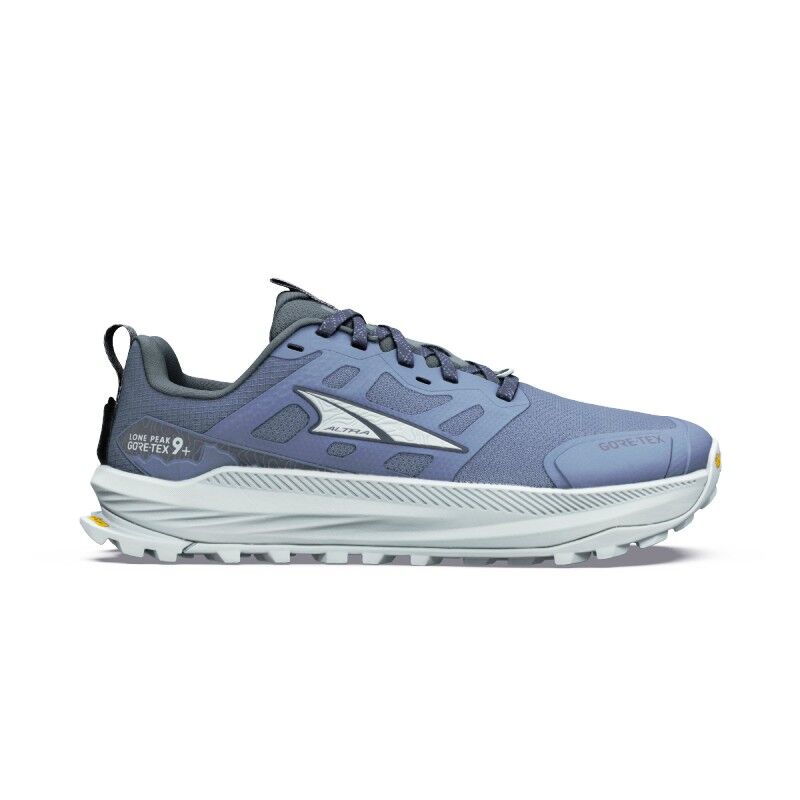
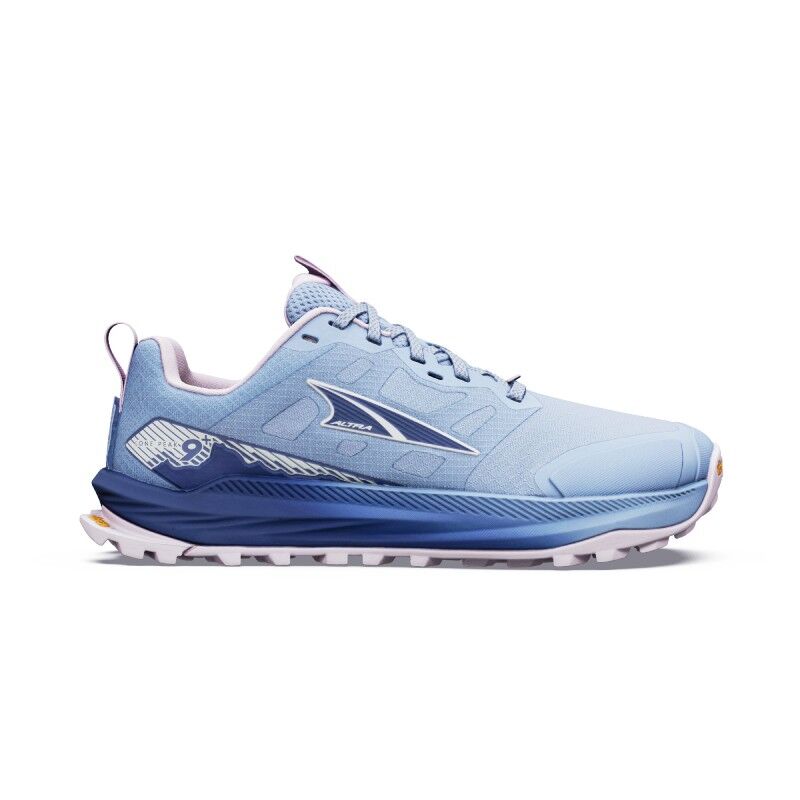
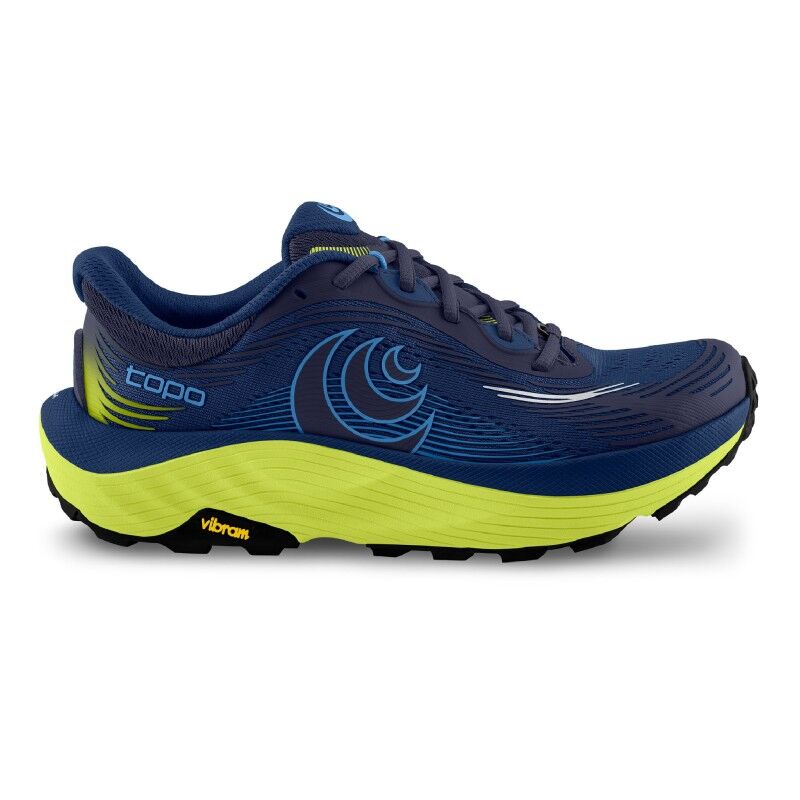
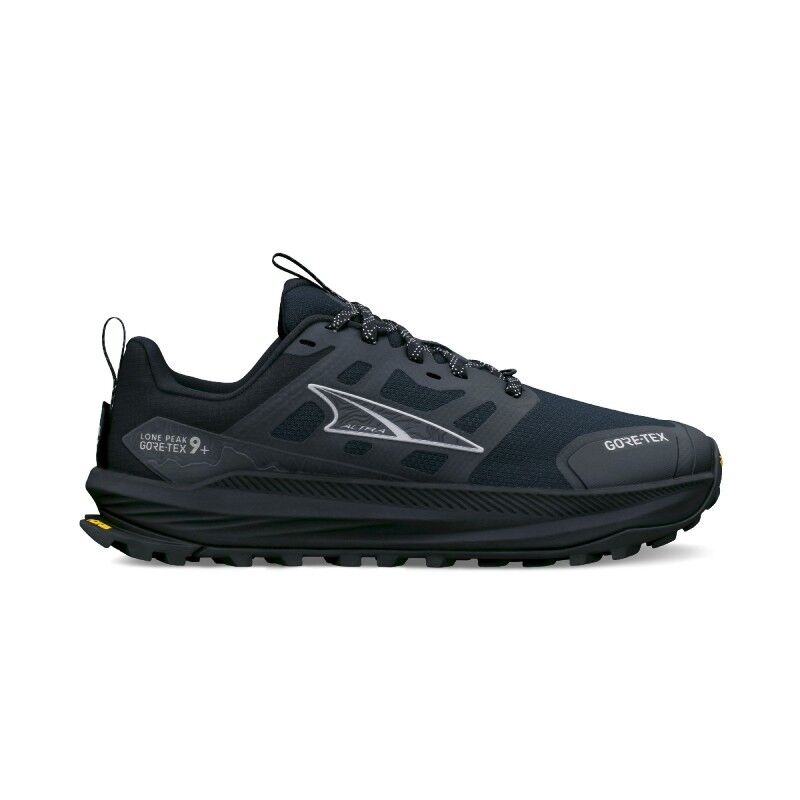
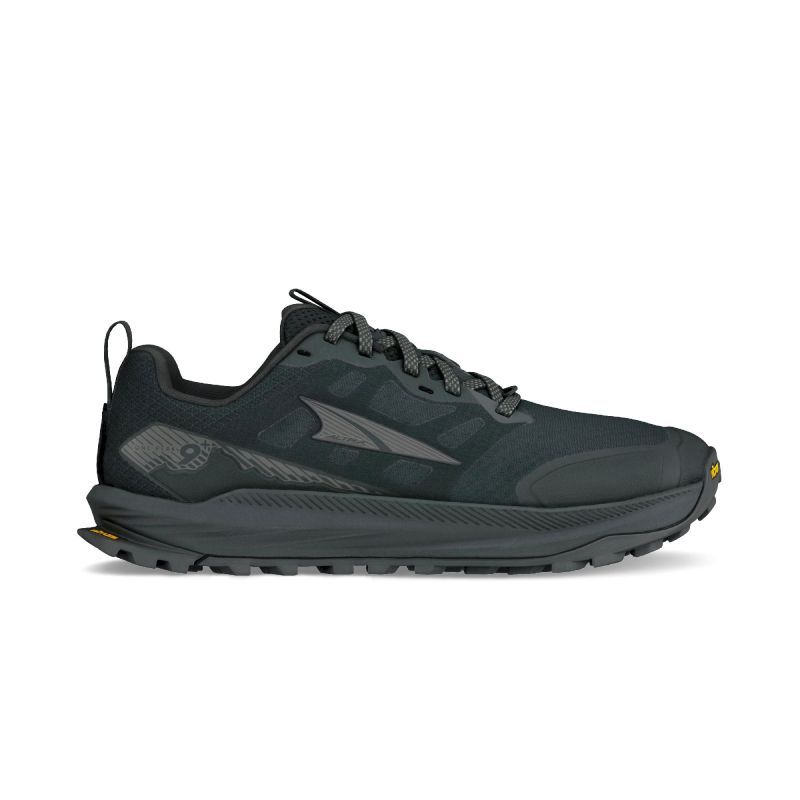
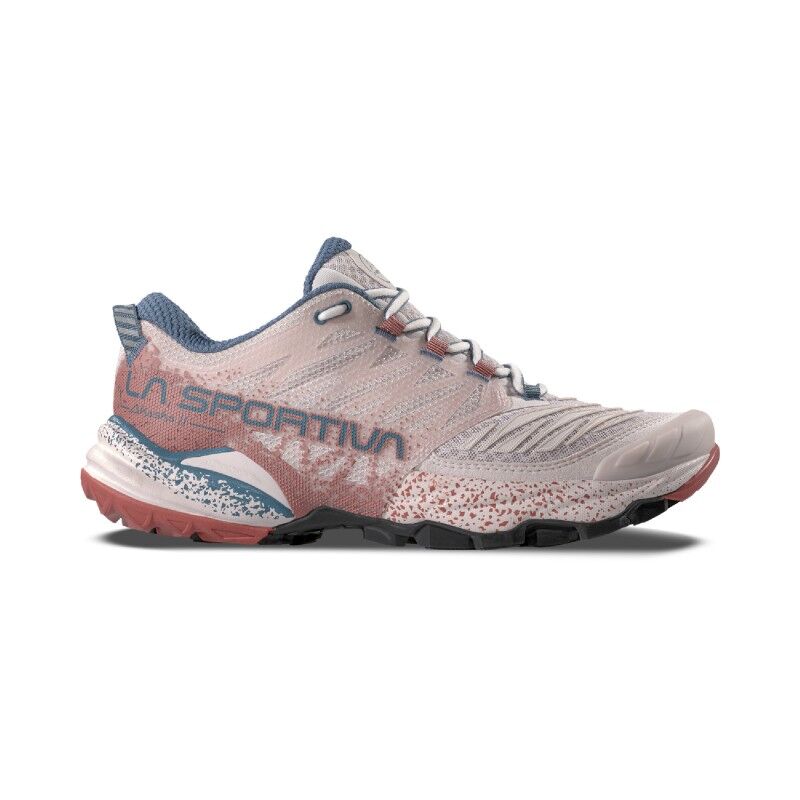
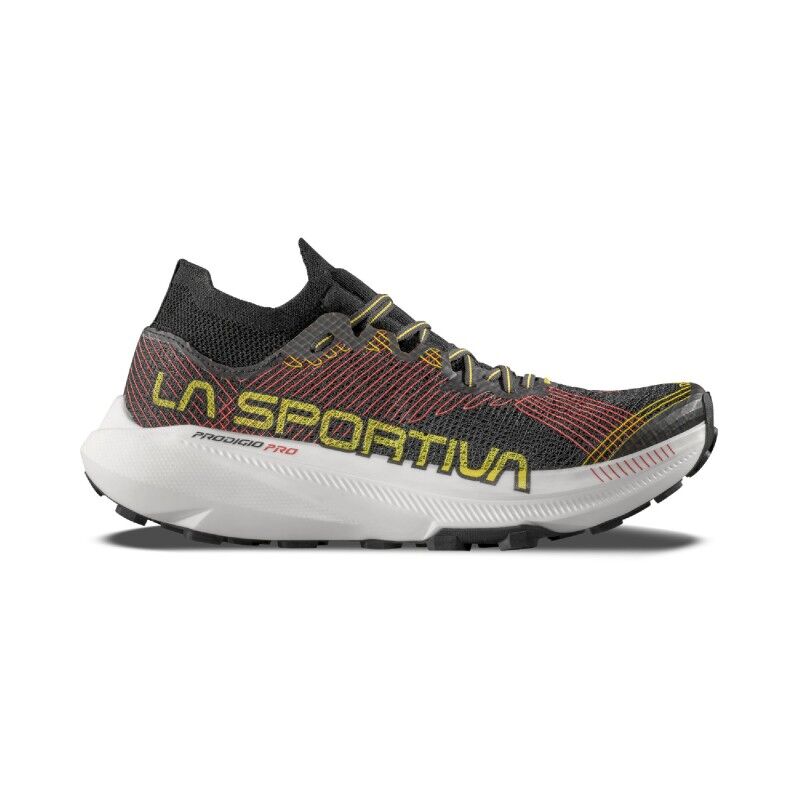
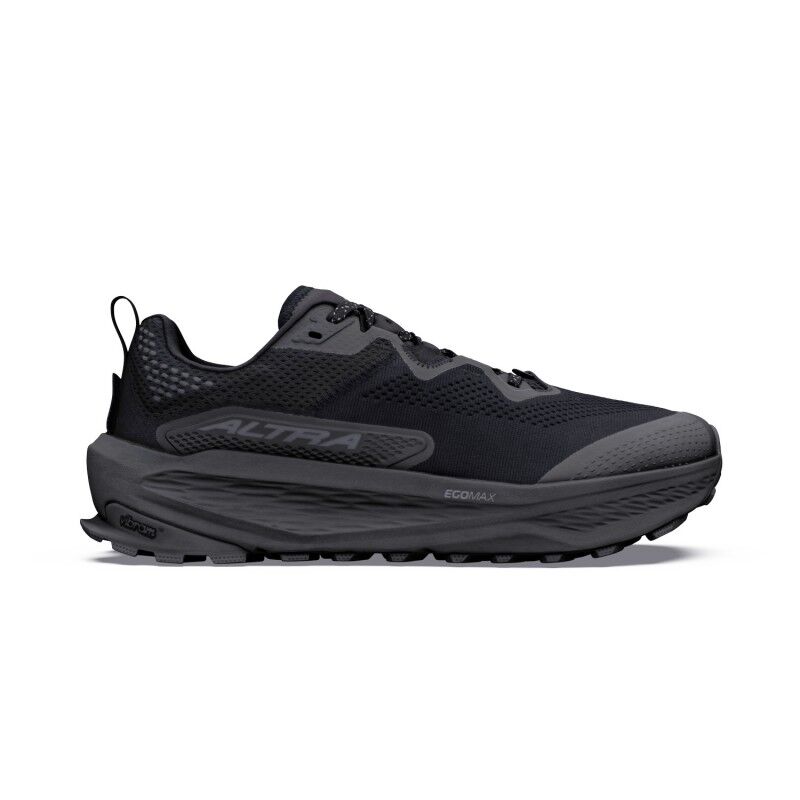
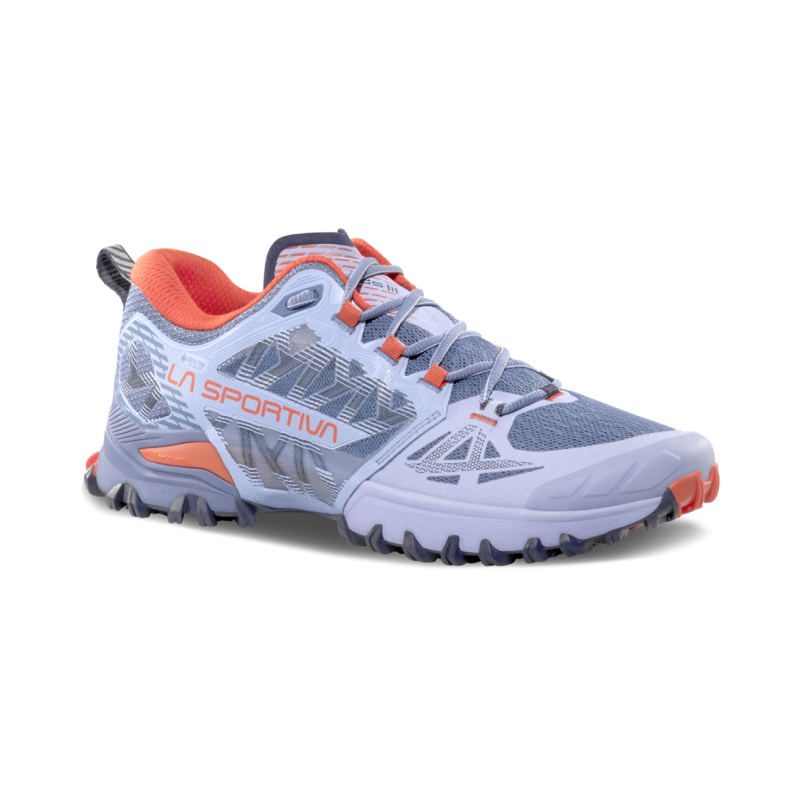
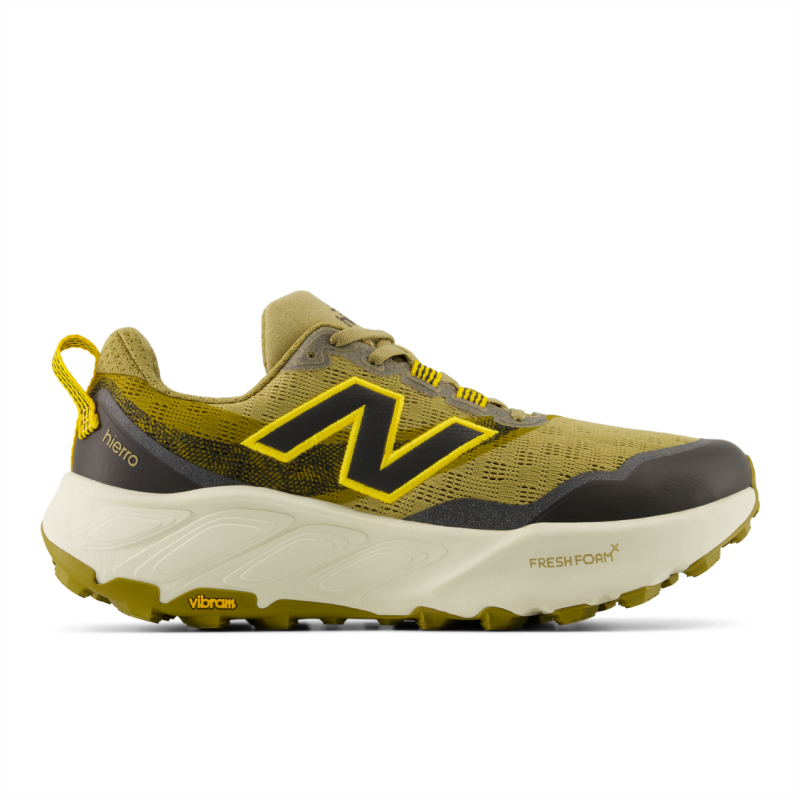
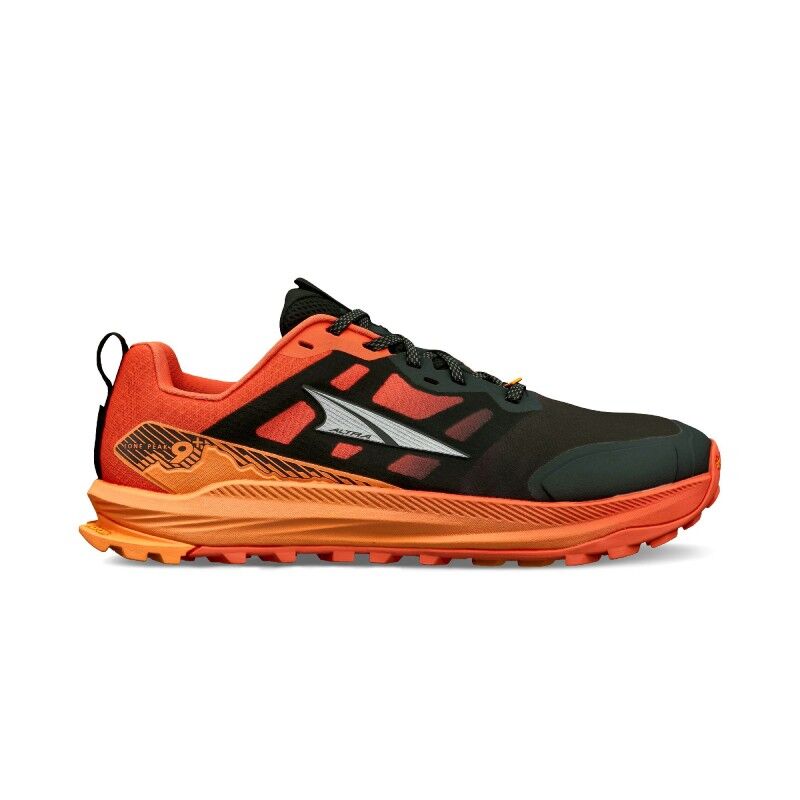
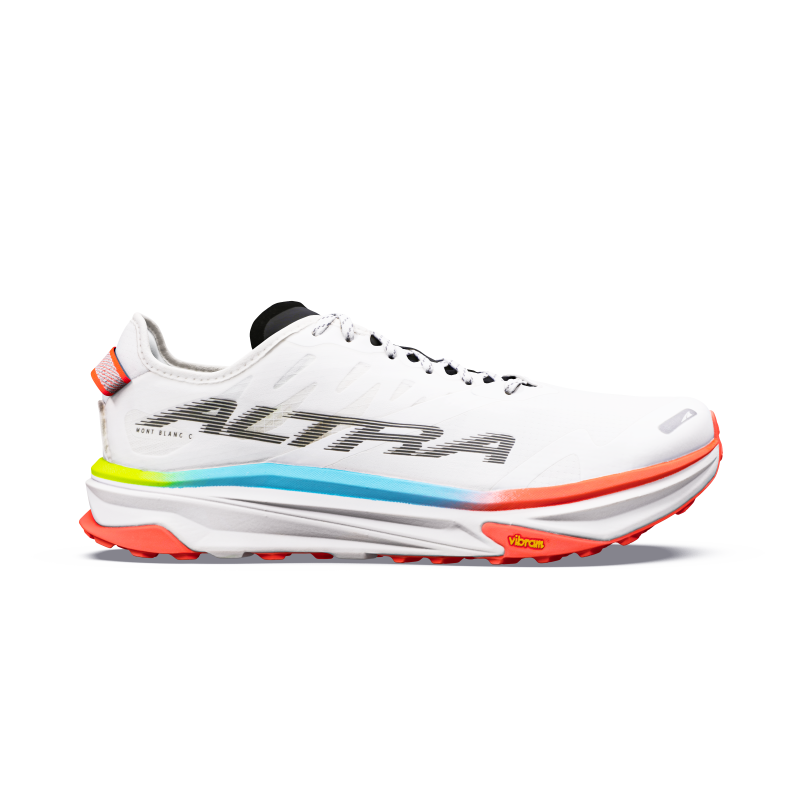
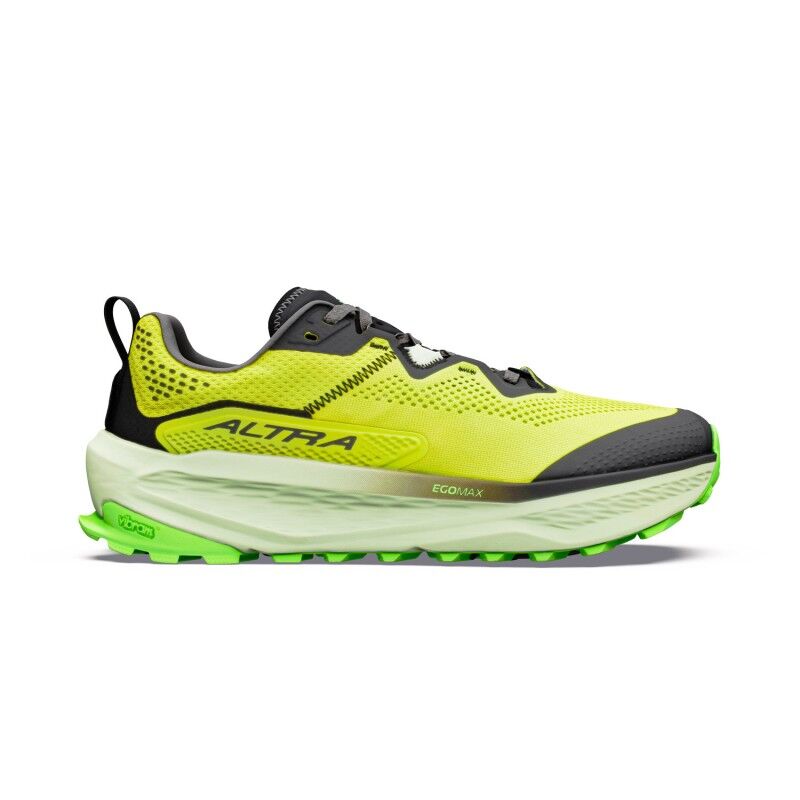
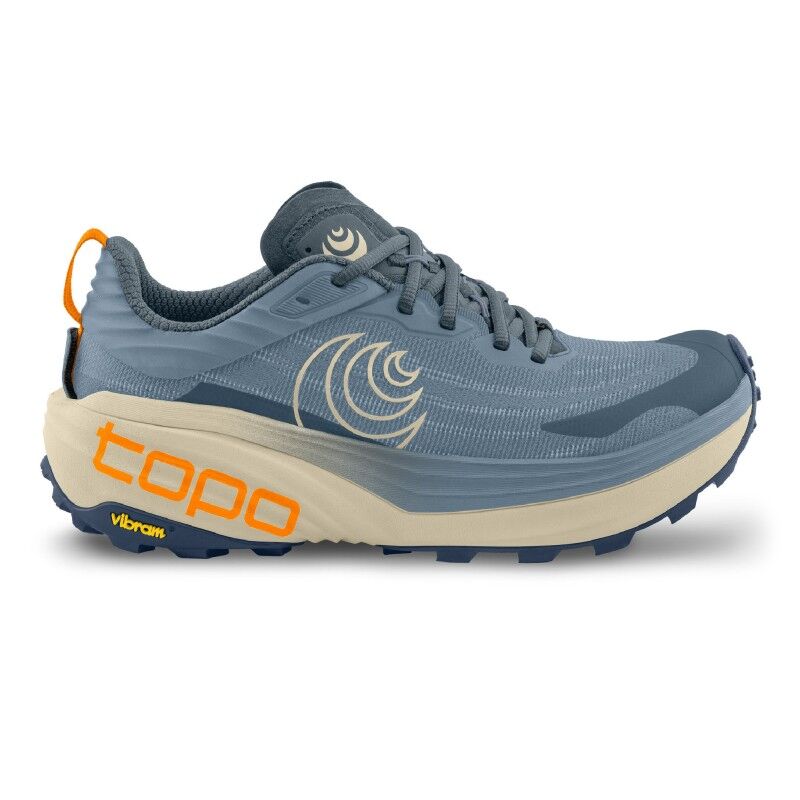
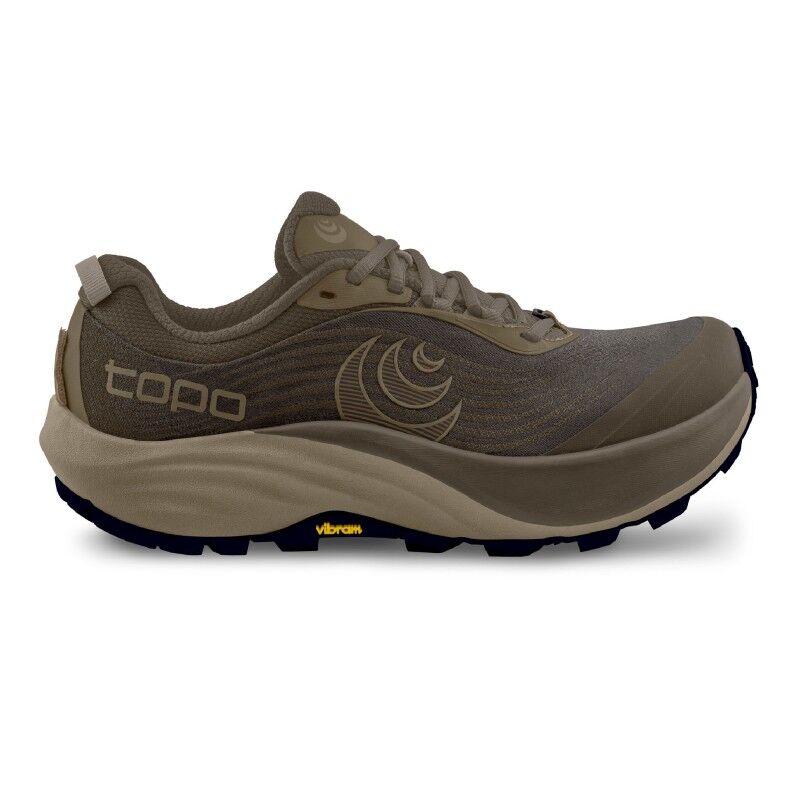
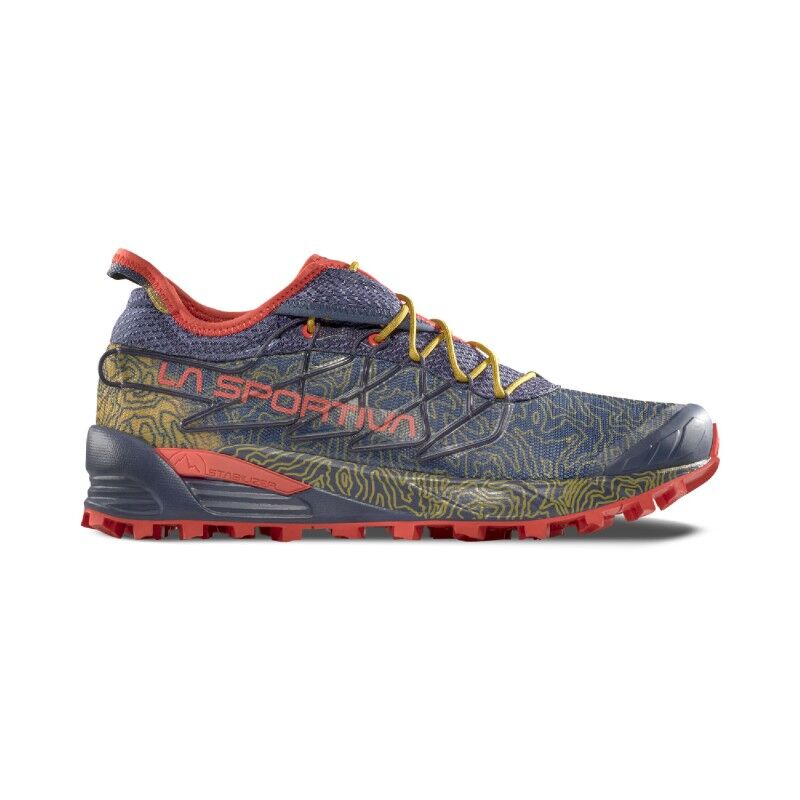
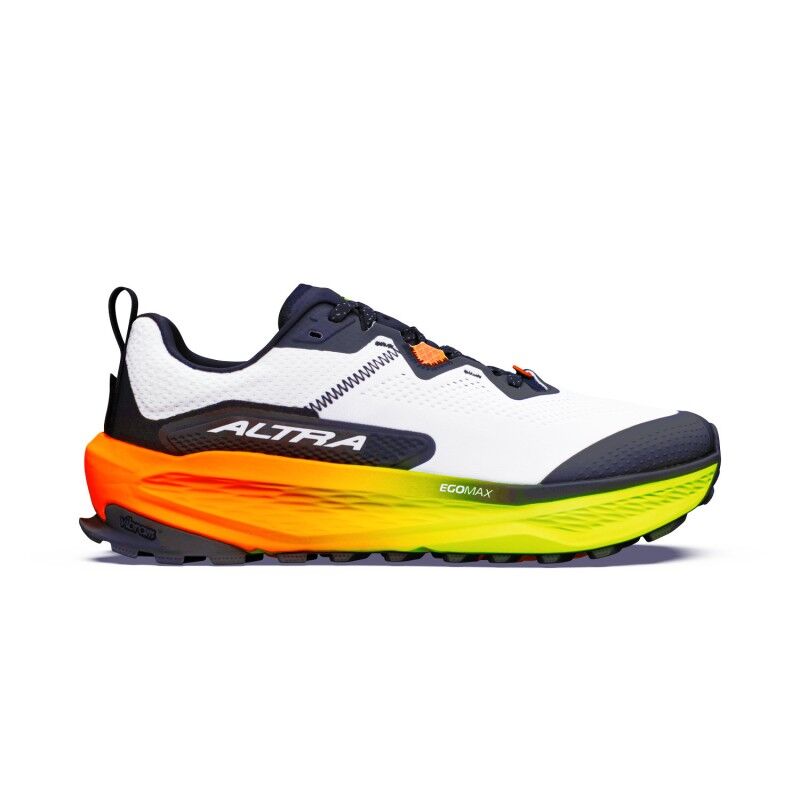
To choose the best trail gear, you consulted articles about the 10 best trail shoes available on the market, and understood that the way to choose your next trail shoe would be similar to how you chose your running shoe, with a few differences. The choice of your trail shoe depended, in fact, first on your type of stride and then on the drop, just like when choosing your running shoe. You hoped that the choice of your trail gear would follow the same process as the one you had undertaken during your previous research, but you realized that this would not be the case once you learned about the technologies that could be found in trail shoes.
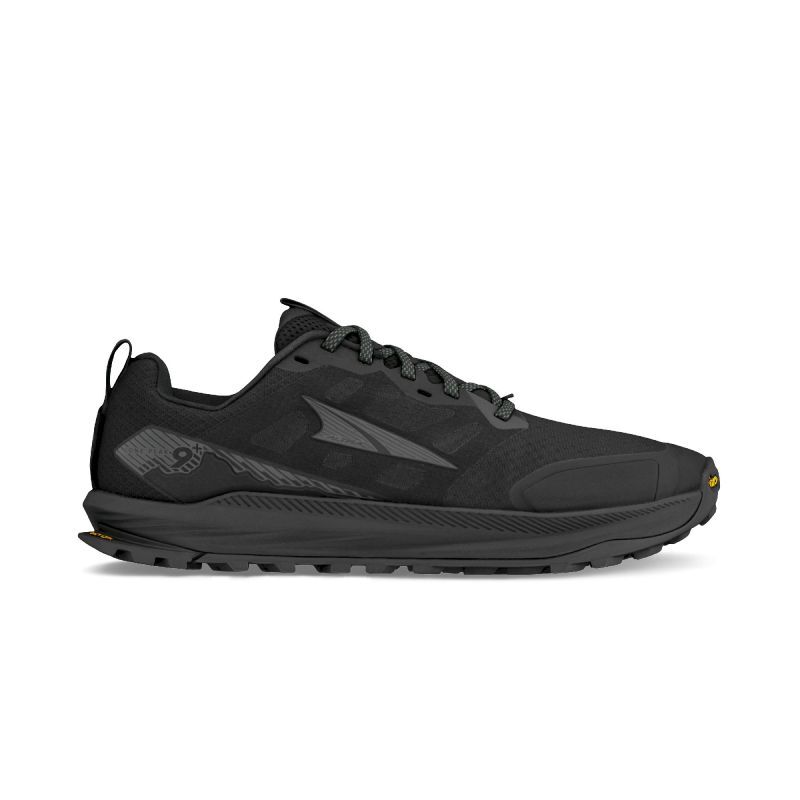
You would have to take into account the variations between running and trail to understand that your trail gear would be significantly different from your running gear. During a trail, you would indeed be running on muddy and slippery terrains, sometimes technical and rocky. For this specific element of your trail gear, you had to look into the different types of lugs that could be found on trail shoes. You read that if the lugs were prominent and flexible, a shoe could be used on muddy terrains. Conversely, with small lugs, this element of your running gear was much less grippy and could only be used during runs on trails.
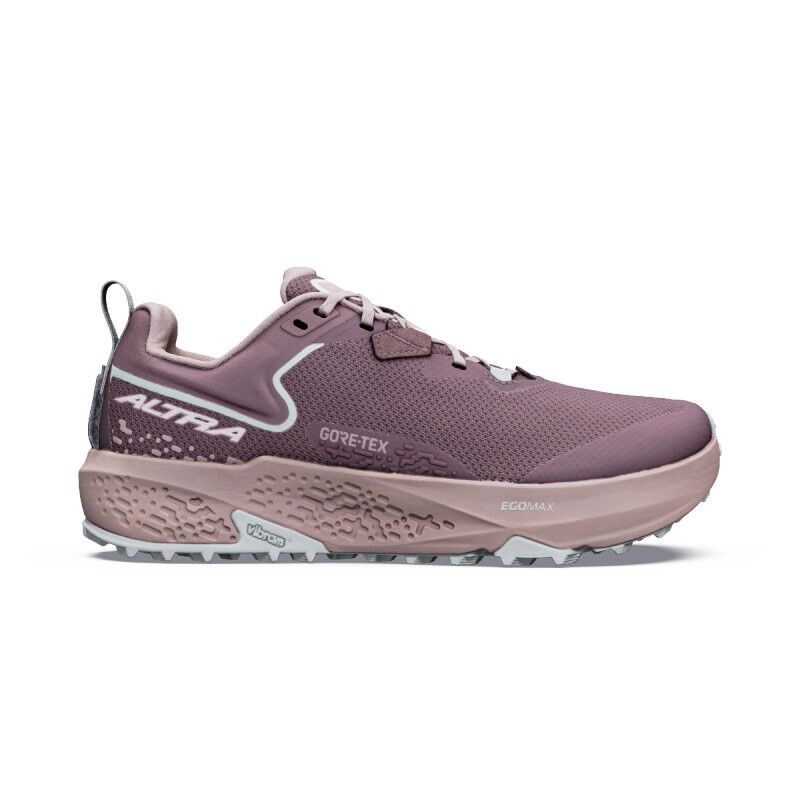
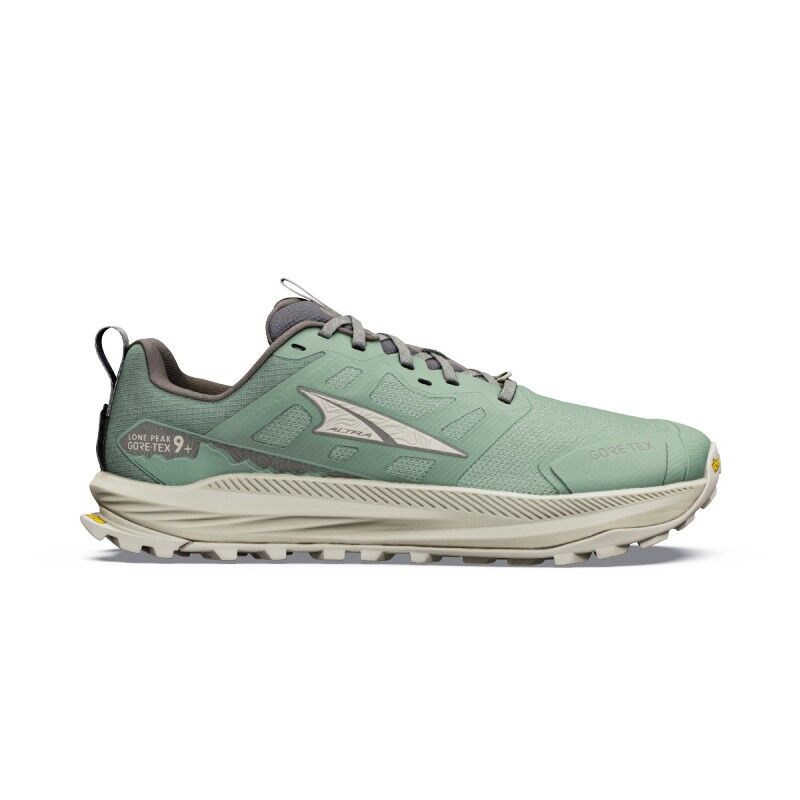
You were also surprised to learn that there were Gore-Tex trail shoes that allowed you to achieve a good balance between warmth and breathability. You understood that a Gore-Tex trail shoe was ideal for a winter trail weekend in the Mont-Blanc region, but should be avoided when temperatures rise, lest you risk developing blisters due to excessive sweating. You then chose a trail shoe without Gore-Tex, keeping in mind that your first trail would likely take place under optimal weather conditions. You then moved on to the next stage of your reflection regarding the shaping of your trail gear.
The trail pole, a valuable aid during a long race
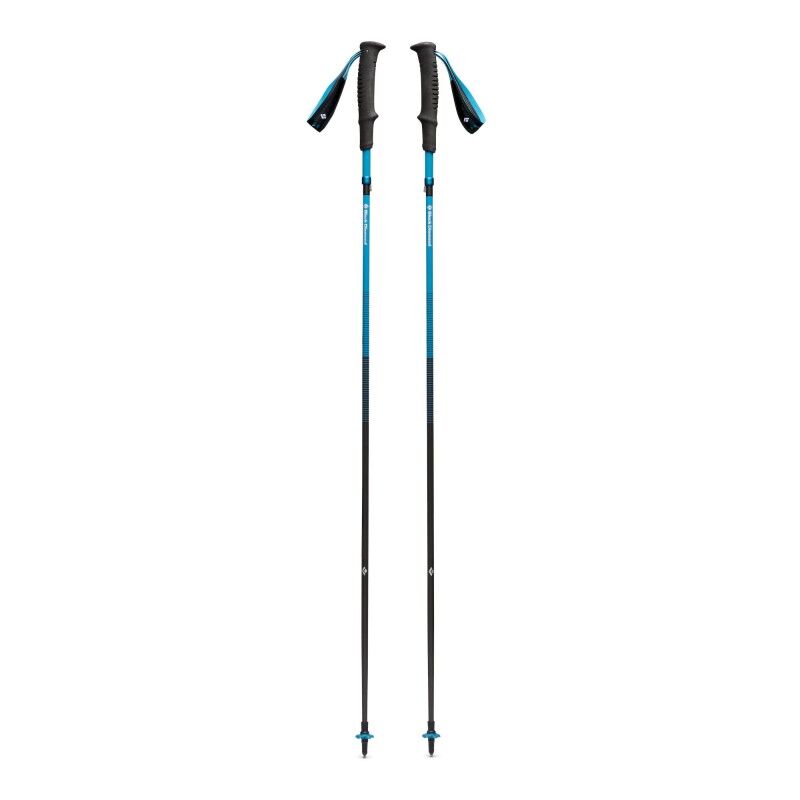
There are 5 good reasons to use trail poles. 5 or 100, as you have seen! Nevertheless, you had to find the trail poles that suited you to perfect your trail gear. You developed your research and understood that trail poles offered better weight distribution, which helped relieve the legs, especially during effort. You realized that the choice of this element of your trail gear would depend on the number of sections that the trail pole had. You opted for the Micro Trail Pro poles from Leki, three-section poles made of 100% carbon with a concave tip and cork handles that offer a perfect grip zone. You thus found the element of your trail gear on which you could rely throughout your journey.
The water bottle, for continuous hydration and complete trail gear
By consulting the trail gear checklist for the GR20, you understood that you were close to your goal and that your trail gear was becoming more efficient. If you weren't planning to tackle the GR20 in trail in the coming months, you felt that it would be possible to complete it when the time came, and your trail gear was starting to be complete enough to consider it. However, you were missing a terribly important element within your trail gear: a water bottle. You read that professionals or those who had already completed several trails recommended using hydration packs, water bladders, or hydration belts. However, you opted for a water bottle, to reassure yourself while waiting to see how your first trail would go. You had thus found the element of your trail gear that would provide you with all the water you would need! You specifically chose the Soft Flask 250 mL from Salomon, a soft water bottle that is very lightweight so that your running gear wouldn't weigh too much during your effort.
The trail headlamp, the light that bursts from the darkness
You awaited this step with great impatience as the trail headlamp has always appealed to you, and you were eager to add it to your trail gear. Above all, you wanted to have a powerful headlamp that could guide you on the most technical paths you might encounter. You eagerly absorbed a wealth of information about this particular element of trail gear. You learned that the power of a trail headlamp is expressed in lumens, a unit that specifies the overall brightness projected. For trail practice and to perfect your trail gear, it was recommended to choose a headlamp that has more than 200 lumens, to effectively illuminate your path.
The choice of this element of your trail gear proved to be more technical than expected! This intuition was confirmed when you looked into the waterproof rating of a trail headlamp. You read that there are headlamps with an IPX4 or IPX6 waterproof rating, and some even with an IPX8 rating. You decided to choose a trail headlamp with an IPX6 rating, sufficient in your opinion to protect you against relatively significant water splashes, such as those you might encounter during a trail. Your trail gear was thus taking shape, and you realized this with great enthusiasm.
The GPS watch, to be as skilled as Little Thumb
Given your poor orientation skills, you thought it would be wise to start with a GPS watch. Realizing that your trail gear would be of little use if you got lost, you rushed to find information about the GPS watch. You learned that battery life plays a crucial role for this element of trail gear. You also appreciated that there are some watches equipped with a barometer or altimeter function. You opted for a lightweight and efficient watch so as not to be weighed down by your trail gear.
The importance of good recovery after exertion
After completing several trails and running events, you understood the importance of good recovery. In addition to using compression clothing, you added recovery sandals to your trail gear. A recovery sandal not only helps your feet but also your entire body. Hips, knees, and shins also need to recover after undergoing significant stress during your last outdoor activity. To adopt your first pair of recovery sandals, you had to choose between a fully open pair or one slightly closed at the front with a breathable stretch mesh. You opted for the latter option and proudly chose the RX Slide 3.0 from Salomon, which features an oversized EVA midsole that promotes energy return and ensures a smooth roll for your exhausted feet.
You have thus learned to love running and trail and wish to recommend acquiring quality trail gear before diving wholeheartedly into such an exciting adventure.
On Hardloop.co.uk, find all the running and trail gear you need
During your research, you stumbled upon the Hardloop.co.uk website and found numerous products that met your expectations. To store all of your trail gear and running gear, you indeed fell for a trail backpack with a capacity of 30 liters, the Peak 30 from Salomon. You have thus completed your research and composed, from A to Z, the entirety of a trail gear and a running gear. In addition to discovering a new passion, you can be proud of your journey and your unwavering determination, which has allowed you to find quality trail gear and running gear.