
Running Backpacks
(289)The running backpack is an essential ally for trail enthusiasts in the mountains, on paths, or during ultra events. Designed to combine lightness, ergonomics, and functionality, it allows you to carry everything you need to remain self-sufficient and focused on your effort. Whether you're embarking on a short trail or a 100 km challenge, the choice of your running backpack will largely determine your comfort... and your enjoyment!
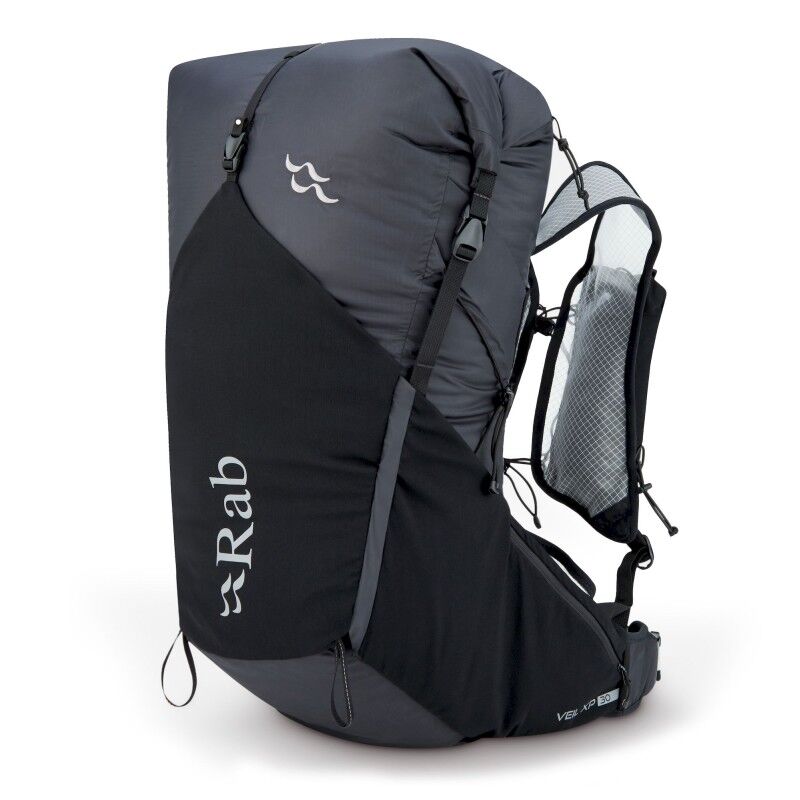
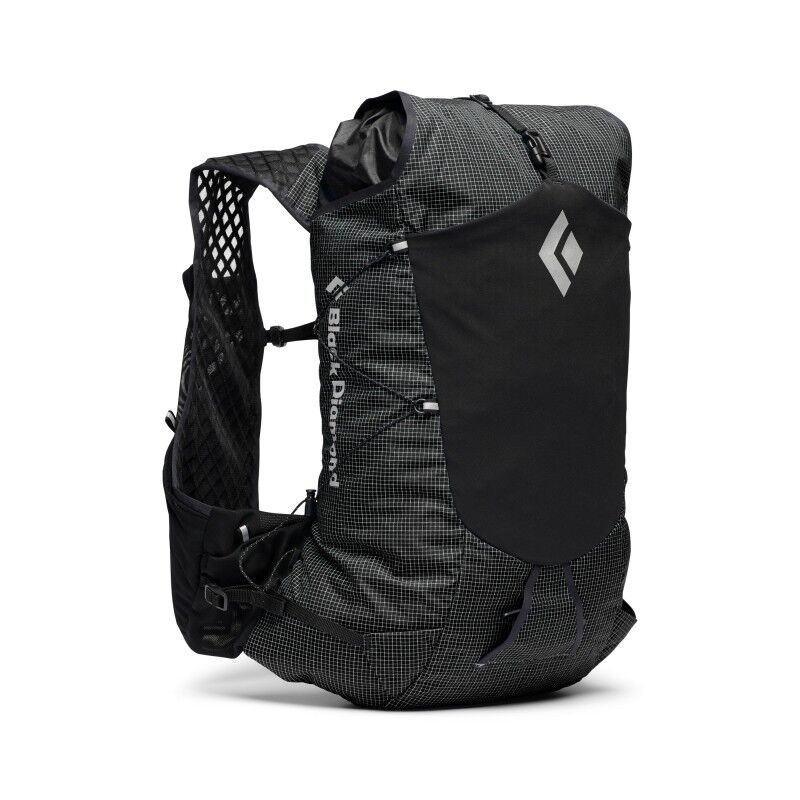
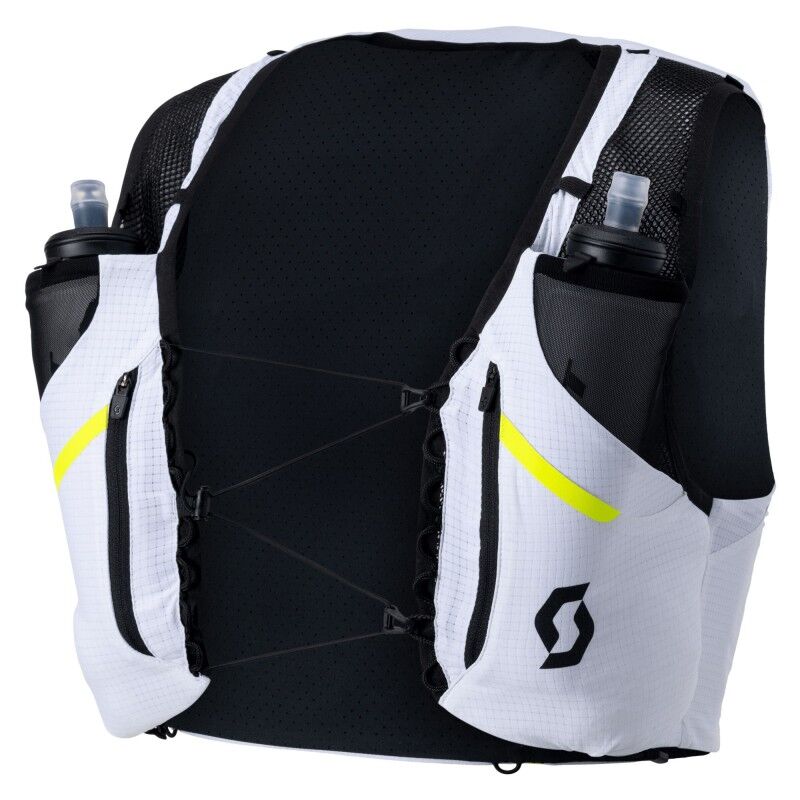
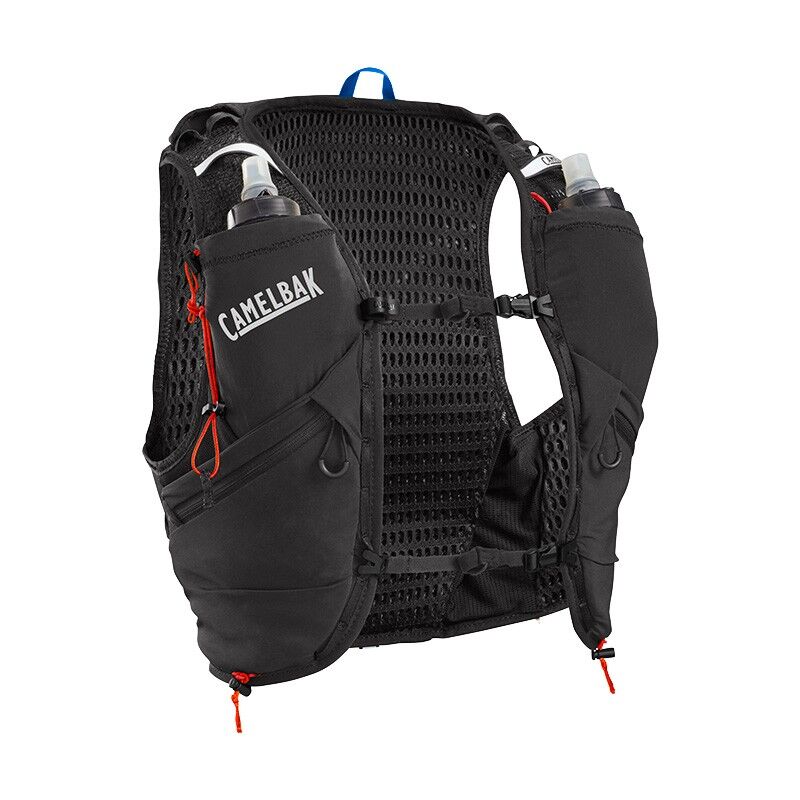

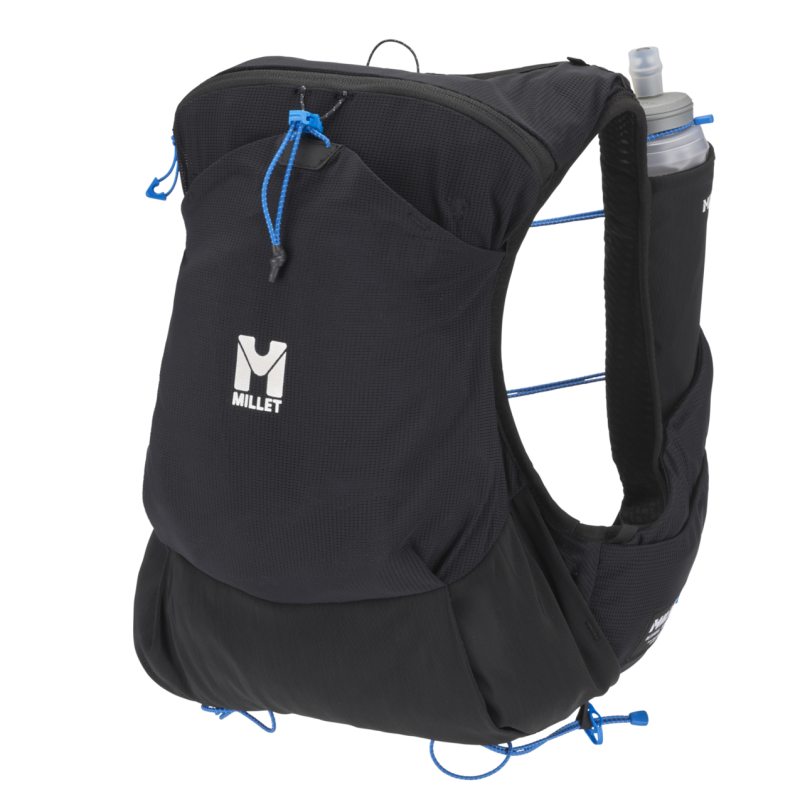
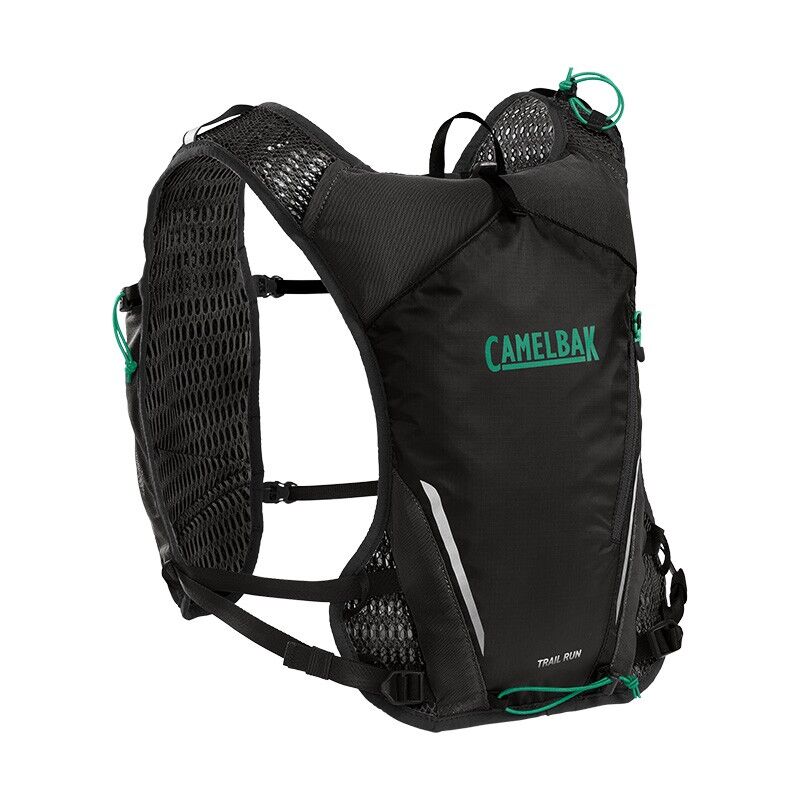
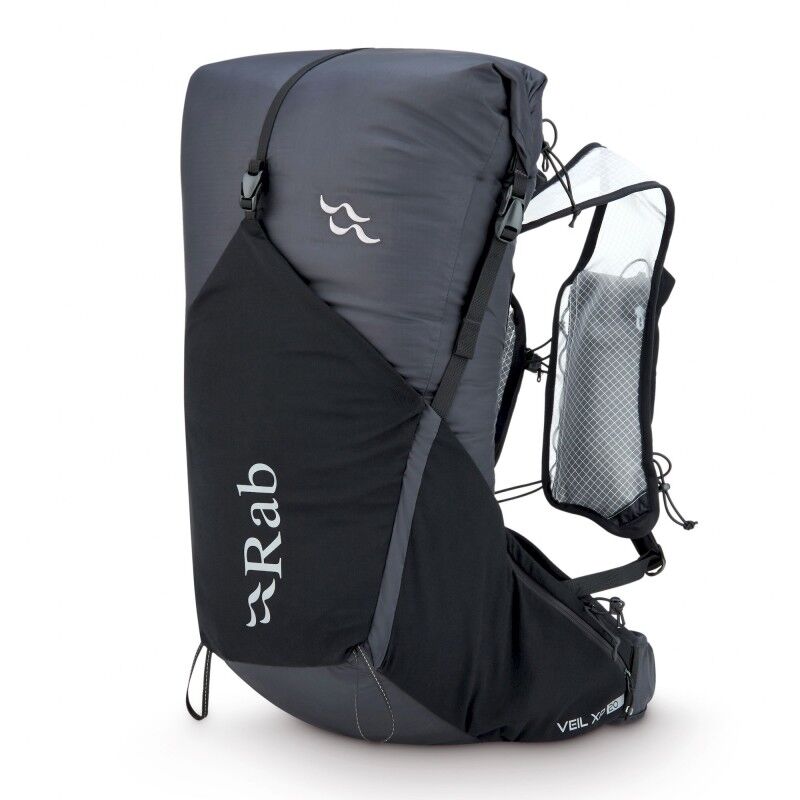
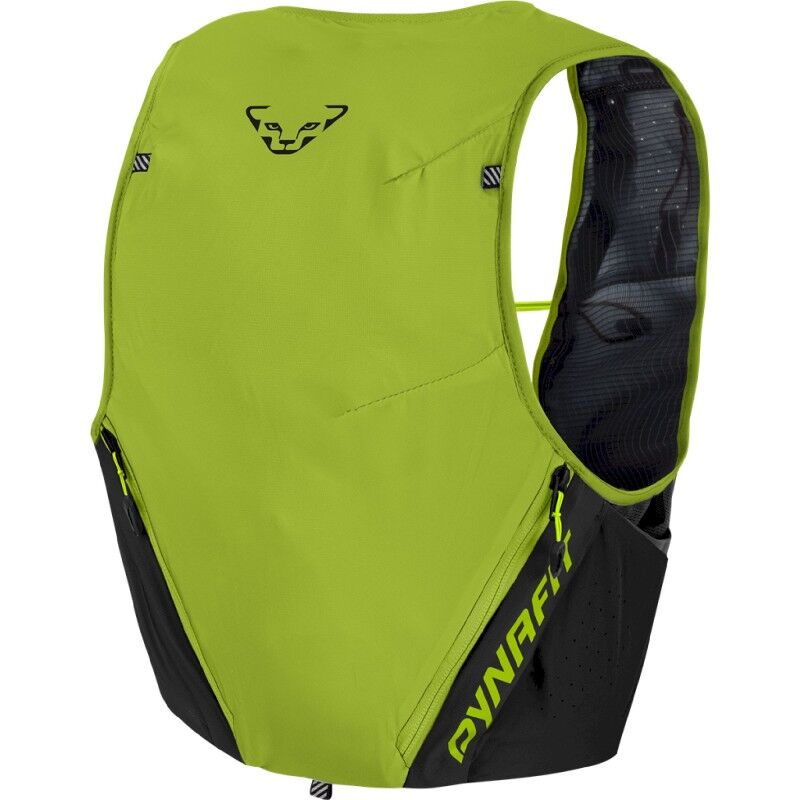
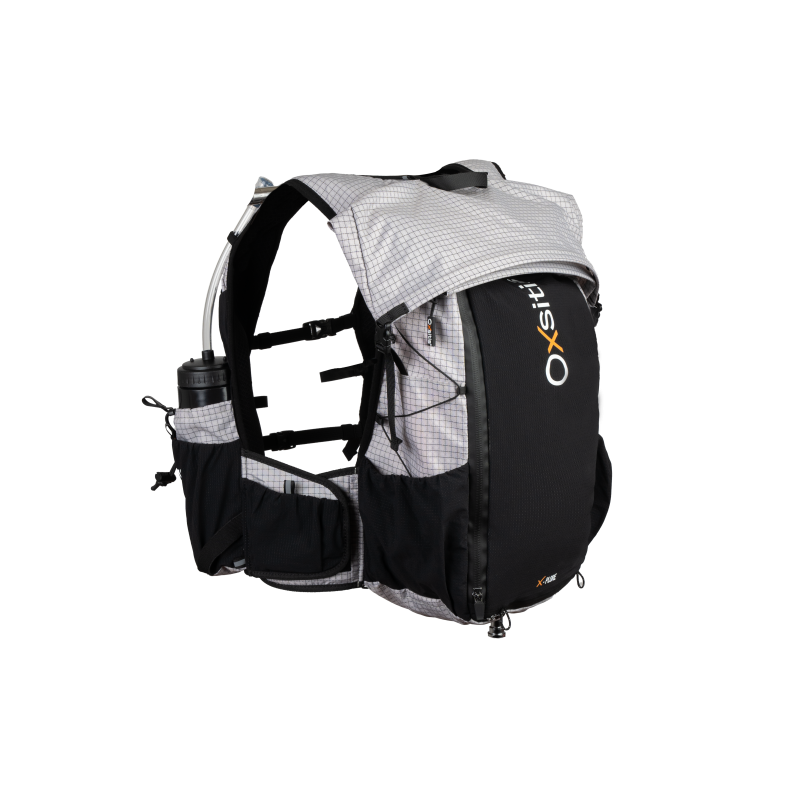
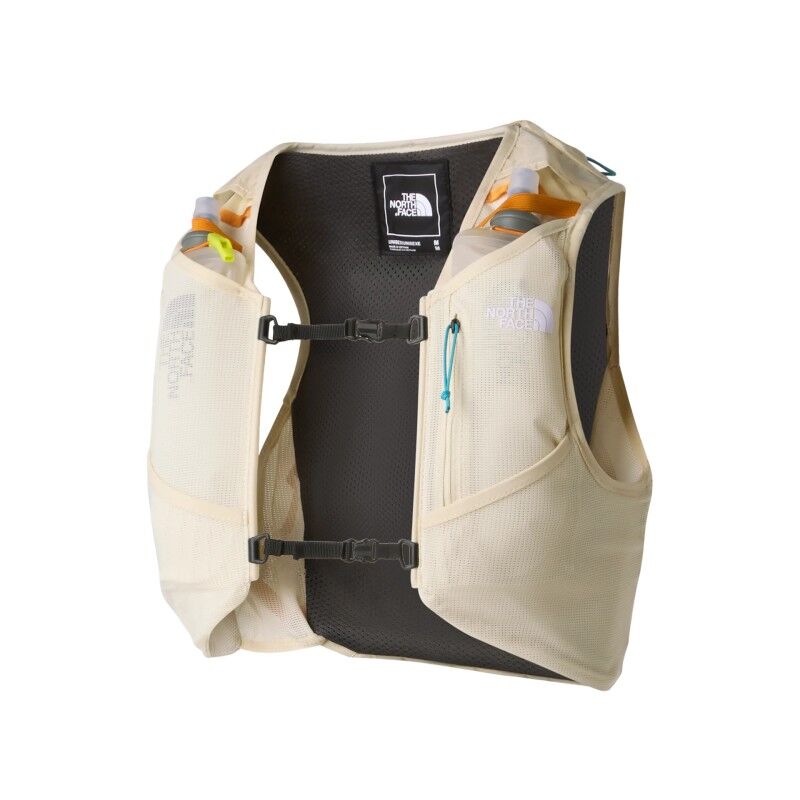
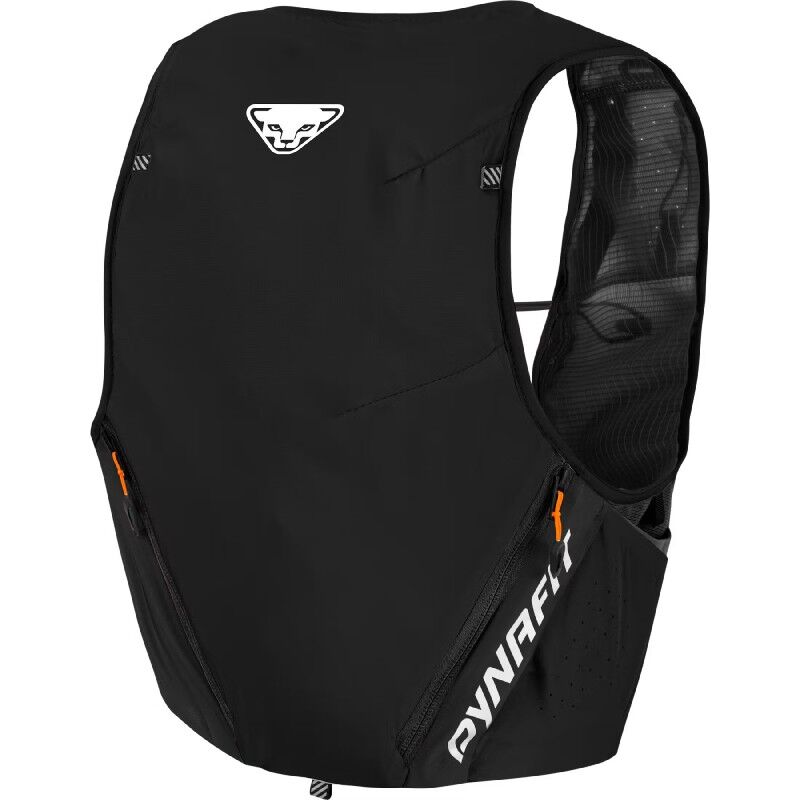
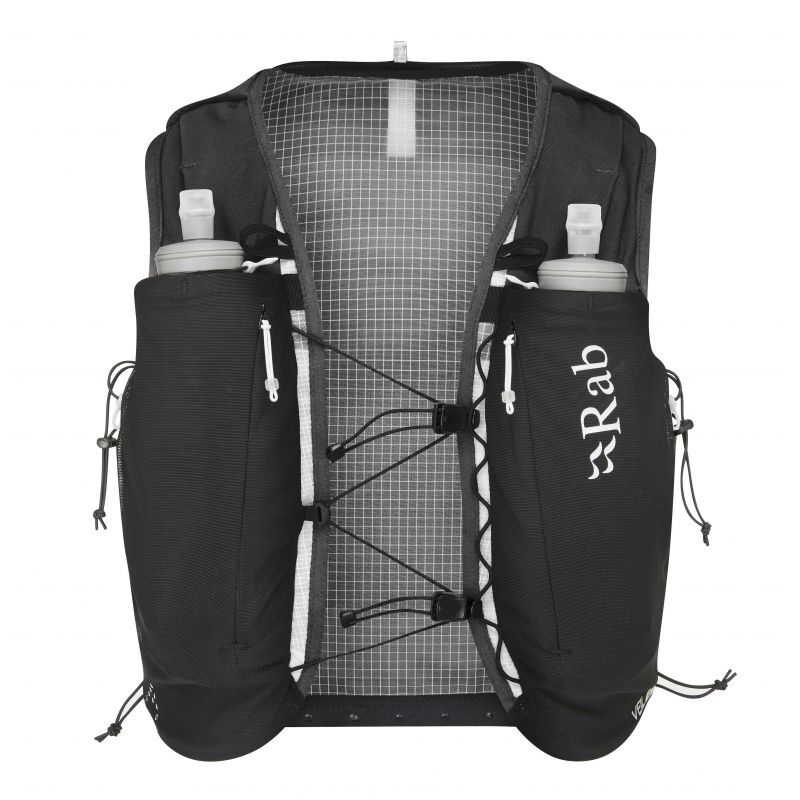


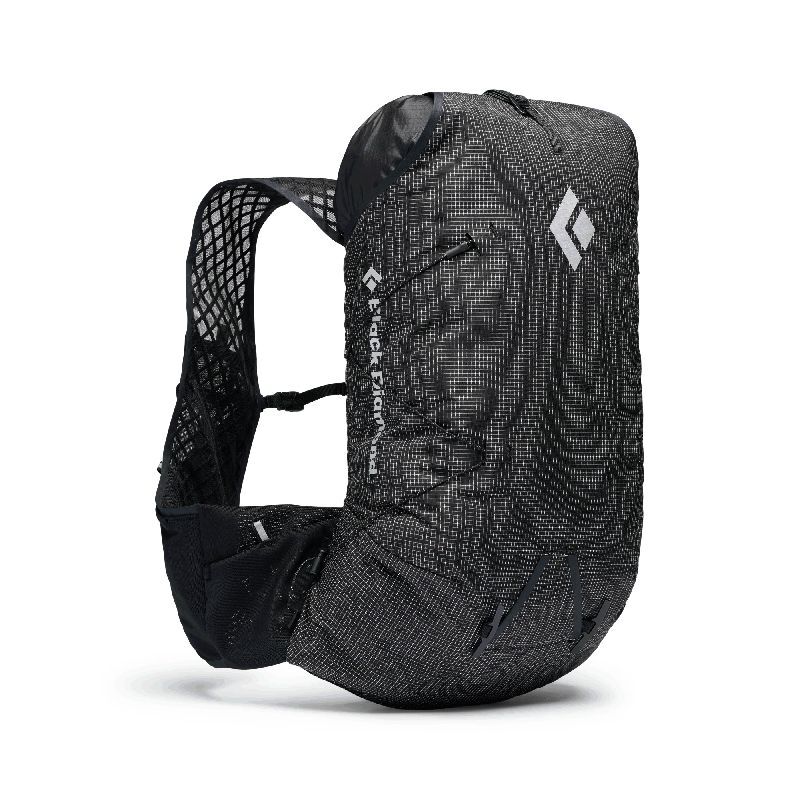
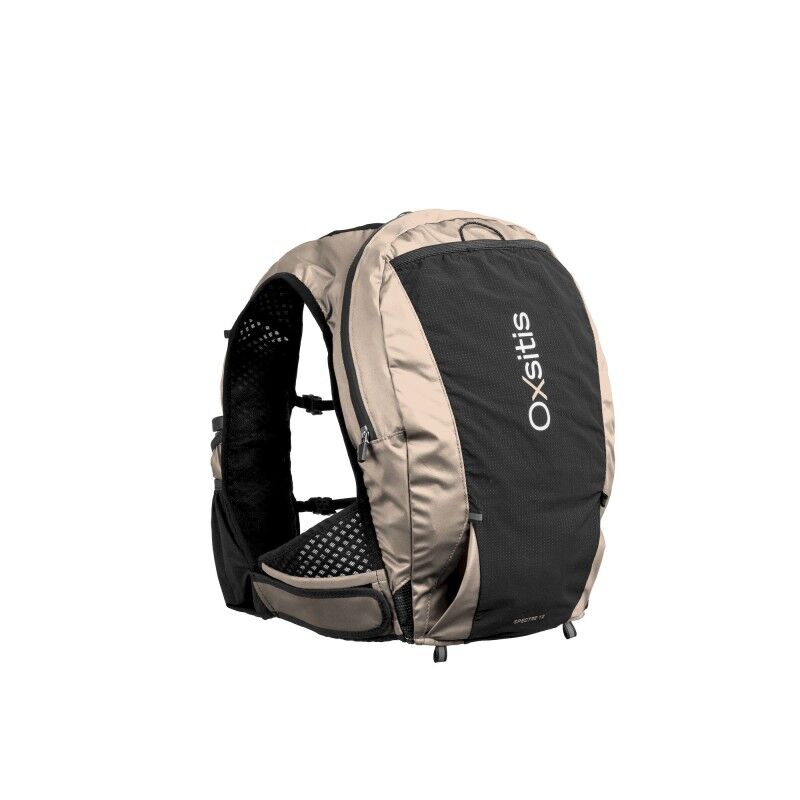
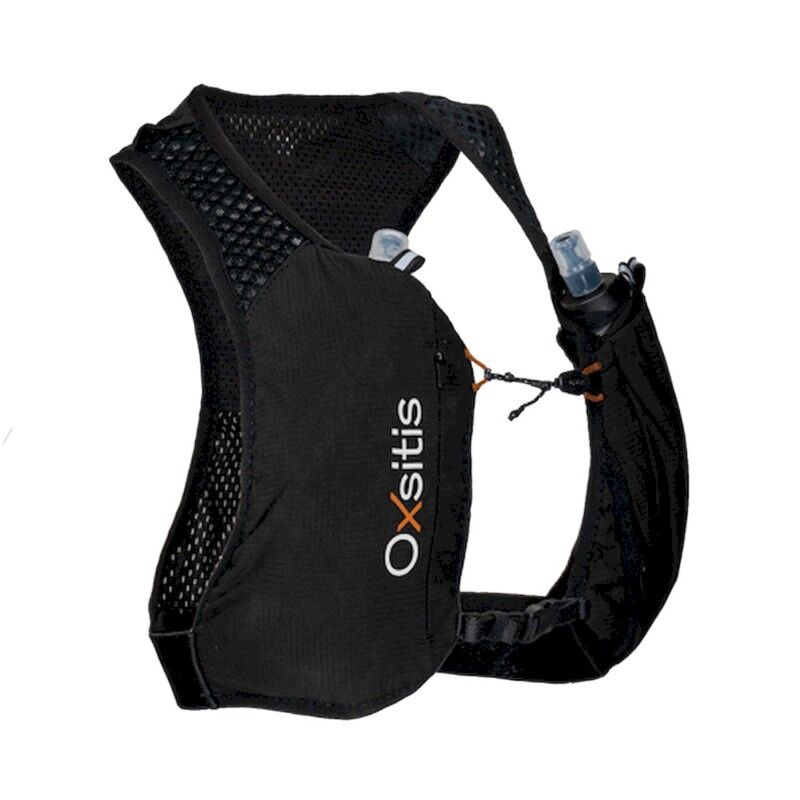
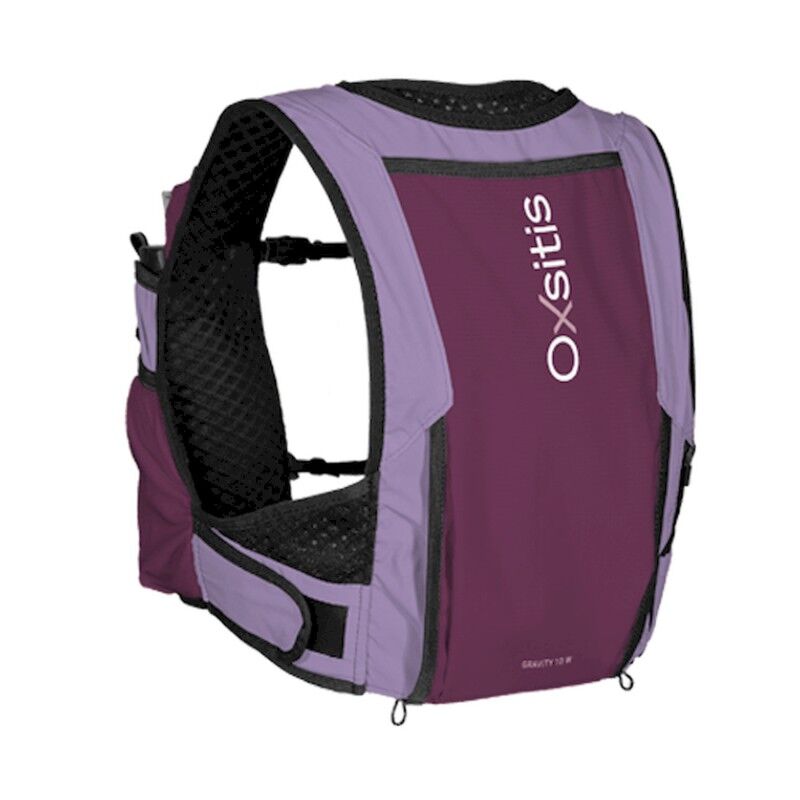




How to choose the right running backpack?
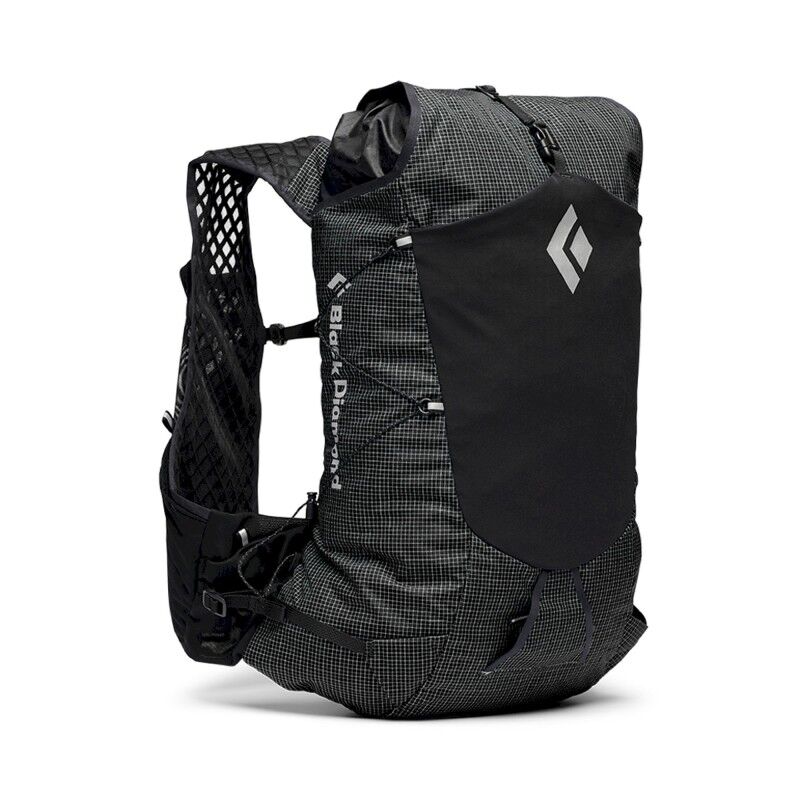
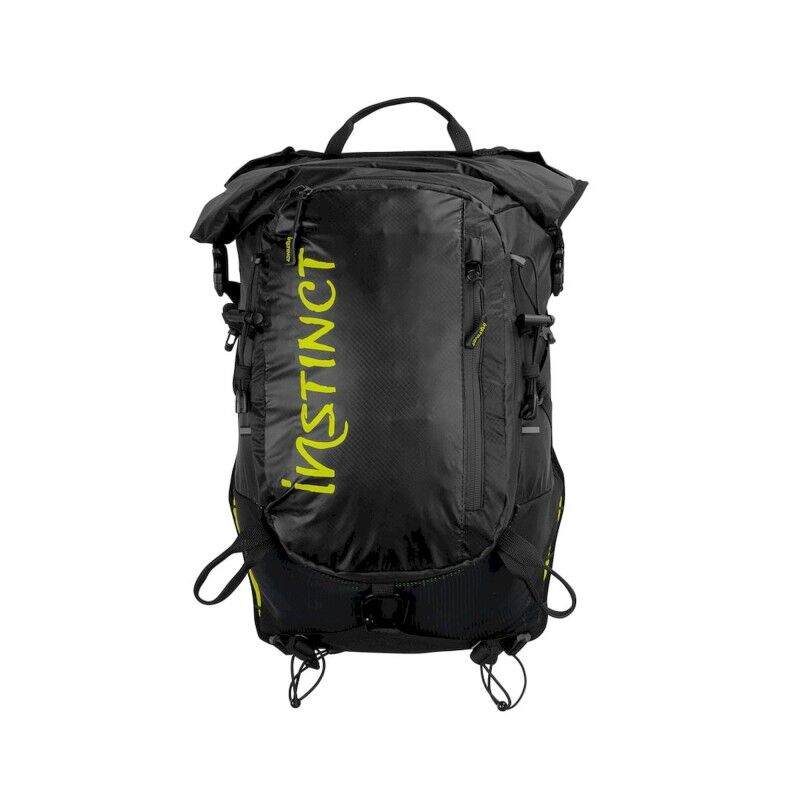
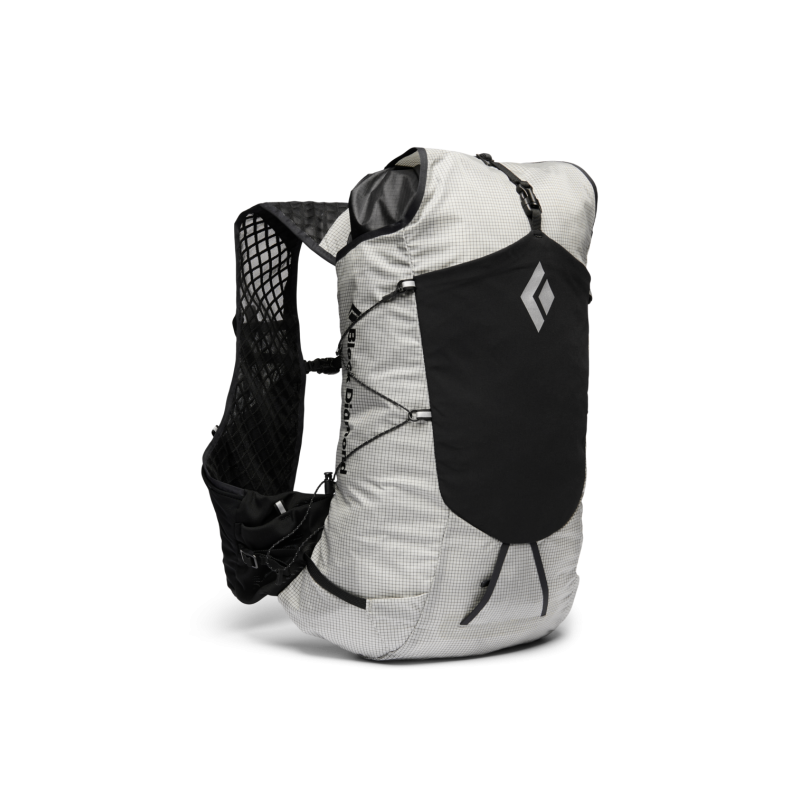
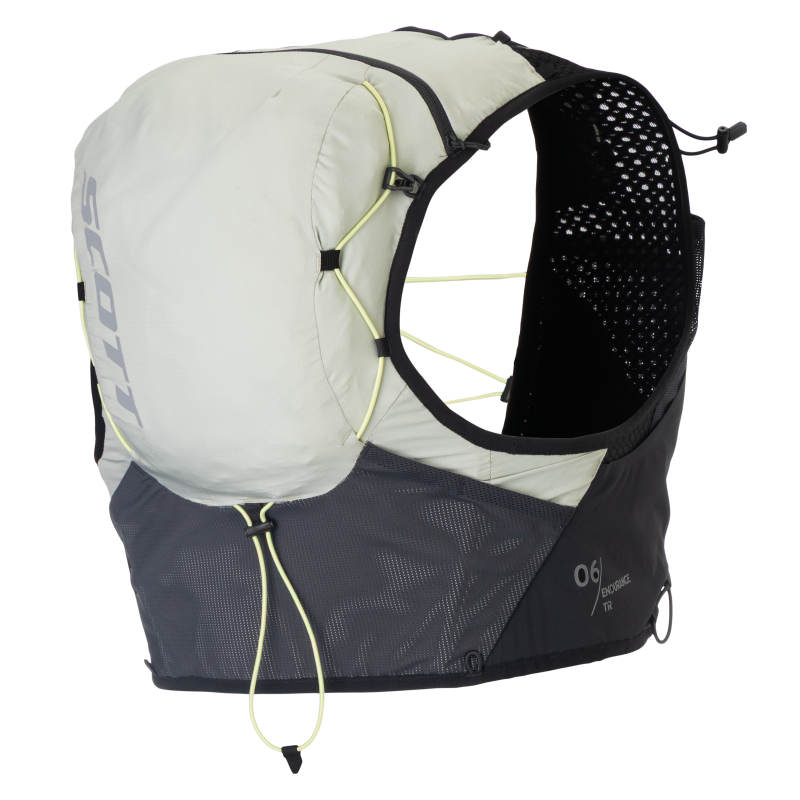
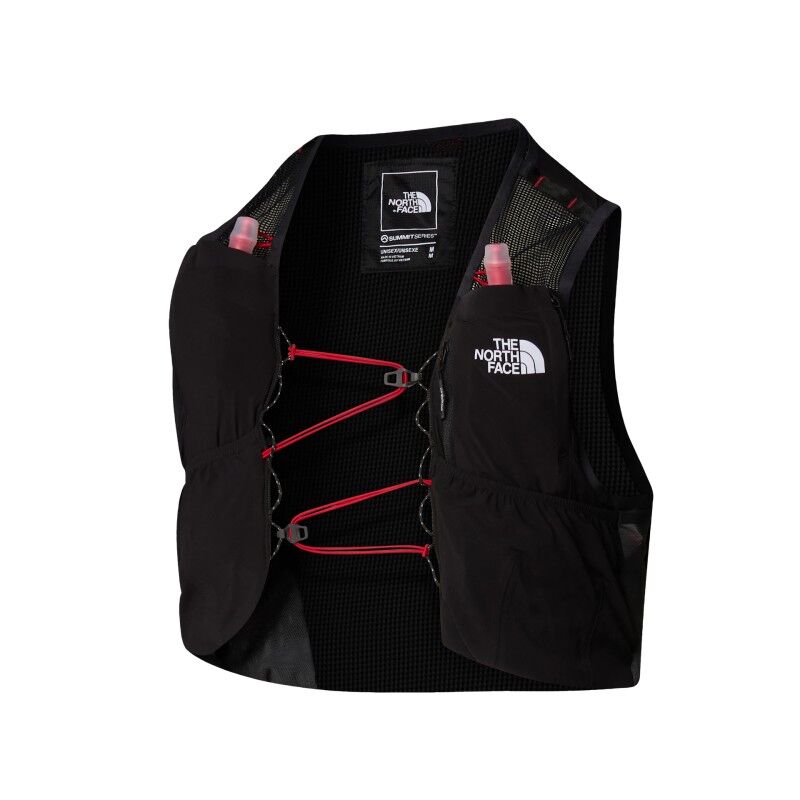
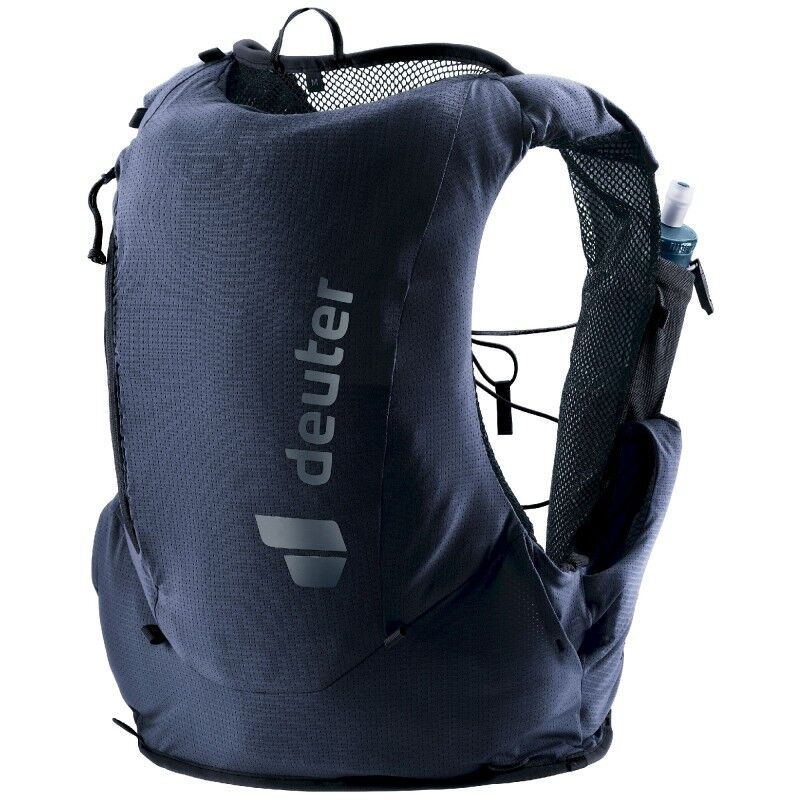
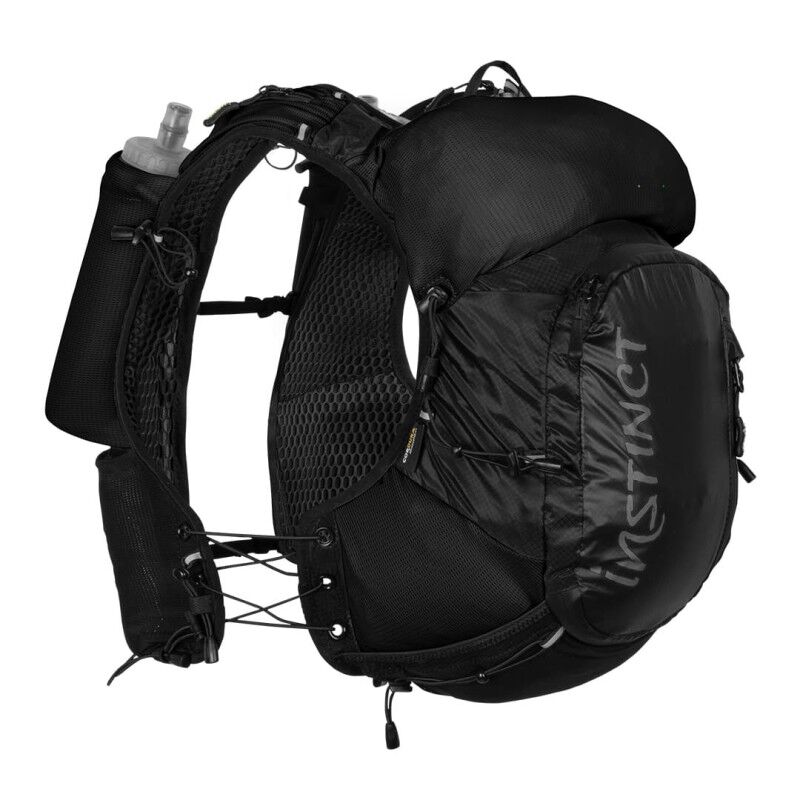
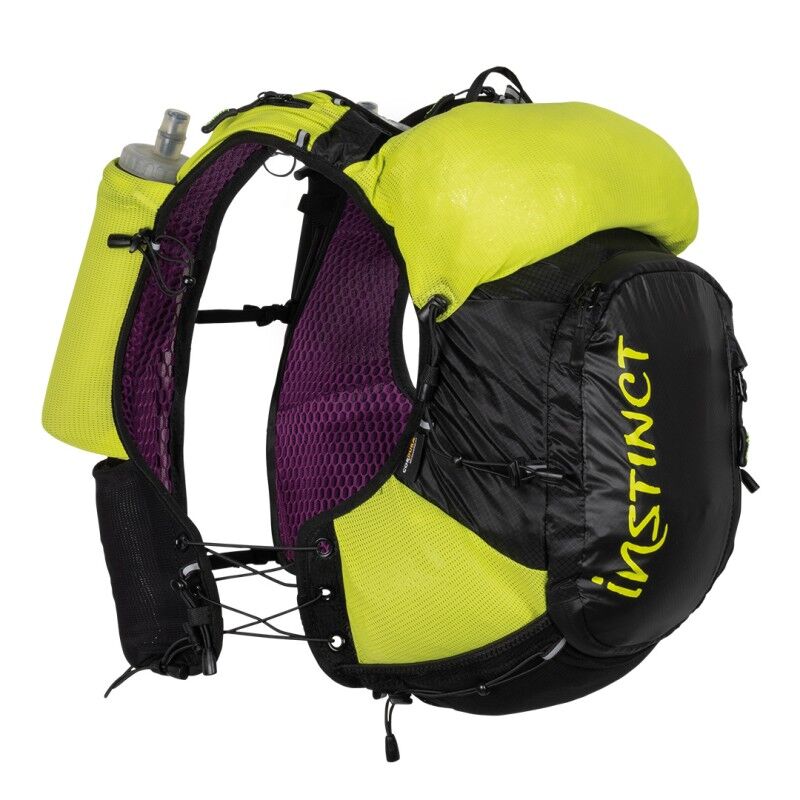
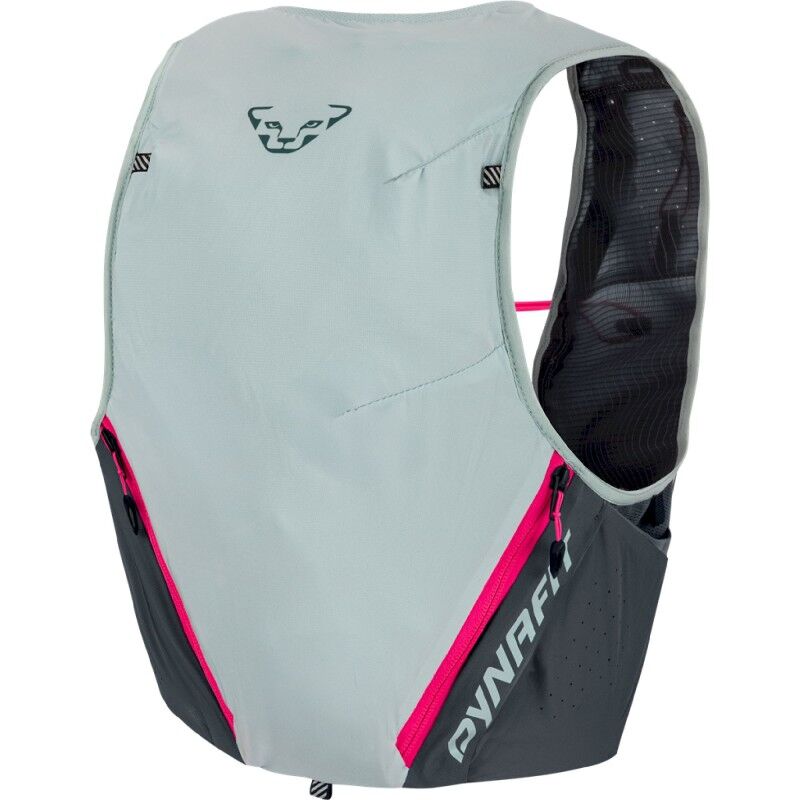
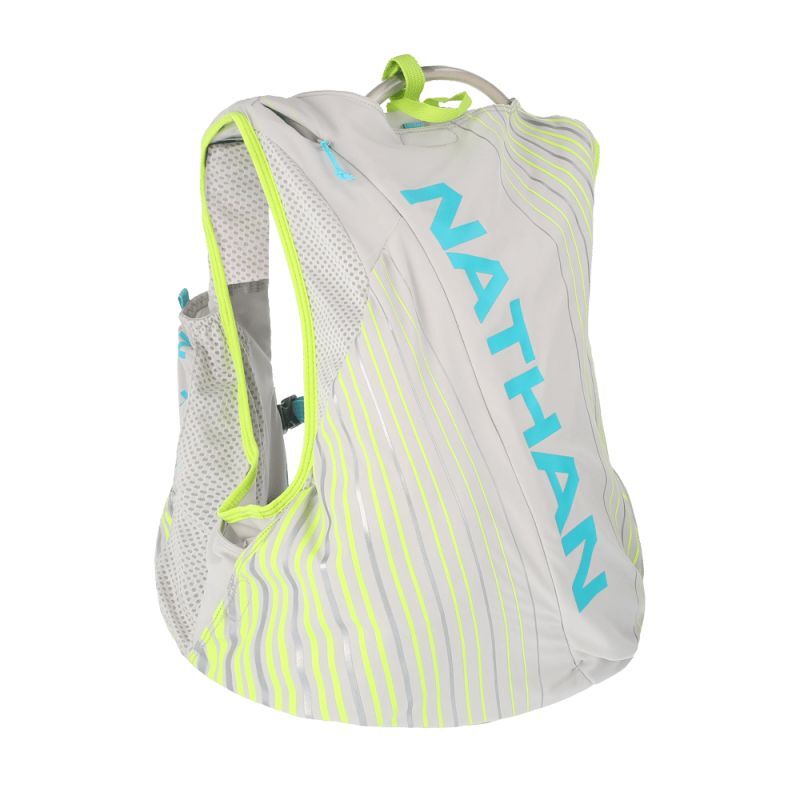
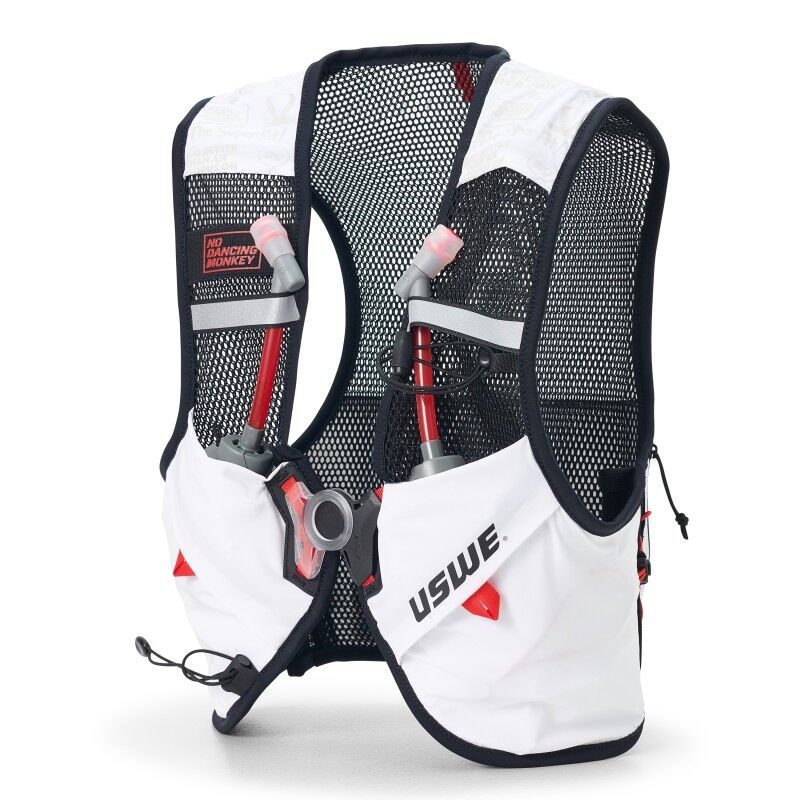
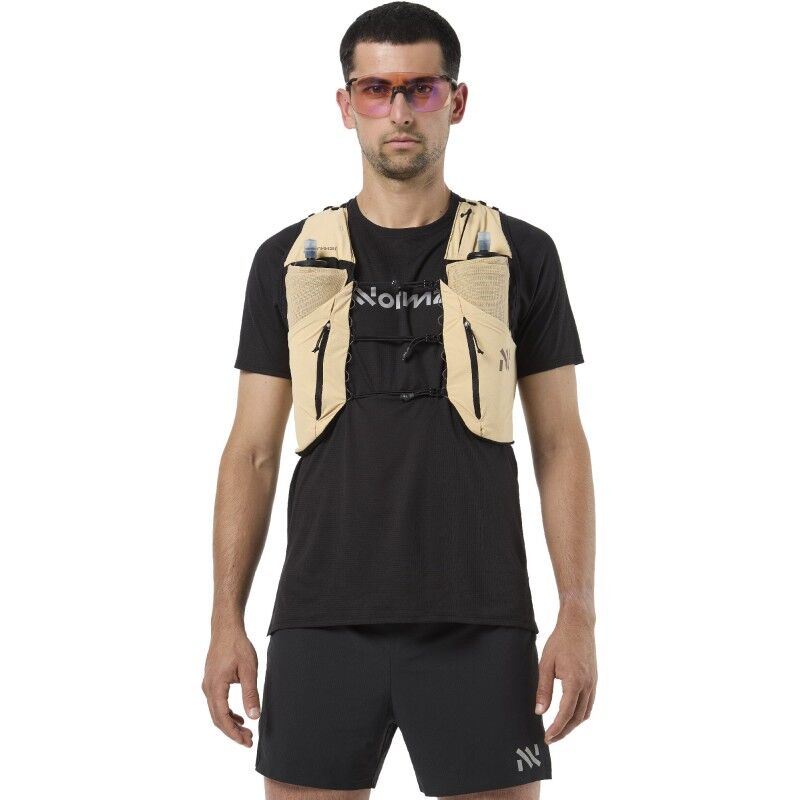
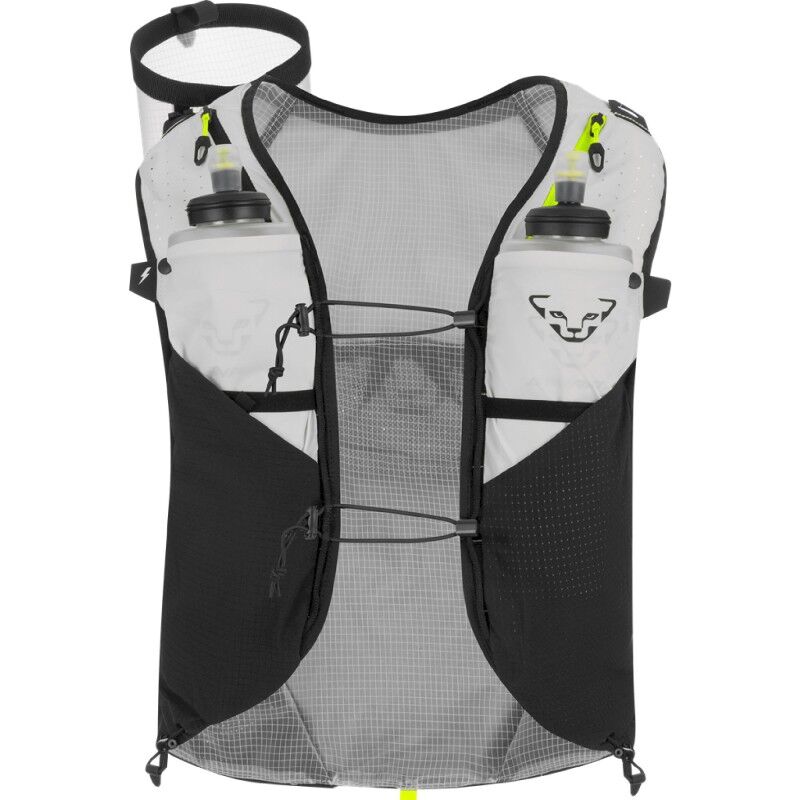
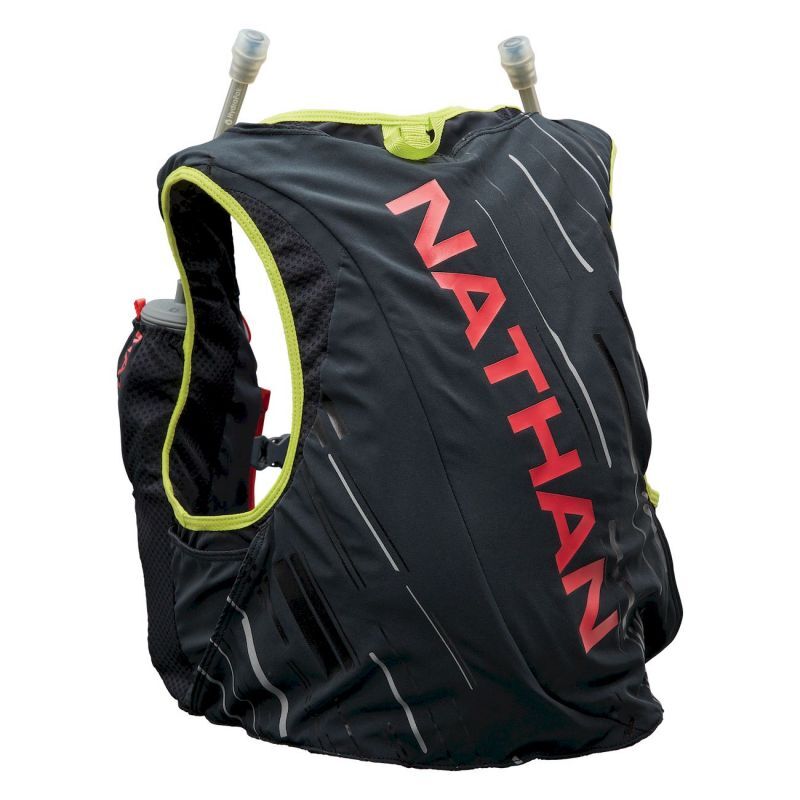
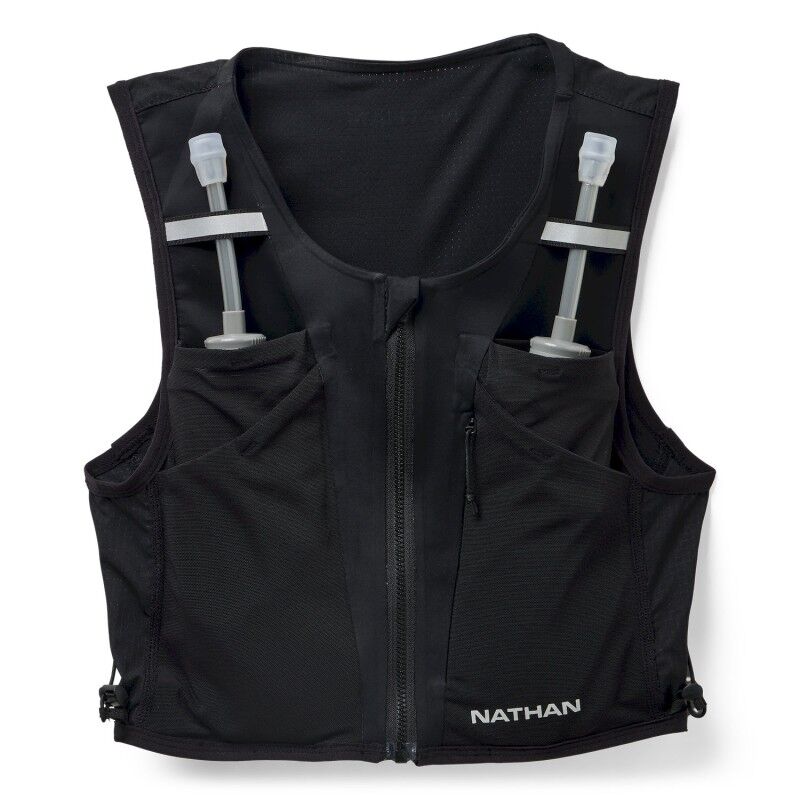
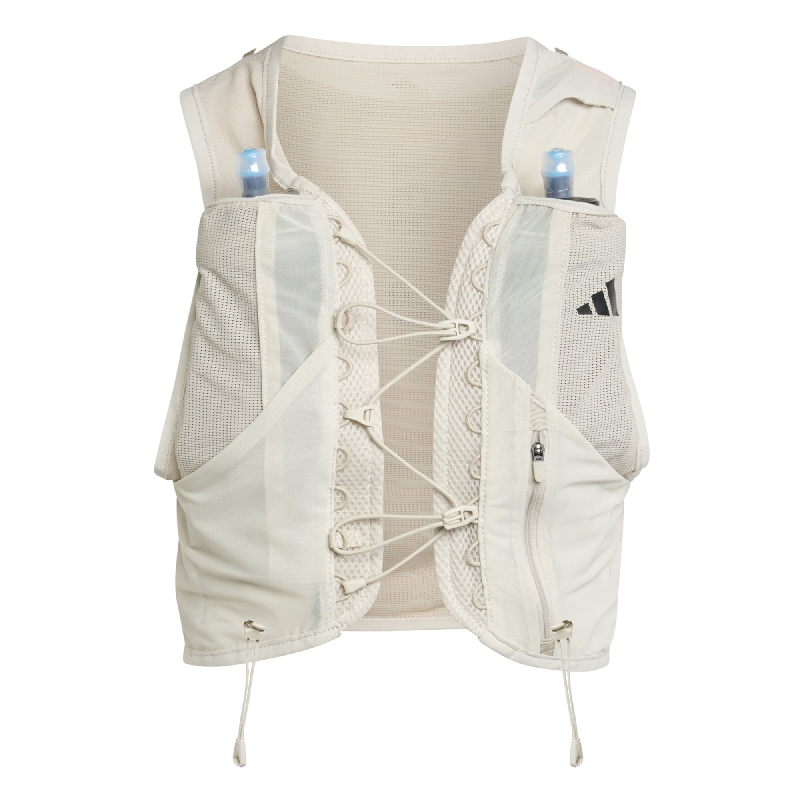
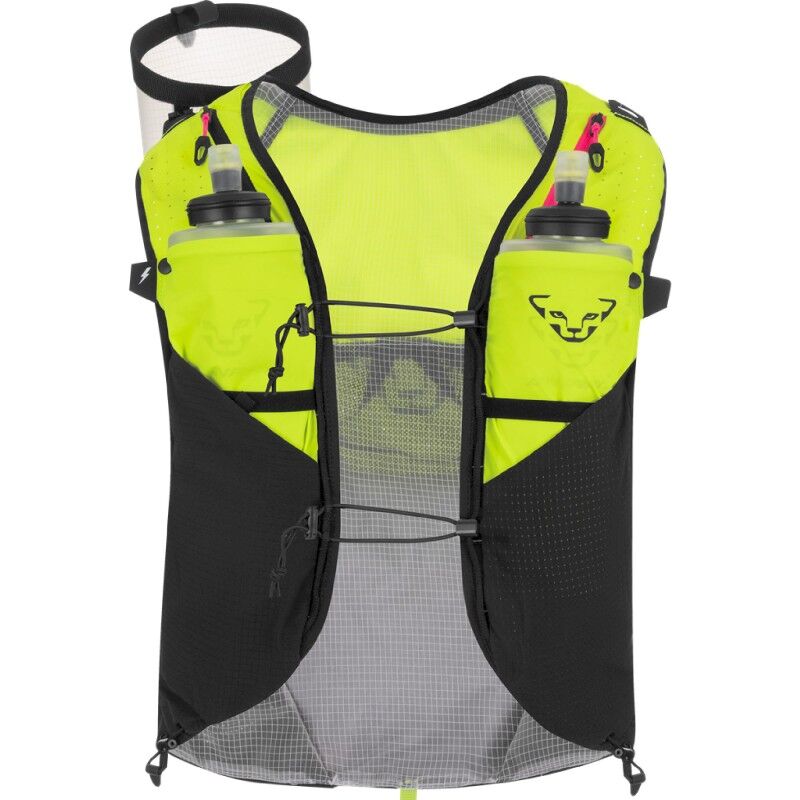
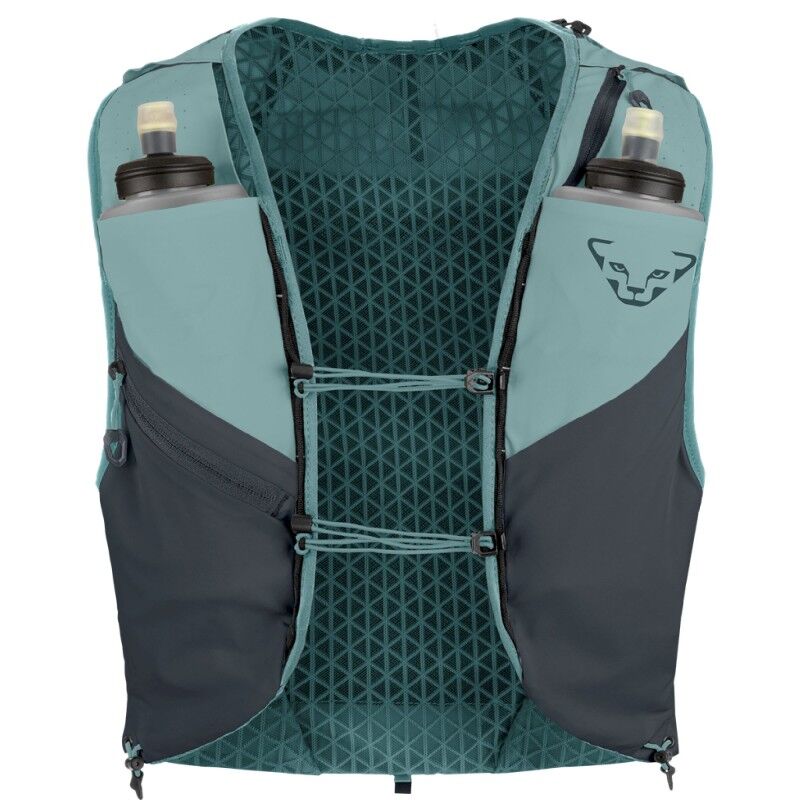
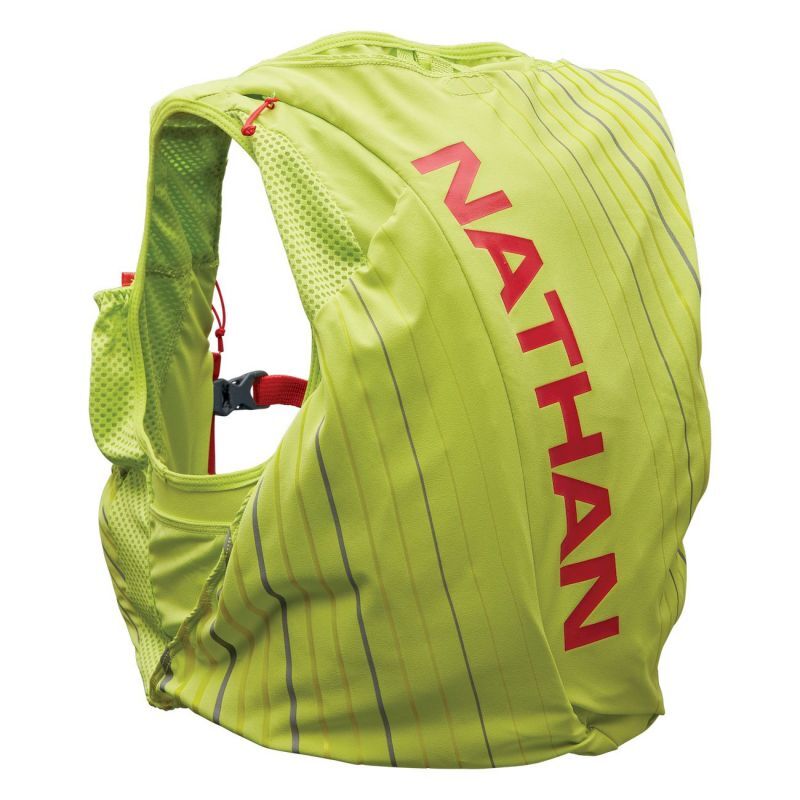
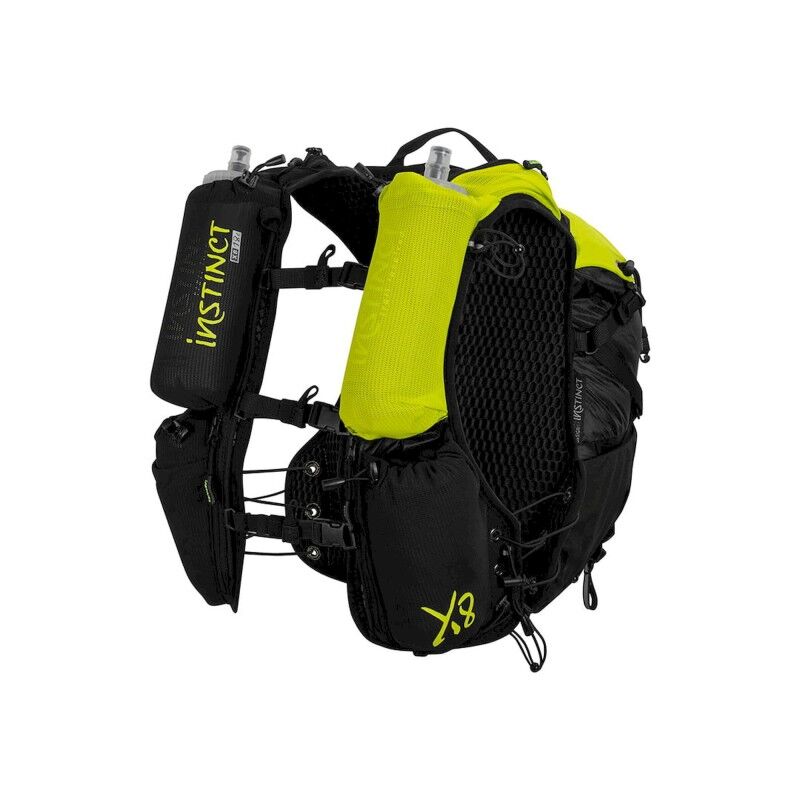
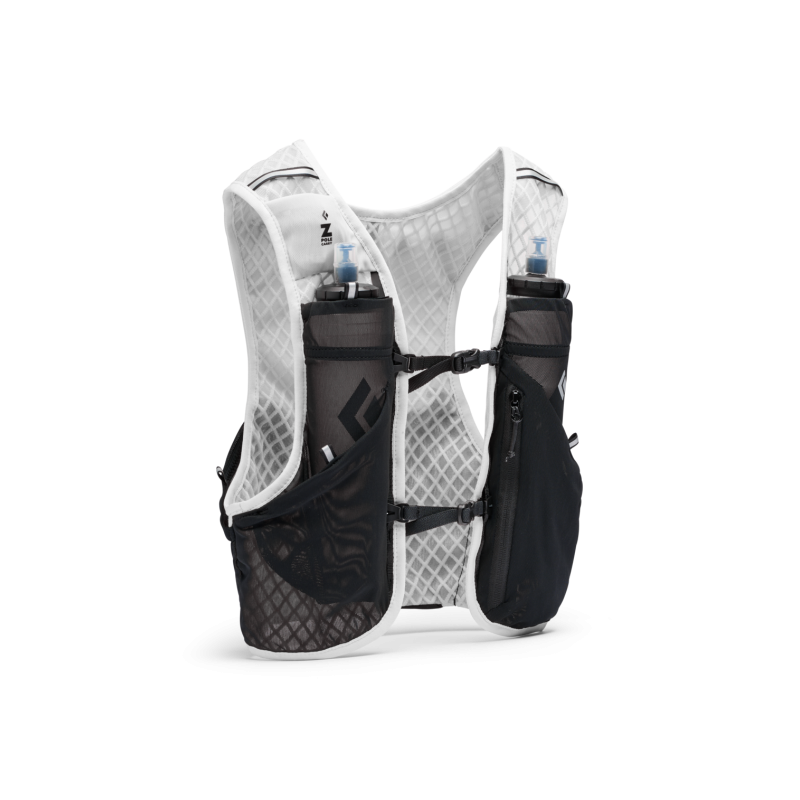
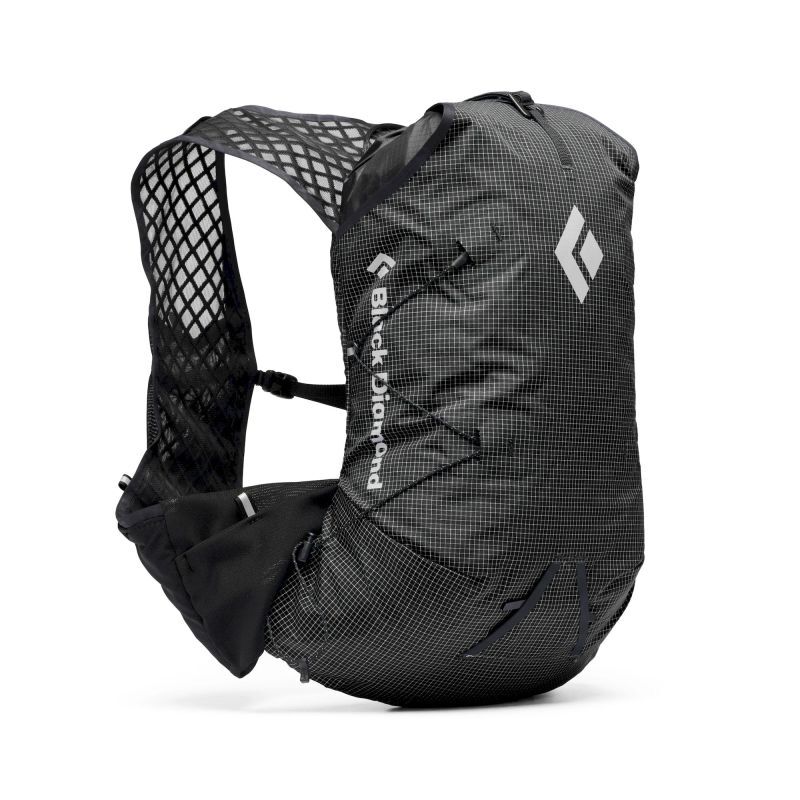
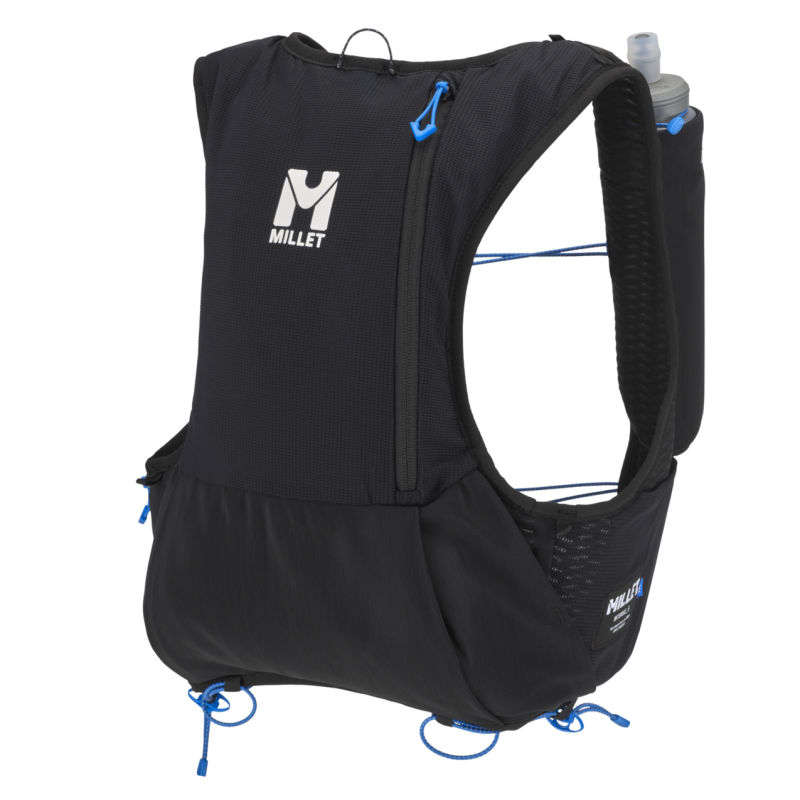
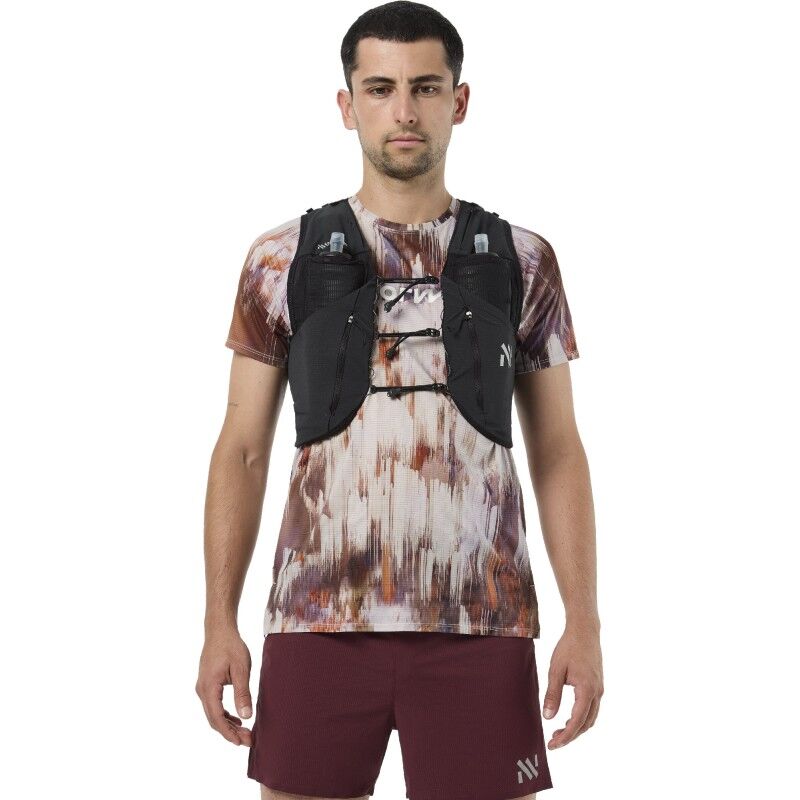
Choosing a good running backpack is a bit like choosing your trail shoes: it depends on your body shape, the distance, and your habits. The backpack should fit the body like a vest, limit bouncing, and offer quick access to essentials — food, hydration, lightweight clothing, or safety gear. Comfort comes less from padding and more from the precision of the fit, often ensured by side or chest tightening systems, and well-thought-out stretch materials.
What backpack for a 30 km trail?
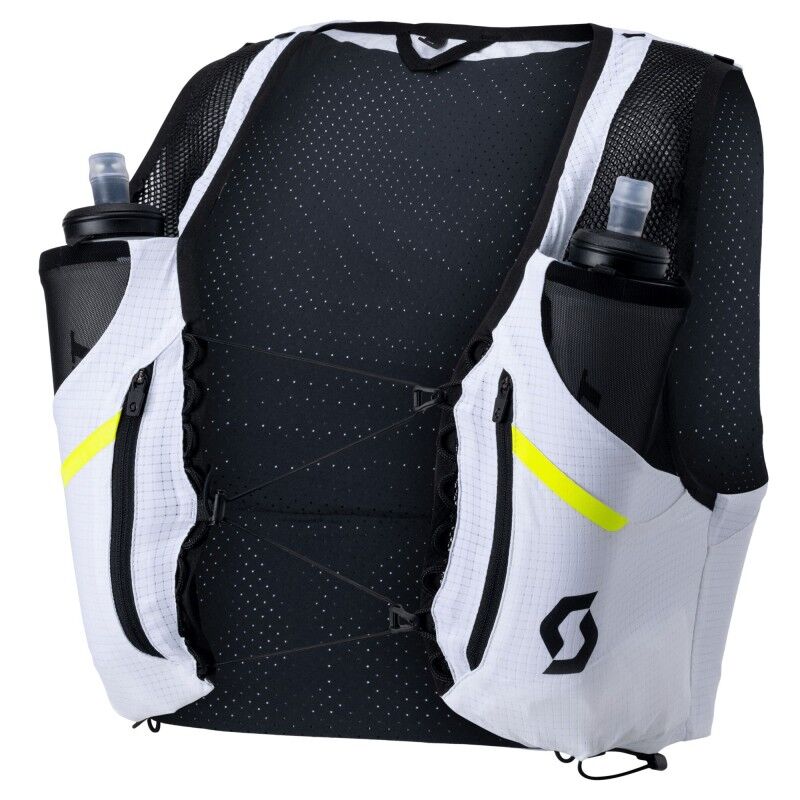
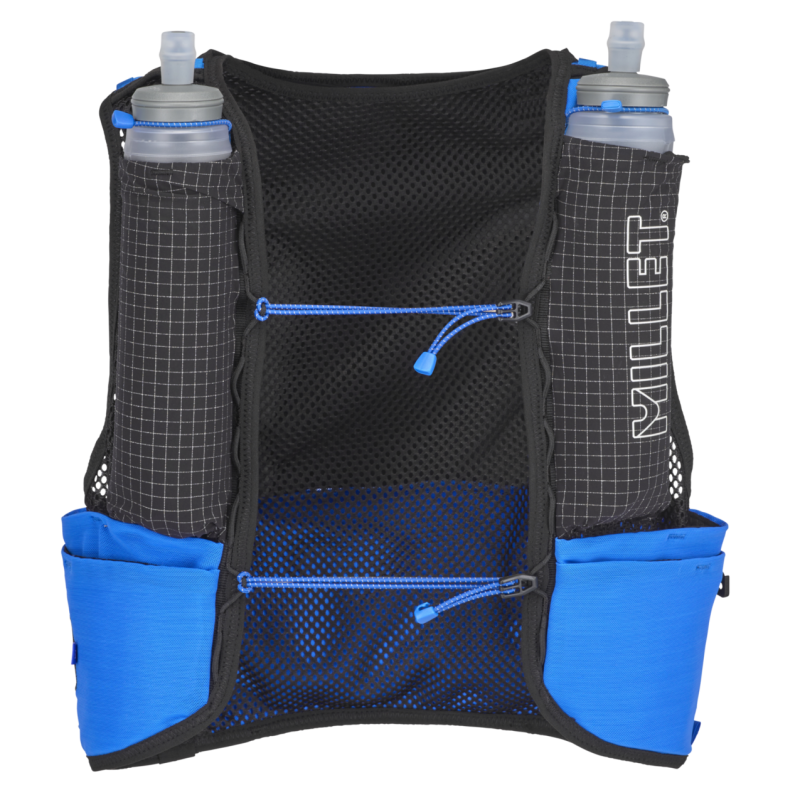
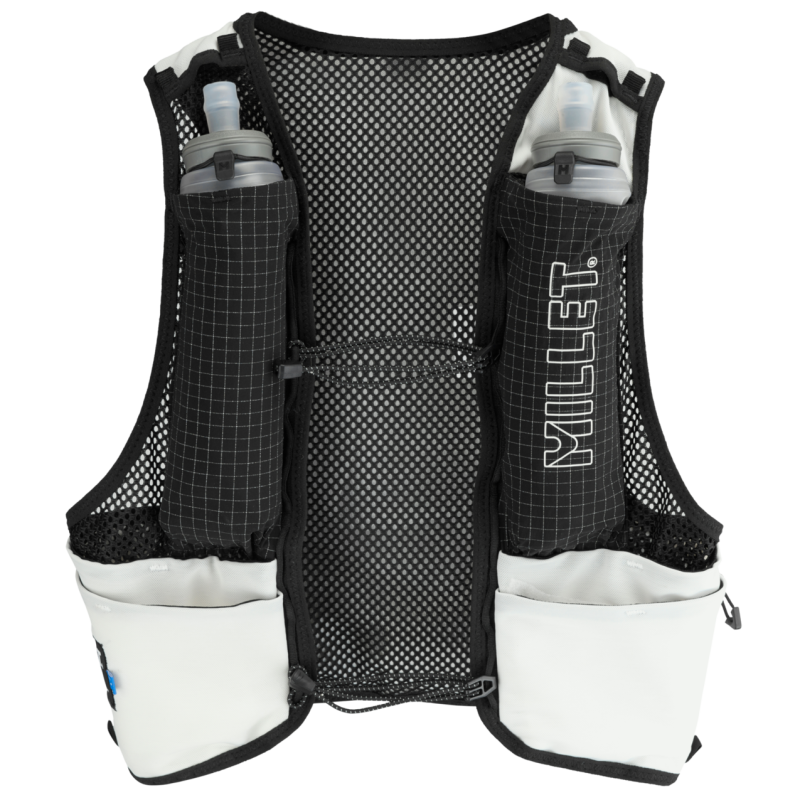
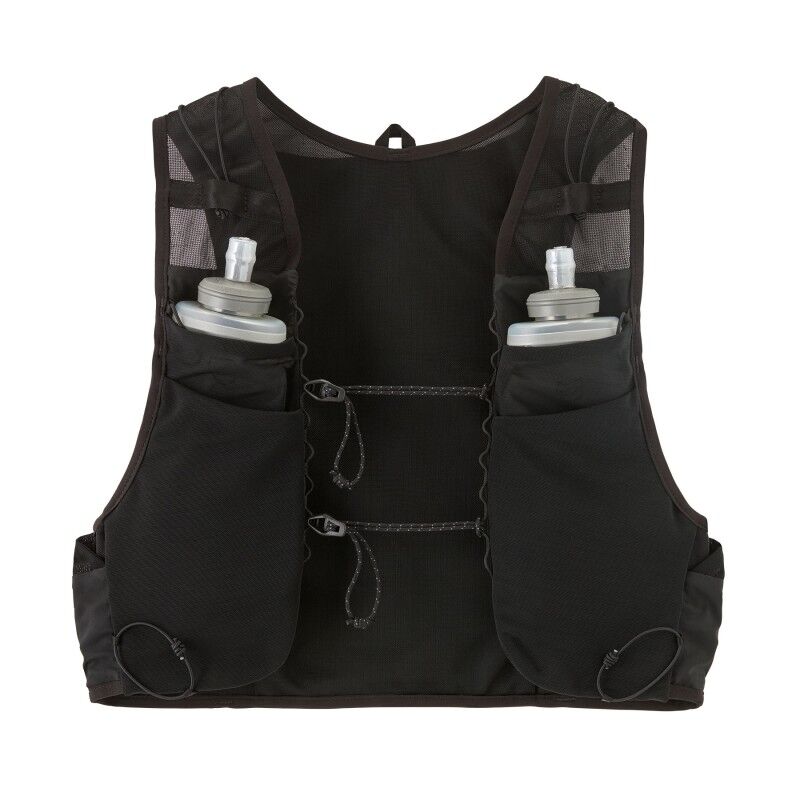
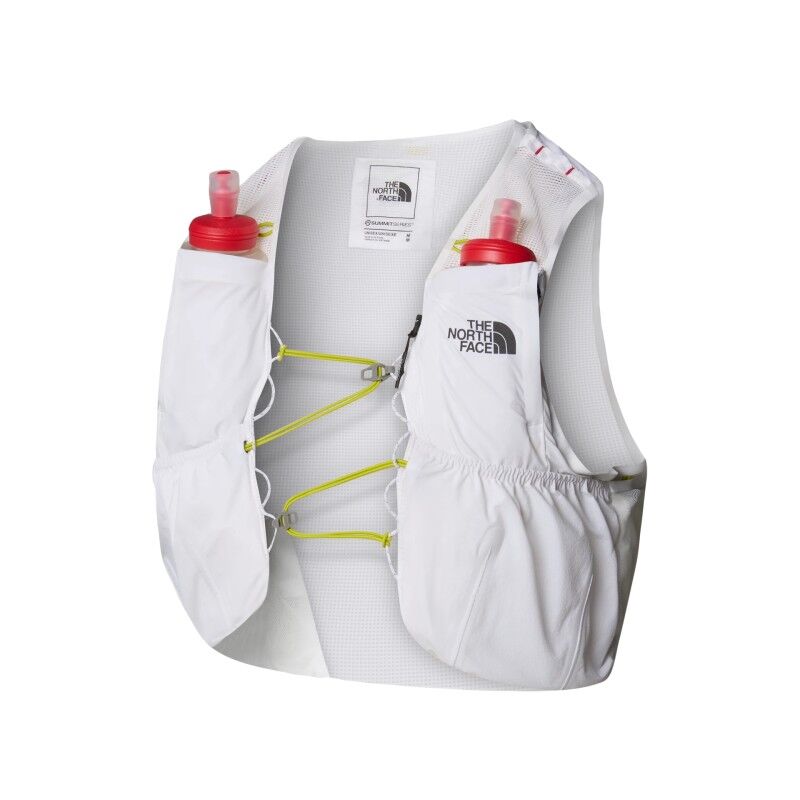
For a distance of 20 to 40 km, a running backpack of 5 to 8 litres is usually sufficient. At this scale, the goal is to remain light and efficient. Two soft flasks of 500 ml at the front, a compact windbreaker, energy bars, gels, and possibly a thin water bladder or a pocket for your smartphone: that’s a good start. The most suitable models for these formats are those that offer good front load distribution, breathable material, and maximum stability on technical descents.
What backpack for an 80 km trail?
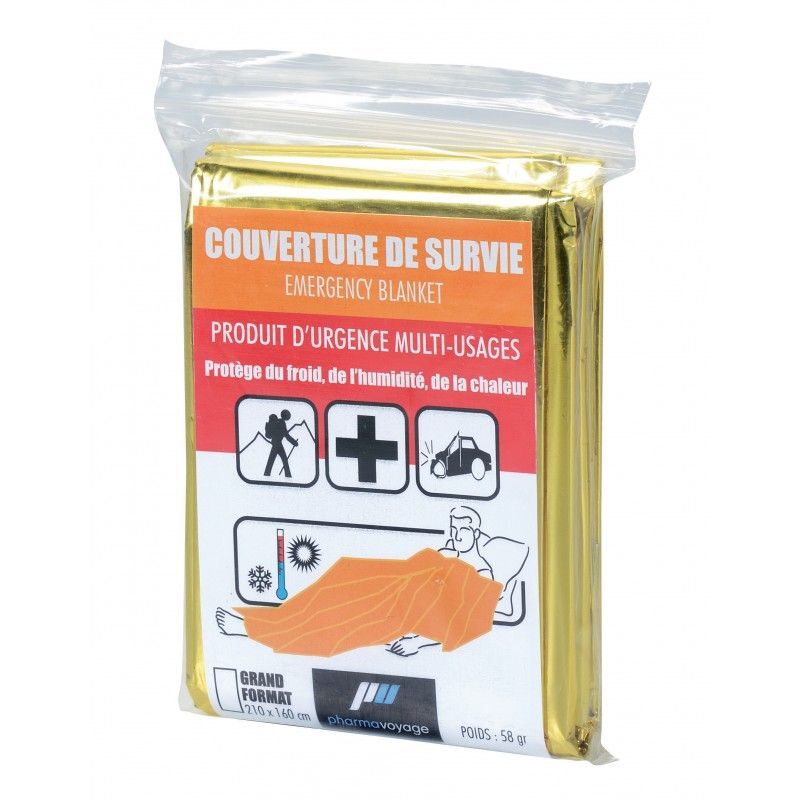
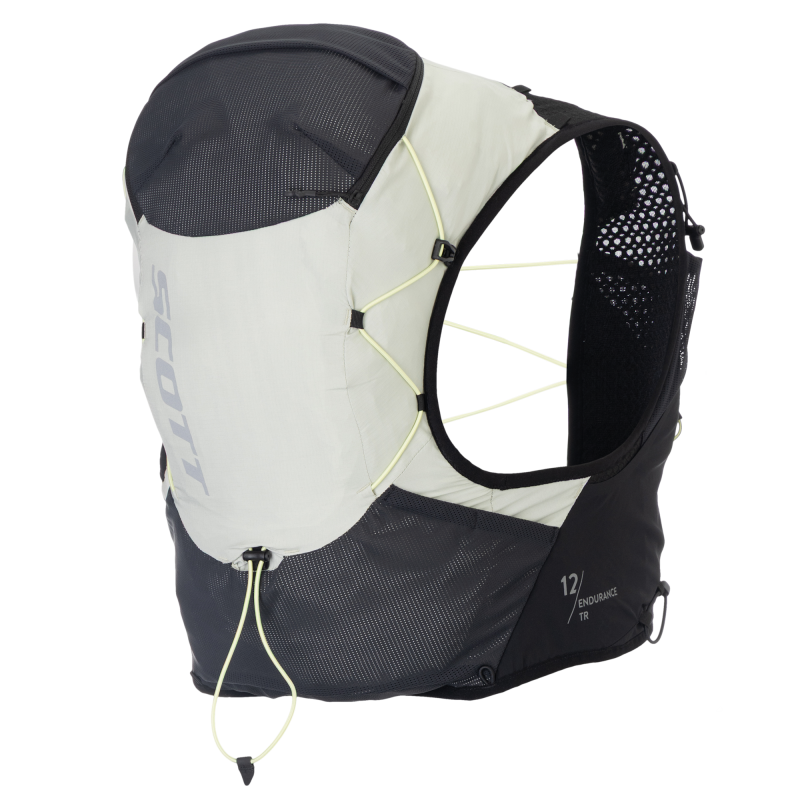
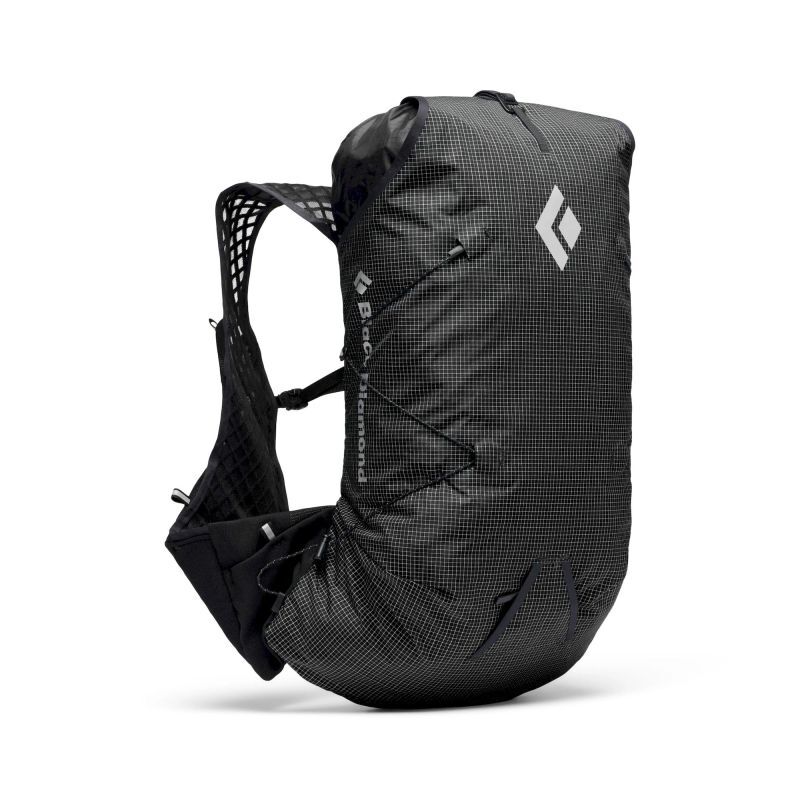
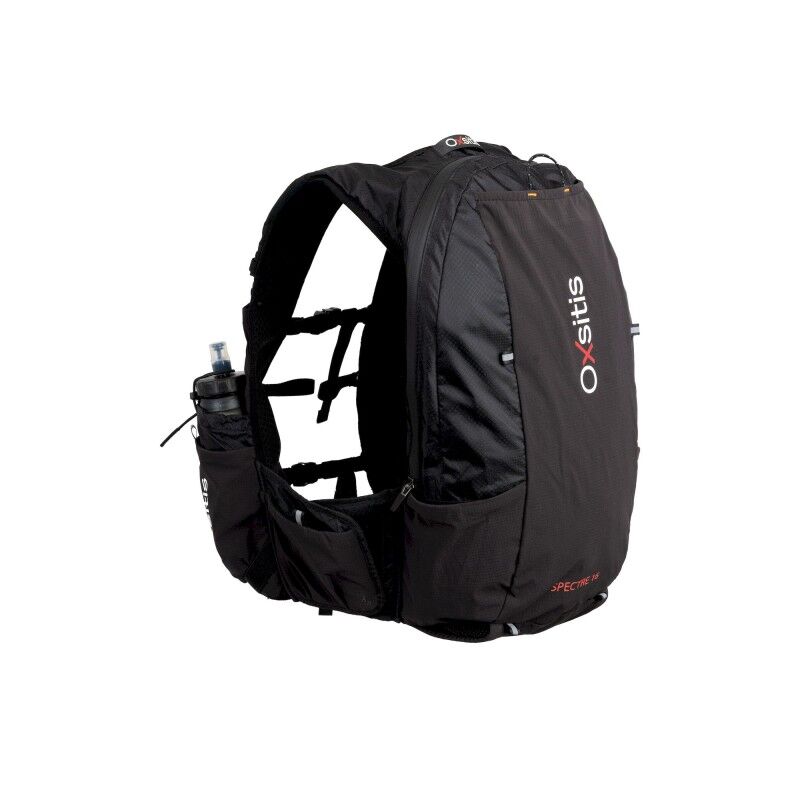
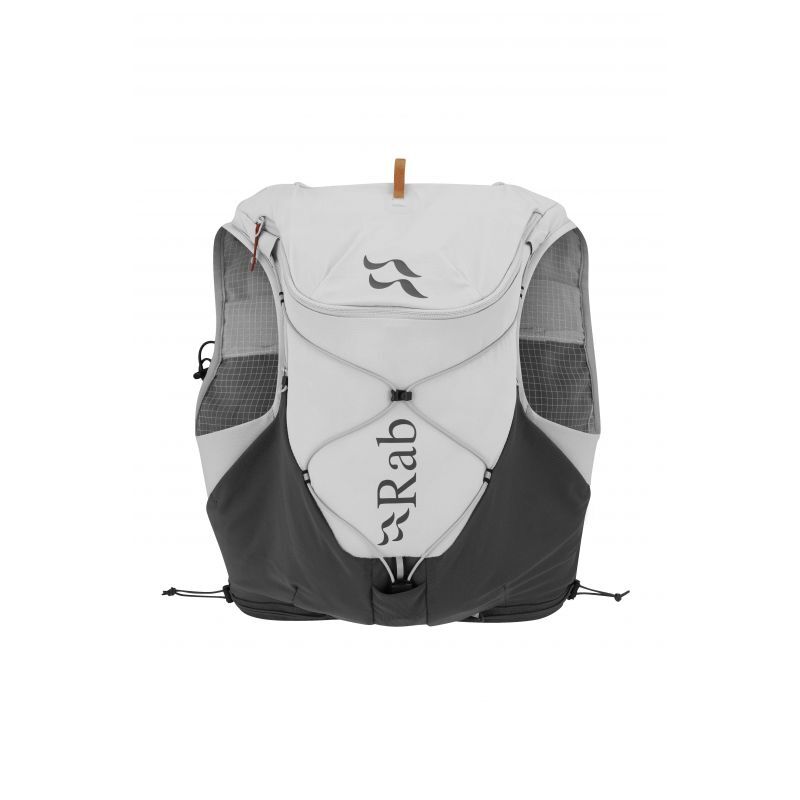
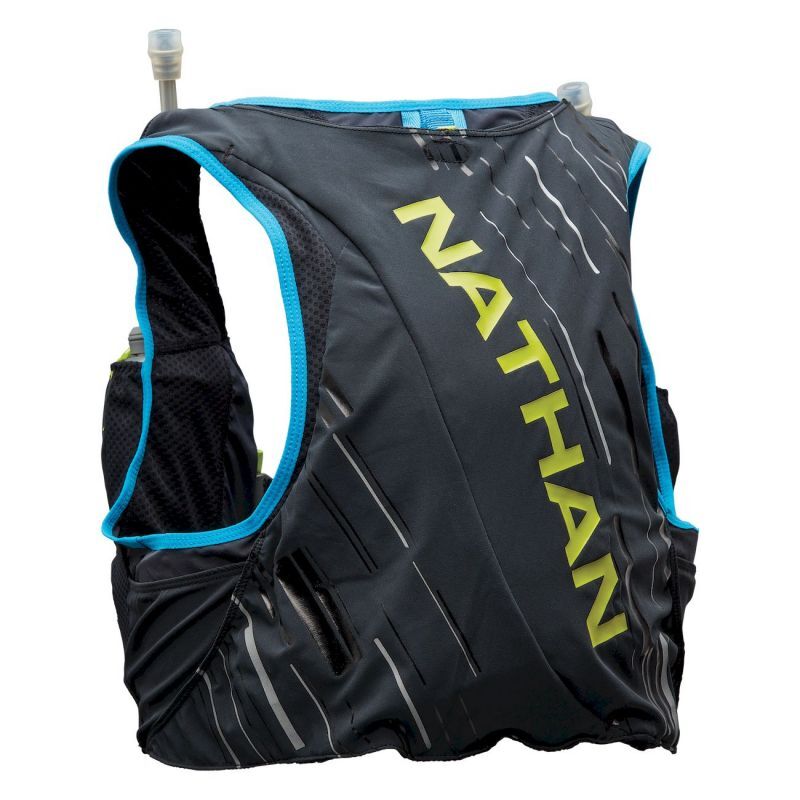
From 60 km onwards, we’re talking about long distances, even ultra. In this case, it’s better to opt for a running backpack of 10 to 15 litres. It will allow you to carry a more substantial volume of mandatory gear: headlamp, thermal clothing, gloves, emergency blanket, solid food supplies, and of course, an efficient hydration system. Some models are compatible with a water bladder in addition to the 500 ml flasks, for greater autonomy. Comfort here relies on expandable inserts and well-distributed compression, rather than a true frame or adjustable straps found on hiking backpacks.
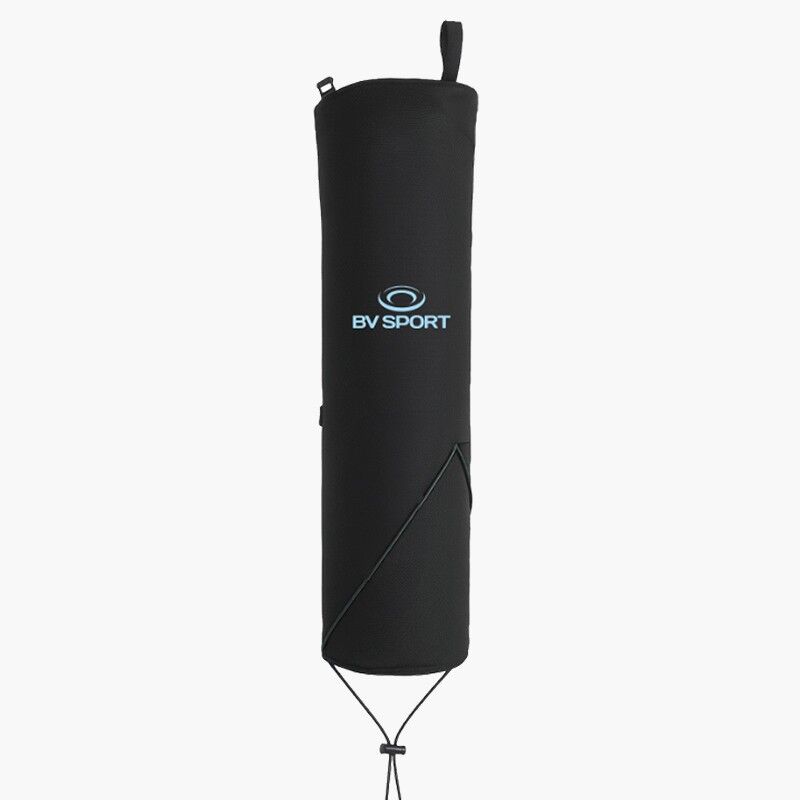
Another important point: the attachment options for trail poles. Many models today offer front or diagonal systems, accessible while running, without having to remove the backpack. A real plus on long rolling sections or downhill.
What’s the difference between a running backpack and a hydration pack?
They are often confused, yet a running backpack and a hydration pack do not meet the same requirements. A simple hydration pack may suffice for a leisure outing or mountain biking, but it often lacks key elements for trail running: a fit adjusted to the torso, stability in motion, front load distribution, and storage modularity. In trail running, we primarily seek a technical vest designed for running, jumping, and climbing, without ever hindering your stride.
The true running backpack conforms to the upper body shape, with an ultra-fitted vest construction. It limits bouncing even at full speed, offers quick access to flasks, nutrition, and clothing, and provides an organized rear space (often zipped or stretch) to store items not needed immediately. Some models even include specific compartments for wet jackets or side zips allowing access to the bottom of the backpack without removing it.
Because a good running backpack doesn’t always cover all needs in the wild, it’s essential to pair it with suitable trail running gear: technical clothing, clever or essential safety accessories… every element counts to stay self-sufficient, light, and efficient until the finish line.
Ultimately, the best running backpack is the one you almost forget about once in motion. Discreet yet reliable, it becomes unnoticeable during effort, while remaining perfectly functional when you need it. It’s this silent companion, crafted for adventure, that will follow you on all terrains — without ever slowing you down.