
Mountain Bike Helmets
(589)The Mountain Bike Helmets are among the essential safety gear for riding confidently on trails. Whether you're enjoying a leisurely ride through the woods or tackling challenging descents in the mountains, protecting your head should always be your top priority. With optimal ventilation, advanced protection technologies, and precise adjustment systems, helmets have significantly evolved to cater to every discipline and level of practice.

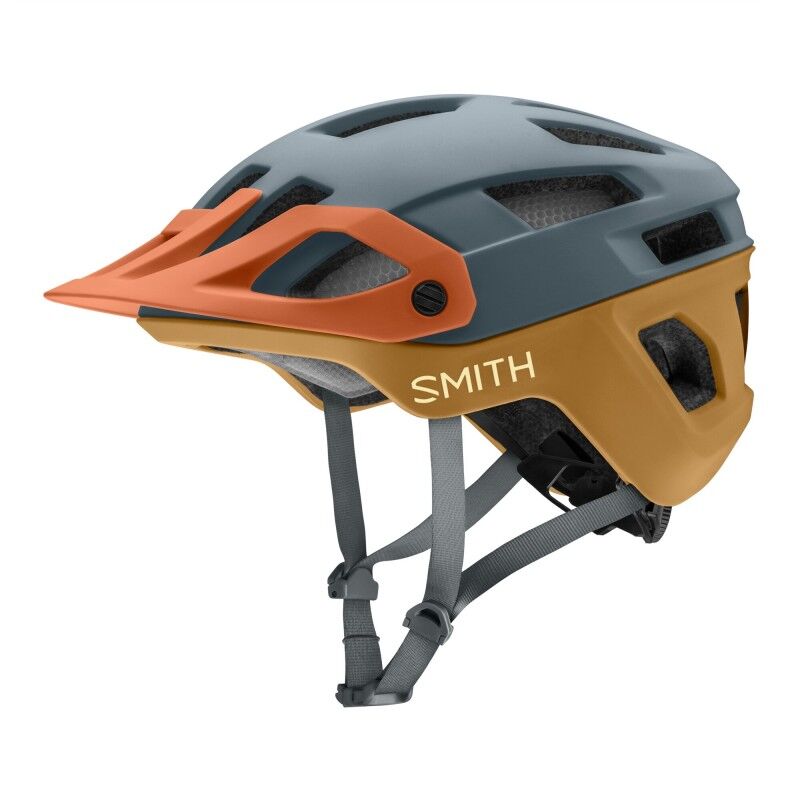
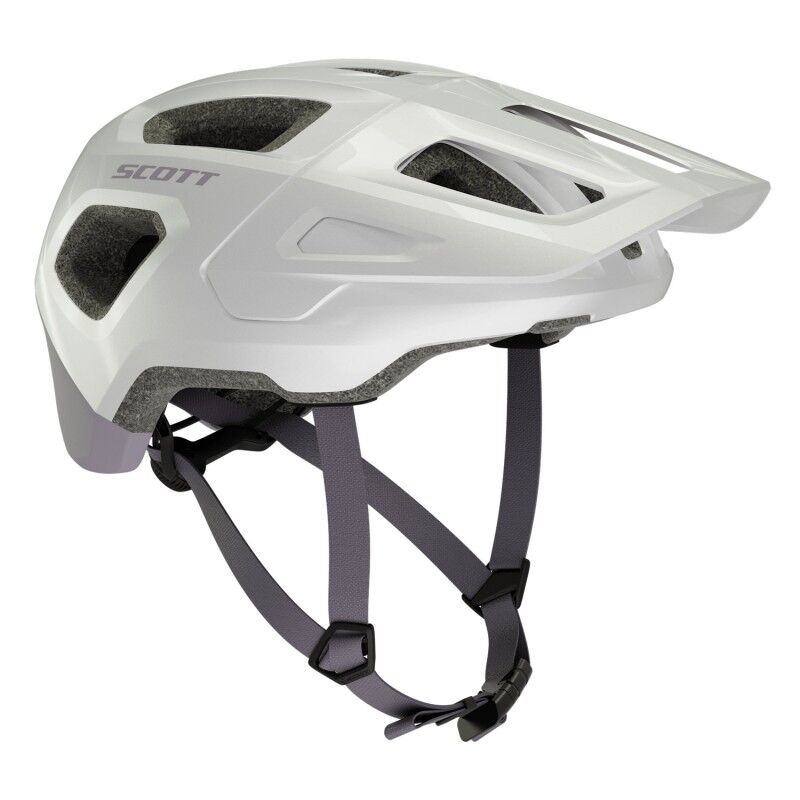
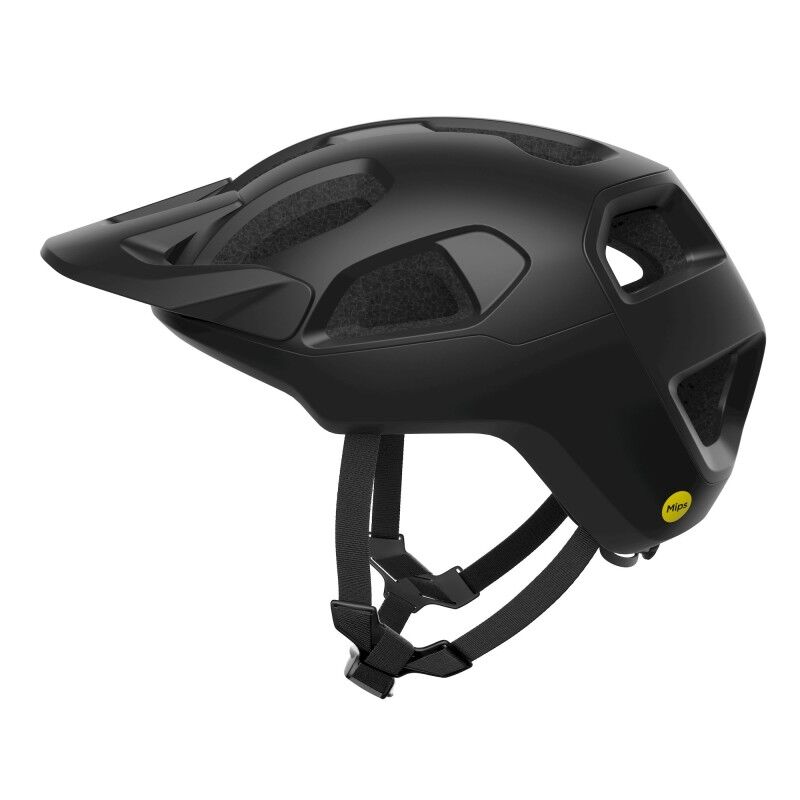
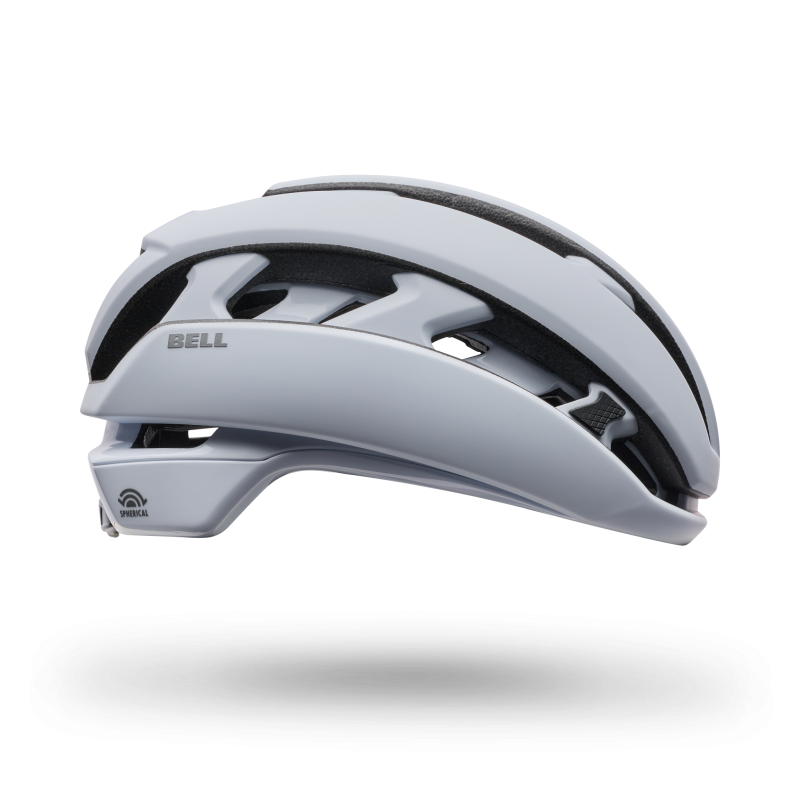

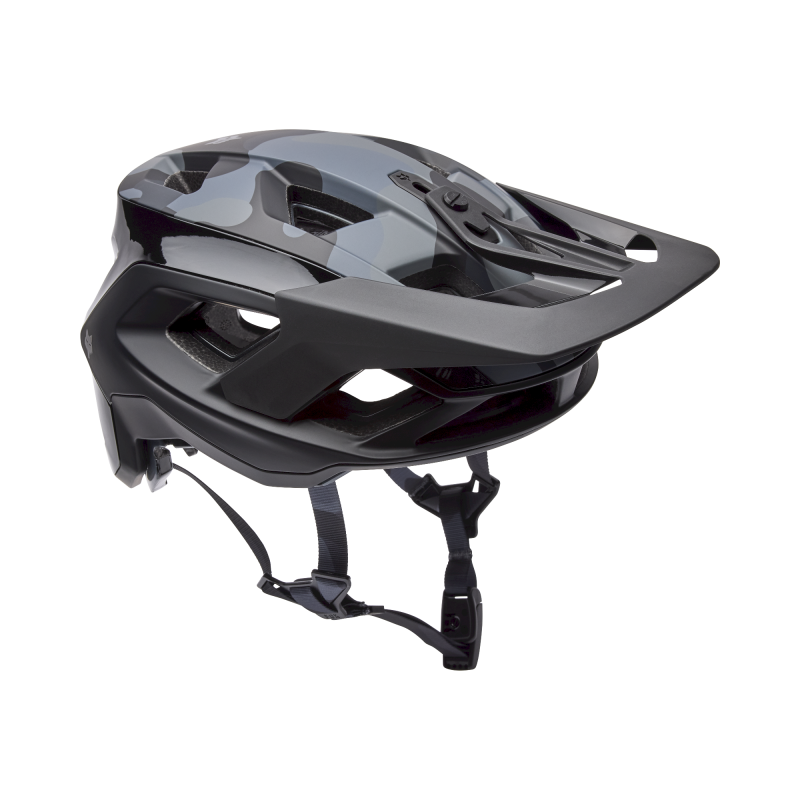
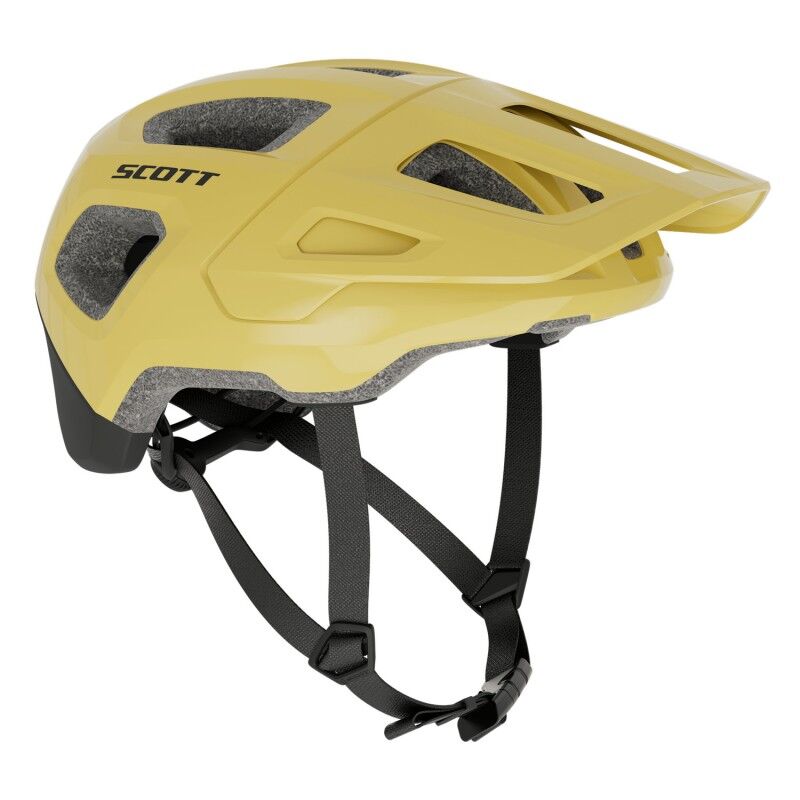

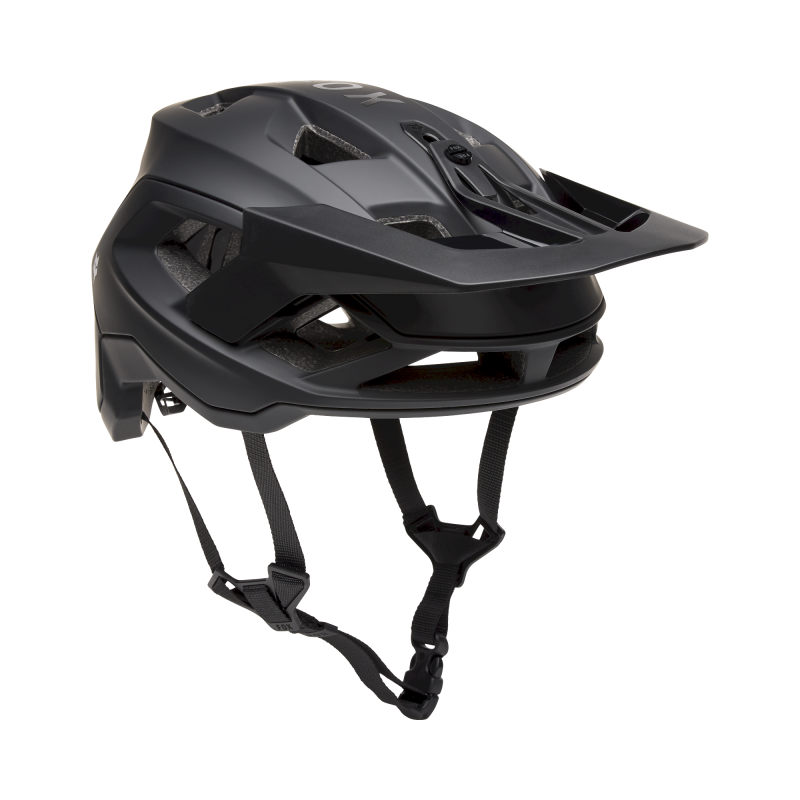
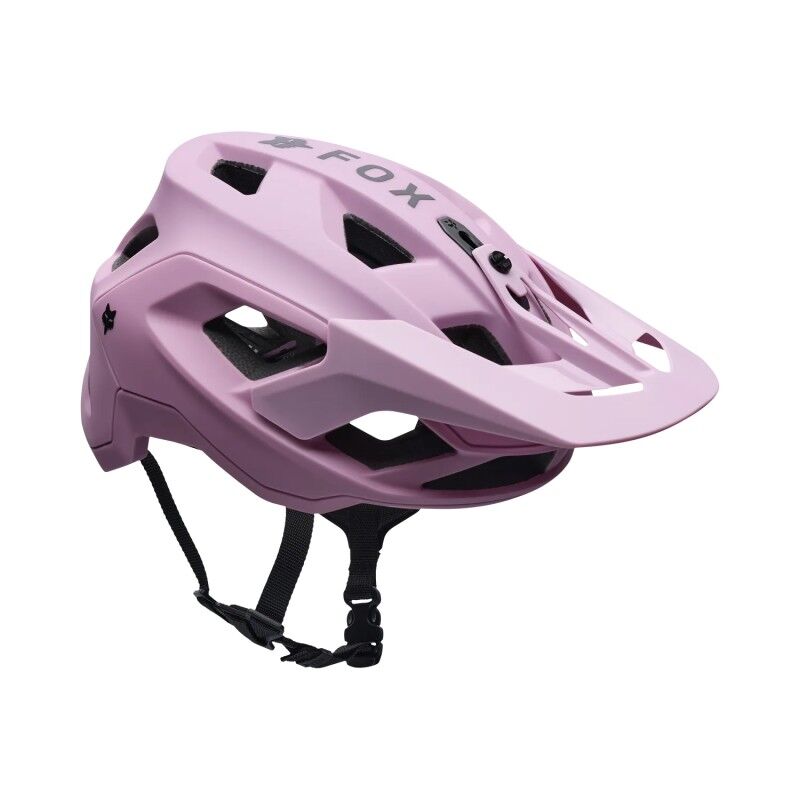
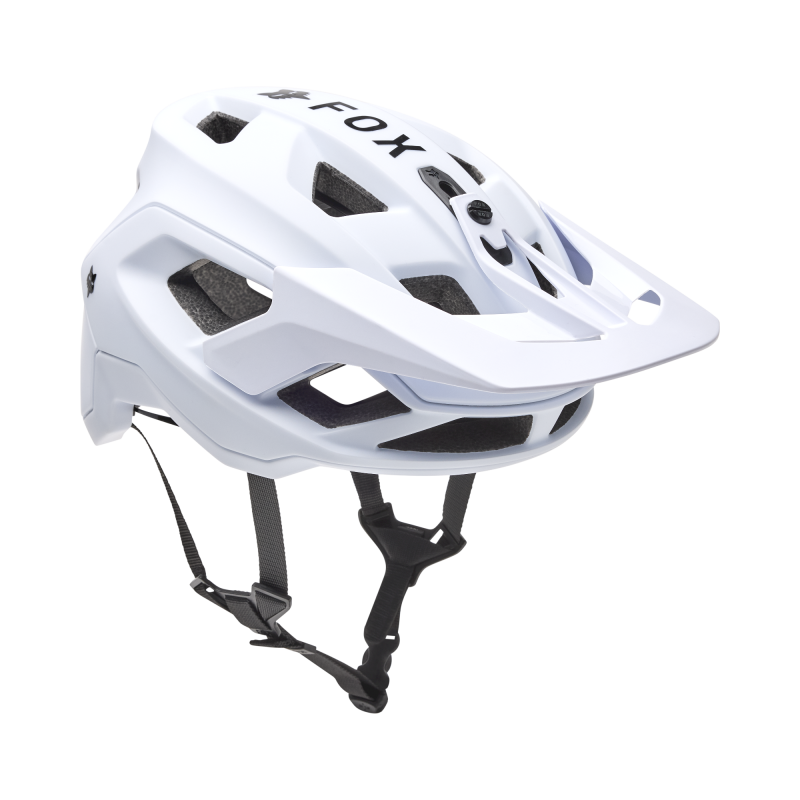
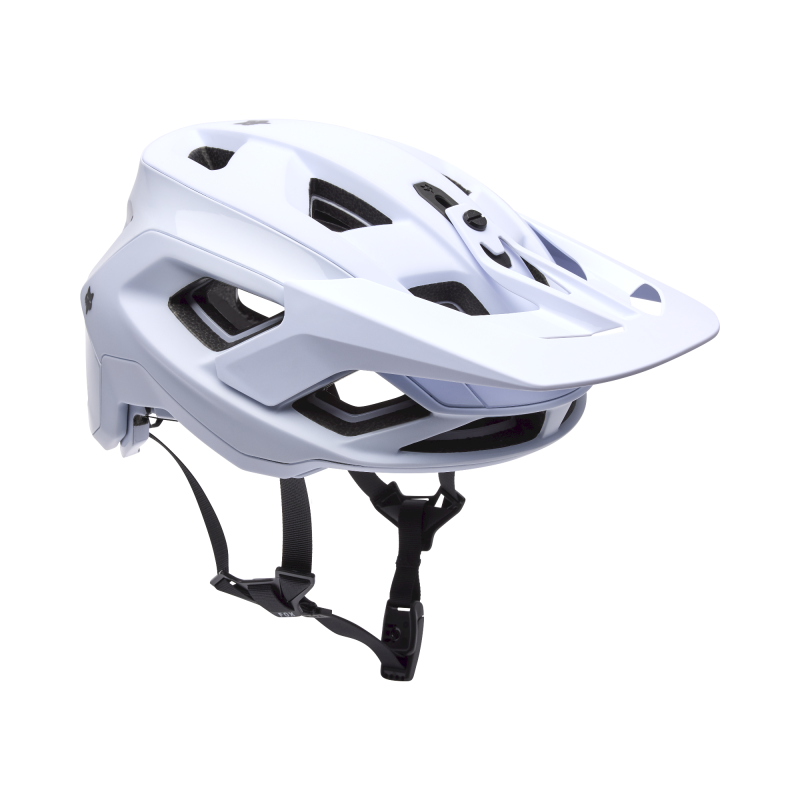
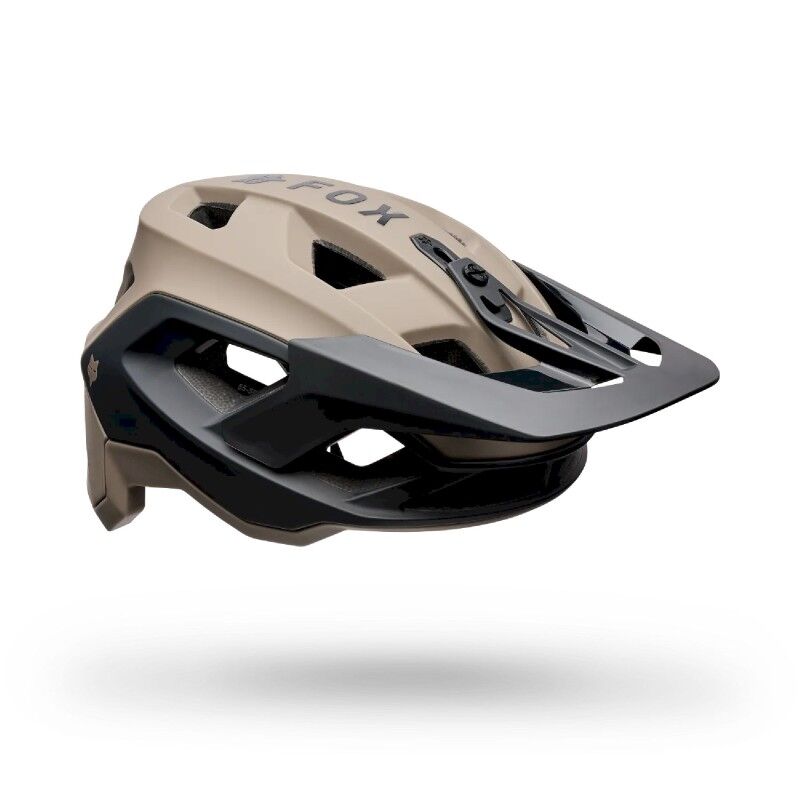
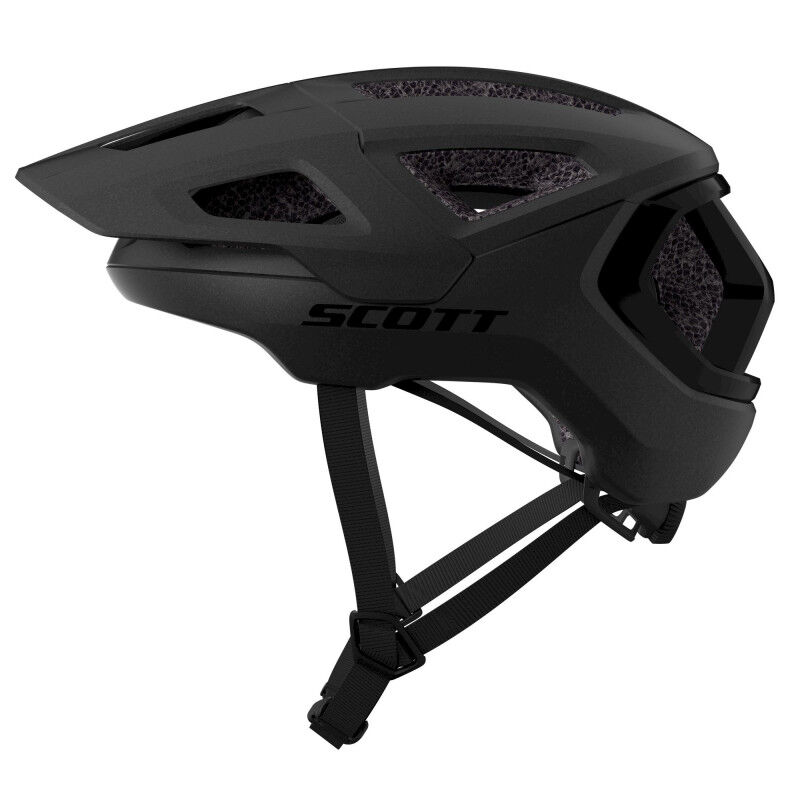

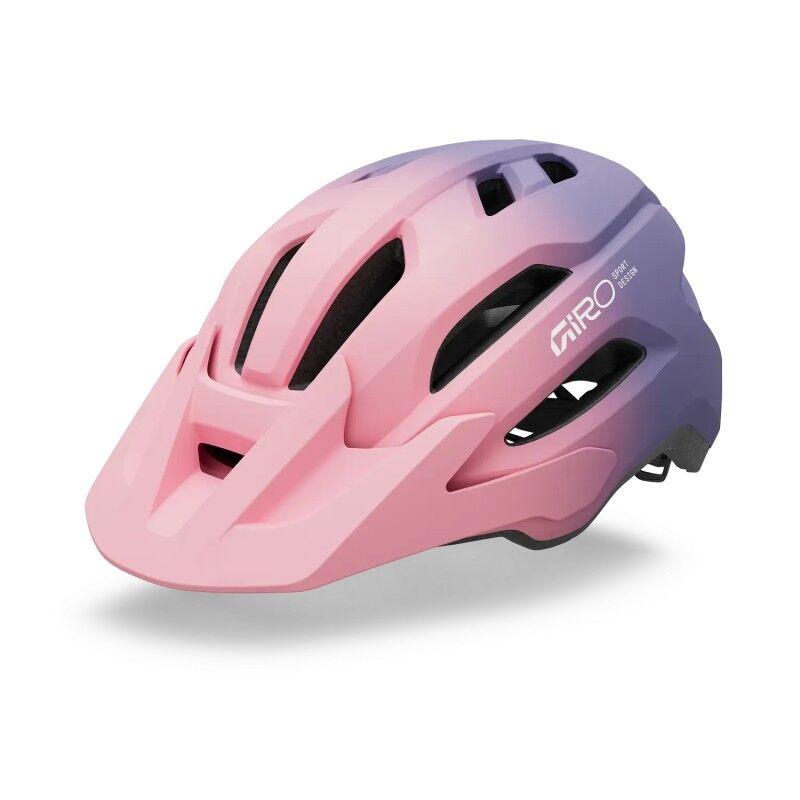
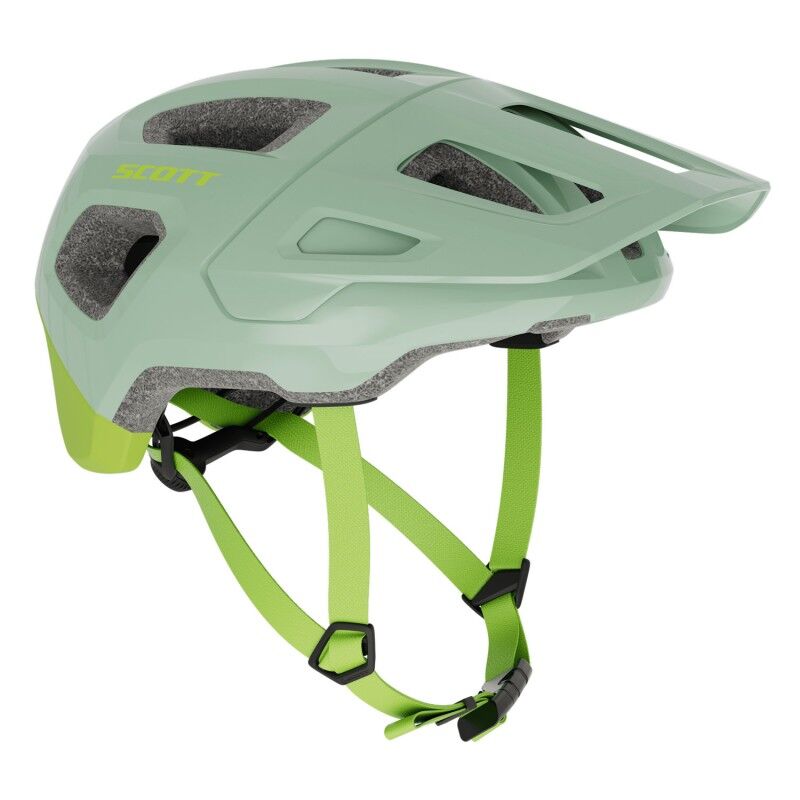
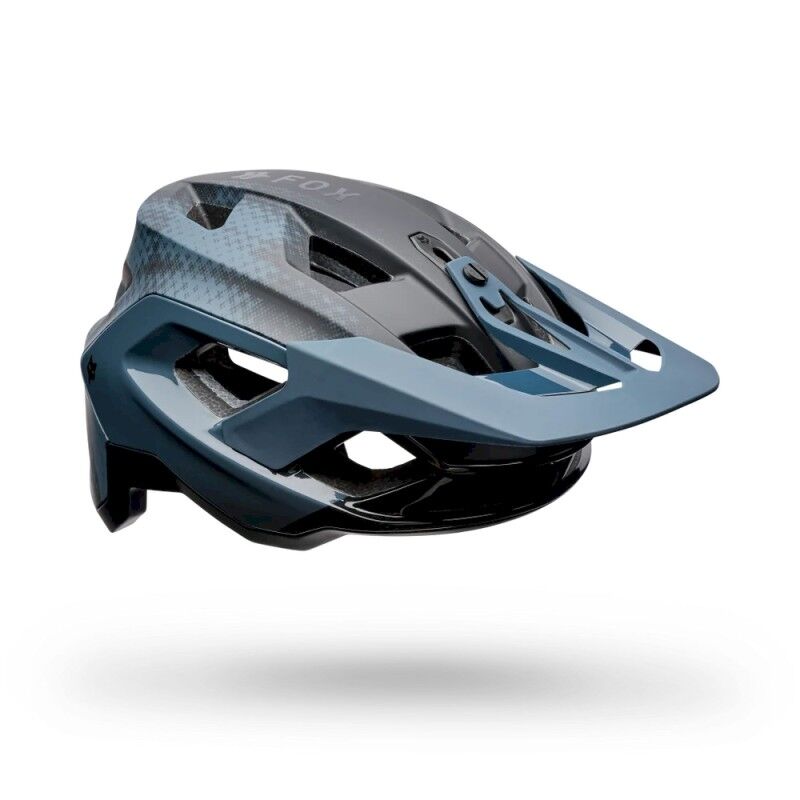

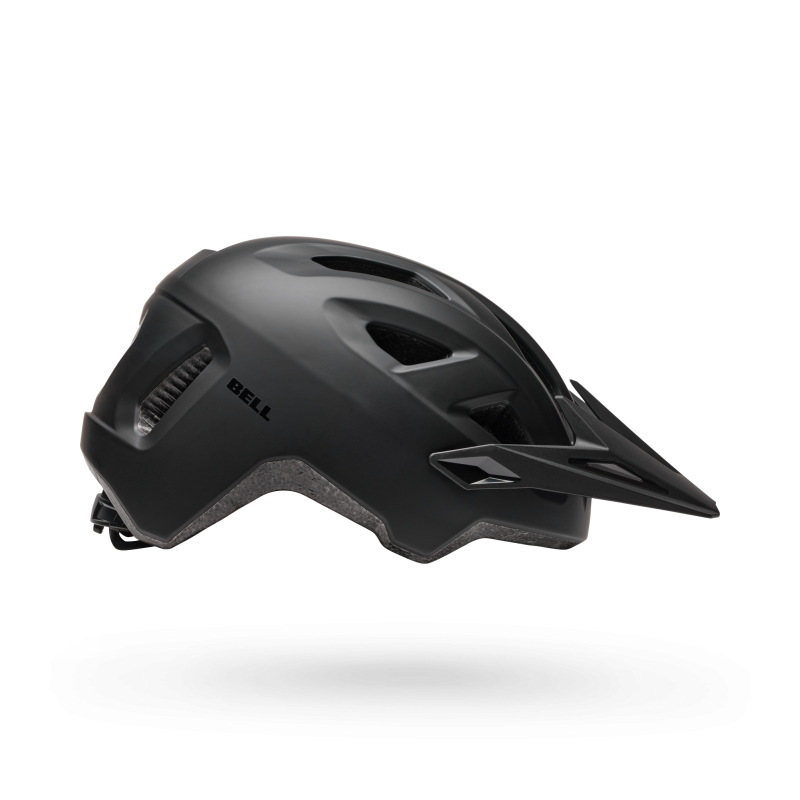
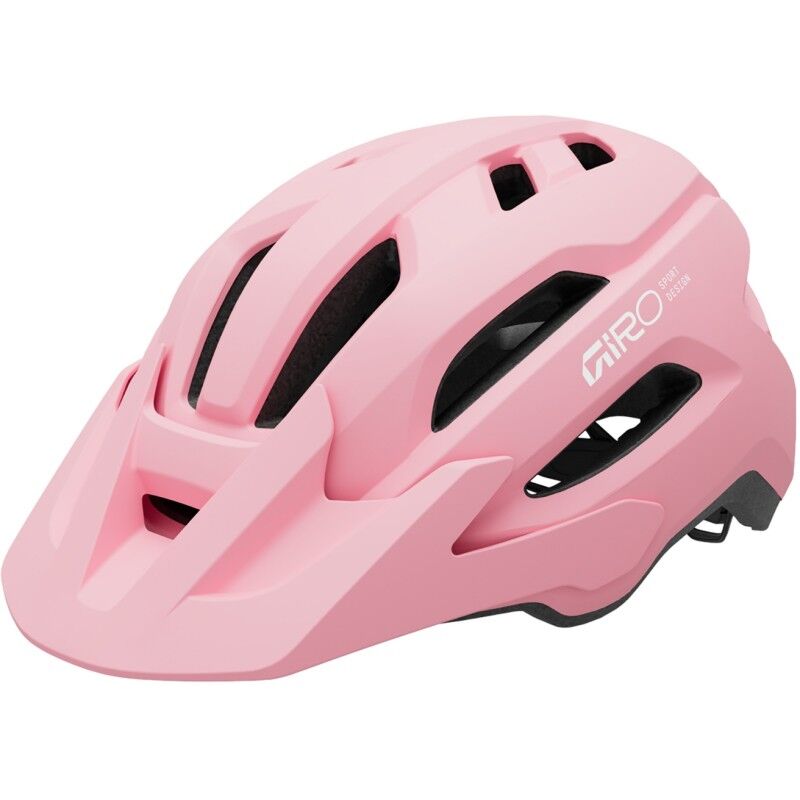
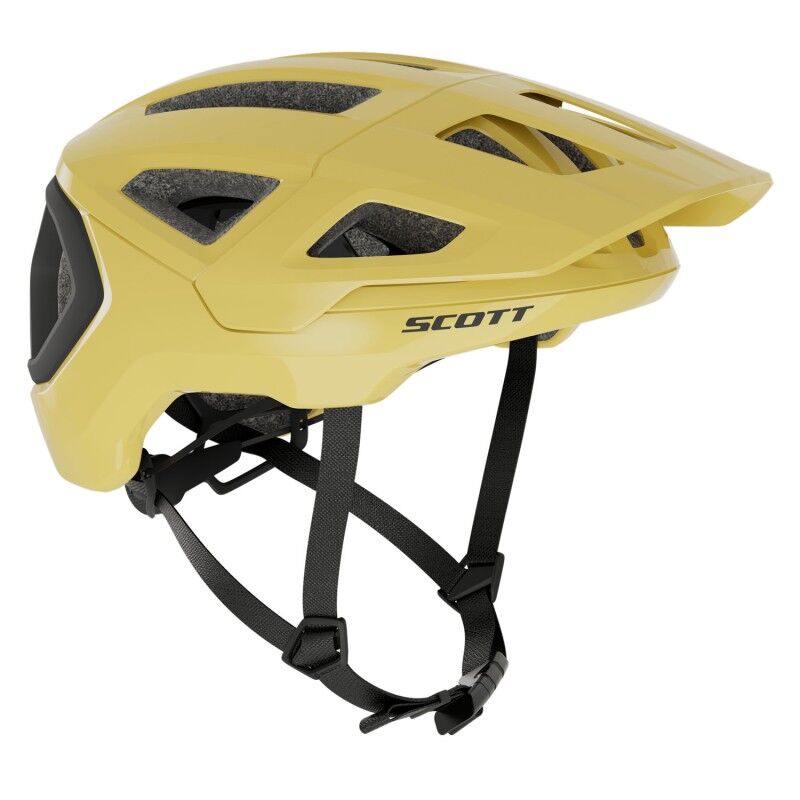
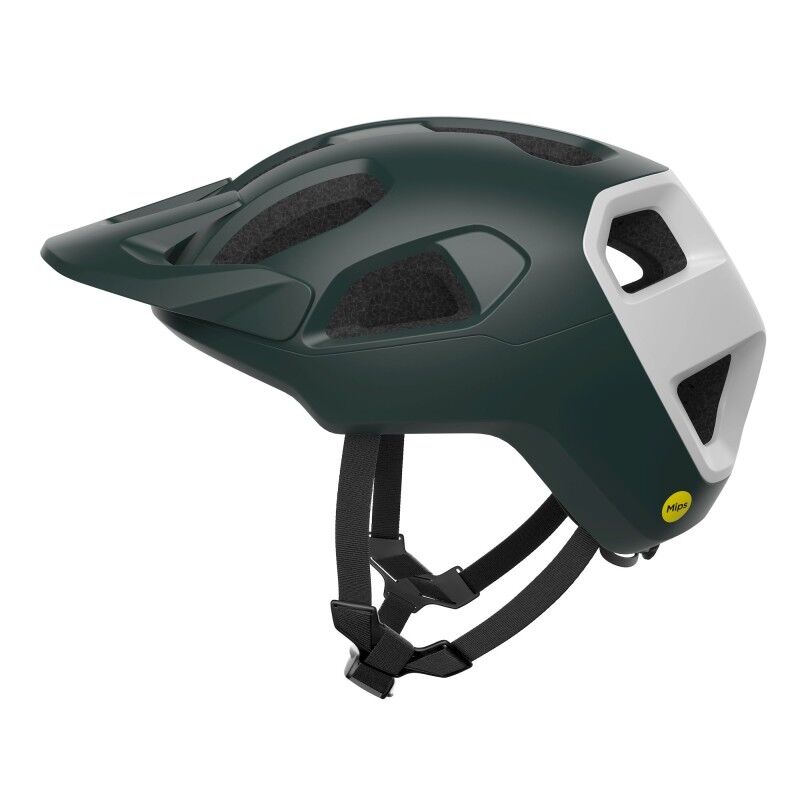
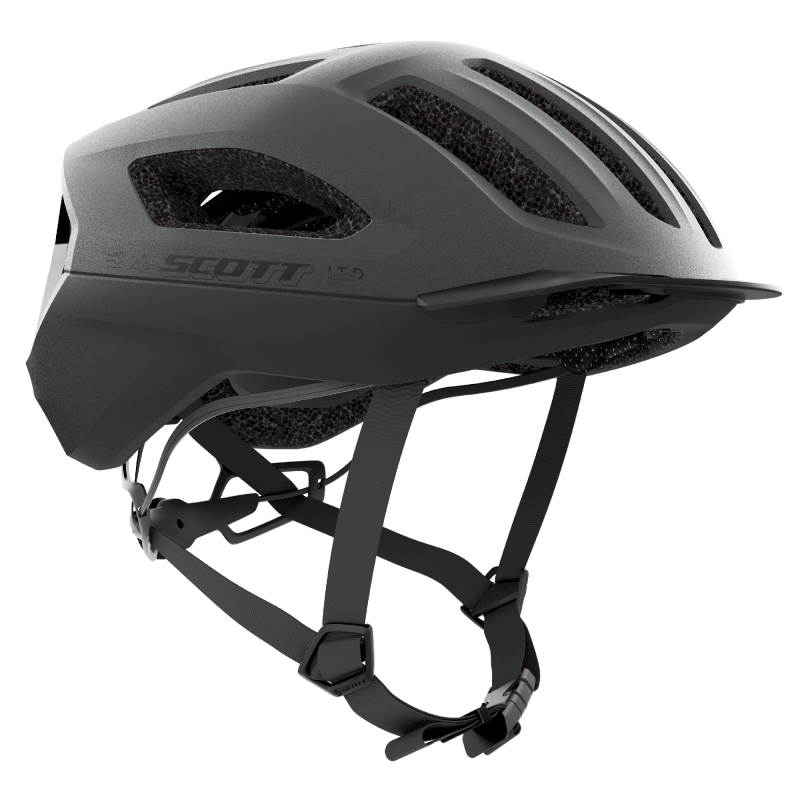
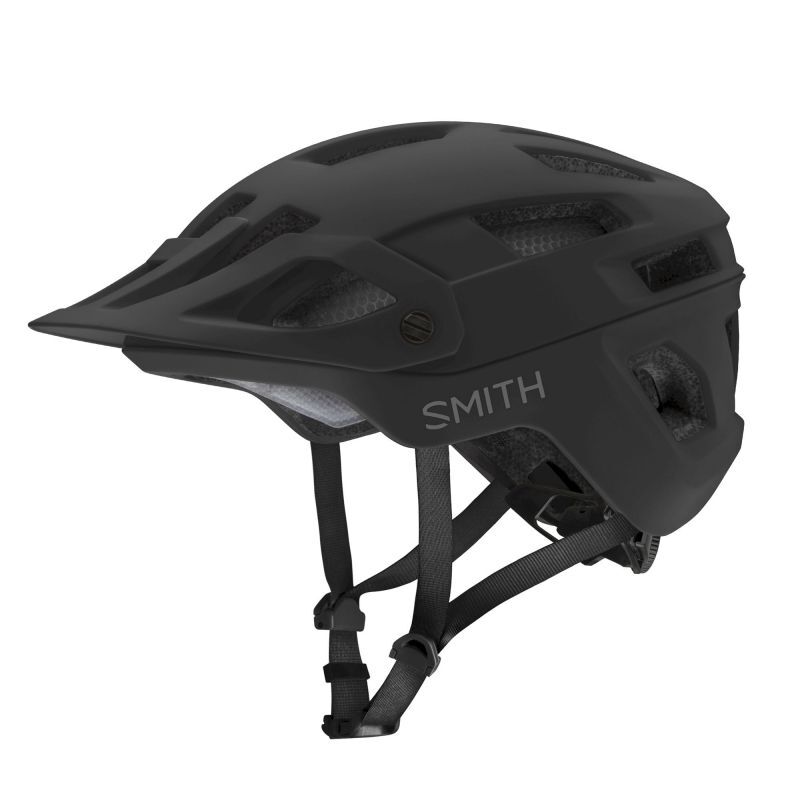
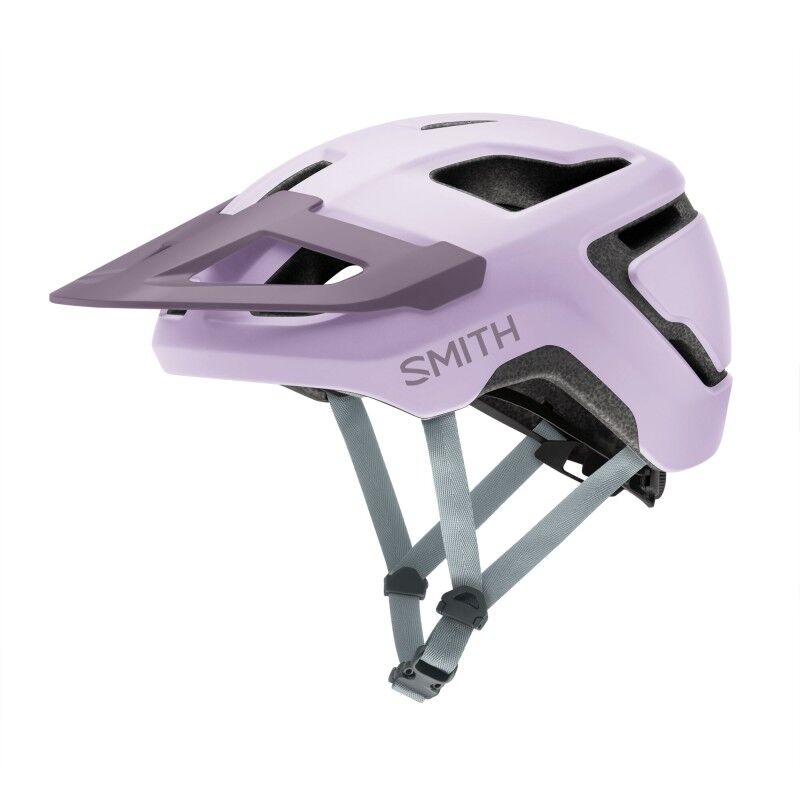
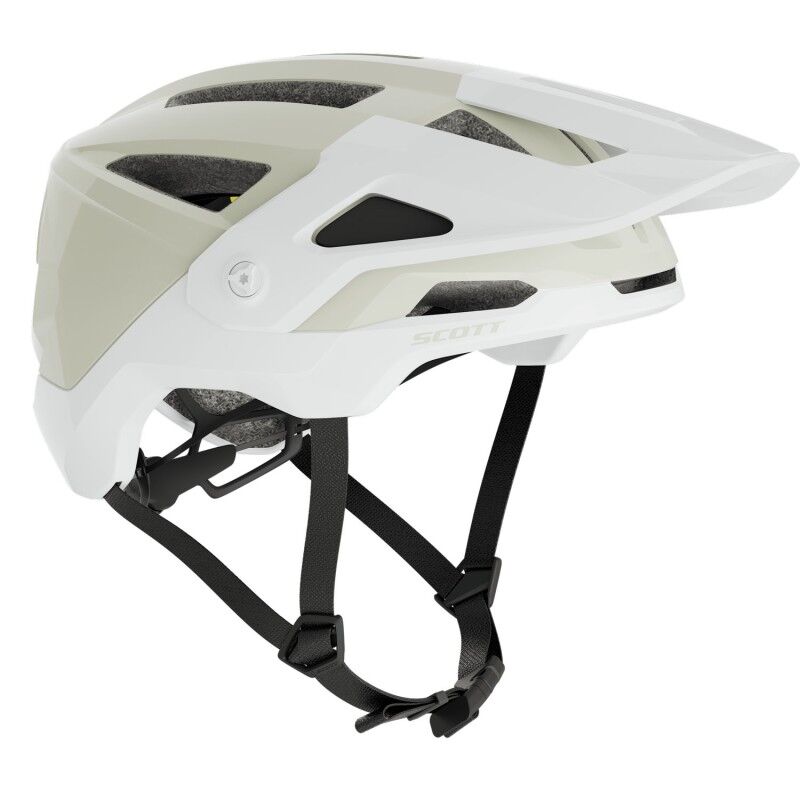

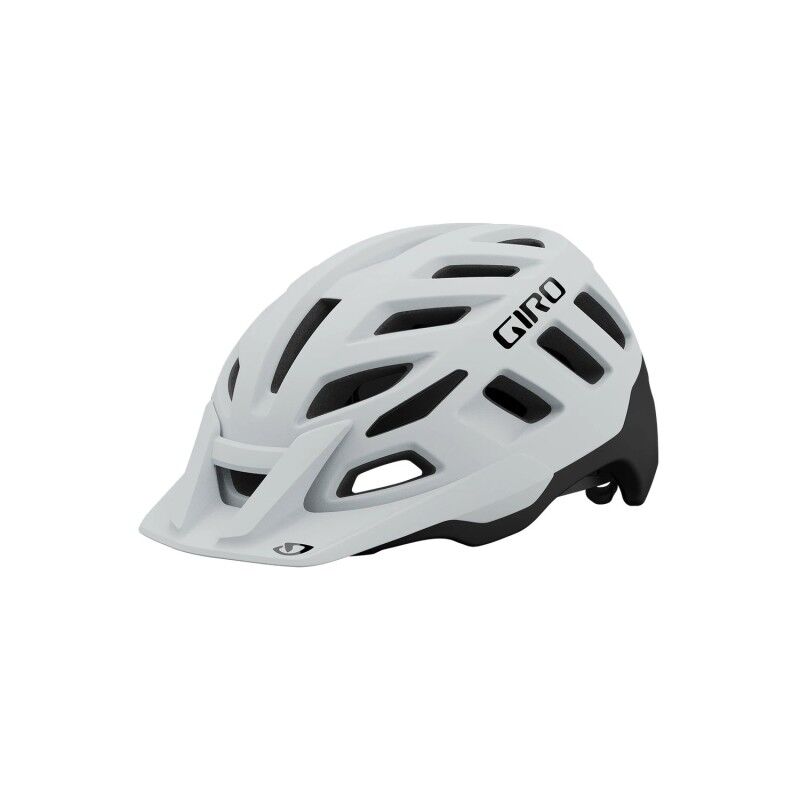

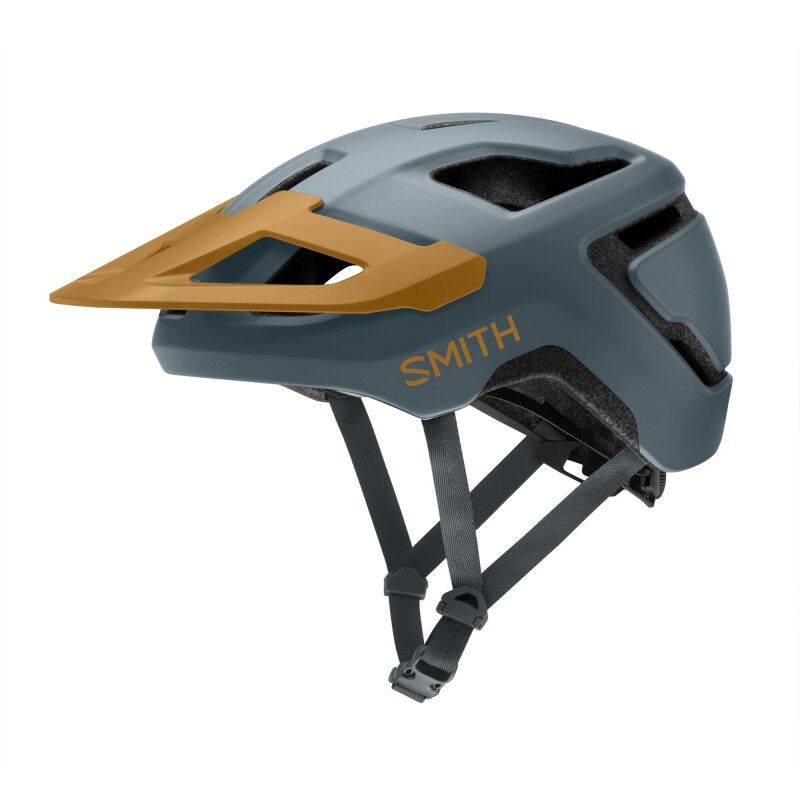
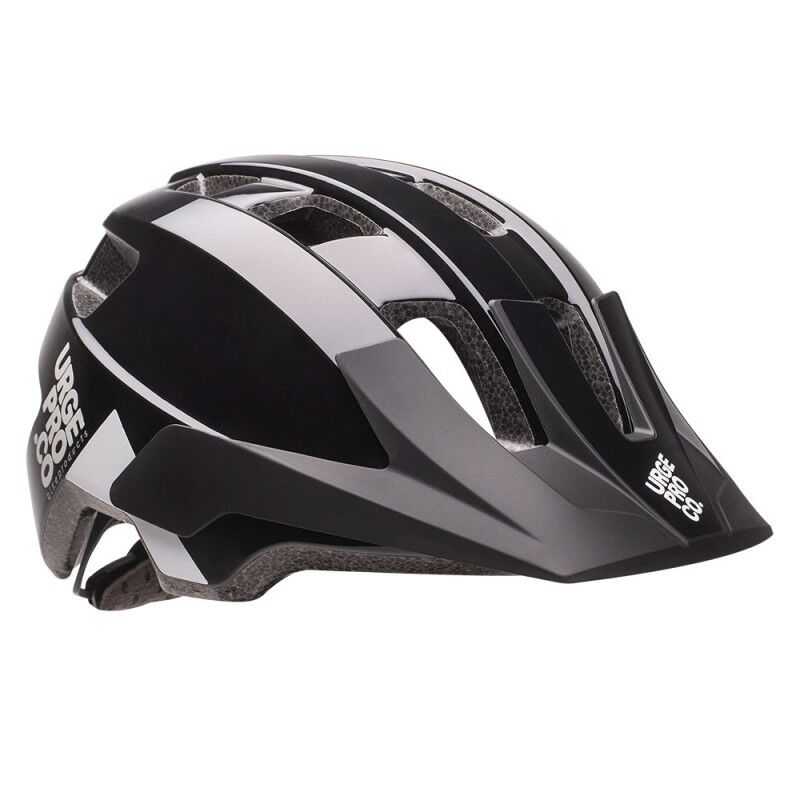
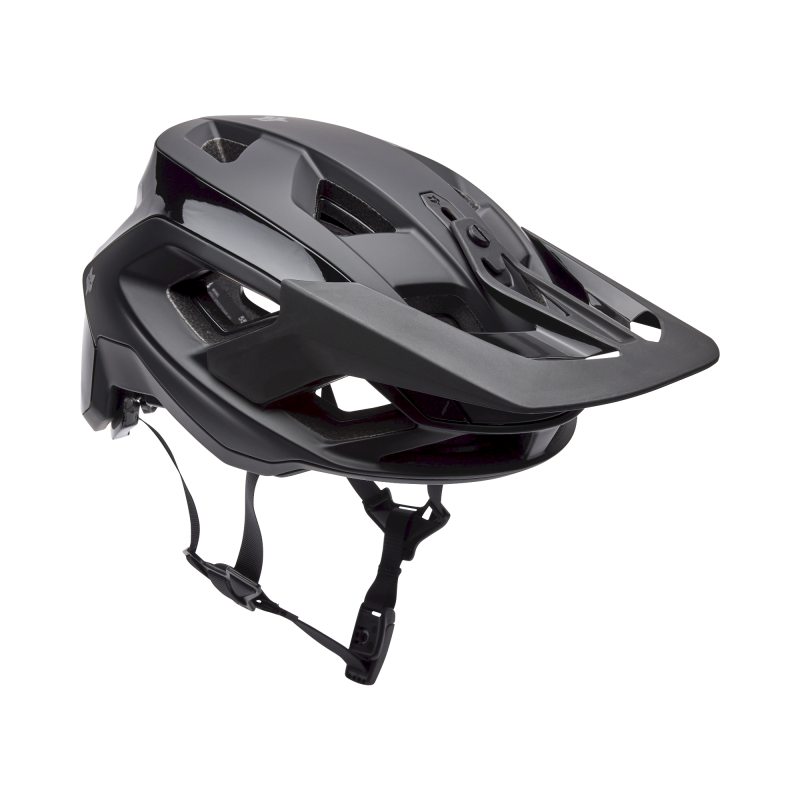
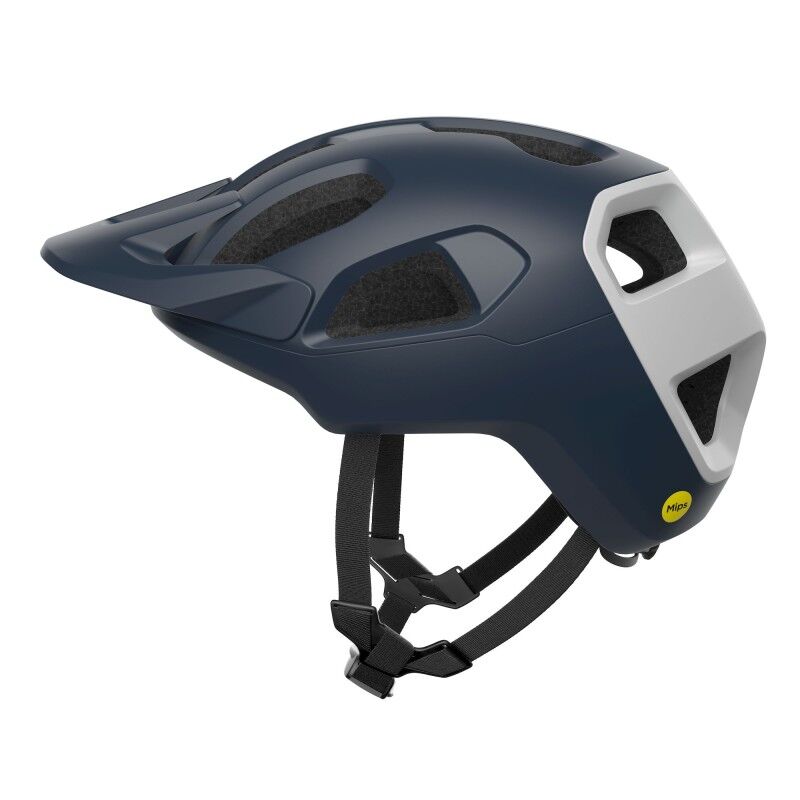

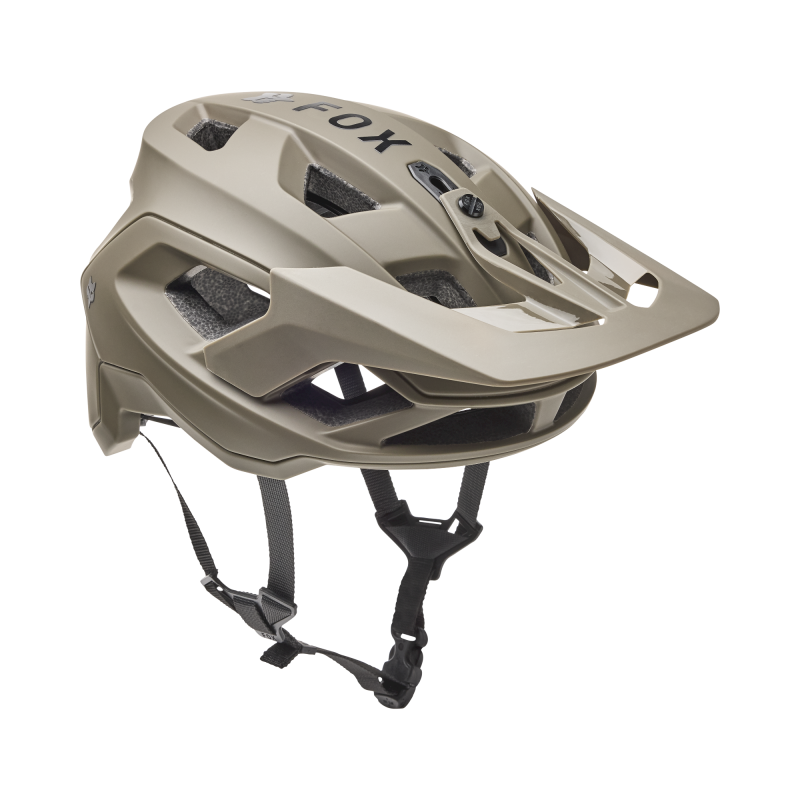
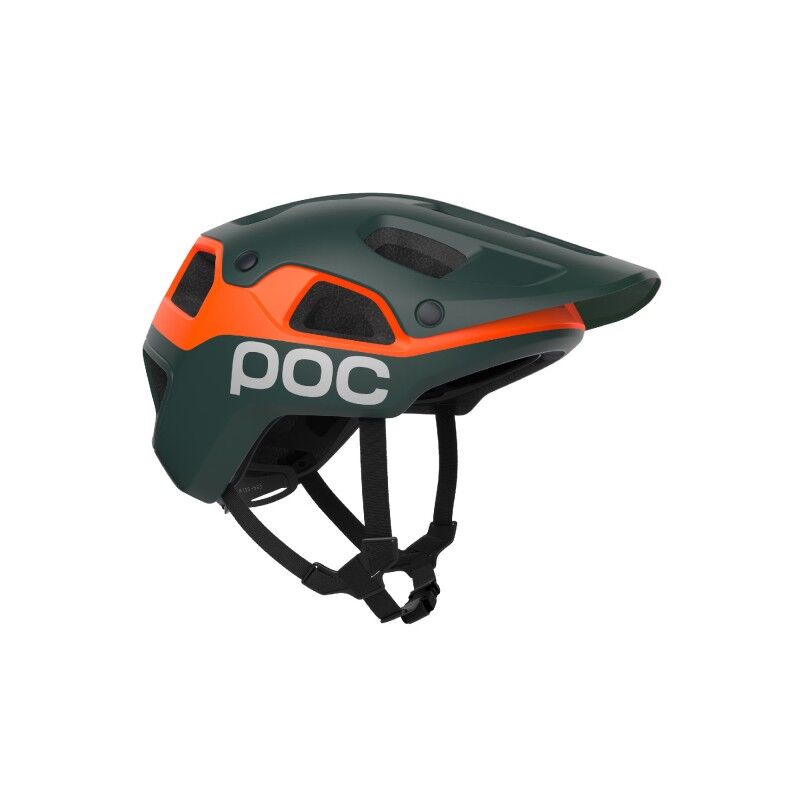
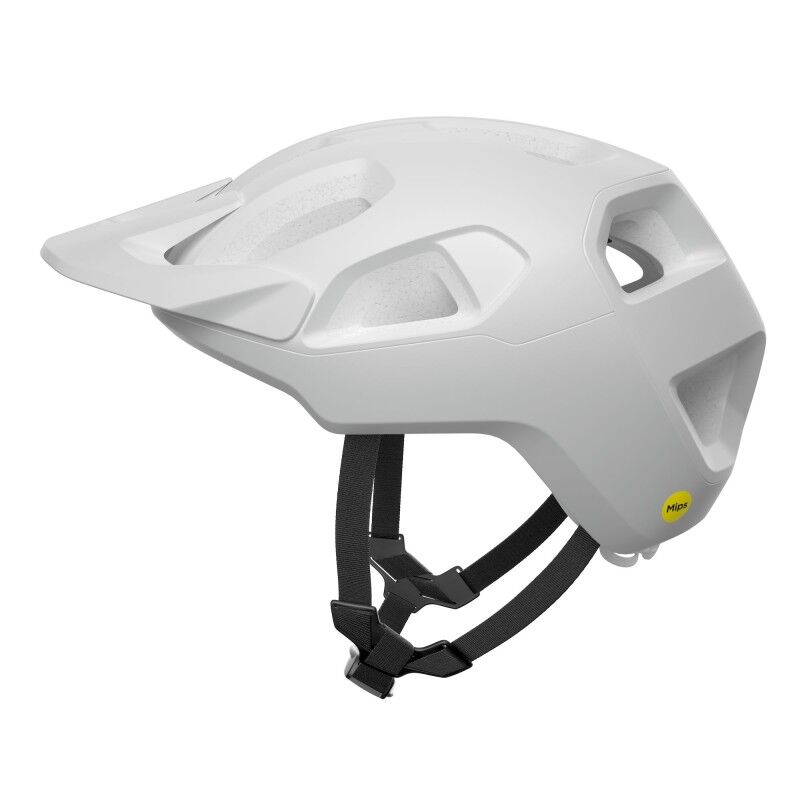
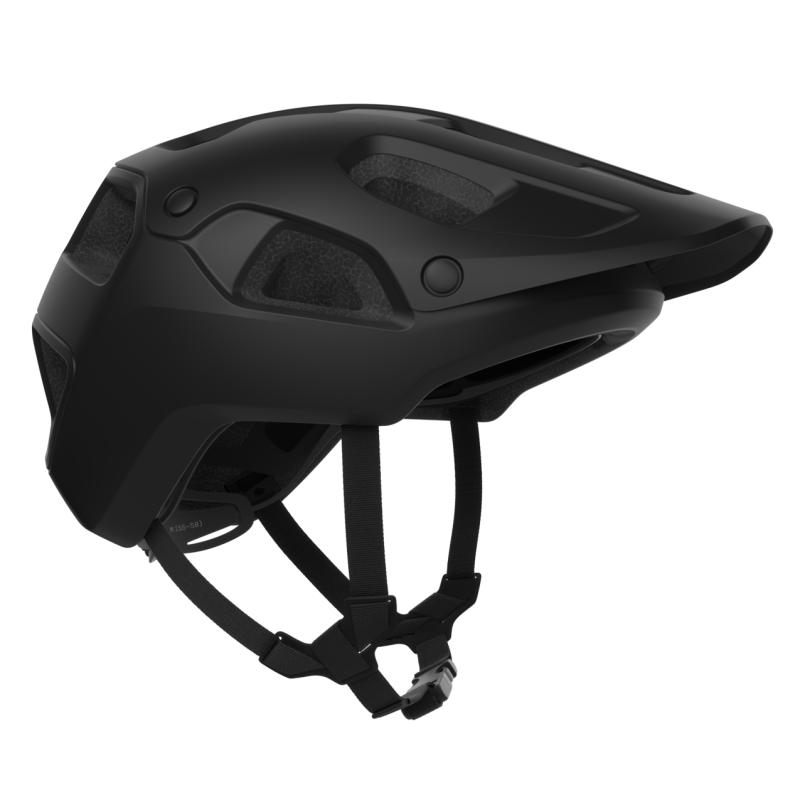


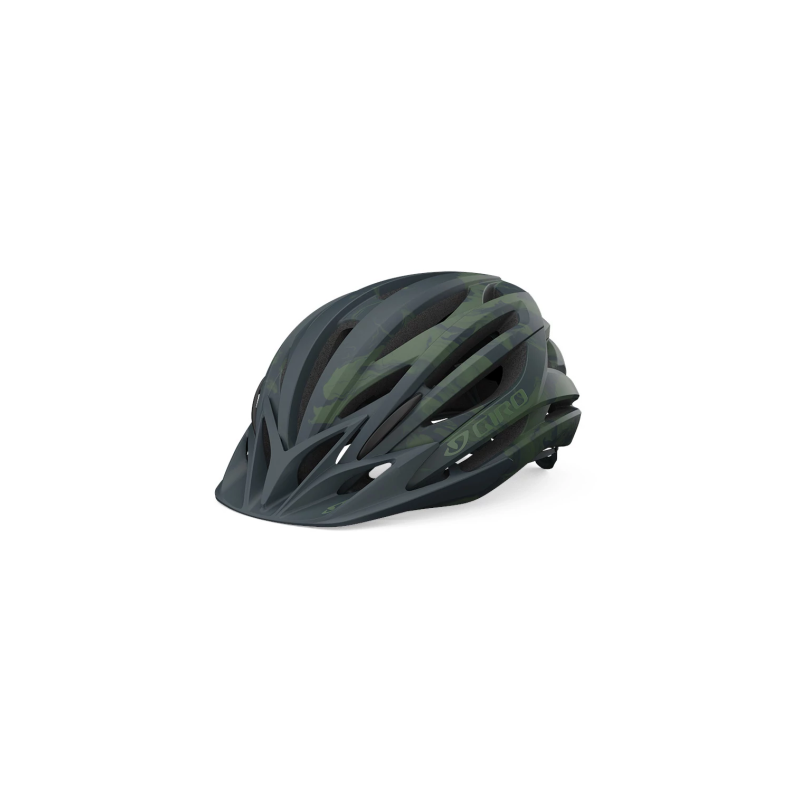

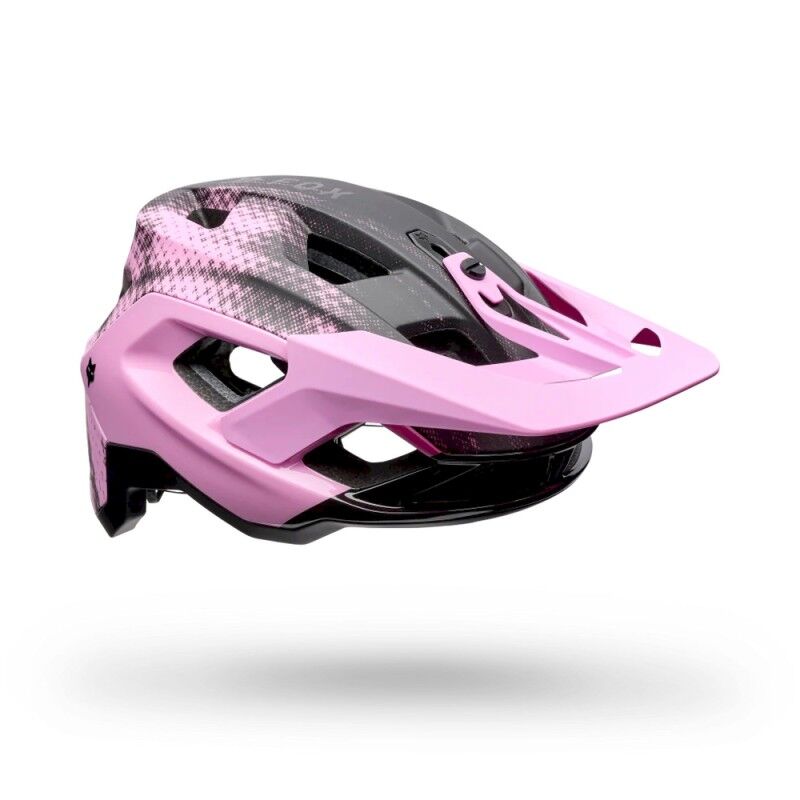
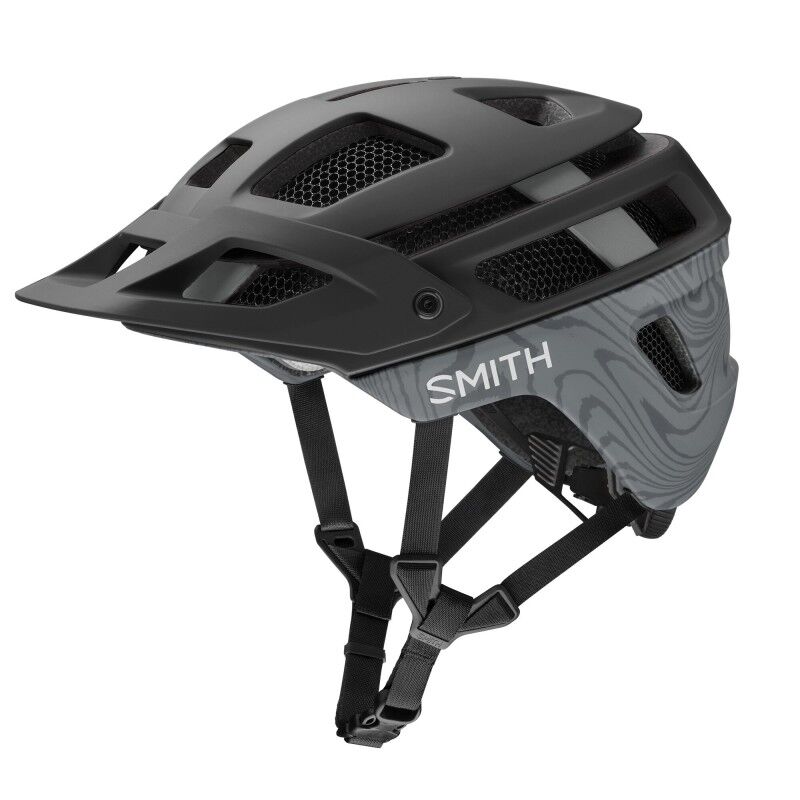
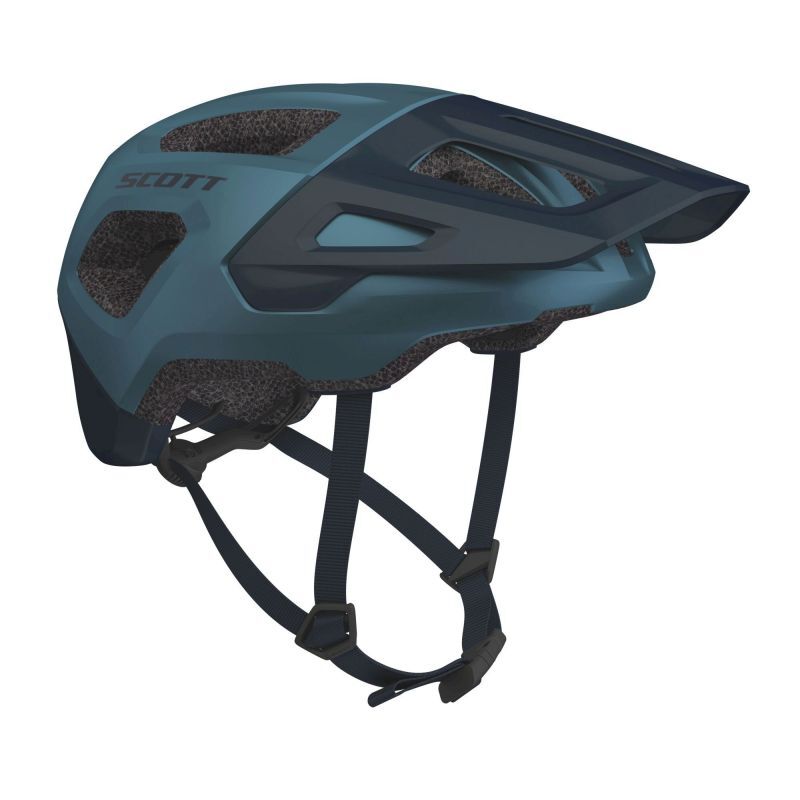
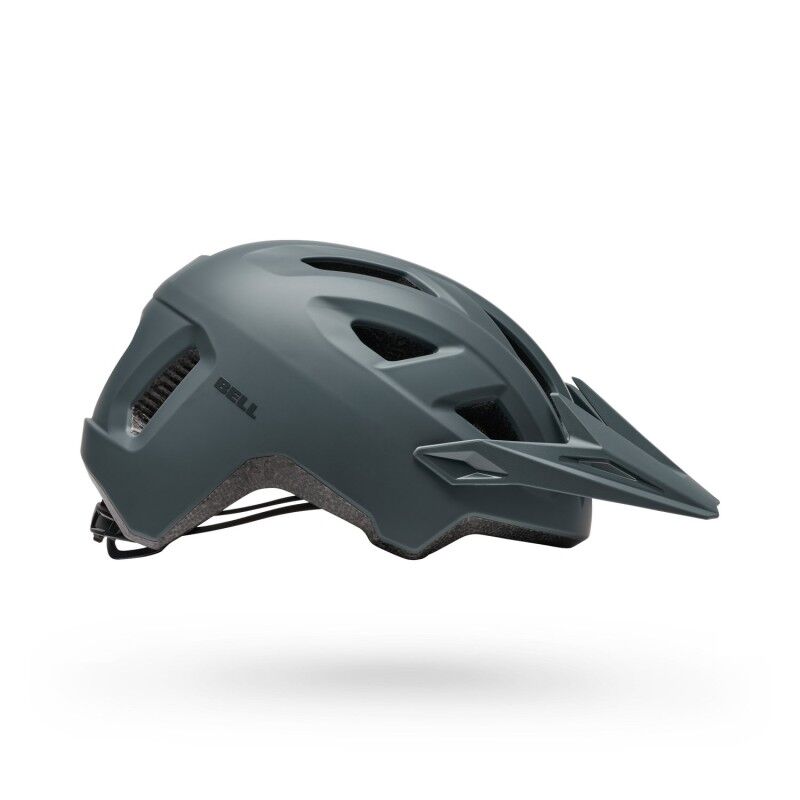
Choose the Right Mountain Bike Helmet for Your Practice
Each mountain biking discipline presents specific constraints that directly influence your choice of protection. Speed, terrain type, potential impact intensity, and ride duration naturally guide you towards models with distinct characteristics.
Cross-Country Mountain Bike Helmets
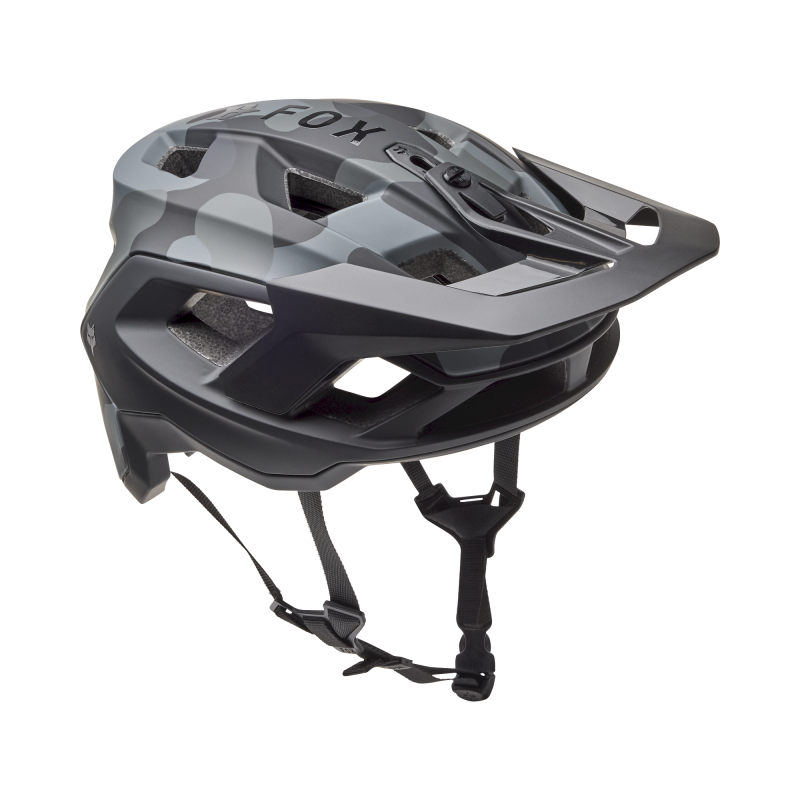
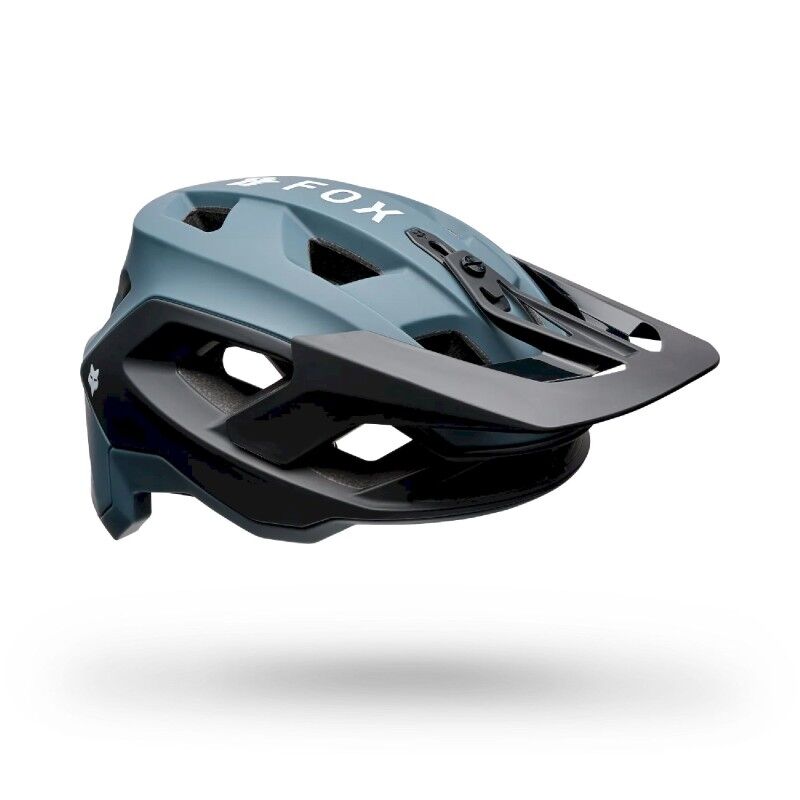
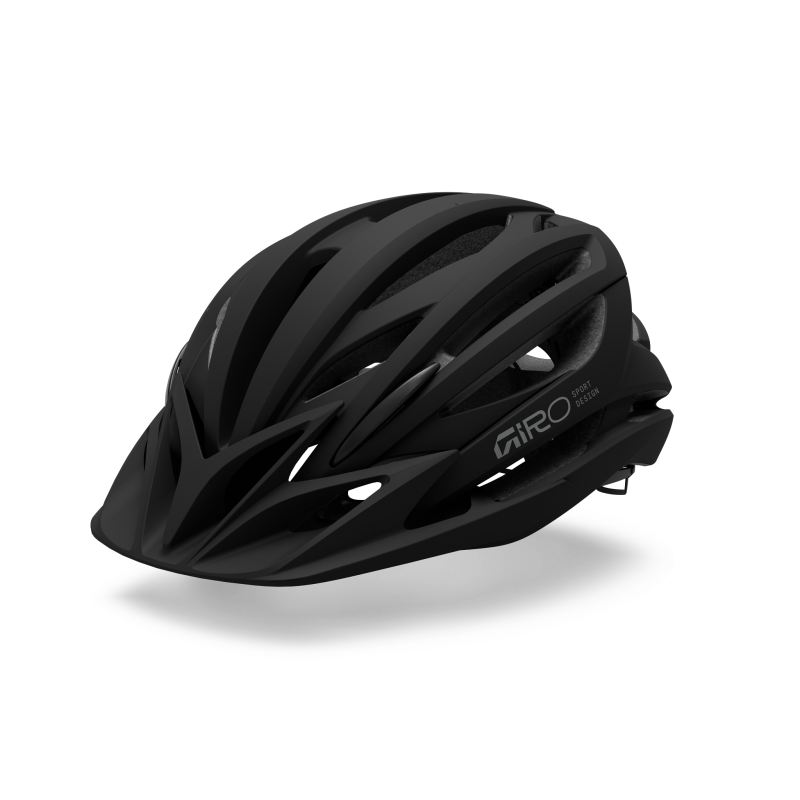
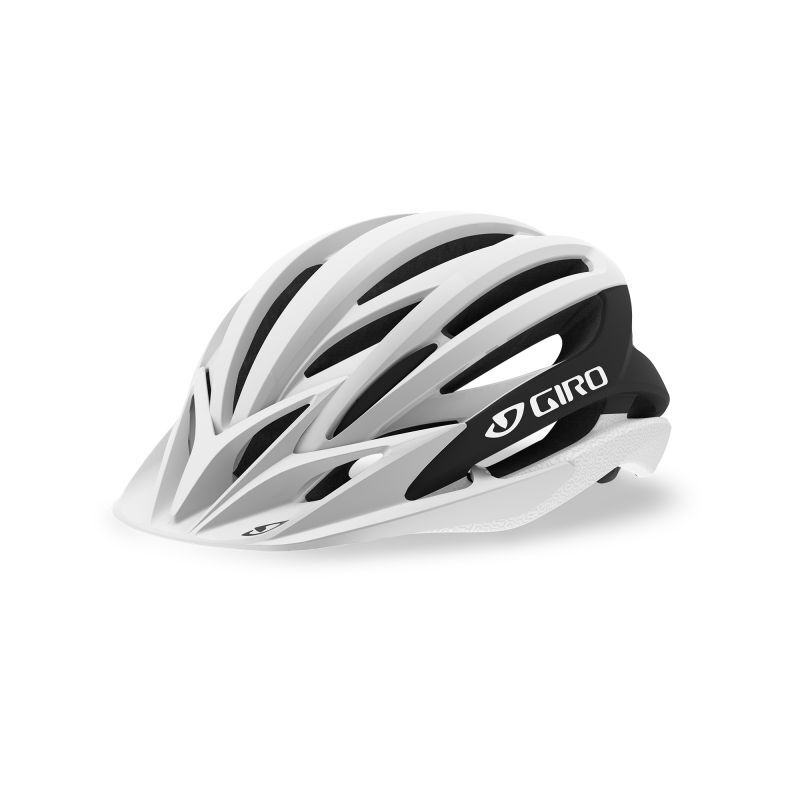
For cross-country (XC) and marathon riding, lightness and ventilation are the key criteria. These helmets favour an airy construction with large openings to effectively dissipate heat during sustained efforts. Their compact profile and lightweight, often under 300 grams, allow you to forget you're wearing them even during long rides. Dial adjustment systems ensure a precise fit without pressure points, while antibacterial foams enhance long-term comfort. Complete your XC gear with mountain bike shoes.
Enduro and All-Mountain Mountain Bike Helmets
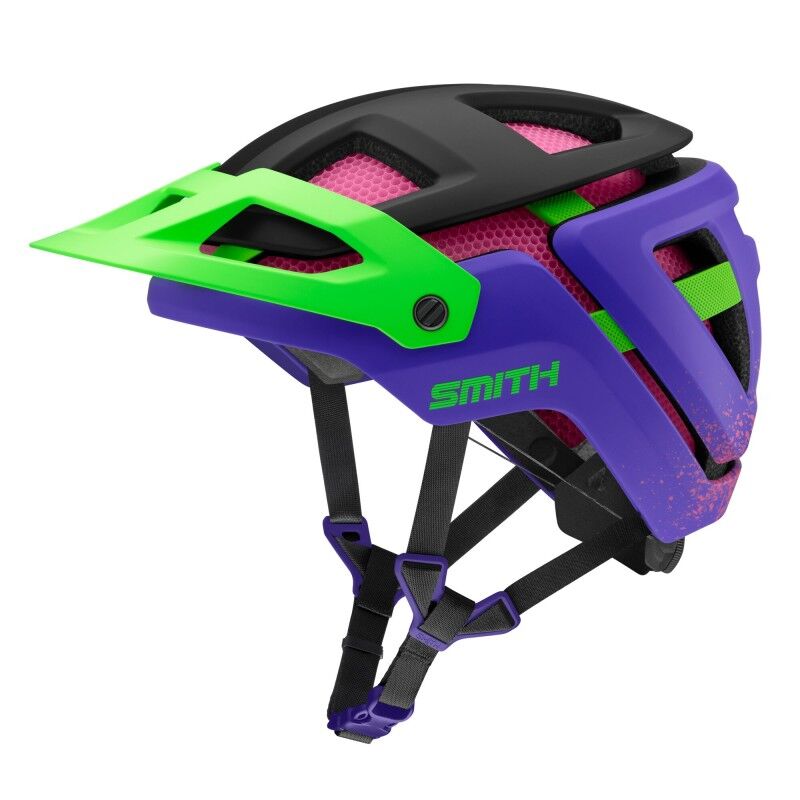
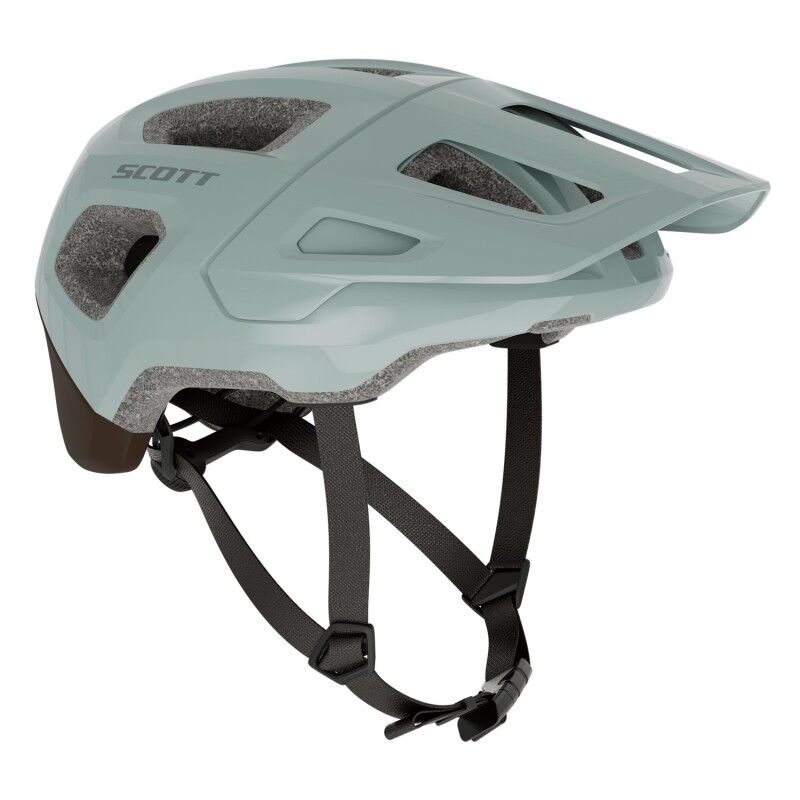
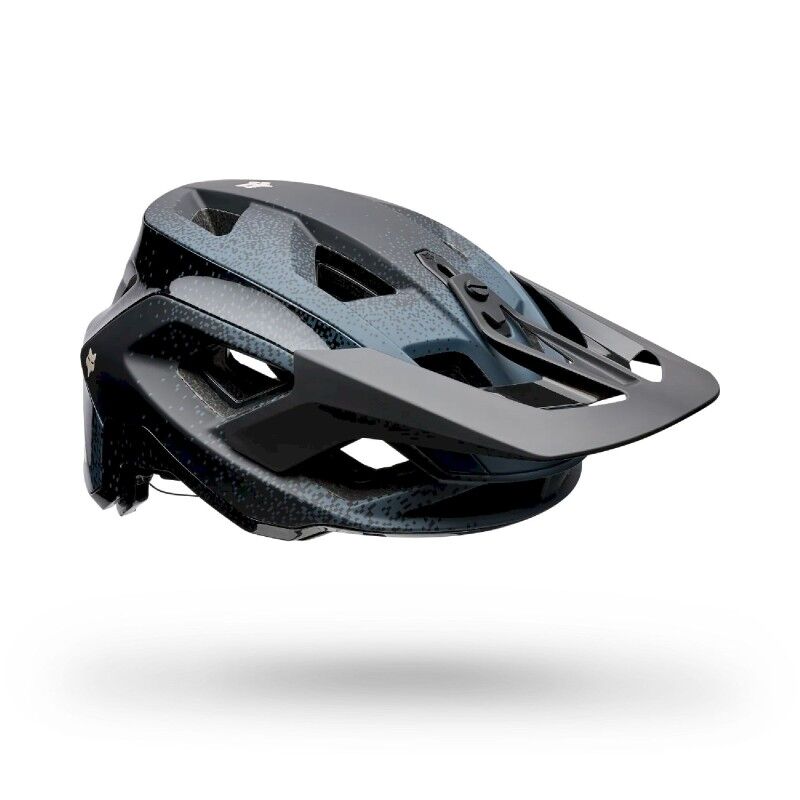
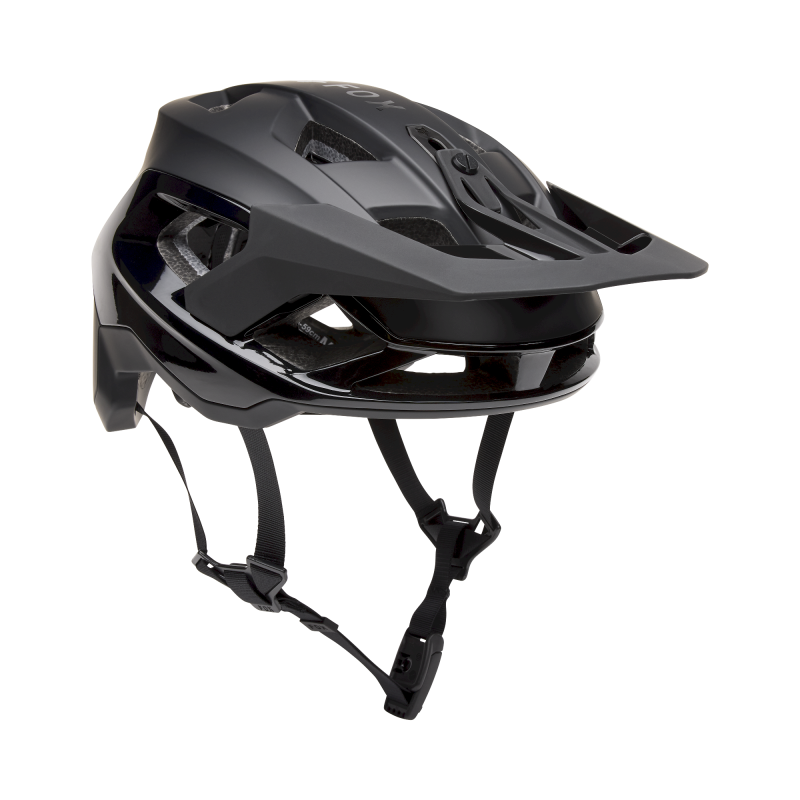
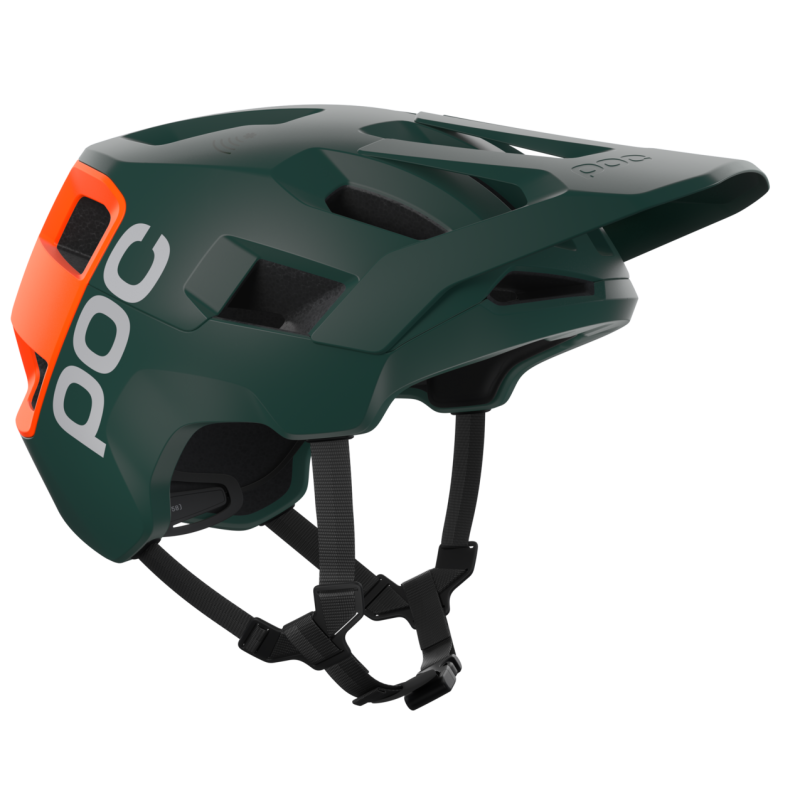
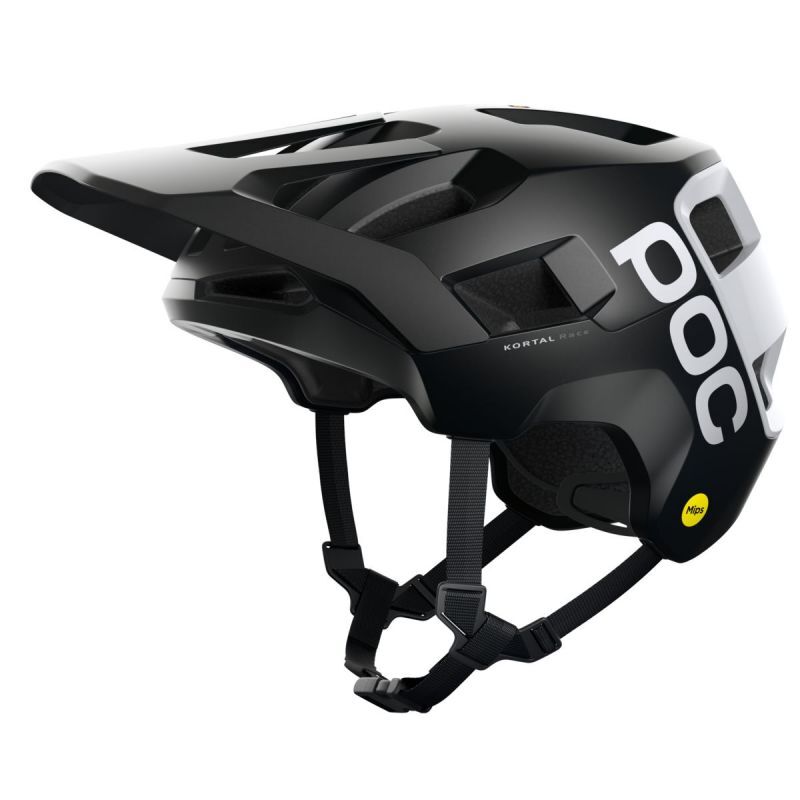
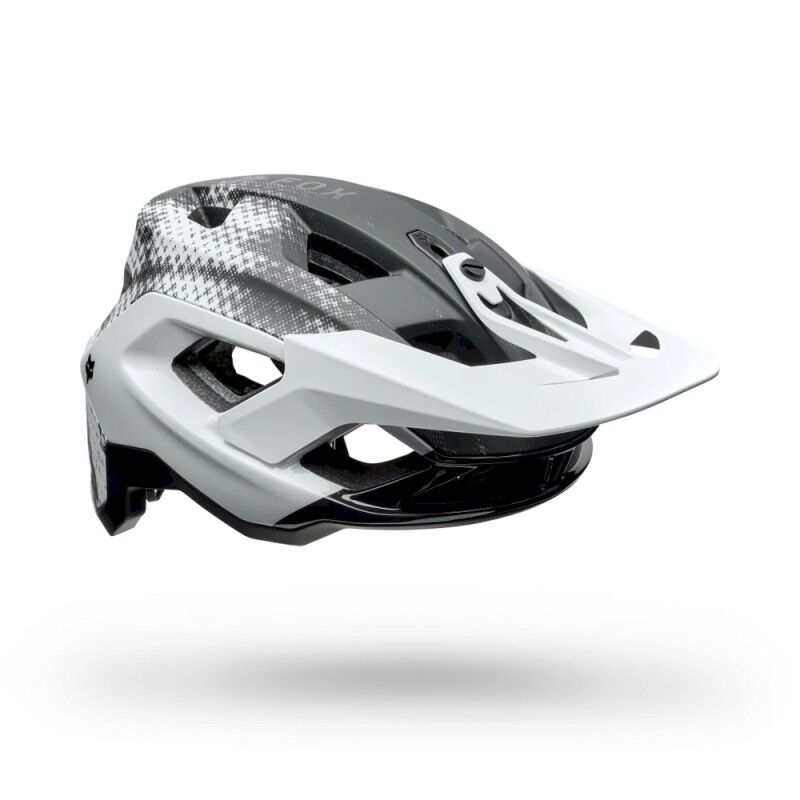
Enduro and all-mountain riding require enhanced protection while maintaining good breathability. These helmets feature extended coverage at the back of the head and on the temples, sometimes with a more pronounced visor to shield the face from branches and debris. Their construction incorporates anti-rotation technologies like MIPS or WaveCel, which reduce twisting forces during oblique impacts. The weight increases slightly compared to XC, but remains manageable to avoid hindrance during technical climbs. Paired with suitable mountain bike protections, they form a winning duo for tackling varied terrains with confidence.
Downhill (DH / Freeride) Mountain Bike Helmets
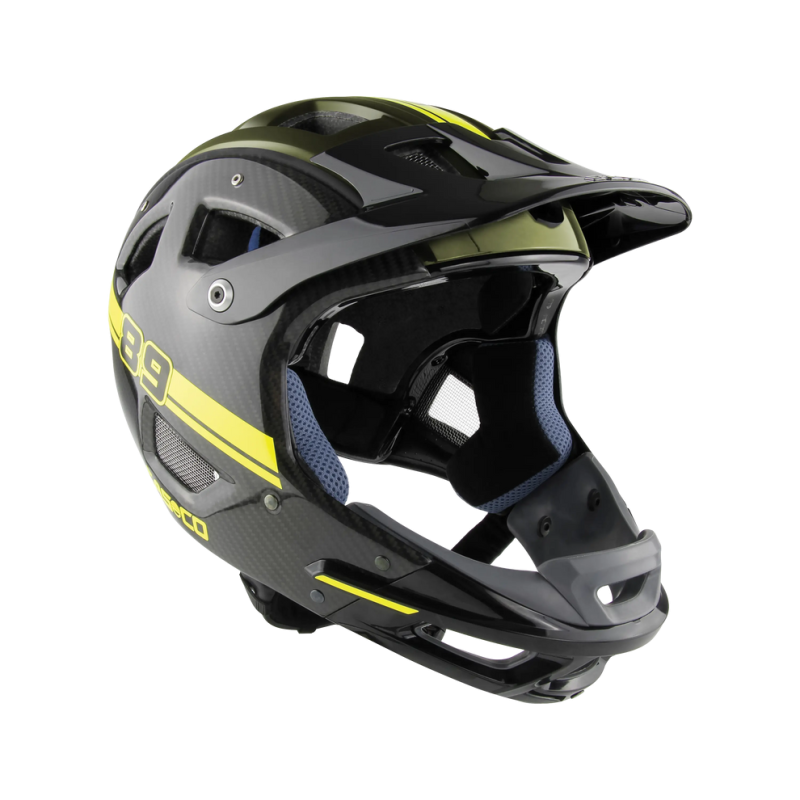
Downhill and freeride demand the highest level of protection. These full-face helmets protect the entire head and face with a fixed or removable chin guard depending on the model. Their reinforced shell, often made of fiberglass or carbon for high-end versions, absorbs violent impacts without compromising structural integrity. Ventilation is still considered despite the full coverage, with strategically positioned airflow channels. Some models accommodate mountain bike goggles for optimal eye protection during fast descents. The substantial weight, ranging from 500 to 1200 grams, is fully justified by the safety provided in these high-risk disciplines.
How to Choose Your Mountain Bike Helmet
Beyond the discipline practiced, several elements deserve special attention. Size and fit are the foundation of effective protection: a Mountain Bike Helmet should fit your head perfectly without moving during sudden movements. Measure your head circumference with a tape measure just above the eyebrows and consult the manufacturer's size chart, as sizes can vary significantly from one brand to another.
Anti-rotation technologies provide an additional layer of protection particularly relevant for aggressive riding. Remember that any bike helmet that has sustained a significant impact should be replaced, even if no visible damage is apparent: the internal structure may be compromised.
Mountain Bike Helmets for Men, Women, and Children
Helmets come in specific versions to suit everyone's morphology. Women's models often include adjustments designed for long hair and cuts suited to generally smaller head sizes. For children, safety is paramount with additional reinforcements and simplified adjustment systems. Bright colours make them easier to spot on the trails, an important factor for the safety of younger mountain bikers.
Whatever your level or discipline, investing in a good Mountain Bike Helmet is the smartest preventive measure to fully enjoy your adventures on two wheels.