
Bike Helmets
(2090)Essential protection for all your cycling outings, the bike helmet combines safety, comfort, and technicality. Whether you're navigating city streets, racking up miles on the road, exploring trails on a mountain bike, or riding an electric bike, every activity deserves suitable equipment.
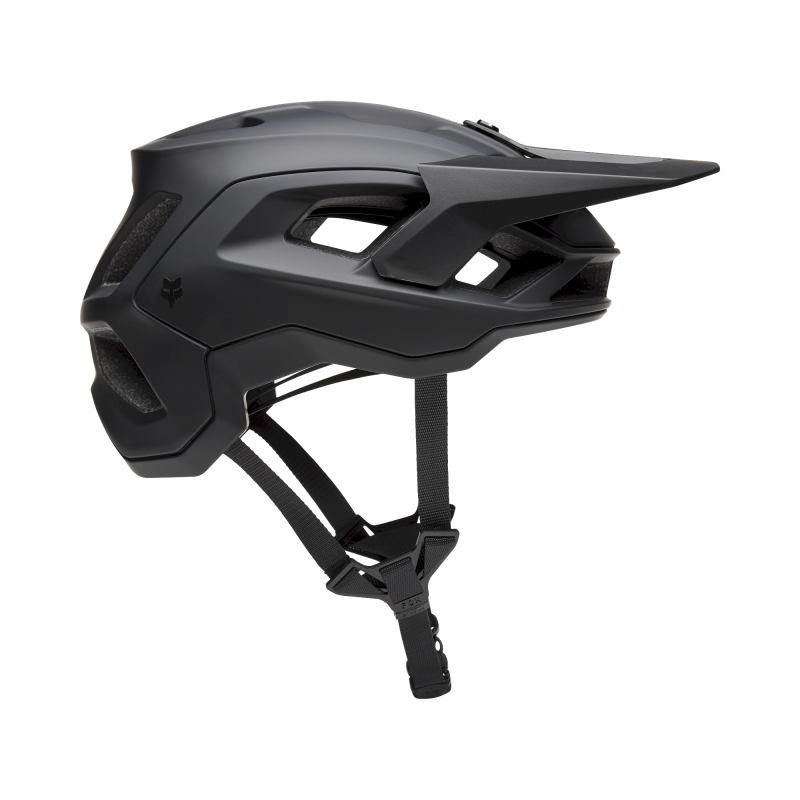
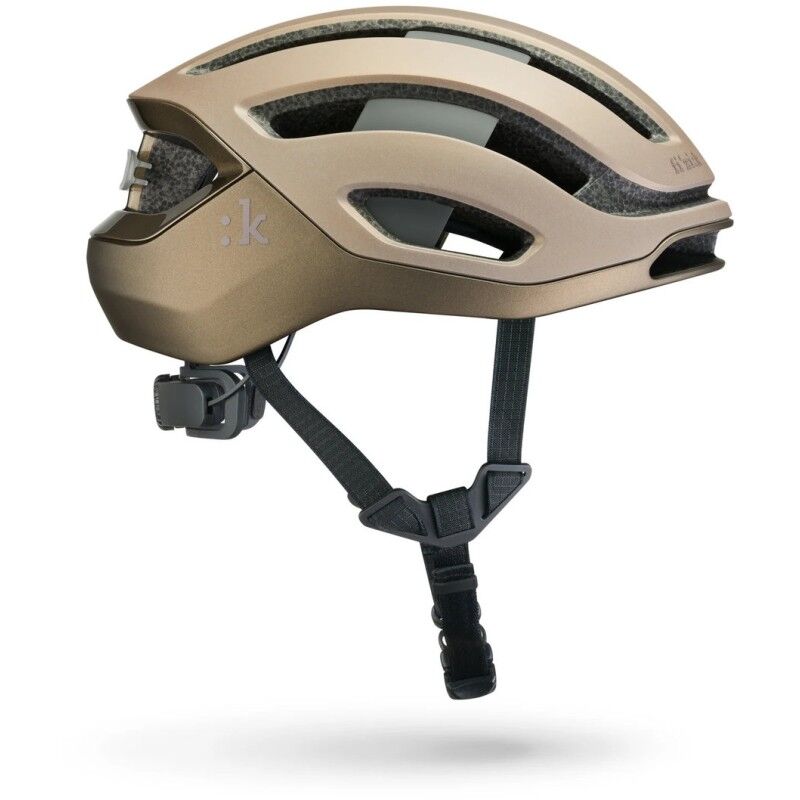
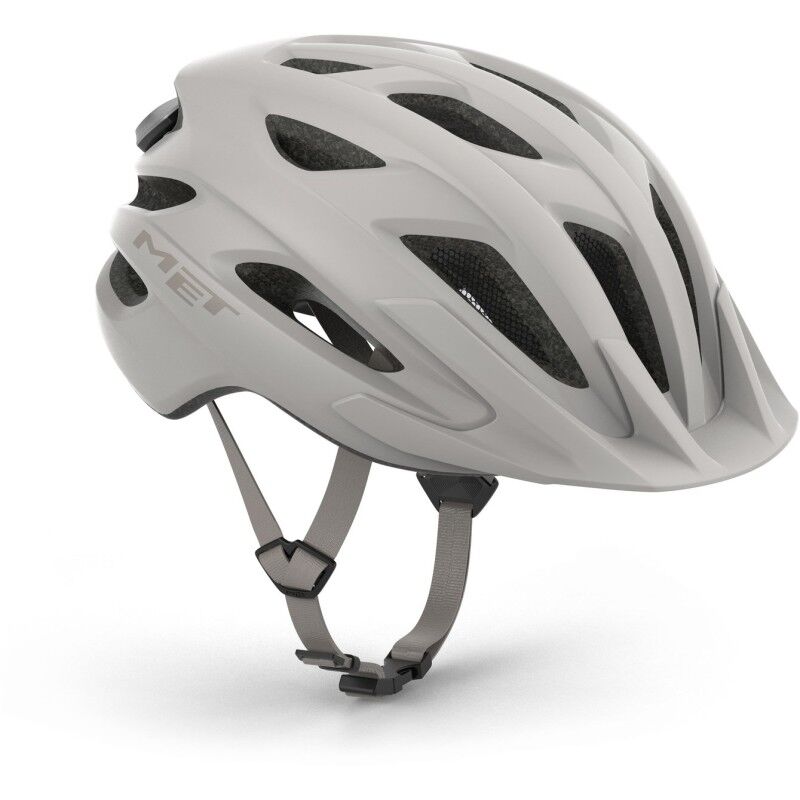
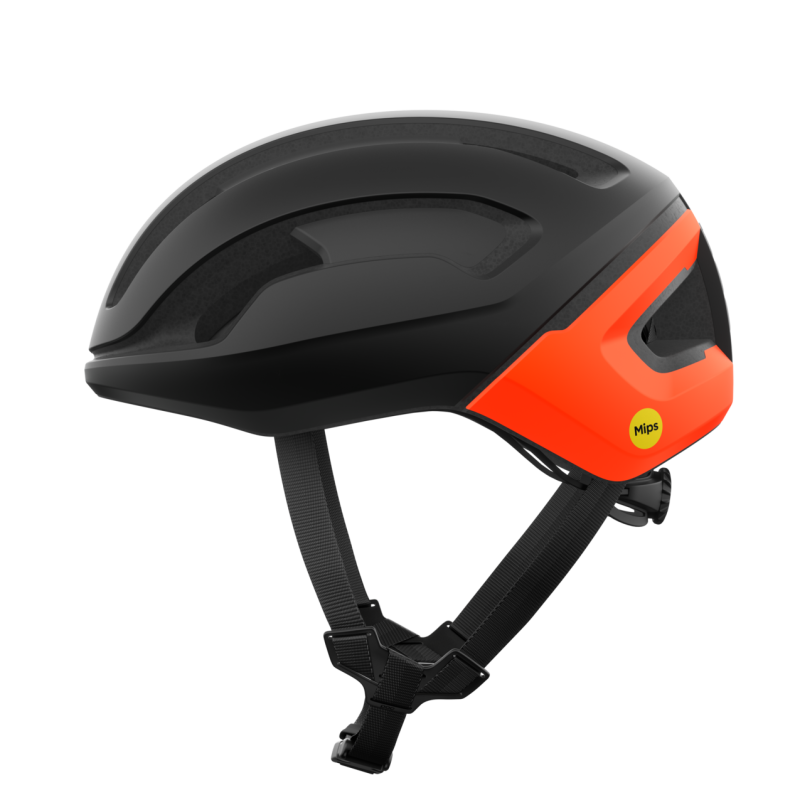




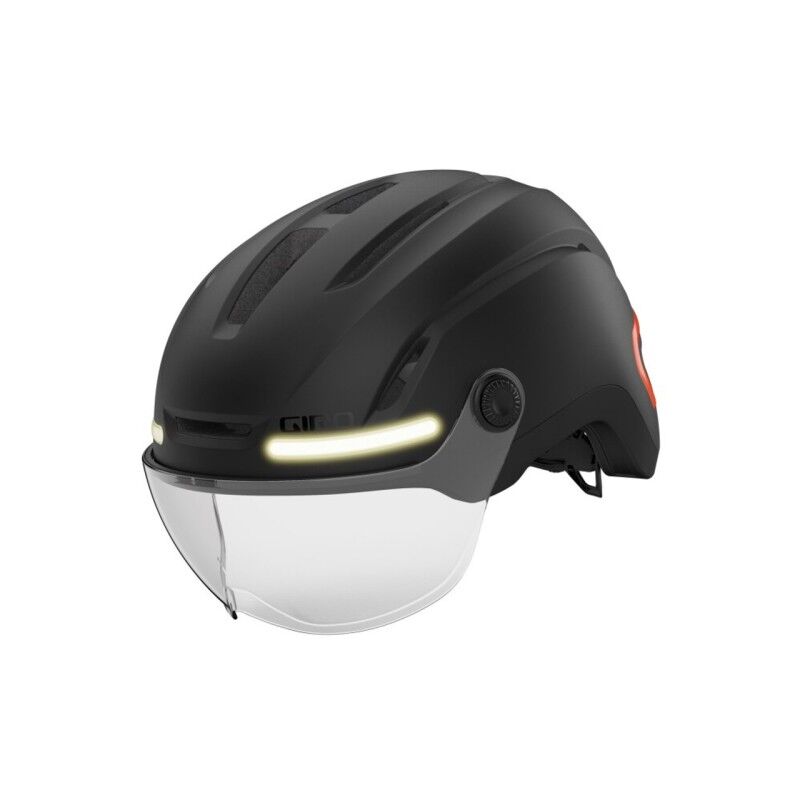
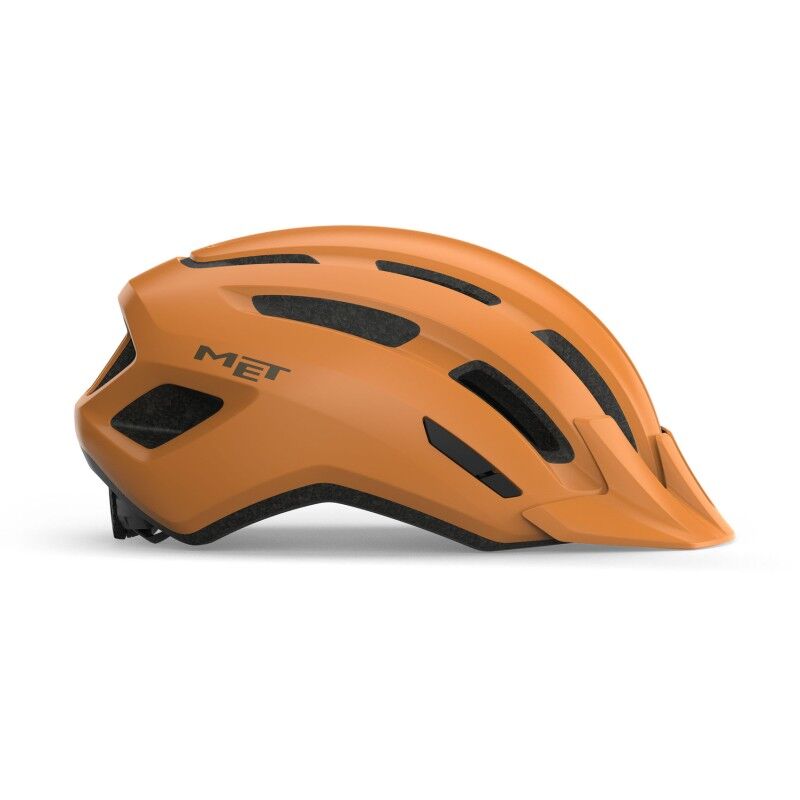

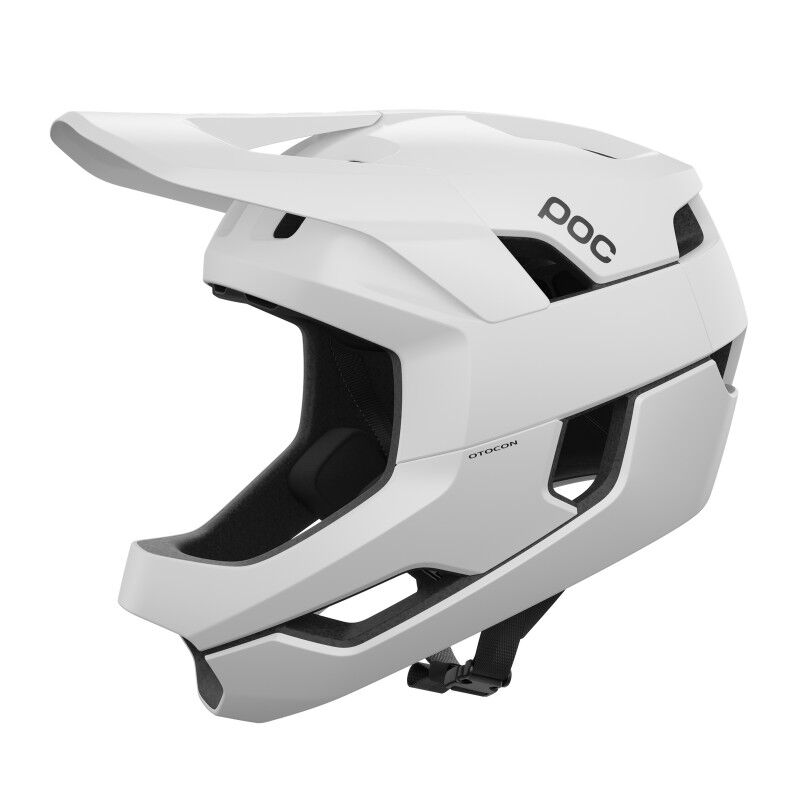
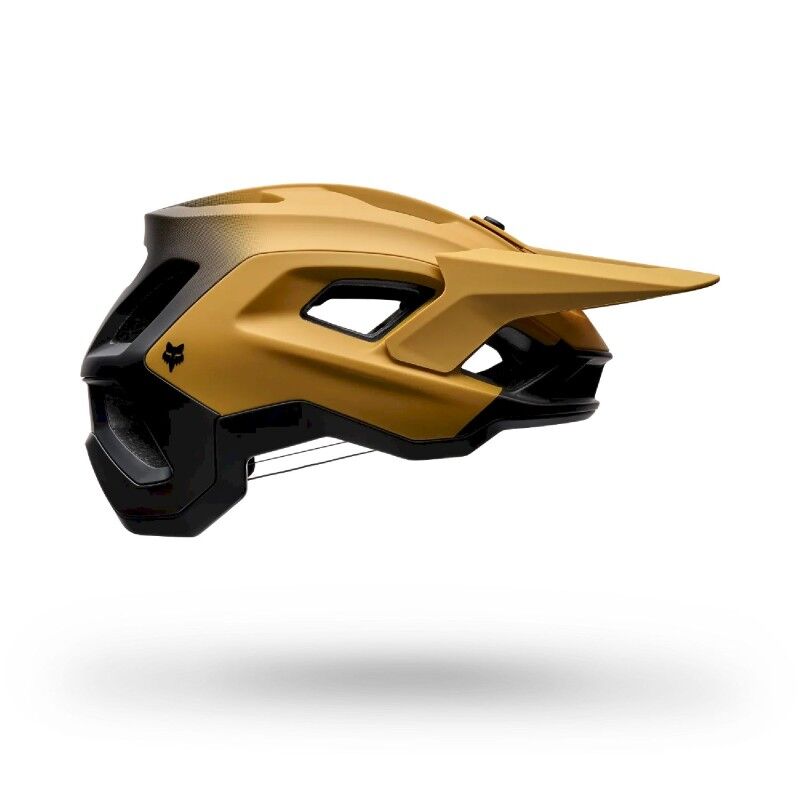


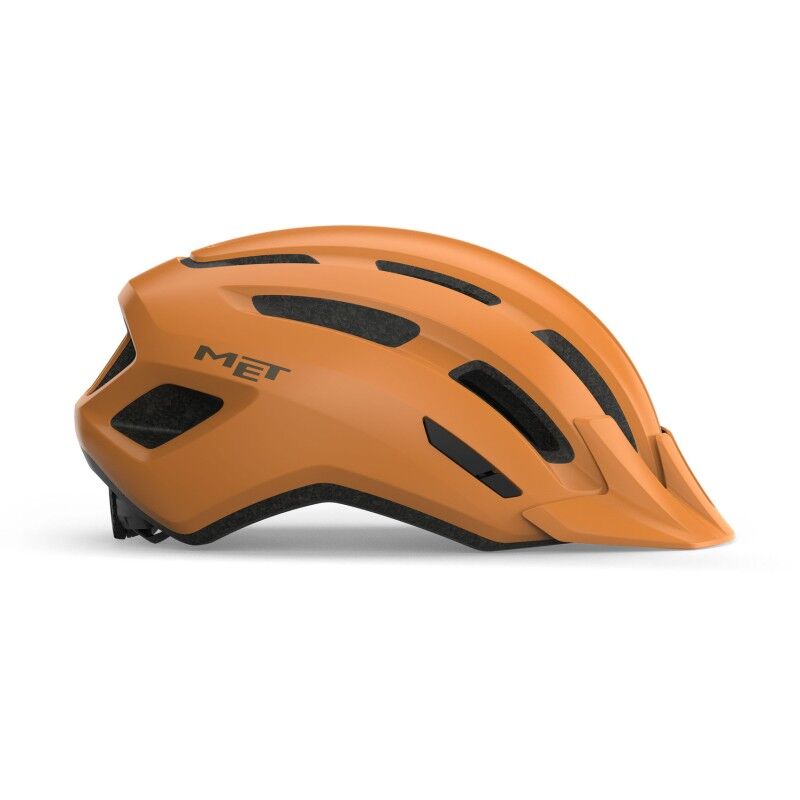
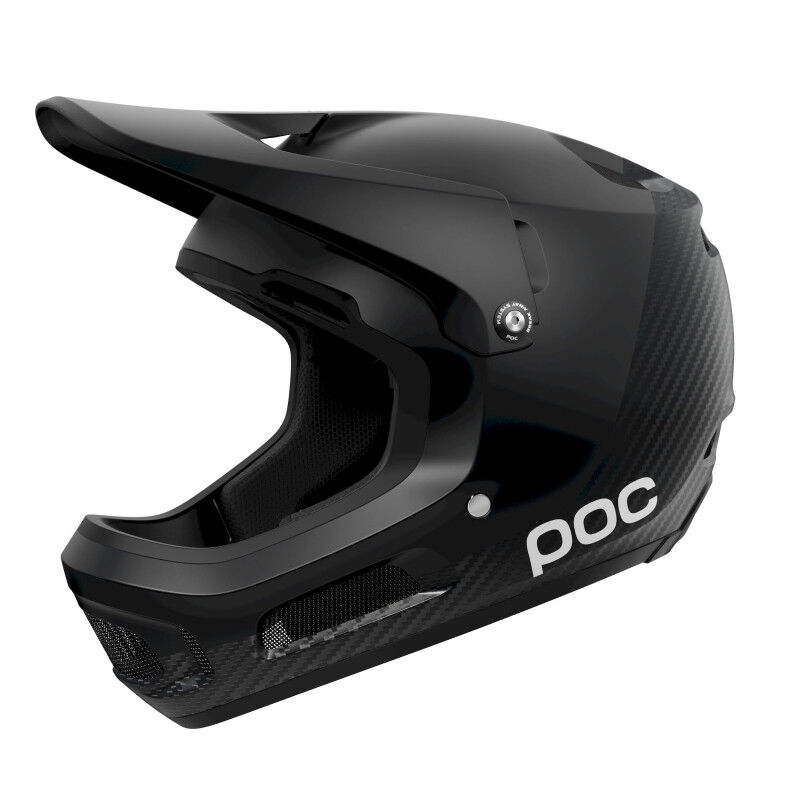
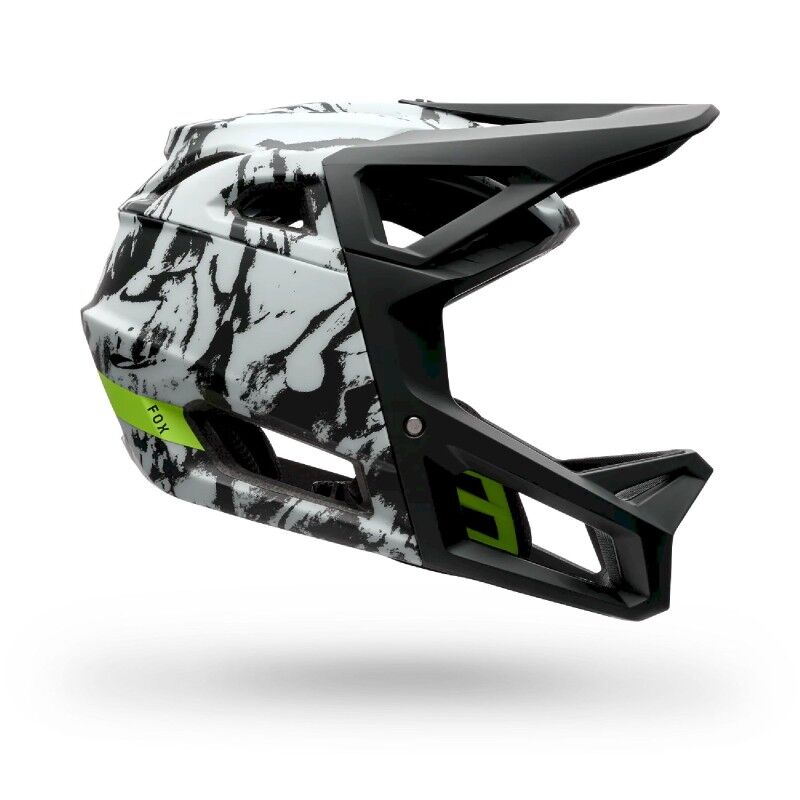
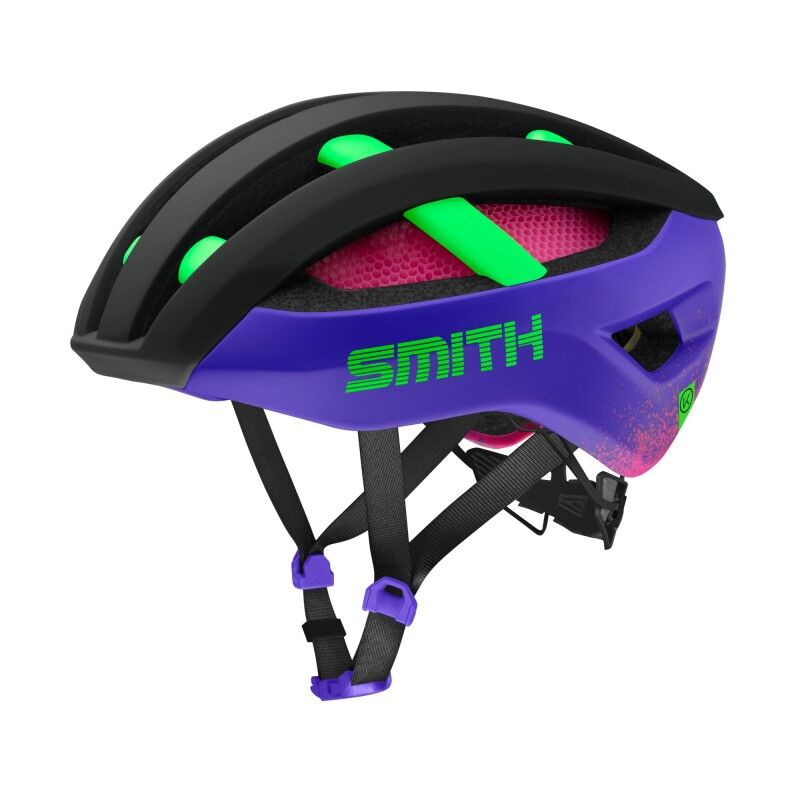



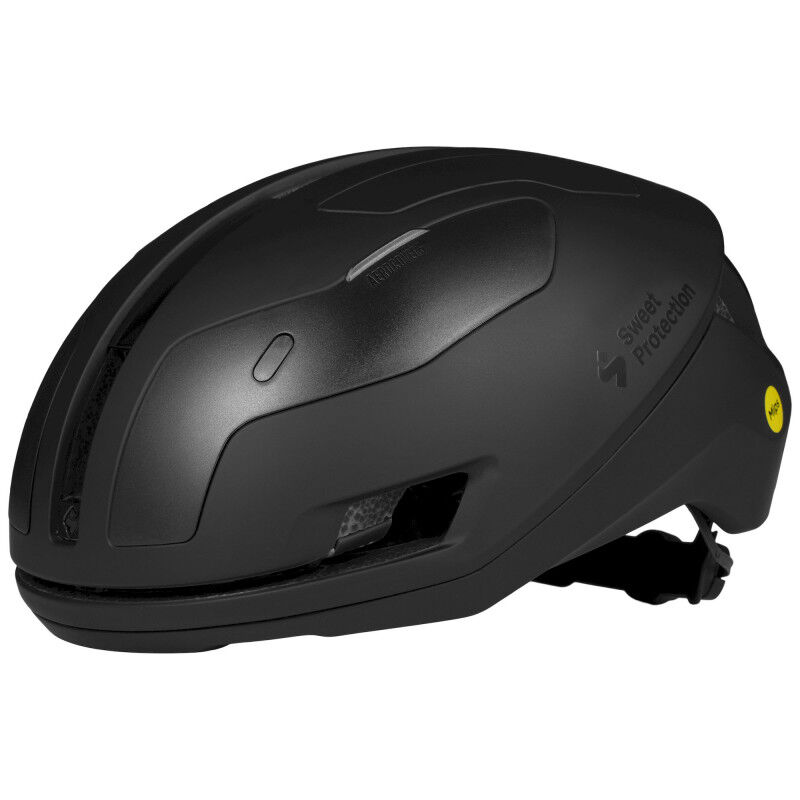
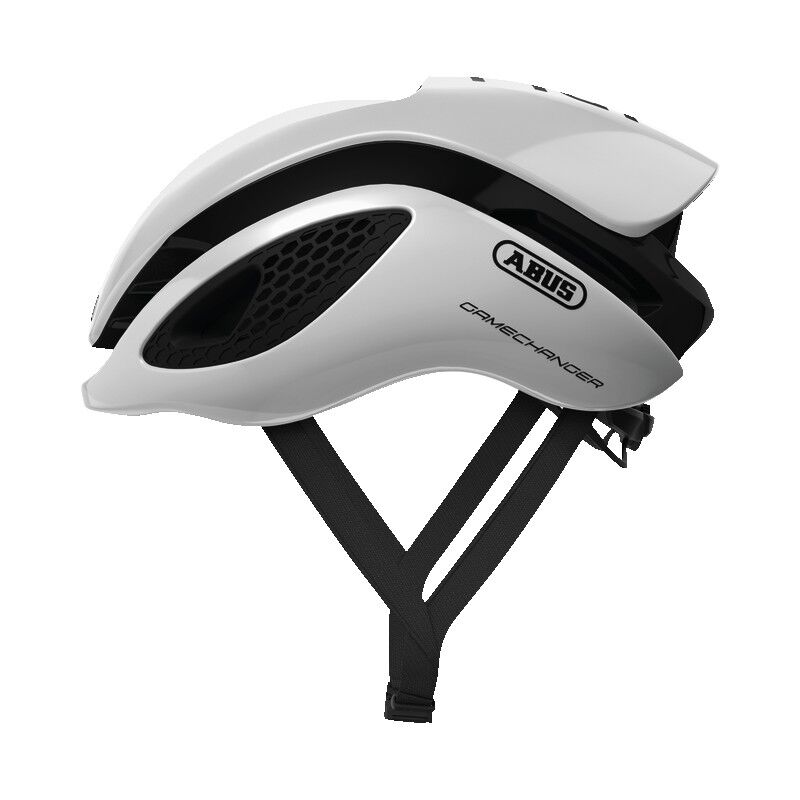
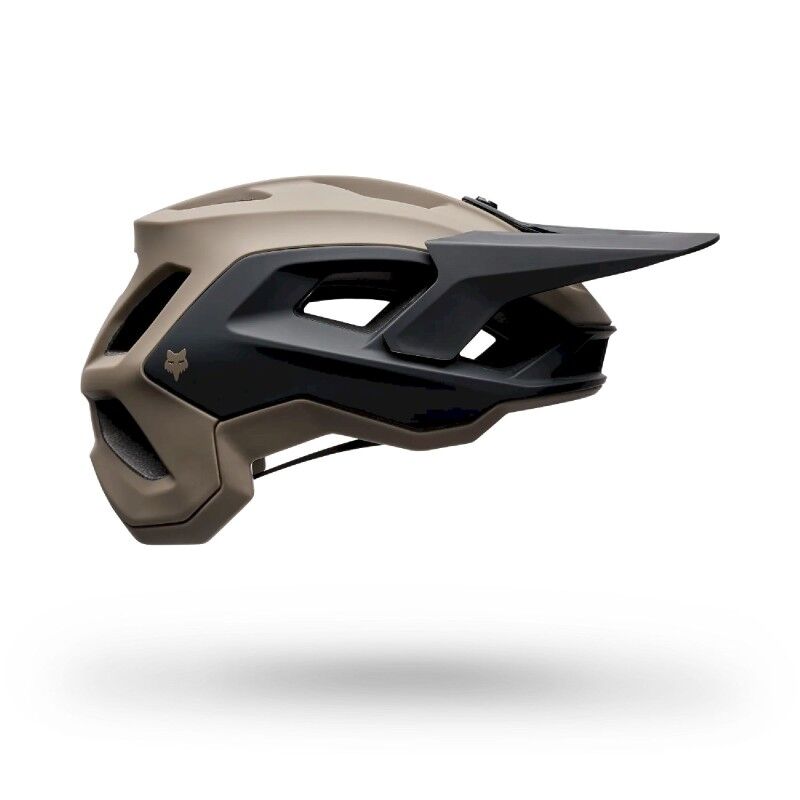

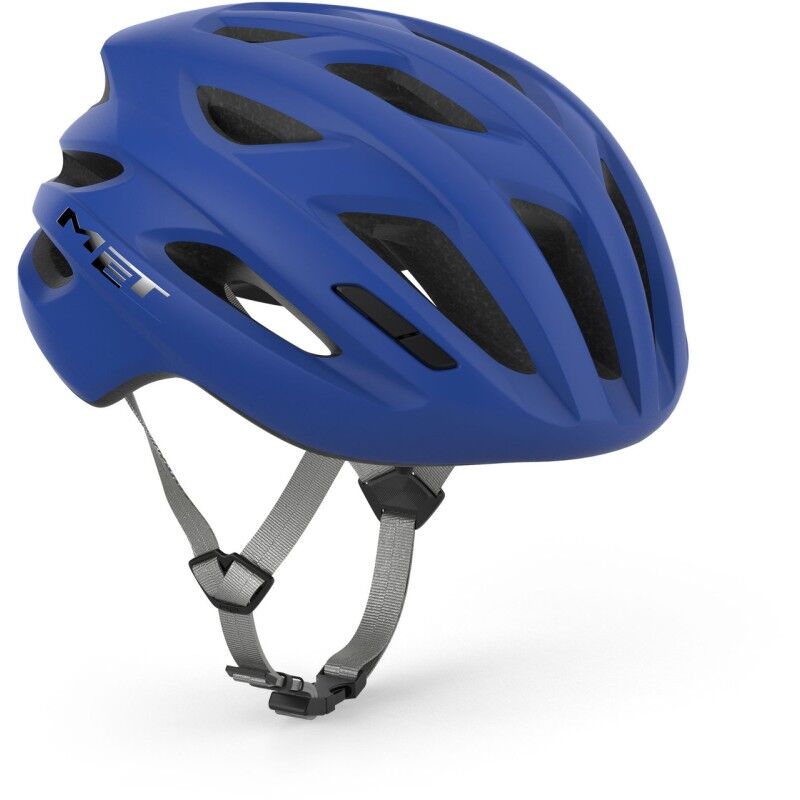
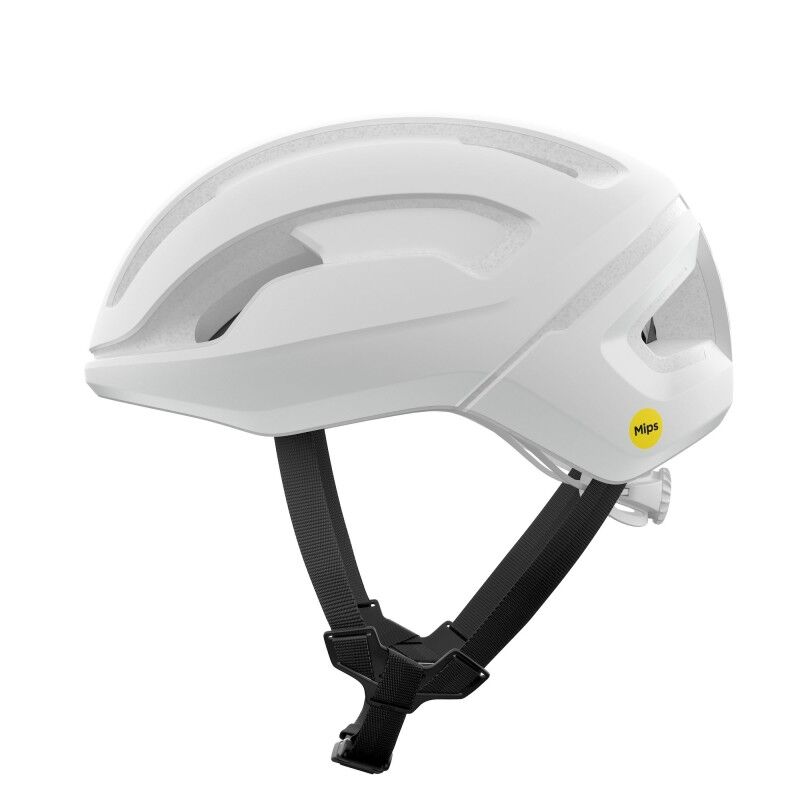
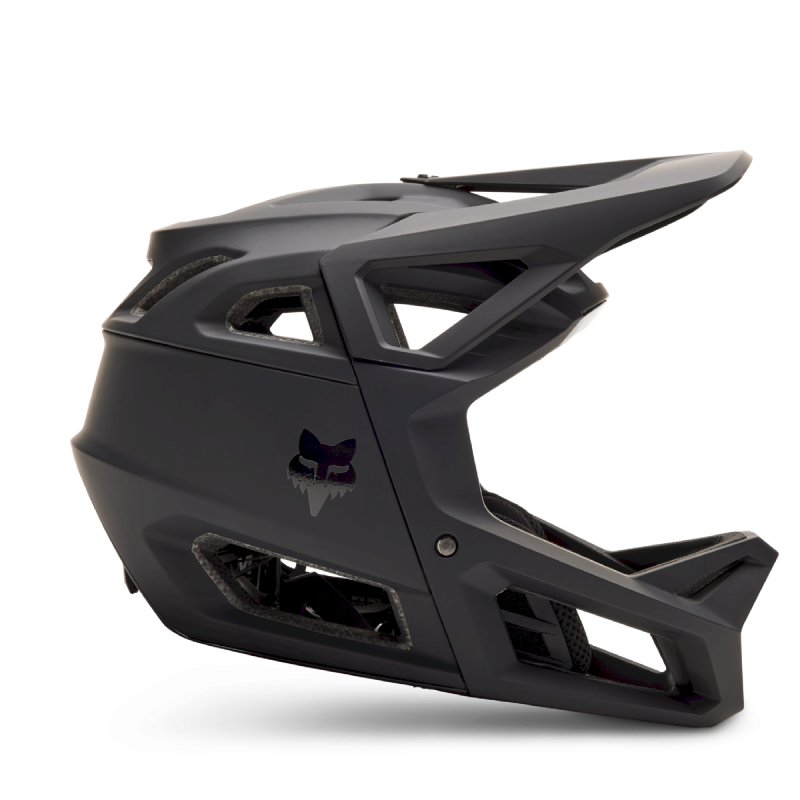
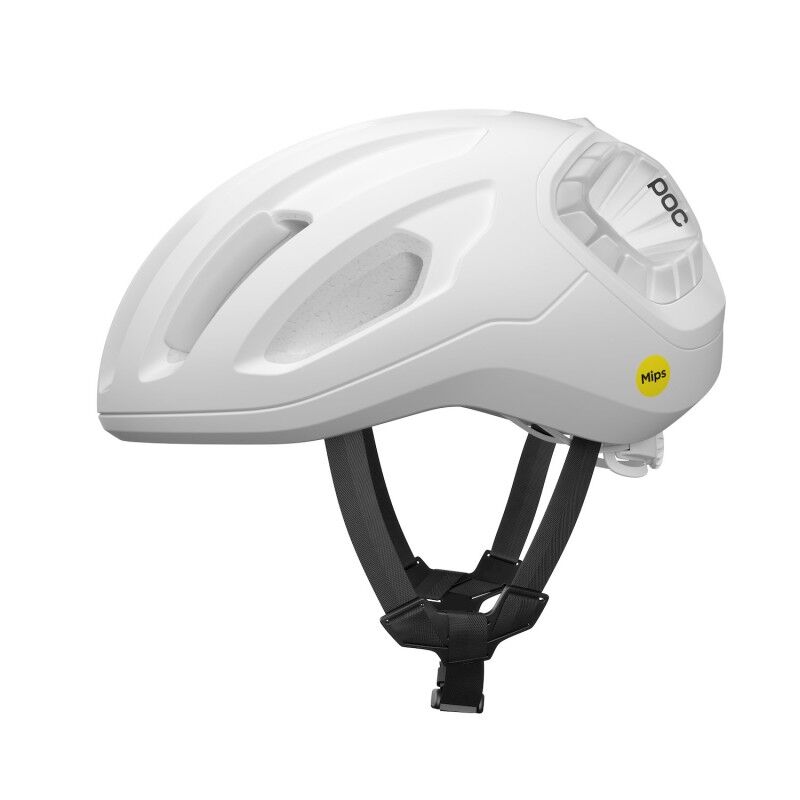

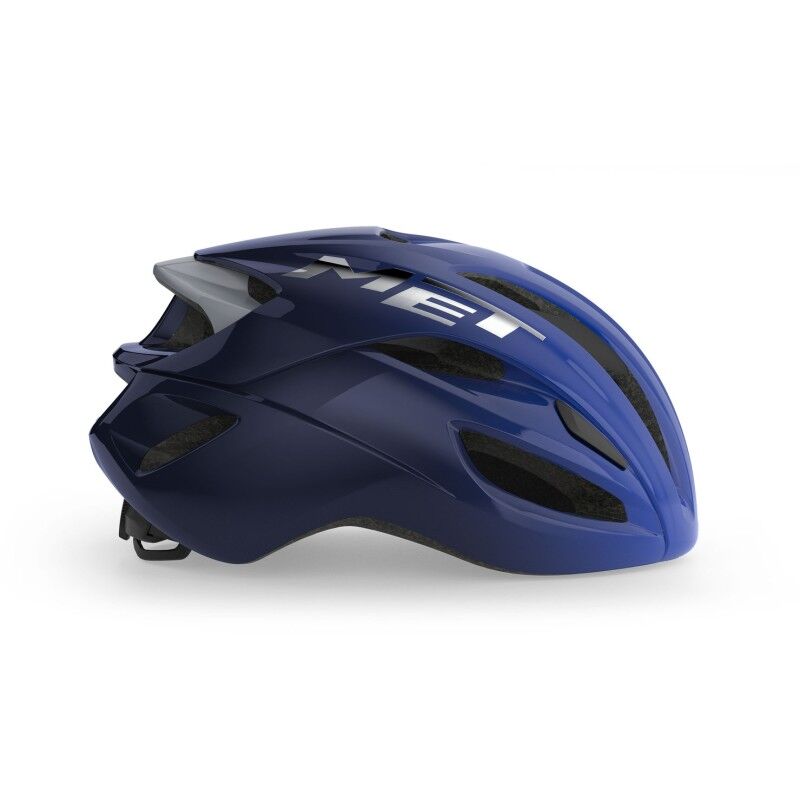
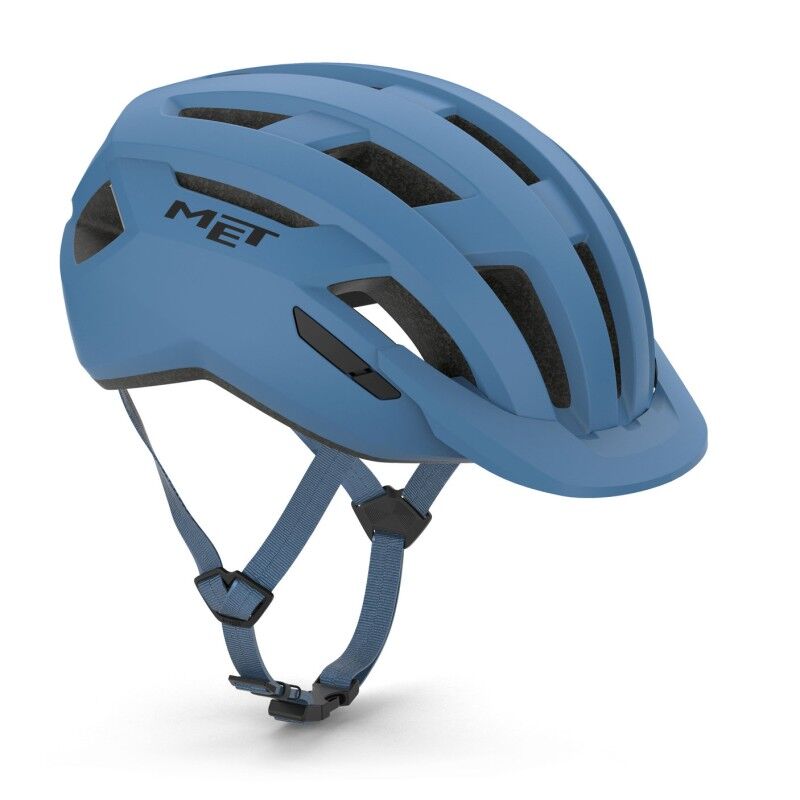
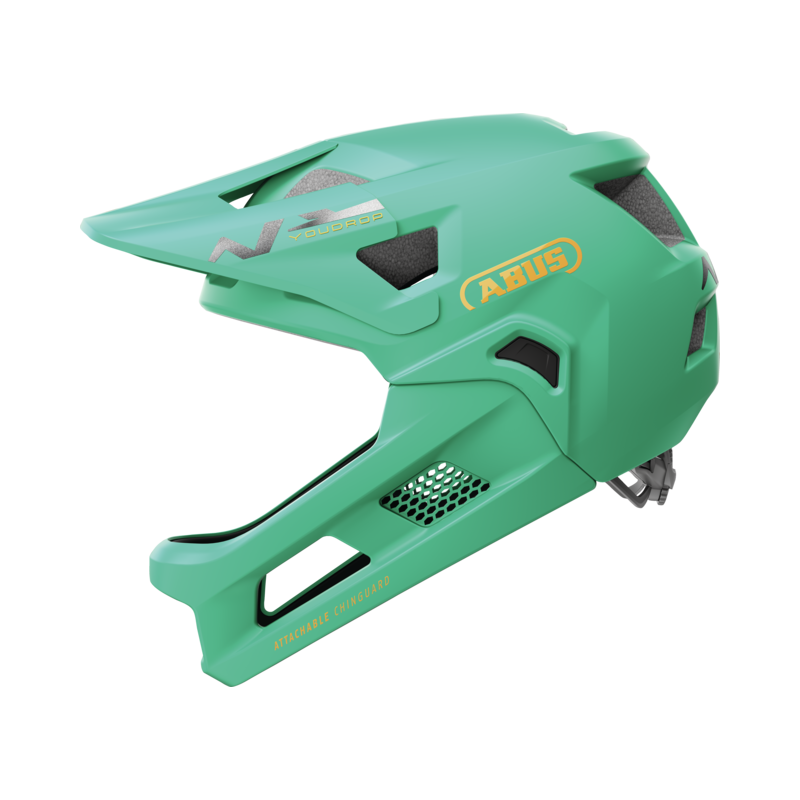
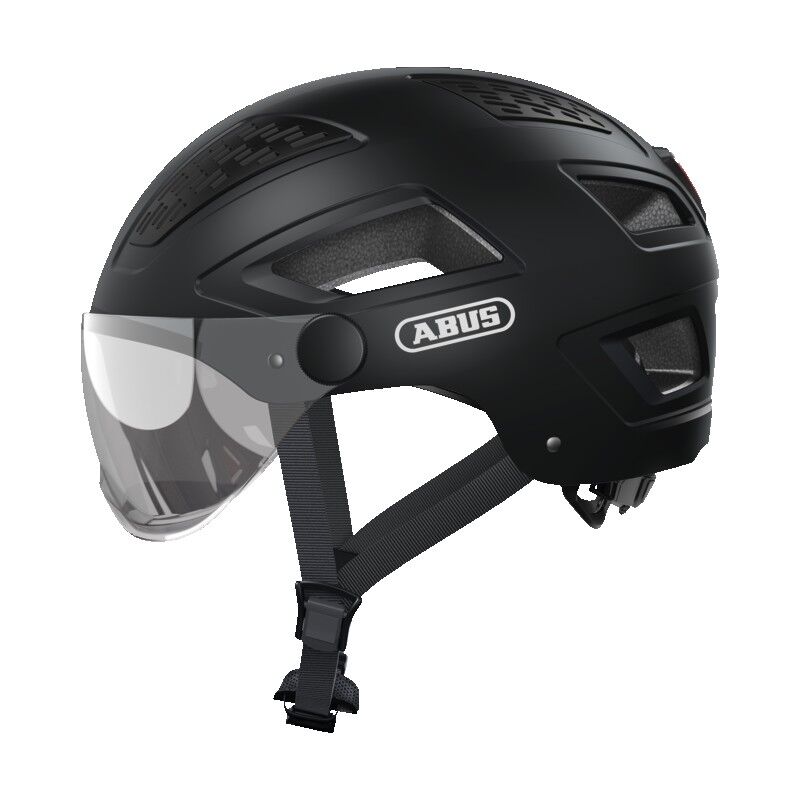
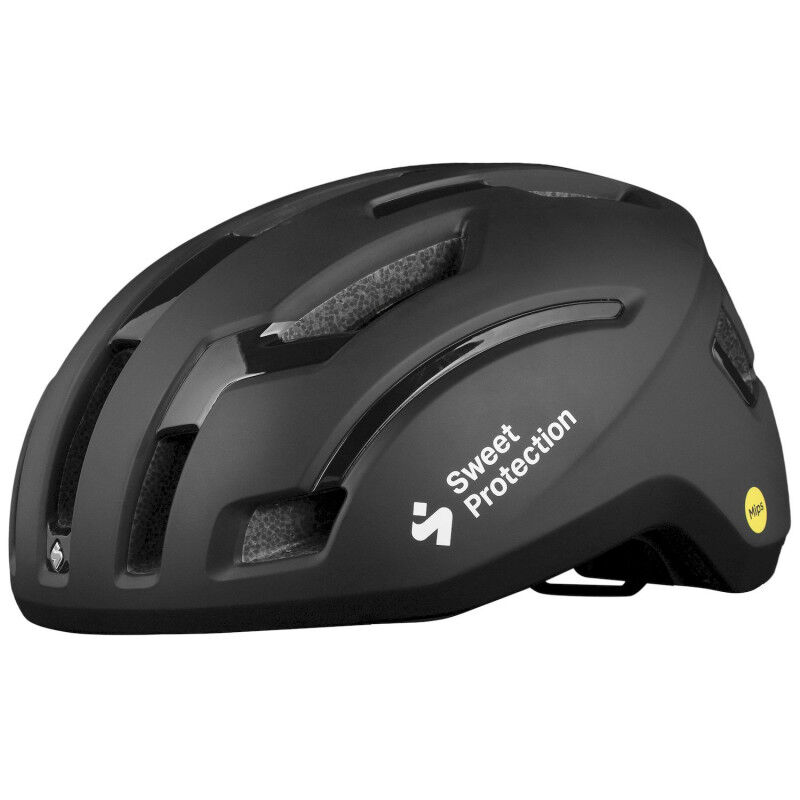
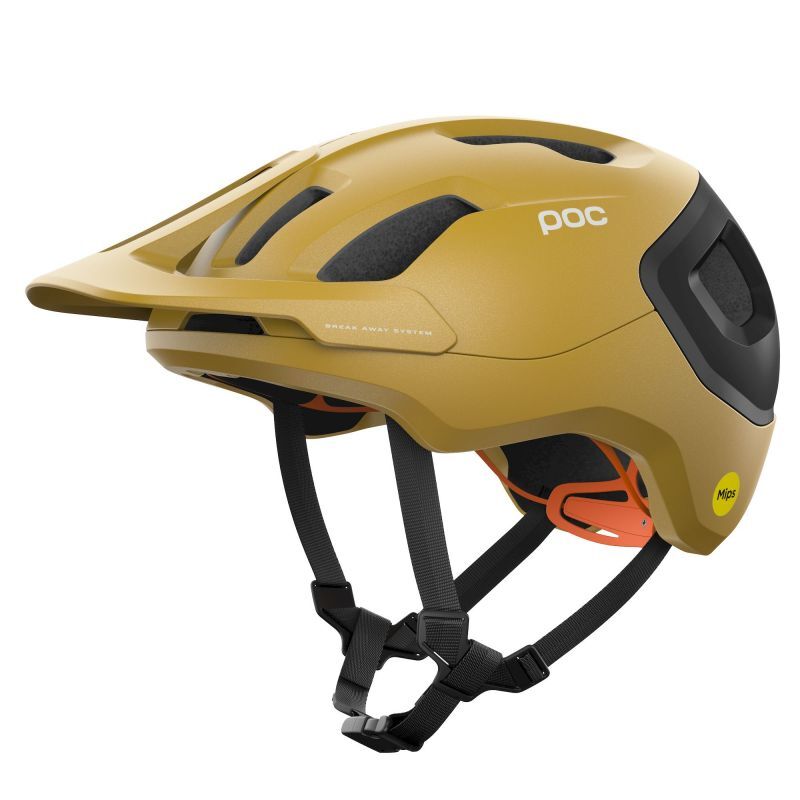
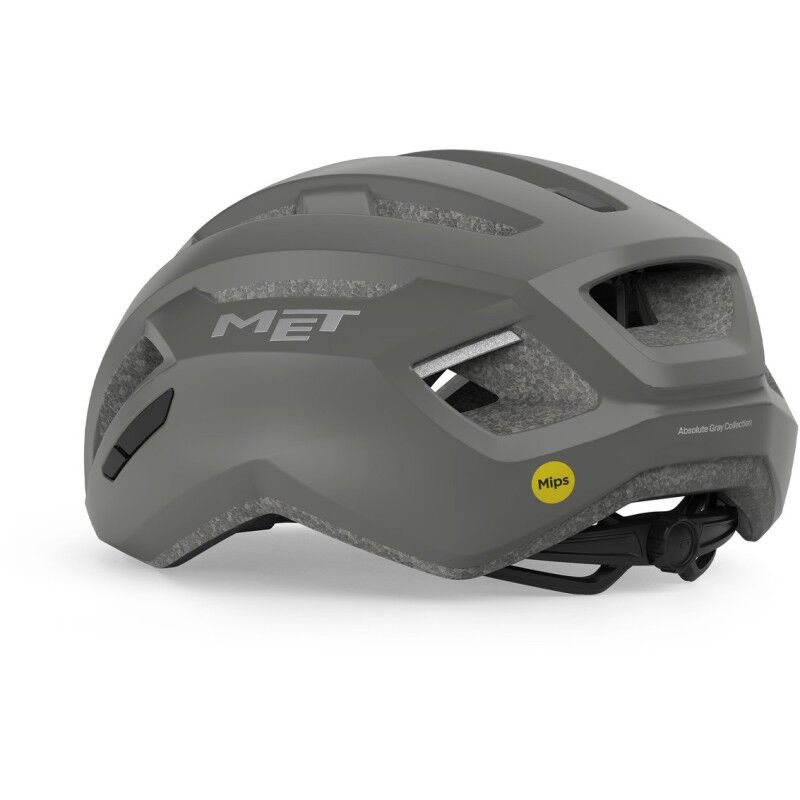
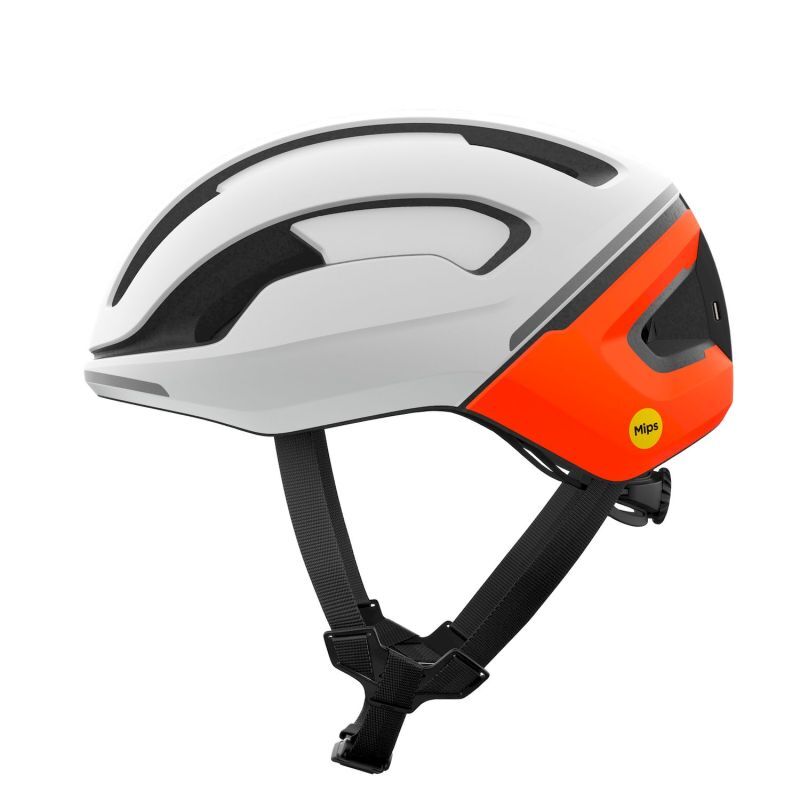
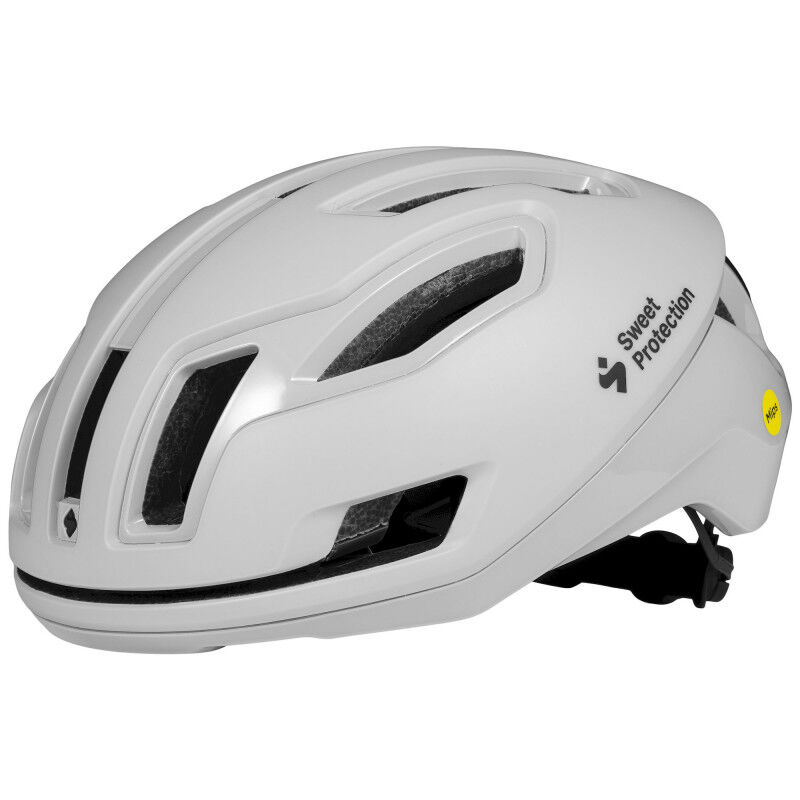
How to choose your bike helmet?
Choosing a bike helmet is a bit like finding the right pair of shoes: it has to fit just right! And for good reason, a poorly fitting helmet won't protect you properly in case of a fall. The first essential step: choose the right size by measuring your head circumference. Grab a flexible measuring tape and wrap it around your head just above your eyebrows and ears, at the widest point. This measurement, typically between 52 and 62 cm for an adult, will guide you to the right size.
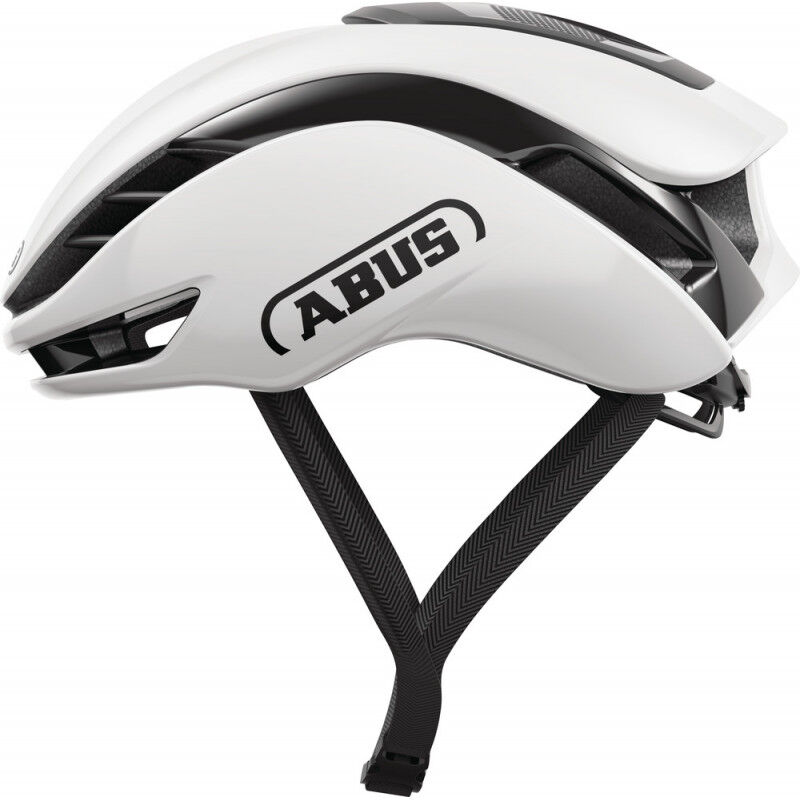
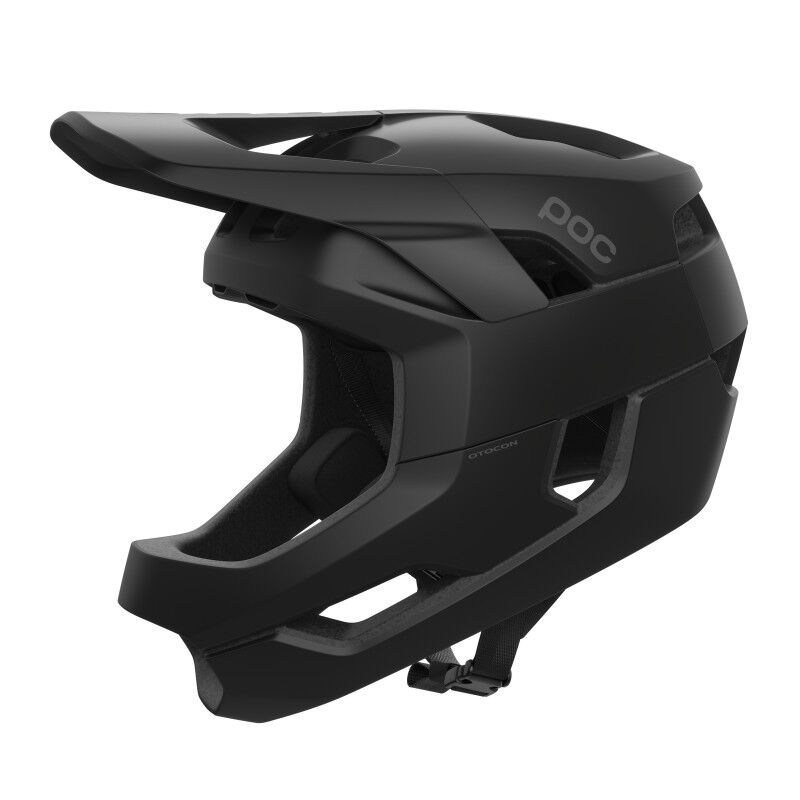
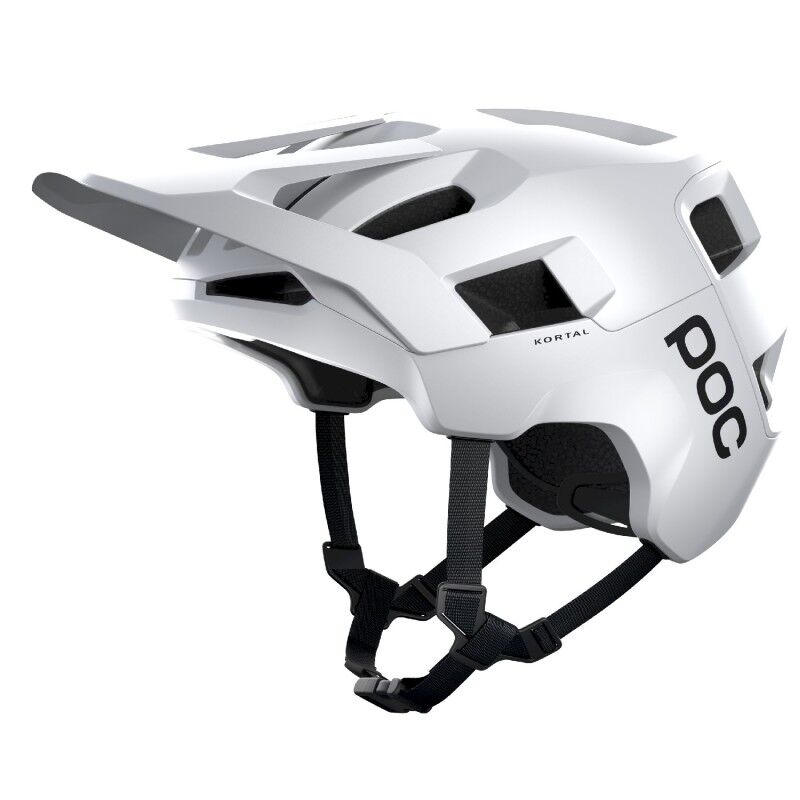
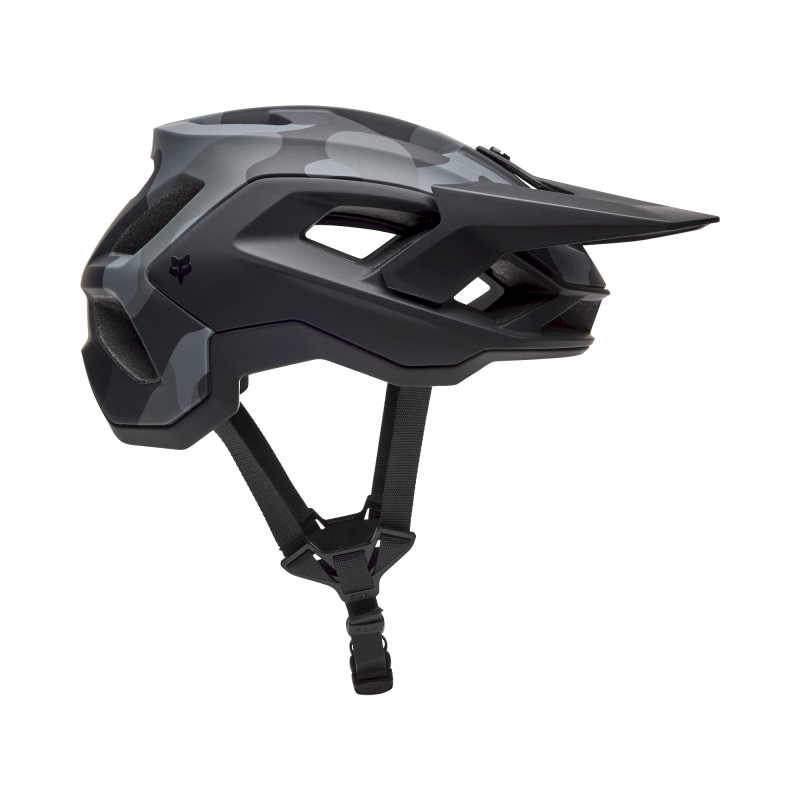
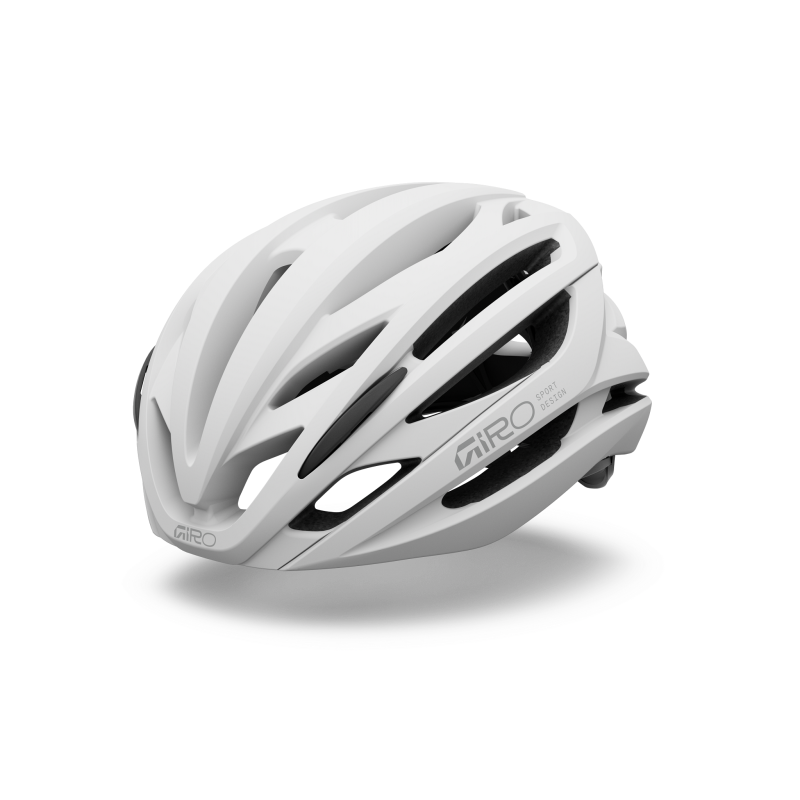
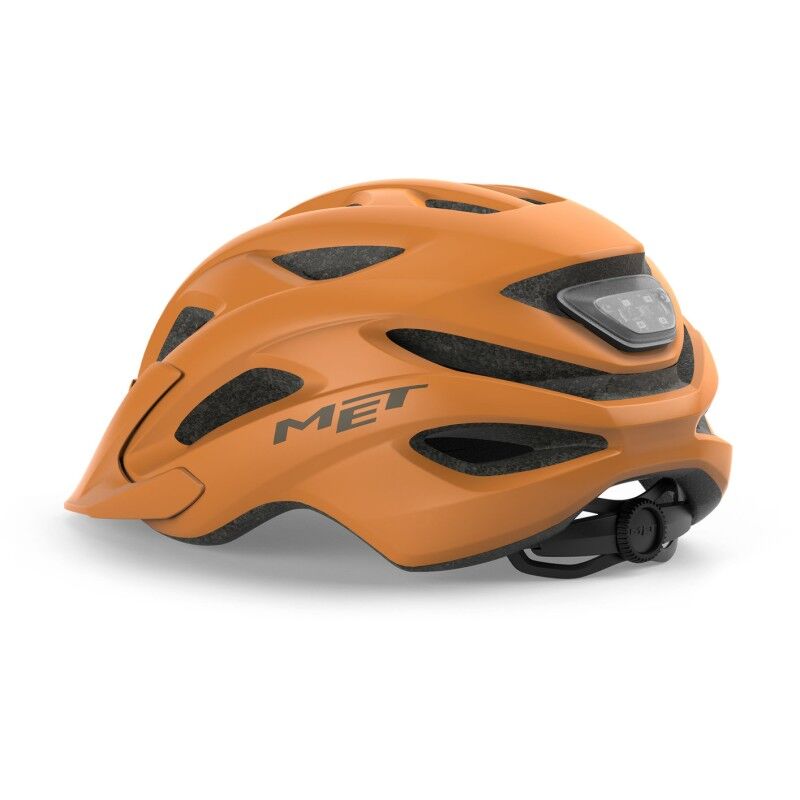
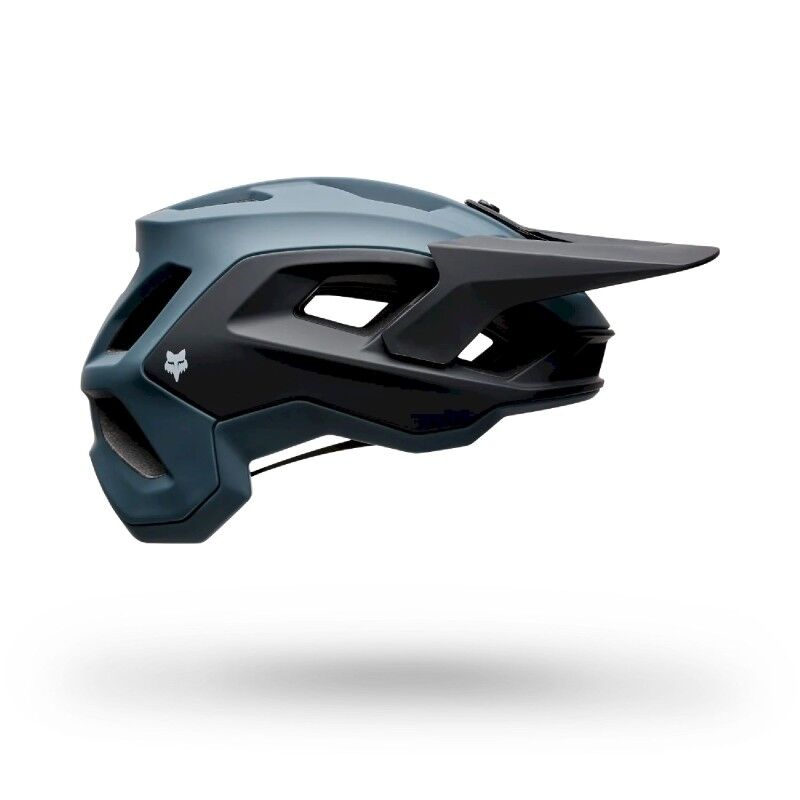
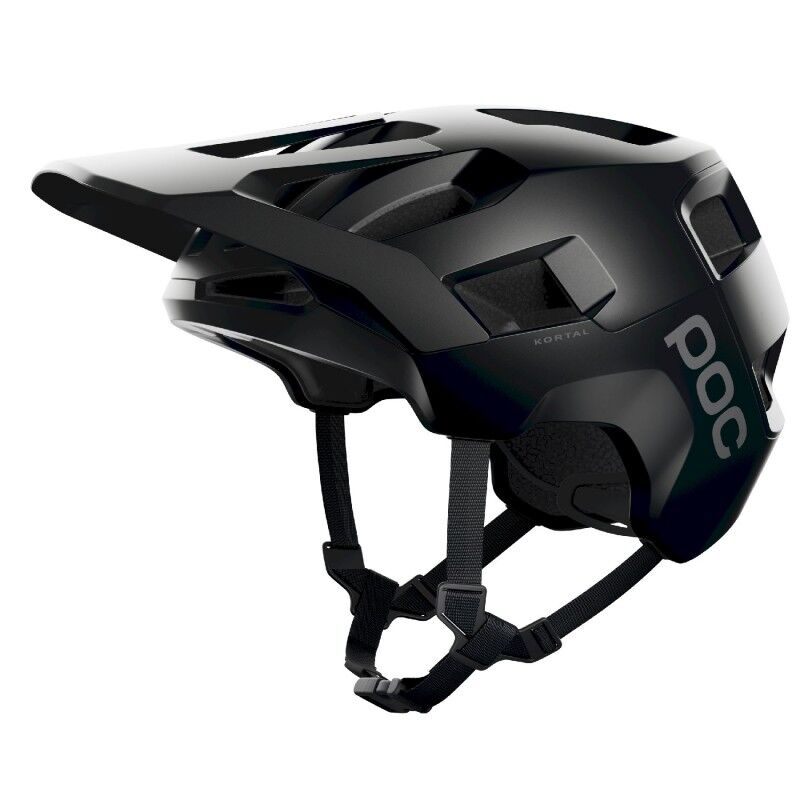
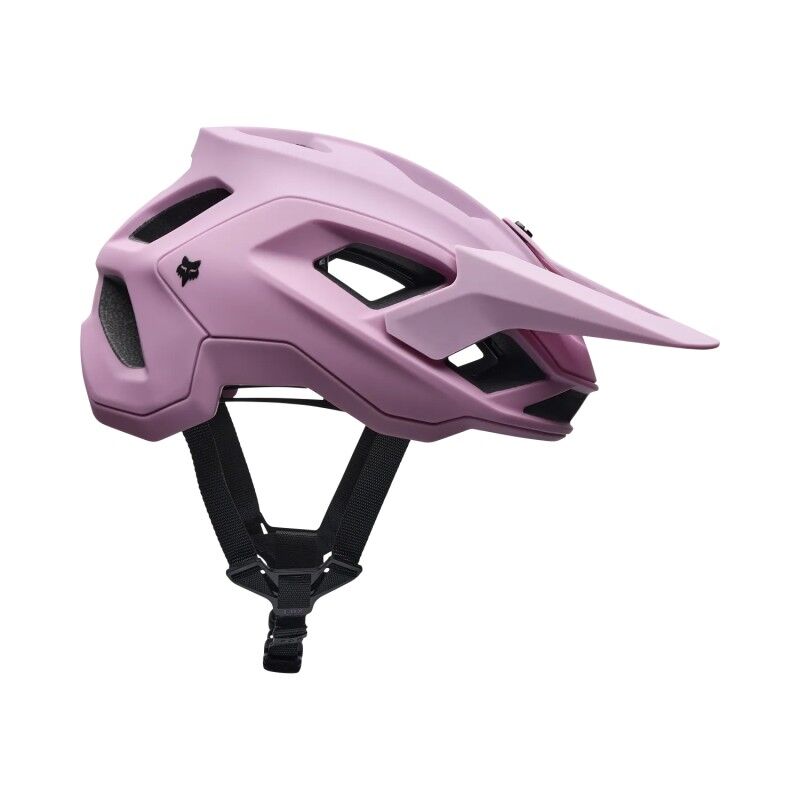
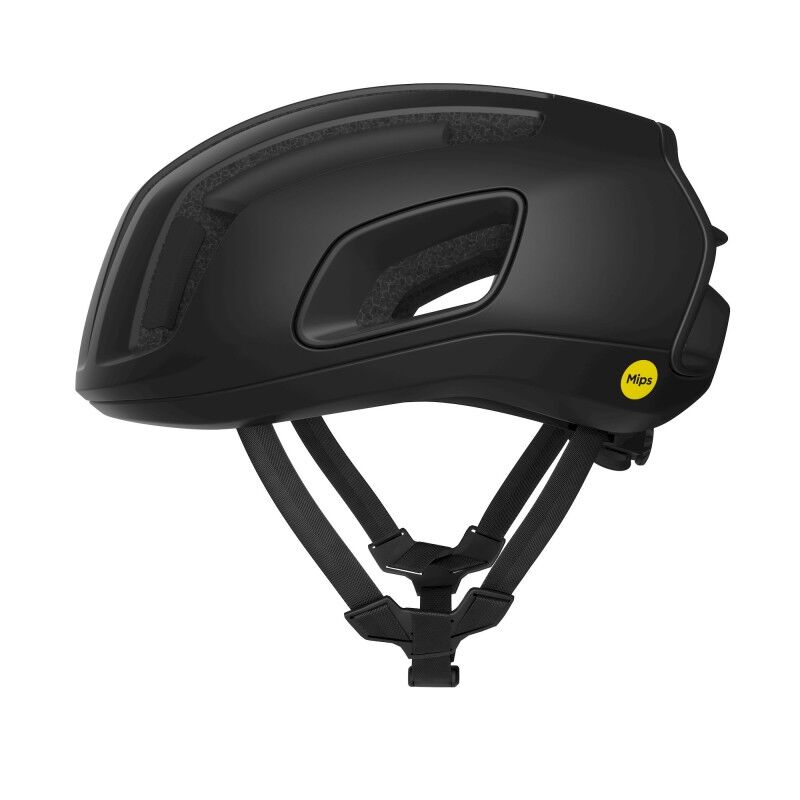
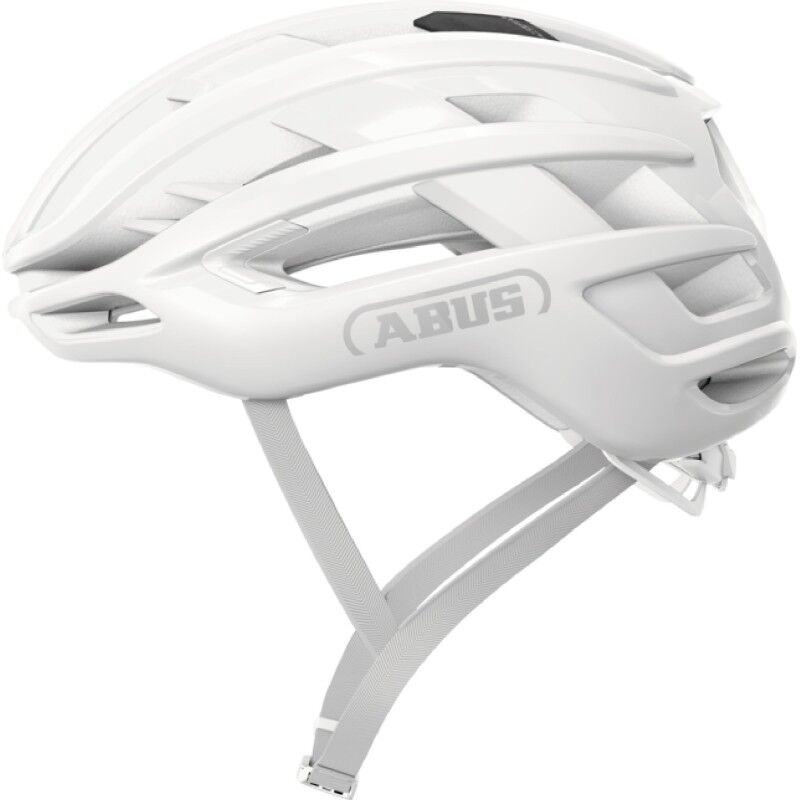
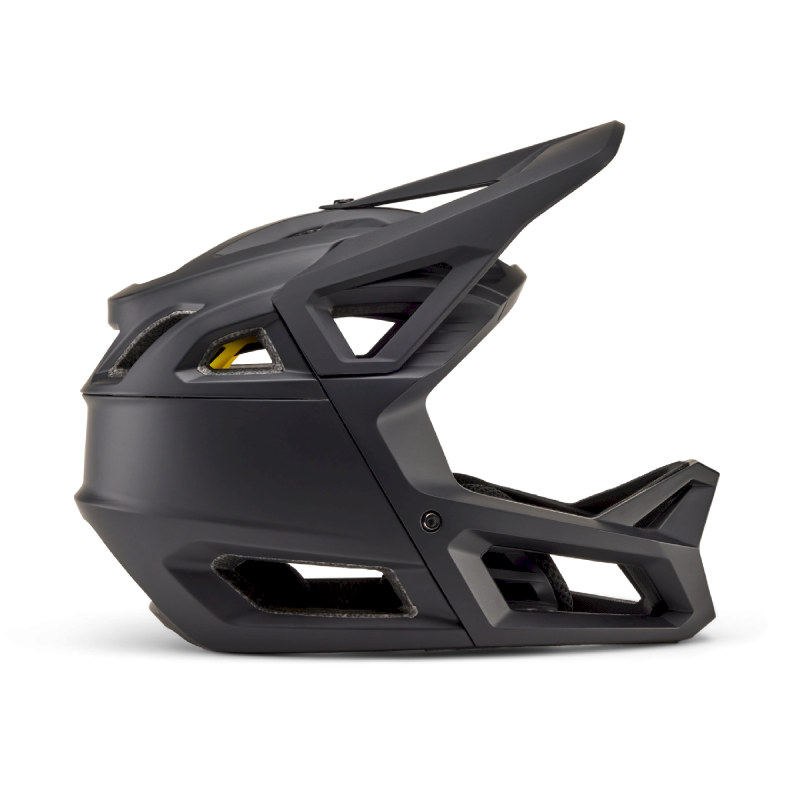
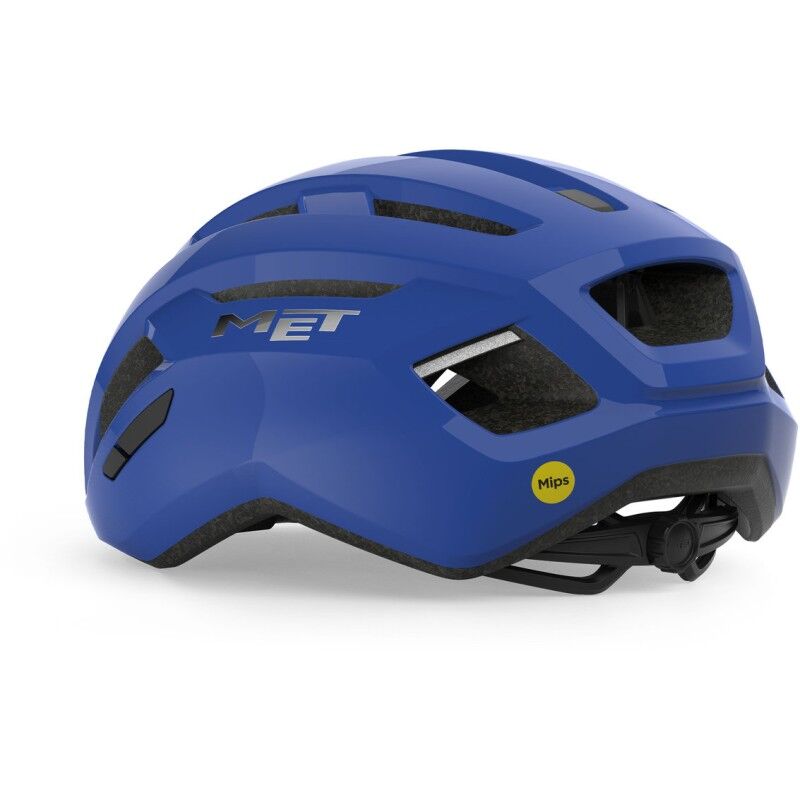
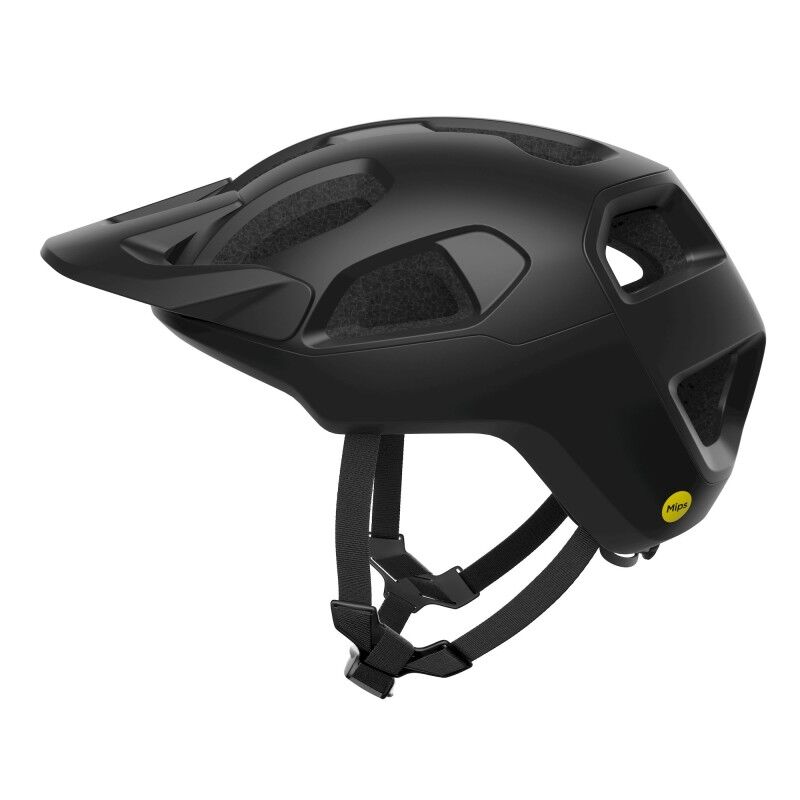
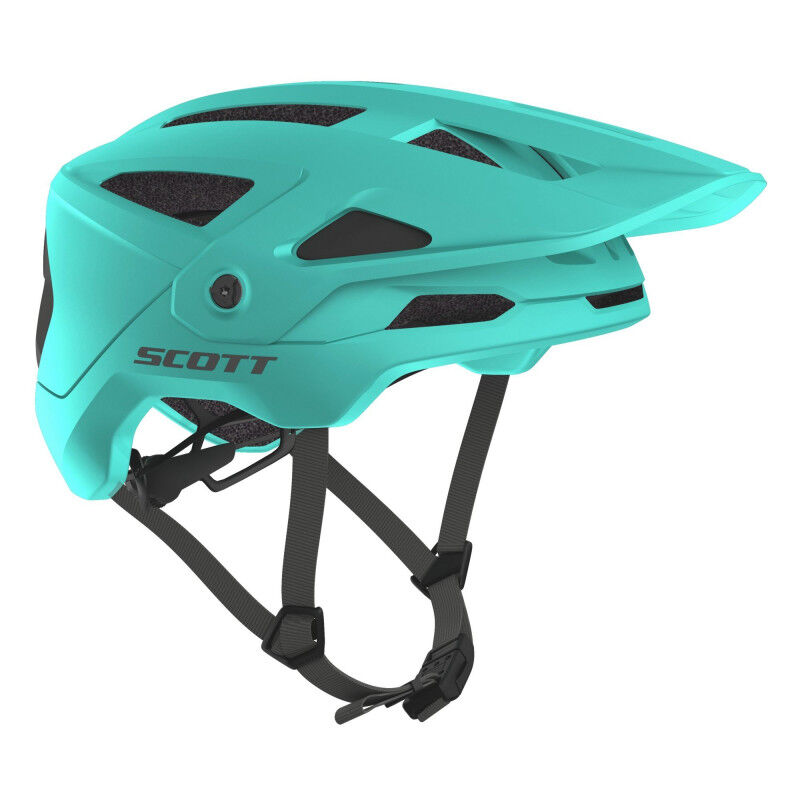
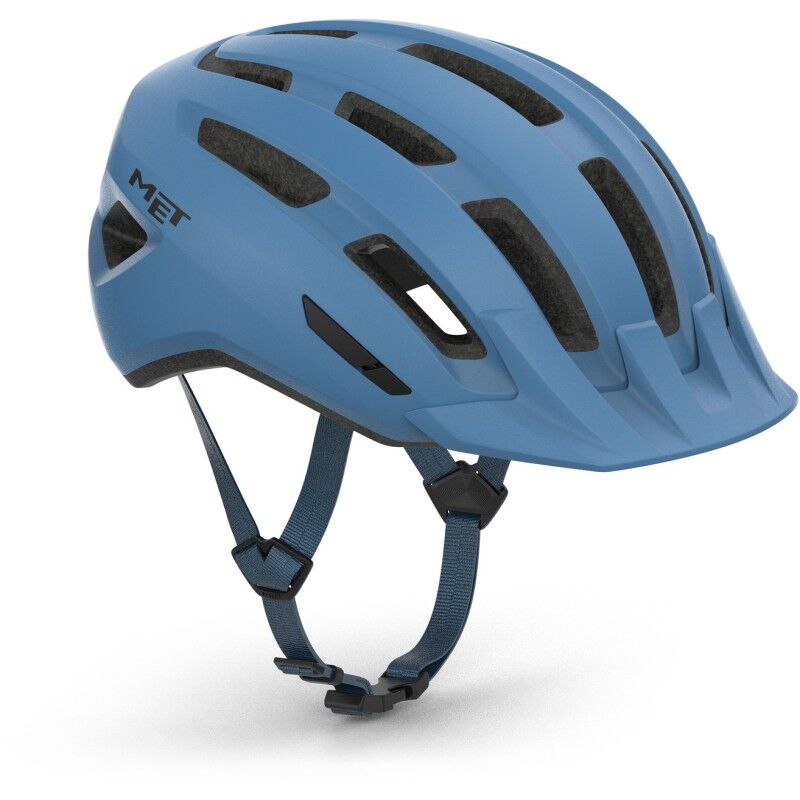
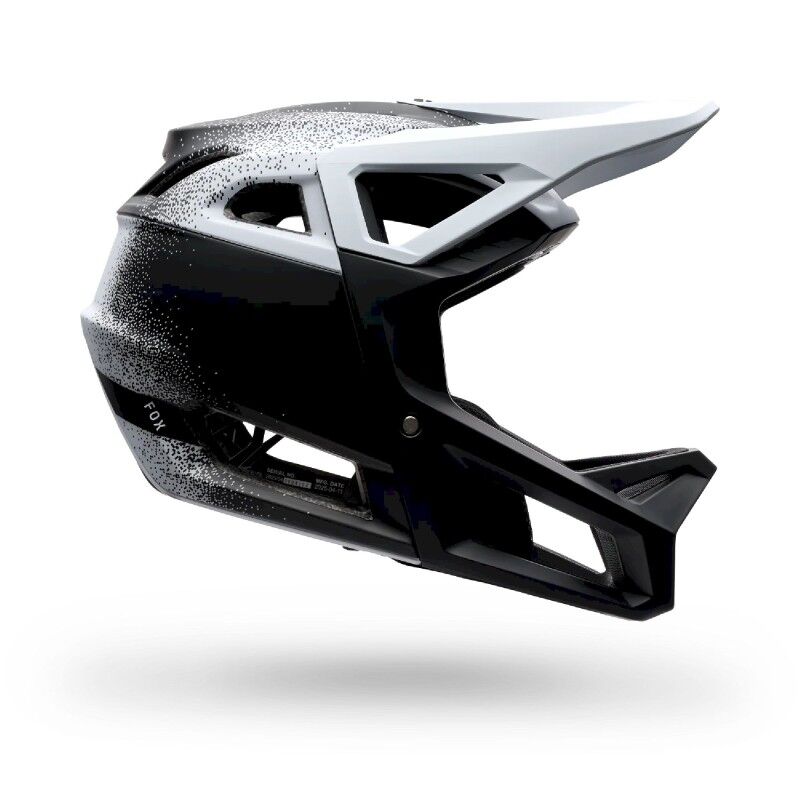
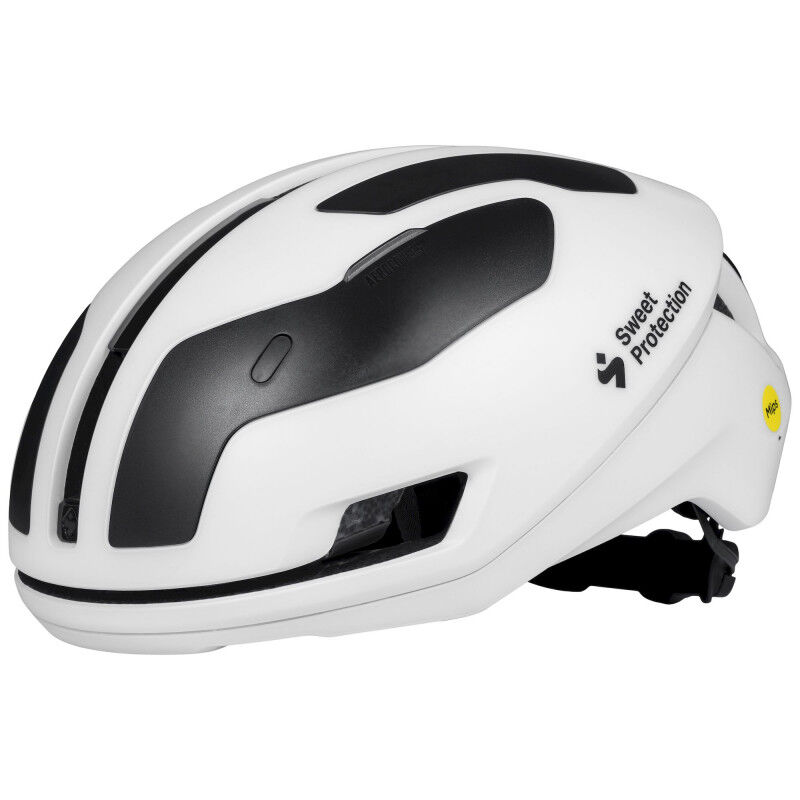
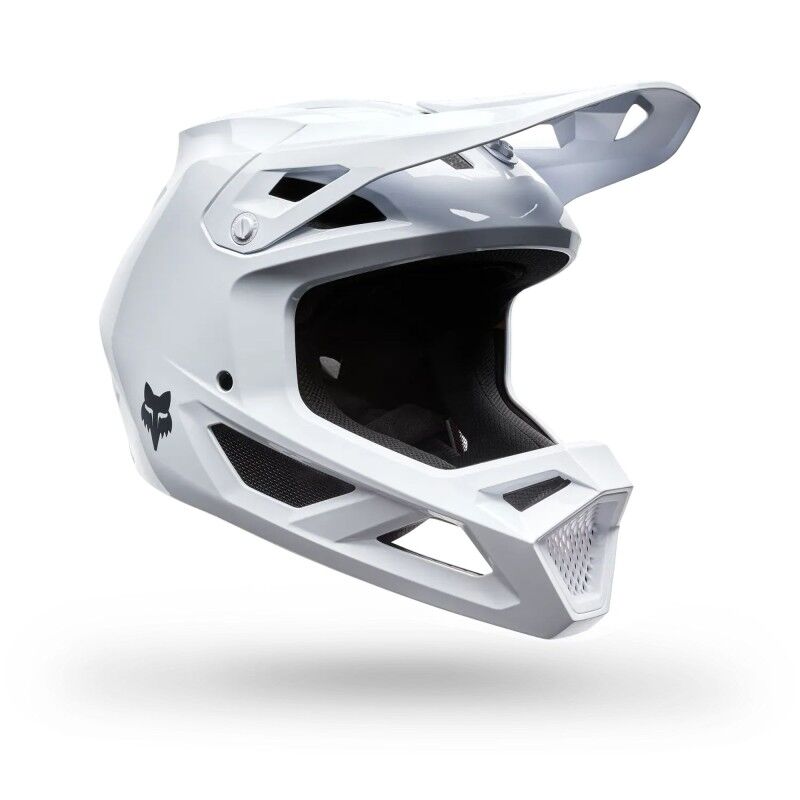
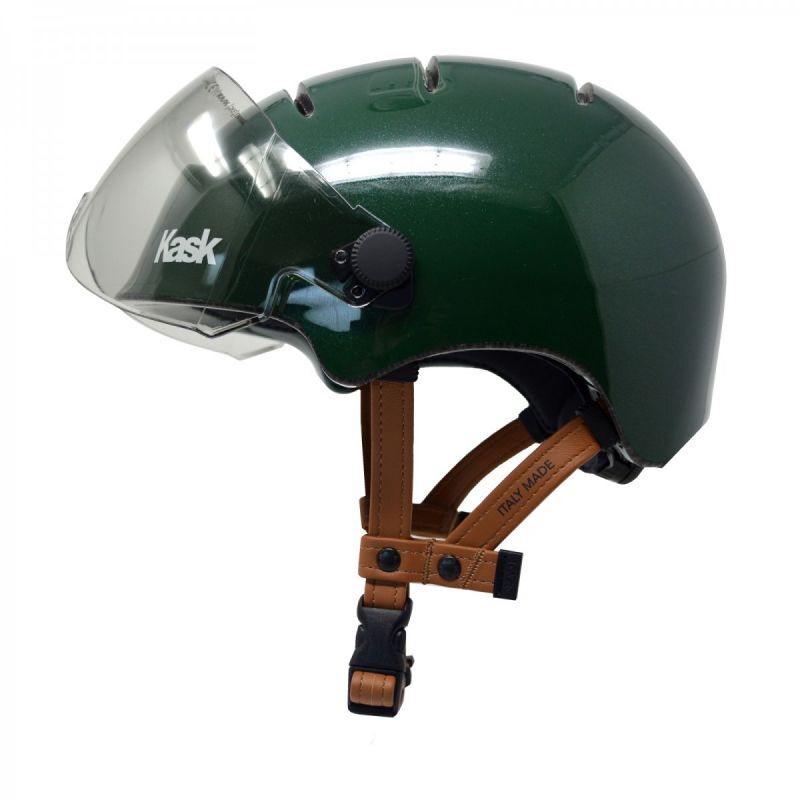
The different ranges of helmets cater to specific practices. If you mainly ride in the city, an urban bike helmet will offer protection and practicality, often featuring a built-in visor and a sleek design. Road cyclists will appreciate road bike helmets, which are lightweight and aerodynamic, designed for long rides. For trail enthusiasts, mountain bike helmets provide enhanced protection at the back of the head and better coverage of the temples. And let’s not forget the little ones: kids' bike helmets combine maximum safety with fun designs so our young cyclists can ride with peace of mind.
The comfort of fit makes all the difference. A good bike helmet should sit flat on your head, about two fingers above your eyebrows. The side straps should form a V just below your ears, and the chin strap should comfortably secure under your chin, allowing for one or two fingers to fit. The occipital adjustment dial allows you to fine-tune the fit so the helmet stays in place without squeezing like a vice. Also, consider ventilation: an effective airflow system prevents that sauna feeling during tough climbs or hot summer days.
When choosing your helmet based on your activity, also consider factors like weight, which is particularly important for long distances, or the presence of a MIPS (Multi-directional Impact Protection System) that offers additional protection against rotational impacts. Users of electric bikes should opt for models certified for higher speeds, as some helmets are specifically approved for fast e-bikes that can exceed 25 km/h.
What is the lifespan of a bike helmet?
Let’s talk longevity: a bike helmet isn’t eternal, even if it still looks impeccable. The golden rule? Replace your helmet every 3 to 5 years, depending on usage intensity and manufacturer recommendations. Why this deadline? The materials that make up your helmet, particularly the EPS foam (expanded polystyrene) that absorbs impacts, gradually degrade under UV light, sweat, and temperature variations. These alterations, invisible to the naked eye, can compromise the helmet's protective effectiveness.
But be careful, this theoretical lifespan can be significantly reduced. After an impact, even seemingly minor, it’s time for recycling! A helmet that has taken a hit, even if no cracks are visible, has already fulfilled its protective mission and no longer guarantees the same safety. The internal structure may have micro-cracks that compromise its ability to absorb future impacts. It’s an investment, certainly, but your head is priceless.
Some telltale signs: frayed straps, deteriorating inner foam, loose fittings, or an outer shell with cracks. If your helmet looks like a road veteran with more scars than a seasoned hiker, it’s time to give it a well-deserved retirement.
Is wearing a helmet mandatory for cycling?
The French legislation regarding helmet use while cycling deserves some clarification. Since March 2017, wearing a helmet is mandatory for children under 12, whether they are riders or passengers. This requirement applies everywhere: in the city, on the road, on bike paths, or trails. Parents or guardians who fail to comply with this rule face a fine of 135 euros. And honestly, when we see our dear little ones (blonde, brown, or red-haired) setting off on two wheels, we think it’s a pretty good idea!
For adults, there’s no legal obligation in France... but a pressing piece of advice: protect yourself! Statistics speak for themselves: wearing a helmet significantly reduces the risk of head trauma in case of a fall. Whether you’re an urban cyclist weaving between cars, a country road enthusiast, a mountain biker, or an electric bike user, your brain deserves this little gesture of protection. A well-fitted helmet can reduce the risk of serious head injuries by up to 70%.
Also note that in some countries, particularly our European neighbours, the legislation may be different and stricter. If you plan to cycle abroad, check the local regulations. In Belgium, for example, wearing a helmet is mandatory for cyclists up to 18 years old. But beyond legal obligations, consider the helmet as your best ally on the road: discreet, effective, and potentially life-saving. After all, you never know when you might encounter a pothole or need to brake suddenly. The right reflex? Treat the helmet as naturally as your pair of gloves or your water bottle. Your head circumference now knows its best protection!