
Running Poles
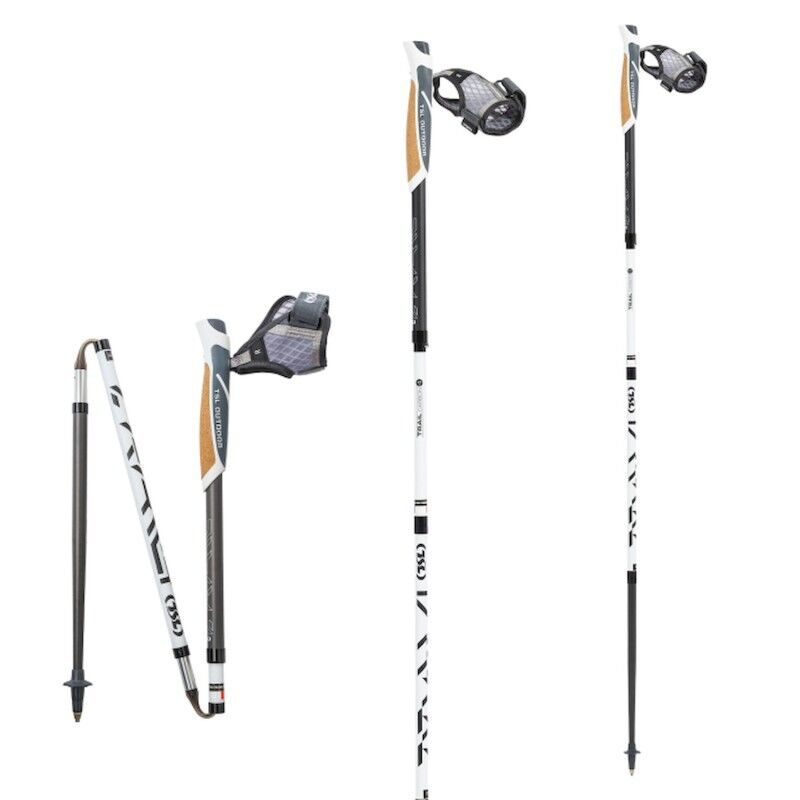
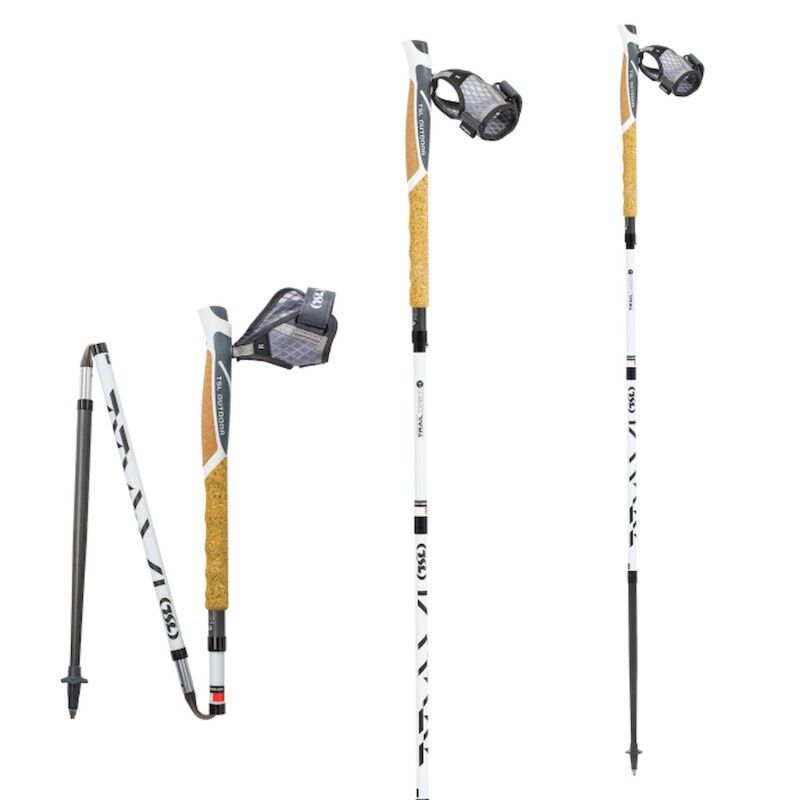
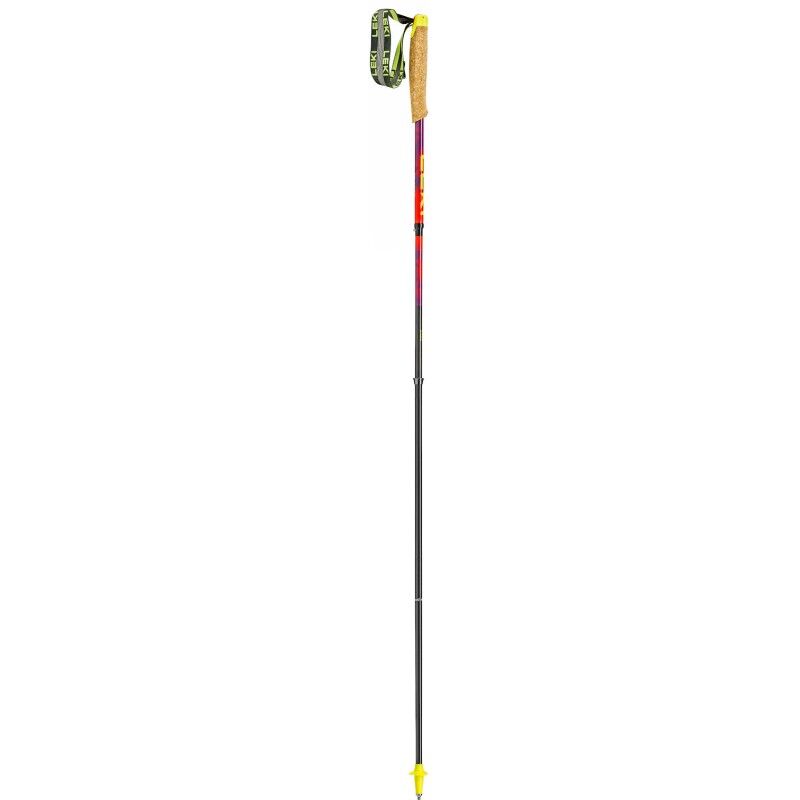
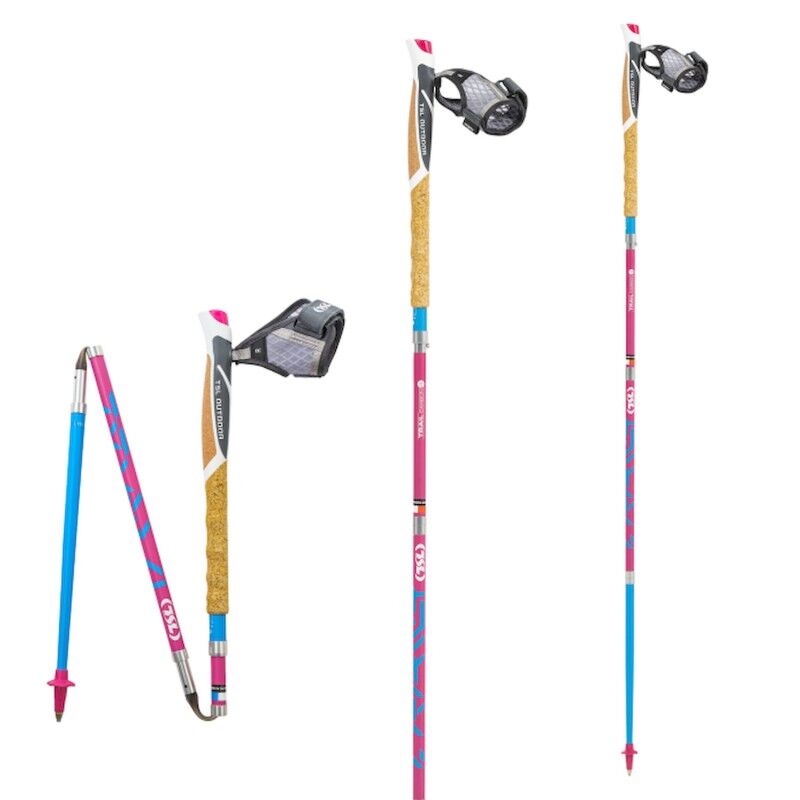
(54)Running in the mountains, tackling steep trails, or descending technical paths, trail running is an adventure where every detail matters. When it comes to optimising your efficiency and comfort, running poles quickly become invaluable partners. Their role? To help you go further, distribute your efforts better, and maintain control, even when your legs start to tire.
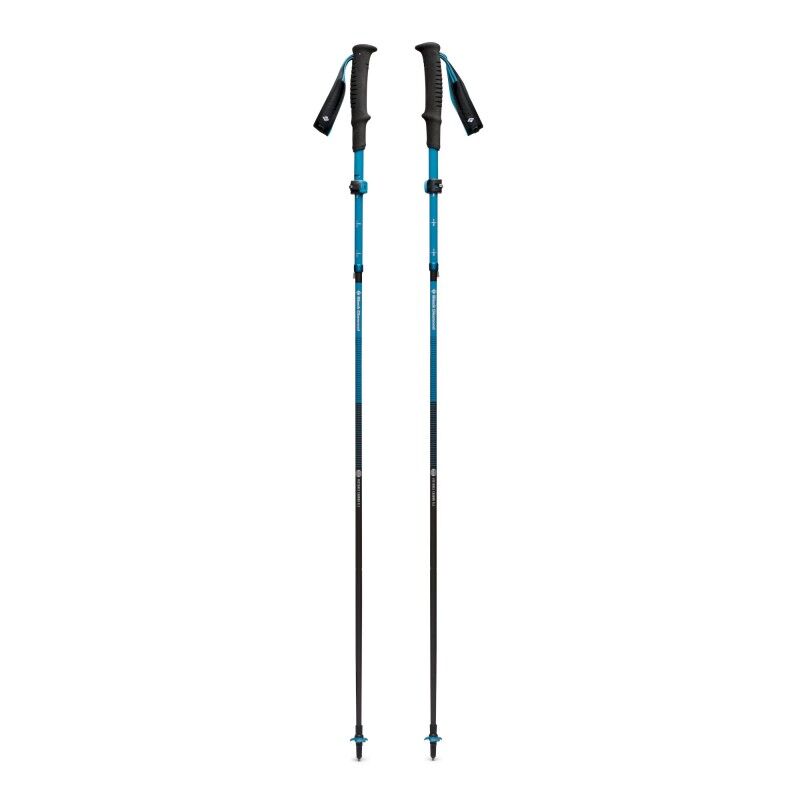
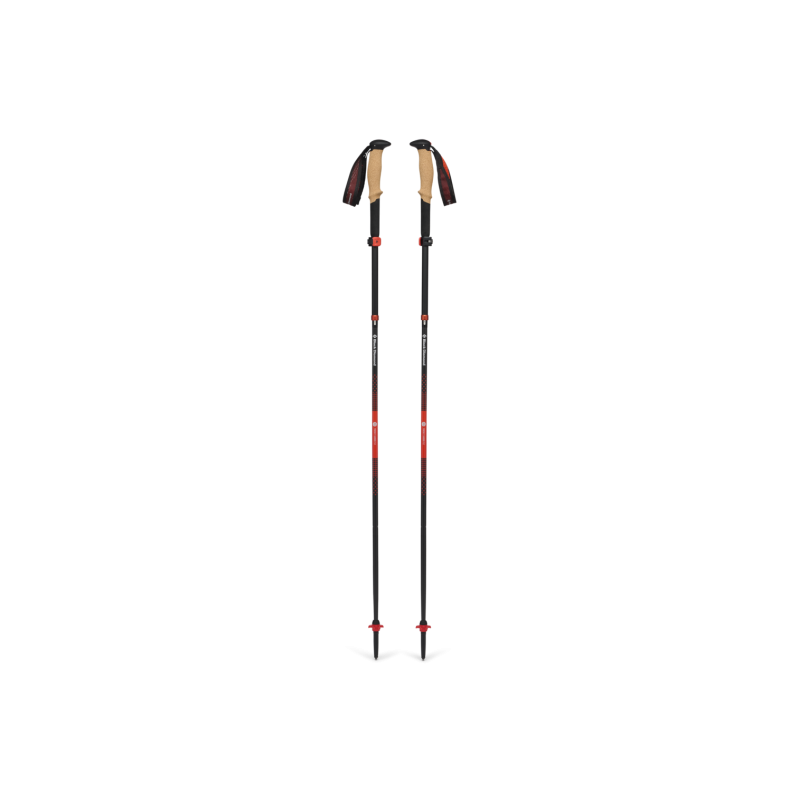
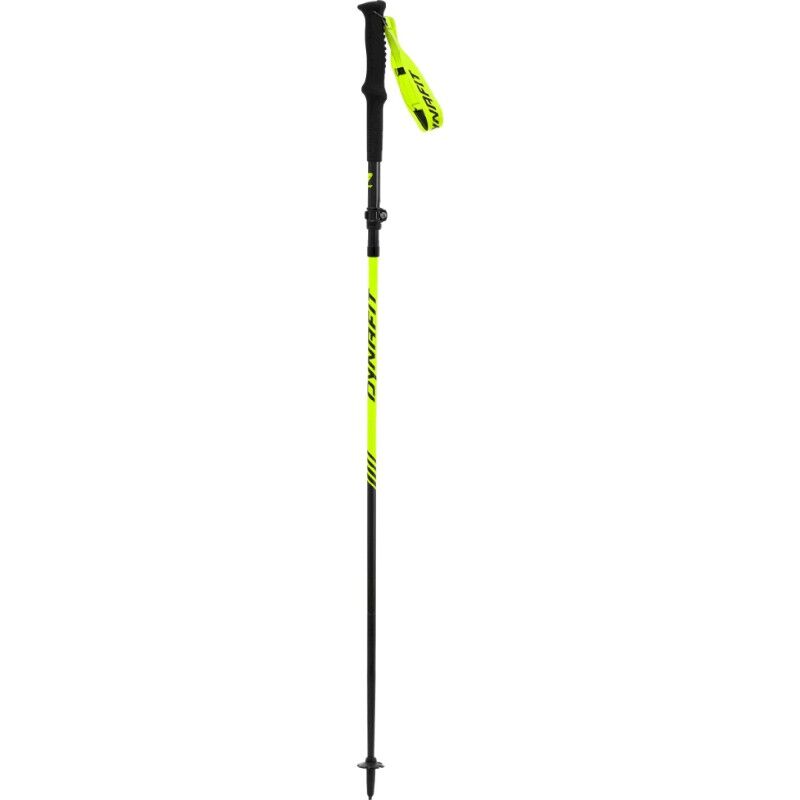
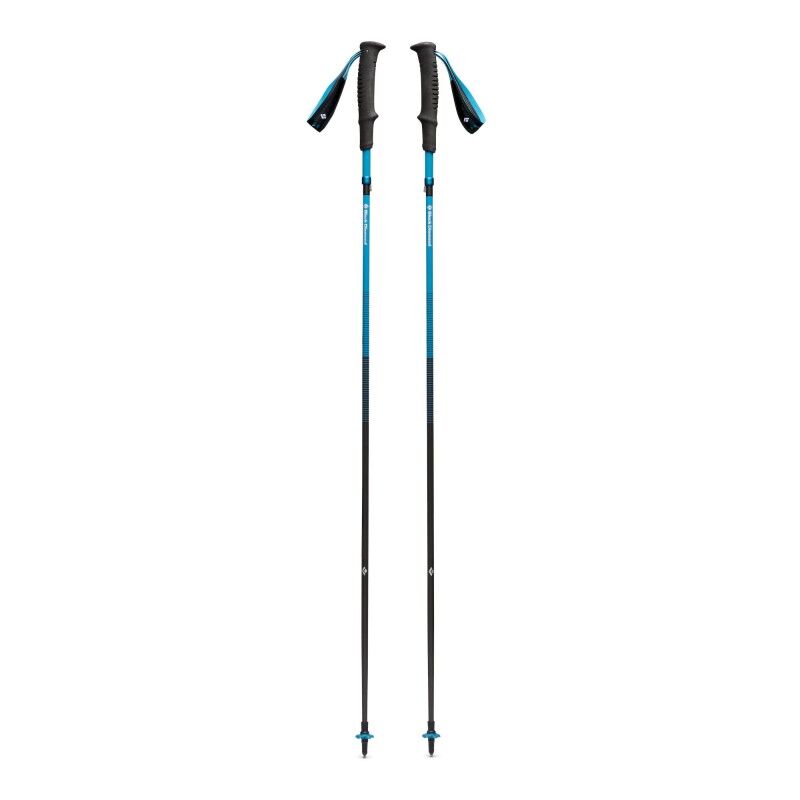
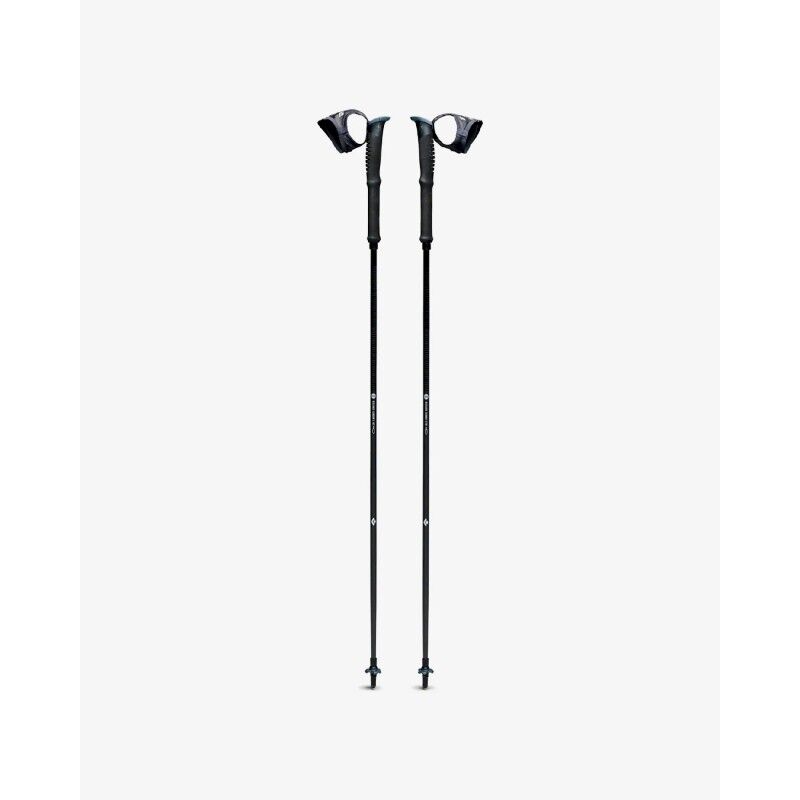
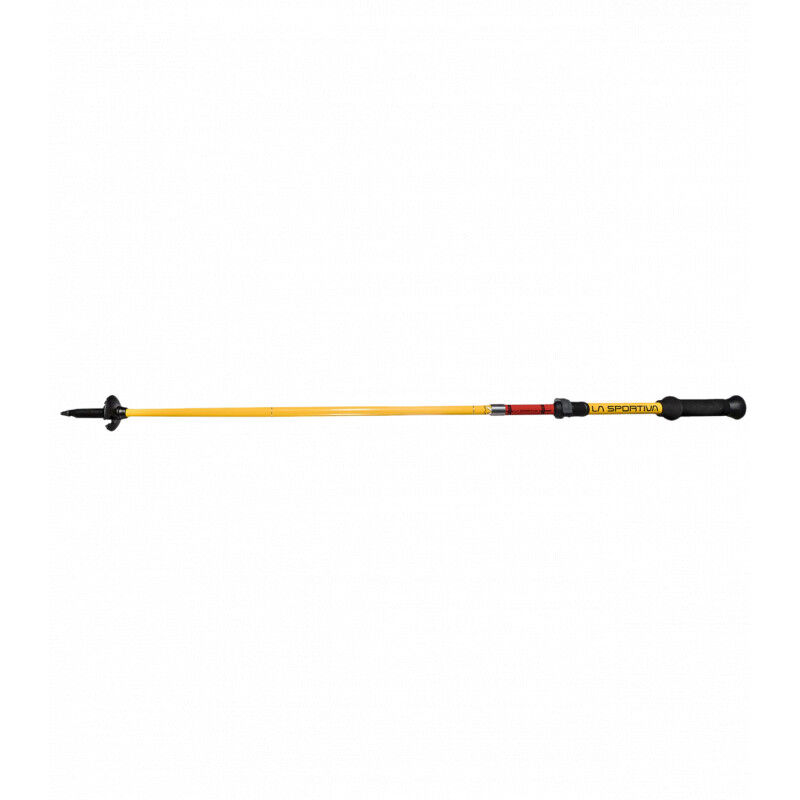
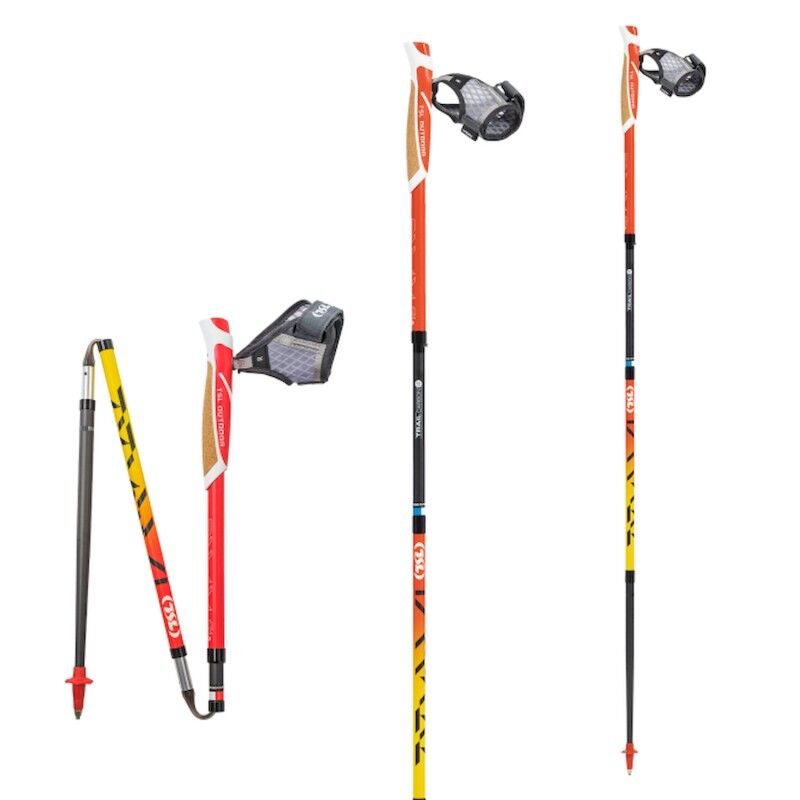

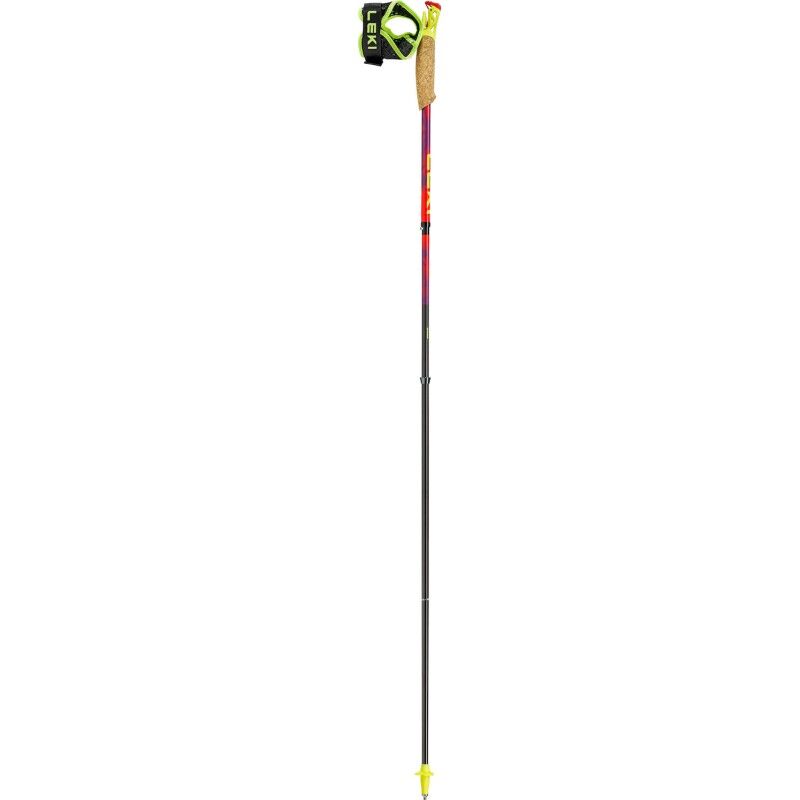
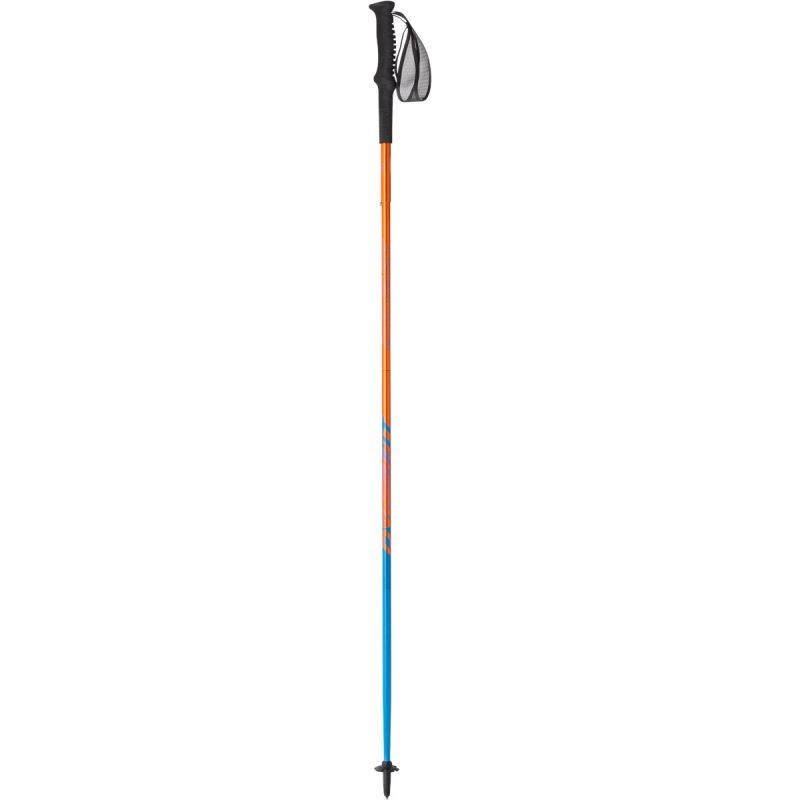
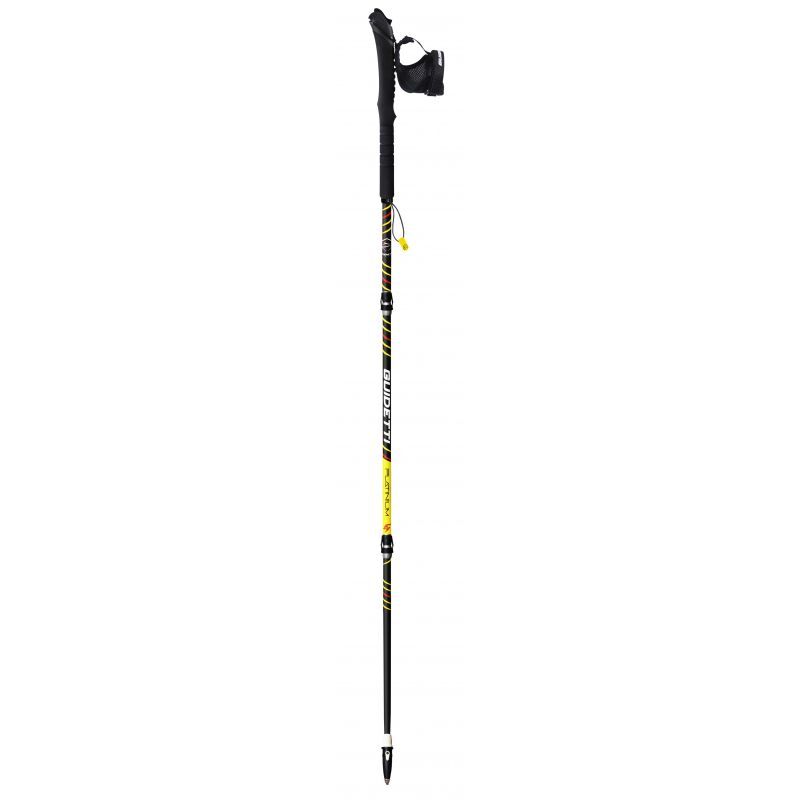
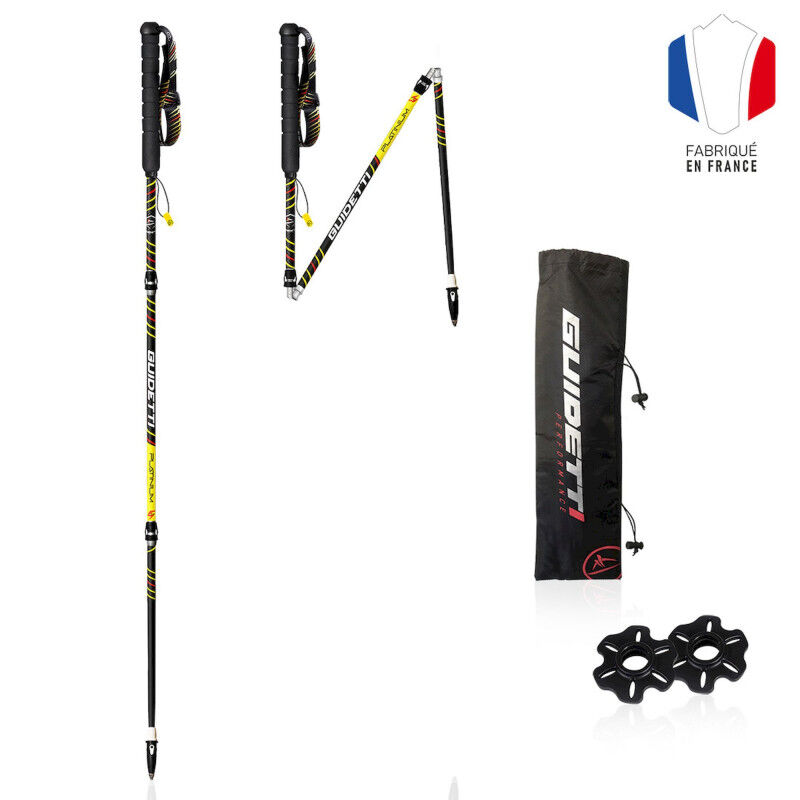
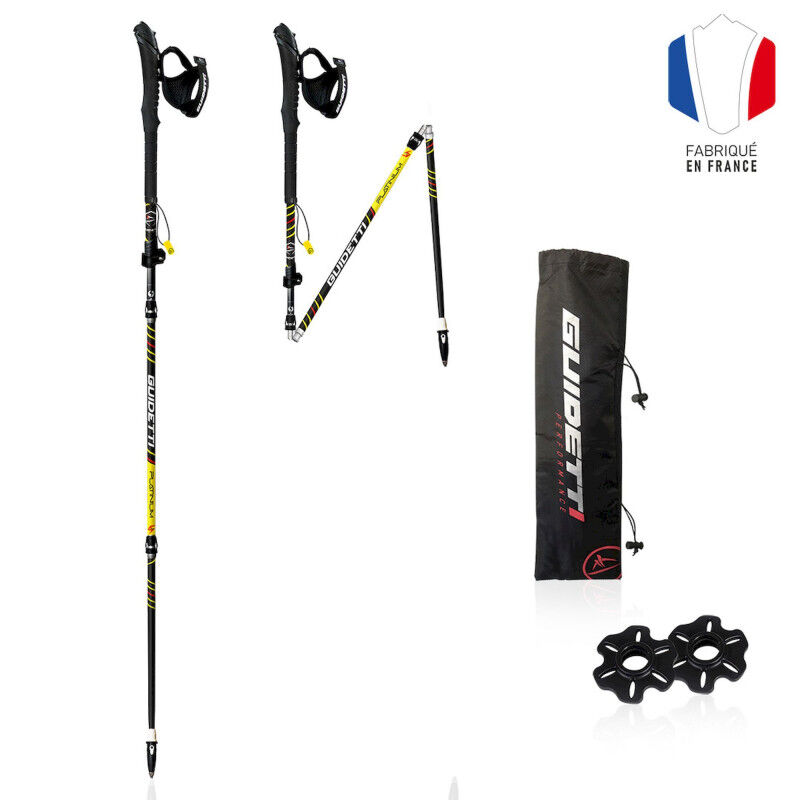
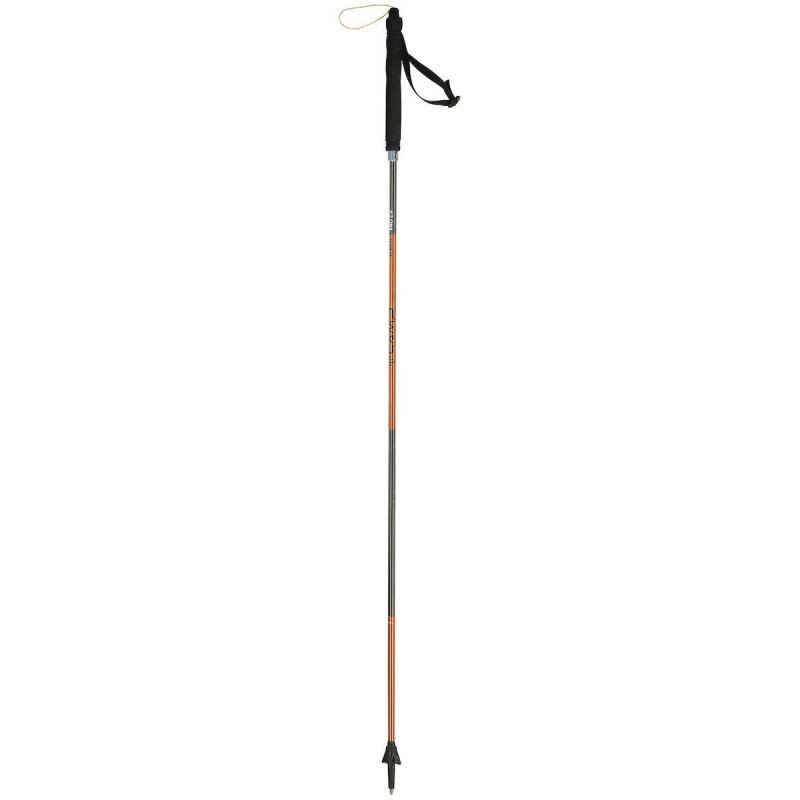


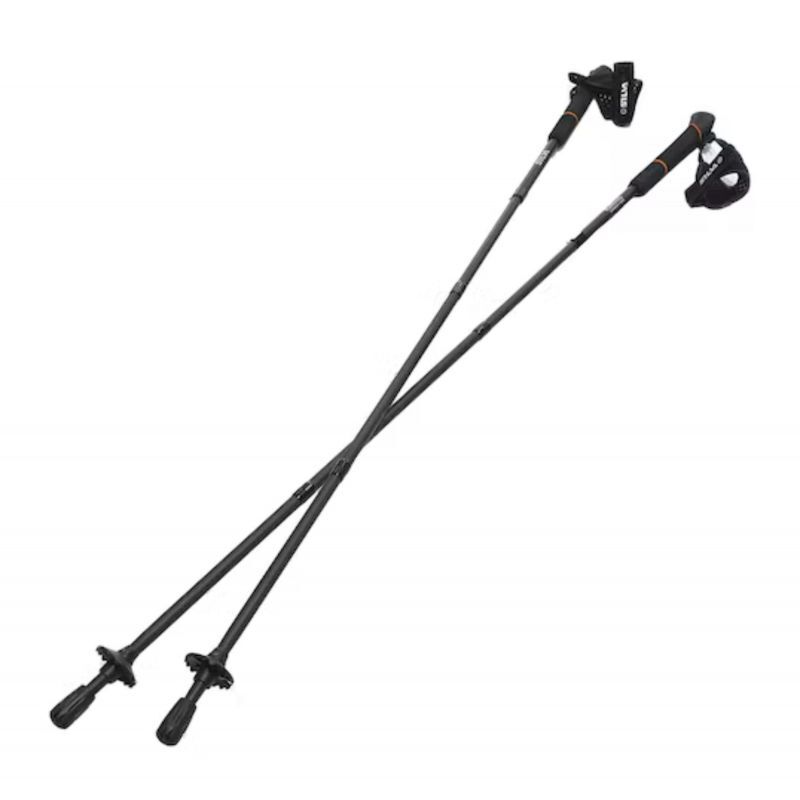
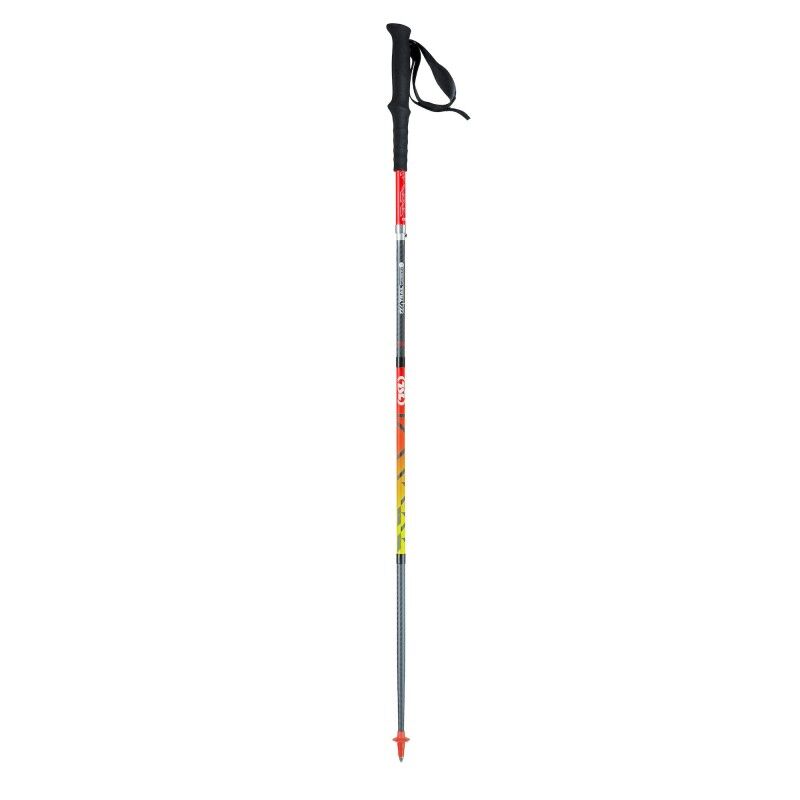

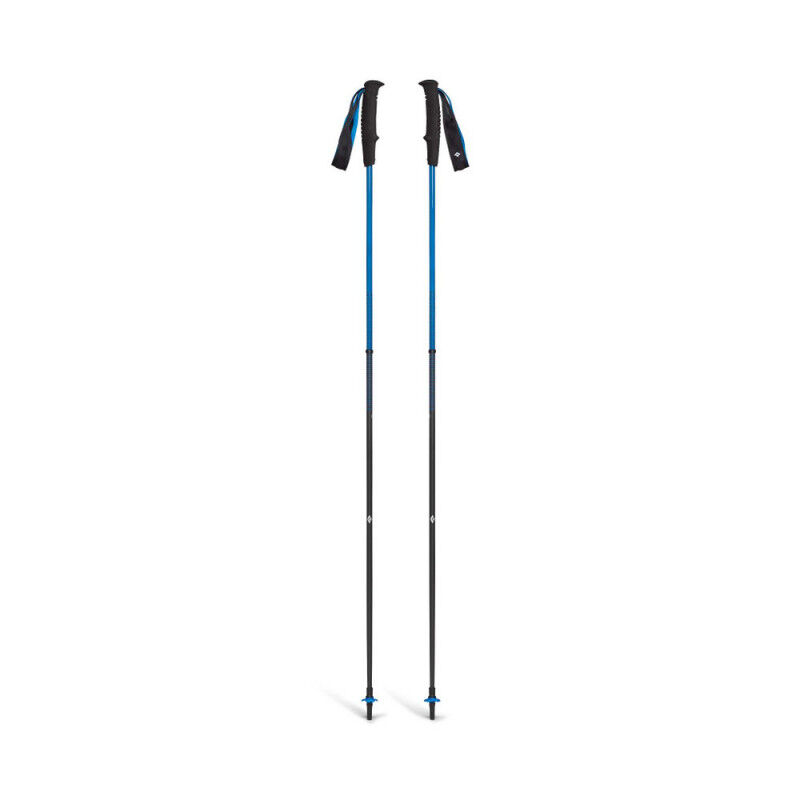
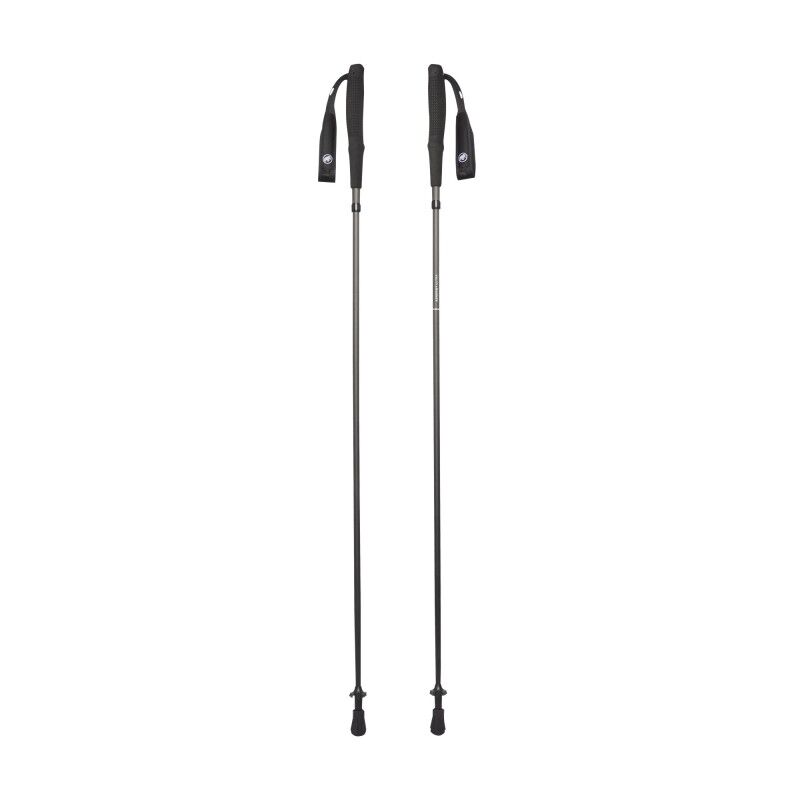

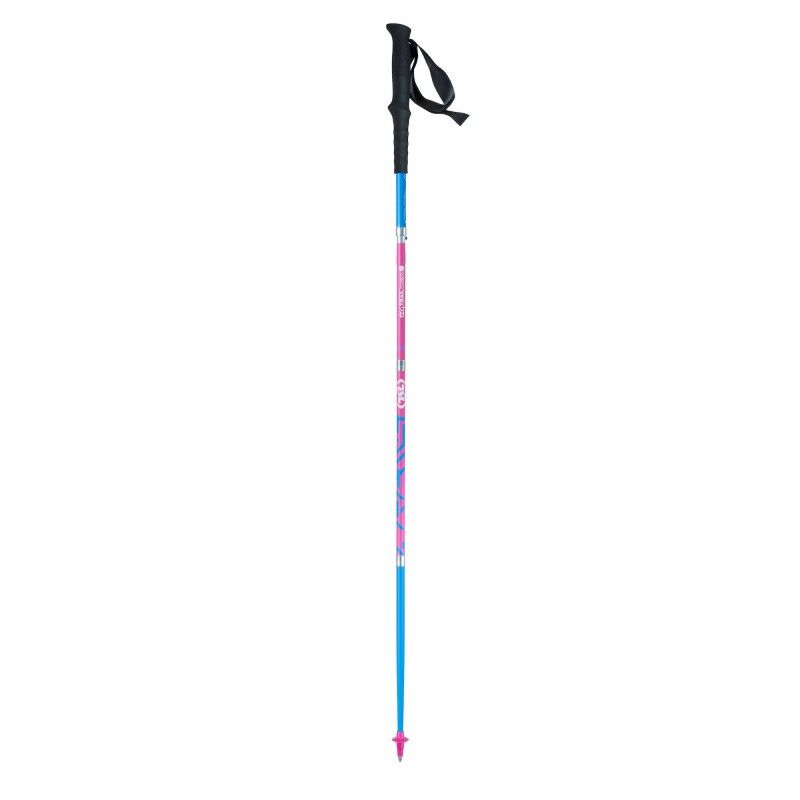
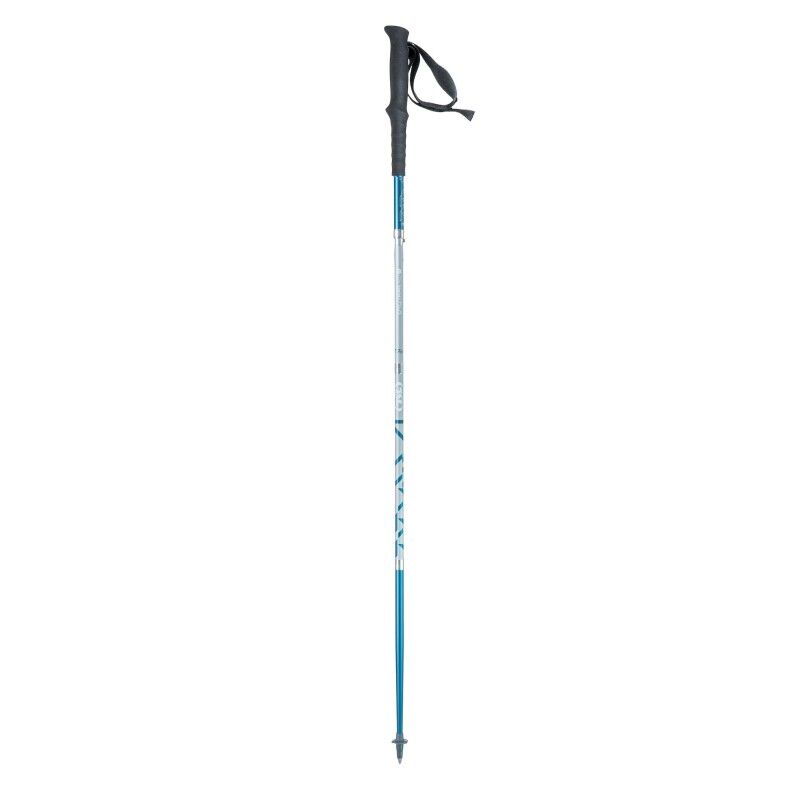
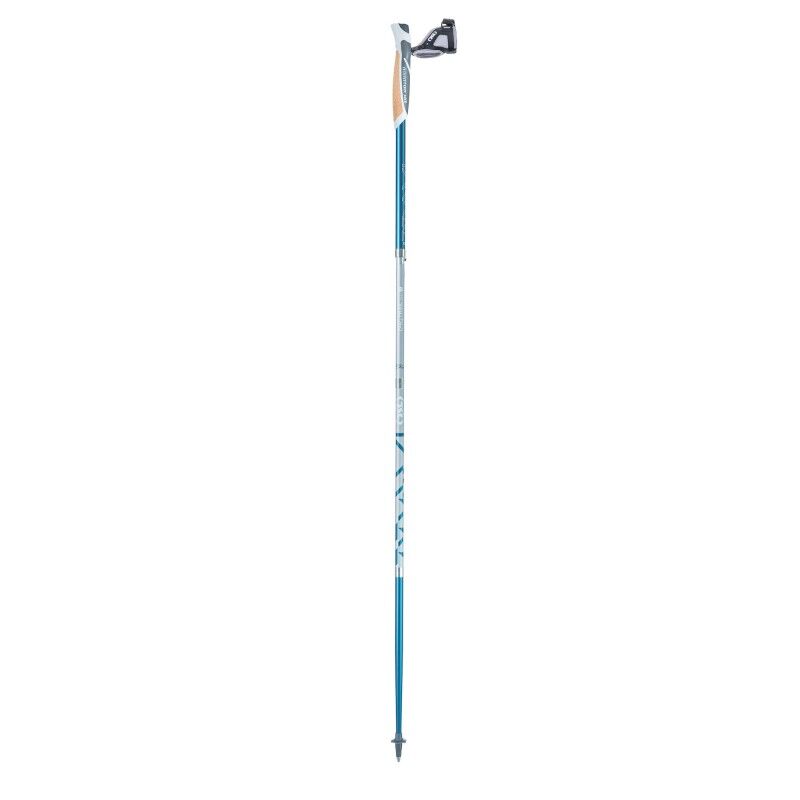
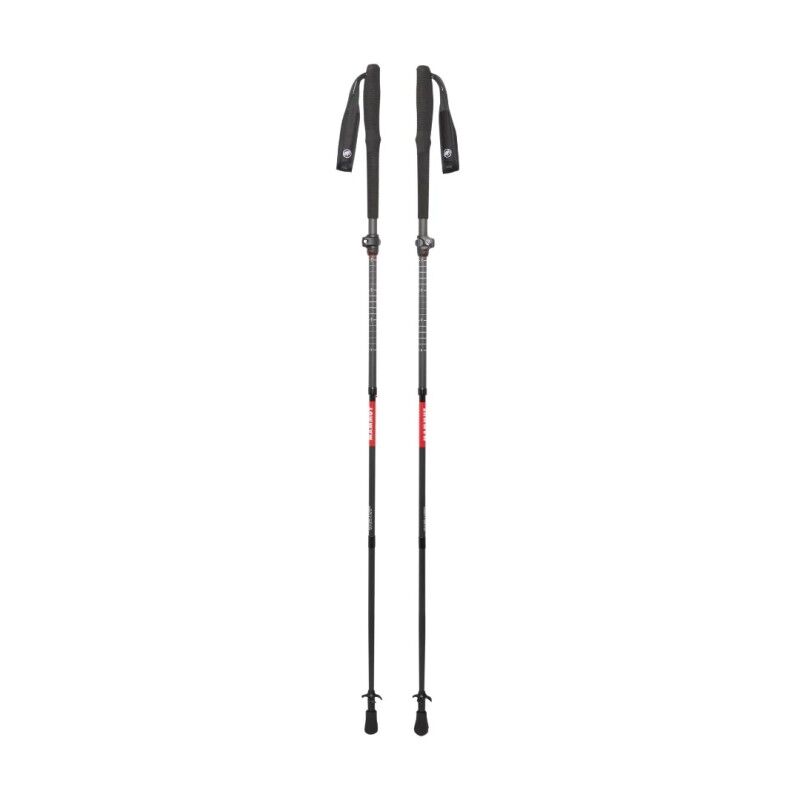
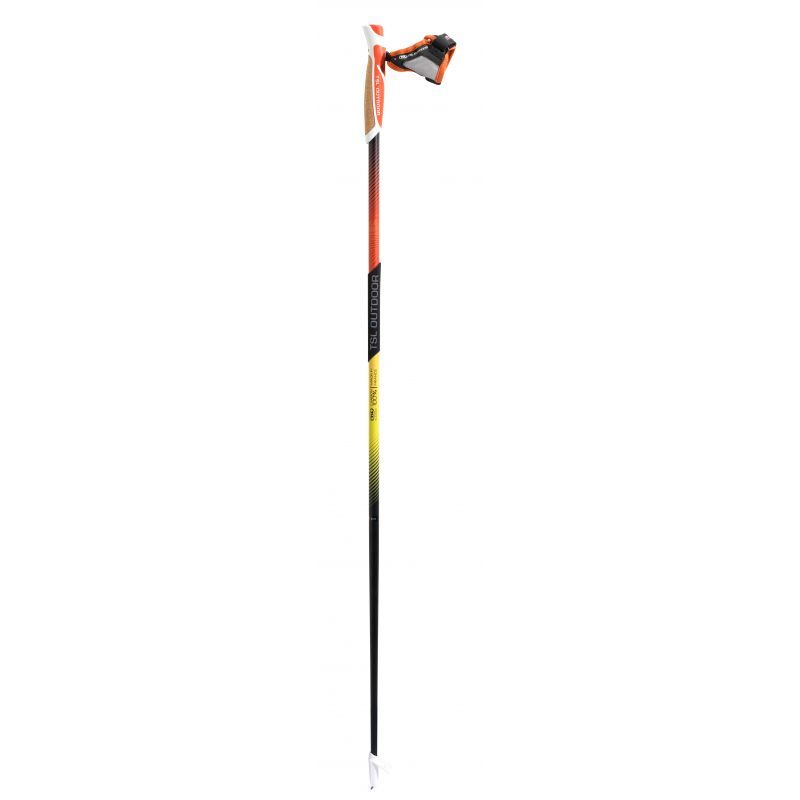
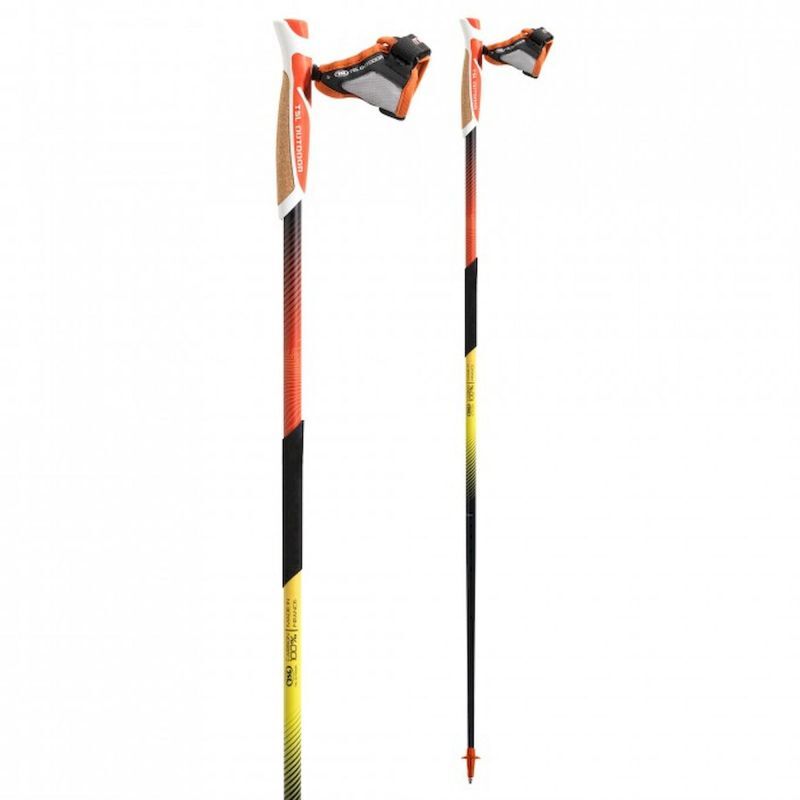
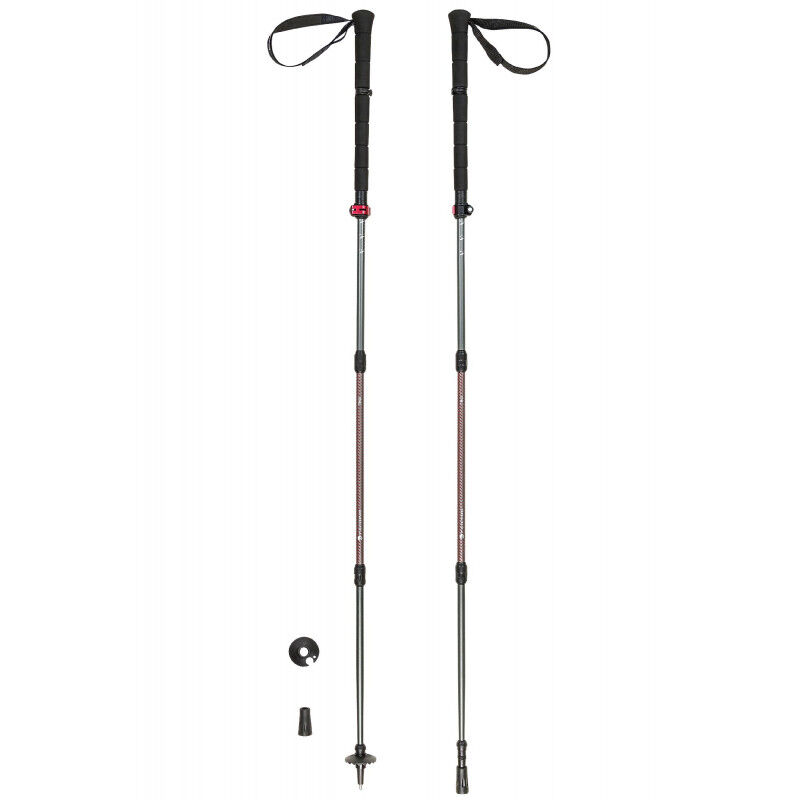
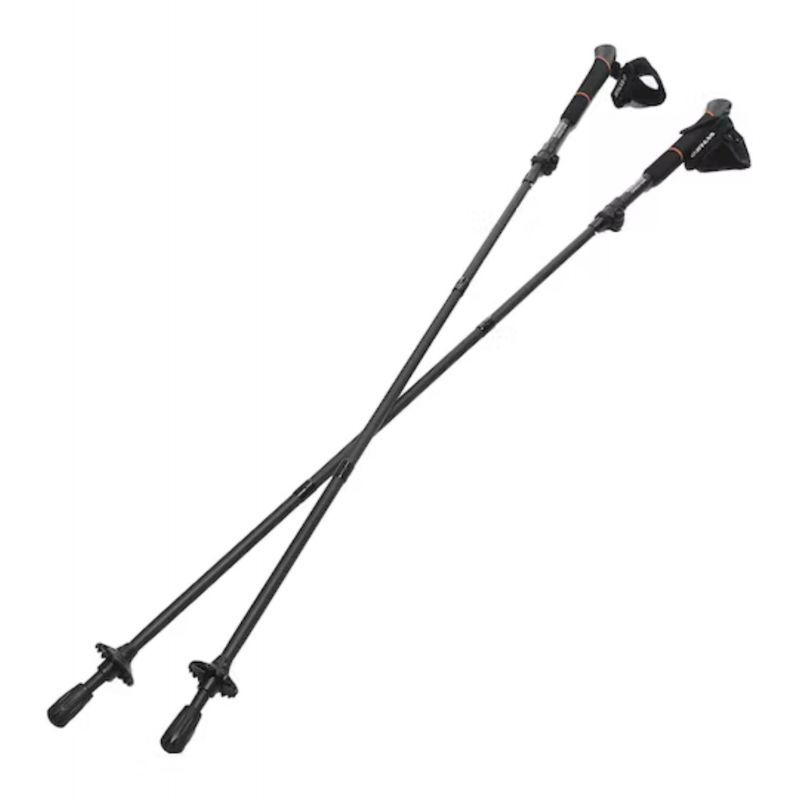
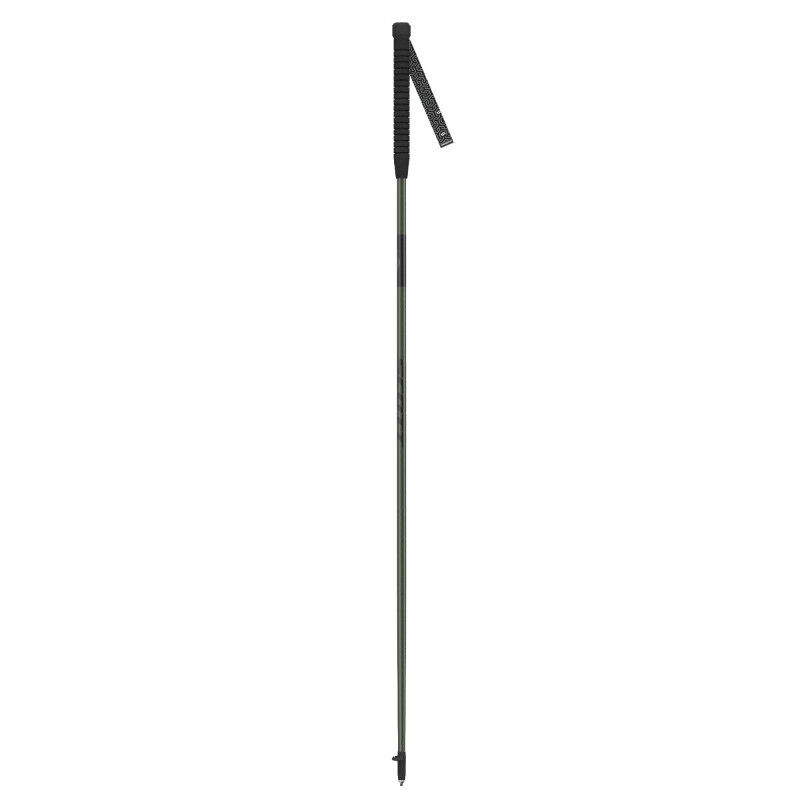
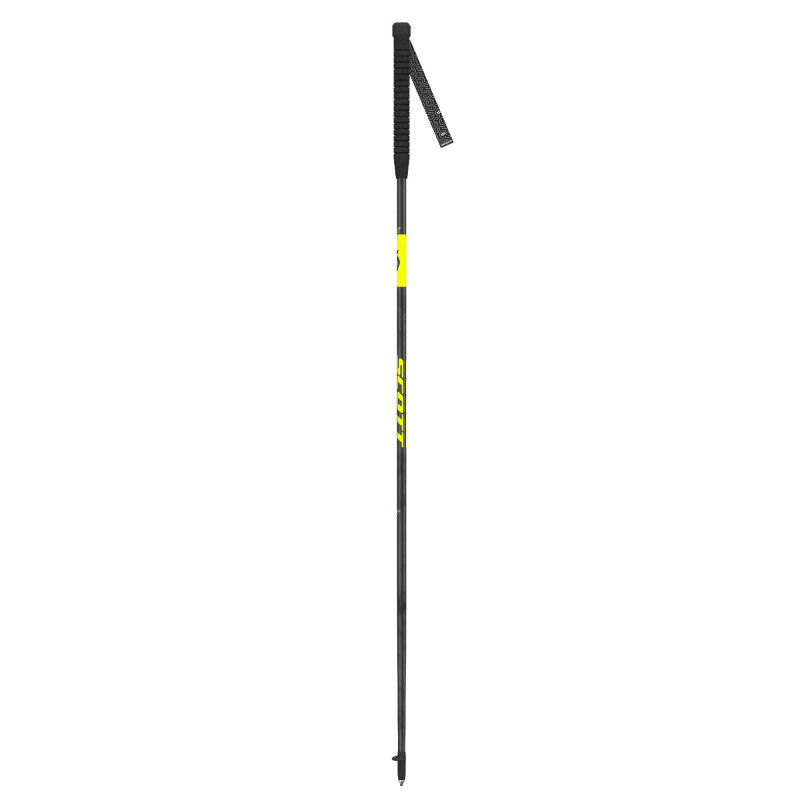
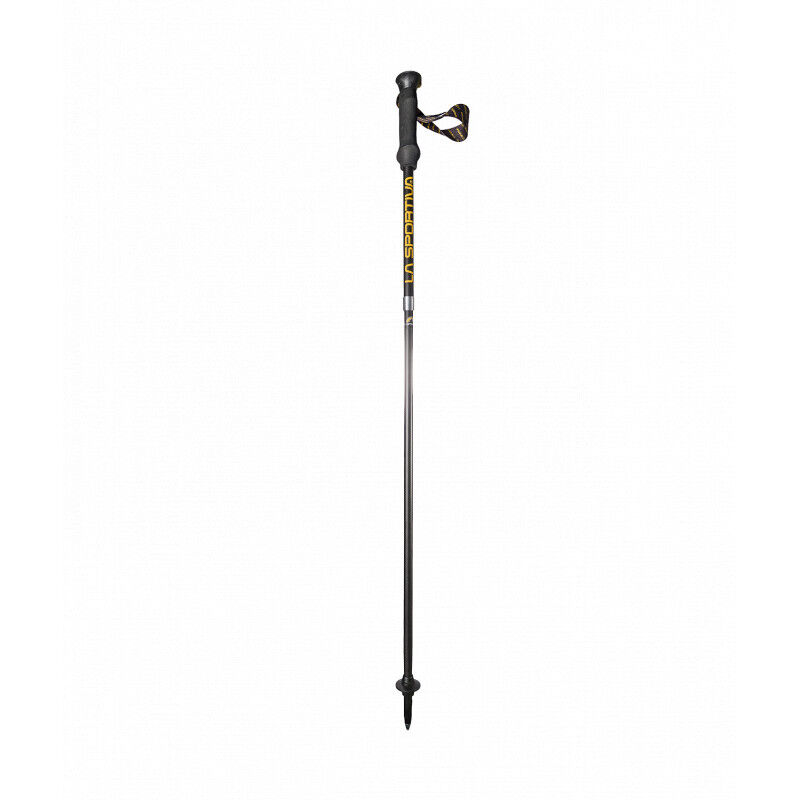
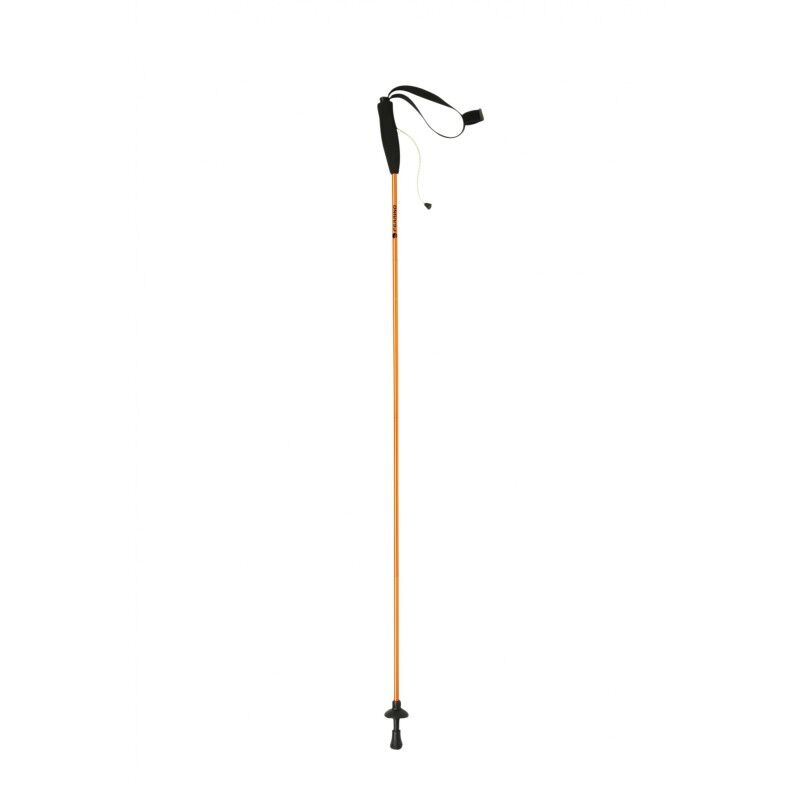
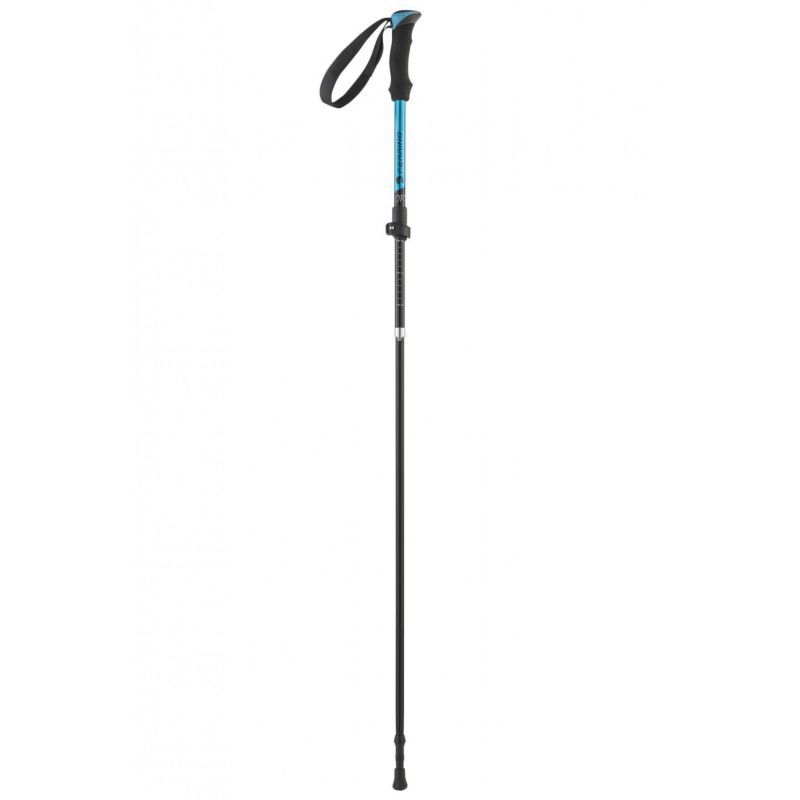
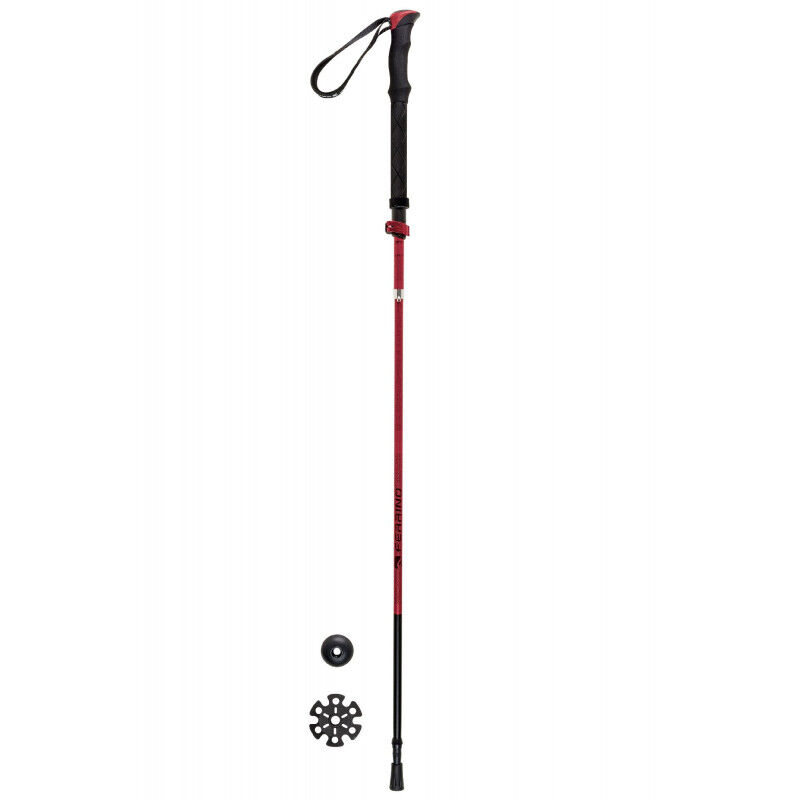
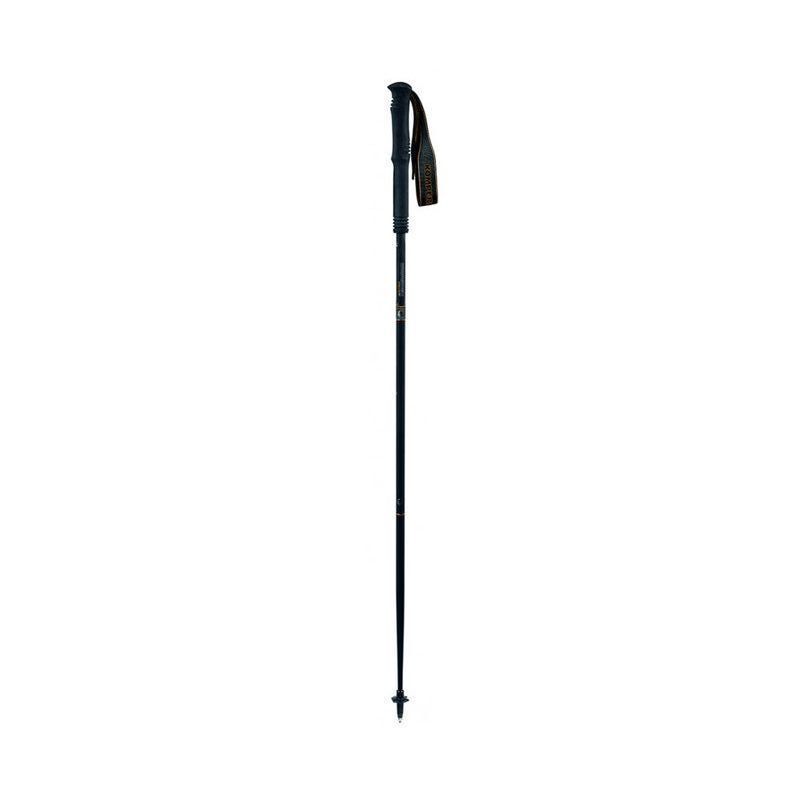
Why use running poles?
Far from being reserved for ultra-trail runners, running poles are genuine performance and protection tools. Their use not only alleviates the strain on your lower muscles but also enhances stability and precision on uneven terrain.
When climbing, they almost allow you to multiply your height and transfer part of the effort to your upper body. When descending, they provide balance and safety. The result: improved efficiency and preserved muscles, even after several hours of effort.
How to choose the right length for running poles?
Choosing the right length for your poles is essential for effective and comfortable use. A simple rule exists: multiply your height in centimetres by 0.67 to get a first estimate suitable for trail running. For example, a runner measuring 1.75 m could opt for running poles of about 117 cm.
Of course, this remains a base. Some may prefer slightly longer running poles to maximise push when climbing, while others might choose shorter ones for better manoeuvrability when descending. Telescopic models also allow for precise adjustment of this pole length according to terrain or personal preferences.
Technical criteria for choosing your running poles
Materials: carbon or aluminium?
Carbon is favoured for its lightness and rigidity, ideal for long distances. Aluminium, being more robust, is perfect for technical terrains or more demanding practices.
Folding systems: compactness and speed
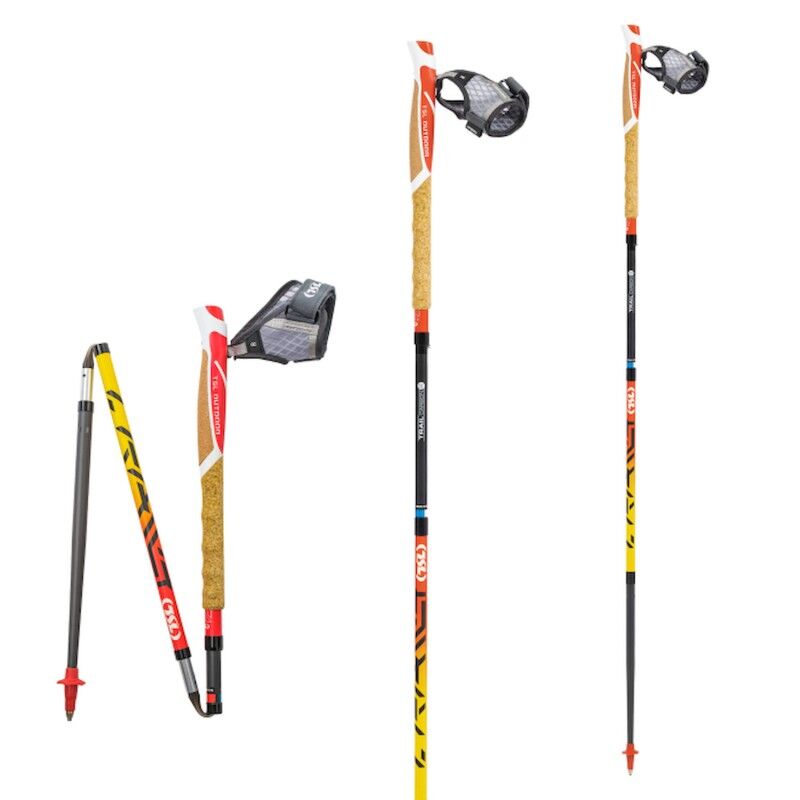
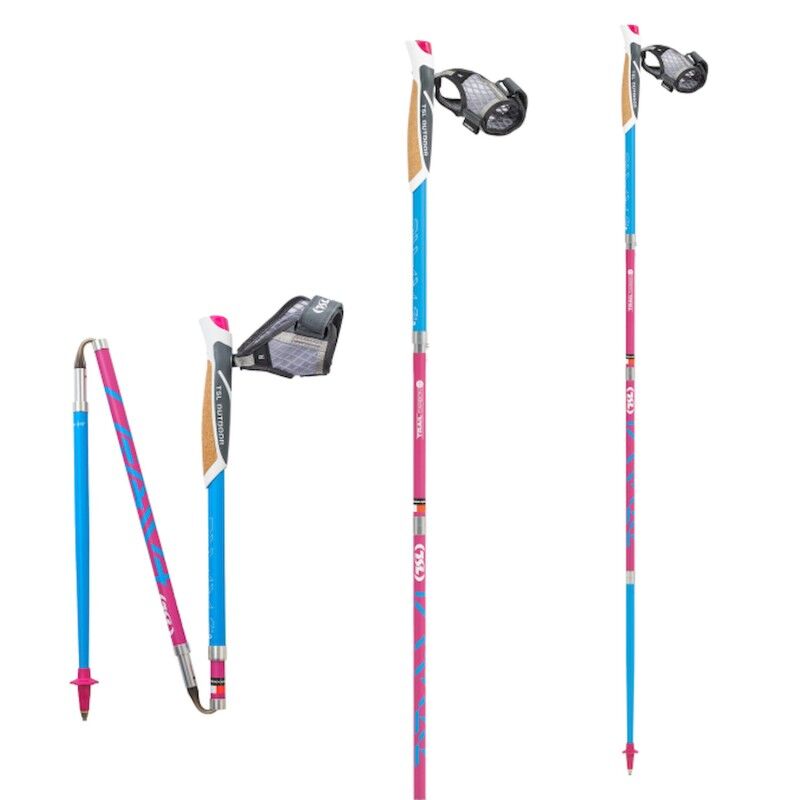
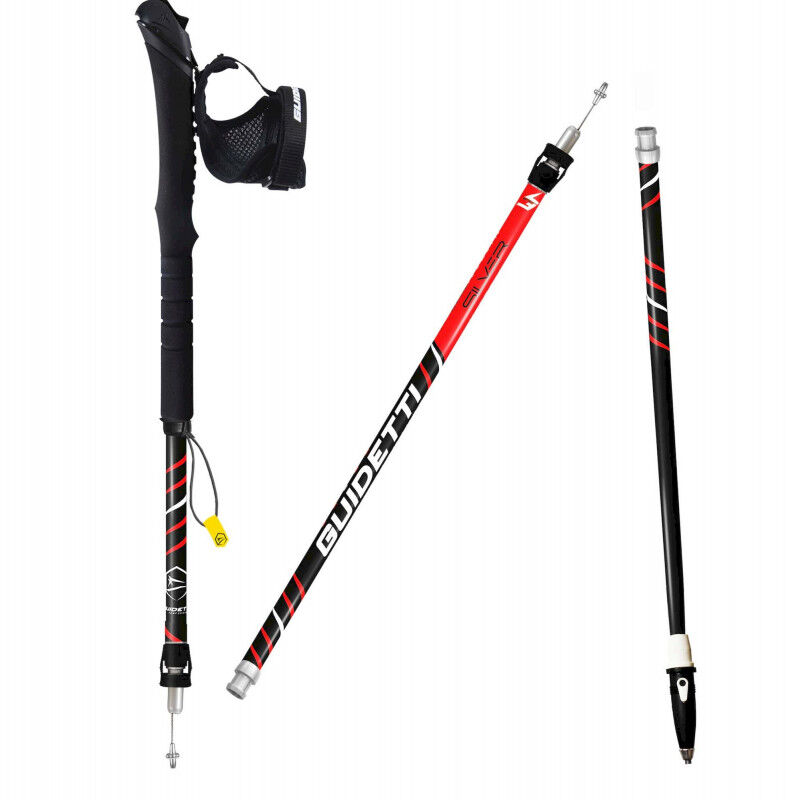
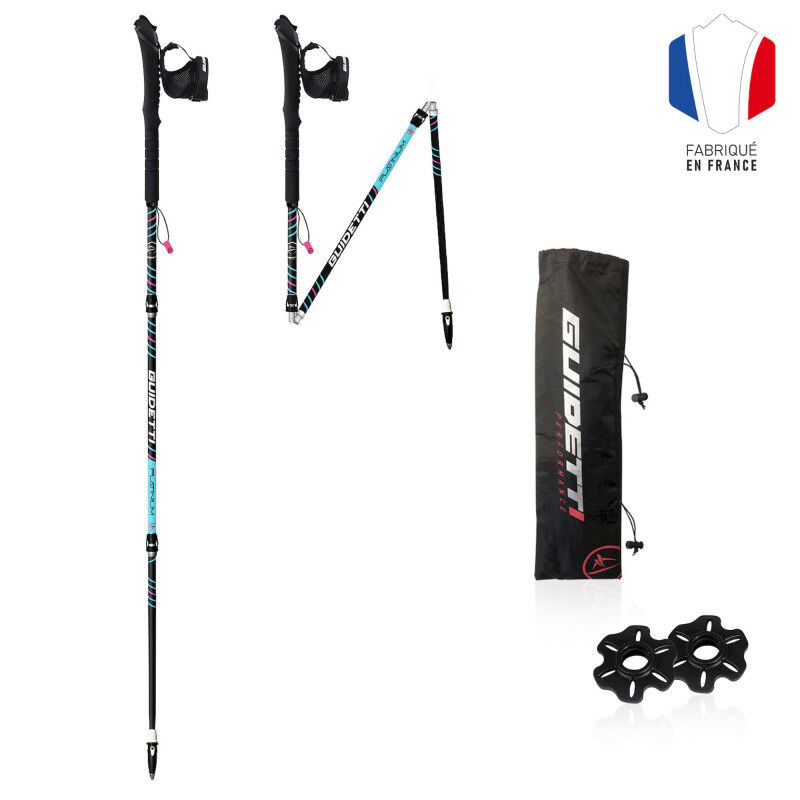
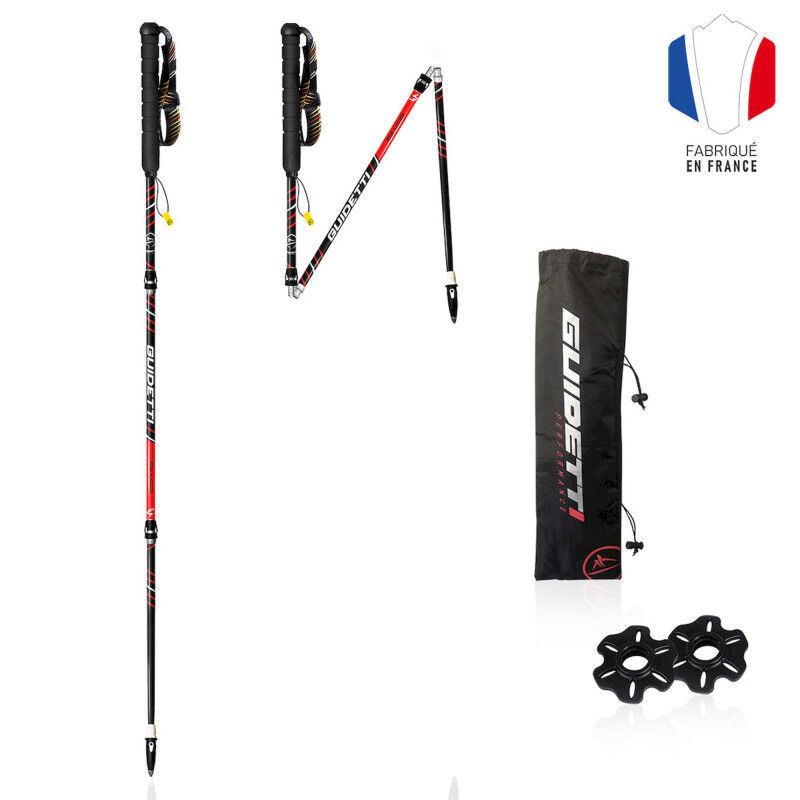
The vast majority of current running poles are foldable into 3 sections, allowing for ultra-compact storage and quick deployment. A real plus when juggling between carrying and frequent use.
Weight: every gram counts
In trail, weight is a key criterion. Some ultra-light models weigh under 300 g per pair, providing maximum comfort and reduced effort over time.
Handles and straps: comfort and efficiency
The grip of running poles is fundamental. EVA foam or cork provides excellent grip, even with damp hands. The straps, on the other hand, allow for optimal power transfer while ensuring lasting comfort.
When and how to use your running poles?
When climbing, running poles allow for a smooth and powerful motion, coordinating the action of your arms and legs. When descending, they provide additional support to navigate obstacles safely. And on long rolling sections, they can even help maintain a steady rhythm by engaging your arms.
Moreover, to easily transport your running poles when not in use, nothing beats a trail bag equipped with suitable carrying systems. Lightweight, practical, and designed for mountain running, it’s the perfect companion to complete your gear.
Proper use requires some learning and technique, but the benefits are quickly noticeable in terms of endurance and comfort.
Our expert selection of running poles
Because good equipment often makes the difference, we have gathered a rigorous selection of the best running poles from the most recognised brands in the outdoor world: Leki, Black Diamond, TSL, Swix, and Guidetti. Each model has been chosen for its lightness, effectiveness, and ability to accompany you in the most demanding conditions.
Whether you’re looking for ultra-light running poles for competition, ultra-compact folding models for ultras, or robust and reliable poles for long mountain adventures, you’ll find the ideal companion.
Running poles designed to accompany you everywhere
Running poles are a bit like a natural extension of your movement in the mountains. Discreet, effective, and always ready to support you, they will allow you to push your limits while preserving your enjoyment of running. Their lightness, careful grip, and technicality make them indispensable partners for demanding and passionate trail running.
So, are you ready to gain efficiency and discover what well-chosen running poles can bring to your outdoor adventures? Your next adventures are just waiting for you.