
Boots for Snowshoeing
(62)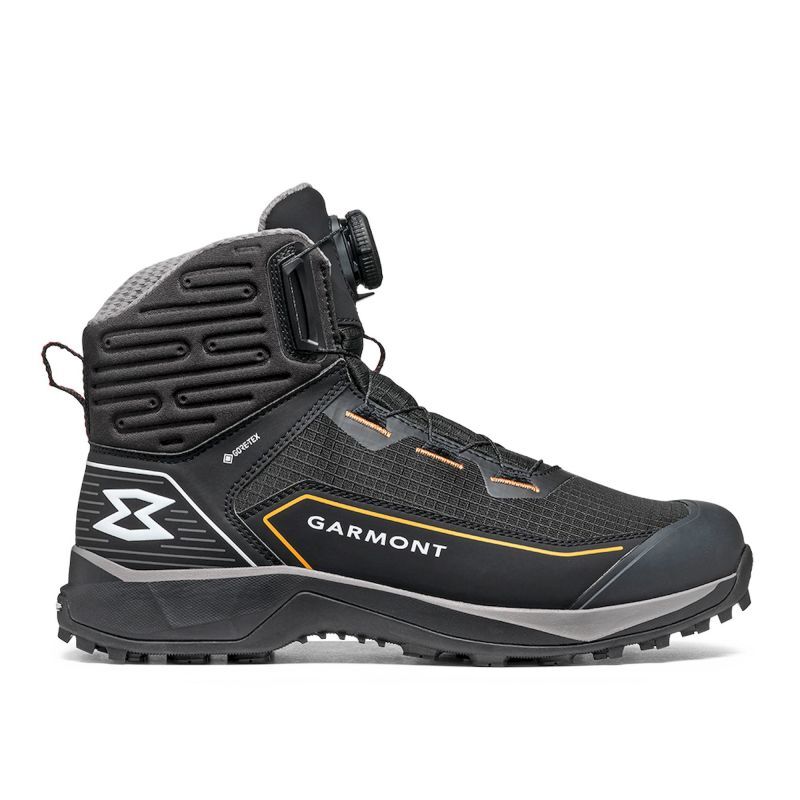
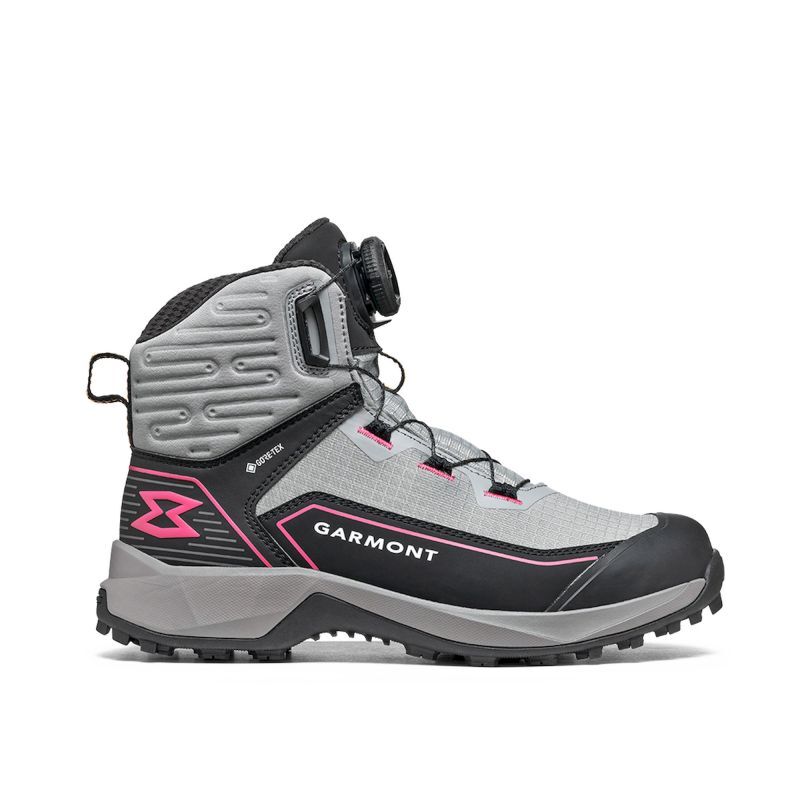
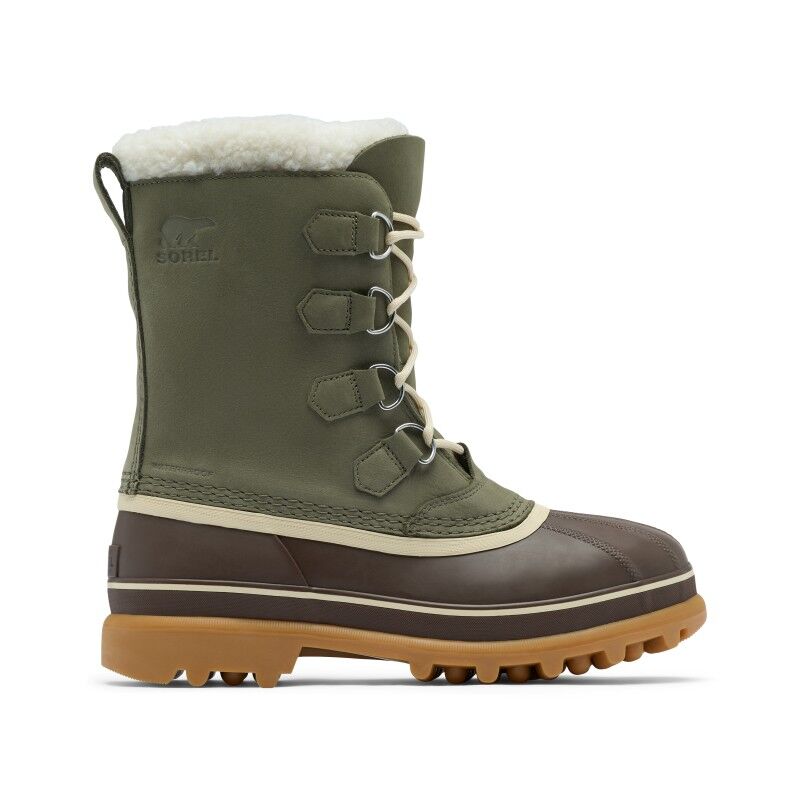
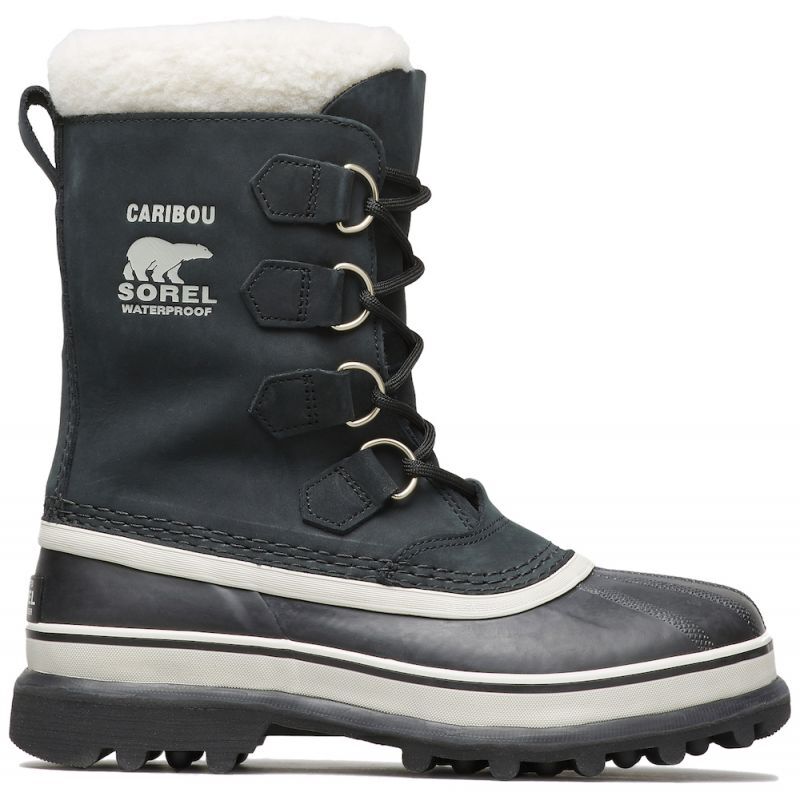
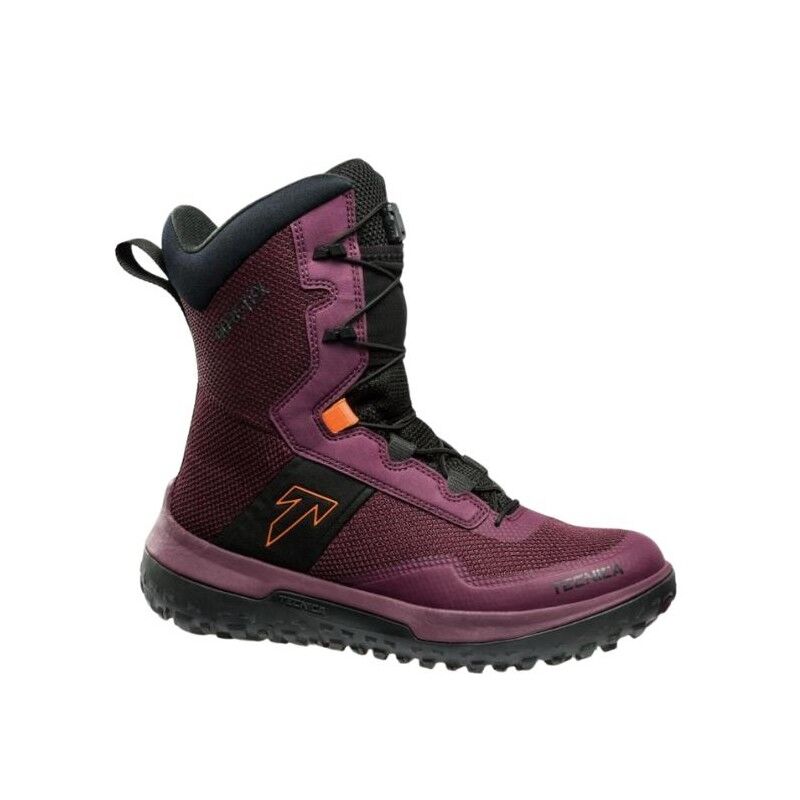
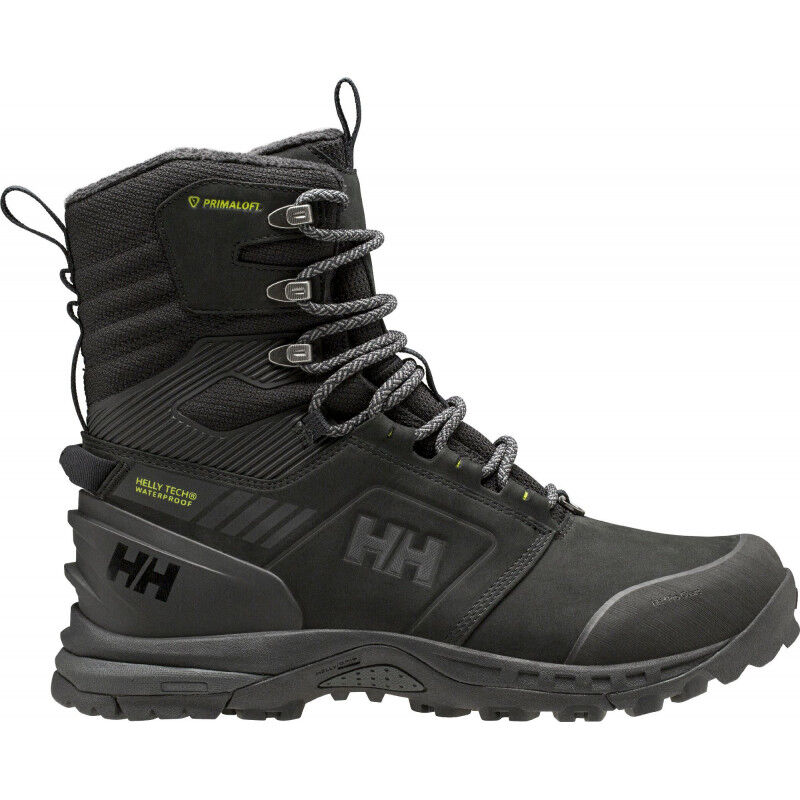
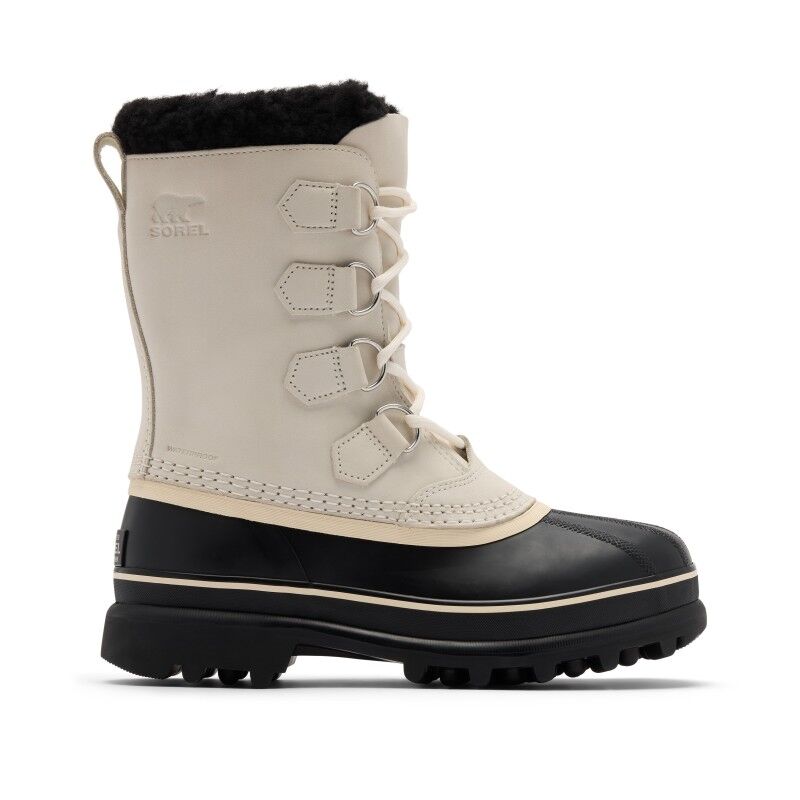
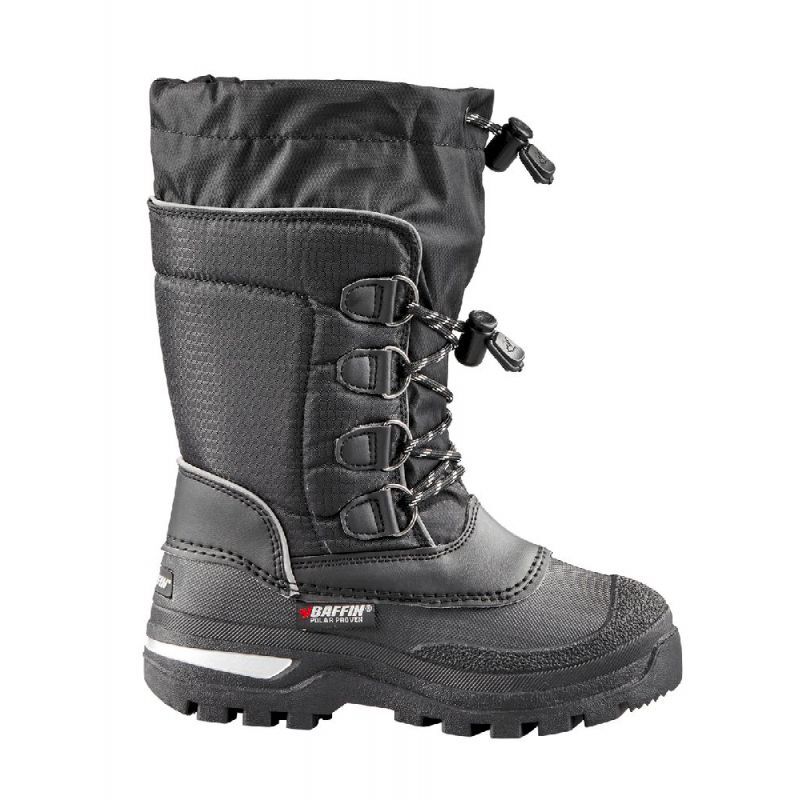
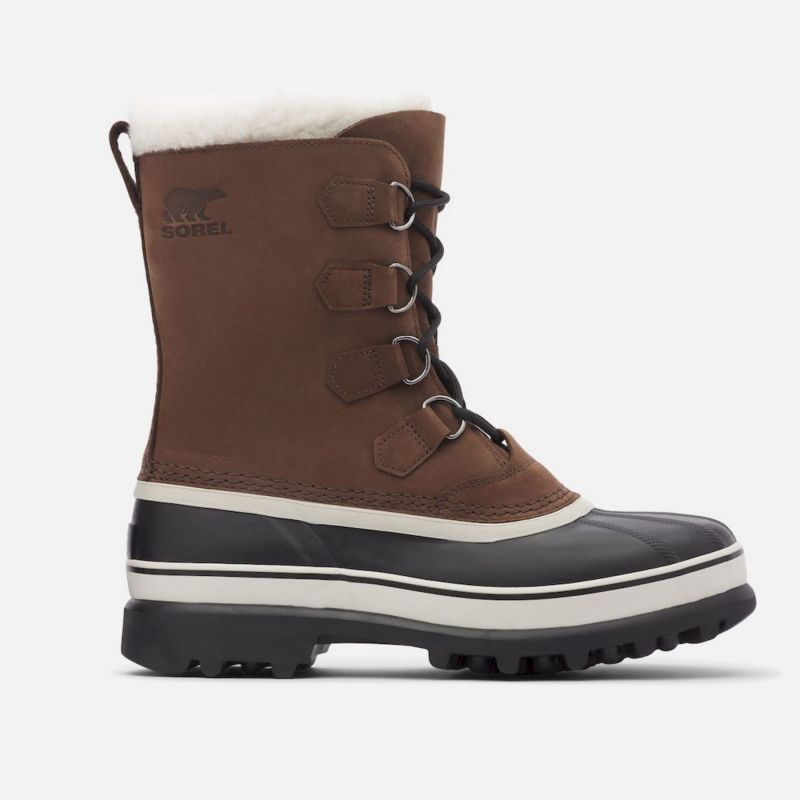
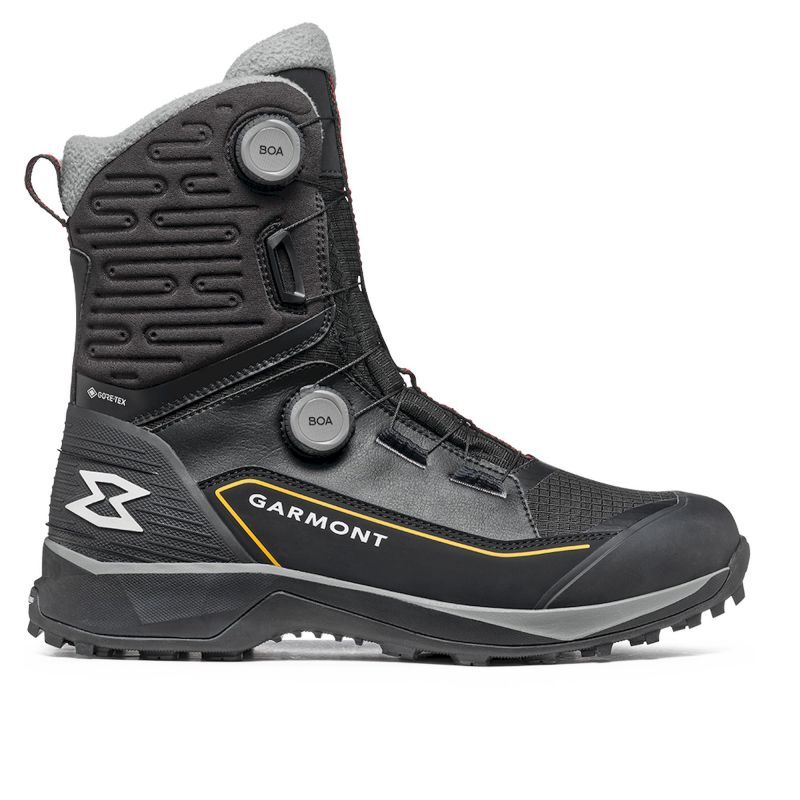
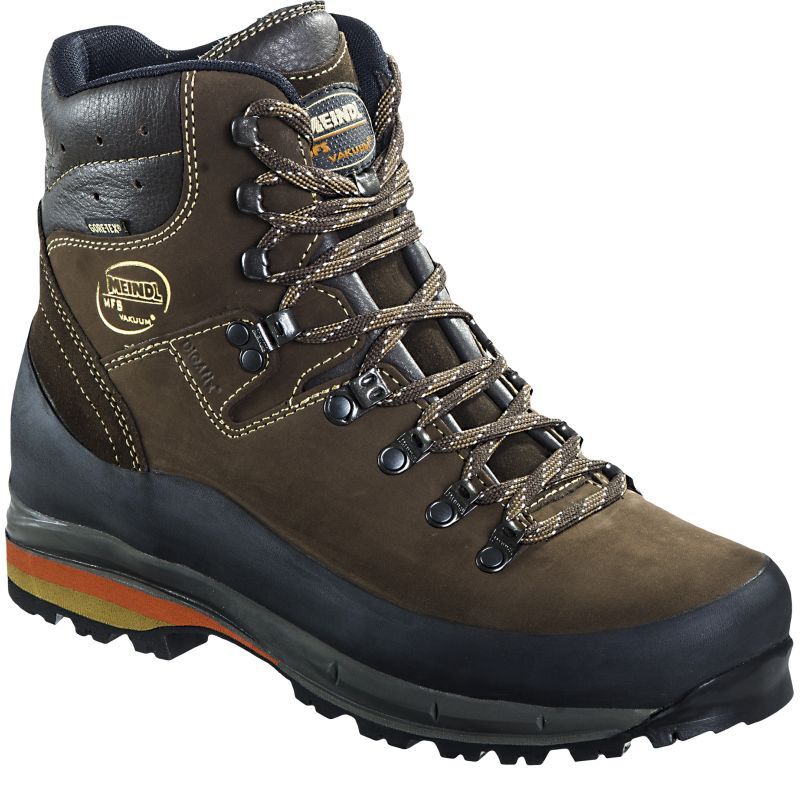
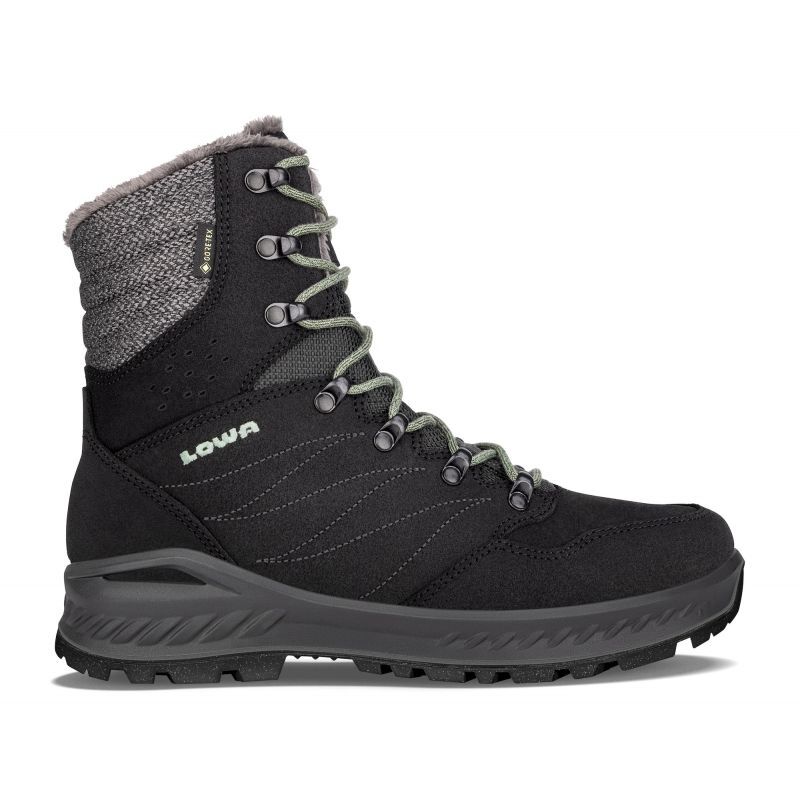

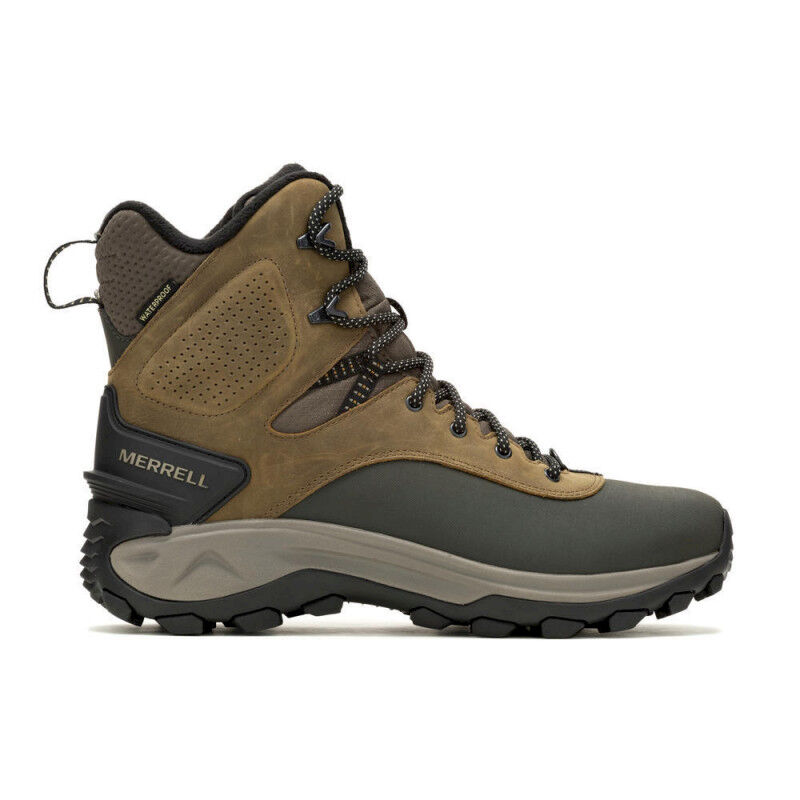
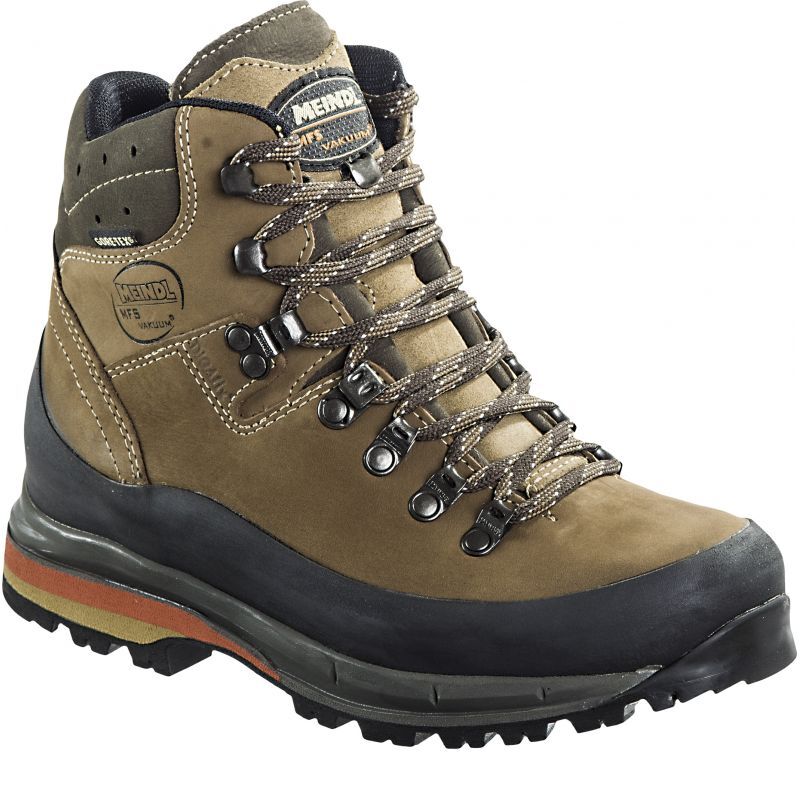
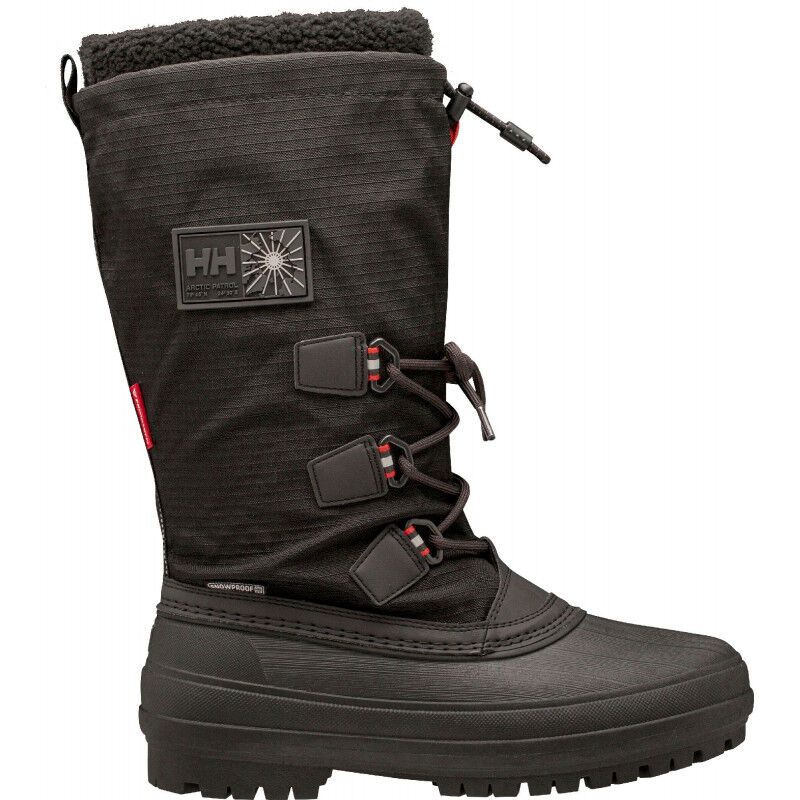
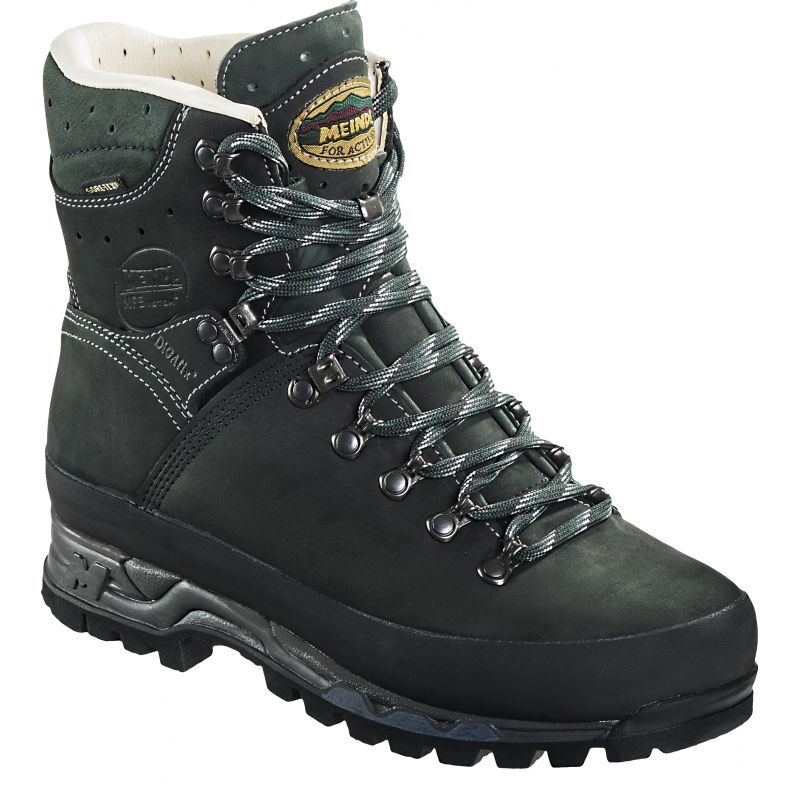
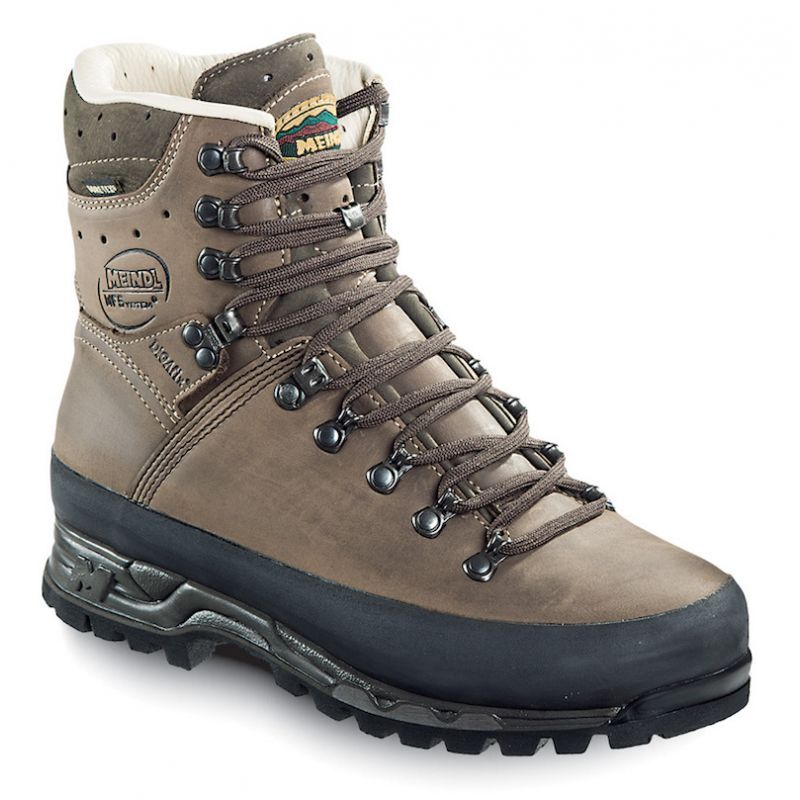
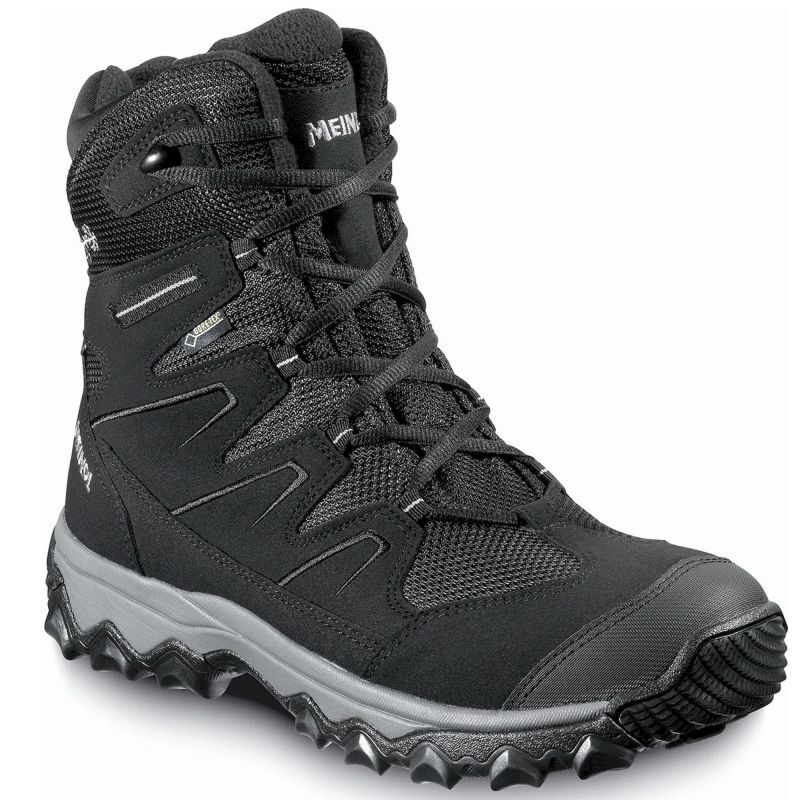
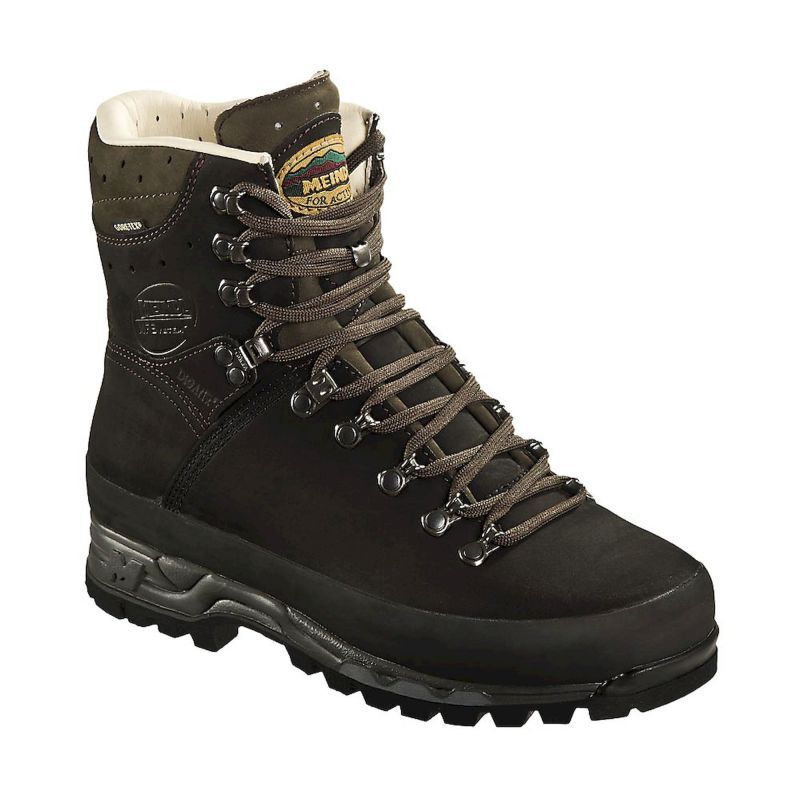


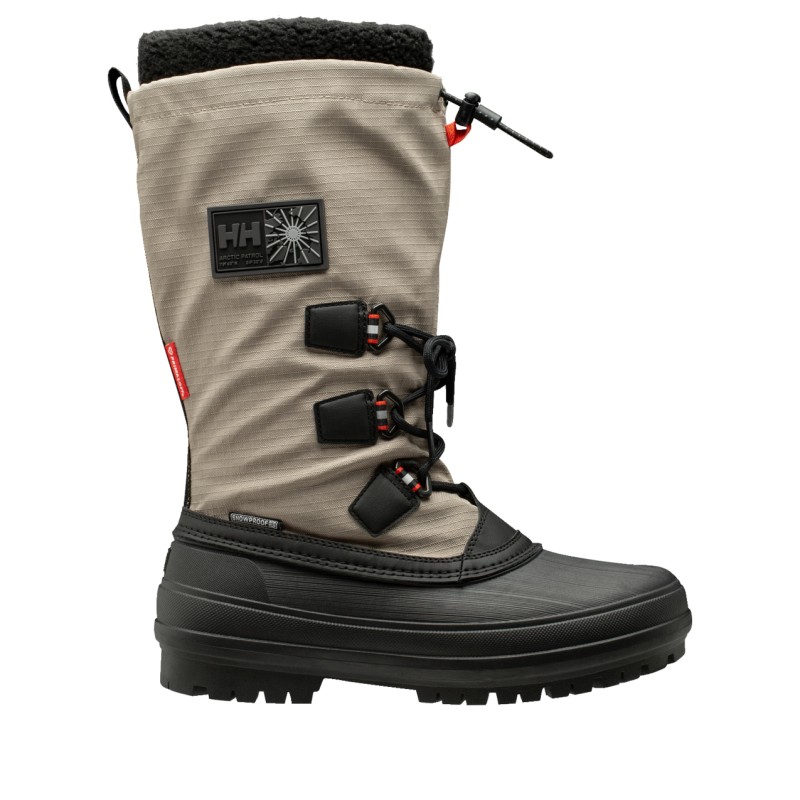
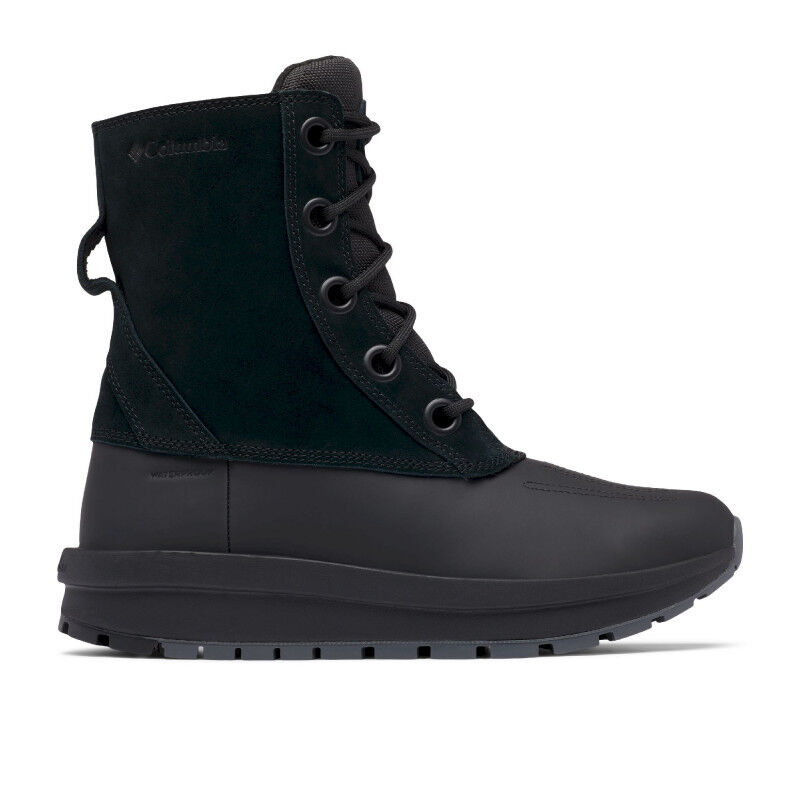
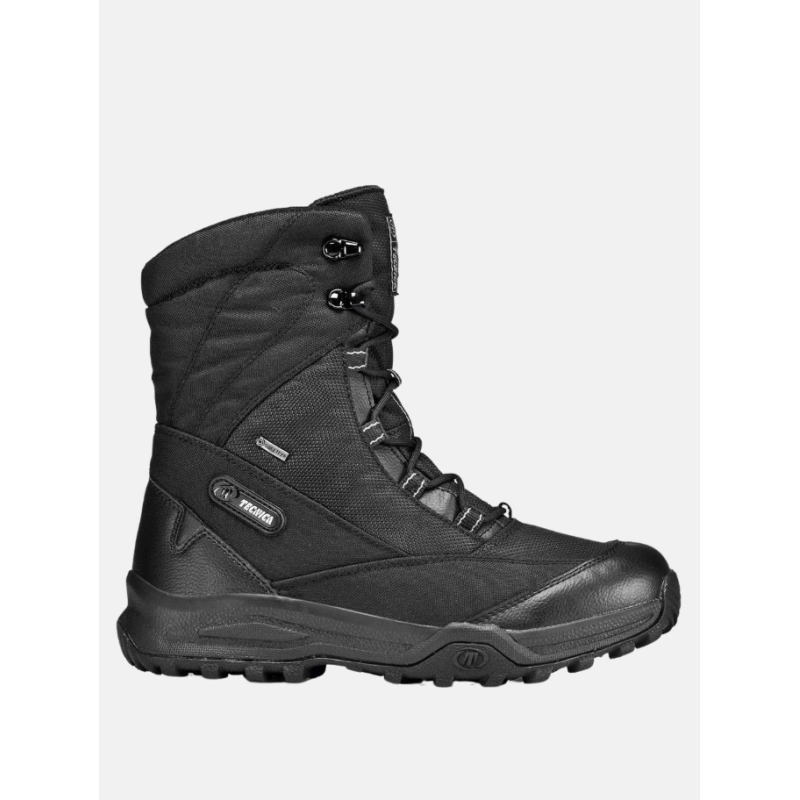
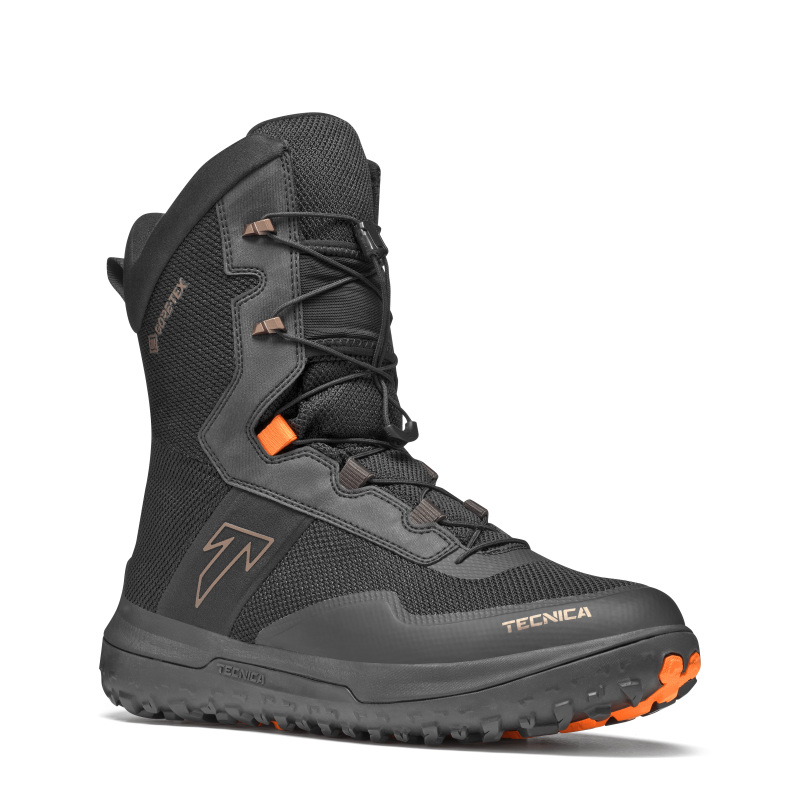

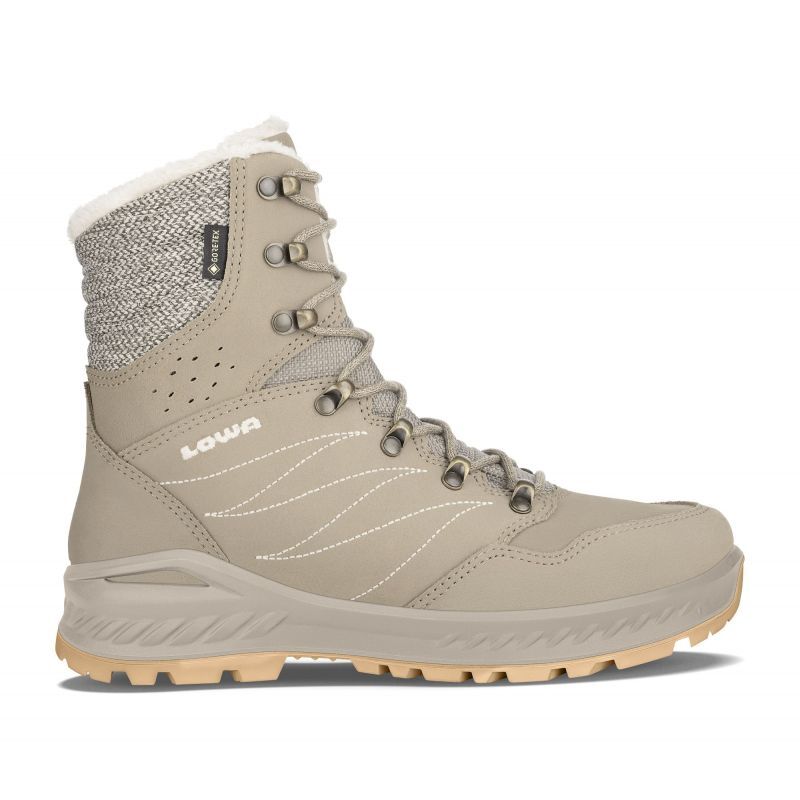
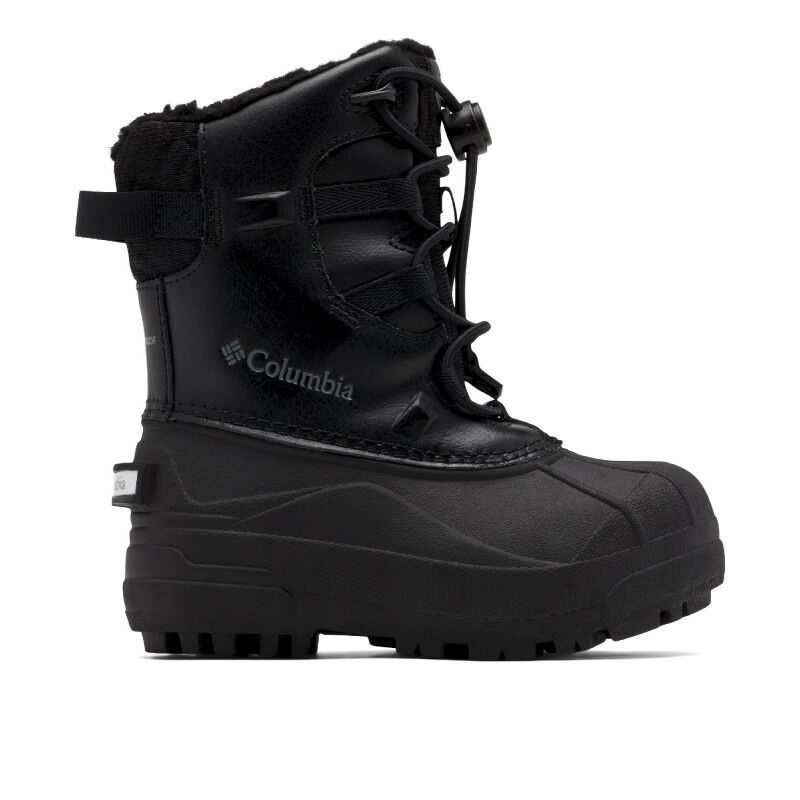
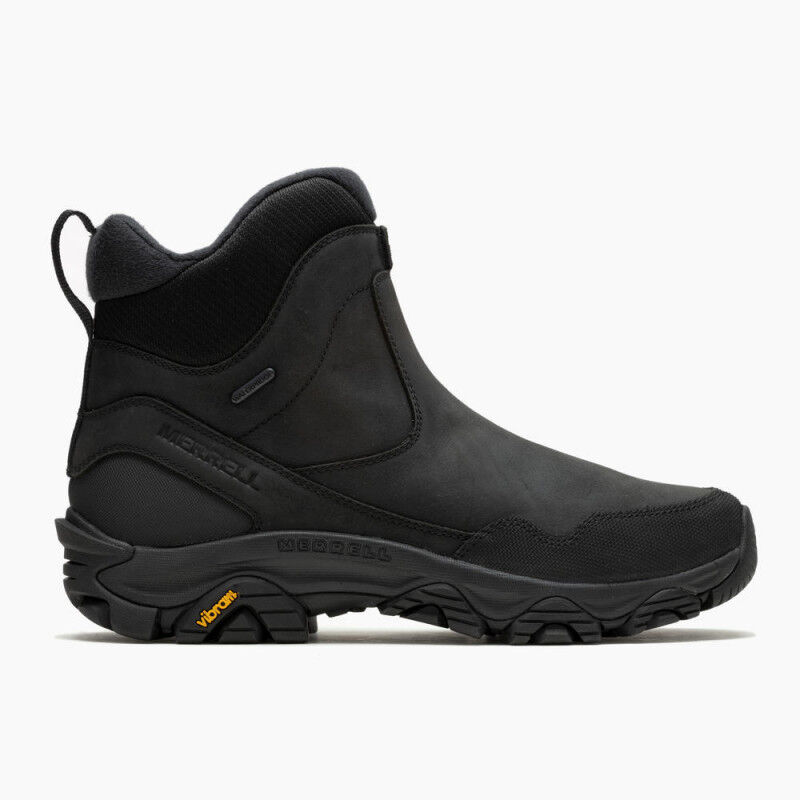
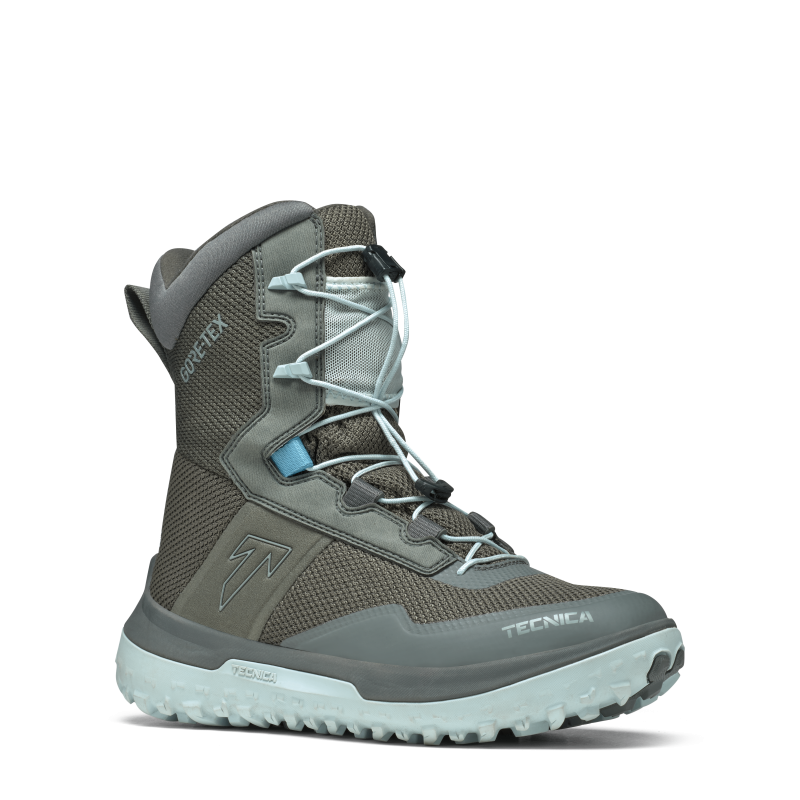
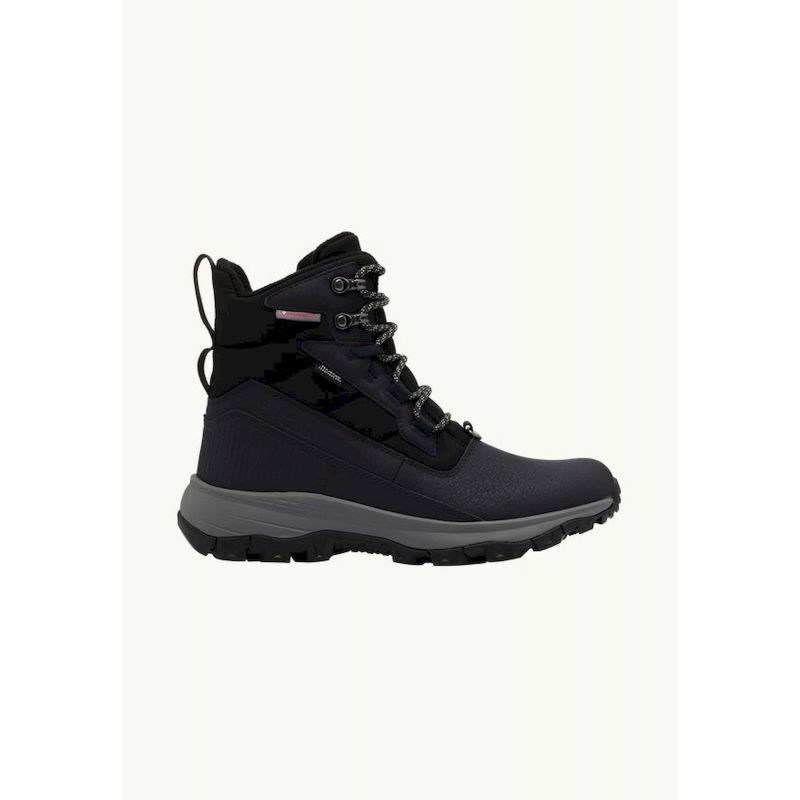
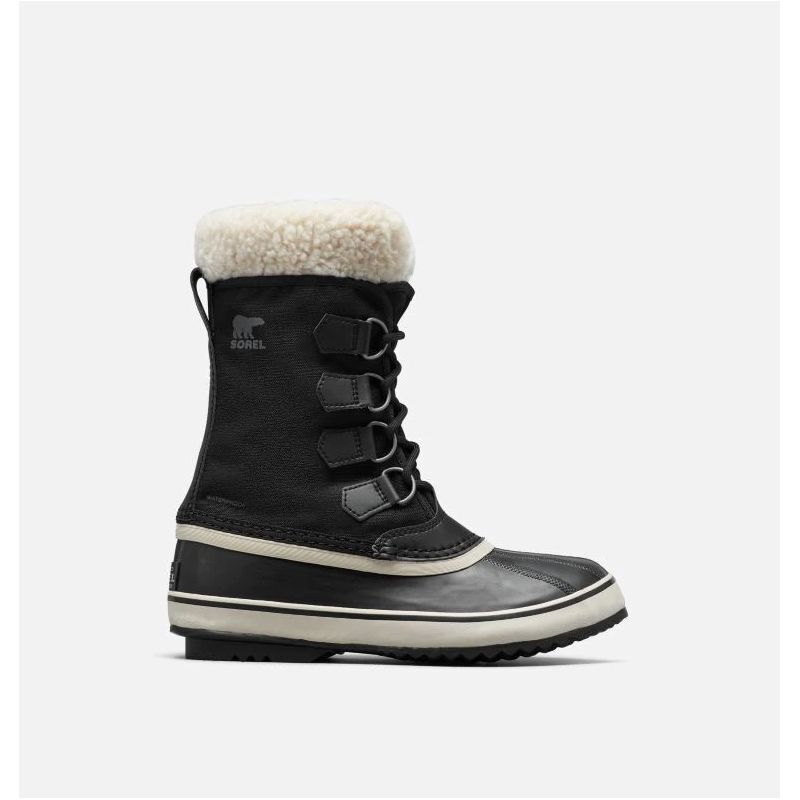
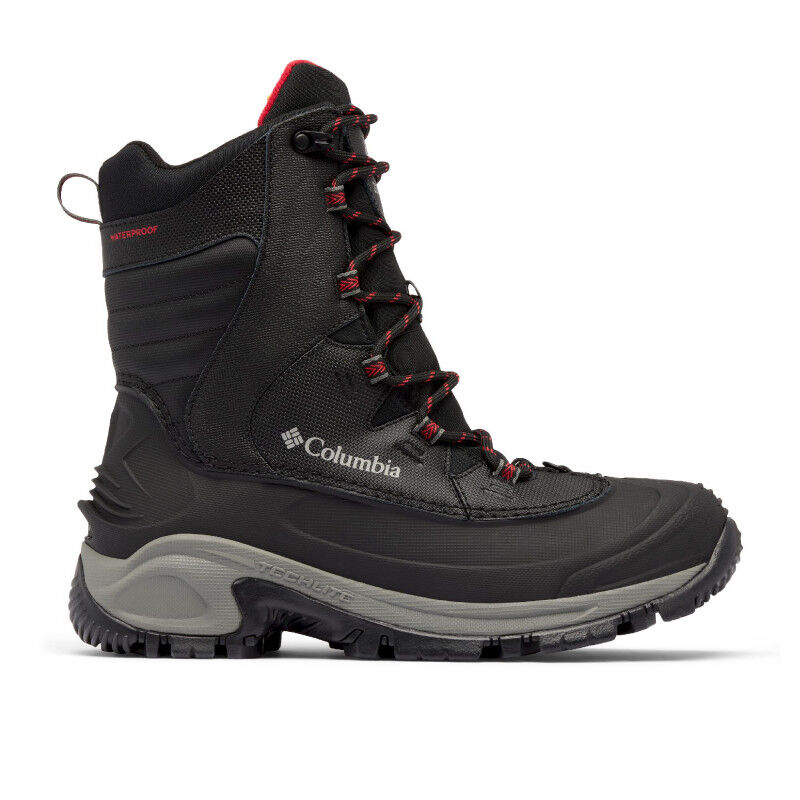
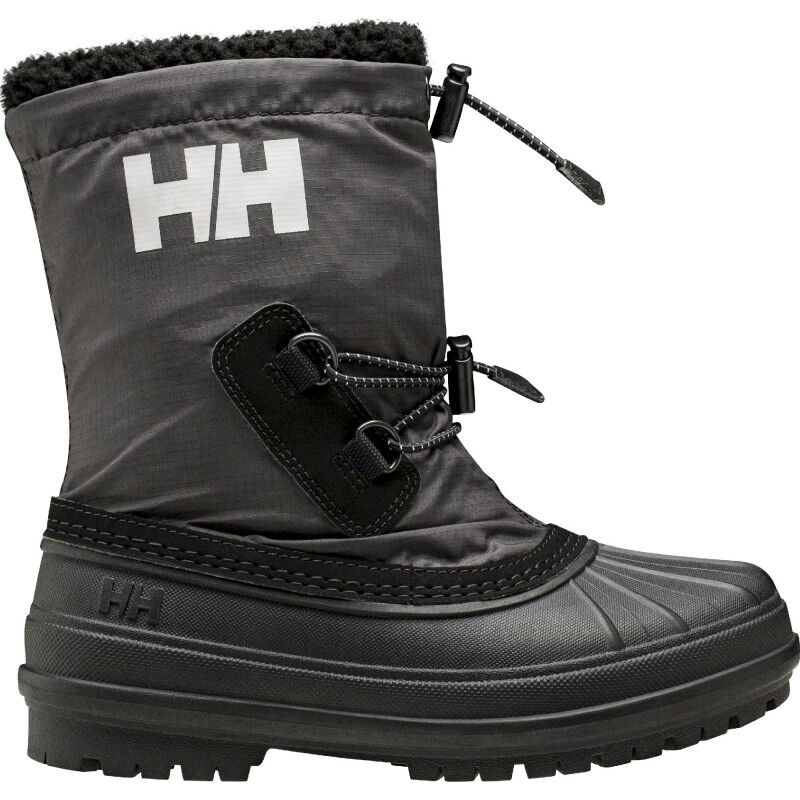
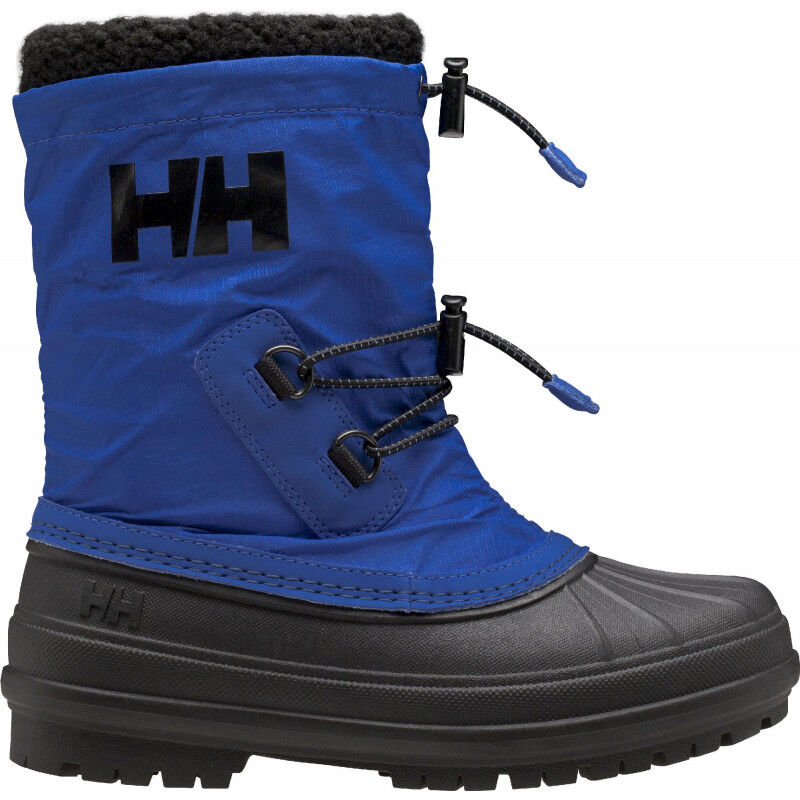
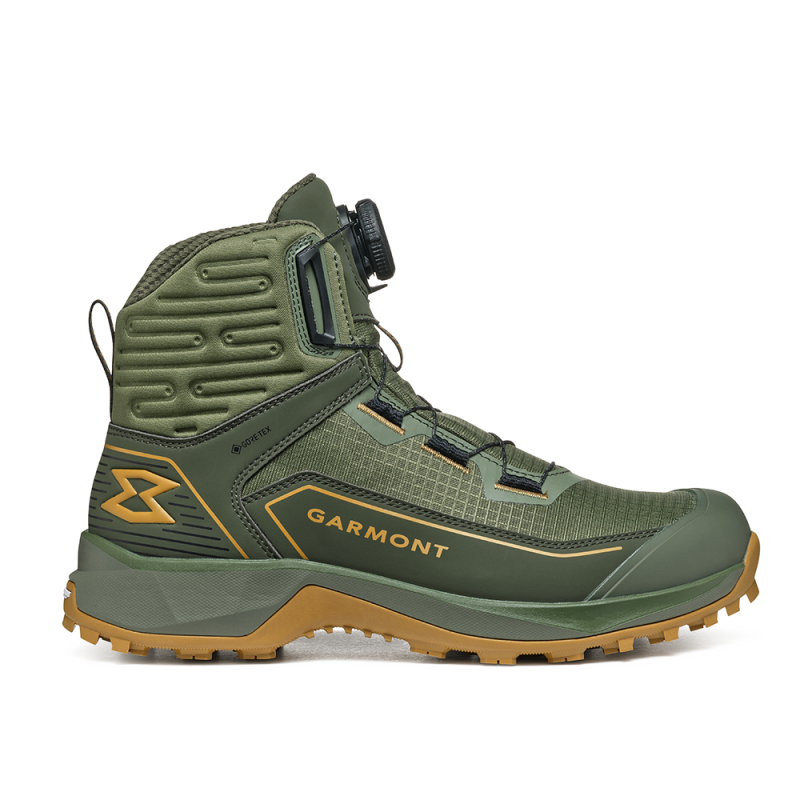
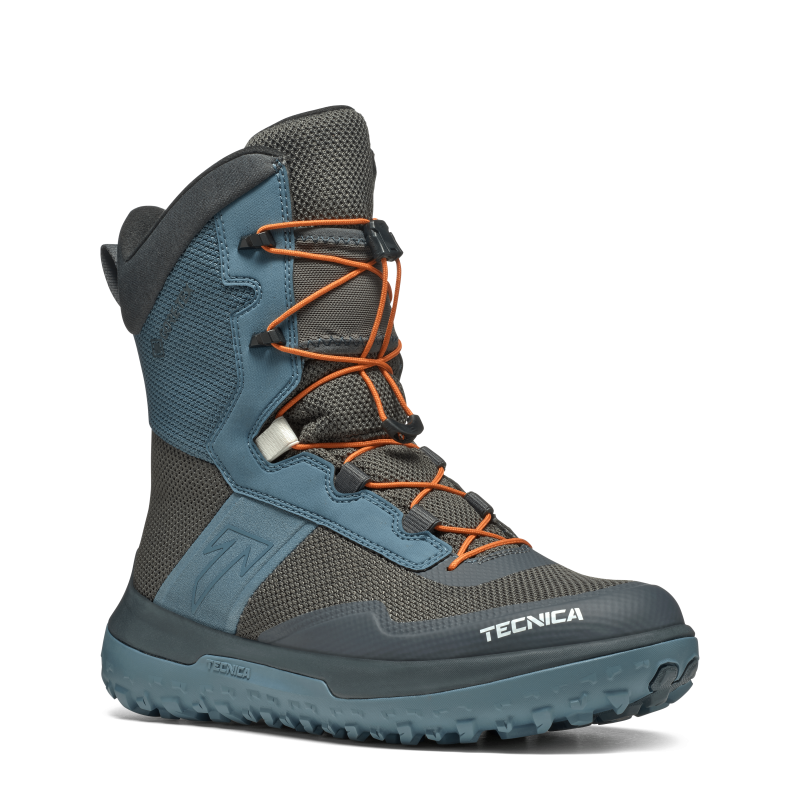
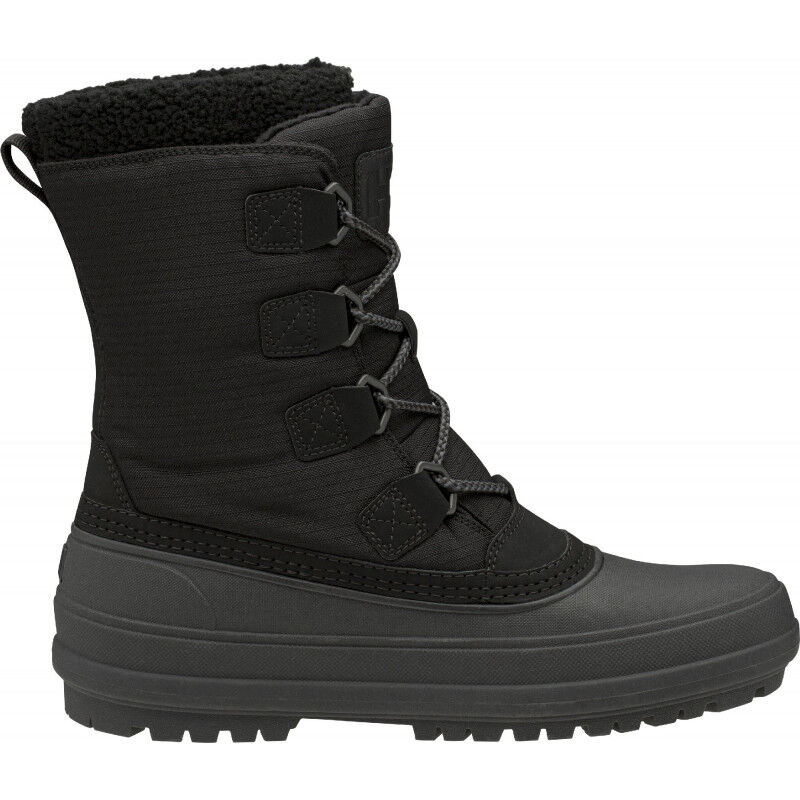
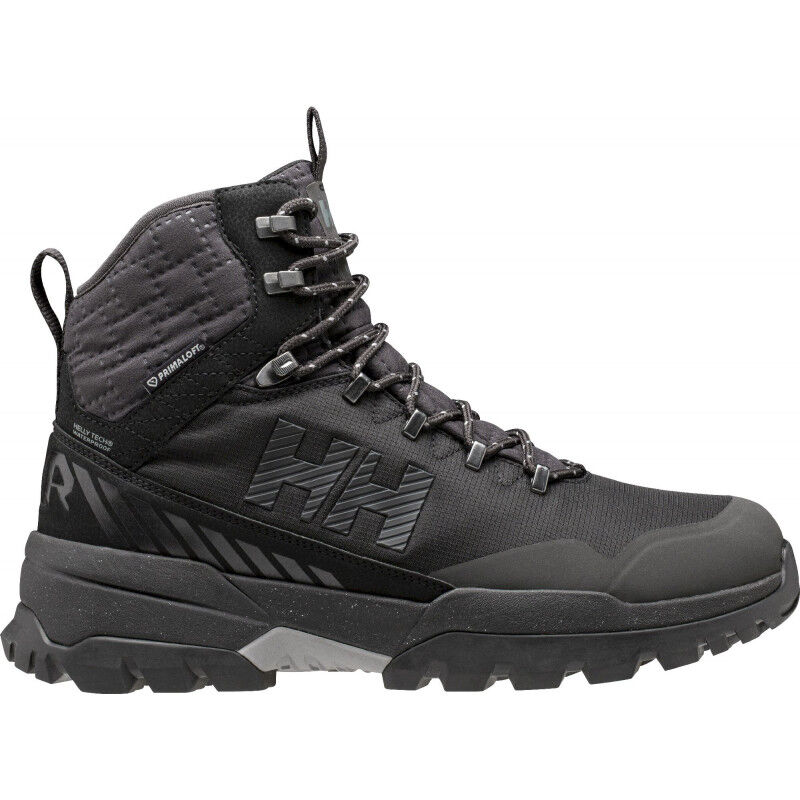

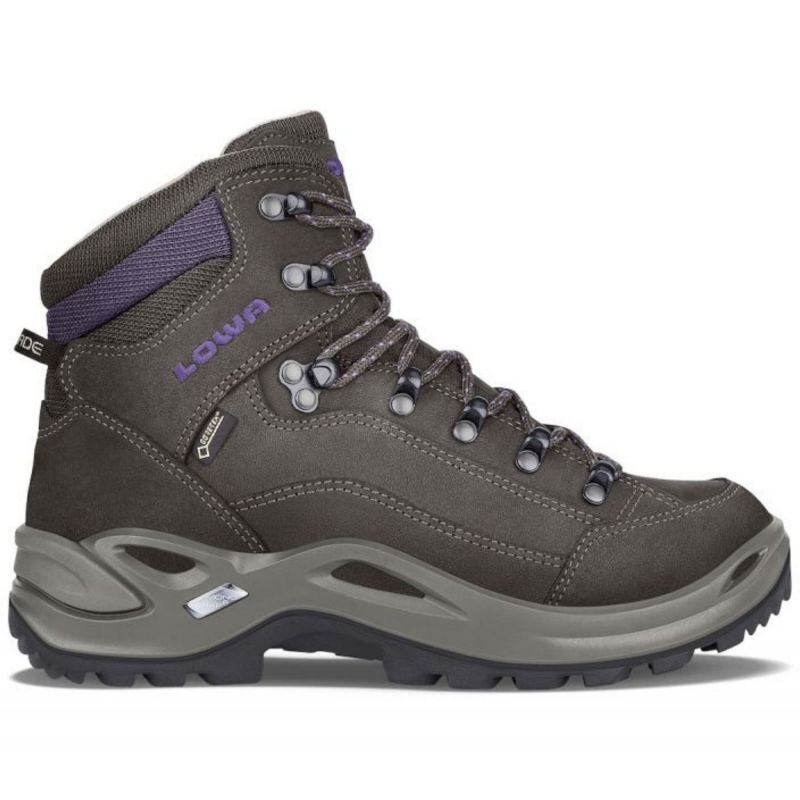
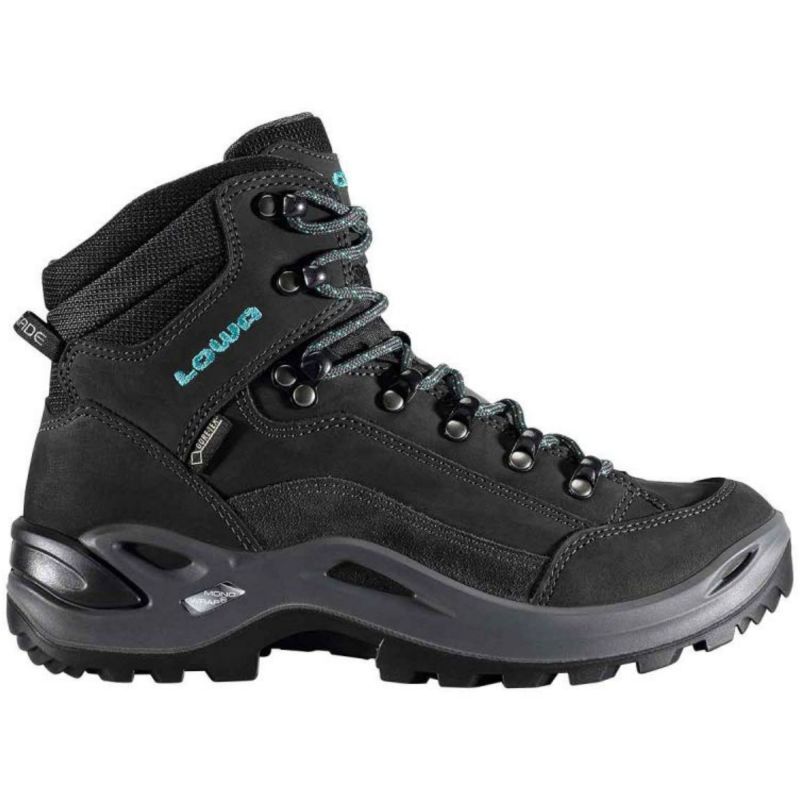
Boots for Snowshoeing, your essentials for snowy hiking sessions!
Whether you're a powder lover or an immense fan of snowy landscapes, you look forward to winter and its powdery falls that can drive you mad with excitement. And rightly so: equipped with your pairs of snowshoes, you plan to traverse the peaks, whether to discover the practice of snowshoeing or simply to conquer summits you haven't yet climbed! But one crucial item is missing from your gear: your boots for snowshoeing, which are indeed essential to wear your snowshoes! Essential for keeping your feet warm and protected from the cold and moisture of the snow, your boots for snowshoeing must provide you with warmth, protection, and comfort. Nothing less! Don't worry, manufacturers have understood this well and now offer boots for snowshoeing that are true technological gems, ensuring you long and wonderful hours of hiking on snowy trails in utmost comfort. Whether simple walking boots or true specific shoes, the models of boots for snowshoeing are diverse and varied, adapting to the needs and profiles of everyone. If you too are perplexed by such a display of products and models that are all different from one another, don't move, you're in the right place! The following will explain how to choose your boots for snowshoeing to enjoy splendid days in the mountains amidst the powder.
Boots for snowshoeing: the essential criteria
Boots for snowshoeing: shoes designed to tackle the snow
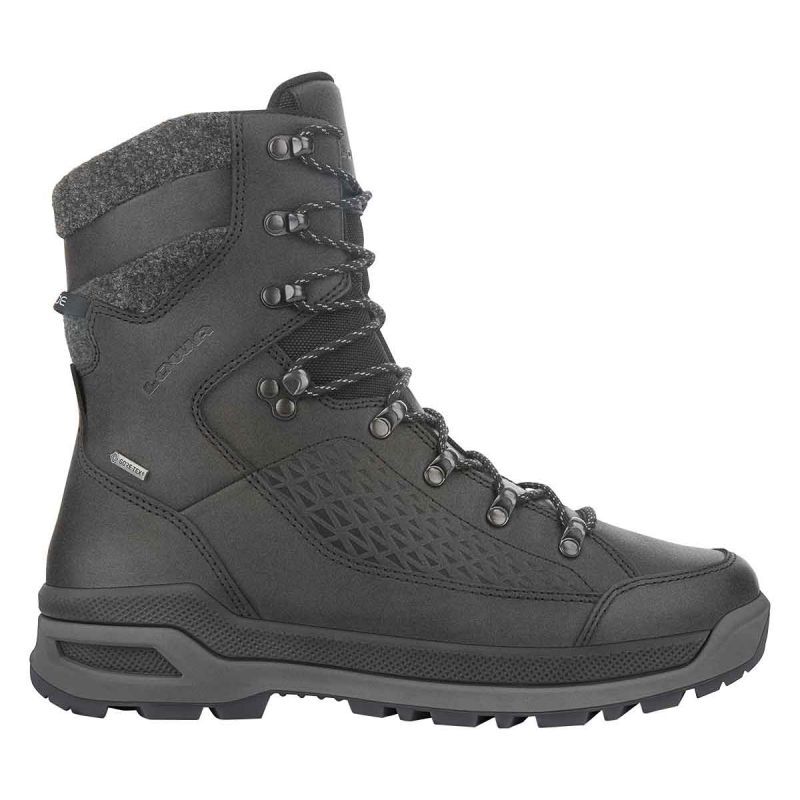
You might guess, to face the snow that can sometimes reach up to your knees (even with snowshoes!), it is essential to opt for boots for snowshoeing that are high-cut. The first reason, obvious, is to keep your feet warm, but also to prevent any entry of snow into your boots for snowshoeing. Because once your feet are wet, it will be very difficult to warm them up and fully enjoy your outing in the powder! To avoid shivering during your hike, high-cut boots are therefore more than an option; they are a necessity. The second reason, more subtle, concerns your stability and ankles. Indeed, in the snow, it is much more complicated to be stable, especially on snowshoes. Thus, to support your foot and your ankle, high-cut boots for snowshoeing are ideal. However, while high-cut boots provide good protection for your feet against the snow, that is not enough. If your boots are wet, indeed, no matter the height of the shaft of your boots for snowshoeing, your feet will be exposed! And you have probably already experienced this: against the snow, non-waterproof boots do not last long, especially in the face of powder! This is where the second selection criterion comes into play, which is none other than the waterproofing of your boots for snowshoeing.
Boots for snowshoeing: waterproofing is key!
You may have already experienced it, but wearing non-waterproof boots in the snow can quickly become uncomfortable as your feet are burned and frozen by the cold. And with your feet, your whole body shivers with cold! To avoid this scenario that could ruin a beautiful day of hiking, nothing beats waterproof boots for snowshoeing! In this regard, the Gore-Tex membrane, which needs no introduction, ensures your feet stay dry all day long! However, be careful, just because they are insulated does not mean they are a barrier against snow! Thus, if your boots for snowshoeing are not tightened properly, or if the powder is particularly present, it is not impossible for snow to seep into your snowshoe boots. And there, no matter how waterproof your boots for snowshoeing are, your feet will inevitably get wet. And this can be particularly troublesome as your waterproof boots for snowshoeing are extremely difficult to dry due to the membrane that allows very few water particles to escape. If you plan to go on several consecutive days of hiking, this could spoil your trip as your boots for snowshoeing won't have time to dry from one day to the next, leaving your feet wet all day long, which is not very pleasant. To avoid such situations, gaiters can be particularly effective in preventing any infiltration of snow into your boots for snowshoeing. Keep this in mind for this winter when the powder is on the agenda! Besides waterproof boots for snowshoeing, breathability also plays a crucial role.
Boots for snowshoeing: the importance of breathability
It is wise to equip yourself with waterproof boots for snowshoeing... unless your boots are not breathable. Indeed, to avoid the sauna effect in your boots for snowshoeing, it is necessary to consider the level of breathability of your boots for snowshoeing. Thus, to prevent your feet from getting soaked not from snow, but from sweat, opt for boots for snowshoeing with a good level of breathability, especially if you plan to undertake physically demanding hikes. For simple walks, however, breathability is less important and will therefore be a less significant criterion in choosing your boots for snowshoeing. However, one criterion is common to all levels of practice: warm boots! In the face of low temperatures, your boots for snowshoeing must be both warm and breathable, to keep your feet comfortable throughout the day.
Boots for snowshoeing: what about insulation?
If the waterproof membrane protects your feet from water and moisture, it does not provide any warmth to your feet, which they desperately need! In this regard, many boots for snowshoeing come with linings for increased insulation and thus a much greater thermal contribution. Depending on the conditions you will face and the varying temperatures, it is possible to find models that give you, like sleeping bags, the comfort temperature of your boots for snowshoeing. This will allow you to choose a model or another of boots for snowshoeing based on your practice and the temperatures you are used to facing. If you are more of a Sunday hiker who takes short walks, prioritize significant insulation, which will keep your feet warm enough during your outing. For an intermediate hiker, slightly less insulation will suffice, as you will normally be almost continuously moving and thus will need less of a significant heat contribution (which does not apply at high altitudes, however!).
If insulation, waterproofing, and breathability are the three basic criteria to respect when choosing your boots for snowshoeing, practice also plays a role in this choice. Hikes, walks, or true expeditions, your needs will not be the same, and thus your boots for snowshoeing will be impacted.
Choosing your boots for snowshoeing according to your adventures
Hiking boots for snowshoeing: short hikes
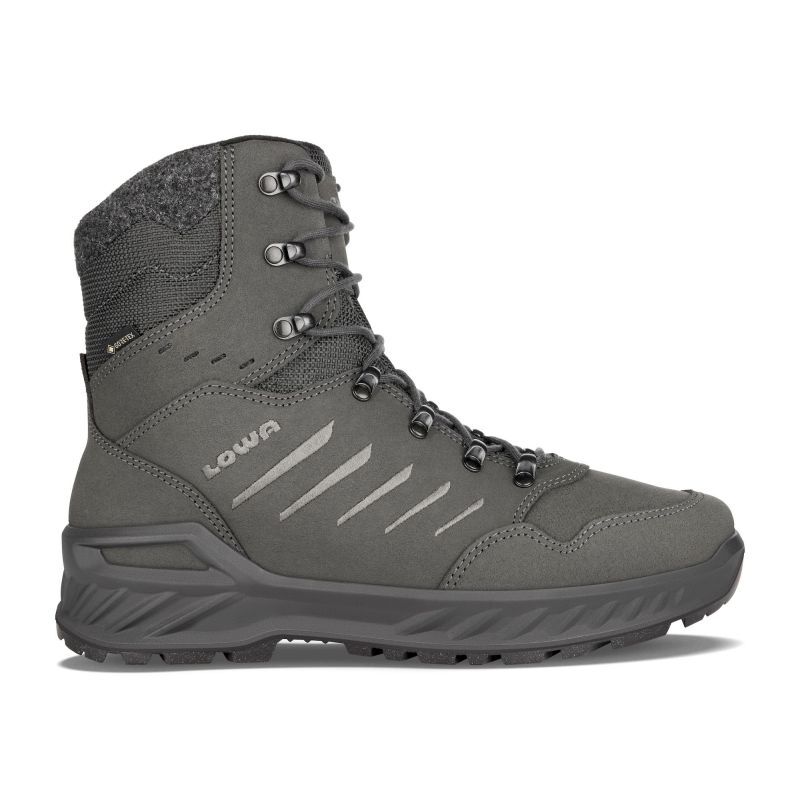
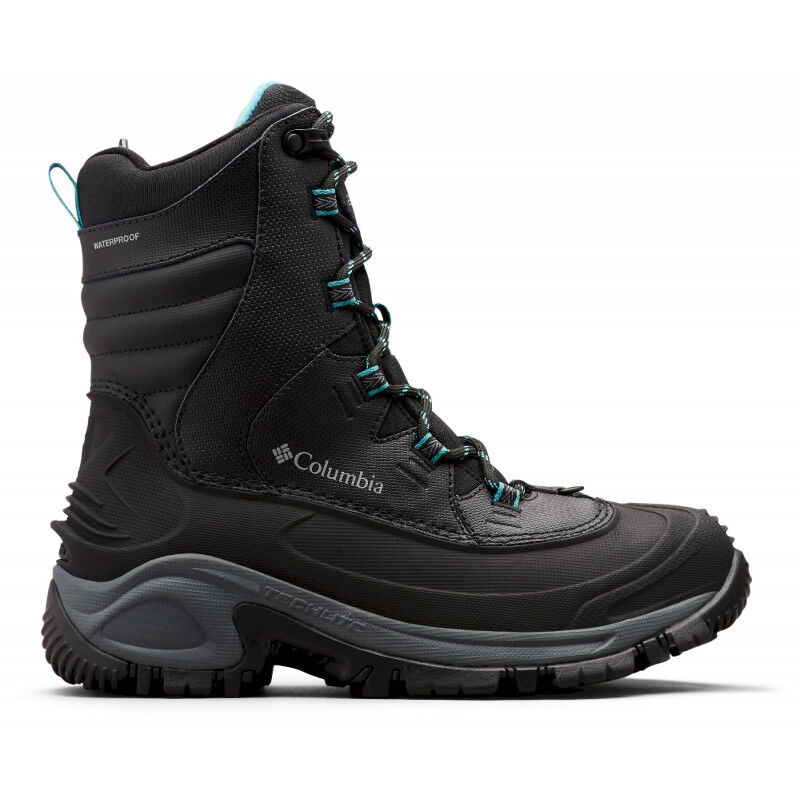
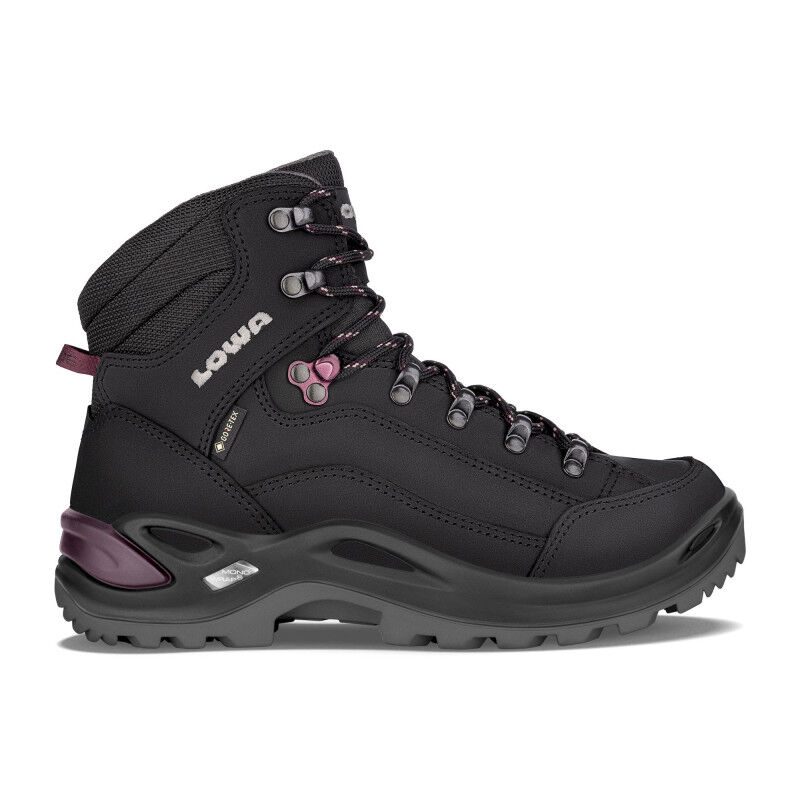
Versatile, hiking boots can also serve as boots for snowshoeing if you plan to undertake day hikes on moderately technical terrain. The important thing is that your boots for snowshoeing are waterproof, insulated, and breathable. It is also important, of course, that they are high-cut, just like any boots for snowshoeing. Offering a certain lightness and a natural stride, hiking boots are ideal companions for your winter hikes that do not require particular technicality. Our models of hiking boots for snowshoeing:
-Bugaboot Plus III Omni-Heat -Columbia
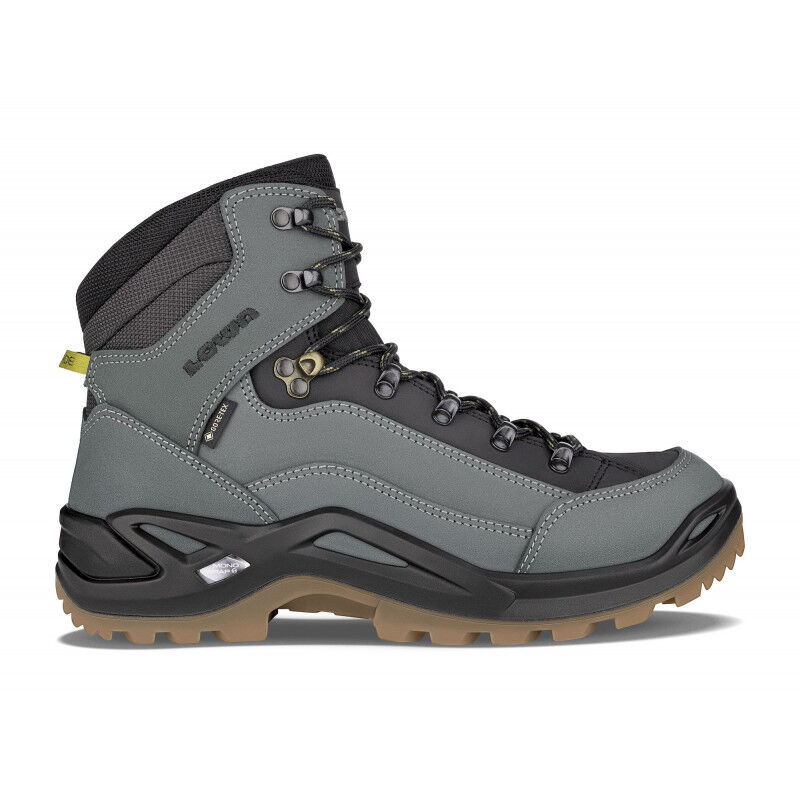
-Renegade GTX Mid -Lowa
-Renegade GTX Mid Ws -Lowa
Winter boots and après-ski for snowshoeing: short walks
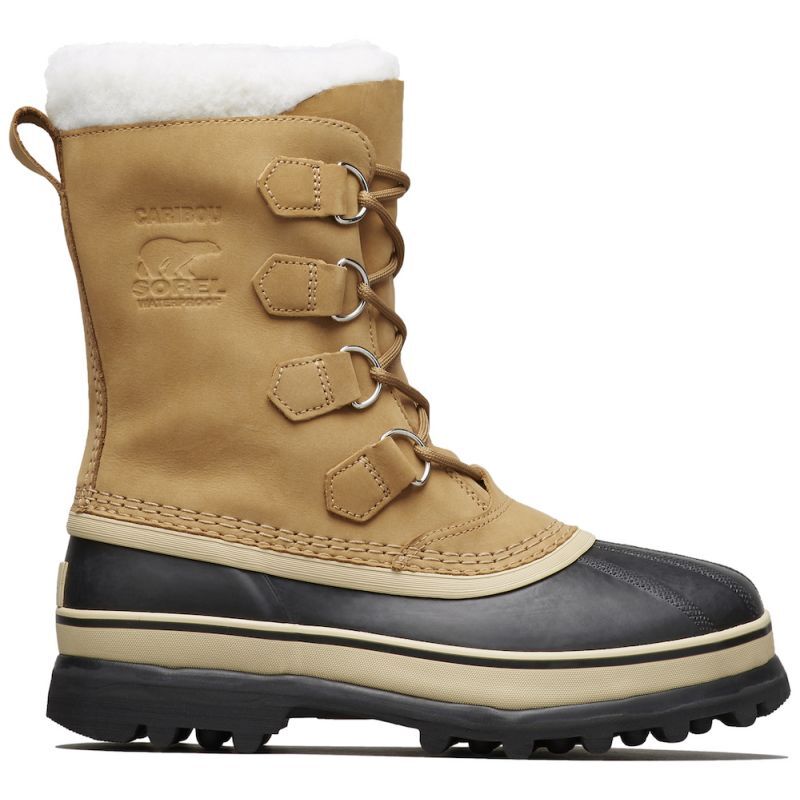
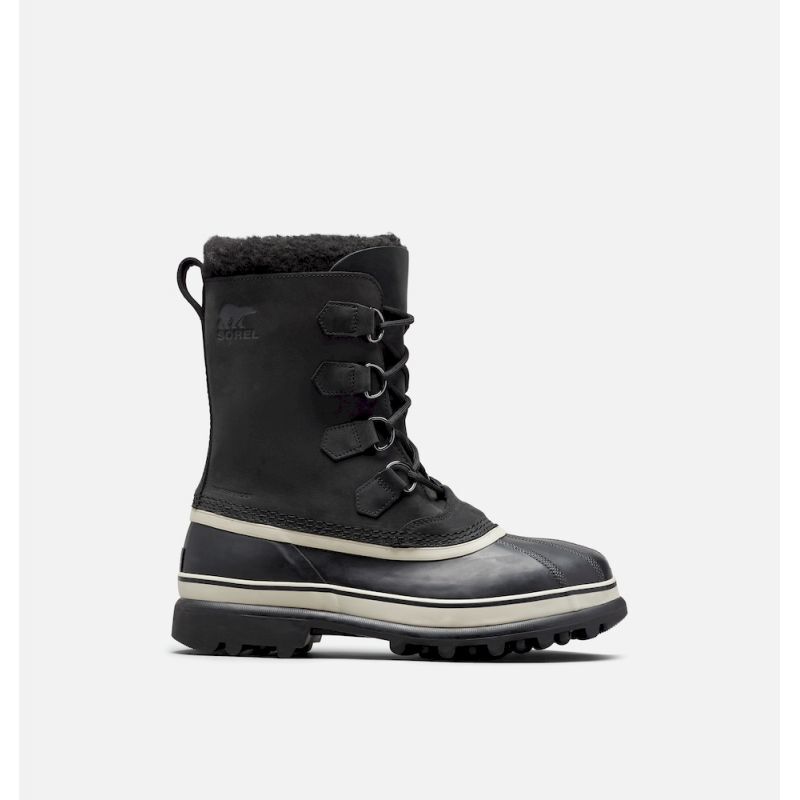
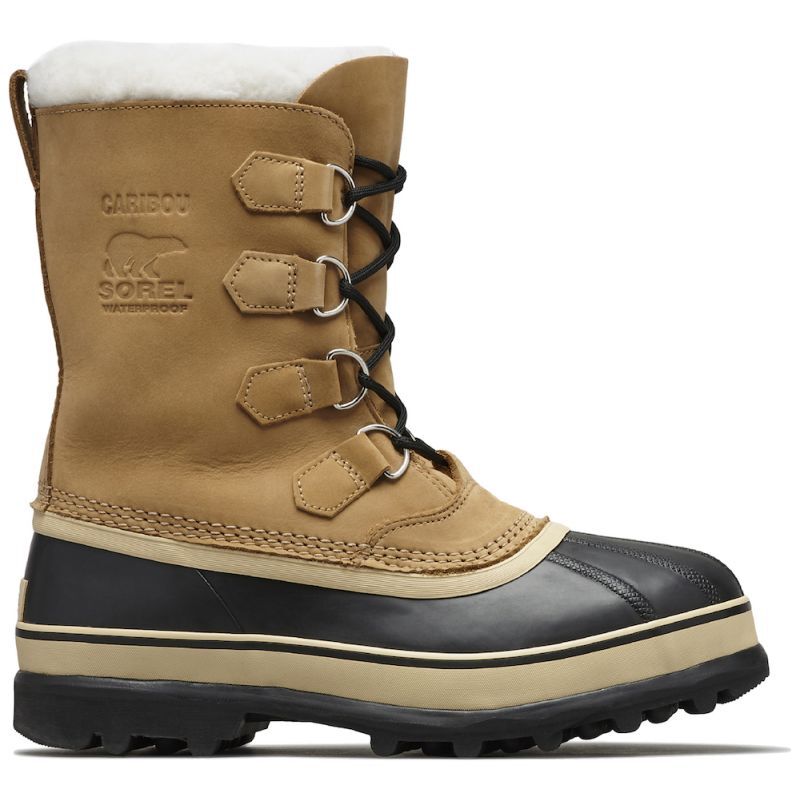
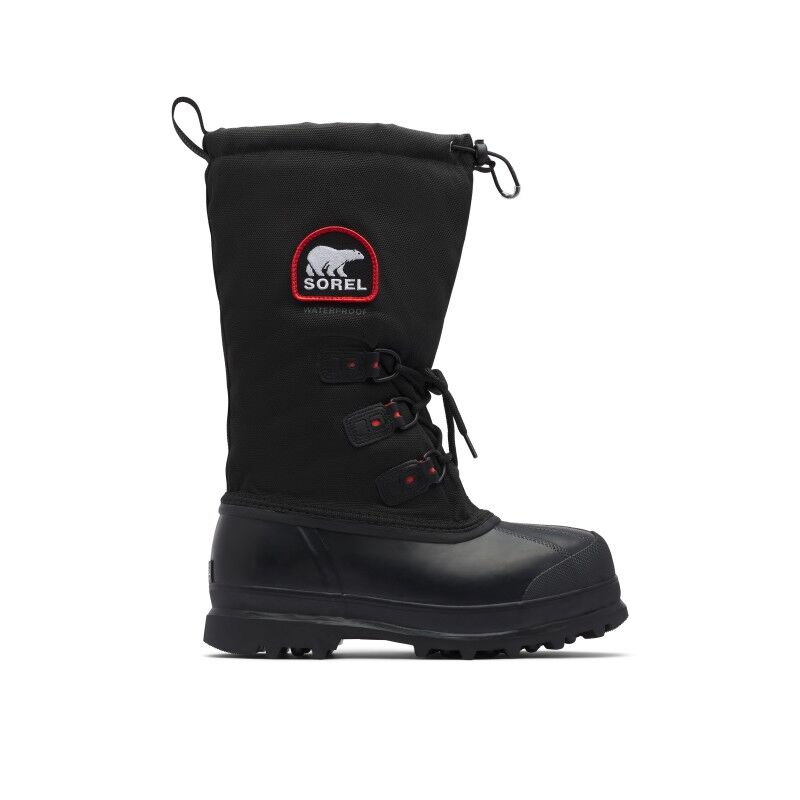
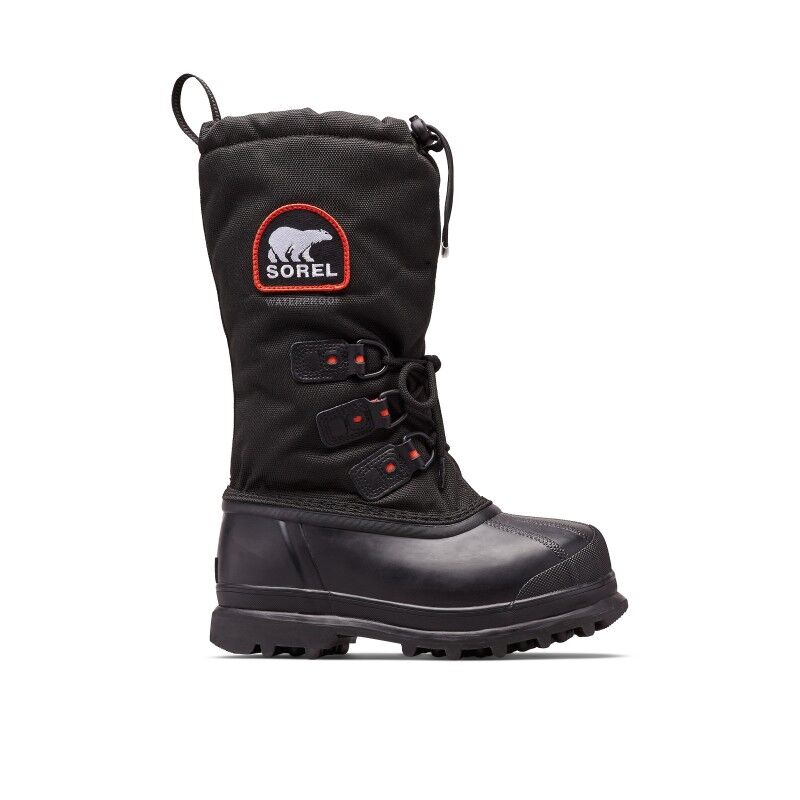
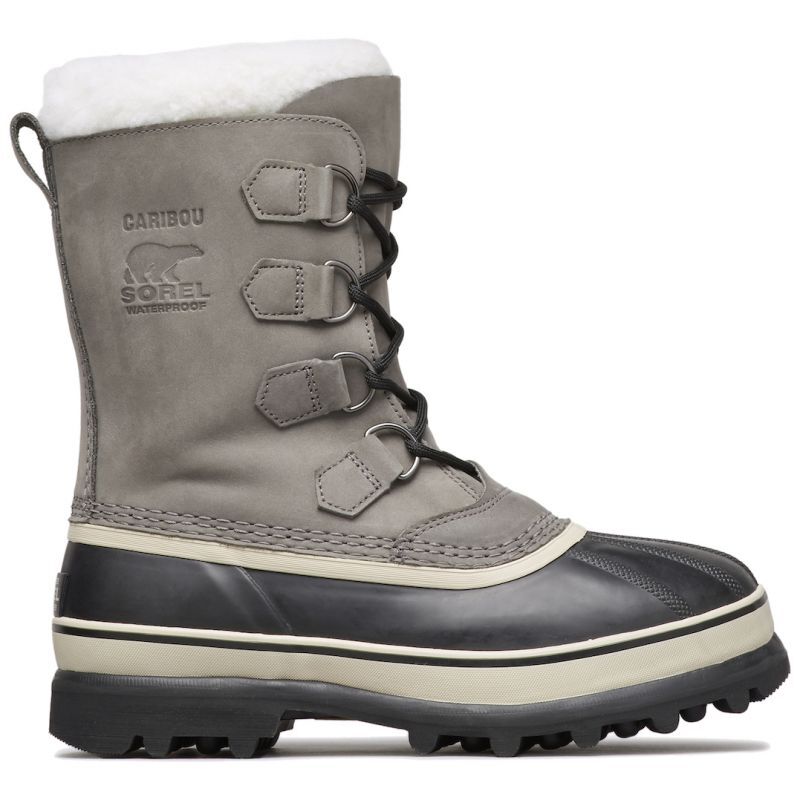
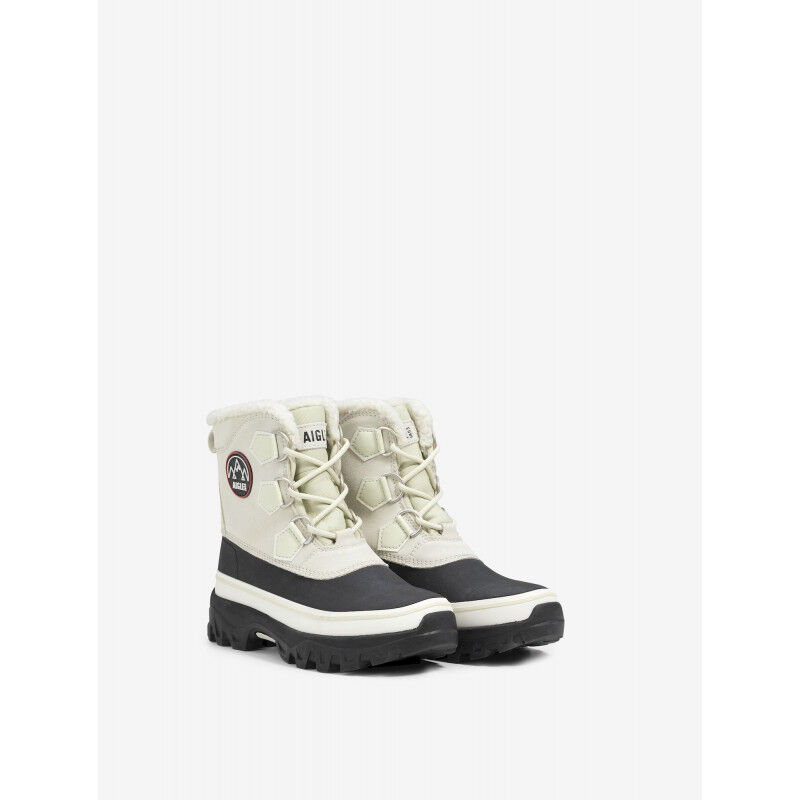
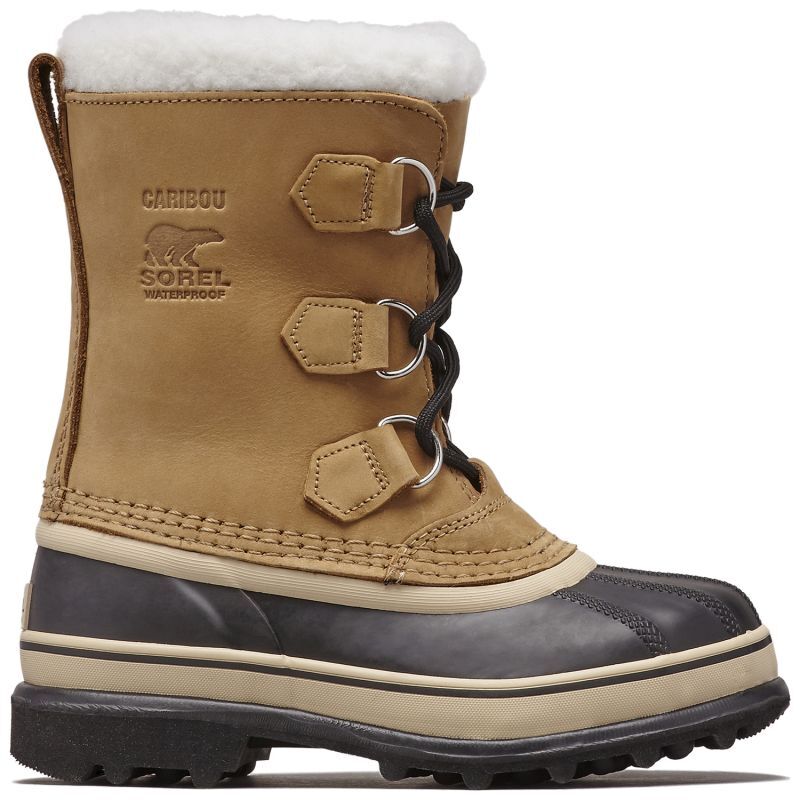
Another option, winter boots and après-ski can serve as boots for snowshoeing. This is especially true if you occasionally use these boots for walking in the snow and they are waterproof. However, this is only possible if you only plan on short walks, on nearly flat terrain and without excessive powder. Indeed, this type of boots is not suitable for a true hike, as their breathability is extremely low, as is the support for your feet. However, for a simple walk, they will do perfectly: no need to invest in special boots to enjoy a short walk in the snow without difficulty! This is not the case for the more seasoned who embark on long and technical expeditions. Our models of winter boots and après-ski for snowshoe walks:
-1964 Pac Nylon -Sorel
-Caribou -Sorel
-1964 Pac 2 -Sorel
Special boots for snowshoeing: long expeditions
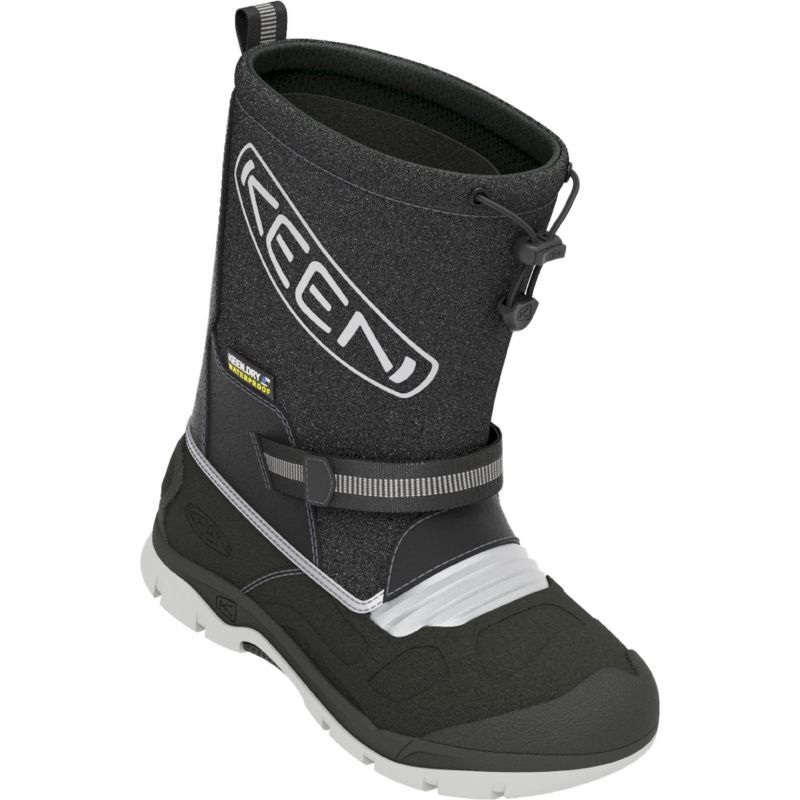
Reserved for the more adventurous, special boots for snowshoeing are dedicated to particularly long expeditions, facing significant powder. In this regard, mountaineering boots can be a good choice for boots for snowshoeing. Thus, there are mountaineering boots specially designed for such practice, which work perfectly as boots for snowshoeing. Particularly rigid, these boots for snowshoeing are ideal for tackling heavily snow-covered and technical peaks. However, comfort is not the strong point of this type of boots for snowshoeing! Our models of special boots for long snowshoe expeditions:
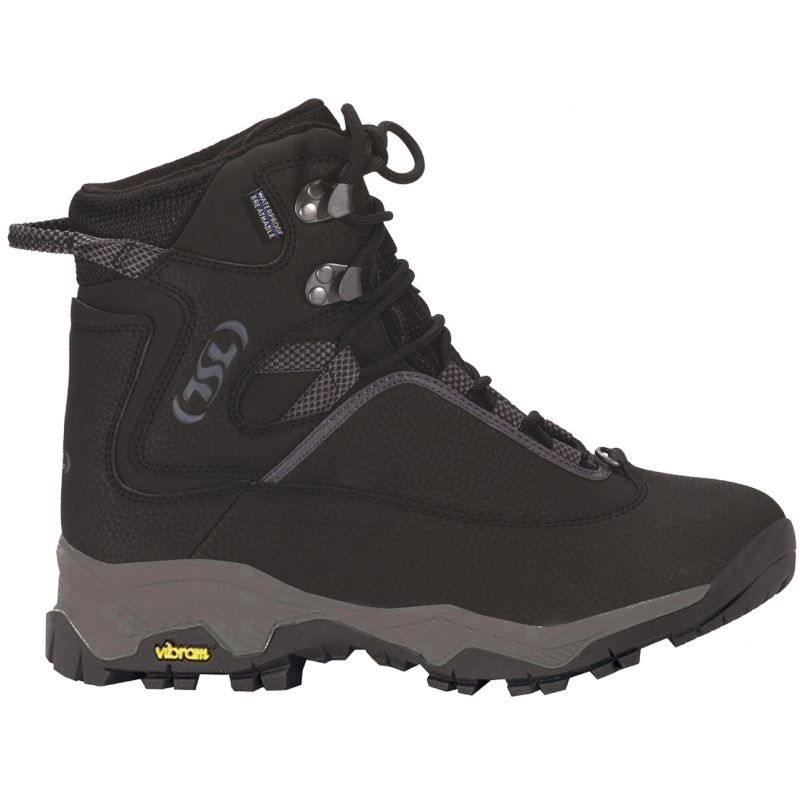
-Jura -TSL Outdoor
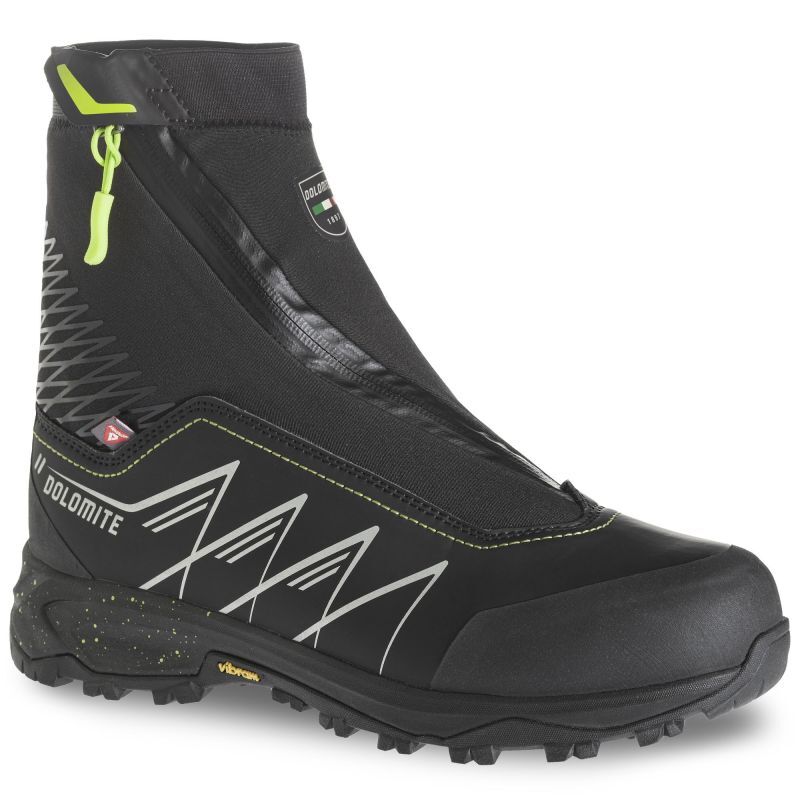
-Toundra Pro CSWP -Salomon
-Toundra Pro CSWP W -Salomon
Find your boots for snowshoeing on Hardloop.co.uk
Whether for long expeditions, short walks, or day hikes, several models of boots for snowshoeing coexist to offer consumers the ideal boots for snowshoeing for their practice. Some manufacturers even offer boots for snowshoeing specifically dedicated to the practice, which also proves the enthusiasm for this activity. After reading this article, you are now fully informed about the crucial characteristics for choosing your boots for snowshoeing. However, if a question or doubt arises regarding the choice of your boots for snowshoeing, do not hesitate to contact our team of enthusiasts at 01 48 58 30 28 (free call) or by email at hello@hardloop.com. We will be happy to answer all your questions and will be delighted to assist you in choosing your boots for snowshoeing and your future adventures in the powder!