
Ski Mittens
(486)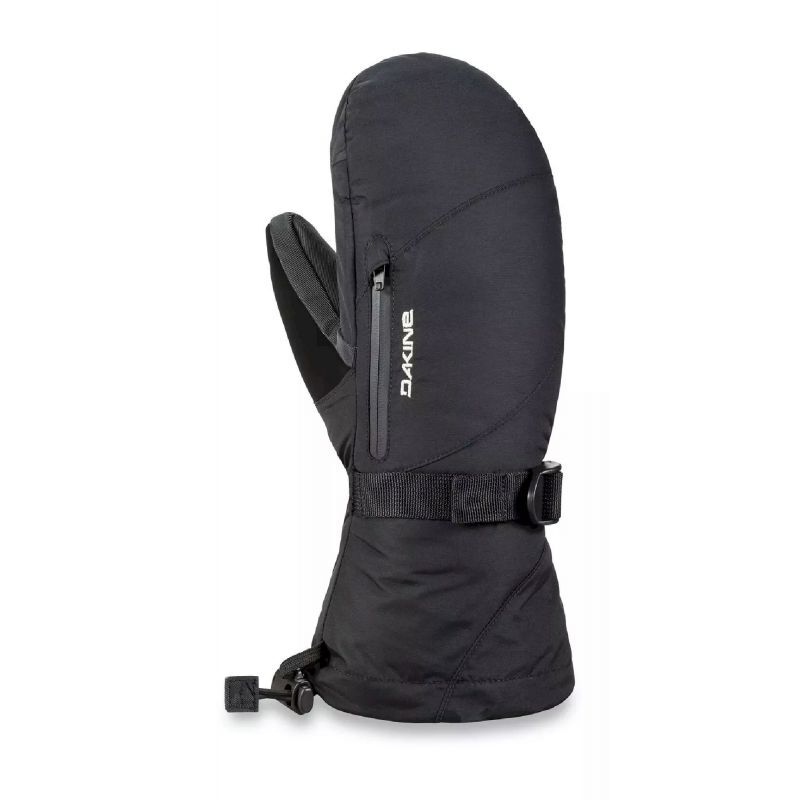
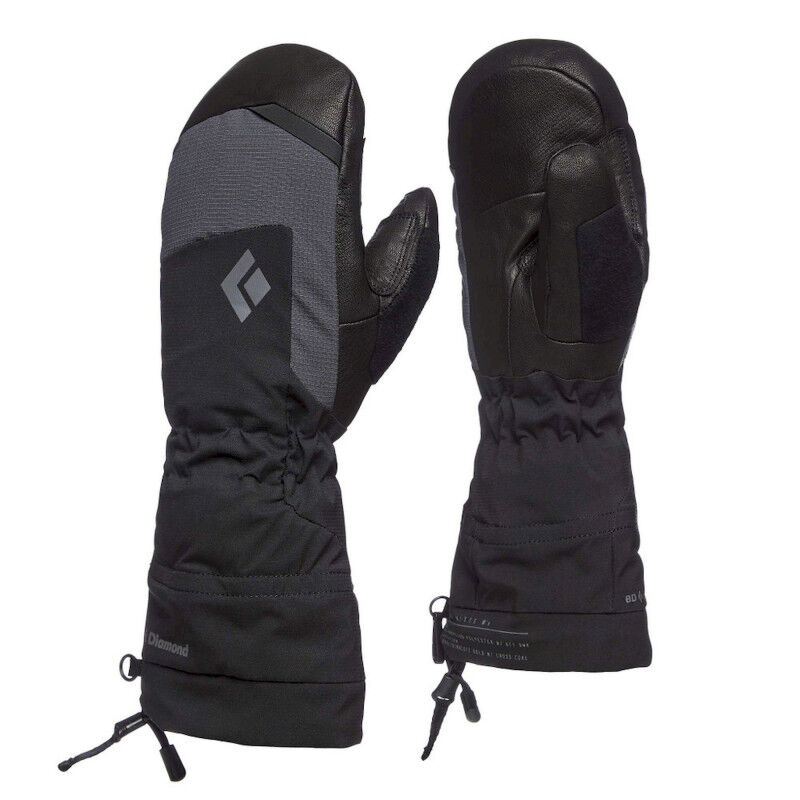
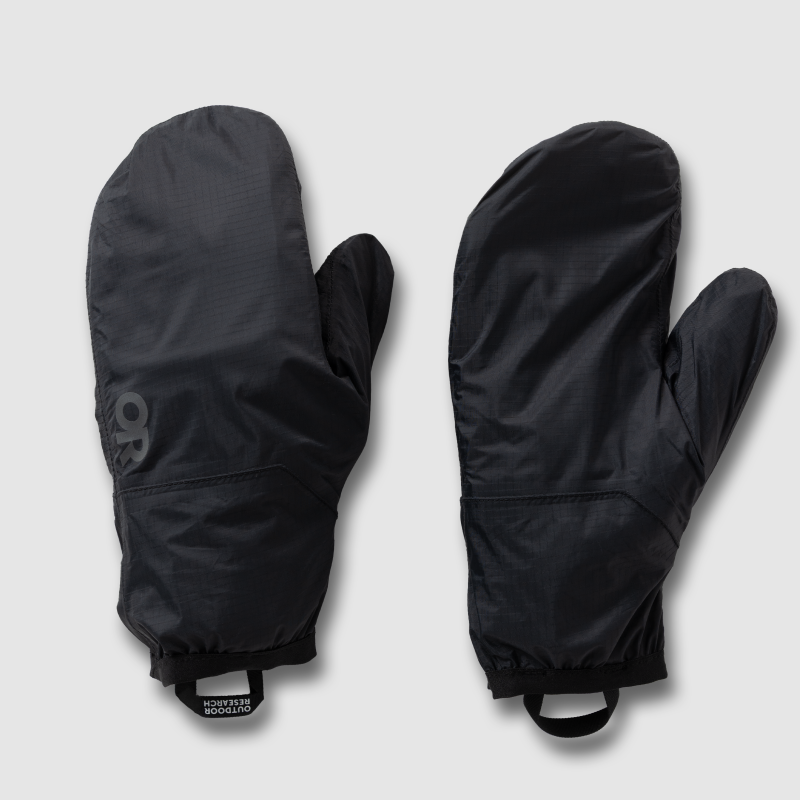
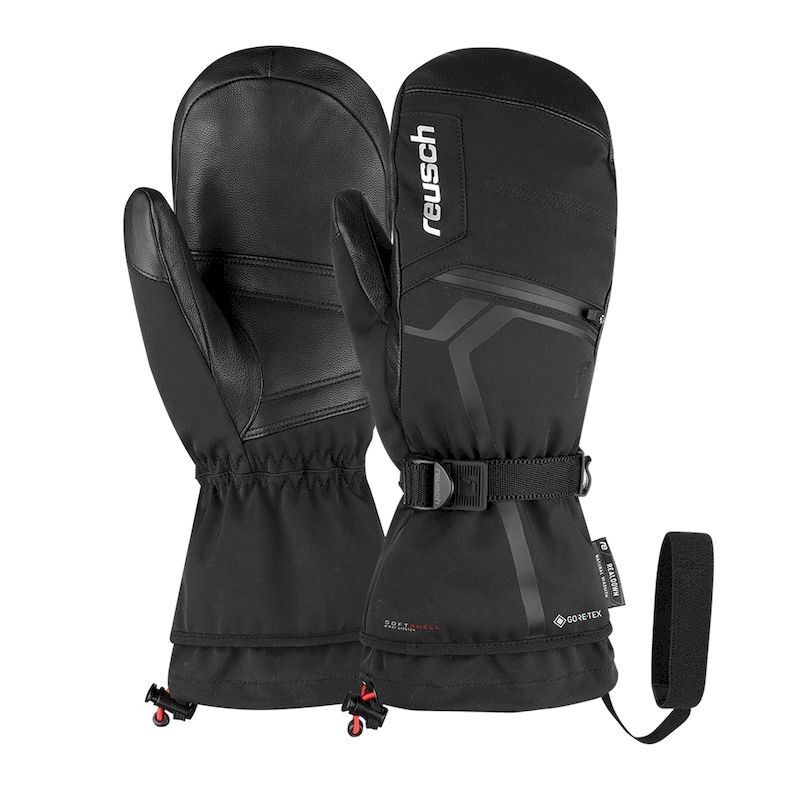
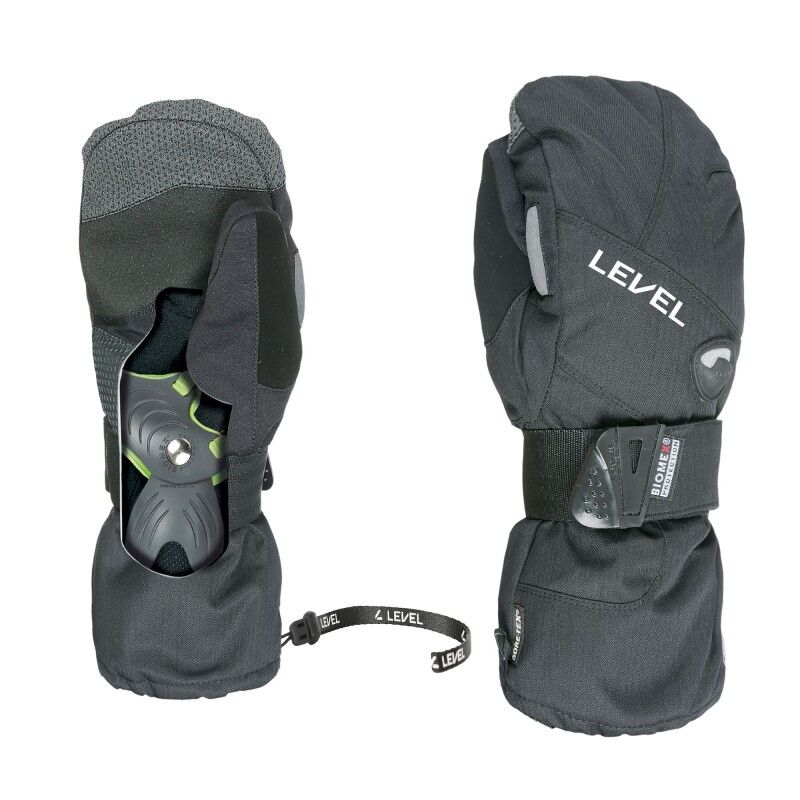

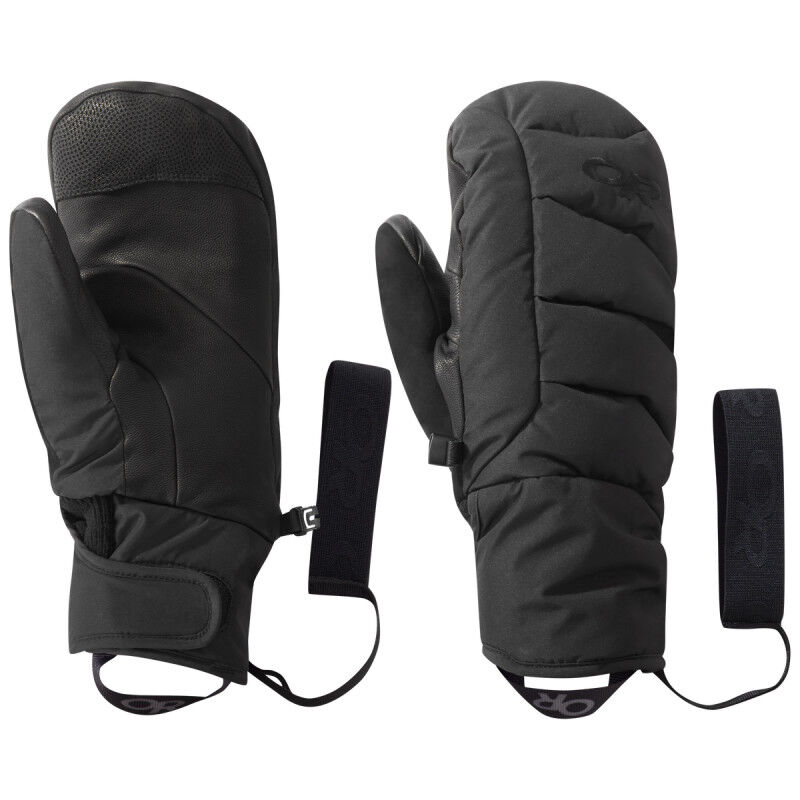

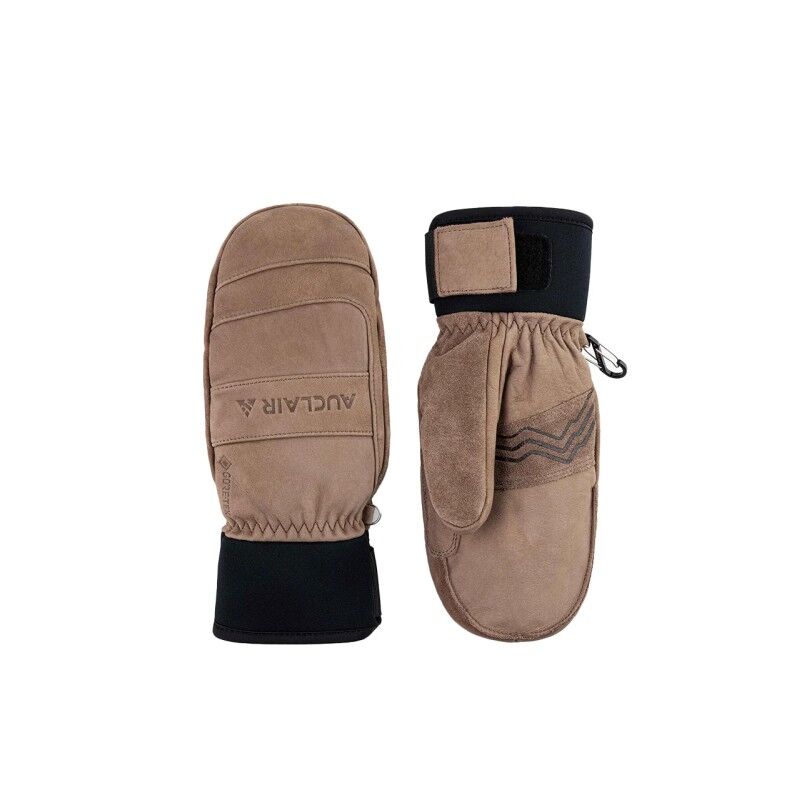
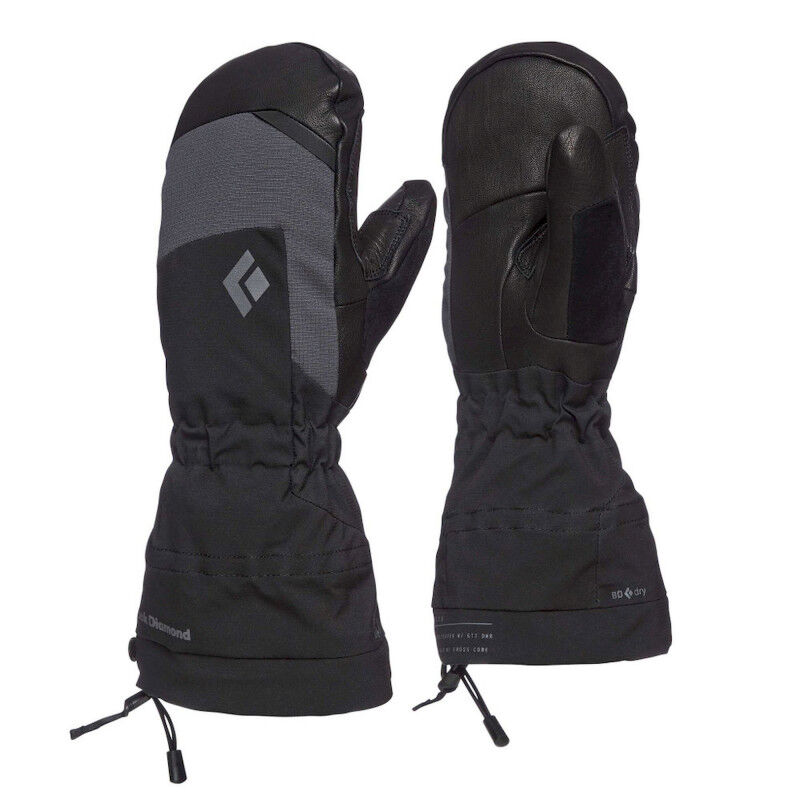
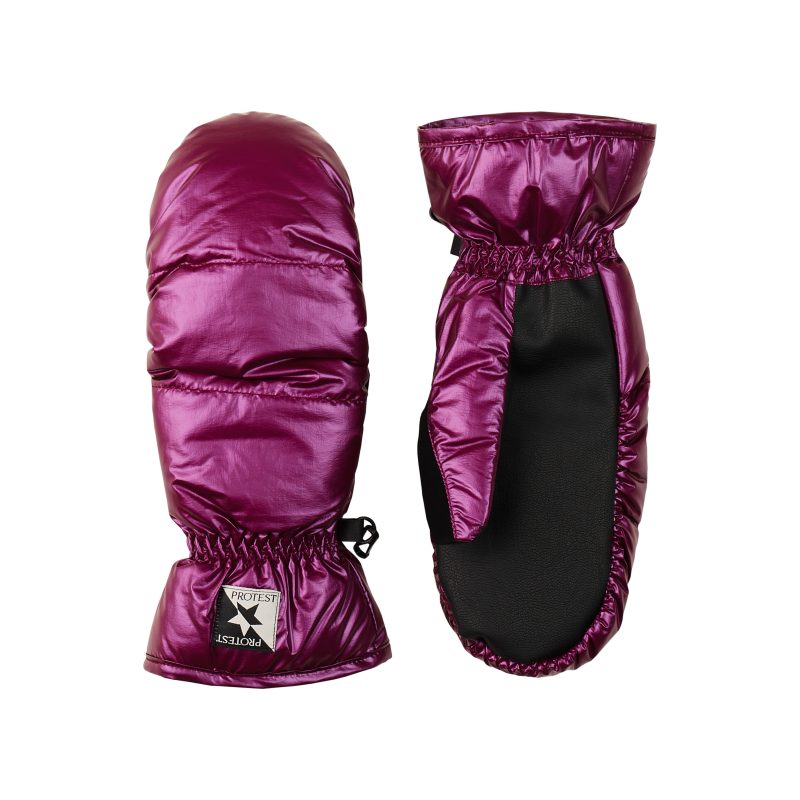
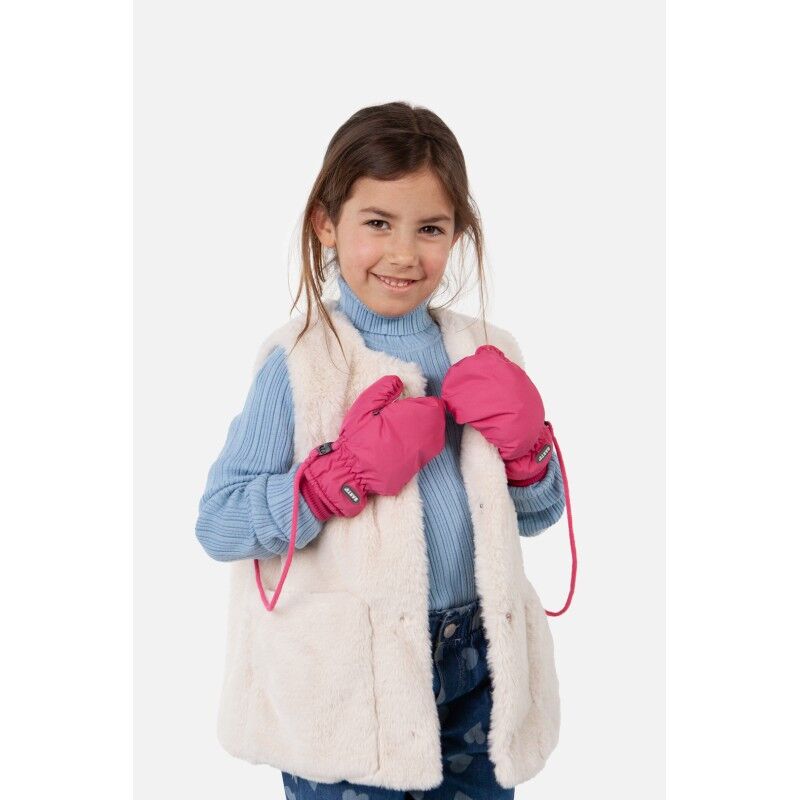
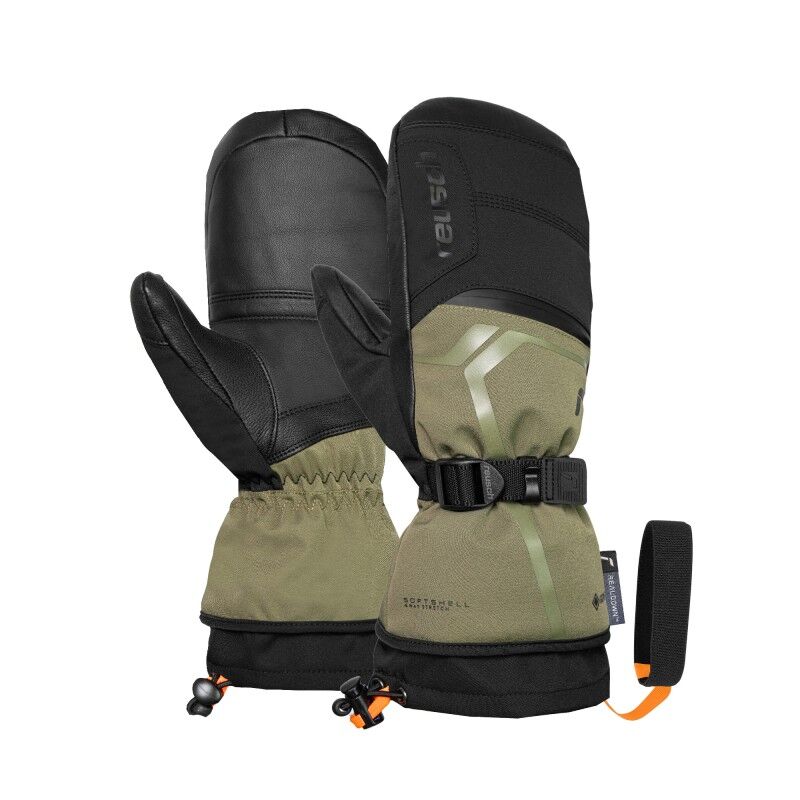
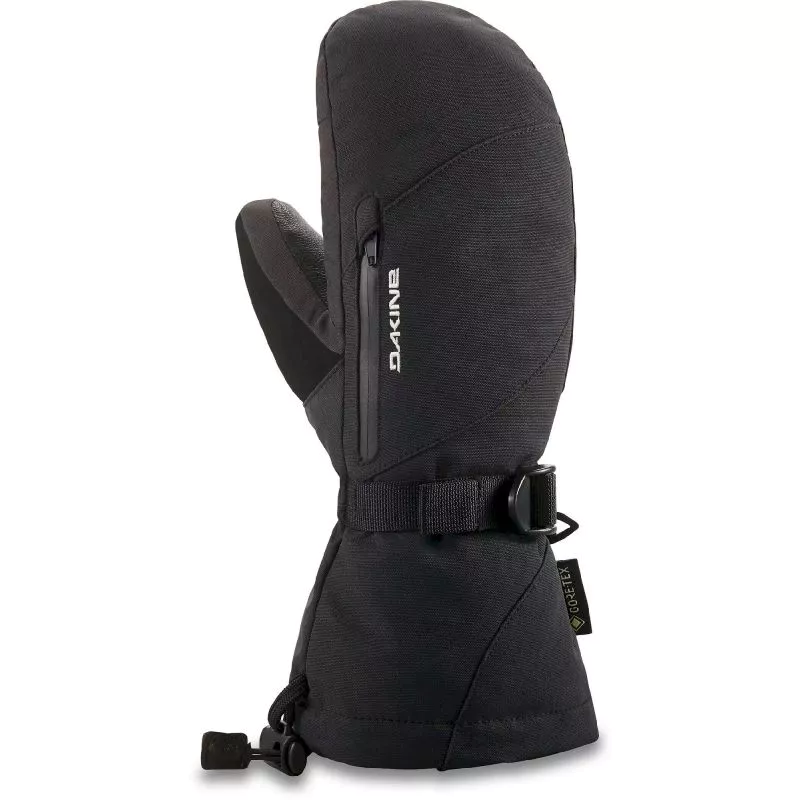
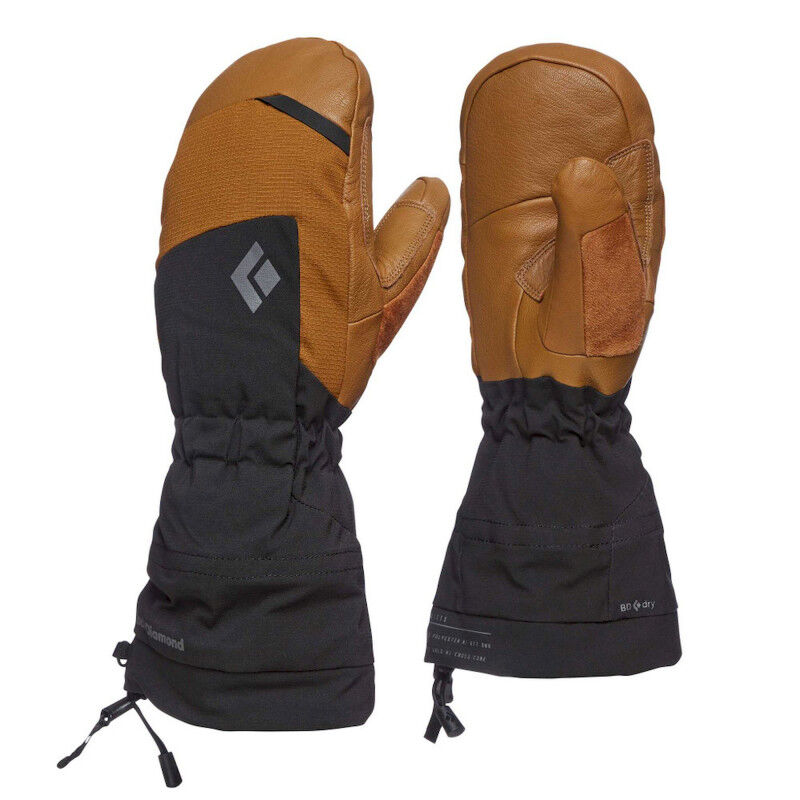
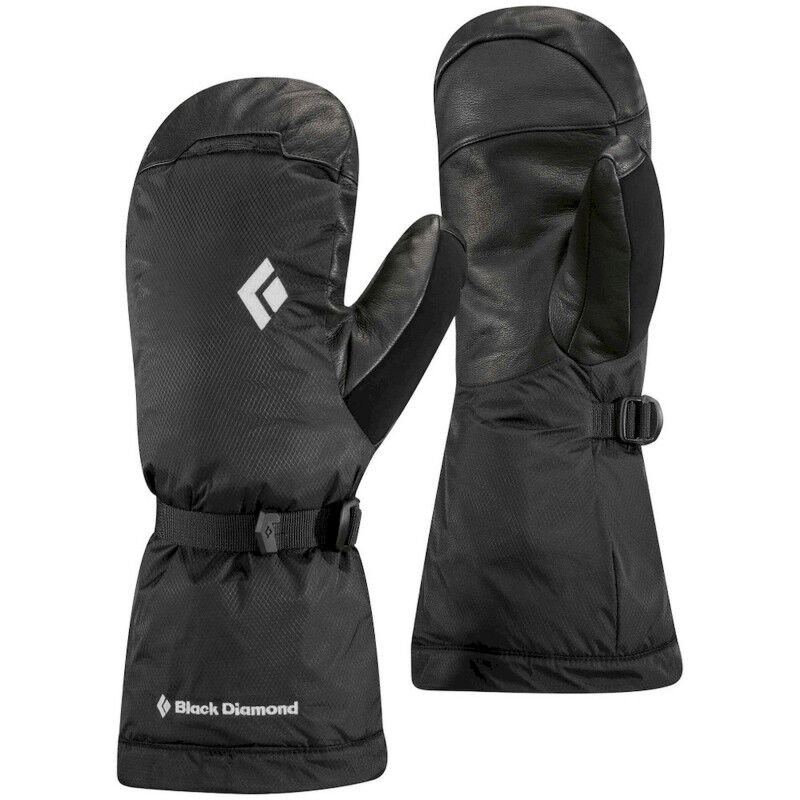

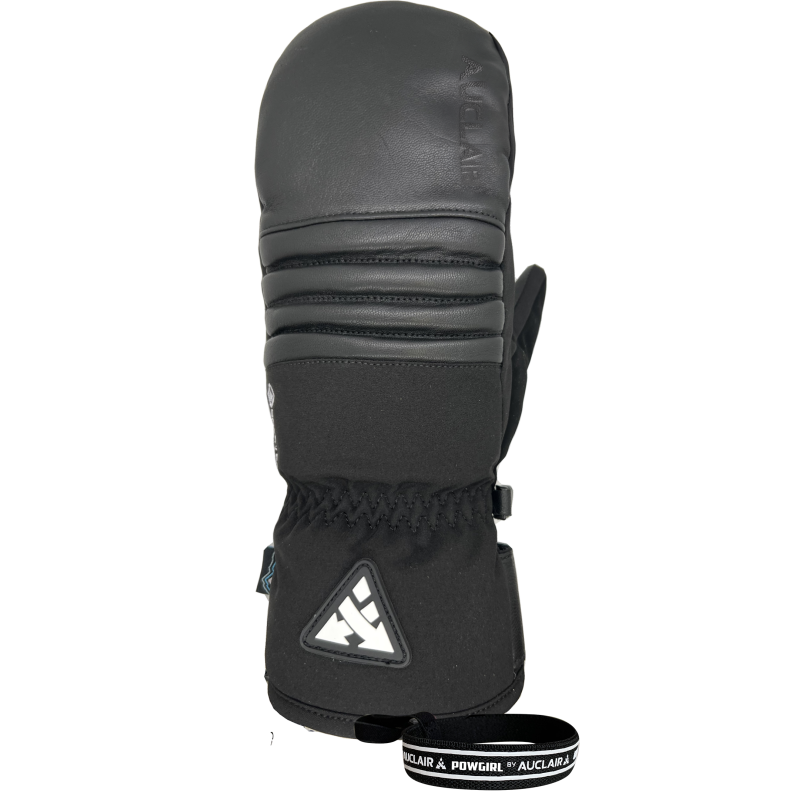
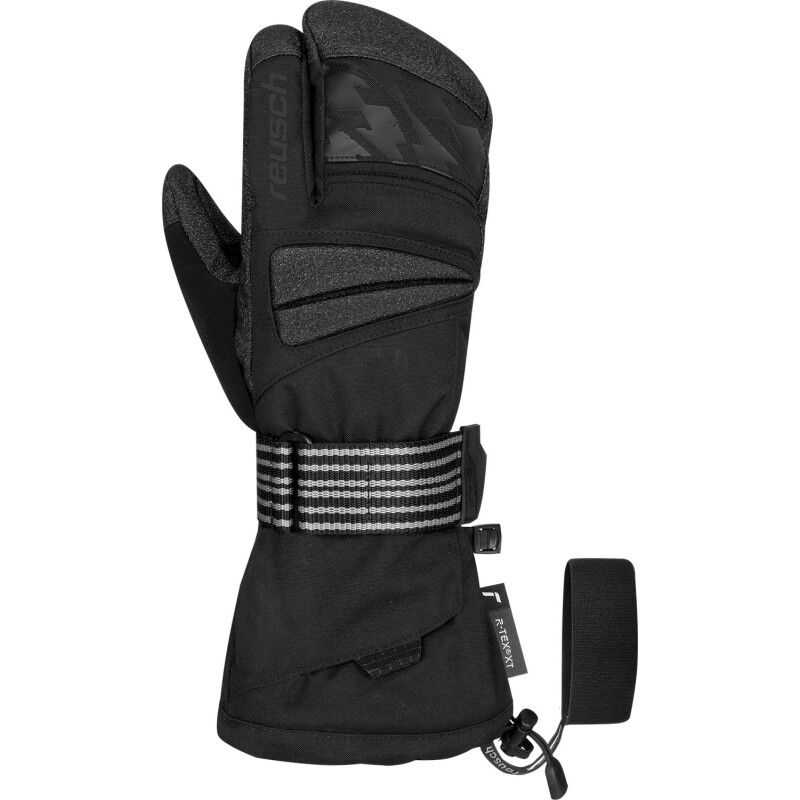
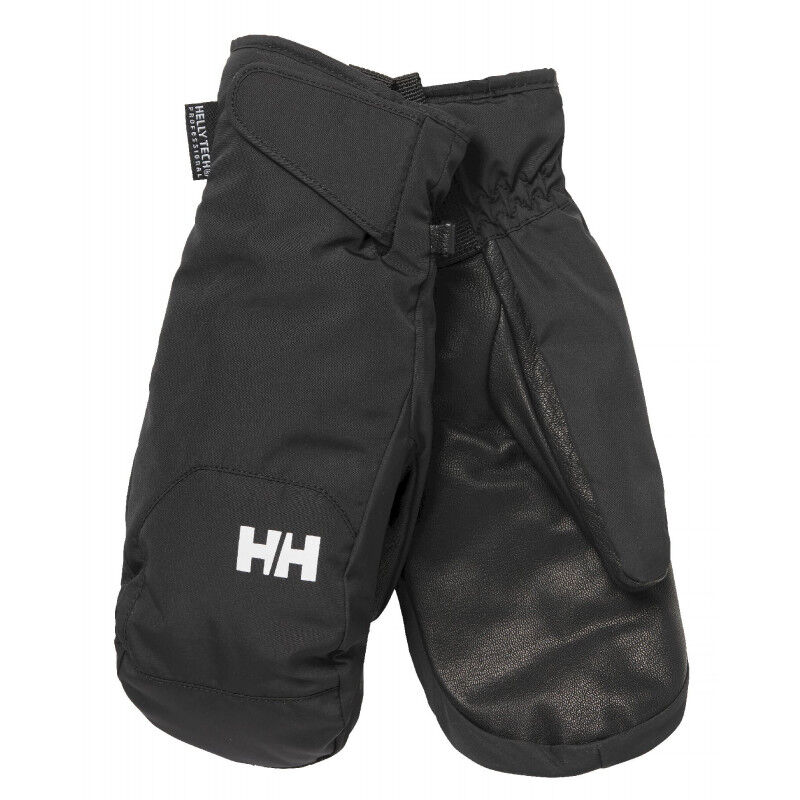

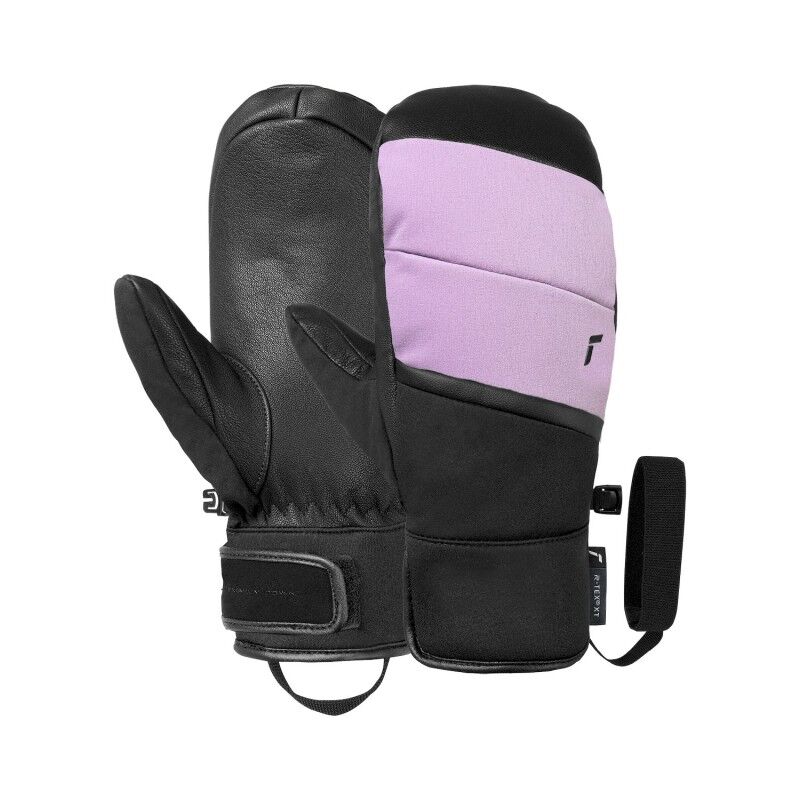
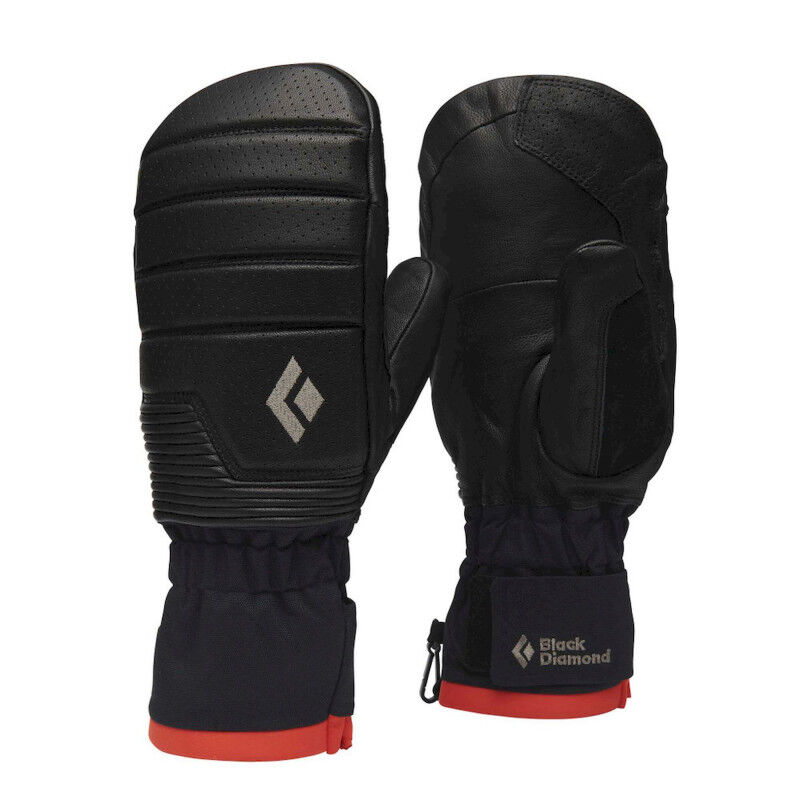
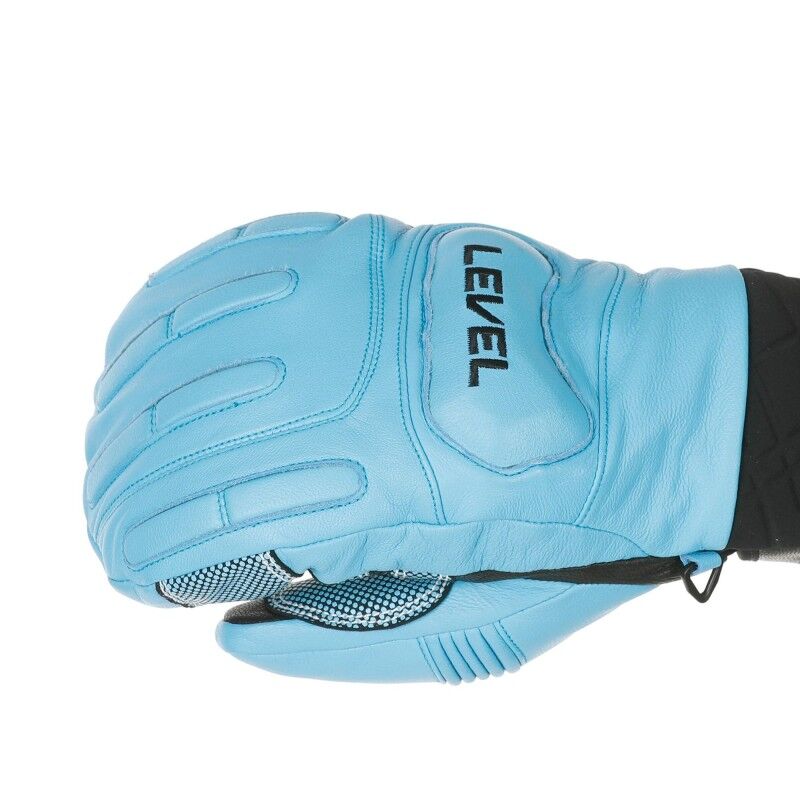
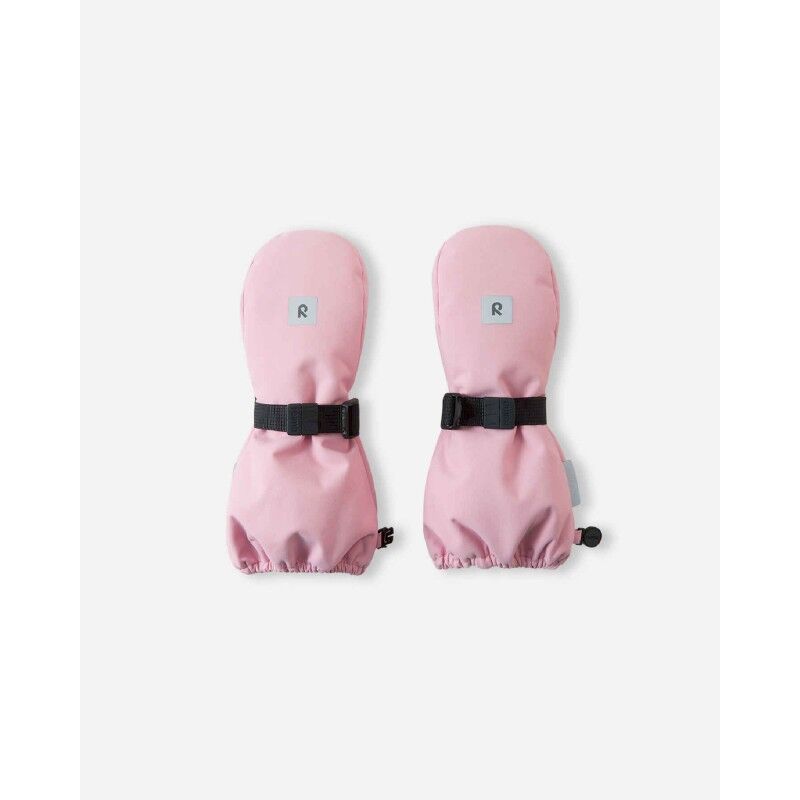
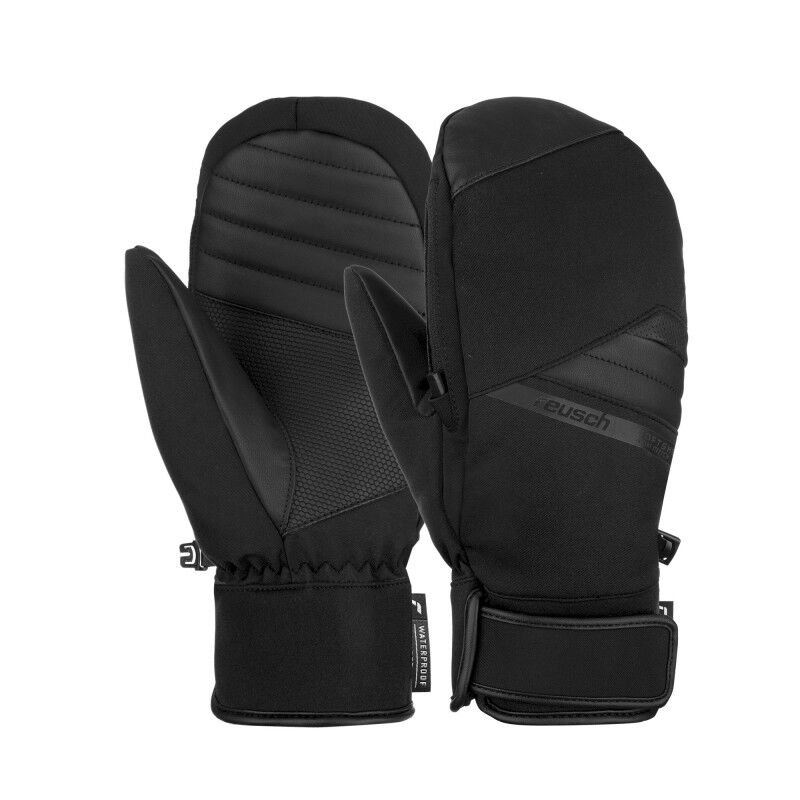
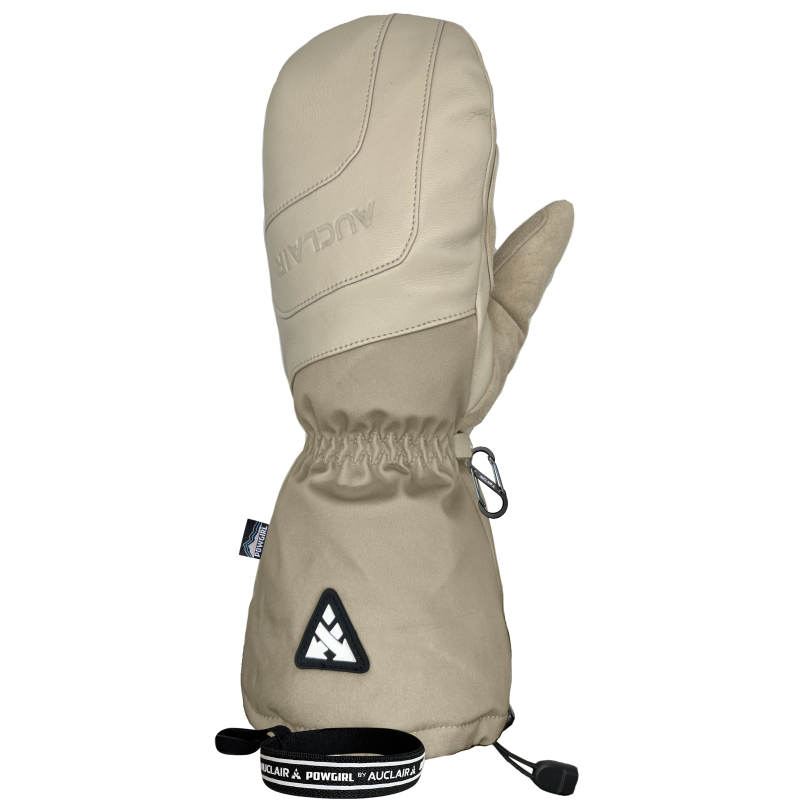
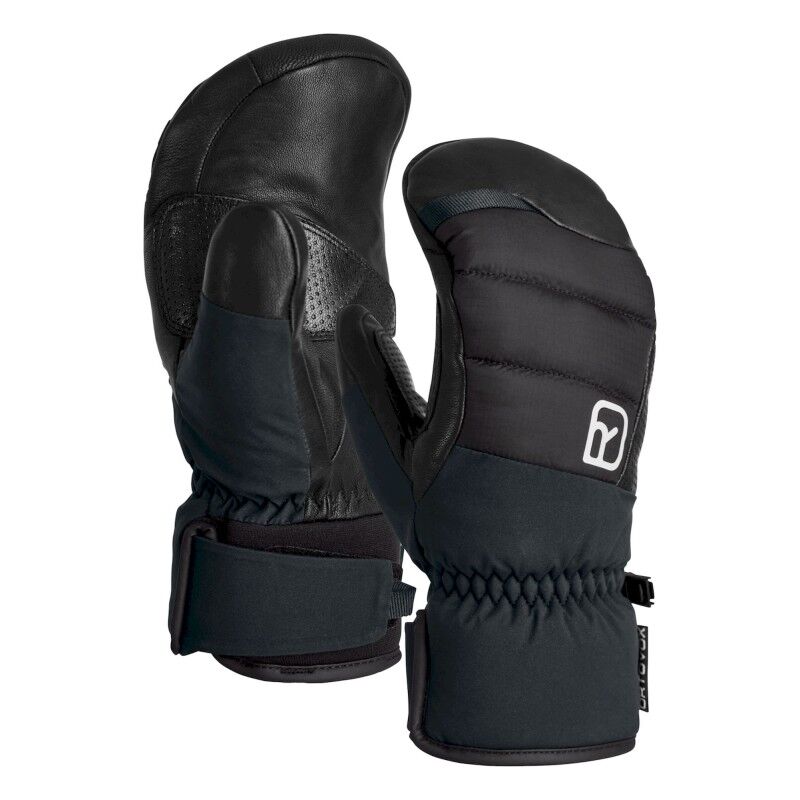
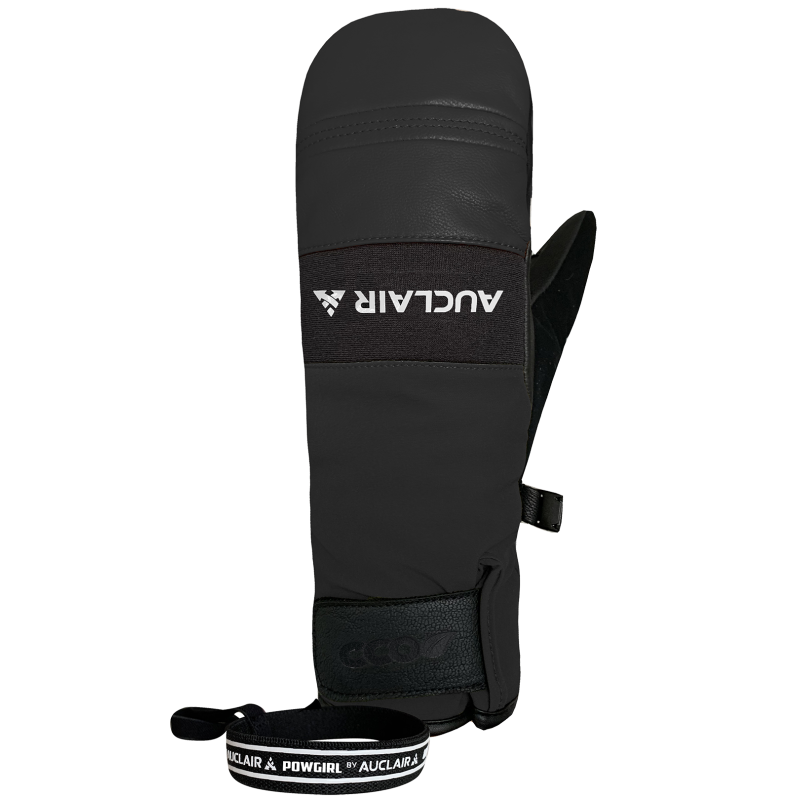
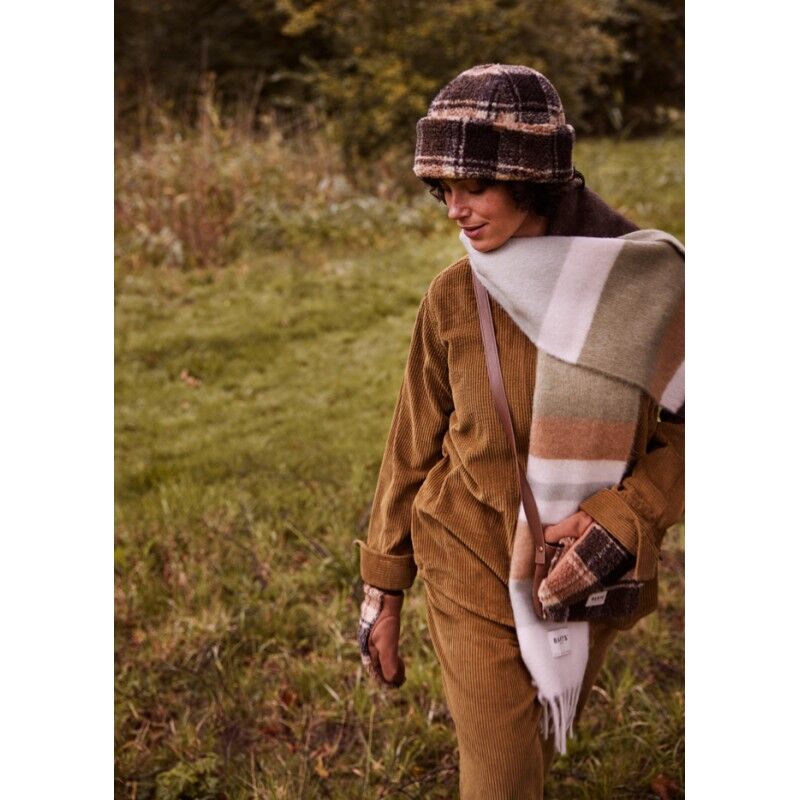
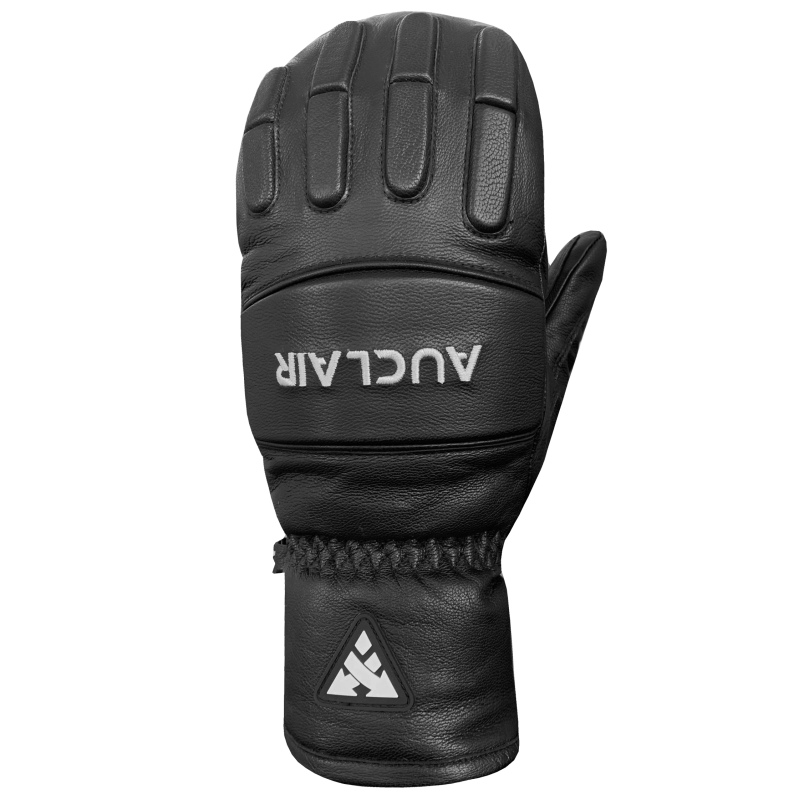


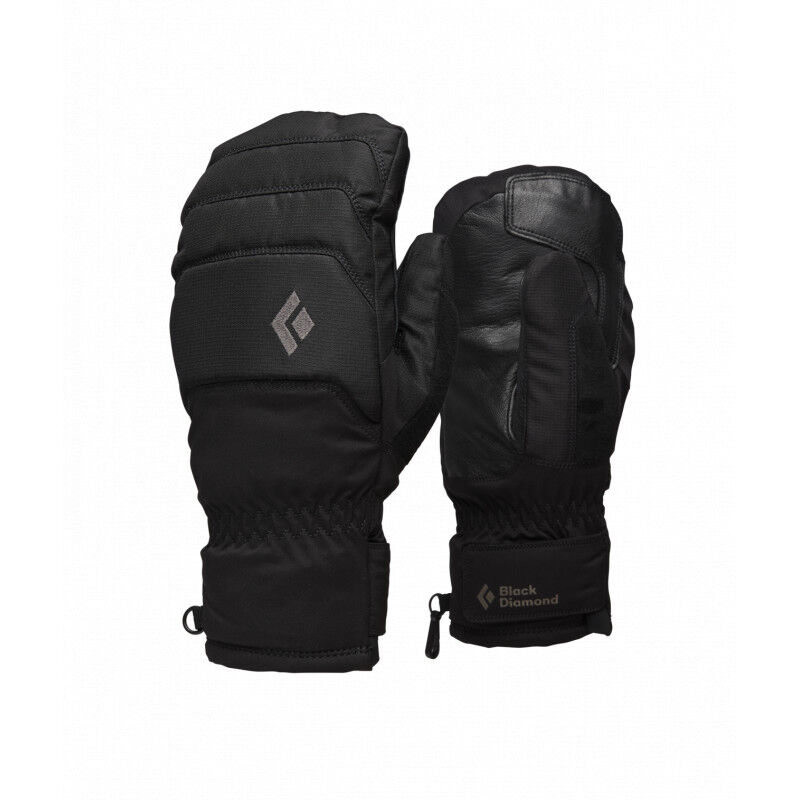
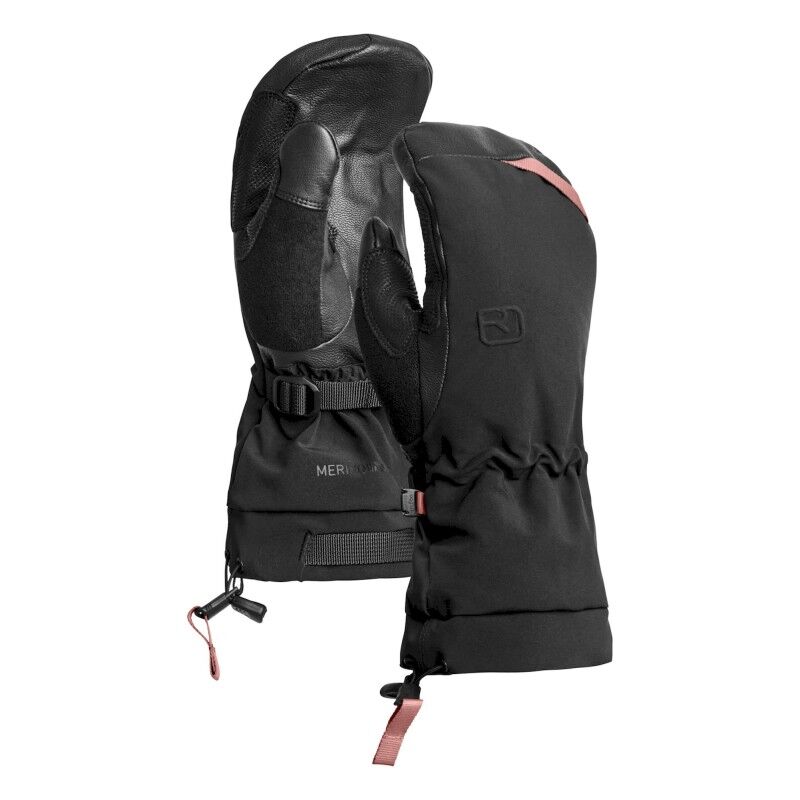
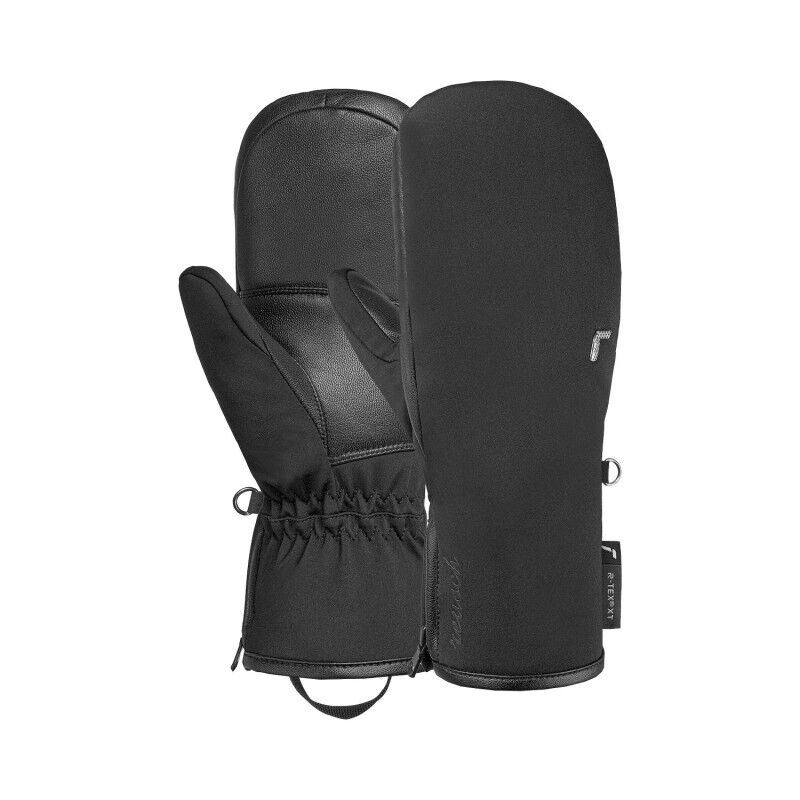
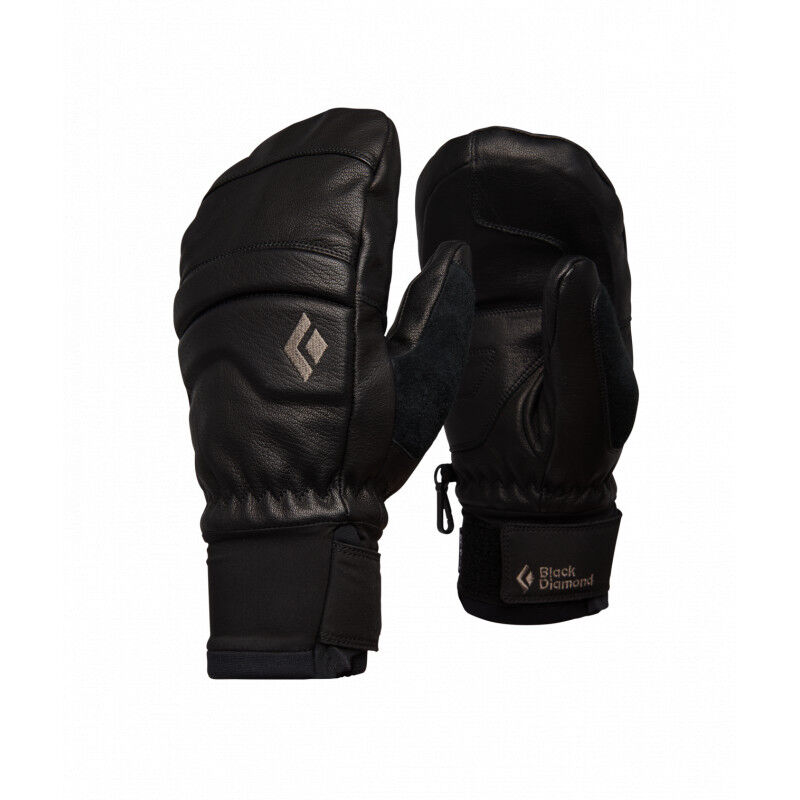
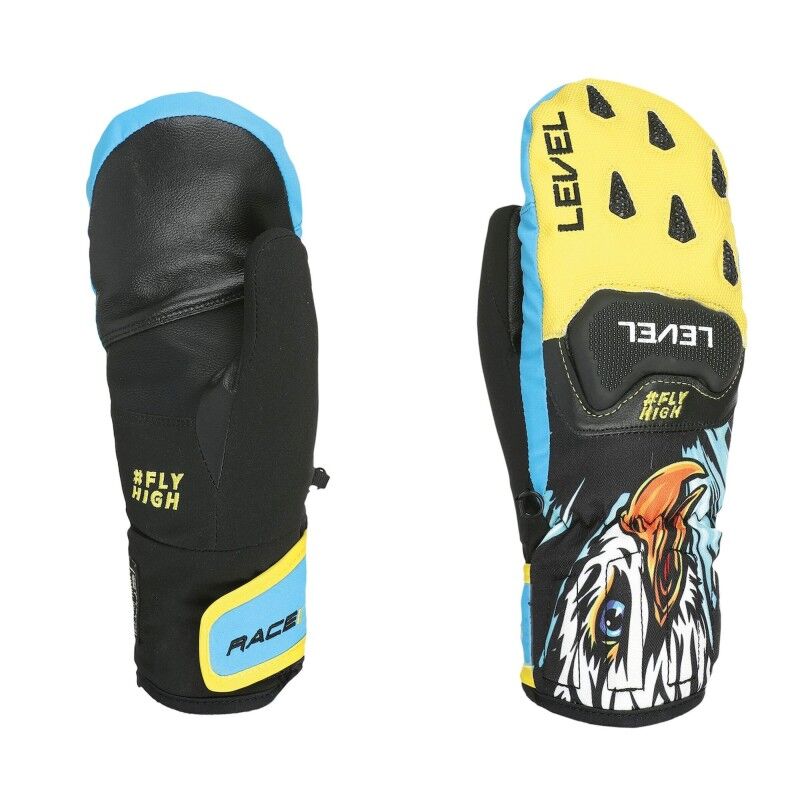
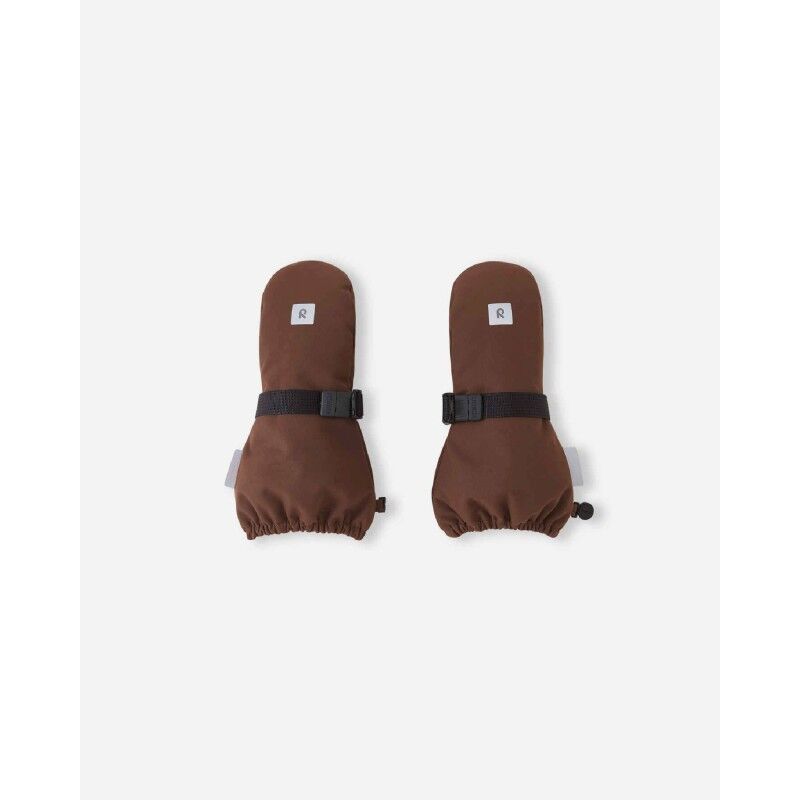

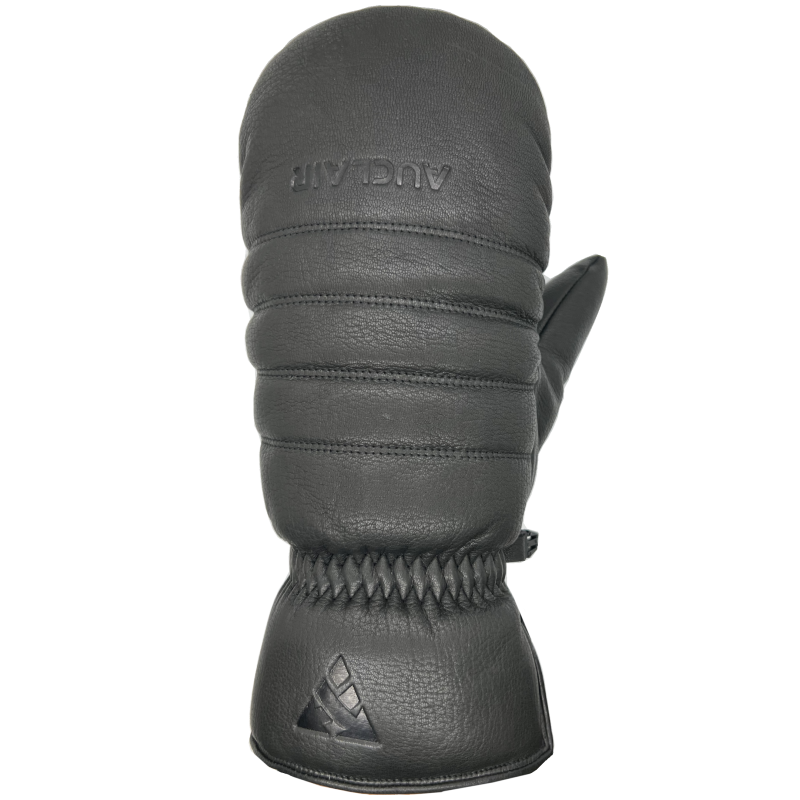
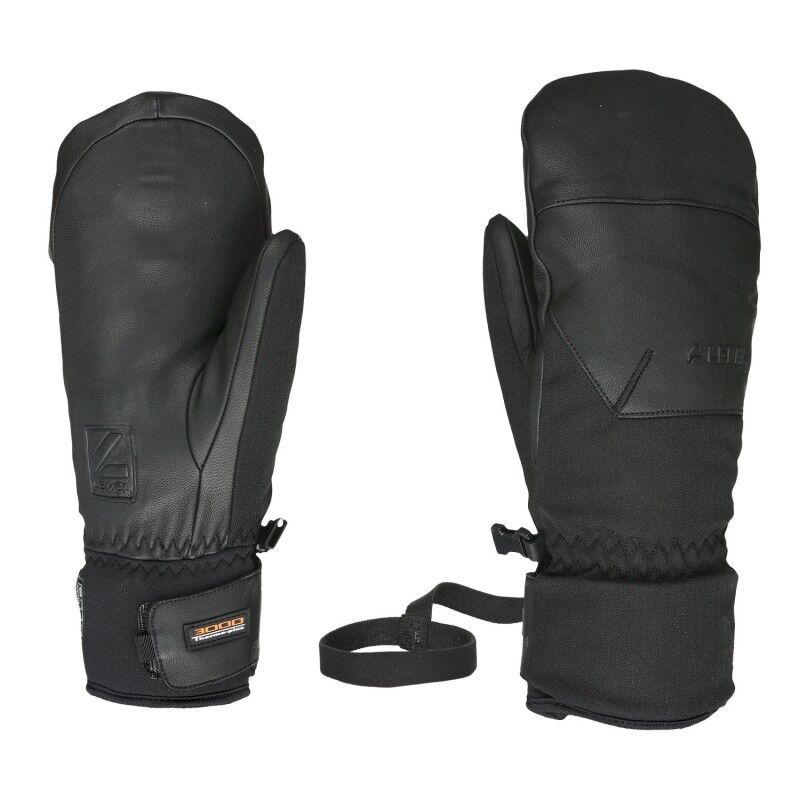
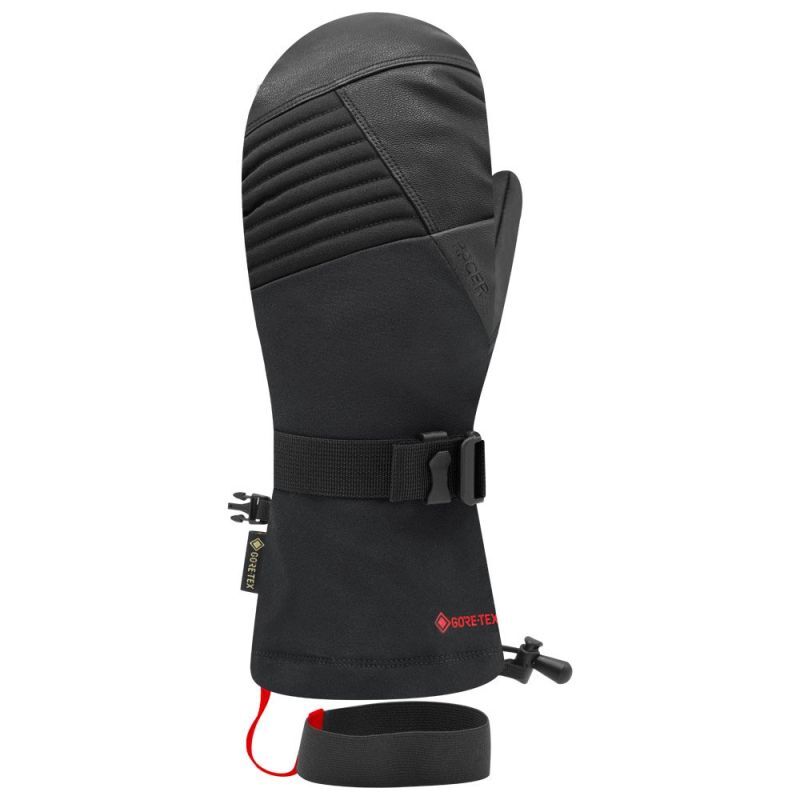
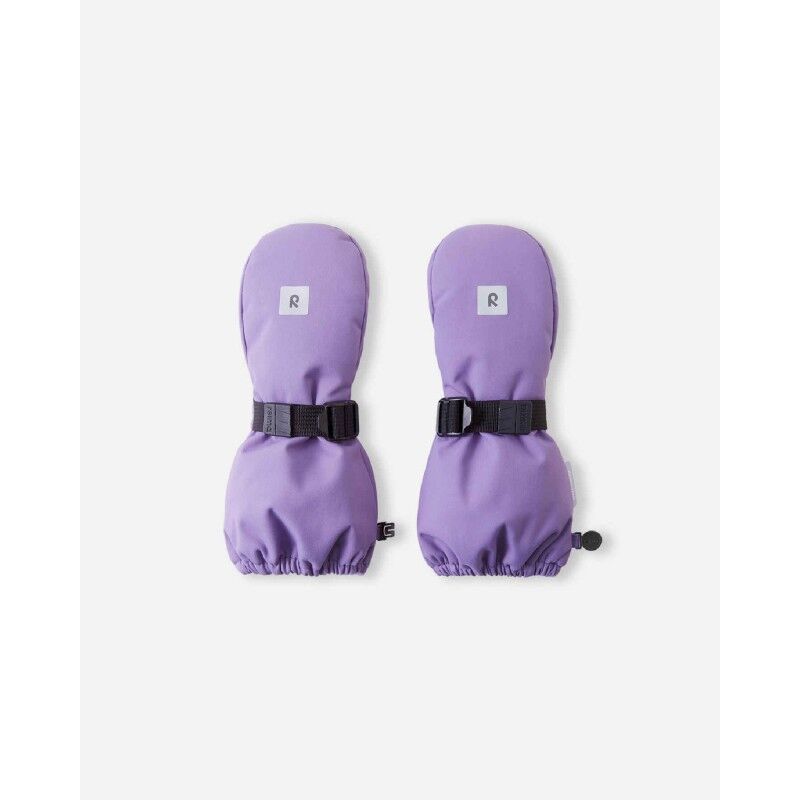
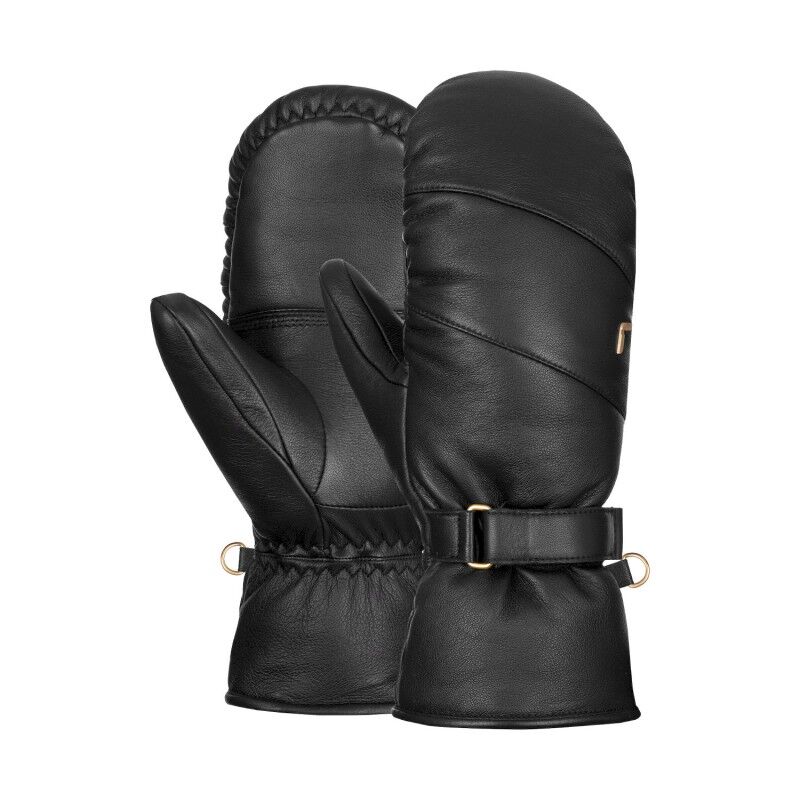
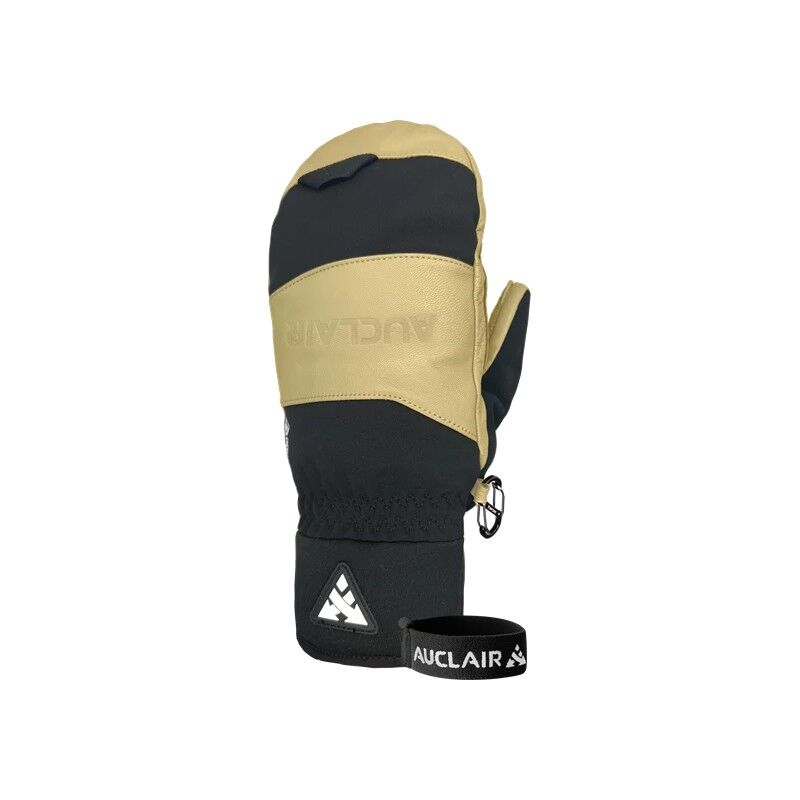
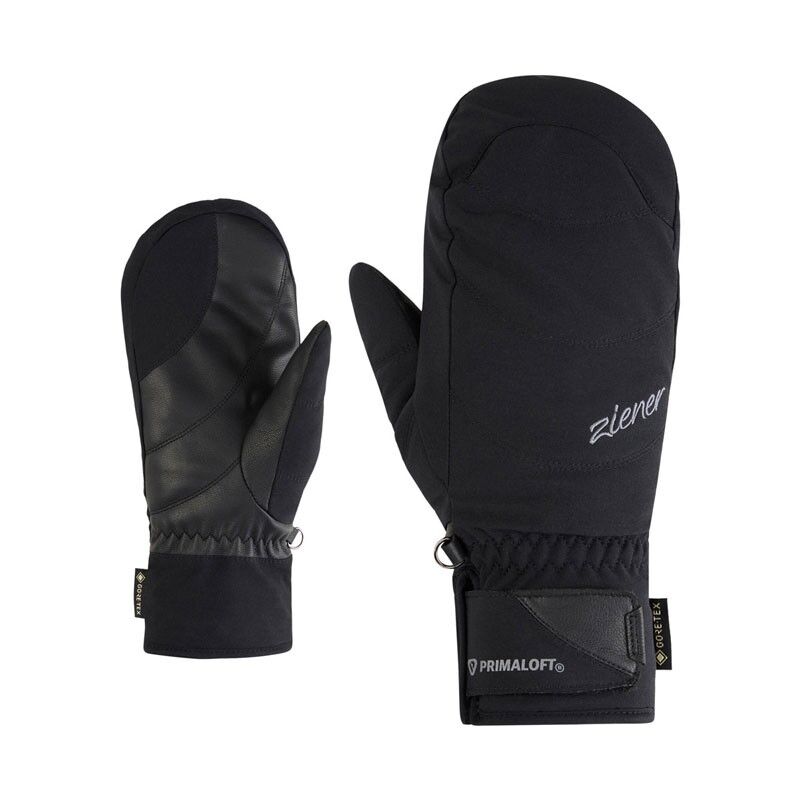
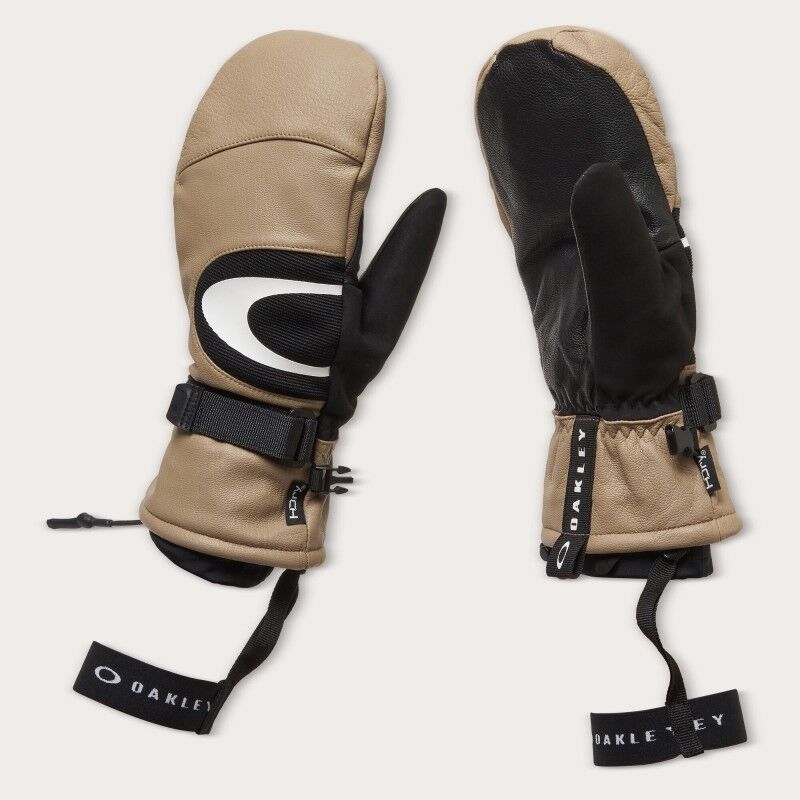
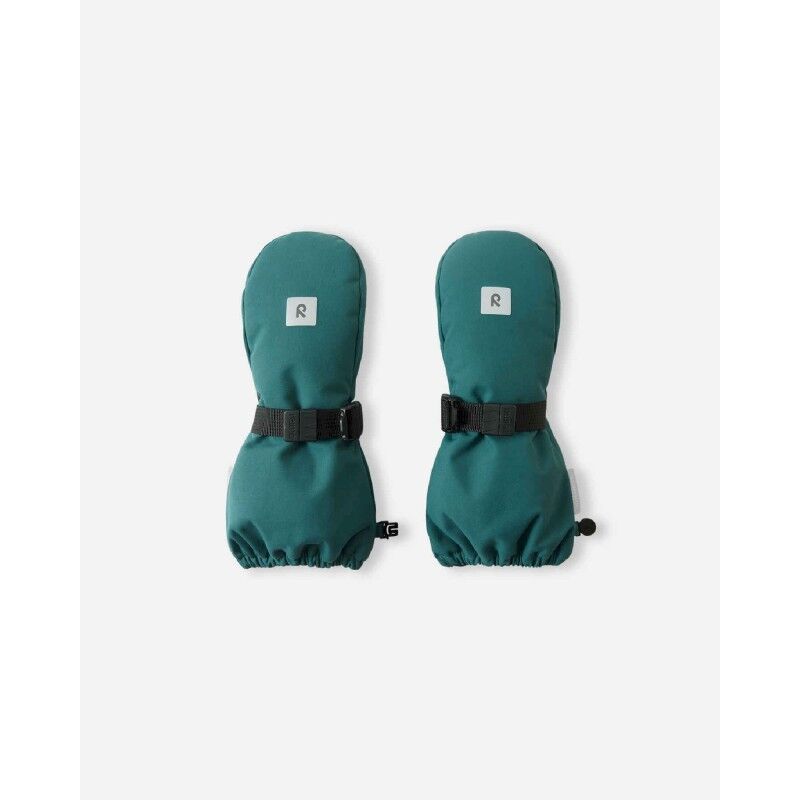
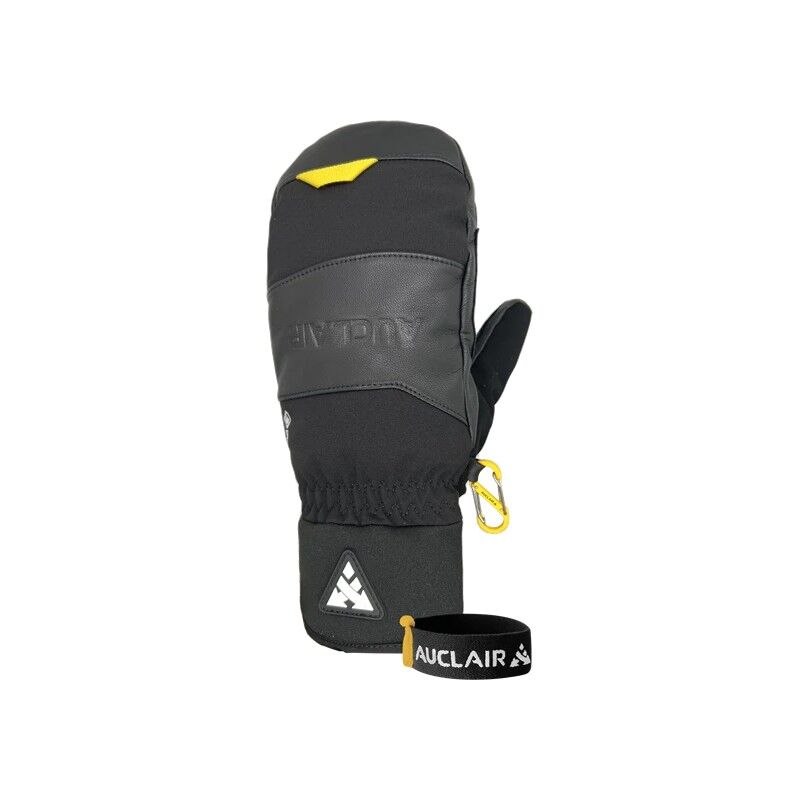
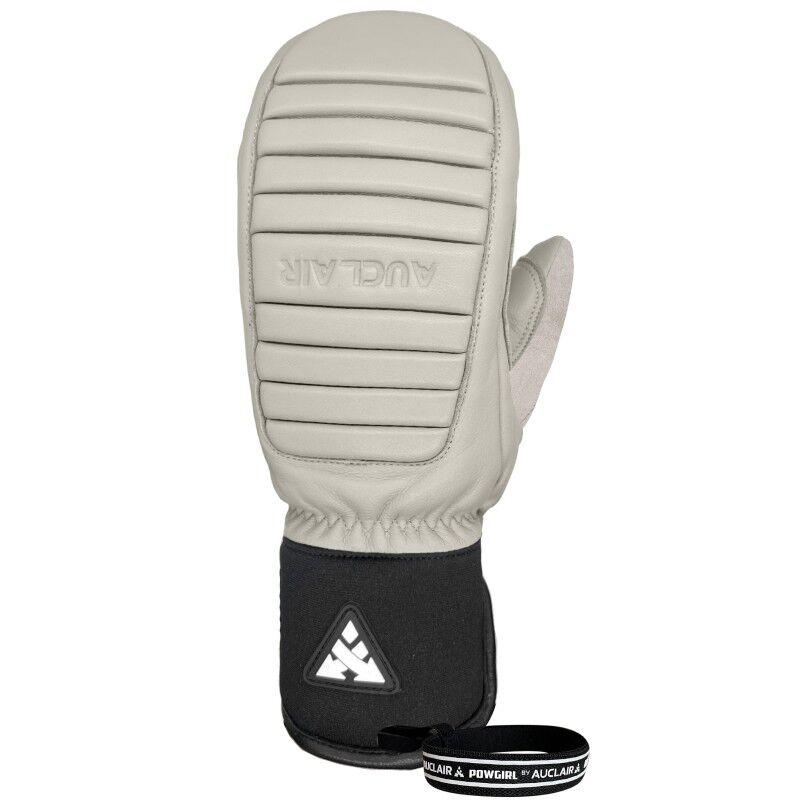
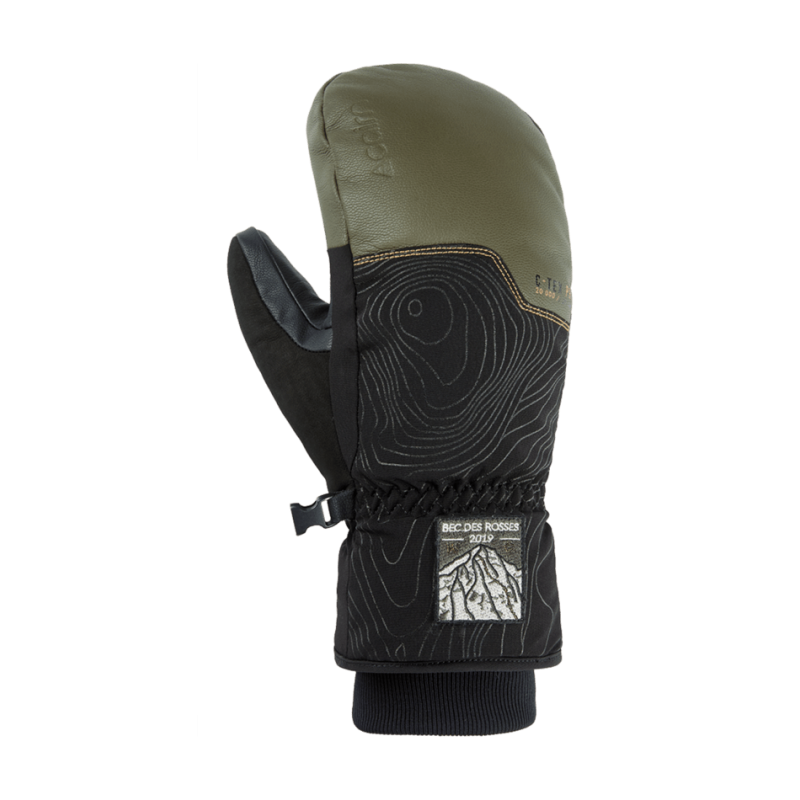
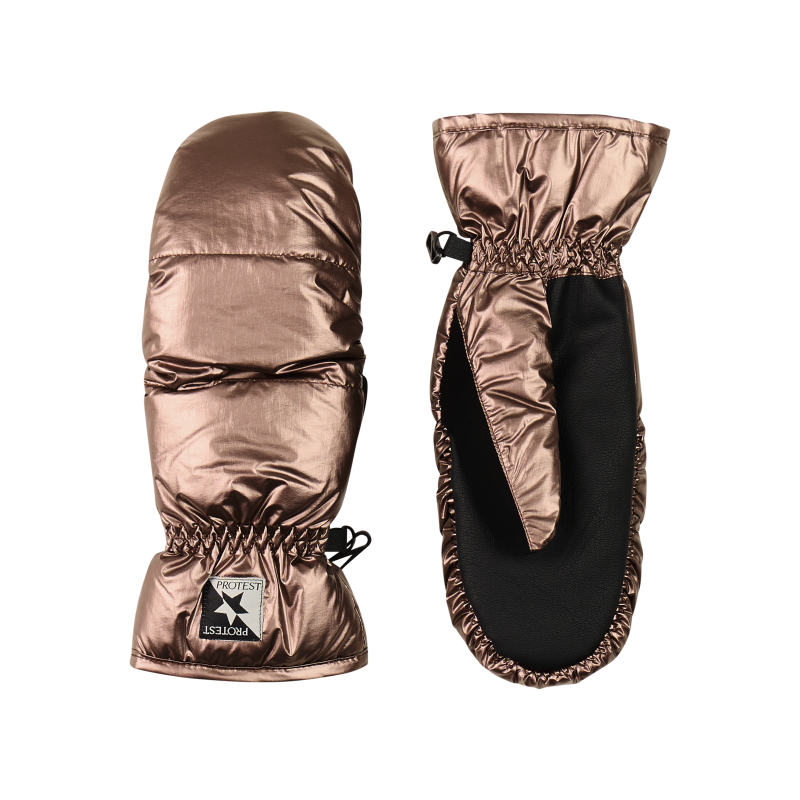
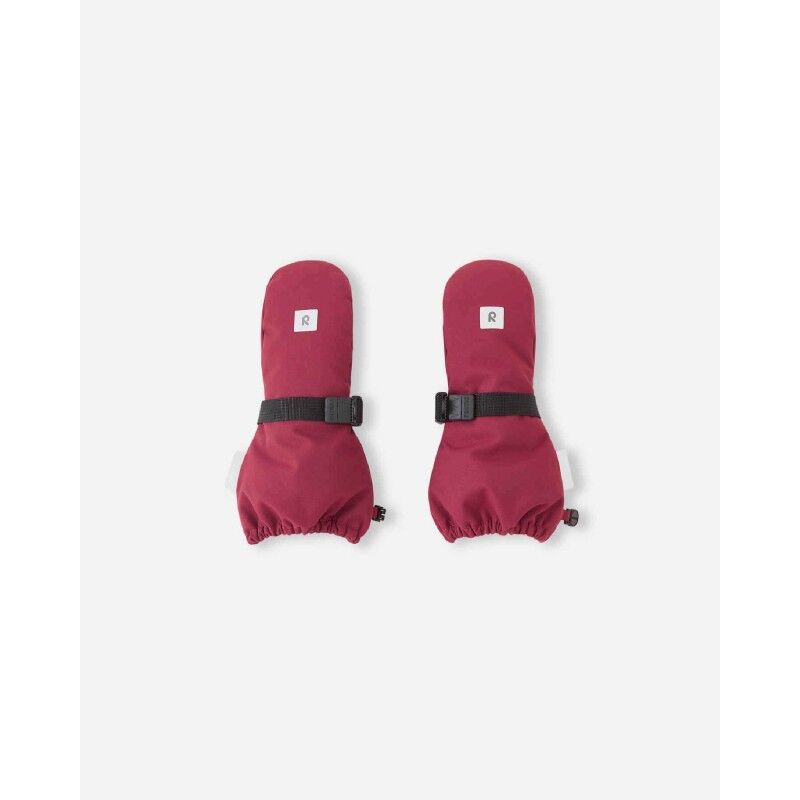

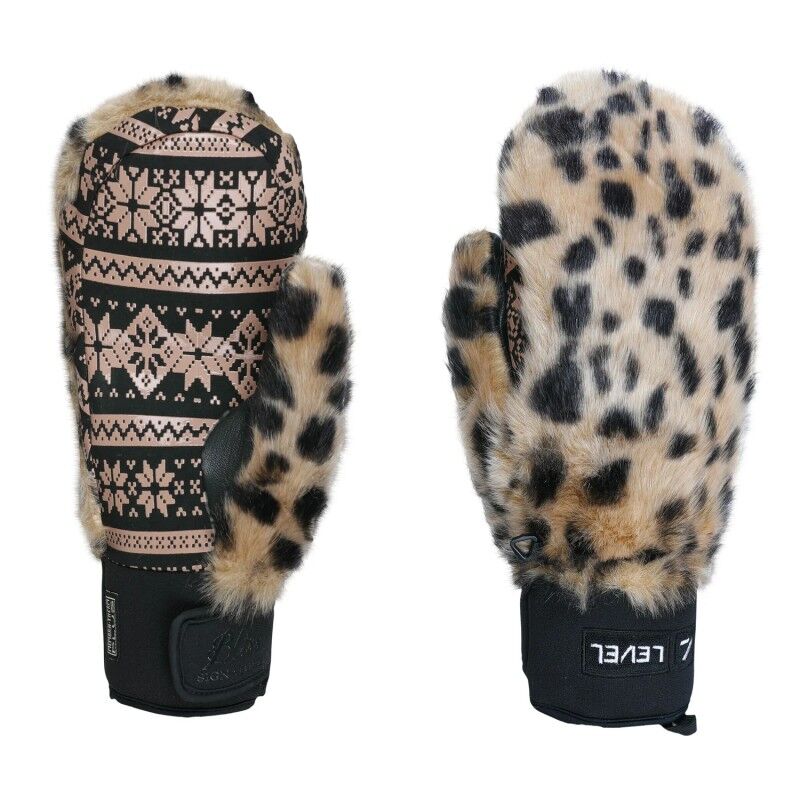
Ski Mittens: keep your fingers warm and dry!
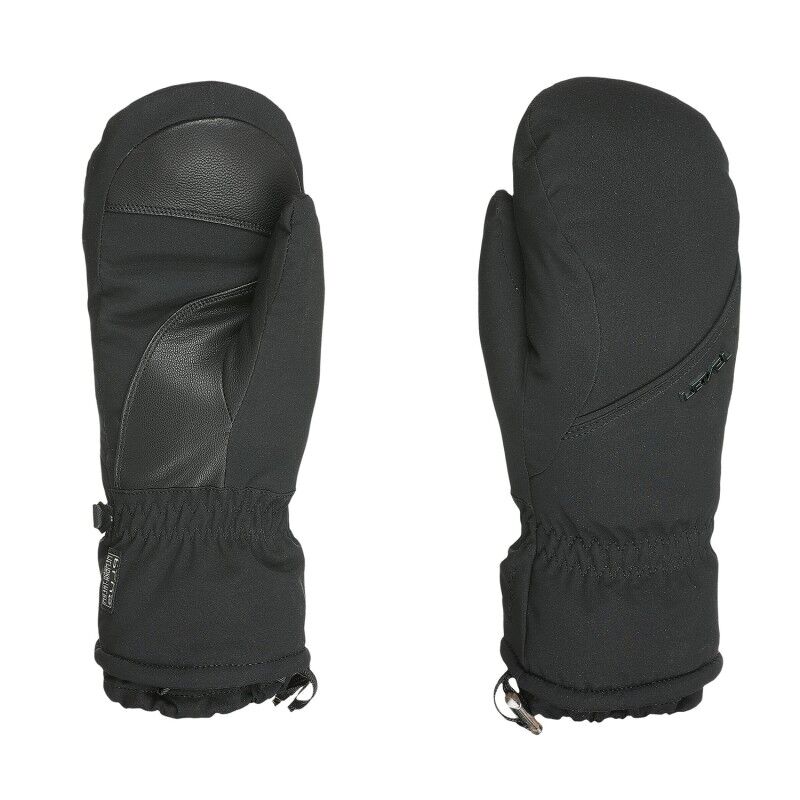
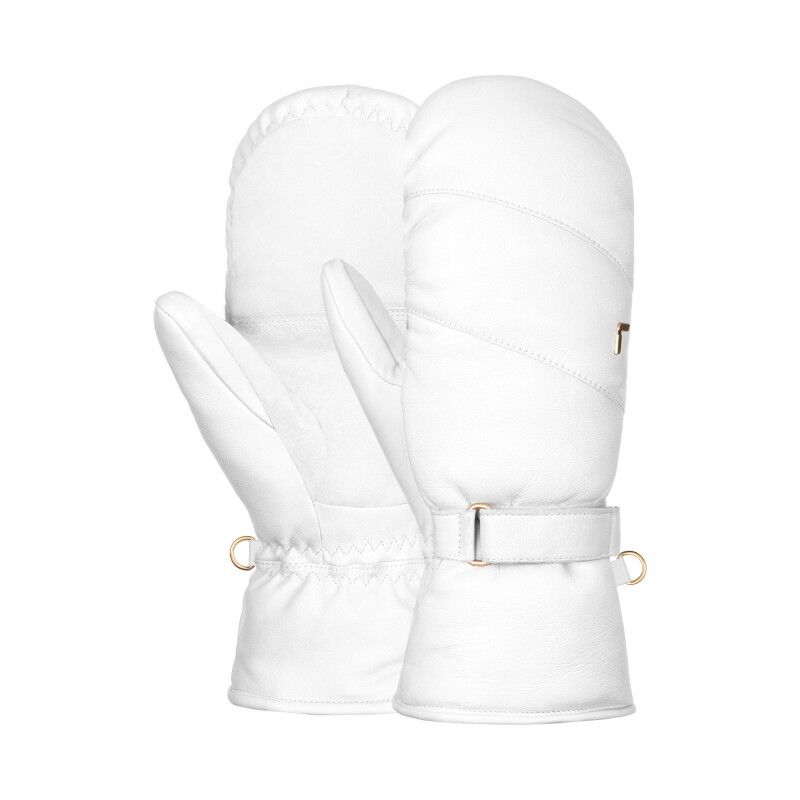
Have you ever felt that sharp burn in your fingers during your ski session? The one that made you promise yourself to better cover your fingers next time? And you're absolutely right! Your hands, like all extremities (head and feet), are very sensitive to the cold, and it can be quite difficult to warm them up at altitude, especially when skiing, as the cold and humidity put them to the test. Thus, warm and comfortable, ski mittens are an essential accessory to fully enjoy long days on the slopes without suffering from the cold. They will protect you from the cold, humidity, and even scratches! A true must-have for some, ski mittens are, however, overlooked by others who prefer ski gloves. Yet, ski mittens offer many advantages, as well as appreciated technical features. The difference compared to ski gloves, mittens with preformed fingers, insulation and waterproofing, accessorizing… discover how to choose your ski mittens wisely. Fans of ski gloves, hold on tight; you might not want to wear anything but ski mittens!
Ski Mittens: what’s the difference compared to ski gloves?
There's no need to wear the warmest ski jacket if your fingers are not protected. Your hands play a very important role when skiing, especially since they hold your poles and allow you to make beautifully traced turns! To avoid having wet, frozen, or painfully cold hands, or even cracked from the biting cold, it is essential to invest in a good pair of ski mittens. But why choose ski mittens over ski gloves? Simply because your fingers, when kept together, naturally warm up. You will therefore be much warmer with mittens than with ski gloves! Moreover, the wind does not pass between the fingers as it does with ski gloves. Those who feel the cold should definitely opt for ski mittens to fully enjoy their day in the mountains. However, a significant argument may make you doubt ski mittens, namely the reduced agility they offer compared to ski gloves. Indeed, ski gloves allow for optimal grip on your ski poles, which is quite important depending on your skiing style! But the agility you will have with your ski mittens is also a matter of habit. However, if the grip of ski mittens poses a problem for you, it is possible to find a compromise between ski mittens and ski gloves with ski mittens with preformed fingers.
Ski Mittens: what about ski mittens with preformed fingers and lobsters?
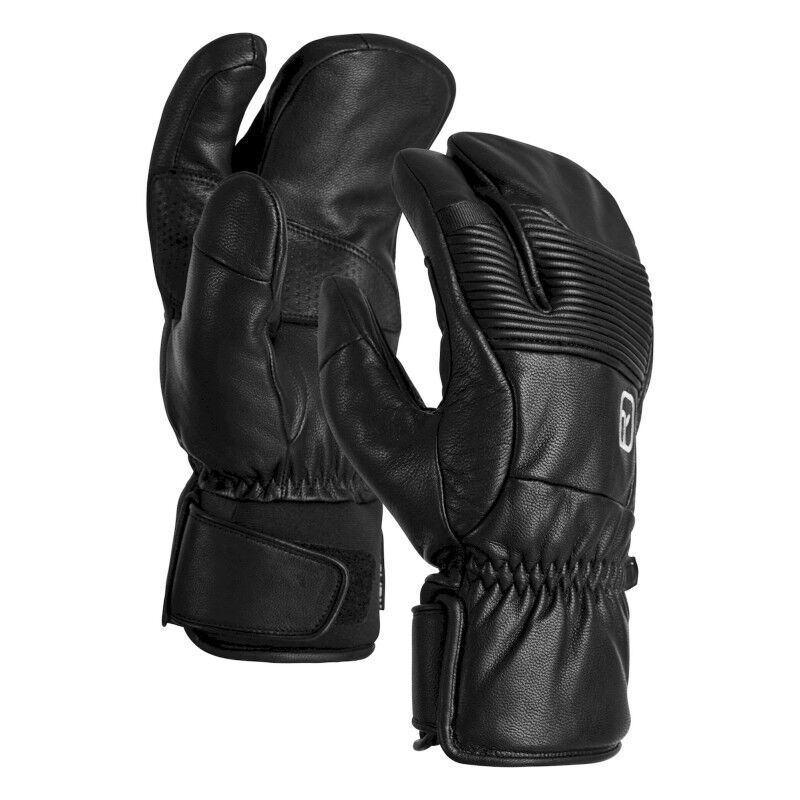
A true solution for skiers seeking optimal grip who fear the cold, ski mittens with preformed fingers allow you to gain dexterity while providing superior thermal capabilities compared to ski gloves. As their name suggests, ski mittens with preformed fingers offer a separation of fingers inside the mitten, giving you the advantage of better mobility while maintaining the ideal mitten shape to combat the wind. However, do not be mistaken, ski mittens with preformed fingers lose some warmth compared to traditional ski mittens, as the fingers can no longer warm up against each other. Another option, lobsters are also special ski mittens that offer superior dexterity, as you keep two fingers isolated, namely the thumb and index finger. You gain mobility while preserving some warmth. Ski mittens with preformed fingers or lobster, how to decide? One word: try!
If ski mittens offer significant thermal gains compared to ski gloves, it is important not to choose just any model of ski mittens. Indeed, as with ski gloves, ski mittens must meet certain characteristics, particularly in terms of insulation and waterproofing, as keeping your fingers tightly together allows them to warm up naturally, but only up to a certain limit! In the face of sometimes extremely low temperatures in the mountains, only the insulation and waterproofing of your ski mittens will allow you to fully enjoy all their advantages.
Ski Mittens: insulation and waterproofing to take care of your fingers
Ski Mittens: how to choose your insulation
As with a ski jacket or ski gloves, insulation plays a crucial role for your ski mittens, as it is what will keep your fingers warm. Two options exist in terms of insulation: down insulation or synthetic. The first, down insulation, is recommended for people who tend to suffer from the cold and do not sweat much from their hands. It is also recommended for less active activities, such as walking. Synthetic insulation, on the other hand, is aimed at active skiers or those who sweat a lot. Synthetic wadding allows for much faster moisture transfer than down, which, once wet, no longer insulates from the cold and loses all its advantages. Beyond keeping your fingers warm, ski mittens must also keep them dry! For this, a waterproof membrane is essential.
Ski Mittens: what level of waterproofing?
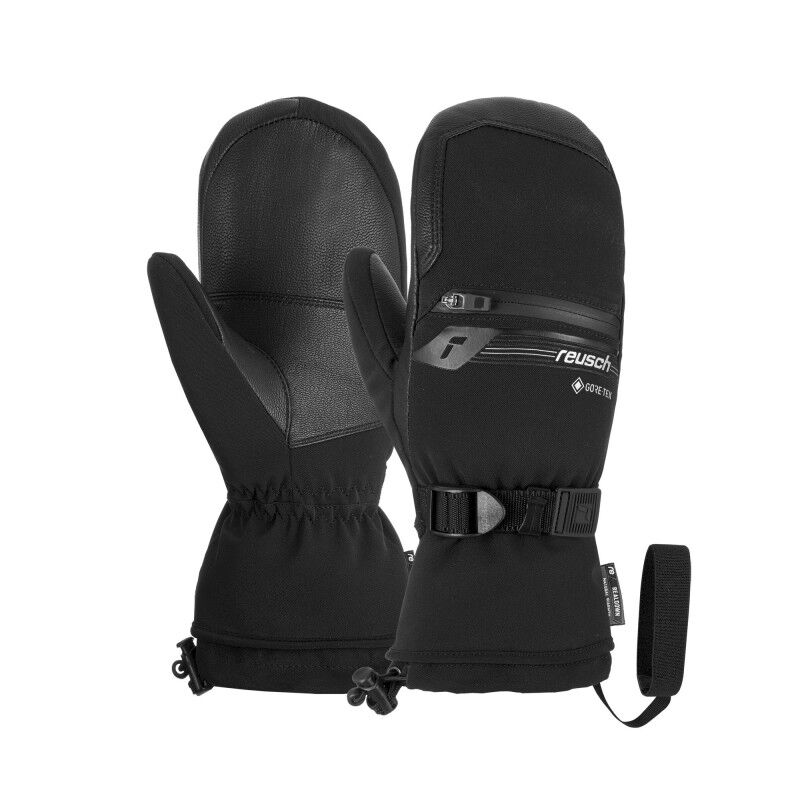
When talking about waterproofing, the Gore-Tex membrane immediately comes to mind for most people. A true reference, it is thus windproof, waterproof, and breathable. However, many brands today offer their own waterproof membranes, which are equally effective. The major difference between each membrane actually lies not in the manufacturer, but in its level of waterproofing. It is this level that will make you choose between one pair of ski mittens and another. Generally, a Gore-Tex membrane offers a waterproof rating of 28,000 mm. If you tend to sweat quickly from your hands, it is better to choose a membrane between 10,000 and 20,000 mm, depending on your practice.
The basic criteria in terms of ski mittens are now established: type of ski mittens, waterproofing, and insulation are the three main criteria to consider when choosing your ski mittens. However, manufacturers today offer additional selection criteria, providing you with solutions and even more comfort for your beautiful ski sessions. Type of cuff adjustment, material, integrated hand warmer, let’s now explore the different options available for your ski mittens to help you find the ideal model!
Ski Mittens: additional criteria for extra comfort
The usefulness of the Leash
Allowing you to attach your ski mittens to your wrists, the leash is ideal for preventing you from dropping your ski mittens in the snow when you take them off. Very common on children's models, the leash is not systematic on ski mittens for adults. However, it can be purchased separately.
What length of cuff?
There’s no point in choosing ski mittens with excellent insulation and waterproofing if the snow can easily seep in through the wrist. There are thus several cuff lengths: short, standard, or long. If your ski jacket has an integrated lycra cuff, a short cuff may suffice. Otherwise, a long cuff that can be worn inside or over the sleeves of your ski jacket is recommended.
The type of cuff or sleeve adjustment
If you opted for a short sleeve, the ideal is to choose either a Velcro adjustment system or fitted neoprene. Note that the wider the Velcro, the better the quality of the adjustment. For ski mittens with long cuffs, a tightening cord or a one-handed tightening system is generally preferred.
The wrist adjustment type
The wrist adjustment allows you to fit your ski mittens to your wrist, and not just limit the entry of cold air: there’s no need to tighten your ski mittens excessively! Whether with Velcro or a tightening cord, choose the adjustment type you feel most comfortable with.
The palm material
The material of your ski mittens at the palm of your hands is crucial for their durability. We recommend opting for leather rather than synthétique, as leather is both more durable and more flexible. And for all-leather ski mittens? Note that cowhide is very supple, while goat leather is stiffer and takes longer to soften. Again, it depends on your feel and preferences!
Integrated hand warmer on top of the hand
For the eternally cold, some manufacturers offer ski mittens with an integrated hand warmer on the top of the hand through a special pocket. This option can provide you with additional comfort on very cold days!
Reinforcements on the fingertips
Finally, some models of ski mittens are equipped with reinforcements at the fingertips for durability. This is especially the case in snowboarding, which puts more stress on the fingertips and can thus damage the seams of your ski mittens more quickly.
Now that you know all the existing options for your next pair of ski mittens, one question lingers: how to choose between ski mittens and ski gloves according to your practice?
Ski Mittens: for what practice?
While ski mittens can suit all practices, some are more suited than others. Thus, it is not advisable to opt for ski mittens in ski touring, for example, as they may be far too warm for this particularly intense practice. The same goes for cross-country skiing or skating, practices for which the temperatures are much milder. Conversely, in downhill skiing or freeride skiing, ski mittens can indeed be welcome, given the intense cold, especially during ski lifts when you are particularly exposed to the cold. The ideal remains to opt for a pair of ski mittens and a pair of ski gloves, so you can adapt to the temperatures throughout the day.
Ski Mittens: how to choose the right size?
Now that you have found the ideal pair of ski mittens, it’s time to focus on the last crucial point of this article, namely how to choose the right size of ski mittens. A pair of ski mittens that is too tight can hinder your movements and reduce thermal input because the trapped air, a source of heat, will be less significant. The same observation applies in the opposite case. Thus, to avoid such problems, it is important to know your hand size. To do this, you need to measure the length of your hand, from the middle finger to the base of the palm, as well as the circumference of your hand, starting from the digitopalmary fold. You can then refer to the size guide of the brand from which you wish to purchase your ski mittens, or to our own size guide. That’s it!
Find your ski mittens on Hardloop.fr
Because at altitude you need significant thermal input to combat the cold, and to ensure your comfort throughout your descents, your ski mittens must offer you good breathability and insulation, as well as being equipped with a waterproof membrane. Black Diamond, Racer, Millet, Eider, Mammut, Leki, or Salomon, no matter which mountain you have chosen to descend, there is surely a pair of ski mittens that corresponds to your practice and meets your needs. If any questions or doubts remain, do not hesitate to contact us at 01 48 58 30 28 (free call) or by email at hello@hardloop.fr.