
Hiking Belts
(35)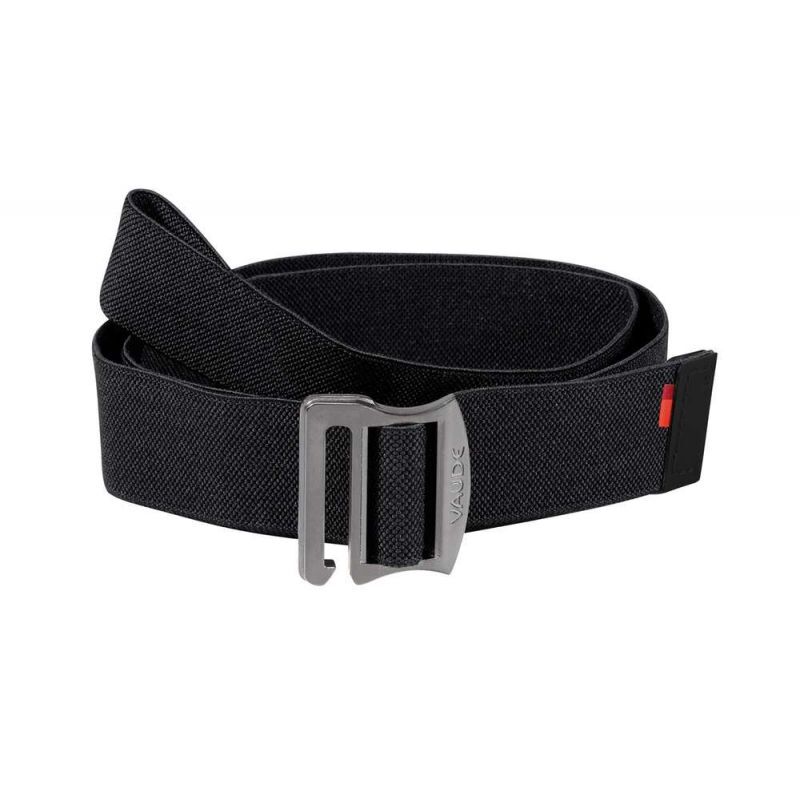
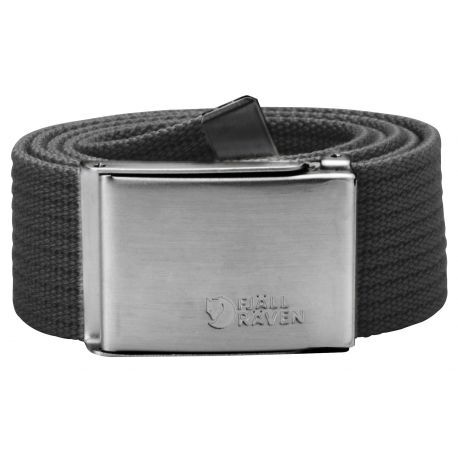


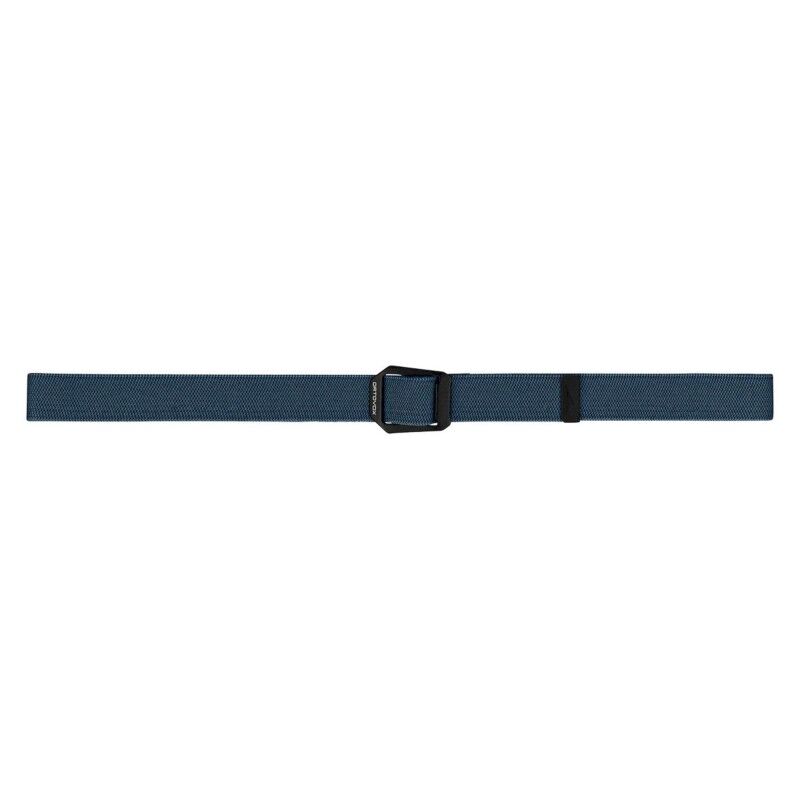
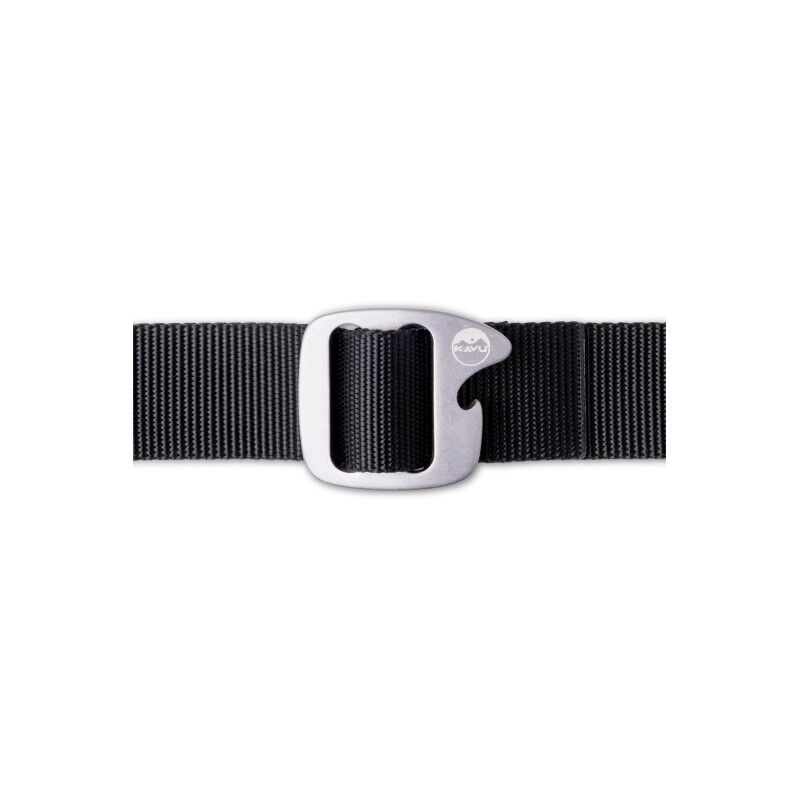

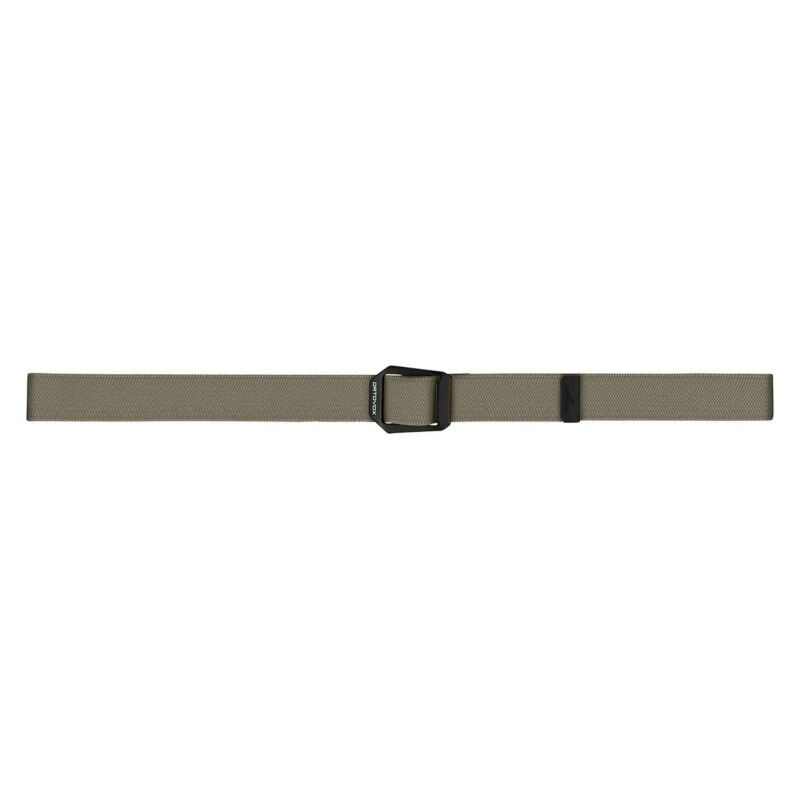
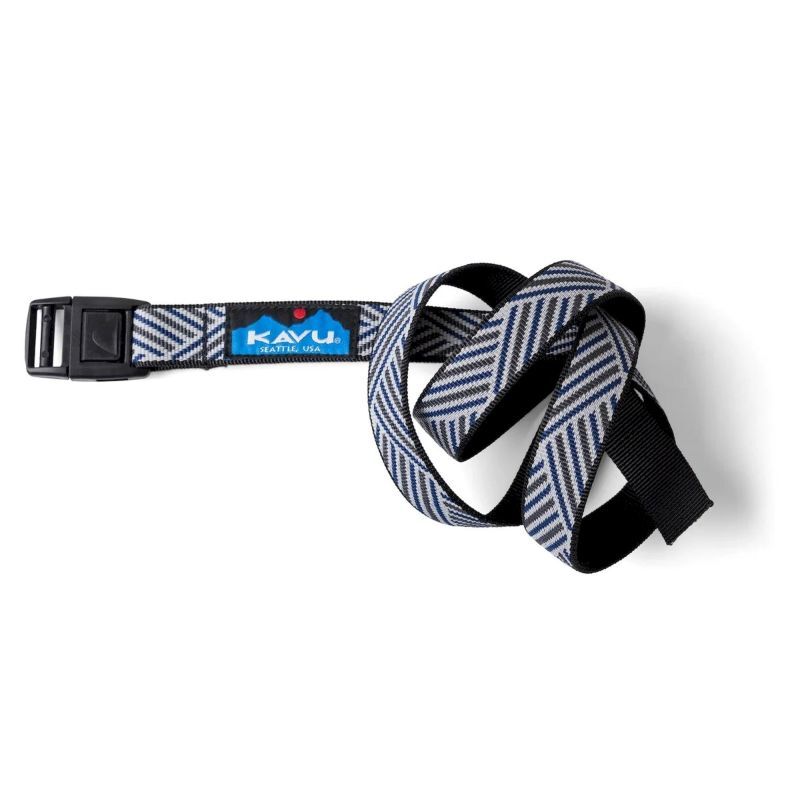
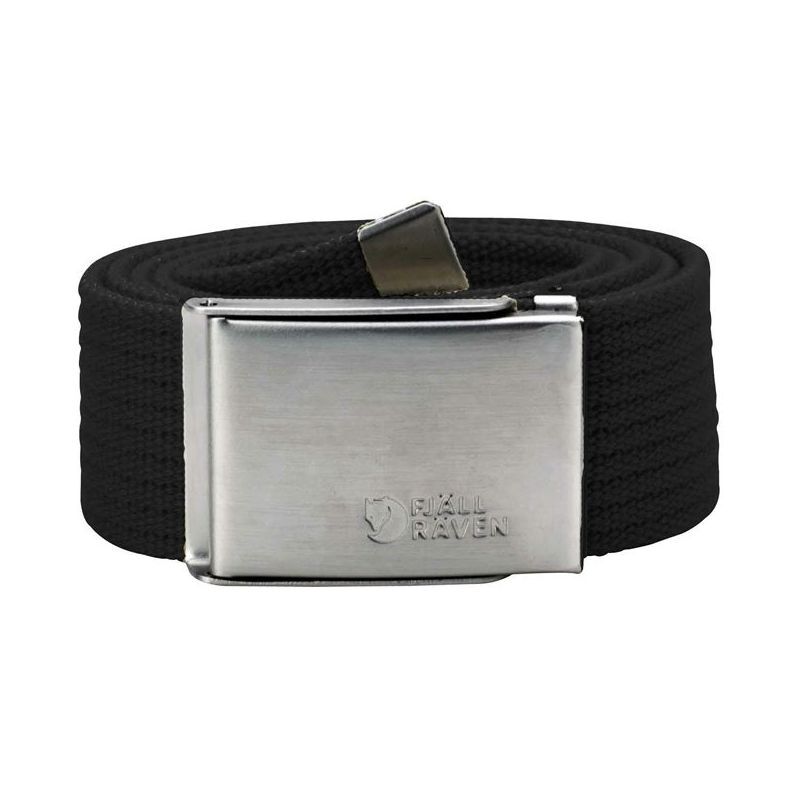
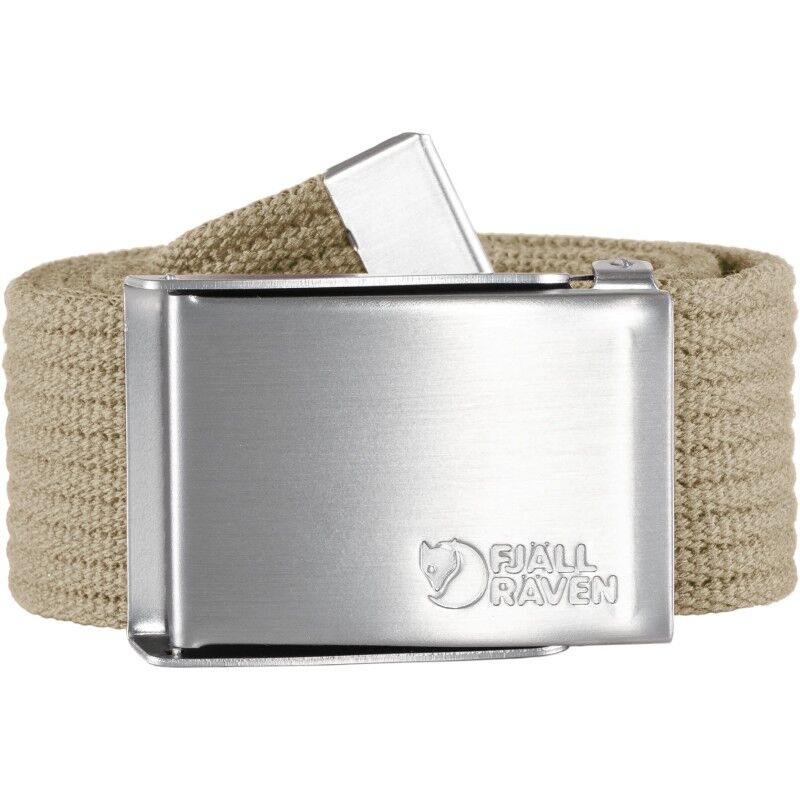
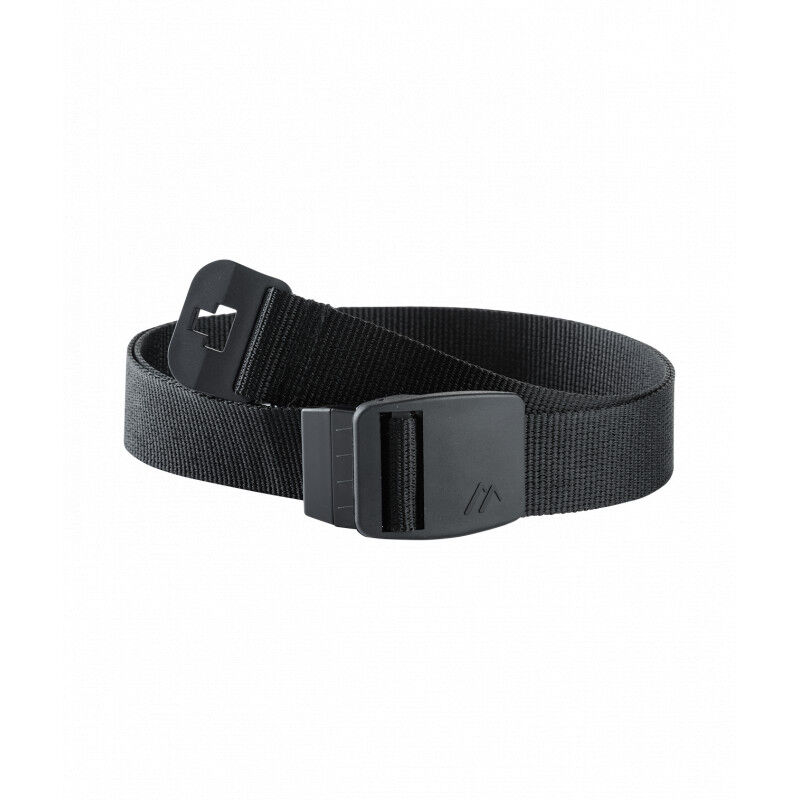
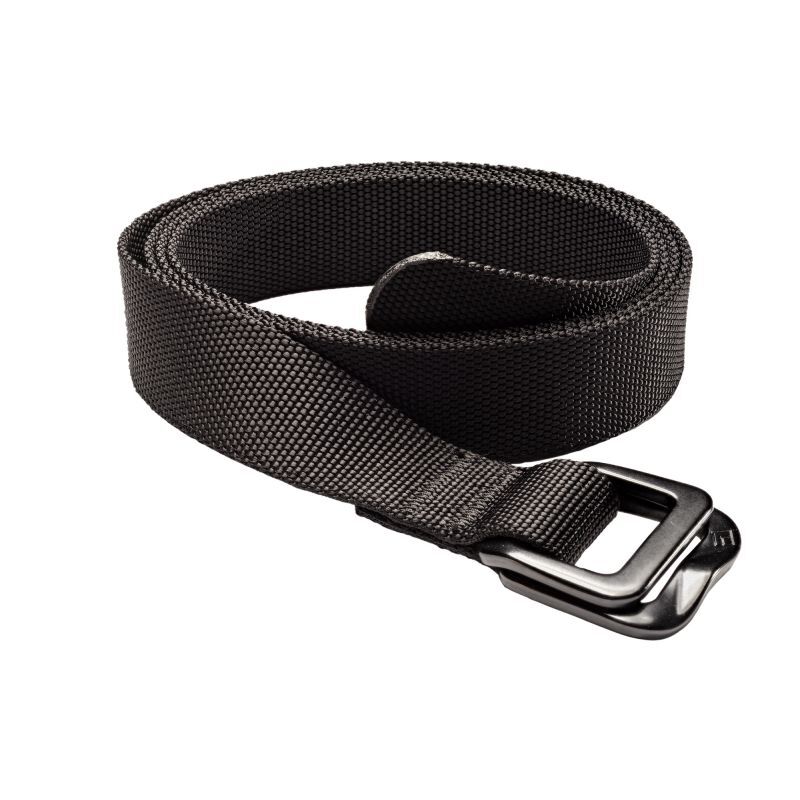

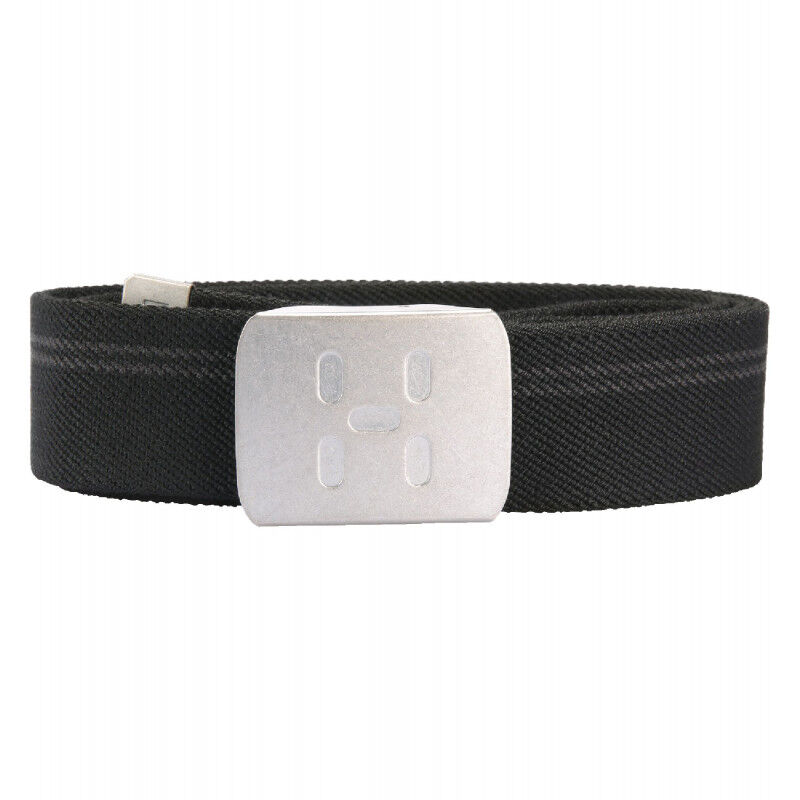
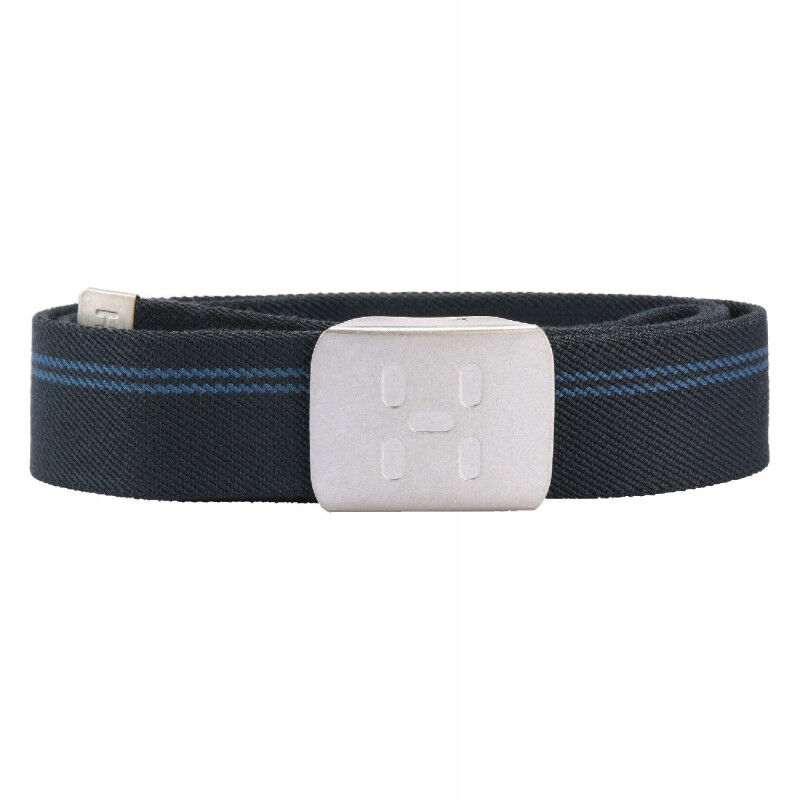
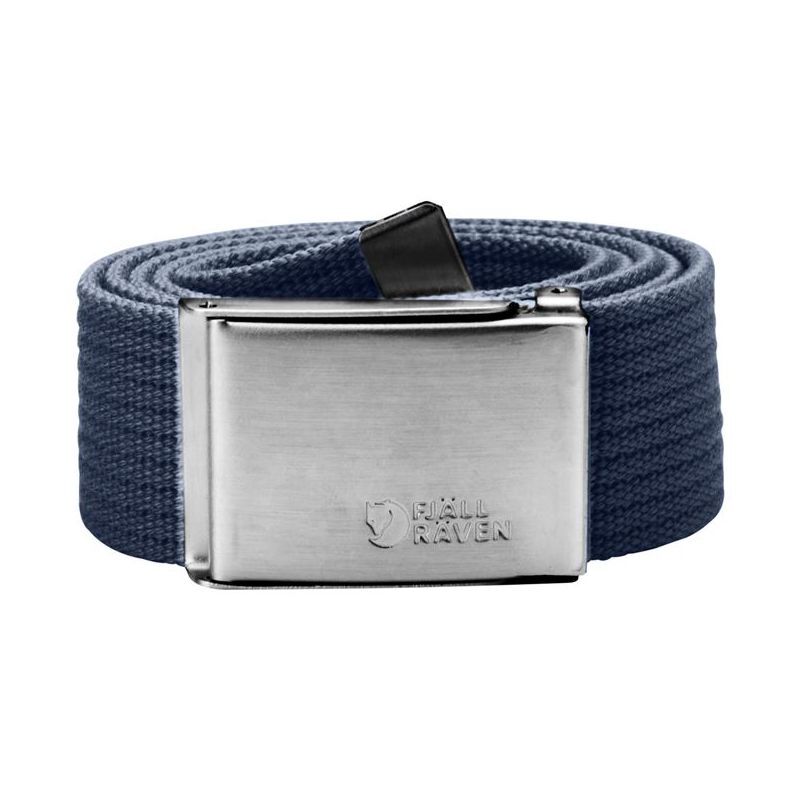
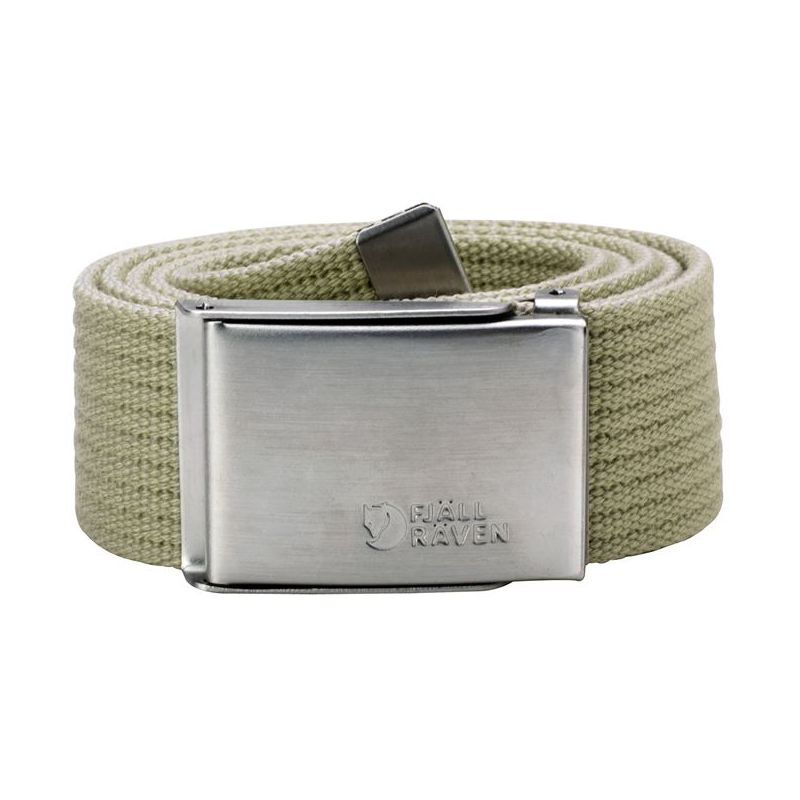
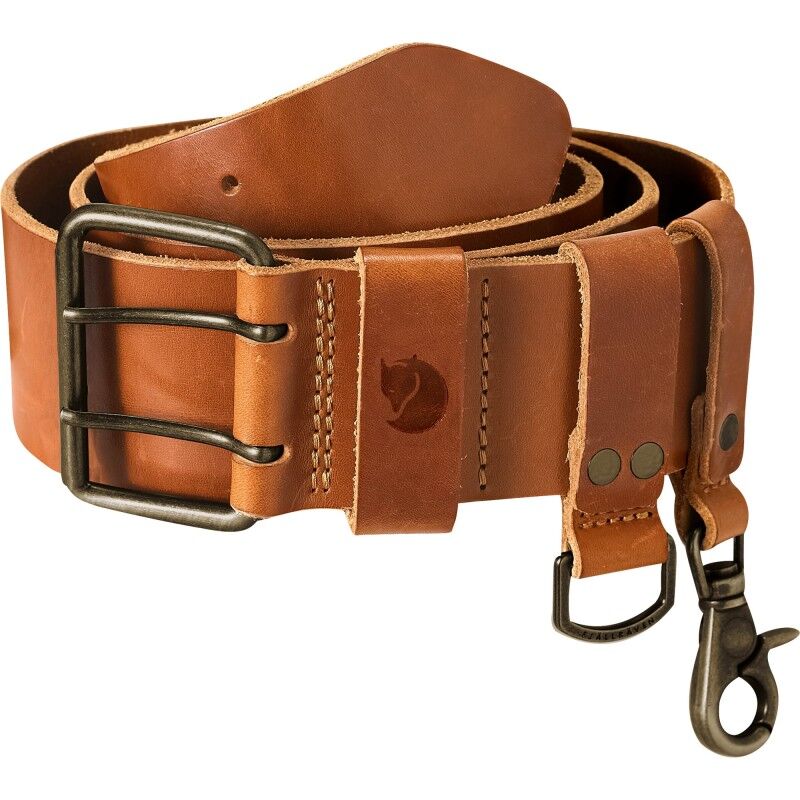
The Hiking Belt: A Must-Have for Perfectly Fitted Trousers or Shorts
You, dear trekking friend, are looking for a hiking belt to secure your trousers at the waist and avoid having to pull them up during your trek? However, do you know where the expression "tighten your belt" comes from? It was in the 20th century that the belt found its true utility, driven by the pilgrims of Santiago de Compostela who tightened their pouches around their waists to store their modest sums of money collected during the journey. From then on, the expression "tighten your belt" became widely associated with poverty and begging. Nowadays, if you plan to complete the Camino de Santiago, you will undoubtedly need a good trekking belt to maintain optimal movement and avoid ending up with trousers around your ankles.
How to Choose Your Hiking Belt
Just like the pouch of the 20th-century pilgrims, the trekking travel belt serves multiple purposes. Beyond keeping your trousers or shorts in place, your hiking belt, depending on the model, can transform into a money belt. A money belt, also known as a "ticket belt," has a hollow compartment that allows you to place your notes for safekeeping. If you are doing the Annapurna Circuit, for example, this type of trekking belt is highly recommended by guides, as you will be sleeping from refuge to refuge, often in homes inhabited by locals, and sometimes accompanied by other hikers. The money belt is therefore a precaution to take when considering a long trek and staying with people you do not know. However, do not fall into paranoia, which could cut you off from the unique cultural experience that comes with meeting other populations during a trek.
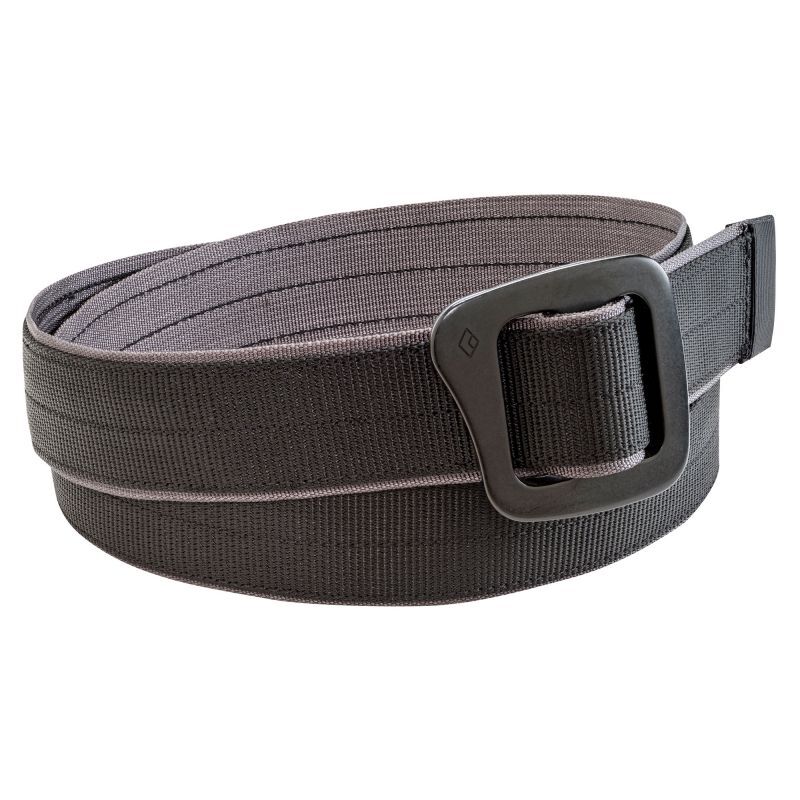
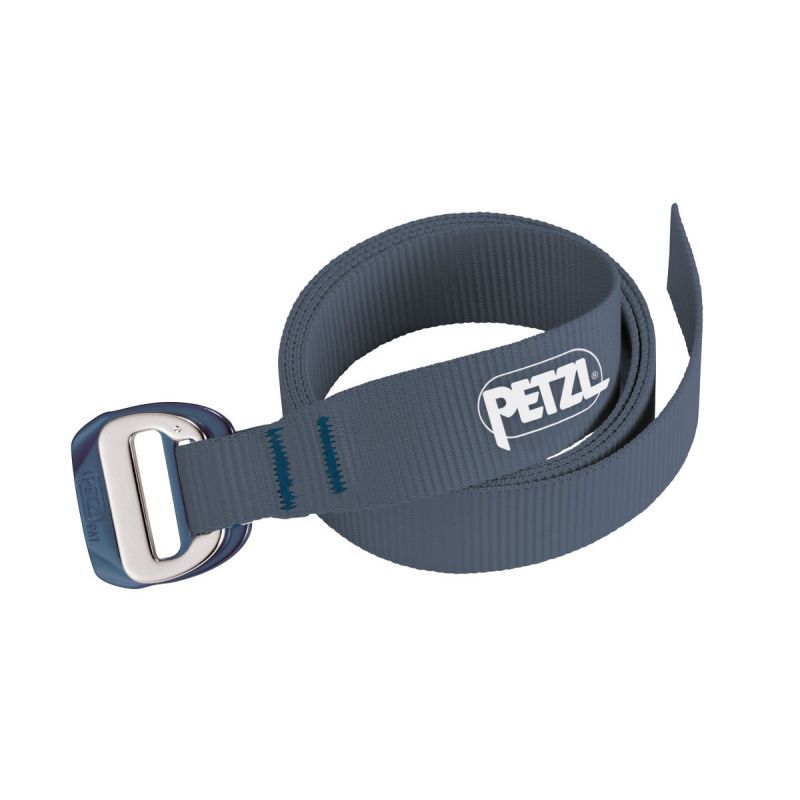
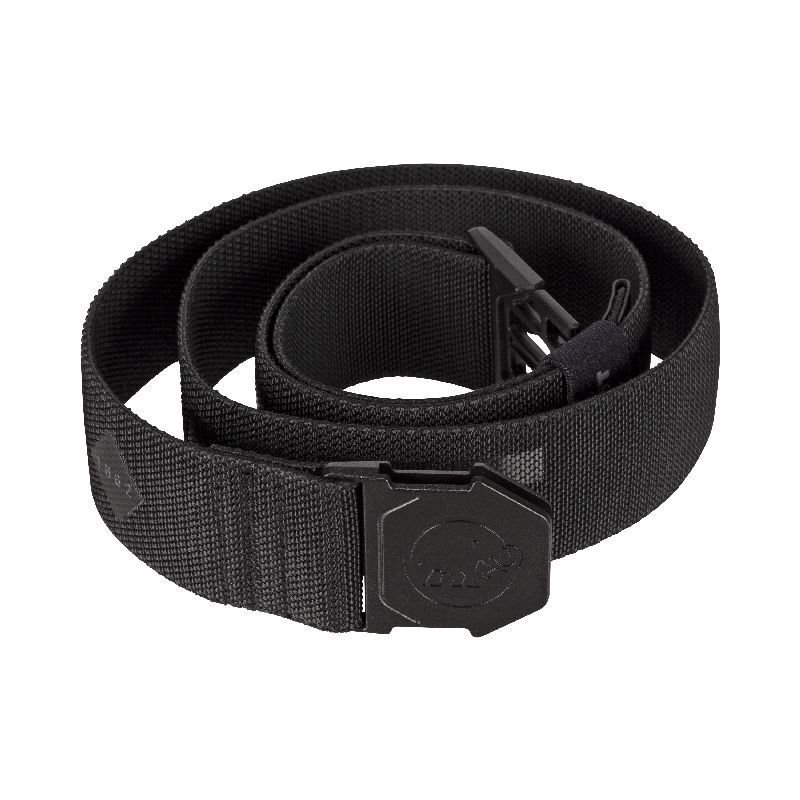
Your hiking belt can also be an ordinary hiking belt, without a secret compartment. In this case, you should pay particular attention to the size of your trekking belt to ensure it fits your body shape. It is generally considered that a hiking belt is your size when the prong, which is the movable part of your buckle that goes into one of the holes provided for this purpose, should pass through the third hole when your hiking belt is fastened.
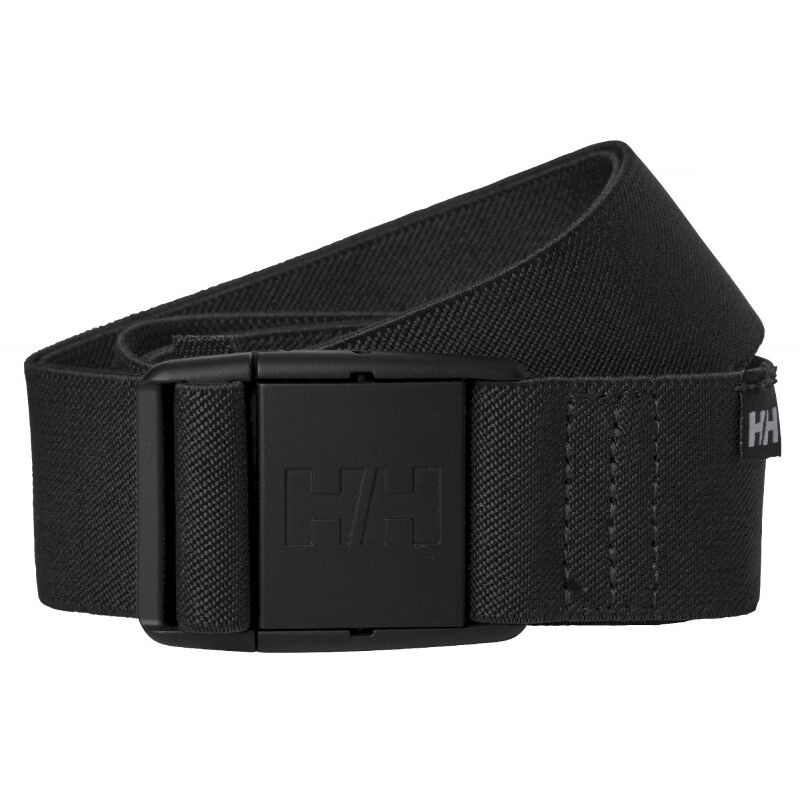
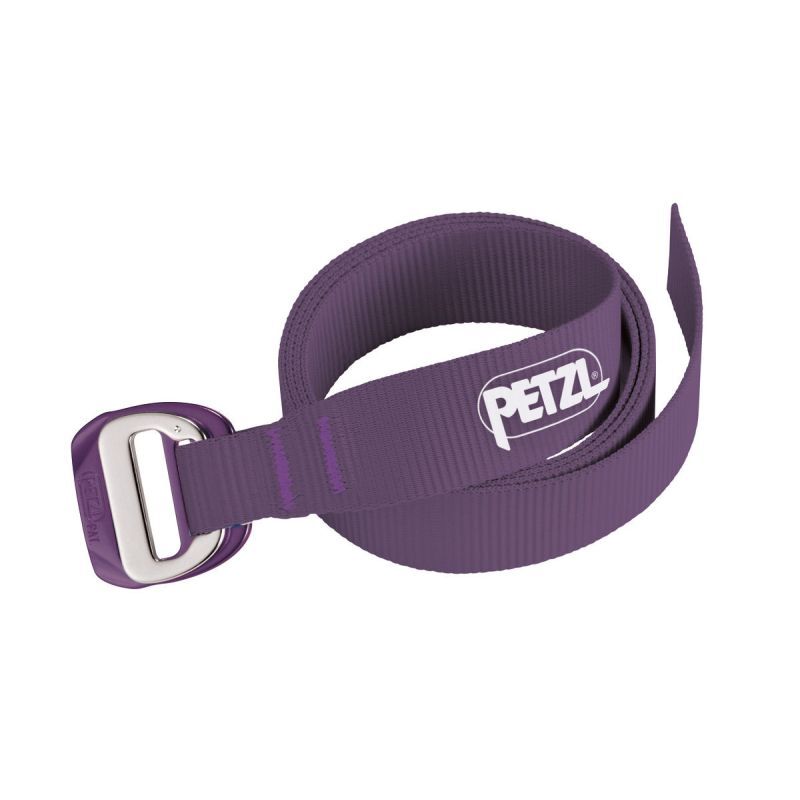
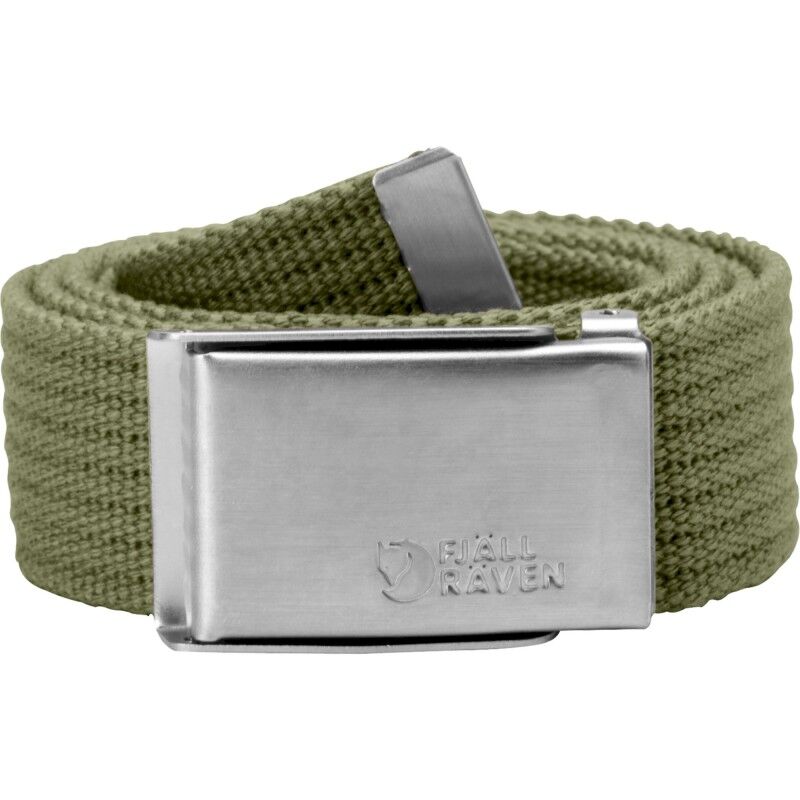
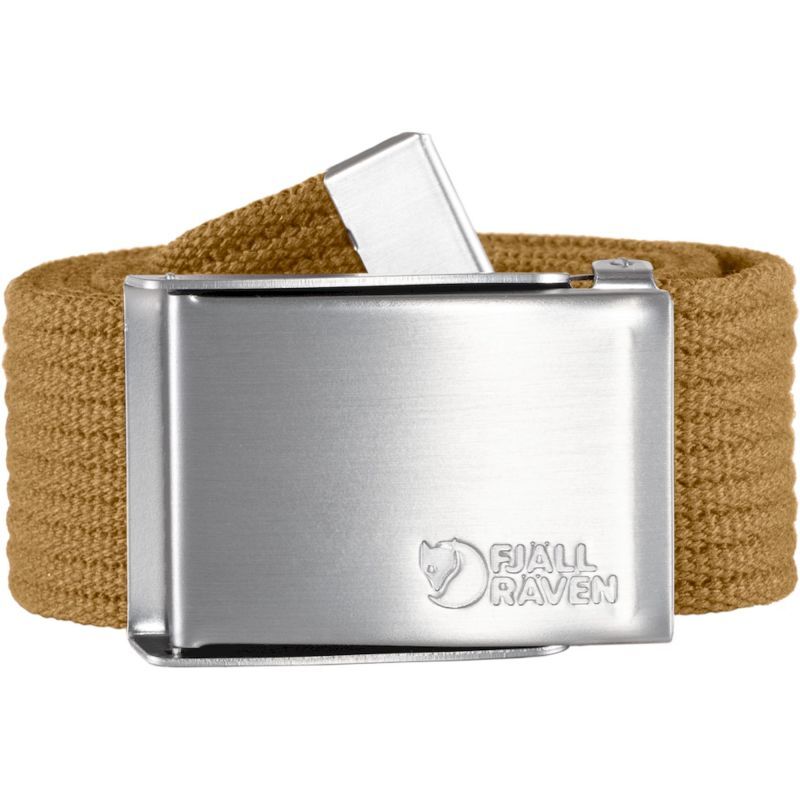
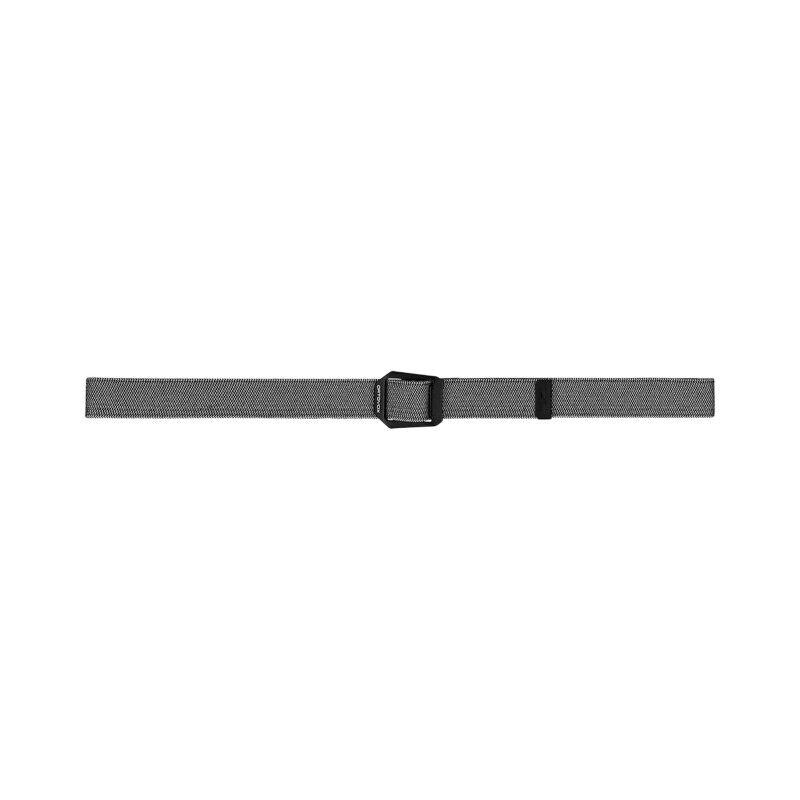
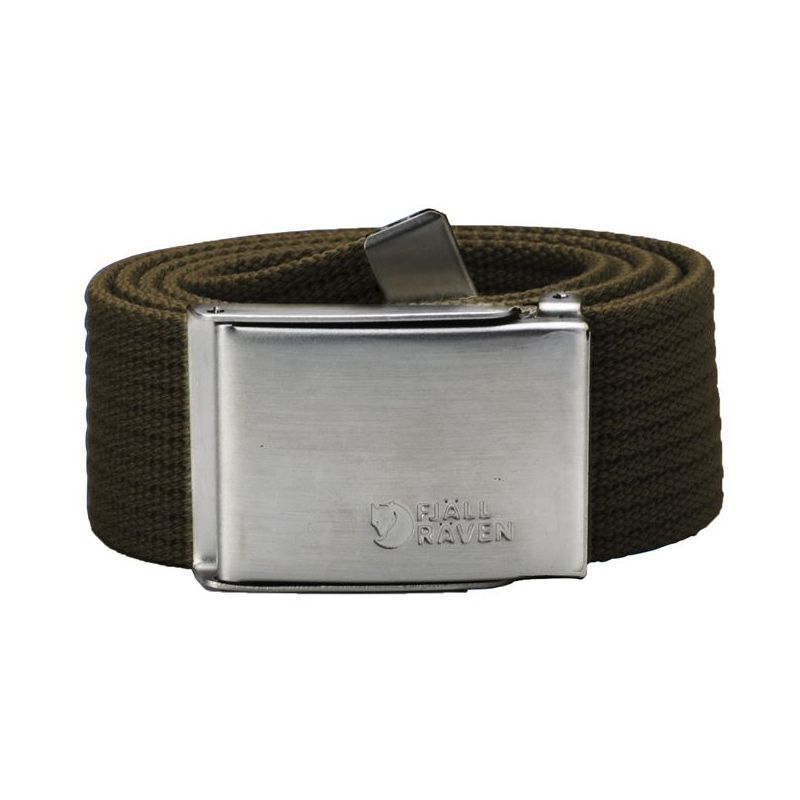
Regarding the material, to travel light and comfortably, we recommend a hiking trousers belt made of polyester webbing that dries quickly. Lightweight and practical, a hiking belt made of polyester webbing, often woven, will allow you to achieve your daily goal without worrying about the fit of your trousers. An effective trekking belt should ensure good support for the trousers, adjust and fasten easily, and be comfortable. Black, white, brown, or more colorful belts, there is something for everyone. You will always look stylish, even during your longest walks.
The Patagonia Hiking Belt, the Queen of Versatility
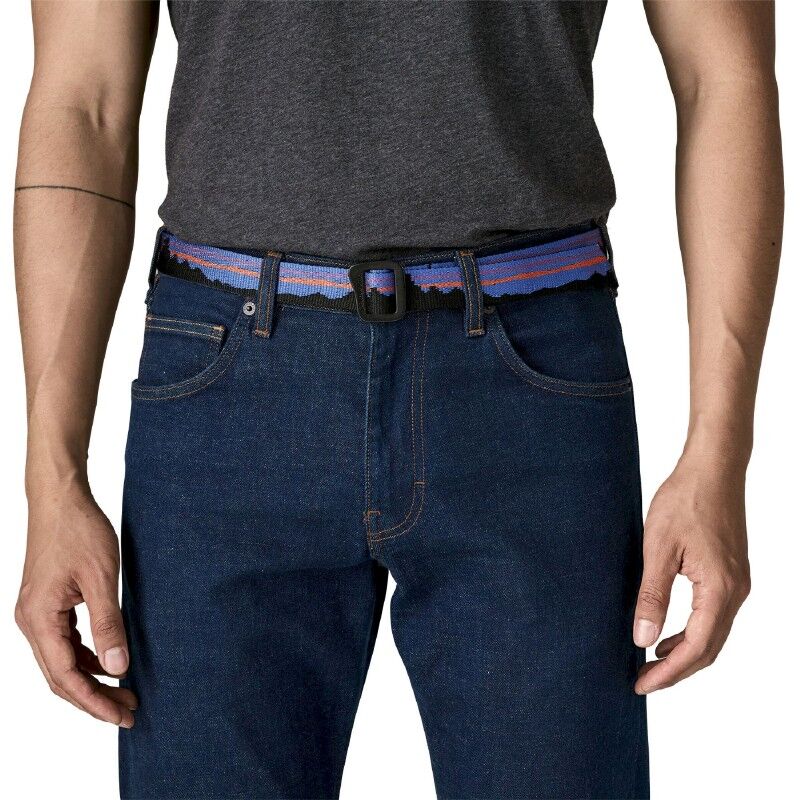
The brand Patagonia is a guarantee of quality for all trekkers looking for a high-performance hiking belt. Some Patagonia trekking belts, indeed, are equipped with anti-corrosion technology, such as the Friction Belt, which allows the belt to last over time and accompany you on all your adventures.
Moreover, if you fancy enjoying (in moderation) a little beer at the end of the stage, know that there is a type of trekking belt specially designed so that the buckle can pop open your beer. For example, the Tech Web Belt model from Patagonia is a hiking belt that stays perfectly in place throughout the day and allows you to pop open a bottle after a day of effort. After the effort, comes the comfort, doesn’t it?
Find Your Hiking Belt on Hardloop.fr
Black Diamond, Patagonia, Prana, Eagle Creek, Petzl... the top brands have designed belts for you. The hikers from the Hardloop team have selected the best hiking belts for all your adventures, ensuring fit, practicality, and comfort.