
Rectangular Sleeping Bags
(40)

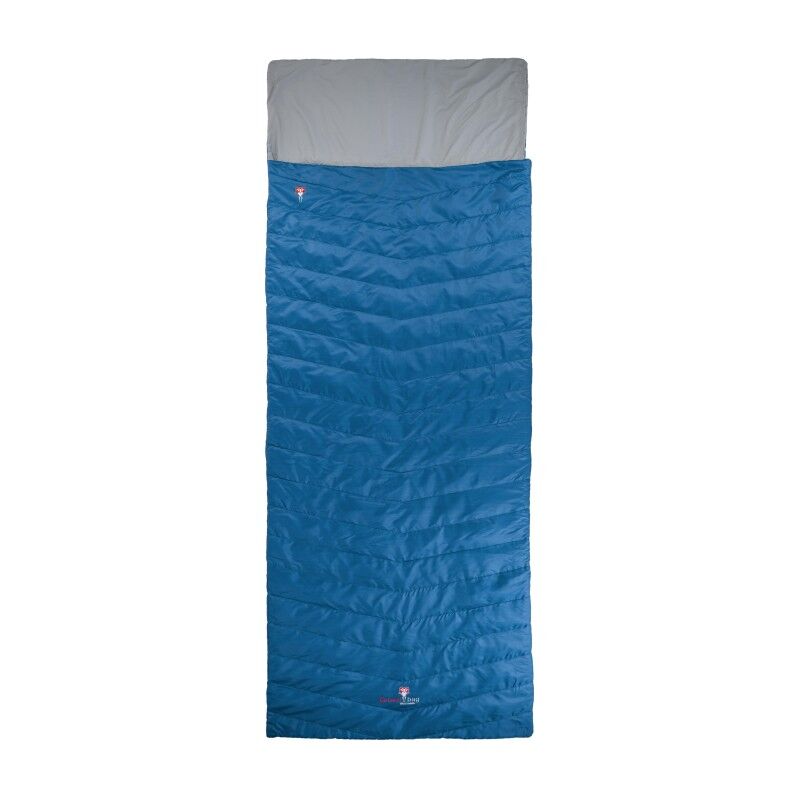
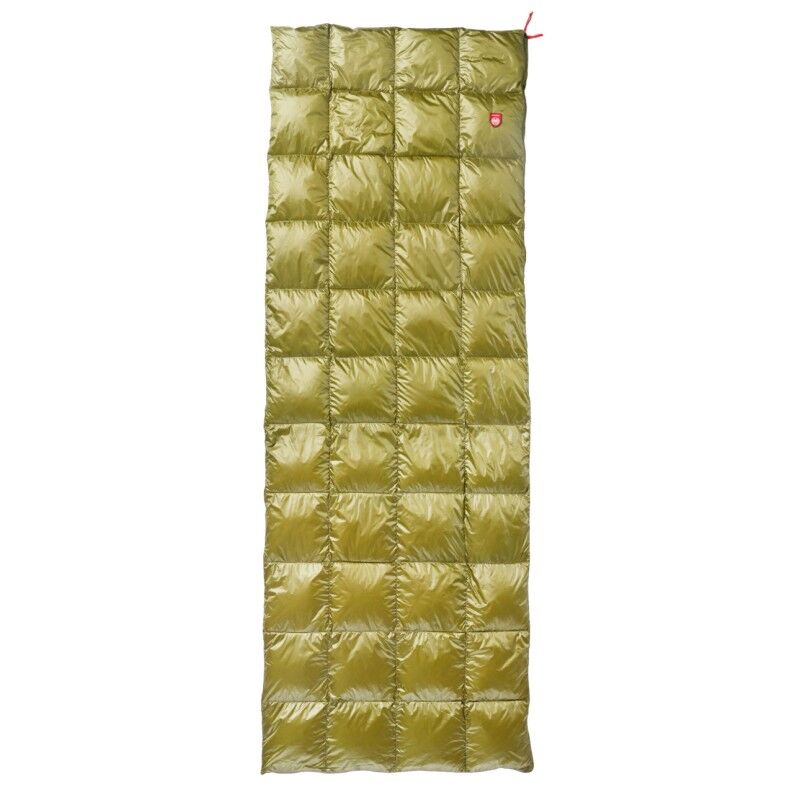

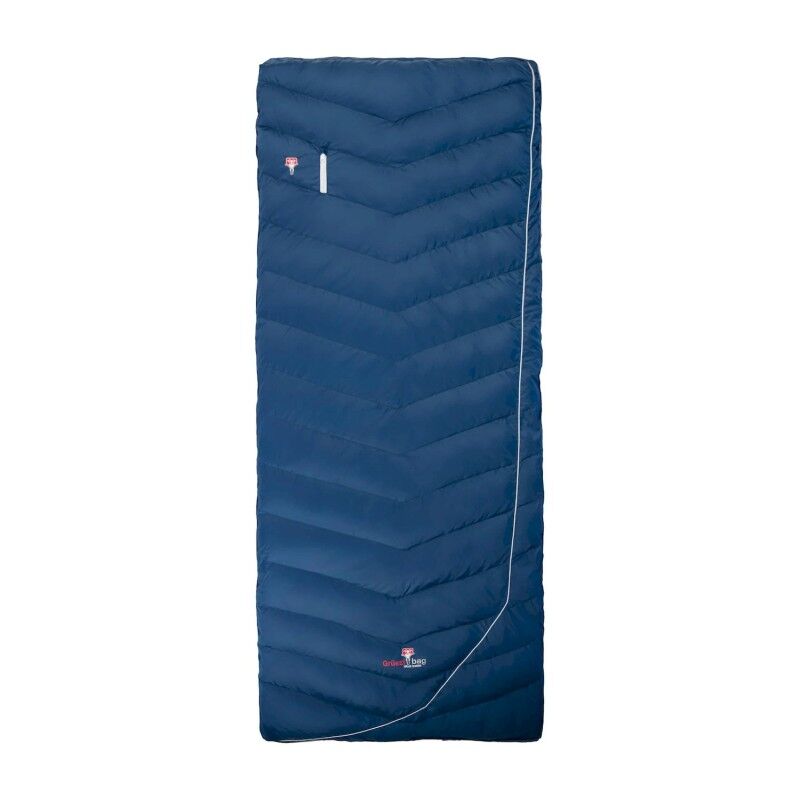
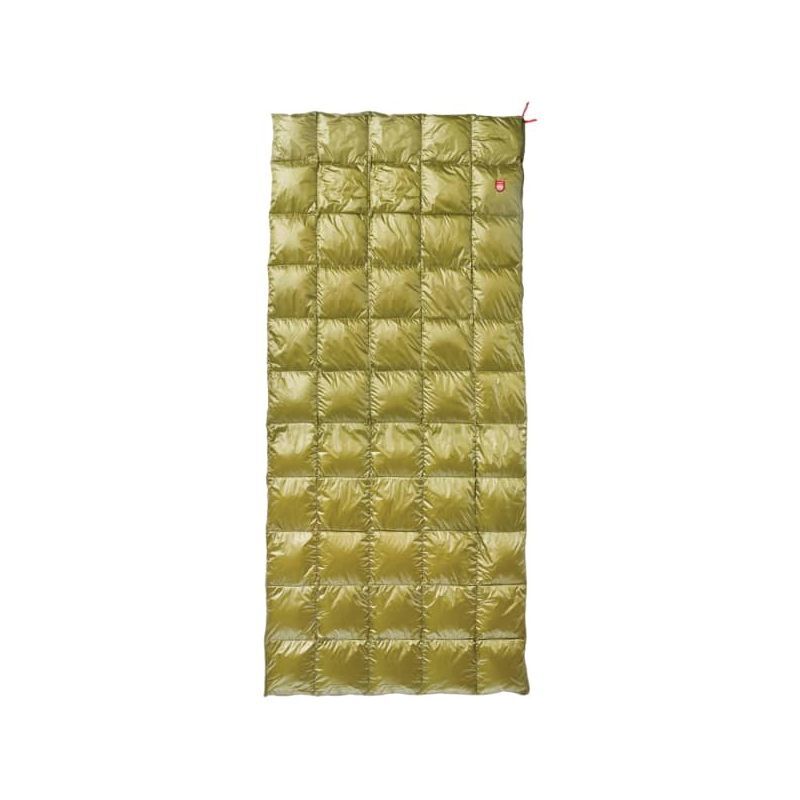
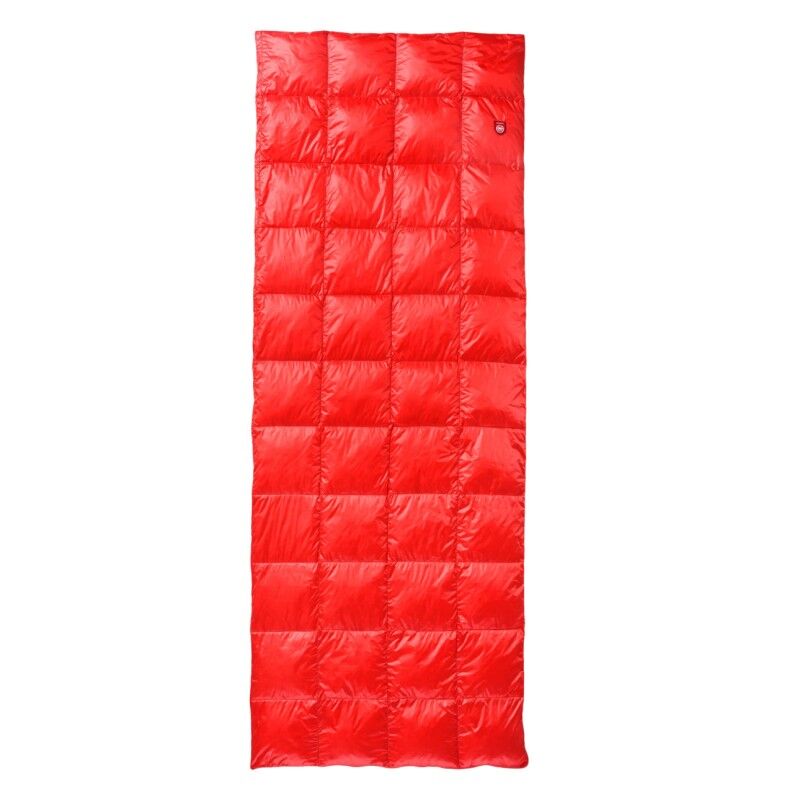
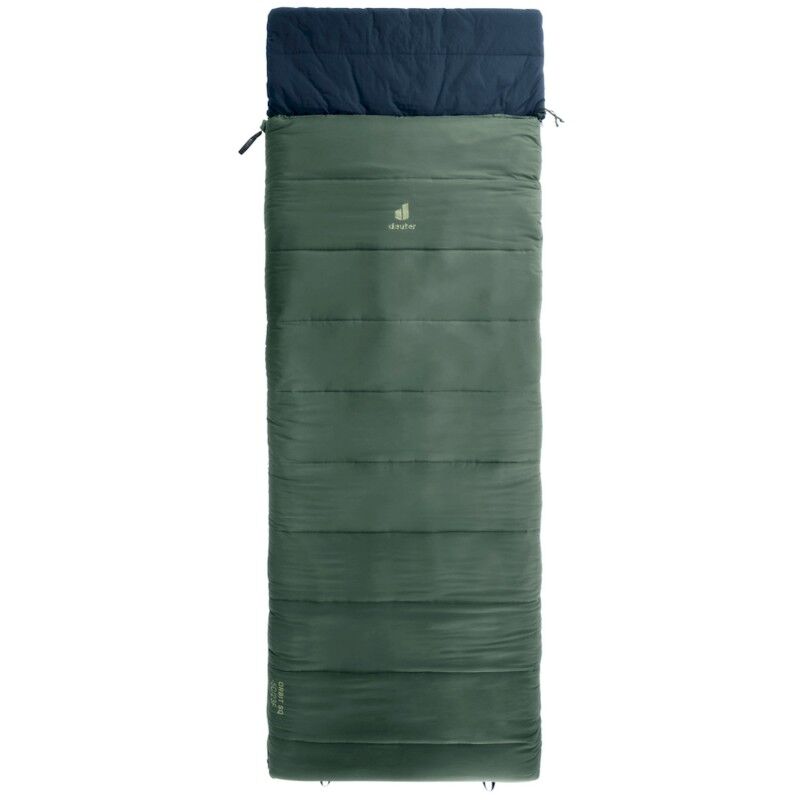
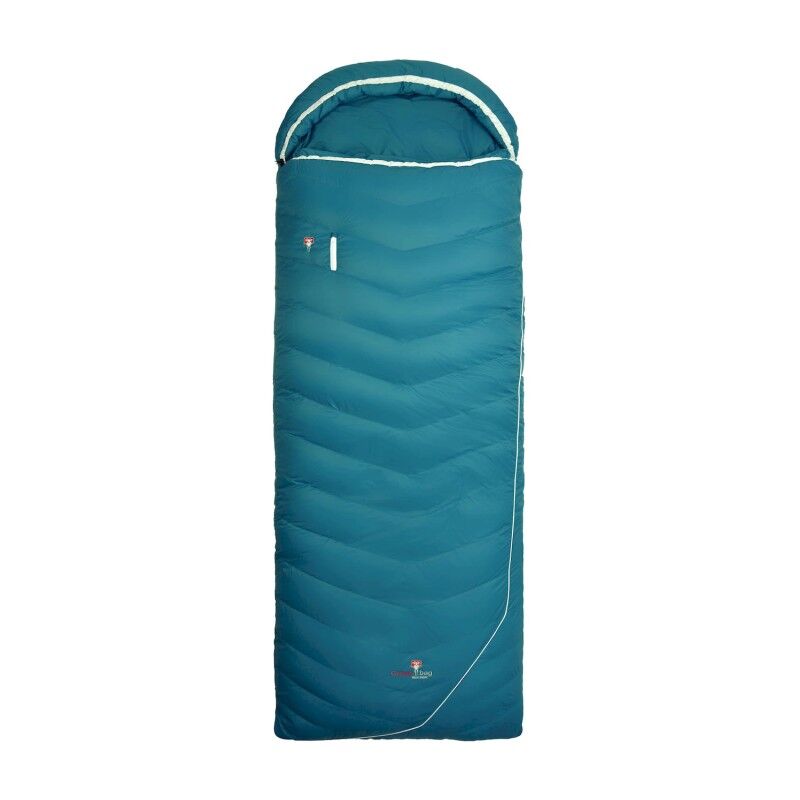
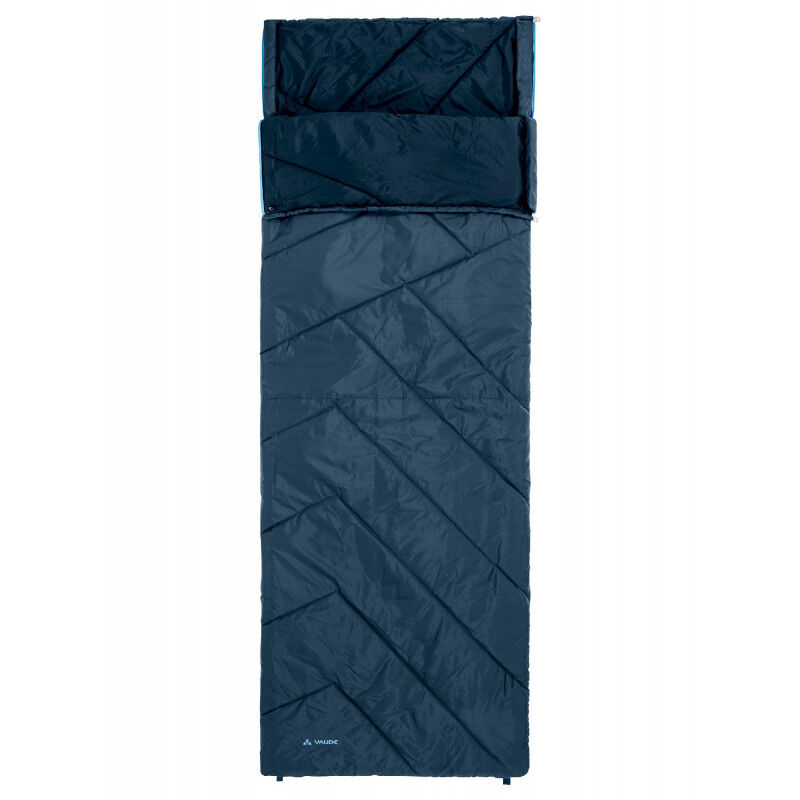
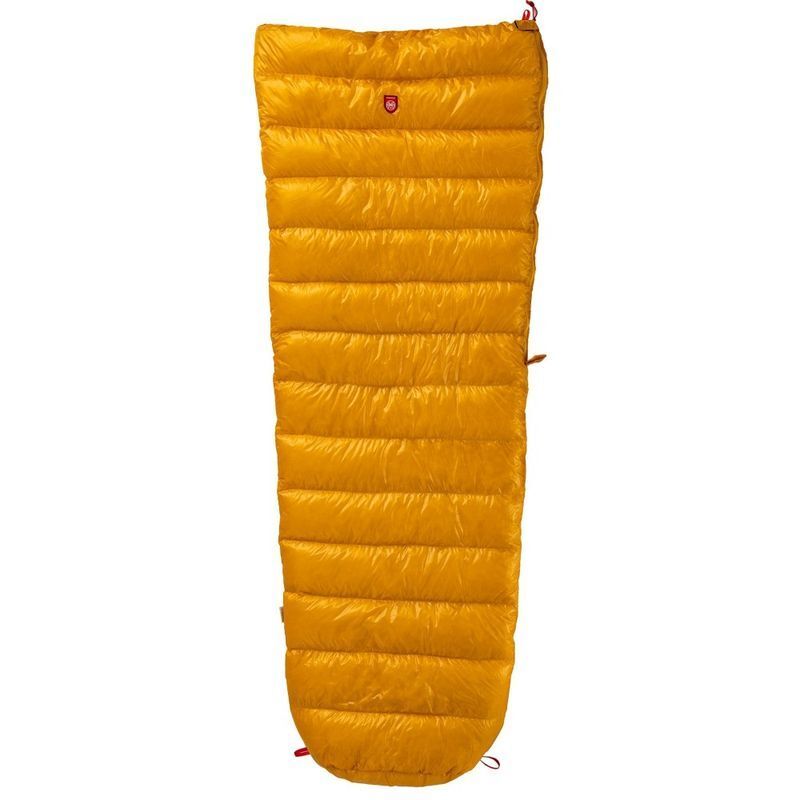
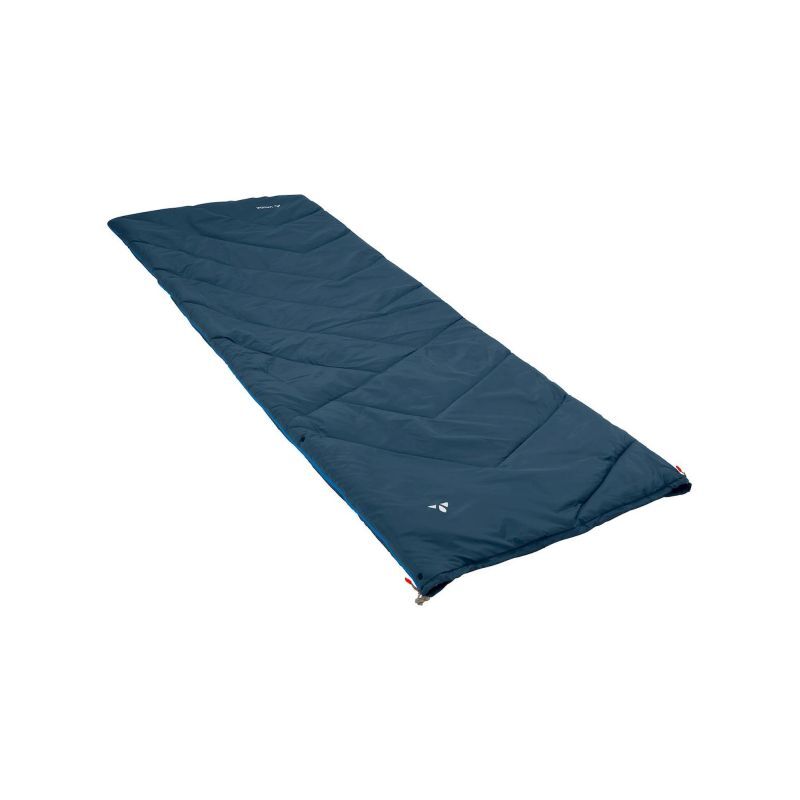
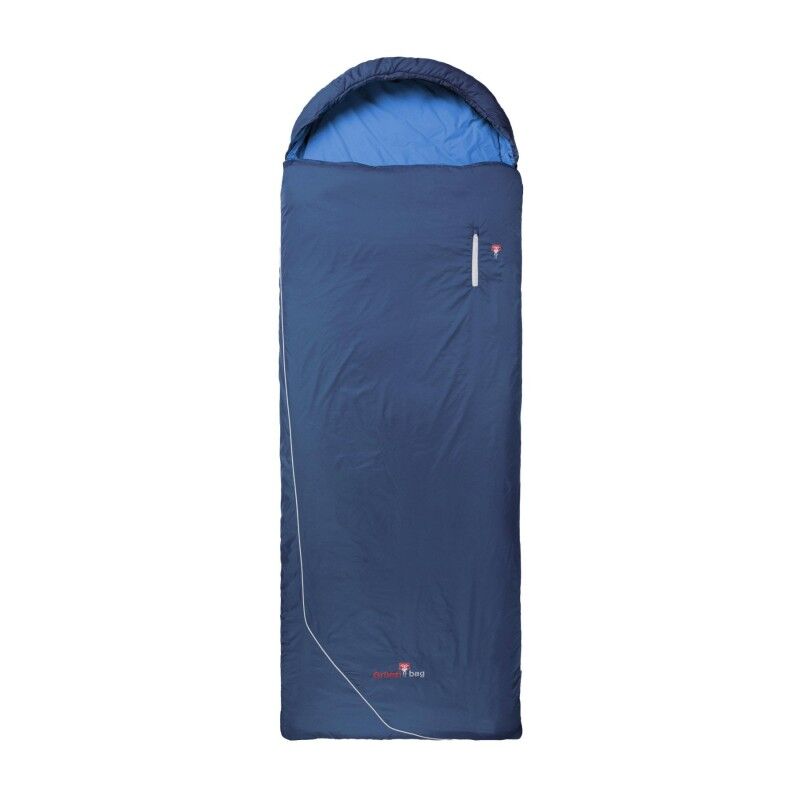
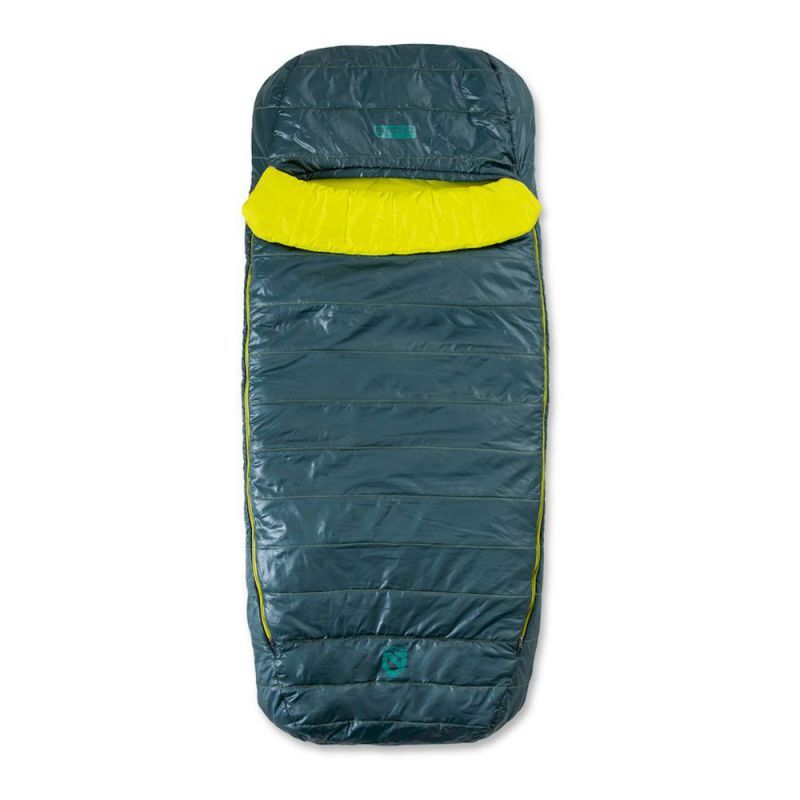

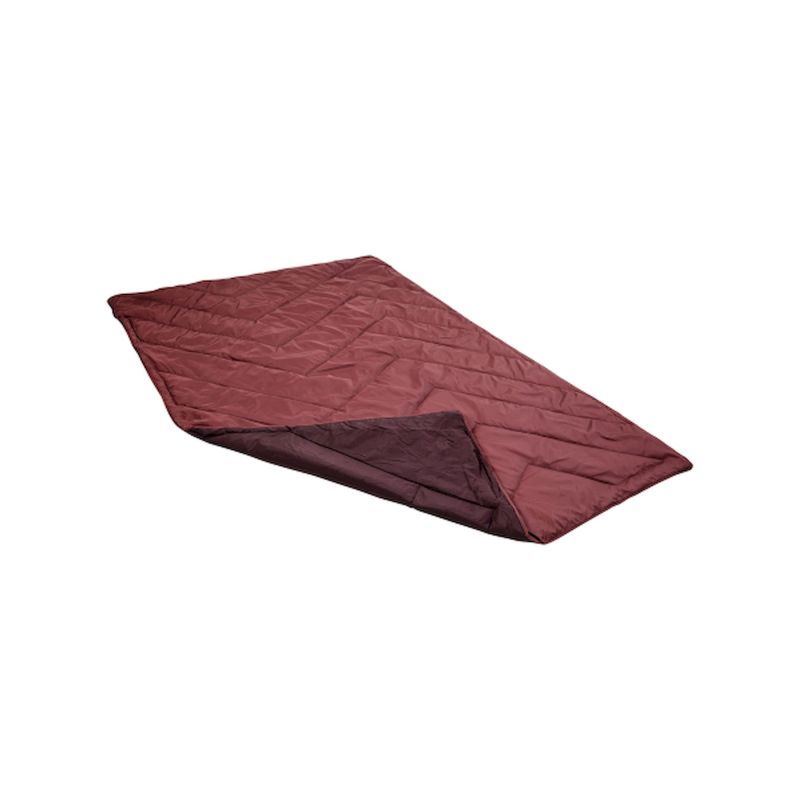
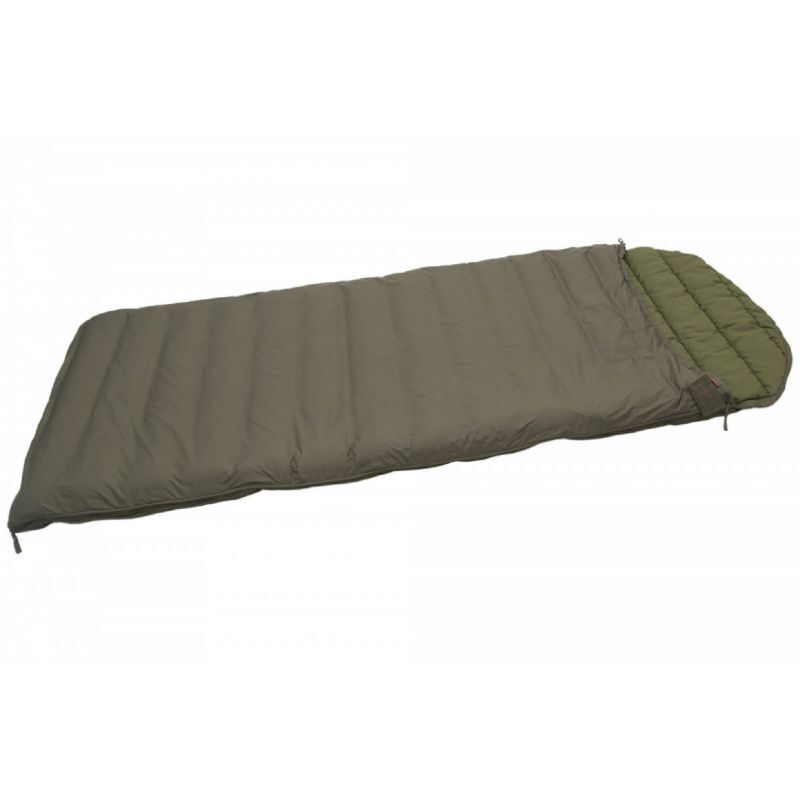
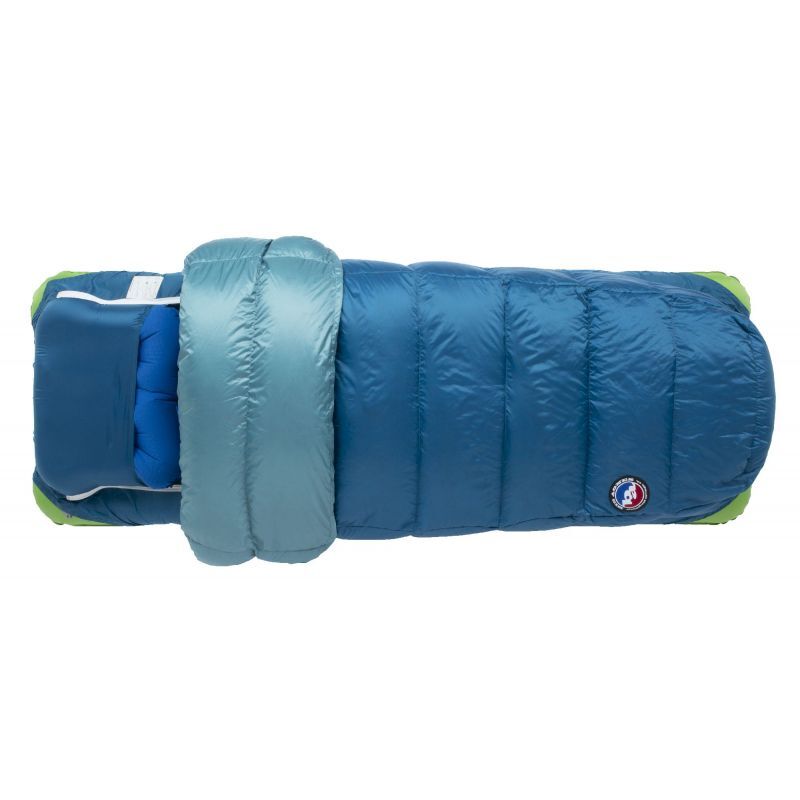
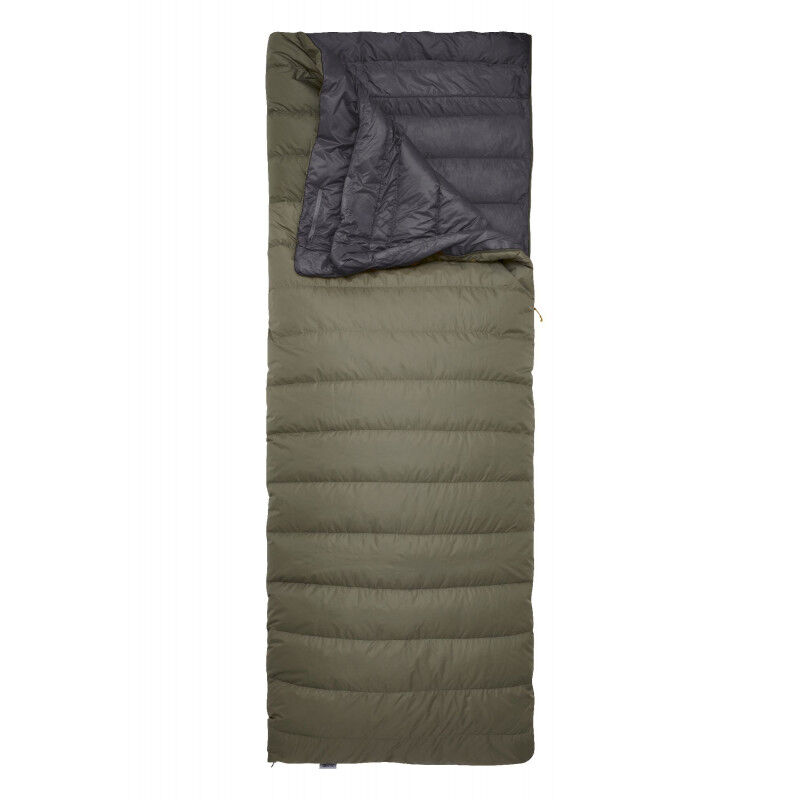
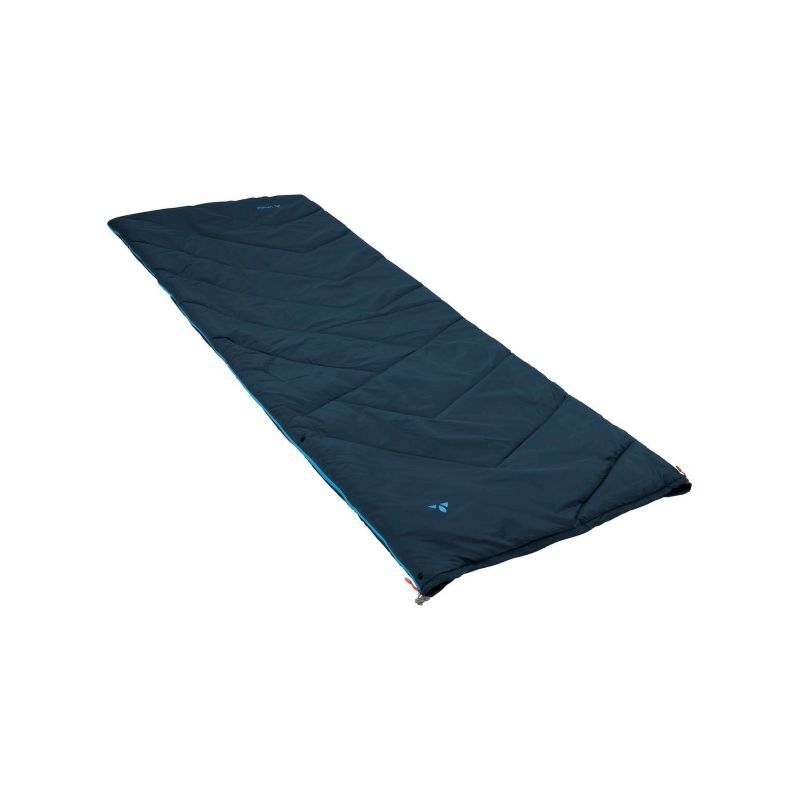
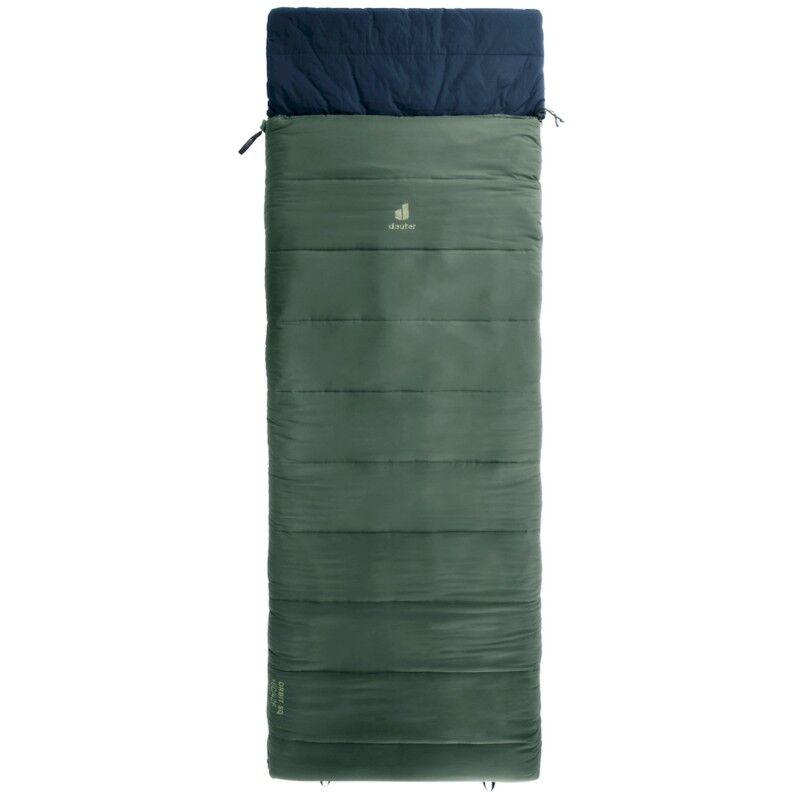
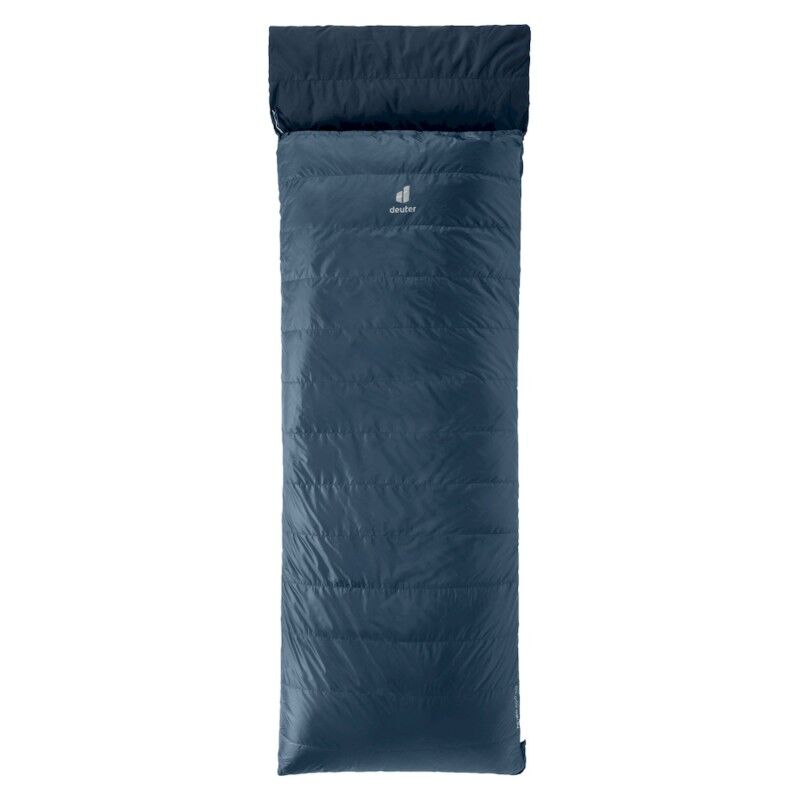
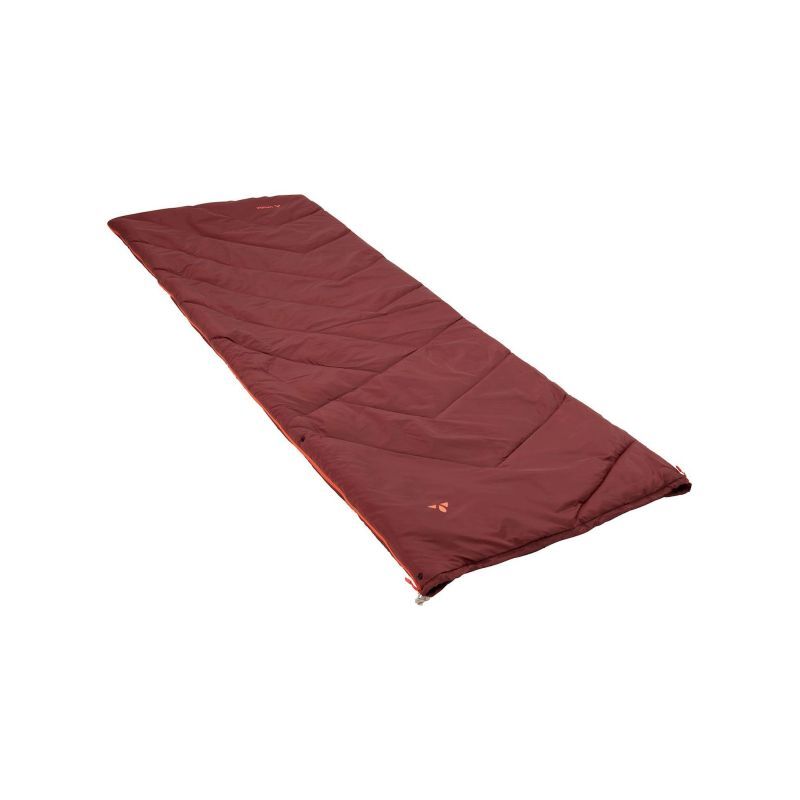
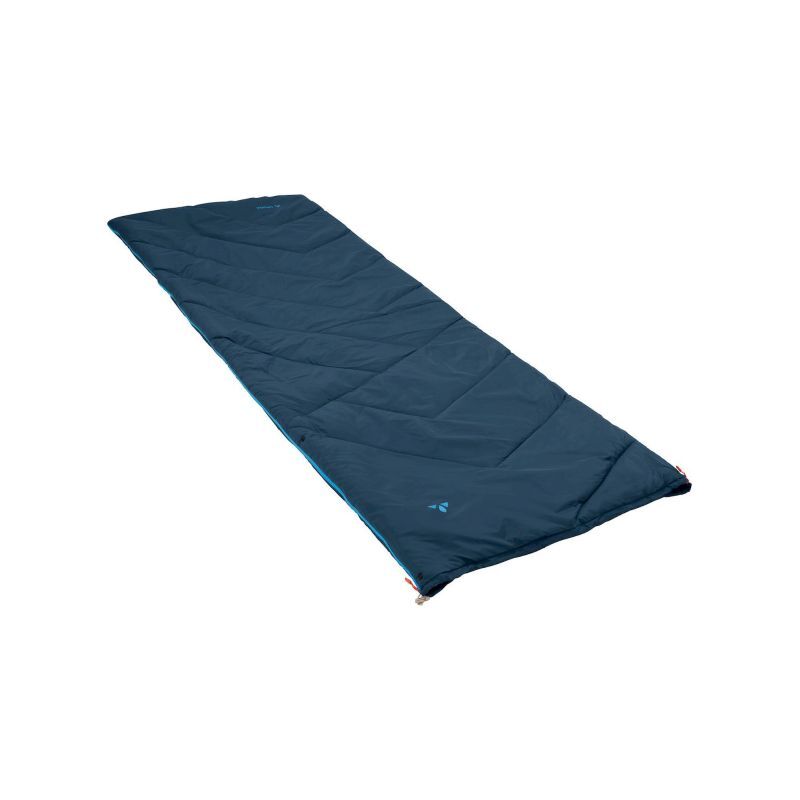
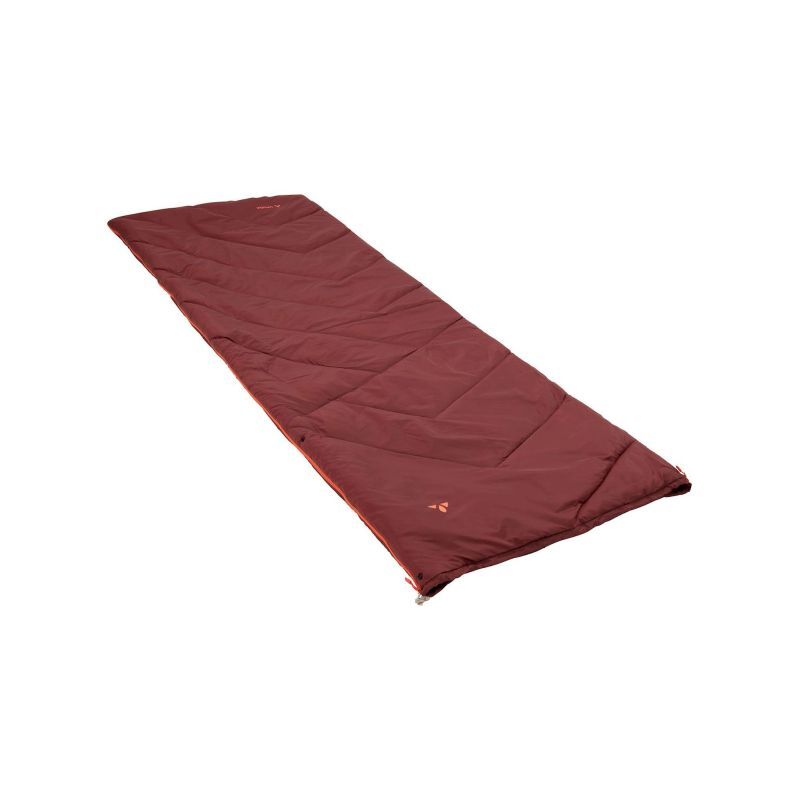
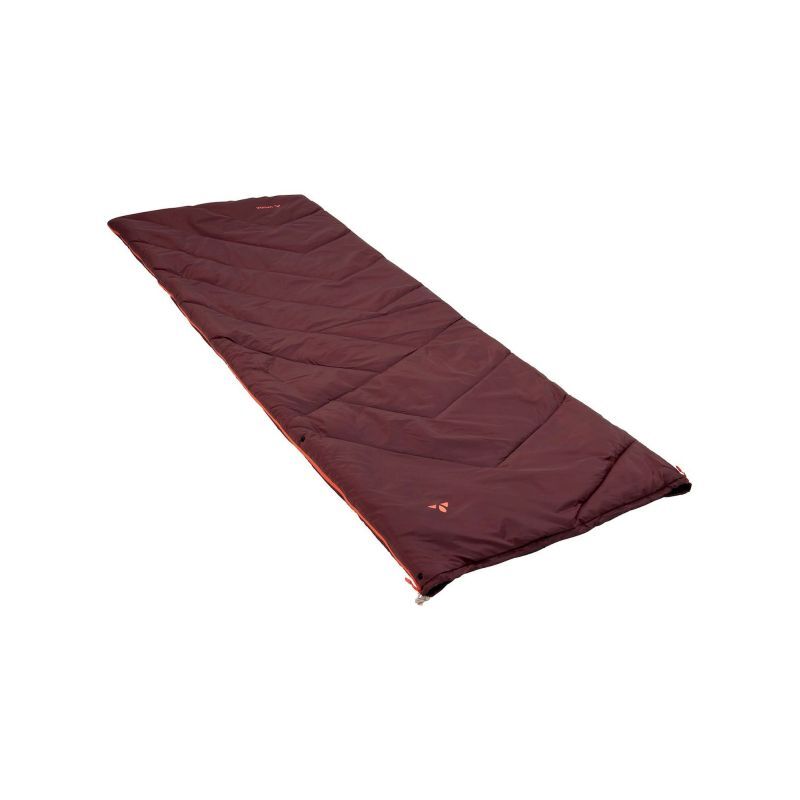
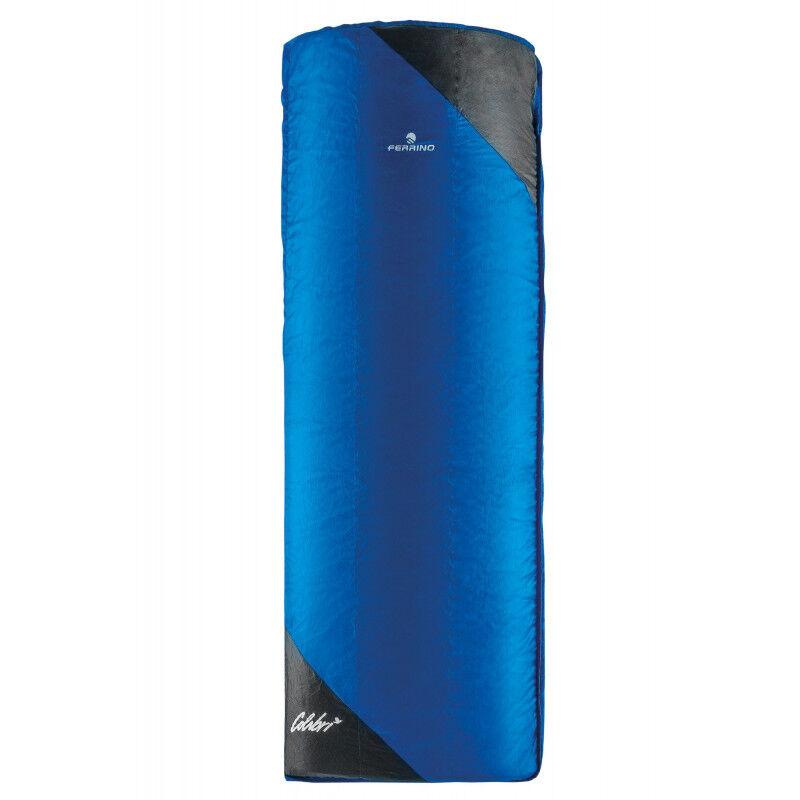
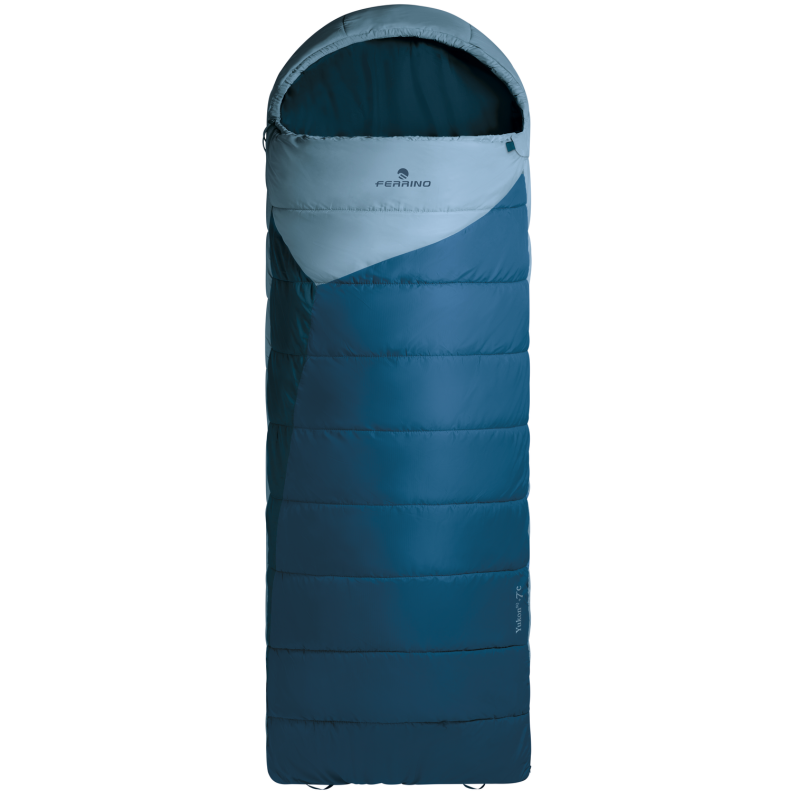
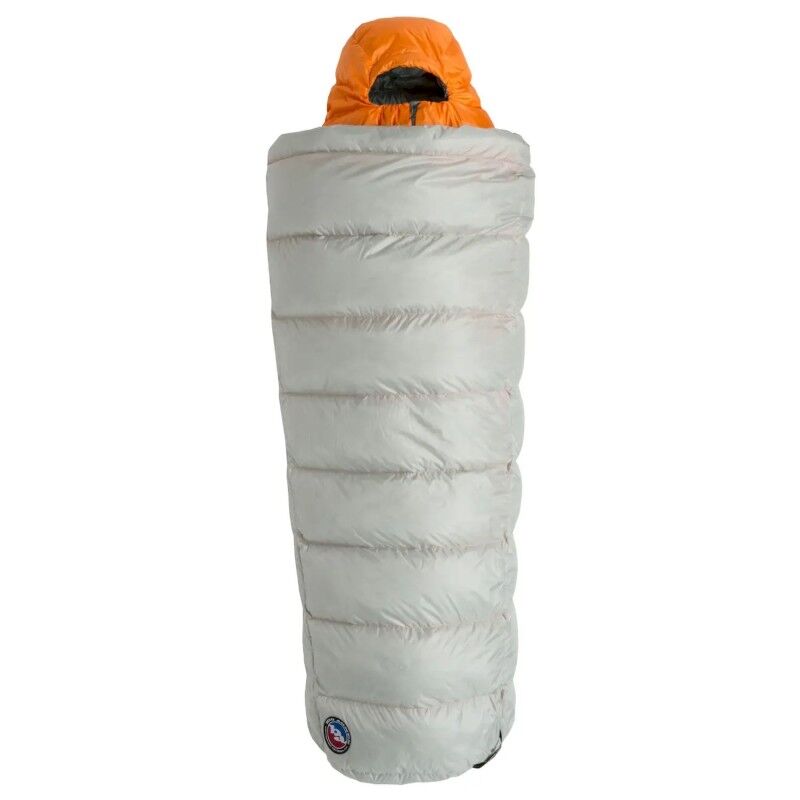
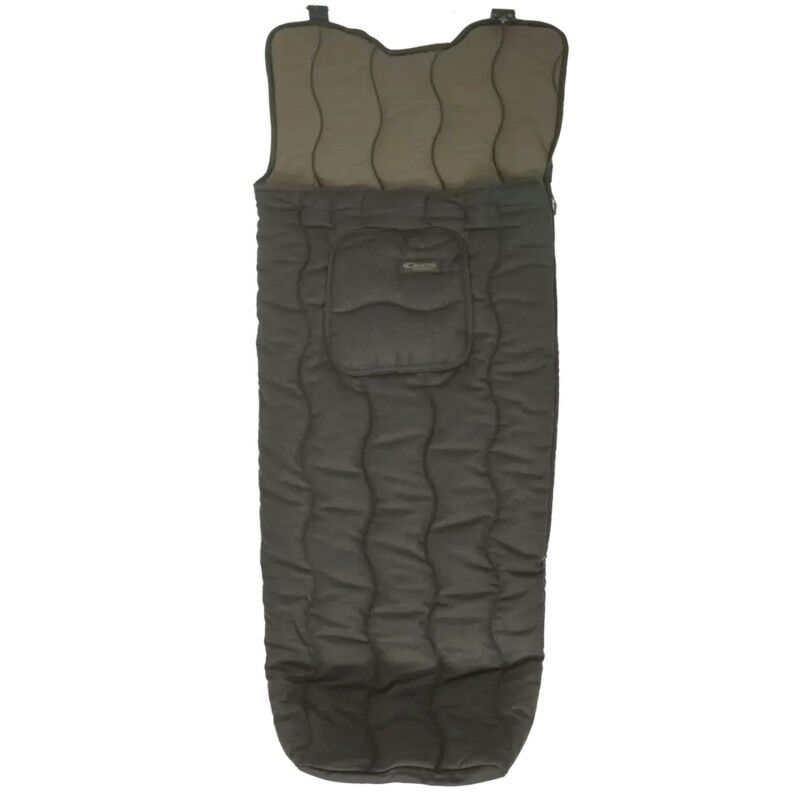
The Rectangular Sleeping Bag: Sleep Peacefully While Camping or Bivouacking
After a tiring day filled with outdoor activities or simply after long hours of walking during your great hike, physical fatigue sets in and all you can think about is sleeping comfortably. It’s time to get into your hiking sleeping bag, turn off the lights, and close your eyes. However, your sleeping bag with holes lets in cold air, your feet are freezing, and your sleep is interrupted by unpleasant micro-awakenings. This can lead to a rough start to your day and feeling tired for the rest of your hike. The sleeping bag is therefore essential for hikers and campers. There are two types of hiking sleeping bags: the rectangular sleeping bag and the mummy sleeping bag. At Hardloop.co.uk, discover our wide selection of rectangular sleeping bags to accompany you on all your hikes and outings in the great outdoors.
The Rectangular Sleeping Bag: Advantages and Disadvantages
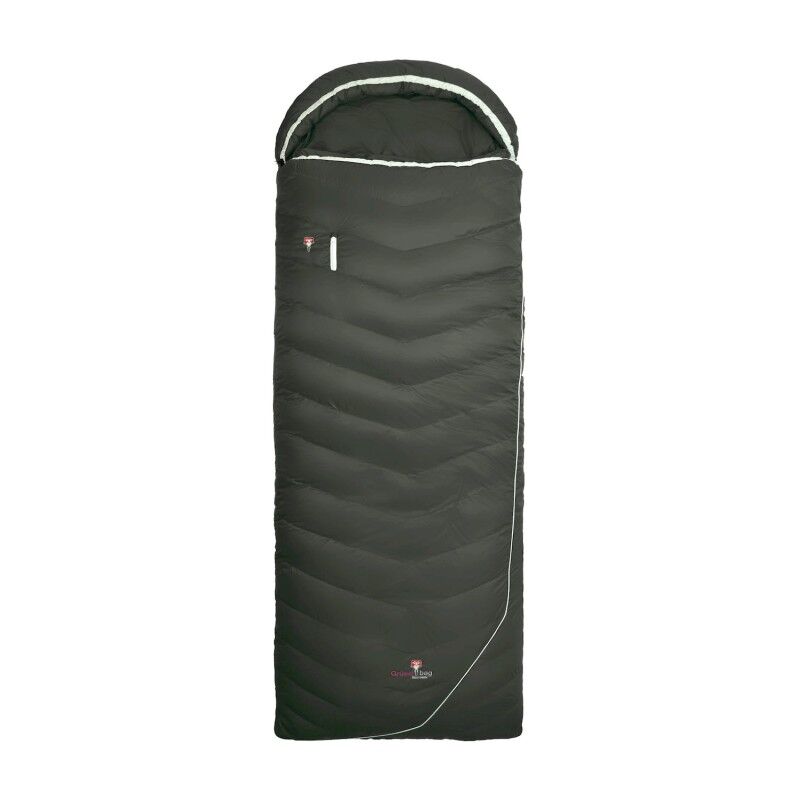
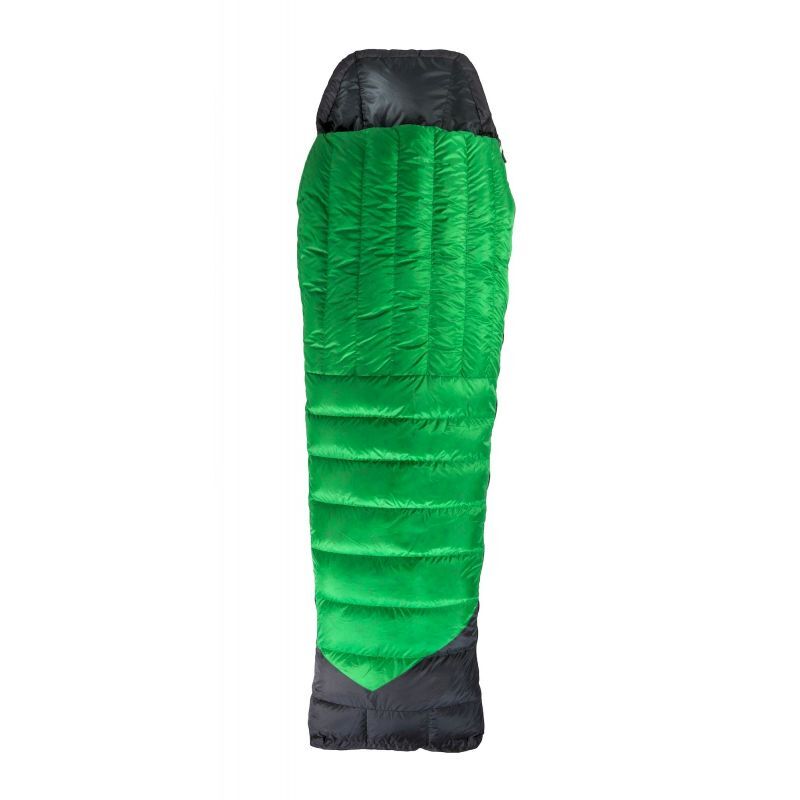
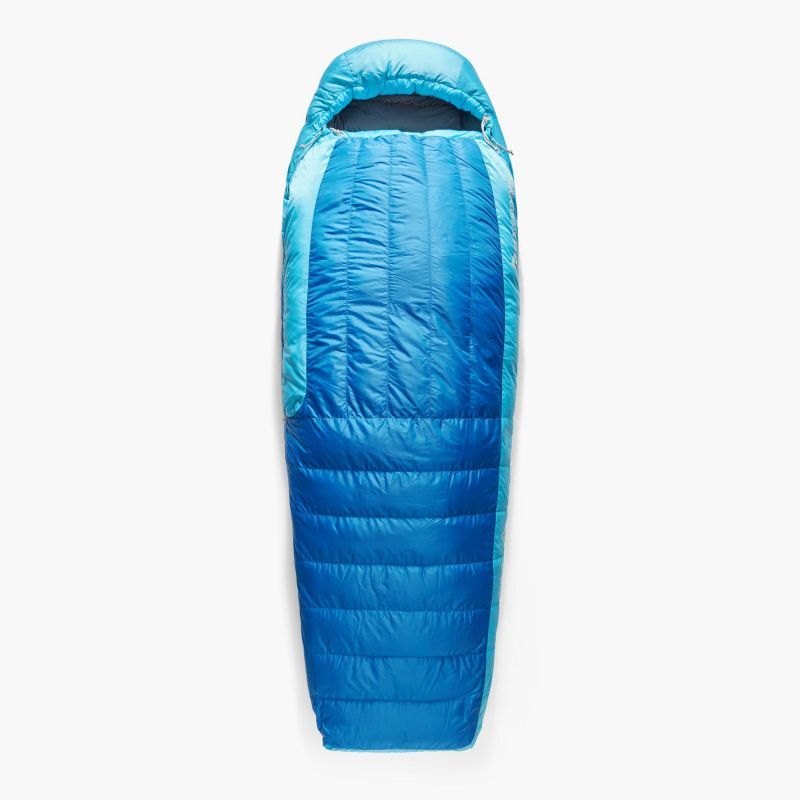
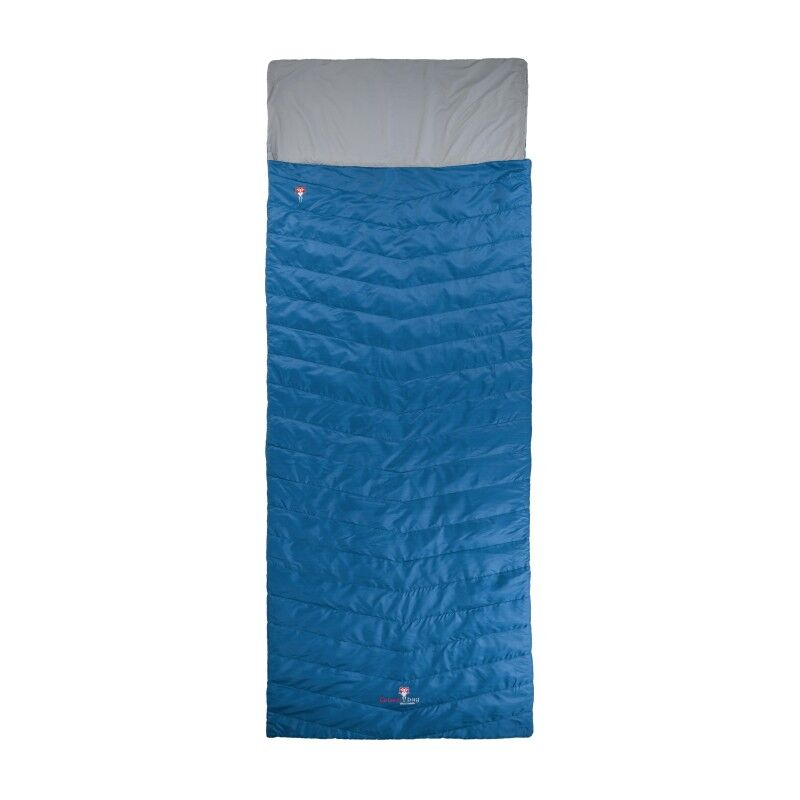
The rectangular sleeping bag has several advantages, but also some disadvantages. As its name suggests, and unlike the mummy sleeping bag, the rectangular sleeping bag is rectangular in shape, giving you the same space at the shoulders as at the legs and feet. You will greatly appreciate the rectangular sleeping bag if you dislike feeling cramped, especially if you tend to move around at night. However, the rectangular sleeping bag does have some drawbacks, particularly regarding thermal insulation. Keep in mind that the larger the sleeping bag, the greater the air entry. The thermal insulation of the rectangular sleeping bag is therefore limited because it does not conform perfectly to your body shape. The rectangular sleeping bag tends to be slightly less warm than a mummy sleeping bag.
Moreover, in terms of storage, be aware that a rectangular sleeping bag, once compressed, takes up more space in your hiking backpack than a mummy sleeping bag. Therefore, it is preferable to choose a rectangular sleeping bag if you are engaging in leisure camping or if you are sleeping under a hiking tent.
The Rectangular Sleeping Bag in Natural Down (Goose or Duck)
The rectangular sleeping bag in natural down is a guarantee of superior quality and undeniable warmth. If you are going on a long hike in cold regions, it is advisable to use a rectangular sleeping bag with natural insulation made of duck down or goose down. Much warmer than synthetic down, the rectangular sleeping bag in goose or duck down is undoubtedly the best option for a cozy night. For example, the Navajo 400 DWN sleeping bag from Vaude is a rectangular sleeping bag made of duck down that is ideal for camping or bivouacking, making you feel like you’re in a soft and cozy bed. More compressible than synthetic down, the rectangular sleeping bag in natural down takes up very little space and offers greater comfort.
The Rectangular Sleeping Bag in Synthetic Fibres
The rectangular sleeping bag in synthetic fibres performs better in humid conditions than a rectangular sleeping bag in natural down (as the feathers tend to clump together, affecting the loft of the sleeping bag). The rectangular sleeping bag also takes up a bit more space in your hiking backpack as it is less compressible. The Vaude Finsuit 750 SYN rectangular sleeping bag is ideal for short hikes in spring or summer, offering a comfort temperature of 5°C.